WWE Hall of Famer Diamond Dallas Page Unveils "DDPY Rebuild" For Those 55 Plus & Limited Mobility
Diamond Dallas Page, WWE Hall of Famer and 3 time WCW World Heavyweight Champion, is probably the last person you'd expect to develop a fitness program you can do in a bed or a chair, but that's exactly what he's done.
DDP is in the process of releasing a new variation of the DDPY program catered toward those age 55+ and those with physical limitations. Dubbed "DDPY Rebuild," the new program starts with individuals lying down in a bed and strategically stretching, flexing, and engaging muscle to get moving again. The series progresses with individuals building their way up to doing workouts sitting in a chair, and eventually end with standing up and using the chair for stability.
DDP, currently 61 years young, wanted to help others who were older or with extreme limited mobility not just live, but learn to thrive. He was inspired by disabled veteran, Arthur Boorman, who's incredible DDPY transformation has received worldwide attention. When Boorman started DDPY, he was unable to walk without the assistance of canes, but was able to modify the traditional DDPY workouts to use a chair for assistance.
"After seeing the incredible success that older adults were having with the original DDPY program, I saw a need for workouts that were accessible to people who struggled with balance, stability, and movement," says Page. "This program is the perfect gift for parents, grandparents, and even great grandparents who want to rebuild themselves!"
DDPY Rebuild will be released exclusively on the DDP YOGA store and the DDP YOGA Now app in early December. Learn more about DDPY Rebuild at ddpyoga.com/rebuild
DDP YOGA (referred to as DDPY) is a revolutionary approach to fitness that combines the best of yoga positions, sports rehab therapy, old school calisthenics and dynamic resistance to give you a complete workout that requires no running, no jumping, and no lifting. Because of its minimal-joint impact, DDPY is a fitness system that literally anyone at any age, weight, or ability level can do!
What really sets DDPY apart from other fitness programs is that it's accessible to people who have not worked out a day in their life or who are unable to do traditional exercise. The highly-modifiable workouts allow people to work at their own pace to lengthen and strengthen ligaments, muscles, and tendons. By combining the workouts with the DDPY Nutrition Plan, thousands have been able to lose weight, build strength, and decrease pain.
The DDPY fitness is available on DVD at www.ddpyoga.com and on-demand on the web/mobile app DDP YOGA Now (ddpyoganow.com)
DDPY has been featured on shows like Shark Tank, The Doctors, and Good Morning America. It was also highlighted in the critically acclaimed documentary, The Resurrection of Jake 'The Snake', which shows Jake Robert's journey from addict to Hall of Famer thanks to DDP's encouragement and support.
About Diamond Dallas Page:
A star collegiate basketball player, Diamond Dallas Page (https://www.diamonddallaspage.com), entered the nightclub business in the 1970s, becoming one of South Florida's top club owners & promoters. He began training to become an in-ring performer at the age of 35, the oldest rookie in Pro Wrestling history. "DDP" captivated audiences around the world with matches alongside greats like Hulk Hogan, Goldberg, Ric Flair, Randy "Macho Man" Savage & the N.W.O. before being inducted to the WWE Hall Of Fame in 2017. He stars in the upcoming Adi Shankar series, Gods & Secrets and is currently a guest star on Mario Van Peebles new show on SYFY, Superstition.
Kurt Kazanowski MS, RN, CHE, author of A Son’s Journey: Taking Care of Mom and Dad, who is a senior care, homecare and hospice expert, offers these tips:
Stay hydrated
Dehydration is one of the main causes of most health problems, not just heat related. To keep everything running efficiently in the body, and keep it cool, water is a must. Encourage them to continually drink water throughout the day even if they aren’t thirsty. Your body needs water way before it tells you through the sensation of thirst. Keep an eye on the consumption of caffeine and alcohol as their intake dries out the body.
Notice the time of day
If you have an activity planned, especially one with heavy sun exposure, schedule it accordingly. The hottest times of the summer day are between 12pm and 4pm. Aim for morning or evening when thinking about having a family outing in the summer. Most importantly keep the time limited. There is only so long people of any age can benefit from being in direct sunlight.
Dress appropriately and seek shade
Older individual’s skin is particularly sensitive. Encourage them to use sunscreen and bug sprays when necessary. Utilize shade during your summer fun when possible. They can also wear light breathable layers and sun hats to avoid sun exposure if shade is not an option.
Watch the index
High heat coupled with high humidity impairs the bodies sweat glands. Therefore, it can’t cool itself properly. The heat index takes the moisture and heat measurements into account. It then reports the temperature ‘it feels like’ outside with multiple variables in mind. There are apps and various websites where you can check the heat index easily.
Take it easy
Plan your activities with all family members and their needs in mind. Strenuous activities outdoors are overwhelming to many in the summer. Sometimes turning your activity plans into two-parts is the most successful. If you are inviting your older family members, consider their limitations. Maybe have one part of the family do the hike and meet your parents for lunch after with everyone. That way it is still a social activity but without the stress for them.
Utilize AC
Air conditioning is a wonderful asset for people of every age, especially those in hot climates. If seniors do not have AC in their homes, they can take advantage of public places. Libraries, movie theatres, coffee shops and shopping centers all have AC. Taking a cool bath or shower is a good option as well. Other easy options involve cool cloths and ice packs. Make sure these are handy at their home for a quick grab when needed.
Know the signs of heat illnesses
Keep an eye out for any signs that seem off or out of the ordinary. Sudden redness in the face, dizziness or nausea are red flags. Sit them down in a cool place with a glass of ice water and take a breath. Any chest pain, erratic breathing, rapid heartbeat or sudden headaches should all be taken seriously. Seek medical attention if it gets worse.
Surviving the Holidays – A Guide For Caregivers
The holiday décor and trappings have already appeared in stores and folks are starting to make celebratory plans for the season. If you are a family caregiver for an ill or cognitively impaired individual, you may not be looking forward to the holidays; more work, more company (including those who may not realize how their presence and demands impacts on your schedule and work load), and additional stress on you and the person you care for.
Holiday gatherings easily show off an individual’s deficits. Imagine how confusing it is to be impaired and surrounded by people who know you, but you have no recall. Think about the constant noise (music, bells, etc.), bright lights and decorations that distort your sense of who and where you are. Imagine going to a family party with foods that no longer may be recognizable to you or that you are unsure how to eat.
So my advice is to learn to set realistic expectations—for you and your family member.
For your loved one:
Attempt to maintain a regular schedule whenever possible.
Simplify: shorten visits and events. You do not have to accept all invitations. Determine which ones might be the most important or provide the most joy to your loved one.
Watch your family member’s reactions. Pay attention to their stress levels and make adjustments as necessary.
Attempt to limit visitors to smaller, sporadic groups. This might be a perfect time to let other family members “visit” while you (caregiver) take a nap, Christmas shop or quietly read a book. If you must attend a large gathering, locate a quiet spot to leave the crowd for a “time out.”
Make introductions with explanations. Act like you are introducing the visitor to your Mom or Dad.
Maintain the familiar. Old traditions, familiar music, reading/signing holiday cards or other simple customs can be enjoyable and feel comfortable to the impaired individual.
Pay attention: unthinking guests may offer your 90 pound mom on heavy medication the “spiked” eggnog, or mom might forget she is lactose intolerant and make herself a cheese plate.
Keep physical conditions in mind. A person in pain or with special medical needs should be asked how much and when they want to participate. Don’t insist that they do. Give them an “out” if it becomes too exhausting. Needless to say, ask family who are sick to visit at another time.
Where possible, solicit your loved one’s involvement in simple preparations—cooking, cleaning, sorting, etc. Most importantly, thank them for their help. Everyone likes to be appreciated.
Get involved and do something (anything): a short walk to look at Christmas decorations, an animated holiday musical that encourages simulated dancing or swaying, decorating a tree - these are all possible activities.
Reminisce about past gatherings, traditions or people. It’s time to bring out those old photo albums!
Be prepared! Make sure you have a supply of medication, incontinence products, quick snacks, some baby wipes and an extra sweater when going out.
As a caregiver:
Set reasonable expectations for yourself. You cannot do everything, and, most importantly, you don’t have to. Do you really need to make 5 kinds of cookies when you can go to Costco?
Maintaining the same schedule and simplifying the season will go a long way in easing your stress.
Ask for assistance! Ask family members to come sit with mom and dad while you do errands. Better yet, ask them to bake the holiday cookies or come help you clean the day before Thanksgiving. Learning to ask for help will make for better caregiving. After dinner coffee when mom is taking her nap is a great time to bring up whatever ongoing help you need.
Self preservation: remember to take care of yourself first. Airlines advise you to put on your oxygen mask before your child’s so you can clearly and safely care for another. Self care helps you maintain your health, your patience and your sanity.
Forget about perfection! A lopsided tree, gift cards instead of an actual boxed presents or a bakery pie will not detract from what’s important about the season. Spending time with family, keeping mom or dad comfortable with the gathering, and sharing the love will create a much longer lasting memory.
Igor Lebovic is the CEO of Kindly Care, a self-serve care management platform that makes it incredibly simple to privately hire caregivers without having to worry about sourcing, safety or compliance.
Follow Igor Lebovic on Twitter: twitter.com/kindlyhomecare
Keeping Fit as You Grow Older: What You Need to Know
Even younger people who are exercising frequently are sometimes worrying about what will happen when they get older. Can you keep up with an exercise routine? Am I just going to cause damage to myself?
It’s true that you’re going to experience some loss in stamina over the years. But it should be no secret by now that people often exaggerate how bad growing older is! And that applies here, too. In fact, many of the things that people fear about getting older are already being fought if you’re exercising now. So stop worrying so much!
As for exercising when as you approach and move past fifty, there are certain things you’ll have to be wary of. www.webmd.com has a great article dispelling myths about exercise in older adults. Here are some of our tips!
Speak to your doctor
You should be getting physical check-ups from your doctor every year. You may even want to have at least a couple a year, especially if you’re working out at an older age. This may seem like an obvious bit of advice. But a lot of people out there who exercise frequently feel that they don’t need to go to the doctor. After all, they’ve got it all covered with all this exercise, right?
Medical office - middle-aged male doctor greeting patient, shaking hands.
Make sure your doctor is kept abreast of what you’re doing when you workout. This will help them assess you correctly. Some problems that can occur during workouts may not manifest in the short-term, so they need to look for early signs that a change is needed.
Men: fight falling testosterone levels!
Sorry, guys! Chances are you’re going to suffer from falling testosterone levels as you get older. Unfortunately, the fact that it’s happening may not be apparent to you. How noticeable it is varies from man to man. If you’re exercising, some of the symptoms will definitely be less noticeable. One of the giveaways is weight gain, which you’ll be fighting with that exercise.
But low levels of testosterone often manifest in ways that will directly affect your exercise. Your energy levels and muscles mass will start to decrease. And with those, your general physical strength. Don’t worry, you’re not collapsing from the inside! It’s normal. But you might need some form of testosterone boost to keep up with your regime. Read more about doing this safely at www.newtestosterone.com.
Put more focus on warm ups
As previously noted, your muscles are going to get weaker as you get older. This is something you’ve fighting long-term with all that exercise you’ve been doing throughout life. (As a reminder, this is why exercising from a young age is important. It will help with physical strength and mobility as you get older!)
One of the most frustrating aspects of getting older is an increased susceptibility to injuries. Even if these injuries are minor, they will disrupt your routine something fierce. And, of course, warm-ups have always been about preventing injury during exercise. You may want to spend more time of your warm-ups to ensure you’re getting the right blood flow to your muscles. Need a reminder of the best warm-up routines? Check out www.prevention.com.
Keep your brain sharp, too! Quick note: the process of getting older will be much easier if you exercise your brain, too! You’ll be surprised how much it can benefit your physical health. Keep on reading, writing, and doing the occasional Sudoku puzzle!
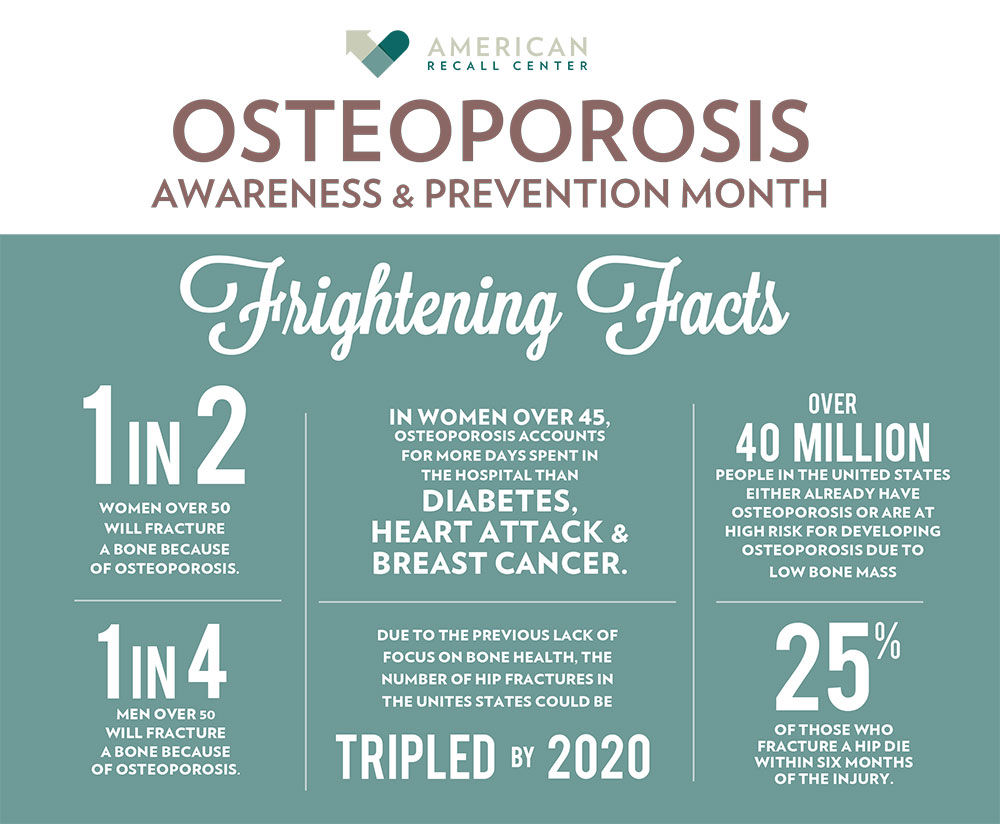
Did you know that May is Osteoporosis Awareness and Prevention month? Because this very important month is often overlooked. I am spreading awareness. This is a graphic that outlines some facts & risk factors about the disease. For example, one out of every two women and one in four men over 50 will have an osteoporosis-related fracture in their lifetime. Staying active is one of the top ways to prevent this disease. Get active and get your family members active at any age! We can make a difference. For more information click HERE
TRAIN IT RIGHT NEWSLETTER
Sign Up and get a free 7 day Train it Right HIIT Program!