Mindful Care same-day mental health access across New York City saves lives
New York, NY — Mindful Care, a pioneering mental health provider offering same-day and next-day psychiatric and therapy services, continues to make high-quality, affordable mental health care easily accessible throughout New York City. With conveniently located clinics across Manhattan and Long Island — and the ability to connect virtually — Mindful Care provides flexible care options for New Yorkers seeking immediate support.
Accessible Care Across the Five Boroughs
Mindful Care serves patients across the New York area with in-person clinics located at:
Midtown Manhattan: 25 W. 45th Street, 10th Floor, New York, NY 10036
Midtown East: 71 Vanderbilt Avenue, Suite 329, New York, NY 10017
West Hempstead (Long Island): 595 Hempstead Turnpike, Suite 200, West Hempstead, NY 11552
Each location offers psychiatric evaluations, medication management, and therapy sessions, including Mindful Care’s signature MicroTherapy™ — short, 20-minute sessions designed to fit into modern, busy lifestyles. Patients can also access the same high-quality services virtually through secure telehealth visits, creating continuity between in-person and online care.
A Mission Rooted in Preventing Delayed Care
The story that inspired Mindful Care’s creation is one that still drives the organization’s mission today.
“I’ll actually share a story that begins as a tragedy, because it demonstrates why Mindful Care exists today and how our model is designed to create a better outcome,” said Dr. Tamir Aldad, founder and CEO of Mindful Care.
“When I was in training, I met a young woman named Lauren. She had just come home from college to find her mother locked in the bathroom, dead from an overdose and her baby sister barely responsive. Her sister was rushed to the pediatric ICU, her mother was pronounced dead on arrival, and Lauren herself came to psychiatry.
Despite her obvious trauma, she didn’t meet the criteria for an inpatient admission. Because of the way the system works, we couldn’t start her on medication in the ER. We discharged her with an appointment several weeks out, telling her to come back if things got worse. Two days later, we got the devastating call that Lauren had died by a drug overdose.
That case has stayed with me ever since. And it’s why I built Mindful Care. In our model, Lauren wouldn’t have been turned away or told to wait weeks. She could have walked into one of our urgent-care clinics the same day, received an evaluation, started treatment immediately, and been connected to ongoing support. Mindful Care now exists to ensure no one in her position falls through the cracks again. We’ve had countless patients since then walk in at their breaking point, get same-day care, and stabilize—lives that otherwise could have been lost but were instead saved by this new approach.”
Mindful Care Nationwide
In addition to serving New York, Mindful Care operates clinics in Florida, Connecticut, and New Jersey. Coming soon to Michigan and Illinois.
About Mindful Care
Founded in 2018, Mindful Care is the first national outpatient mental health company to offer same-day and next-day psychiatric and therapeutic care — both virtually and in person. By combining the accessibility of urgent care with the depth of ongoing mental health treatment, Mindful Care is changing how and when people can get the help they deserve.
Dr. Tamir Aldad is a board-certified psychiatrist and addiction medicine specialist recognized for his leadership in transforming access to mental health and substance use treatment. As the Founder and CEO of Mindful Care, Dr. Aldad pioneered the nation’s first same-day mental health and addiction treatment urgent care model, expanding access to care across multiple states. Under his leadership, Mindful Care has grown into a multi-state network, serving thousands of patients with integrated psychiatric, addiction, and therapy services.
GLP-1 evidence signals shift in future dialysis care in US, says GlobalData
Emerging evidence that GLP-1 therapies can slow chronic kidney disease (CKD) progression is reshaping expectations for renal care demand in the US. As semaglutide demonstrates measurable reductions in kidney decline, cardiovascular events, and mortality, clinicians and device manufacturers face a pivotal inflection point, balancing delayed disease progression with the likelihood of more patients ultimately surviving long enough to require dialysis and transplant support, says GlobalData, a leading data and analytics company.
Reportedly, around 14% of US adults had CKD between 2017 and 2020, and more than 815,000 people are living with end-stage renal disease (ESRD). Comorbidity is common, in 2022, 59% of ESRD patients had diabetes, 25% had heart failure, and 20% had other cardiac disease.
Selena Yu, Senior Medical Analyst at GlobalData, comments: “GLP-1s, like Ozempic (semaglutide) used for diabetes remission could ultimately reduce new CKD cases, but uncertain long-term population effects and access limitations (e.g., payer coverage) mean both clinicians and medical device companies must plan for mixed scenarios in service demand and patient access.”
A 2024 clinical trial, “A Research Study to See How Semaglutide Works Compared to Placebo in People With Type 2 Diabetes and Chronic Kidney Disease,” found that the decline in kidney function was slower in the semaglutide group compared to the placebo group, and patients on semaglutide risk of major cardiovascular evens was 18% lower and risk of death caused by them was 20% lower.
In turn, the FDA approved Ozempic for use in reducing the risk of kidney failure and disease progression, and heart problems associated with diabetes patients with CKD in January 2025. And the European Medicines agency also added use case of reduction for events related to kidney disease to the label of Ozempic. Although, Ozempic is not curative, it can slow the progression to ESRD, decrease major cardiovascular events and deaths associated with them, thus improving the patient’s journey.
Yu adds: “One thing to note is more patients with CKD are surviving to stage 5 or ESRD. This is because Ozempic will not cure CKD, it functionally works as slowing down the disease progression but eventually patients will develop ESRD as kidney function declines. Therefore, more patients will need transplants and dialysis since they are surviving longer in earlier stages of CKD to reach ESRD. Thus, there may be a rise in the medical devices from HLA testing for organ matching to dialyzers and dialysis machines for dialysis care.
“On the other hand, because type 2 diabetes is a leading cause of CKD, broader use of GLP-1 agonists before kidney impairment begins could potentially reduce future ESRD prevalence. With one in three adults with diabetes developing CKD, achieving diabetes remission through agents like semaglutide may prevent a significant share of these patients from progressing to kidney disease at all.”
Currently, it is difficult to predict the market dynamics for dialysis care in the US with Ozempic’s clinical applications still being tested in clinical trials. Moreover, with budget cuts to public services like Medicare and Medicaid, patients with CKD who would benefit from treatment with GLP-1 agonists may have limited access to care.
Yu concludes: “Semaglutide has been shown to slow CKD progression, reduce major cardiovascular events, and lower cardiovascular mortality in people with type 2 diabetes and CKD, prompting regulatory label expansions for kidney- and heart-protection. Because semaglutide delays but does not cure kidney disease, clinicians should anticipate patients living longer with earlier-stage CKD yet still progressing to ESRD which requires proactive care coordination, earlier transplant and dialysis planning, and aggressive management of comorbidities. On the other hand, industry may see increased demand for dialysis equipment and transplant-related services.”
Quotes provided by Selena Yu, Senior Medical Analyst at GlobalData
This press release was written using data and information sourced from proprietary databases, primary and secondary research, and in-house analysis conducted by GlobalData’s team of industry experts
About GlobalData
4,000 of the world’s largest companies, including over 70% of FTSE 100 and 60% of Fortune 100 companies, make more timely and better business decisions thanks to GlobalData’s unique data, expert analysis and innovative solutions, all in one platform. GlobalData’s mission is to help our clients decode the future to be more successful and innovative across a range of industries, including the healthcare, consumer, retail, financial, technology and professional services sectors.
ACA premiums to rise 30 percent:Health Care Sharing Ministries offer a lifeline amid soaring costs
As inflation, record insurance rate hikes squeeze families, the Alliance of Health Care Sharing Ministries says faith-based sharing offers affordable, values-driven care
WASHINGTON — As Americans brace for a 30 percent surge in Affordable Care Act (ACA) health insurance premiums next year — the steepest annual increase in recent memory — Alliance of Health Care Sharing Ministries (Alliance) leaders say the news underscores the growing need for faith-based alternatives that help families stay healthy, solvent, and free from bureaucracy.
Recent reporting from KFF Health News, The Washington Post, and Insurance Business Magazine confirms that roughly 17 million Americans who buy coverage on Healthcare.gov will see premium hikes averaging 30 percent beginning in 2026. Analysts warn that without continued pandemic-era subsidies, many households could see their premiums double or even triple.
“The Alliance has long advocated for negotiating better prices and having more transparency in health costs of all kinds, from drug prices to medical treatments to hospital stays,” said Katy Talento, executive director of the Alliance of Health Care Sharing Ministries. “Non-insurance options such as Health Care Sharing Ministries may be one of the only ways to buck the trend of skyrocketing costs of health care.
“Leveraging the power of the cash-pay economy, as well as the community connections and mutual accountability to live in a healthy way, is not only good stewardship, but also consistent with Christian beliefs.”
The dramatic premium increase arrives amid lingering inflation and partisan gridlock over how to contain health care costs. Congress remains divided: Democrats push to extend COVID-era expanded ACA subsidies, while Republicans argue such subsidies were always meant to be temporary. Meanwhile, middle-income Americans — too prosperous to qualify for expanded assistance but unable to absorb the rate hikes — face excruciating financial choices.
“Families are caught in a perfect storm of inflation, medical debt, and shrinking options,” said Talento. “Health Care Sharing Ministries demonstrate that a community of believers can stand together, care for one another and avoid being trapped in a costly and impersonal system.”
Members of Health Care Sharing Ministries— nonprofit, faith-based communities that share one another’s medical needs — have existed for decades, long before the ACA, and say their approach provides both spiritual and financial relief. Participants contribute monthly “shares” to assist others’ eligible medical expenses and, in turn, have their own needs supported when they arise.
According to the Alliance, members enjoy advantages such as:
Community support and accountability that encourages healthy living consistent with faith principles
Transparency in pricing, as members or their ministries often negotiate directly with providers
Lower monthly costs compared to insurance carriers’ premiums
“When the federal government or insurance carriers announce yet another double-digit rate increase, Americans need to know that a faithful, ethical alternative exists,” said Talento. “Health Care Sharing Ministries are not insurance, but they represent a return to stewardship, generosity and wise financial management in health care.”
The latest ACA premium spike continues a decade-long trend of rising costs that have far outpaced wage growth. These premium increases are just creating an opportunity for more Americans to discover what hundreds of thousands of other people have already discovered, which is the non-insurance option, Health Care Sharing Ministries. The Alliance of Health Care Sharing Ministries reports a steady uptick in Americans exploring health care sharing options, particularly among Christian families and self-employed individuals who value autonomy and transparency.
“As prices rise, more Americans are turning toward health care models that reflect their values and give them control,” said Talento. “This is not just a financial decision — it’s a moral and spiritual one, rooted in how we care for one another as believers.”
Talento added that while insurance carriers grapple with inflation, regulatory complexity and profit pressures, Health Care Sharing Ministries rely on a simpler model of mutual aid: Members directly share funds for eligible medical bills, guided by their commitment to Christian compassion.
“The system is broken when premiums rise faster than paychecks and when government policy punishes personal responsibility,” said Talento. “Lawmakers should focus on empowering Americans with real choices — including Health Care Sharing Ministries — that reward stewardship and transparency rather than propping up a failing status quo.”
Founded in 2007 and headquartered in Washington, D.C., the Alliance of Health Care Sharing Ministries is a 501(c)(6) trade organization representing the common interests of Health Care Sharing Ministries, which facilitate the sharing of health care needs — financial, emotional and spiritual — by individuals and families. The Alliance engages with federal and state regulators, members of the media, and the Christian community to provide accurate and timely information on health care sharing.
To learn more about the Alliance of Health Care Sharing Ministries, visit www.ahcsm.org or follow the ministry on Facebook or X.
LEADING VETERANS ORGANIZATION HOSTS 10TH ANNUAL 9/11 HEROES RUN MEMORIAL 5K RACE SERIES ACROSS THE U.S.
The Travis Manion Foundation commemorates 10 years of veteran advocacy and commitment to service
WASHINGTON, D.C. - The Travis Manion Foundation (TMF), one the nation’s leading veterans advocacy organizations, is hosting its flagship event - the 10th annual 9/11 Heroes Memorial run in more than 50 communities across the country and around the world this September, including locally in in Annapolis, MD, and Alexandria, VA. The annual race series unites communities across the country to remember the nearly 3,000 lives lost on 9/11, as well as to honor our veterans, military, and first responders who serve our country. Proceeds from the 9/11 Heroes Run will benefit the Travis Manion Foundation, which empowers veterans and families of fallen heroes to develop character in future generations.
The 9/11 Heroes Run 5K series was inspired by Marine 1st Lt. Travis Manion, who was killed by a sniper in Iraq in April 2007 as he selflessly protected his battalion. Before his final deployment, Travis visited Rescue One in NYC—famous for losing almost all of their men on 9/11—and returned home with deeper passion about why he was fighting in Iraq. At its heart, the 9/11 Heroes Run is a tribute to a personal commitment to never forget the heroes of that day. Now in its tenth year, the 9/11 Heroes Run national race series will be held in more than 50 locations across the country and around the world. As part of the marketing campaign for the race series, TMF has released a video to inspire runners and walkers of all ages to participate, which can be seen here.
Last year, more than 50,000 people participated in race locations around the world or as virtual runners, to support military, veterans, first responders and their families through TMF. National sponsors of the events include Comcast NBC Universal and CBS Radio. Last year’s Annapolis run drew a crowd of over 2,000 participants including Maryland Governor Larry Hogan and midshipmen from the U.S. Naval Academy.
Ryan Manion, TMF President and Travis Manion’s sister, provided this statement:
“As I reflect on the 10 year anniversary of the 9/11 Heroes Run, I’m in awe at the number of communities across the country and around the world that have united to honor all those touched by the events of September 11th, 2001. We challenge all Americans to join us this September, to ensure our next generation never forgets the sacrifices of our veterans, active duty military, first responders, and civilians who were affected by the attacks on 9/11 and in the wars since.”
5 Key Races
9/11 Run Alexandria, VA on Saturday September 9, 2017 at 9:00am ET
9/11 Run Philadelphia, PA on Sunday September 9, 2017 at 9:00am ET
9/11 Run Houston, TX on Sunday September 9, 2017 at 8:00am CT
9/11 Run Annapolis, MD on Sunday September 17, 2017 at 2:00pm ET
9/11 Run Doylestown, PA on Sunday September 24, 2017 at 2:00pm ET
TMF empowers veterans and families of fallen heroes to develop character in future generations. In 2007, 1stLt Travis Manion (USMC) was killed in Iraq while saving his wounded teammates. Today, Travis' legacy lives on in the words he spoke before leaving for his final deployment, "If Not Me, Then Who..." Guided by this mantra, veterans and survivors continue their service, develop strong relationships with their communities, and thrive in their post-military lives. As a result, communities prosper and the character of our nation's heroes live on in the next generation.
NATIONAL NUTRITION MONTH: TIPS TO HELP LATINO FAMILIES IMPROVE HEALTH
Society for Public Health Education (SOPHE) encourages everyone to try new and healthy foods
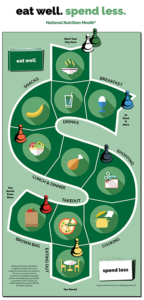
Although March is officially National Nutrition Month, anytime is a good time to eat more nutritiously, points out the Society for Public Health Education (SOPHE). SOPHE offers 12 tips to help Latino-Americans eat more nutritiously.
“National Nutrition Month is an opportunity to learn more about nutrition and try new and healthy foods. Eating healthy foods can help weight management and lower risk for many chronic diseases like heart disease, type 2 diabetes, and cancer, which especially affect many Latino communities,” said Elaine Auld, CEO of SOPHE. She offered the following tips:
Go fresh. Choose fresh seafood, lean poultry, and beans as your protein source. If using ground meats, choose 93 percent lean ground turkey or ground sirloin beef.
Make fresh salsa or black bean dip. Store-bought salsa is often loaded with sodium. If you plan to have more than a tablespoon or two, fresh salsa is a much better option. Guacamole contains healthy fats, but is high in fat and calories.
Measure portions. It is easy to overeat on snacks. Measure one serving so you can save room for the main course.
Favor whole grains. Brown rice is a whole grain and has more nutrients than white rice. Use corn and whole wheat tortillas instead of those made with flour. Buy or bake whole grain breads and baked goods.
Use the plate method. Fill half of your plate with non-starchy vegetables. Fill one quarter of your plate with a lean protein. Then fill one quarter of your plate with a starchy food, such as beans or brown rice.
Use healthy cooking methods. Grill your chicken, fish, or vegetables. You can also try baking, steaming, or broiling. Small amounts of vegetable oil, olive oil, or cooking spray are better options.
Beans make a great protein source. Use dried beans when you can. They are lower in sodium than canned varieties. Always drain and rinse canned beans to remove excess sodium. If you are buying canned refried beans, buy fat-free varieties. Or make your own by blending whole black or pinto beans in a food processor with spices.
Go easy on the cheese. Cheese is high in saturated fat and in sodium. Queso fresco is a great choice if used in moderation. You can also try reduced-fat cheeses.
Substitute healthier options for sour cream. Non-fat Greek or plain yogurt and non-fat plain yogurt have a similar taste and texture to sour cream for much less calories and fat.
Cut your portion size when eating out. If you eat out, split the meal with someone else, eat half the meal and bring home leftovers, or order a kid-sized meal.
Snack on fruits and vegetables. Keep a bowl of fruit out on a table or counter to encourage healthy snacking. Pre-cut veggies and make “grab and go” packets.
Pack your lunch. Skip eating out and bring your lunch.
Substituting foods and even small dietary changes can lead to positive results, notes Auld. Researchers report that more than 40 percent of Latinos are obese.[1] Auld is working with SOPHE members and other partners to decrease those numbers.
“We want to help Latino communities, families and individuals overcome the barriers to good health,” Auld added. “We want to make healthy living easier where people live, learn, work, and play.”
The Society for Public Health Education is partnering in a three-year nationwide project called the National Implementation and Dissemination for Chronic Disease Prevention, funded by the Centers for Disease Control and Prevention. There are 97 projects in communities across the nation assisting people and communities in living healthier lives. Learn more at #Partnering4Health and www.partnering4health.org.
COLUMBIA, Mo. — More than one-third of children in the United States ages 6 to 19 years old are overweight or obese. Over the past 30 years, the number of obese adolescents has more than quadrupled, which also has led to an increase in children diagnosed with diabetes. To combat this trend, Aneesh Tosh, M.D., adolescent medicine physician at University of Missouri Health Care and associate professor of clinical child health at the MU School of Medicine, recommends that sugary drinks be removed from adolescents’ diets.
“The sharp rise in childhood and adolescent obesity is alarming,” Tosh said. “Being overweight is the biggest risk factor for Type 2 diabetes. We want to prevent diabetes in adolescents to avoid the serious medical problems associated with the disease. One very important step to preventing these complications is to stop drinking sugary drinks.”
Through clinical experience and research, Tosh has found that eliminating sugar-sweetened beverages is the most significant lifestyle change that children and adolescents can make to lose weight and improve health. Sugary beverages can add up to 200 empty calories per serving to an adolescent’s diet that provide no nutritional benefits. Sugary beverages include juice, soda, sweet tea, sports drinks, energy drinks and coffee drinks, all of which can be high in calories.
“It is very important that a developing body gets plenty of water and milk,” Tosh said. “We realize those can get boring for some of our patients, so adding zero- or low-calorie flavorings to water is fine every once in a while.”
As adolescents progress toward adulthood, they become increasingly responsible for their own beverage choices. Many of the beverages adolescents have available at school, home and social gatherings contain significant amounts of sugar.
Sports drinks have become the drink of choice for many teenagers because they incorrectly assume the drinks are healthier than soda. Tosh said most children and adolescents, even when involved in athletics, do not actually need the electrolytes in sports drinks, and some of these sports drinks have more calories than regular soda. Energy drinks, which also are rising in popularity, not only contain sugar but also caffeine. Energy drinks can lead to other health problems, such as poor sleep, headaches and heart irregularities.
“It really is about education, because many parents and young patients just don’t realize how many calories there are in sugary drinks,” Tosh said. “My patients who cut sugary beverages are the ones losing weight. Conversely, I’ve found that patients who struggle to switch to water and milk are the ones who have not been successful in losing weight.”
One successful patient is Andrew Roberts. At age 13, Roberts weighed 307 pounds and was in and out of the hospital because of obesity-related health complications.
“It was not uncommon for me to drink 2 liters of soda a day,” said Roberts, who is now a 23-year-old personal trainer. “I lost 115 pounds in about a year and a half by cutting out sugary drinks, junk foods and sweets, and getting exercise.”
Roberts said it was easy to see where excess calories were coming from once Tosh had him keep a food log that included drinks.
“Limiting consumption of sugary drinks to once a week for special events rather than daily is a significant step toward healthy weight loss for many children and teens,” Tosh said. “When children and teens spend time hanging out with their friends — not just when they’re at school — it’s important that sugary drinks aren’t their go-to beverage.”
###
About the MU School of Medicine
The MU School of Medicine has improved health, education and research in Missouri and beyond for more than 165 years. MU physicians treat patients from every county in the state, and more Missouri physicians received their medical degrees from MU than from any other university. For more information, visit http://medicine.missouri.edu/.
LOLË WHITE TOURTM MAKES HISTORY WITH CENTRAL PARK EVENT UNITING CLOSE TO 10,000 YOGIS
New York Stop Comes After Memorable Kick-Off at Paris’s Eiffel Tower and Sessions in Montreal and Toronto
September 3, 2015, NEW YORK – Yesterday, the 2015 Lolë White TourTM reaches the apex of its lineup with a spectacular outdoor class uniting close to 10,000 yoga-lovers in the heart of New York City. This once in a lifetime session in beautiful and historic Central Park is the penultimate stop in this year’s series of unforgettable events around the world organized by women’s activewear and lifestyle brand Lolë and presented by FIJI Water.
This inspiring group of thousands of participants, dressed all in white as a symbol of peace, gathered to experience a unique evening of pure serenity against the backdrop of one of the world’s most recognized locales. From 4:30pm to 10pm, Central Park’s breathtaking Great Lawn was home to this singular yoga event led by three of the world’s most influential and beloved instructors – Elena Brower, Colleen Saidman Yee and Rodney Yee – and set to the strains of live music from artists Ingrid Michaelson and special guest Donna De Lory.
“This unprecedented gathering of yoga lovers here in one of the world’s greatest parks, all practicing together in nature, created a flow of communal energy that was breathtaking and magical,” said Bernard Mariette, President and CEO of Coalision, which owns Lolë. “I had the feeling of being a part of a family of 10,000 people all sharing the same sense of peace and gratitude.”
This New York session is a highlight of the brand’s 2015 season, representing the Tour’s largest event and coming on the heels of the opening of the Lolë Atelier New York in the famous SoHo shopping district. Each of the five events on this year’s Tour is a transformative and invigorating experience for body and soul, guided by world-class yoga instructors and set to live music performed by international artists. Having begun with an extraordinary kick-off session under the Eiffel Tower in Paris, continuing onto the brand’s hometown of Montreal and then Toronto, and now landing in New York, the Tour will culminate with a more intimate yet equally momentous session on the iconic Santa Monica Pier later this fall.
“From Paris to New York and beyond, the global scope of the Tour – which this year brings together over 25,000 yoga enthusiasts in cities worldwide – reflects the energy of Lolë’s exhilarating international expansion,” added Bernard Mariette. “Next year’s event in Cambodia will bring our message to a truly universal stage, affirming our dedication to the boundary-erasing power of yoga, meditation, and inner peace.”
The annual Lolë White Tour was launched in 2012 with the goal of building a global wellness movement. Since then, Lolë has united over 50,000 yoga lovers around the world, bringing top yoga talent together with local communities to practice in inspiring, emotionally uplifting locations. The Tour has become renowned in the wellness space for promoting personal connections, community involvement, and the opportunity to experience the exceptional – and will continue doing so with an highly anticipated Cambodia event in 2016, the Tour’s first ever visit to Asia.
---
About Lolë:
Lolë nurtures the body and mind with fun, feminine, and beautifully designed activewear that’s stylish enough to transition instantly from the studio to the street. Designed for today’s active urban woman, Lolë collections truly reflect a modern lifestyle, and turns consumption into investment by offering long-lasting, versatile clothing with real value. Lolë stands for Live Out Loud Everyday.
Fitmark is a proud sponsor of the Boys and Girls Club of America (BGCA). Through our 1 for 100 Program, we donate a bag for every $100 we net through our web sales. This summer we have donated more than 1,000 bags to multiple locations across the country, and in August, another 3,000+ junior backpacks will be donated directly to BGCA in Oakland, Detroit, and Philadelphia, and other cities across America.
The BGCA is an amazing organization that helps children living in economically challenged neighborhoods throughout the United States. By giving these kids a safe community environment in which to learn and grow, the BGCA helps them to develop confidence and self-esteem, offering hope and opportunity for the future. Its many life-enhancing programs include:
Education and career programs
Character and leadership programs
Health and life skills
The arts program
Sports, fitness and recreation
Specialized programs
“From the beginning, we made it a commitment to work hard and grow our company so that we not only achieved our growth projections, but that we also gave back to the community as much as we could,” Fitmark Founder and CEO, Mark Samuel.
In addition to the donations we’re making to BGCA, this year we’ll also be donating more than 500 backpacks to Together We Rise (TWR). This is a unique not-for-profit founded by a brave college student by the name of Danny Mendoza. After he found out that his 9-year-old cousin was living in a car and later placed into foster care, Mendoza knew he wanted to make a substantial difference to the lives of more than 500,000 children in America living in foster care.
“The foster care system can be a confusing and sometimes disheartening place, but through our fundraising and network of passionate volunteers, we strive to give foster children a brighter future, a sense of normalcy and belonging. Events like the National Build-a-Bike Tour, Sports Camps, and Sweet Cases allow foster youth to get out, play, and learn new skills just like any other kid. Our Aging Out program also provides resources to older youth who are leaving the foster care system. We strive to be the helping hand that foster youth need so that they may go confidently onto their futures.”
During the middle of August, just in time for back-to-school, Fitmark’s Founder and CEO Mark Samuel will be donating these bags in person to these two worthy organizations. To celebrate the good work that these organizations do, Mark will also join some special events hosted by BGCA and TWR.
Watch this space for more on Fitmark’s 1 for 100 Program and how we’re helping others create a bright future for deserving kids in need.