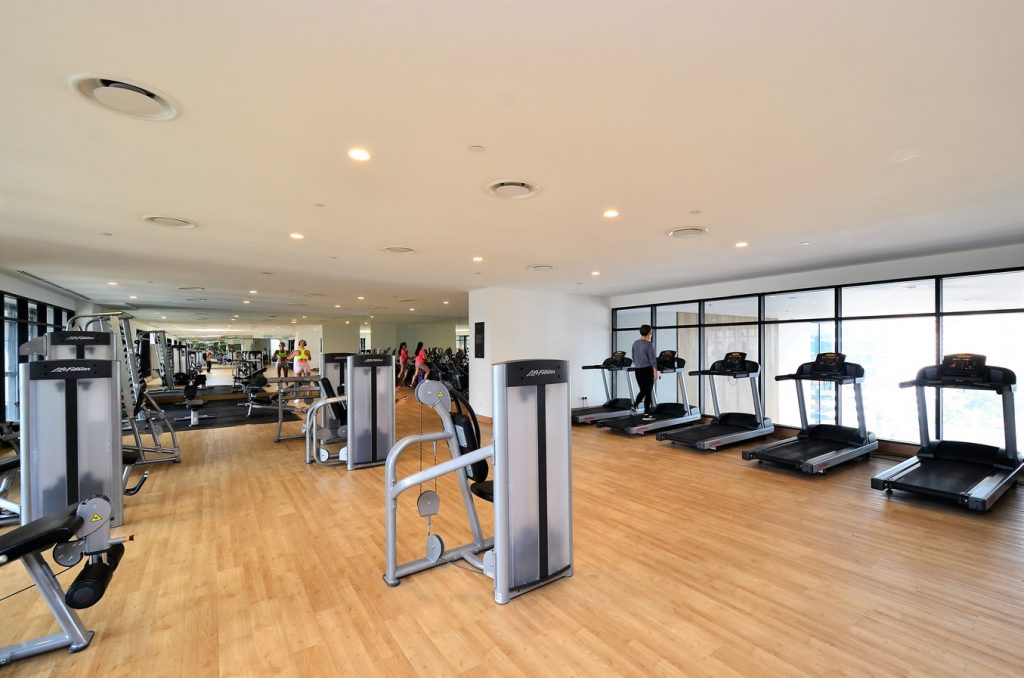
Strength and flexibility are acquired gradually through hard work and persistence. To be strong and flexible, you only need to make a few lifestyle changes. It is essential to have a routine and stick to it. Here are a few factors that improve your strength and flexibility significantly.
Physical Exercises
To improve your strength and flexibility, you need to indulge in activities that make your muscles work harder than usual. For a physical exercise to be muscle strengthening, you need to work your body to the point where you need a rest before getting back. Flexibility exercises are also part of physical exercises. They include stretching, yoga, Pilates, tai chi, and many more. They are essential in improving joint function to withstand movement when doing daily tasks. Other benefits include reducing aches or pains and improving your posture.
Physical Therapy
Two decades ago, people experiencing back pain would be advised to take bed rest and limit their movements. Fast forward to the present day, research has shown that being immobile weakens muscle function and hence weakening spine support. If an individual stays inactive for too long, their recovery might be prolonged or even make some conditions worse. Physical therapy is essential in rebuilding muscle strength which is significant in your overall health. Other essential benefits of physical therapy. They include:
- It relieves pain
- It helps you learn proper physical exercise techniques and methods to improve joint and bone structures' muscular protection.
- You get to have an individualized exercise program.
Watch Your Diet
Consuming the right foods gives your body the building blocks it requires to become strong and flexible. That is why it is important to eat a healthy balanced diet – a combination of grain-based carbs, fruits, vegetables, and proteins. This would impact the growth and health of muscles making you more strong and flexible.Harvard Health wrote that dietitians recommend consuming at least nine servings of vegetables and fruits per day, 130 grams of carbs each day, and about 50 grams of protein every day. Consult a dietitian to help you develop a personalized list of what your body needs to build muscle and improve your flexibility.
Hydrate
When working on your body, especially in activities involving physical exercises and muscle-strengthening workouts, you have to fuel yourself appropriately. Water plays an essential role in your health. Ensure that you drink at least eight glasses of water each day.
If you want to live a healthy and long life, you need to improve your flexibility and muscle strength. This does not only make doing things easier, but you will also feel good about yourself.
Olympus Opens New Global HQ for Therapeutic Solutions Division and U.S. Medical Business
TOKYO, Apr 8, 2021 - (ACN Newswire) - Olympus Corporation ("Olympus" - Director, Representative Executive Officer, President and CEO: Yasuo Takeuchi) announced today the opening of a new facility in Westborough, MA, to serve as the global headquarters for its Therapeutic Solutions Division (TSD) and its medical business in the United States.Olympus has identified TSD as a strategic focus for growth and shifted its global head of TSD from Tokyo to the U.S. to have better access to a key medical industry cluster and generate growth through stronger business opportunities. Since the Transform Olympus initiatives were unveiled in 2019, many U.S.-based executives have been leading TSD growth; Olympus has dramatically expanded the business with acquisitions, as well as through organic growth.
The new 150,000-square-foot facility in Westborough will accommodate both the U.S. TSD employees and those formerly reporting to Image Stream Medical (ISM) facility located in Littleton, MA, with the exception of the manufacturing employees who will remain in Littleton. The facility will serve as one of several R&D hubs for Olympus, while enabling coordinated and agile management processes to support a global medical technology enterprise. At Olympus Westborough, the Olympus Continuum Training and Education Center will offer hands-on learning opportunities led by top medical experts using advanced medical equipment in a wetlab setting, both in person and virtually via the MedPresence telecollaboration platform. For interactions with customers and prospects, the Olympus OR Innovation Center showroom, also outfitted with the MedPresence platform, will provide an immersive environment for in-person or virtual integrated OR demonstrations.
The new Westborough facility will also provide enhanced opportunities for Olympus to build relationships with potential future employees. Olympus will facilitate relationships with potential job candidates, as well as continued partnerships with universities, colleges, and technical schools in the greater Boston area to bring world-class skills and capabilities to the company.
Nacho Abia, Chief Operating Officer of Olympus Corporation, said, "The U.S. market continues to be the largest in the world because of growing demand for minimally invasive treatment and surgery and the need for remote collaboration under COVID-19, so it's natural that we decided to combine all functions in Massachusetts in one place to facilitate agility and collaboration. This agile and globally-connected way of business will enhance our overall business competitiveness."
About Olympus' Medical business
As a leading medical technology company, our Medical business uses innovative capabilities in medical technology, therapeutic intervention, and precision manufacturing to help healthcare professionals deliver diagnostic, therapeutic, and minimally invasive procedures to improve clinical outcomes, reduce overall costs, and enhance the quality of life for patients and their safety. Olympus' Medical portfolio includes endoscopes, laparoscopes, and video imaging systems, as well as surgical energy devices, system integration solutions, medical services, and a wide range of endotherapy instruments for endoscopic and therapeutic applications. For more information, visit www.olympus-global.com.
A new report finds waterways near industrial farms in Canada could be a public health threat
TORONTO, April 7, 2021 /CNW/ - Public waterways next to industrial farms in Manitoba contain antibiotic resistance genes (ARGs) that are dangerous to public health says a report from the global charity World Animal Protection. The report is the first multi-country investigation of its kind titled, 'Silent superbug killers in a river near you' and along with Canada, included testing in Spain, the US and Thailand.
ARGs should be of concern because they are the building blocks for "superbugs" (bacteria that have developed resistance to one or more antibiotics). This means those antibiotics will be less or ineffective in treating infections in humans. Some antibiotics are already ineffective in some parts of the world. If action is not taken, in future, routine procedures like caesarean sections or cancer treatments could become dangerous worldwide.
The report found that industrial farms could be discharging superbugs into the wider environment as a result of pig waste being spread on fields and leeching into groundwater and public waterways.
Once in the environment, superbugs can reach humans in multiple ways. This includes through recreation such as water sports, eating fish from contaminated water and eating of crops contaminated with surface water.
In Manitoba, the presence of ARGs was evaluated from samples collected in November 2020 from publicly accessible spaces upstream and downstream of eight industrial pig farms. The investigation found ARGs resistant to antibiotics included cephalosporins and fluoroquinolones, which are of most concern to the World Health Organization (WHO). These antibiotics are the last line of defence for common infections like urinary tract infections or to keep patients alive with life threatening conditions like respiratory infections, when other antibiotics fail.
The routine overuse of antibiotics in animal agriculture is recognized by the WHO and the United Nations as a significant contributor to the emergence of superbugs. Up to 10 million people are expected to die from superbugs each year by 2050 if action isn't taken to stop their overuse.
On industrial farms, mother pigs are often stuck in cages their entire lives, their piglets suffer from painful procedures such as tail cutting and the animals are forced to spend their lives in overcrowded, unsanitary conditions on concrete floors, with no enrichment. This can cause stress and sickness, so routine antibiotics are used on the animals for disease prevention.
Lynn Kavanagh, Farming Campaign Manager, at World Animal Protection, says,
"Industrial animal agriculture is taking risks with people's lives by routinely using antibiotics, which is fueling the rise in dangerous superbugs," she says. "Keeping animals in conditions where they're healthier, is the only way to stop the overuse of antibiotics on farms. We need to stop using antibiotics across groups of animals to prevent sickness."
World Animal Protection also interviewed people from communities near the farms where testing was done.
Vicki Burns is with the group Hogwatch Manitoba and says they have been trying for years to get government attention on their concerns about the pig farms. She says there are toxic odours coming from the barn, impacting the communities and that too much manure gets into the local lake.
"It's very challenging", says Burns. "It's hard to get any people in power to pay attention to the problems of industrial agriculture."
Bill Massey is a local small scale pig farmer. He says, "I think in terms of antibiotic use, animal welfare, animal health, and just the ethics of this whole thing, I can hardly believe we can treat animals like this. When you take an intelligent animal like that and you put them in those kinds of conditions, you can imagine the stress animals are enduring."
From January 2022, it will be illegal in the European Union to administer antibiotics across groups of farm animals to prevent disease. Canada should follow suit.
It is important to note that antibiotics are crucial to treat individual animals who become sick; but stopping the prophylactic use of antibiotics will also make them more effective when needed.
World Animal Protection also urges the Canadian government to help farmers transition to more sustainable and humane systems where animals don't suffer and human health isn't at risk.
About World Animal Protection
From our offices around the world, including China, Brazil, Kenya and Canada, we move the world to protect animals. Last year, we gave more than 220 million animals better lives through our campaigns that focus on animals in the wild, animals in disasters, animals in communities and animals in farming. For more information visit www.worldanimalprotection.ca
SOURCE World Animal Protection
Fonds de solidarité FTQ invests US$4 million in Ventus Therapeutics
Ventus' innovative technologies pave the way to develop new drugs for elusive therapeutic targets
MONTRÉAL, April 8, 2021 /CNW Telbec/ - Fonds de solidarité FTQ (the « Fonds ») is investing US$4 million in Ventus Therapeutics. Created in 2019 by Versant Ventures, Ventus is pioneering a unique approach to structure-based drug discovery to address biologically validated, but elusive, drug targets. The company is rapidly advancing a pipeline of new medicines to treat autoimmune and inflammatory diseases, neurological disorders, and cancer.
"We are thrilled to see a Montréal-based company backed by such a great financial syndicate. Versant brought together a great team around cutting-edge science. Ventus' innovative technologies are promising for immunology, oncology and neurology patients. By investing in Ventus, we are investing in a better society," said Geneviève Guertin, vice-president for investments, Life Sciences, at the Fonds.
The Fonds first invested in a Versant fund in 2014 and has since reinvested in five of the firm's subsequent funds.
Since 1989, the Fonds de solidarité FTQ has invested $1.6 billion to support the Québec life sciences sector. Today, the Fonds dedicated life sciences team has eight members, including a senior scientific director. The team invests directly in life sciences companies as well as in life sciences investment funds.
About the Fonds de solidarité FTQ The Fonds de solidarité FTQ is investing in a better society thanks to its over 700,000 shareholder-savers. Through its private equity and venture capital investments, the Fonds seeks to have a positive impact on society, namely in the health, environmental and innovation sectors. With net assets of $15.6 billion as at November 30, 2020, the Fonds supported over 3,300 partner companies and more than 220,000 jobs.
SOURCE Fonds de solidarité FTQ
Benefits with a difference: Medavie Blue Cross launches new plan option to support needs of small businesses with up to 10 lives
New offering uses a claims pooling approach giving small businesses a cost-effective option to offer employees the protection they need and expect
TORONTO, April 8, 2021 /CNW/ - Medavie Blue Cross has launched Benefits for Small Business, a life and health plan that gives small business employees the protection they need and expect – more important than ever as the COVID-19 pandemic continues.
Available to established companies with up to 10 lives in Ontario and Atlantic Canada, Benefits for Small Business provides coverage for extended health care, including vision care, prescription drugs, dental, disability, as well as life and travel insurance. As part of the plan design, claims are pooled together with other small businesses that have been operating for at least six months. This approach lowers the financial impact of high claims activity and ensures the plans remain cost-effective for businesses over time.
"With a strong commitment to improving the wellbeing of Canadians, we are always looking at ways to reimagine our plans to support the needs of Canada's diverse workforce," says Alaina MacKenzie, Regional Vice President, Business Development at Medavie Blue Cross. "We're excited to offer Benefits for Small Business as a flexible, cost-effective way for small business owners to give their employees access to a comprehensive benefit plan that supports their health and wellness needs, both during the pandemic and beyond."
Key features of Benefits for Small Business include:
Stable pricing for must-have employee benefits that can be up and running within days
No deductibles or medical questionnaires required for core benefits
Digital tools for easy, on-the-go plan access and claims management
Direct payment of claims through Medavie Blue Cross' vast provider network
Access to virtual health care options at preferred member rates
Easy activation and simple administration
The plan also provides added flexibility with a health spending account option and employee-paid optional coverage for critical illness, accidental death or dismemberment and additional life insurance.
About Medavie Blue Cross Medavie Blue Cross is a premier all-in-one carrier that provides health, dental, travel, life and disability benefits, and administers various federal and provincial government-sponsored health programs. Together with Medavie Health Services, we are part of Medavie, a health solutions partner committed to improving the wellbeing of Canadians.
We are one of Canada's Most Admired Corporate Cultures and recognized as an Imagine Canada Caring Company. As a not-for-profit organization, we are proud to commit an annual social dividend to the Medavie Health Foundation to support programs and initiatives aimed at addressing some of our country's most pressing physical and mental health care challenges.
SOURCE Medavie Blue Cross
Ontario's doctors support government orders, local public health measures
TORONTO, April 7, 2021 /CNW/ - Ontario's doctors today gave their support to new provincial measures to stop the spread of COVID-19 and to public health leaders making decisions to further protect their local communities.
The Ontario Medical Association supports the government stay-at-home order, and urges every Ontarian to do so as well, while still getting physically distanced outdoor exercise and paying attention to their mental health needs.
Doctors who have been on the front lines of the pandemic for more than a year also urge those who are able, to support their local restaurants and other small businesses by ordering food and other goods through delivery or curbside pickup.
"Doctors are worried. The current increased number of people contracting COVID-19, requiring hospitalization and/or intensive care is alarming. It's dramatically higher than anything Ontario has yet seen during this pandemic, and reminiscent of Britain's third wave, which carried a death rate greater than their first and second wave combined," said OMA President Dr. Samantha Hill. "We all want this pandemic to finally end. The good news is that we are not powerless. We all have a role to play to make that happen, and Ontarians have repeatedly proven themselves capable."
The OMA continues to advocate for paid sick leave for essential workers, whose workplaces are the source of many outbreaks, especially in the hotspots of Toronto and Peel Region. Most essential workers are paid only when they go to work and cannot afford to stay home and lose that income if they are sick or suspect they have been exposed to COVID.
The OMA also supports the immunization of all essential workers and disadvantaged workers, and residents of hotspots. Every Ontarian should take the first vaccine offered to them. Family doctors already vaccinating their patients in some regions of the provinces and ready and able to expand their role.
"We urge everyone to follow the advice of public health leaders and stay home if you are able," said OMA CEO Allan O'Dette. "We need to get COVID-19 under control while more of us get vaccinated so that we can reopen the economy for good."
About the OMA
The Ontario Medical Association represents Ontario's 43,000-plus physicians, medical students and retired physicians, advocating for and supporting doctors while strengthening the leadership role of doctors in caring for patients. Our vision is to be the trusted voice in transforming Ontario's health-care system.
SOURCE Ontario Medical Association
How a Cycling Class Can Help You Meet Your Weight Goals
In addition to being one of the cornerstones of a healthy lifestyle, physical exercise can also play an essential role in weight loss. Choosing the right workout routine or fitness plan can help speed up your results and help to keep the weight off. From professional instruction to the comfort, convenience and consistency that comes from working out in an indoor environment, enrolling in a cycling class can go a long way towards helping you to meet your weight goals.
Staying Focused
From fitness programs designed for beginners to training regimes advanced enough to challenge seasoned athletes, focus and consistency are both key elements for ensuring success. Cycling outdoors often means that inclement weather can be a major obstacle, especially during the colder months of the year. If you are serious about achieving your fitness and weight-loss goals, the consistency and dependability that can only be found within an indoor environment can make a real difference. An indoor cycling class is often the optimal solution for those who find themselves struggling to brave the elements.
Professional Instruction
Structured programs like Plan 7 Coaching also offer the benefit of supervised instruction. Crafting your own program can have serious limitations and even established workout routines that lack coaching, instruction, and supervision may fail to deliver the level of results you are seeking. Unlike cycling alone, a class can provide you with the extra encouragement, instruction and feedback you need in order to go the extra mile.
Working Out With a Group
The social component of an exercise routine is another factor that is too often overlooked. Working out with a group is a great way to network, meet new friends and to establish the level of companionship and friendly competition that can provide you with that extra boost of motivation. Enrolling in a cycling class can be an ideal solution, especially if you find it difficult to hit the track or make it to the gym when working out on your own.
In addition to weight loss, regular exercise can provide you with extra energy and greater physical and mental well-being. Having a safe, comfortable indoor environment and the chance to work out as part of a larger group offers the added edge you need in order to reach and achieve your weight loss and fitness goals. Enrolling in the right class can be an important initial step on the road to healthier, more fit, and more fulfilling lifestyle.
Teva Canada Announces New Autoinjector for AJOVY® for the Preventive Treatment of Migraine in Adults
AJOVY® now offers patients greater flexibility with two dosing options available in both an autoinjector and a prefilled syringe
AJOVY® is the first and only subcutaneous anti-CGRP treatment with both quarterly (every three months) and monthly dosing options using either the autoinjector or prefilled syringe for the preventive treatment of migraine in adults.
AJOVY® is supported by the AJOVY® Teva Support Solutions® (AJOVY® TSS) Patient Support Program, whose services include reimbursement navigation, bridging/copay coverage, and injection training.
AJOVY® has been studied in patients with either chronic or episodic migraine and was shown to significantly reduce patients' mean monthly migraine days—with some patients achieving a 50% reduction or more.1,2,3
MONTRÉAL, April 8, 2021 /CNW/ - Teva Canada, a subsidiary of Teva Pharmaceutical Industries Ltd., today announced the launch and availability of a new autoinjector for AJOVY® (fremanezumab). AJOVY® is a subcutaneous injection for the preventive treatment of migraine in adults who have at least four migraine days per month. When launched in 2020, AJOVY® was available in a prefilled syringe only. The product is now available in two latex-free1 formats: a new autoinjector and a prefilled syringe.
AJOVY® now offers patients greater flexibility with two dosing options available in both an autoinjector and a prefilled syringe.
AJOVY® is the first and only product in its class that is available in multiple formats, providing two unique injection devices and two optional dosing regimens. It is also the first and only subcutaneous anti-CGRP (calcitonin gene-related peptide) drug approved in Canada, the European Union, and the United States that offers quarterly (225 mg) or monthly (675 mg) dosing regimens using either the autoinjector or prefilled syringe for the preventive treatment of migraine.1,2,3The new AJOVY® autoinjector also has several features that make it easy-to-use4 including a button-free, push-down mechanism; audible cues that signal progress of administration; and, a window that displays when the dose has been delivered. Additionally, the autoinjector is for one-time use only and locks after use.
"Migraine patients are highly individual—not all want the same device. At Teva Canada, we believe in the power of choice and we believe that options are important for patients and prescribers," says Christine Poulin, Teva Canada's General Manager. "From the beginning, AJOVY® has offered flexible dosing options. With the launch of this new device, AJOVY® now also offers different injection options. I see AJOVY® as a complete package of care, with injection training and other support delivered through our AJOVY® Teva Support Solutions® (AJOVY® TSS) Patient Support Program."
"For many Canadians, migraine is a debilitating regular occurrence that greatly impacts a patient's ability to carry out day-to-day functions. Having another option in the AJOVY® family of treatments allows patients to manage their condition to suit their lifestyle," said Dr. Elizabeth Leroux, President of the Canadian Headache Society and Founder of the websites Migraine Quebec and Migraine Canada. "Recent changes in the field of migraine treatment have opened a lot of doors; this new injection option with flexible dosing opens yet another one for patients and health care providers who manage migraine."
Migraine is a disabling chronic neurological disease that causes head pain so severe that sufferers often cannot function during an attack. Migraine reduces quality of life and disrupts migraineurs' ability to perform daily activities.5,6It is among the top 10 causes of disability worldwide and the seventh cause of years of life lost to disability.7,8,9 In Canada, migraine is most common in women and most common between the ages of 30 and 49.10Migraine therefore reduces patients' quality of life, ability to work, and overall productivity right at the prime of their life. While acute treatment modalities are used to treat migraine attacks when they occur, they do not prevent them. Novel treatments like AJOVY® were specifically designed to actually prevent migraine from occurring.
AJOVY® was evaluated in two pivotal Phase III clinical trials that enrolled patients with disabling migraine and studied fremanezumab as a prophylactic treatment. For patients with chronic migraine, 40.8 per cent taking the monthly dose and 37.6 per cent taking the quarterly dose experienced more than a 50 per cent reduction in monthly average headache days of at least moderate severity.11 For patients with episodic migraine, 47.7 per cent taking the monthly dose and 44.4 per cent taking the quarterly dose experienced more than a 50 per cent reduction in monthly average number of migraine days.12 The safety profile was also assessed.1,2,3AJOVY® has been studied in patients with chronic or episodic migraine and was shown to significantly reduce patients' mean monthly migraine days—with some patients achieving a 50% reduction or more.1,2,3
About AJOVY®
AJOVY® (fremanezumab) is indicated for the preventive treatment of migraine in adults who have at least four migraine days per month. AJOVY® is available as a 225 mg/1.5 mL single-dose injection in an autoinjector or prefilled syringe with two dosing options: 225 mg monthly, administered as one subcutaneous injection; or 675 mg every three months (quarterly), administered as three subcutaneous injections. AJOVY® is intended for patient self-administration after the patient or their caretaker has been trained to administer the product. AJOVY® patients and prescribers are supported by the AJOVY® Teva Support Solutions® Patient Support Program.
About Teva Canada
Teva Canada, headquartered in Toronto, has provided affordable healthcare solutions to Canadians for over 50 years, building their trust one prescription at a time with now more than 192,00013 prescriptions filled each day with our products, representing 1 of every 8 generic prescriptions in Canada14. Originally Novopharm Limited, Teva Canada specializes in the development, production, and marketing of high-quality generic prescription pharmaceuticals and, through our branded division, focuses on a diverse line of speciality and biopharmaceutical products in a variety of therapeutic areas such as central nervous system (CNS), respiratory, oncology and rheumatology. Teva Canada's commitment to helping improve the lives of Canadians also extends to the Teva Caregiver program – providing tools and resources for Canadians navigating the care journey. Teva Canada employs more than 900 professionals, had sales of nearly $1.1 billion15 in 2020, and markets more than 36016 products in over 840 SKUs16 in Canada. We are a proud subsidiary of Teva Pharmaceutical Industries Ltd. Learn more at www.tevacanada.com.
About Teva Pharmaceutical Industries Ltd.
Teva Pharmaceutical Industries Ltd. (NYSE and TASE: TEVA) has been developing and producing medicines to improve people's lives for more than a century. We are a global leader in generic and specialty medicines with a portfolio consisting of over 3,500 products in nearly every therapeutic area. Around 200 million people around the world take a Teva medicine every day, and are served by one of the largest and most complex supply chains in the pharmaceutical industry. Along with our established presence in generics, we have significant innovative research and operations supporting our growing portfolio of specialty and biopharmaceutical products. Learn more at www.tevapharm.com.
______________________________
CGRP: calcitonin gene-related peptide; SKU: Stock Keeping Unit
Dodick DW et al. Effect of fremanezumab compared with placebo for prevention of episodic migraine. JAMA. 2018;319(19):1999–2008. doi: 10.1001/jama.2018.4853.
3.
Silberstein SD et al. Fremanezumab for the preventive treatment of chronic migraine. N Engl J Med. 2017;377(22):2113–2122. doi: 10.1056/NEJMoa1709038.
4.
Two Human Factor studies assessed evaluators' ability to complete critical tasks in order to demonstrate use of the AJOVY Autoinjector in simulated-use sessions. When asked "Was the autoinjector easy to use?", 97% in study 1 (N=30) and 98% in study 2 (N=47) answered "Yes." Data on file, Parsippany, NJ Teva Pharmaceuticals USA, Inc.
5.
Buse DC, Rupnow MF, Lipton RB. Assessing and managing all aspects of migraine: migraine attacks, migraine-related functional impairment, common comorbidities, and quality of life. Mayo Clin Proc. 2009;84:422–435. doi: 10.1016/S0025-6196(11)60561-2.
6.
Lipton RB, Liberman JN, Kolodner KB, et al. Migraine headache disability and health-related quality-of-life: a population-based case-control study from England. Cephalalgia. 2003;23:441–450. doi: 10.1046/j.1468-2982.2003.00546.x.
Global Burden of Disease Study Collaborators. Global, regional, and national incidence, prevalence, and years lived with disability for 301 acute and chronic diseases and injuries in 188 countries, 1990–2013: a systematic analysis for the Global Burden of Disease Study 2013. Lancet. 2015;386:743–800. doi: 10.1016/S0140-6736(15)60692-4.
9.
Institute for Health Metrics and Evaluation. Global burden of disease visualization tools. Available from: http://vizhub.healthdata.org/gbd-compare/. Accessed January 2016.
10.
Ramage-Morin PL, Gilmour H. Prevalence of migraine in the Canadian household population. Health Rep. 2014;25(6):10–16.
11.
Adapted from product monograph. Includes all randomized patients who received at least 1 dose of study drug and had at least 10 days of post-baseline efficacy assessments on the primary endpoint. A fixed-sequence (hierarchical) testing procedure was implemented to control the Type 1 error rate at 0.05. The p values were based on the Cochran-Mantel-Haenszel test stratified by baseline preventive medication use (yes/no). The early discontinued patients were considered as non-responders for overall analysis. Defined as a day in which headache pain lasted ≥ 4 consecutive hours and had a peak severity of at least a moderate level or days in which acute migraine–specific medication (triptans or ergots) was used to treat a headache of any severity or duration.2- Reference 2: Silberstein SD, Dodick DW, Bigal ME, et al.Fremanezumab for the preventive treatment of chronic migraine. NEJM. 2017;377(22):2113–2122.
12.
Adapted from product monograph. Includes all randomized patients who received at least 1 dose of study drug and had at least 10 days of post-baseline efficacy assessments on the primary endpoint. A fixed-sequence (hierarchical) testing procedure was implemented to control the Type 1 error rate at 0.05. The p values were based on the Cochran-Mantel-Haenszel test stratified by baseline preventive medication use (yes/no). The early discontinued patients were considered as non-responders for overall analysis. Defined as a calendar day with either ≥ 2 consecutive hours of headache meeting criteria for migraine; probable migraine; or a day, regardless of duration, when acute migraine–specific medication (triptans or ergots) was used to treat a headache.3 - Reference 3: Dodick DW, Silberstein SD, Bigal ME, et al. Effect of fremanezumab compared with placebo for prevention of episodic migraine. JAMA. 2018;319(19):1999–2008.
13.
Source: IQVIA CDH Compuscript TRx MAT Dec 2020
14.
Source: IQVIA Compuscript Trx MAT 2020.12
15.
Source: IQVIA CDH & Compuscript MAT Dec 2020
16.
Source: Teva Price list March 2, 2021
SOURCE Teva Canada
Laurent Pharmaceuticals Provides Clinical Development Update
Announces Positive Outcome of Pre-Planned Interim DSMB Safety Review and Futility Analysis for Phase 2 RESOLUTION Study in Hospitalized COVID-19 Patients
Completes Enrollment in Phase 2 APPLAUD Study in Patients with Cystic Fibrosis
Topline Results Expected in H2 2021 for both RESOLUTION and APPLAUD Studies
MONTREAL, April 8, 2021 /CNW Telbec/ - Laurent Pharmaceuticals Inc., a clinical-stage biopharmaceutical company developing first-in-class pro-resolving drug LAU-7b, today announces that the independent Data Safety Monitoring Board (DSMB) for the Phase 2 RESOLUTION study in hospitalized patients with COVID-19 unanimously recommended to continue the study without modification following a pre-scheduled safety review and mid-study interim futility analysis of unblinded efficacy data from the first 102 patients treated in the study. The company also reports the completion of enrollment in its Phase 2 APPLAUD study in adult patients with Cystic Fibrosis (CF).
"We are thrilled to have met these important milestones confirming we are heading in the right direction, with both studies expecting topline results in the second half of 2021," said Radu Pislariu, MD, President and CEO of Laurent Pharmaceuticals. "Despite the difficulties caused by the pandemic, we continued our lead clinical program in CF, started a new Phase 2 trial in COVID-19 and scaled-up manufacturing for Phase 3 clinical development, while securing sufficient funding for current operations through 2022. All in all, it was an exciting year of clinical advancement for the company and we cannot be more grateful for the support received from our investors, US CF Foundation, and both Canada and Quebec governments."
LAU-7b is a novel oral form of fenretinide, an atypical retinoid that acts on fatty acid desaturases to modulate key membrane lipids that play central roles in inflammation and the immune defense. LAU-7b was initially developed for its potential to trigger the resolution phase of inflammation, a natural mechanism that keeps the inflammatory response under control, without inducing immune-suppression (a "pro-resolving" effect). More recently, fenretinide was shown to have antiviral activity in vitro against SARS-CoV-2 and synergistic potential when combined with remdesivir, evocative of different mechanism than typical antivirals.
"With viral mutations increasing uncertainty around coronavirus persistence and seasonality, the need for effective therapeutics against COVID-19 disease is more important than ever," continued Dr. Pislariu. "Because fenretinide targets the human host cell membrane lipids involved in both viral replication and immune-inflammatory responses, its activity is expected to be maintained regardless of the coronavirus variants and be complementary to virus-specific antivirals such as remdesivir. LAU-7b has a well-established safety profile, a convenient once-a-day oral administration, and potential for a dual antiviral and inflammation-controlling mechanism of action, which bears the promise of a treatment candidate addressing multiple key contributors to the severity of COVID-19."
About Phase 2 RESOLUTION trial
RESOLUTION is placebo-controlled Phase 2 trial with LAU-7b as a potential treatment against COVID-19 disease, aiming to demonstrate that LAU-7b is a safe and effective treatment option for hospitalized COVID-19 patients that are at risk of lung complications because of their age, underlying conditions or both. The study is expected to enroll 220 in hospitals across the United States and Canada, for a treatment duration of 14 days. RESOLUTION, which follows the FDA and WHO recommendations, will measure the disease progression on a 7-point ordinal scale to inform the primary and secondary endpoints of the study. The study also evaluates the duration of hospitalization and improvement in quality of life. More details about the study can be found on www.clinicaltrials.gov (#NCT04417257).
About Phase 2 APPLAUD trial
APPLAUD is a placebo-controlled Phase 2 study of the efficacy and safety of LAU-7b in the treatment of Cystic Fibrosis in adults, aiming to evaluate LAU-7b's effect on the resolution of inflammation and preservation of lung function. A number of 166 patients were enrolled at hospital sites across Canada, the United States and Australia, for a treatment duration of 6 months. The study measures the lung function at 24 weeks, pulmonary exacerbations, quality of life, Pseudomonas aeruginosa infection level, systemic inflammatory and lipidomic biomarkers. More details about the study can be found on www.clinicaltrials.gov (#NCT03265288).
About Laurent Pharmaceuticals
Laurent Pharmaceuticals is a clinical stage biopharmaceutical company focusing on life-threatening inflammatory and fibrotic diseases. The company's lead drug candidate, LAU-7b, is a unique, patent-protected oral formulation of fenretinide, ideally applicable to a once-a-day low-dose treatment regimen. Fenretinide is an investigational retinoid that has a well-documented safety profile established in more than 3,000 patients, in various indications. LAU-7b is currently being evaluated in two Phase 2 clinical trials, in Cystic Fibrosis and COVID-19. For more information, please visit www.laurentpharma.com.
SOURCE Laurent Pharmaceuticals
The Ontario Brain Institute Announces a New Class of ONtrepreneurs in Partnership with the Centre for Aging + Brain Health Innovation
OBI's ONtrepreneurs Program celebrates a decade of innovation in brain health
Launched in 2012, the OBI ONtrepreneurs Program is Canada's single largest award for early-stage neurotech entrepreneurs, providing an investment of $50,000, 12 months of training opportunities, one-on-one mentorship and support in order to help kick-start and grow promising neurotech ventures.
Through the OBI ONtrepreneurs Program, innovative ideas are taken from the lab and brought to life to help people with brain disorders live better lives. OBI has provided over $3M in funding over the last ten years, supported a total of 61 ONtrepreneurs, and delivered 20 products to market. These neurotech products support the treatment, care, and diagnoses of brain disorders like depression, autism and dementia. Leveraging the OBI network of partners and collaborators, OBI ONtrepreneurs were able to secure $106M in follow-on investments which is nearly 35x the return on investment made by OBI.
Welcoming the 2021 ONtrepreneurs:
Ahmad Al-Kabbany, VRapeutic - A software house specializing in the development of rehabilitation solutions for children and young adults, with a current focus on virtual reality for learning, mental, and developmental disorders
Andre Bertram, HelpWear - HeartWatch is an ECG monitor worn on a patient's bicep to detect minor and major heart condition and contacts healthcare professionals when needed.
Michael Lee, MINT Memory Clinic - Improving the lives of people living with dementia through delivery of complete compassionate healthcare close to home.
Amanda Manget, Xpan – A proprietary expandable port technology for maximizing the safety and efficacy of minimally invasive neurosurgery.
"Ontario has established itself as a global leader in producing remarkable neurotech innovations – and these innovations are directly supporting people living with brain disorders," says Tom Mikkelsen, President & Scientific Director at OBI. "The OBI ONtrepreneurs Program is a perfect example of what can be achieved - and how many people can benefit - in a relatively short time when good ideas are recognized, and talent is fostered."
Ontario ranks in the top five globally for science productivity and is home to over 800 neuroscientists – one of the highest concentrations of professionals in the world. The program has played a key role in further advancing the province's standing as a leader in neurotech development by building an integrated system where research, commercialization and care are all connected.
"With the hard work, dedication and commitment of Ontario's researchers, innovators and organizations such as the Ontario Brain Institute and the Centre for Aging and Brain Health Innovation, our province has successfully built and amplified the world-class brain health and neurotech sector we have today," said Ross Romano, Minister of Colleges and Universities. "Our government is committed to investing in knowledge-based companies to support brain health research, innovation and technological advances that help to deliver a better quality of life for Ontarians living with brain disorders, their families and caregivers."
The winners of this year's OBI ONtrepreneurs Program will be joining the existing 81 OBI Portfolio Companies helping to grow the province's neurotech cluster and in supporting brain health. More information on OBI ONtrepreneurs Program can be found here.
Please note that all the 2021 OBI ONtrepreneurs are available for interview.
About the Ontario Brain Institute The Ontario Brain Institute is a not-for-profit organization that accelerates discovery and innovation, benefiting both patients and the economy. Our collaborative 'team science' approach promotes brain research, commercialization and care by connecting researchers, clinicians, industry, patients, and their advocates to improve the lives of those living with brain disorders. Welcome to Brain Central. Funding provided, in part, by the Government of Ontario. Visit www.braininstitute.ca for more information. Follow us on Twitter (@OntarioBrain).
OBI currently has 81 neurotech companies in its growing portfolio through ONtrepreneurs and NERD Programs with the ultimate goal of making clinically validated products and services accessible to the community. The OBI ONtrepreneurs Program is Canada's single largest award that catalyzes early-stage entrepreneurs to commercialize brain-related technologies. The NERD (Neurotech Early Research & Development) program de-risks follow-on investments in neurotech by providing milestone-based funding to support product development.
SOURCE Ontario Brain Institute
TRAIN IT RIGHT NEWSLETTER
Sign Up and get a free 7 day Train it Right HIIT Program!