Exercises You Can Do at Home to Improve Your Balance and Coordination
Proper balance and coordination are a necessity for living a happy and healthy life. Unfortunately, natural aging, injuries, and other situations can lead to balance and coordination problems. If you're having issues, here are some easy home exercises you can start adding into your workout routine today to regain your coordination and balance.
Tree Pose
If you've noticed that your balance and coordination is off just a bit, then the tree pose is a great exercise to start with. You'll want to start with your hands up in the air and join your palms together. This is the top of your tree. Then, bring one of your legs off of the ground and hold it flat against your inner thigh. Try holding the pose for 10 seconds and work your way up to a minute or more. Be sure to repeat with both legs.
High Knees
An easy exercise to learn for any person is the high knees. This simply works by starting in a standing position on your non-slip foam exercise balance pad. Then, proceed to kick one of your knees up towards your chest. Drop it back to the floor and repeat with the other leg.
Bosu Squats
Squats tend to be an easy go-to for many different people. You can use your basic knowledge of squatting to help enhance your balance when you institute the use of a BOSU. This half-dome shape creates a level of instability that really forces your body to adapt to balancing on the uneven surface. Be sure to take your time throughout the squat as your body is going to be constantly adjusting throughout the entire movement.
Single Leg Deadlift
The deadlift is a very popular exercise for its ability to work an abundance of muscles throughout the body with one movement. You can make the deadlift work to enhance your balance by performing it with one leg. Keep one leg firmly planted on the ground and raise the other leg behind you. You'll notice that your torso will lower towards the ground. Add dumbbells to each hand to increase the difficulty of this exercise.
When it comes to balance and coordination, most of us can use some improvement. Whether you're having balance problems or you're just looking for a way to make your workout even harder, the above four exercises can be the answer that you've been looking for. Remember to start with a minimal amount of reps and ensure you're doing the exercise correctly before proceeding to increase your rep range.
Health Canada Approves KEYTRUDA® (pembrolizumab) as First-line Treatment for Patients with Metastatic or Unresectable Recurrent Head and Neck Squamous Cell Carcinoma
Approval Based on Significant Overall Survival Findings from Phase 3 KEYNOTE-048 Trial
KEYTRUDA® is an anti-PD-1 therapy that works by helping increase the ability of the body's immune system to help detect and fight tumour cells.1
The Canadian Cancer Society predicts that more than 6,550 Canadians will develop head and neck squamous cell carcinoma (HNSCC) in 2020 and 1,900 will die from it.2
KIRKLAND, QC, Oct. 15, 2020 /CNW/ - Merck (NYSE: MRK), known as MSD outside the United States and Canada, today announced that Health Canada has approved KEYTRUDA® (pembrolizumab), Merck's anti-PD-1 therapy, for the first-line treatment of metastatic or unresectable recurrent head and neck squamous cell carcinoma (HNSCC) as monotherapy, in adult patients whose tumours have PD-L1 expression [Combined Positive Score (CPS) ≥ 1] as determined by a validated test.3 Health Canada also approved KEYTRUDA for the first-line treatment of metastatic or unresectable recurrent HNSCC in combination with platinum and fluorouracil (FU) chemotherapy, in adult patients.4
"Pembrolizumab targets and fights tumour cells by helping increase the ability of the body's immune system," said Dr. Lillian Siu, Senior Scientist and medical oncologist at the Princess Margaret, BMO Chair in Precision Cancer Genomics. "This is a new treatment option that physicians can now consider in managing patients with metastatic or recurrent head and neck cancer."
Head and neck cancers describe different tumors that develop in or around the throat, larynx, nose, sinuses and mouth.5More than 90% of head and neck cancers begin in the squamous cells that line the moist, mucosal surfaces lining the mouth, nose and throat.6,7 The five-year relative survival rate for all stages of HNSCC is approximately 66%8 and the Canadian Cancer Society predicts that more than 6,550 Canadians will develop HNSCC in 2020 and 1,900 will die from it.9
"As a survivor of head and neck cancer, I welcome new treatment options like KEYTRUDA," said John-Peter Bradford, HNSCC survivor. "It's significant for patients to have a treatment option to battle with this disease."
About KEYNOTE-048 Trial
Health Canada's approval for HNSCC is based on findings from the phase 3 study KEYNOTE-048, a randomized, multicenter, open-label, active-controlled trial conducted in 882 patients with metastatic or recurrent HNSCC who had not previously received systemic therapy for recurrent or metastatic disease and who were considered incurable by local therapies.10 Randomization was stratified by tumor PD-L1 expression (TPS≥50% or <50%), HPV status (positive or negative), and ECOG PS (0 vs. 1).11
The results of KEYNOTE-048 showed treatment with KEYTRUDA® in combination with chemotherapy resulted in a median overall survival of 13.0 months compared to 10.7 months with standard treatment (cetuximab in combination with chemotherapy) (HR=0.72 [95% CI, 0.60-0.87]; p=0.00025).12 In the monotherapy study arm, the median overall survival was 12.3 months with KEYTRUDA® compared to 10.3 months with standard treatment in the PD-L1 CPS ≥1 population (HR=0.74 [95% CI, 0.61-0.90]; p=0.00133).13
"The approval of KEYTRUDA® for the first-line treatment of recurrent and metastatic HNSCC further reinforces Merck's continued commitment to pursue research and development in immuno-oncology with the ultimate goal of improving patient lives," says AnnA Van Acker, President, Merck Canada. "HNSCC can have a significant negative impact on patients, affecting a person's appearance or their ability to eat or speak. We are proud that our work can help these patients and provide new treatment options for the first-line management of their disease."
About Head and Neck Cancer
Head and neck cancers can occur in the mouth (oral cavity), the middle part of the throat near the mouth (oropharynx), the space inside and around the nose (nasal cavity and paranasal sinuses), the upper part of the throat near the nasal cavity (nasopharynx), the voice box (larynx), the lower part of the throat near the larynx (hypopharynx), or the salivary glands.14Depending on the location, HNSCC can cause abnormal patches or open sores (ulcers) in the mouth and throat, unusual bleeding or pain in the mouth, sinus congestion, sore throat, earache, pain when swallowing or difficulty swallowing, a hoarse voice, difficulty breathing, or enlarged lymph nodes.15 The primary risk factors associated with head and neck cancer are tobacco use and alcohol consumption. Other risk factors include human papillomavirus (HPV) infection (for oropharyngeal cancer), and Epstein-Barr virus (EBV) infection (for nasopharyngeal cancer).16
About KEYTRUDA®
KEYTRUDA® is an anti-PD-1 therapy that works by helping increase the ability of the body's immune system to help detect and fight tumour cells.17 KEYTRUDA® is a humanized monoclonal antibody that blocks the interaction between PD-1 and its ligands, PD-L1 and PD-L2, thereby activating T lymphocytes which may affect both tumour cells and healthy cells.18
KEYTRUDA® was first approved in Canada in 2015 and currently has 16 indications in several disease areas, including advanced renal cell carcinoma (RCC), bladder cancer, non-small cell lung carcinoma (NSCLC), classical Hodgkin lymphoma and melanoma.19
Merck's Research Program
Merck has the industry's largest immuno-oncology clinical research program. There are currently more than 750 trials studying pembrolizumab across a wide variety of cancers and treatment settings. This clinical program seeks to understand the role of pembrolizumab across cancers and the factors that may predict a patient's likelihood of benefitting from treatment with this medication, including exploring several different biomarkers.
Our Focus on Cancer
Our goal is to translate progressive science into innovative oncology medicines to help people with cancer worldwide. At Merck Oncology, helping people fight cancer is our passion and supporting accessibility to our cancer medicines is our commitment. Our focus is on pursuing research in immuno-oncology and we are accelerating every step in the journey — from lab to clinic — to potentially bring new hope to people with cancer.
About Merck
For more than 125 years, Merck, known as MSD outside of the United States and Canada, has been inventing for life, bringing forward medicines and vaccines for many of the world's most challenging diseases in pursuit of our mission to save and improve lives. We demonstrate our commitment to patients and population health by increasing access to health care through far-reaching policies, programs and partnerships. Today, Merck continues to be at the forefront of research to prevent and treat diseases that threaten people and animals — including cancer, infectious diseases such as HIV and Ebola, and emerging animal diseases — as we aspire to be the premier research-intensive biopharmaceutical company in the world. For more information about our operations in Canada, visit www.merck.ca and connect with us on YouTube and Twitter.
Forward-Looking Statement of Merck & Co. Inc., Kenilworth, NJ, USA
This news release of Merck & Co., Inc., Kenilworth, N.J., USA (the "company") includes "forward-looking statements" within the meaning of the safe harbor provisions of the U.S. Private Securities Litigation Reform Act of 1995. These statements are based upon the current beliefs and expectations of the company's management and are subject to significant risks and uncertainties. If underlying assumptions prove inaccurate or risks or uncertainties materialize, actual results may differ materially from those set forth in the forward-looking statements.
Risks and uncertainties include but are not limited to, general industry conditions and competition; general economic factors, including interest rate and currency exchange rate fluctuations; the impact of pharmaceutical industry regulation and health care legislation in the United States and internationally; global trends toward health care cost containment; technological advances, new products and patents attained by competitors; challenges inherent in new product development, including obtaining regulatory approval; the company's ability to accurately predict future market conditions; manufacturing difficulties or delays; financial instability of international economies and sovereign risk; dependence on the effectiveness of the company's patents and other protections for innovative products; and the exposure to litigation, including patent litigation, and/or regulatory actions.
The company undertakes no obligation to publicly update any forward-looking statement, whether as a result of new information, future events or otherwise. Additional factors that could cause results to differ materially from those described in the forward-looking statements can be found in the company's 2017 Annual Report on Form 10-K and the company's other filings with the Securities and Exchange Commission (SEC) available at the SEC's Internet site (www.sec.gov).
17 KEYTRUDA® Product Monograph. Merck & Co. Inc. Updated October 9, 2020.
18 KEYTRUDA® Product Monograph. Merck & Co. Inc. Updated October 9, 2020.
19 KEYTRUDA® Product Monograph. Merck & Co. Inc. Updated October 9, 2020.
Almost 4 in 10 employees are less motivated at work since the pandemic
Morneau Shepell's Mental Health Index™ for September shows 10-point decline from the pre-pandemic benchmark of 75
TORONTO, Oct. 14, 2020 /CNW/ - Morneau Shepell, a leading provider of total wellbeing, mental health and digital mental health services, today released its monthly Mental Health Index™ report, revealing a consistent trend of negative mental health among Canadians at the six-month mark of the pandemic. The findings show that strained mental health of Canadians may be here for the long term, driven by concerns about the second wave of the pandemic, an impending lockdown and continued uncertainties regarding when things may settle, and what life may look like.
The Mental Health Index™ score is -10, highlighting an uneven pattern since the start of the pandemic. The survey reported modest increases from April to July, a decline in August and a return to July's score (-10) in September. The score measures the improvement or decline in mental health from the pre-2020 benchmark of 75. The Mental Health Index™ also tracks sub-scores against the benchmark, measuring financial risk (3.1), psychological health (-1.9), isolation (-9.7), work productivity (-10.8), anxiety (-11.5), depression (-11.8) and optimism (-12.3). Financial risk stands out with a decline after several months of improvement.
"The second wave of the COVID-19 pandemic is well underway, with case counts rapidly increasing and many provinces seriously assessing the need to revert back to previous lockdown measures," said Stephen Liptrap, president and chief executive officer. "As we look to the coming months, it's critical that governments and organizations recognize the risk that the impending isolation will have on Canadians' wellbeing and take proactive action. If Canadians' mental health and wellbeing needs are not addressed, the resilience of our country will face a significant long-term threat."
Change in workplace routine detrimental to wellbeing, but employees less willing to access physical or mental health support
Changes in physical workplace and routine are having a significant impact on Canadian employees' mental health. Individuals who recently returned to the jobsite had a lower mental health score (-11.0), than those who either remained at the worksite (-7.1) or had always been and continued to work from home (-8.6). Those with the lowest scores are employees who are working from home as a result of the pandemic (-11.4) and those who are both working from home and at the jobsite (-12.9).
The pandemic is also impacting employee productivity. Almost four in 10 (36 per cent) of employees indicated that they are finding it more difficult to feel motivated to work and 34 per cent of respondents said they find it more difficult now than before the pandemic to concentrate on work.
"Motivation is impacted by ongoing strain," said Paula Allen, senior vice president of research, analytics and innovation. "A decline in motivation suggests emotional exhaustion. Right now we have two main things driving that exhaustion. We are often not balancing work with fun, social contact and exploration. Rest is also important but we need more than rest to have balance. Additionally, some are working more and others are experiencing work as more draining because of concerns about job security or needing to deal with multiple mental and situational distractions, on top of the actual work. Both types of issues can be helped with planning and getting coaching or counselling."
Despite the decline in mental health and risks to physical health, many Canadians have become less willing to access care. A significant proportion of individuals indicate that the pandemic has made them less likely to access healthcare for physical (29 per cent) and mental health needs (24 per cent) than prior to COVID-19.
"When life is disrupted, we are more likely to ignore important aspects of self-care. We might put things on hold or somehow think everything will automatically get better when things are less disrupted," said Allen. "Although Canadians are experiencing significant change in all areas of life, accessing physical and mental health support must remain a constant. Employers play a critical role in this by reinforcing the need for self-care and promoting resources such as employee assistance programs and virtual healthcare."
Six months in, Canadians' concerns revert back to those in COVID-19's early stages
As Canadians respond to the pandemic's second wave, the common concerns reported at the beginning of COVID-19 have resurfaced. The research found that the top concerns impacting mental health are the financial impact of the pandemic (38 per cent), fear of getting ill (34 per cent) and fear of a loved one dying (30 per cent) – echoing the concerns reported in April and May. When analyzing the mental health of individuals based on their fears, those who are most concerned about loneliness during the pandemic had the worst mental health score (-25.8).
Another trend reversing since the start of the pandemic is Canadians' ability to put aside emergency savings. After several months where Canadians were saving more each month, September marks a decline in the level of emergency savings. This is having a significant impact on Canadians, as those with emergency savings (-5.3) are reporting a much higher mental health score than those without (-23.4). One trend that has remained consistent throughout the pandemic is the impact by gender; individuals identifying as female had a lower mental health score (-12.2) than those identifying as male (-8.2) for the sixth consecutive month. Additionally, parents, younger individuals, those with lower household incomes and non-White populations continue to have lower mental health scores.
About the Mental Health Index™
The monthly survey by Morneau Shepell was conducted through an online survey in English and French from August 21 to August 30, 2020, with 3,000 respondents in Canada. All respondents reside in Canada and were employed within the last six months. The data has been statistically weighted to ensure the regional and gender composition of the sample reflect this population. The margins of error for the survey are +/- 3.2 per cent, valid 19 times out of 20. The Mental Health Index™ is published monthly, beginning April 2020, and compares against benchmark data collected in 2017, 2018 and 2019. The full Canada report can be found at https://www.morneaushepell.com/permafiles/93048/mental-health-index-report-canada-september-2020.pdf.
About Morneau Shepell
Morneau Shepell is a leading provider of technology-enabled HR services that deliver an integrated approach to employee wellbeing through our cloud-based platform. Our focus is providing world-class solutions to our clients to support the mental, physical, social and financial wellbeing of their people. By improving lives, we improve business. Our approach spans services in employee and family assistance, health and wellness, recognition, pension and benefits administration, retirement consulting, actuarial and investment services. Morneau Shepell employs approximately 6,000 employees who work with some 24,000 client organizations that use our services in 162 countries. Morneau Shepell is a publicly traded company on the Toronto Stock Exchange (TSX: MSI). For more information, visit morneaushepell.com.
SOURCE Morneau Shepell Inc.
New scientific study shows brain injuries can be unbroken by innovative neuro-technologies
Canadian veteran Capt. Trevor Greene pushes the limits of physical, cognitive and PTSD recovery from Afghanistan axe attack
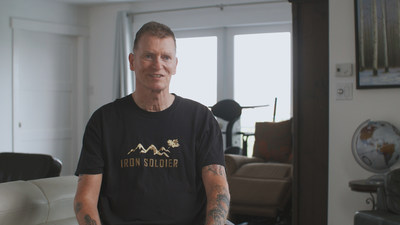
SURREY, BC, Oct. 14, 2020 /CNW/ - A recently published scientific study led by the Centre for Neurology Studies at HealthTech Connex and a research team from Simon Fraser University (SFU), reports the latest breakthroughs from ProjectIron Soldier. Captain (retired) Trevor Greene, who was attacked with an axe to the head while serving in Afghanistan, continues to push conventional limits in brain health recovery.
The research study published in Frontiers of Human Neuroscience is led by neuroscientist Dr. Ryan D'Arcy, and involves tracking Capt. Greene's neuroplasticity and his physical, cognitive and PTSD improvements as he rewires his brain using the latest and most advanced brain technologies.
Capt. Greene and Dr. D'Arcy recounted their remarkable progress and showcased their mission to lead scientific breakthroughs in neuroplasticity through a recent TEDx talk (Link to TEDx video: https://bit.ly/3hHSeqW).
In 2006, retired Canadian soldier Capt. Greene survived a severe brain injury when he was attacked with an axe to the head, during his combat tour in Afghanistan. He spent years in various therapies and rehabilitation, and in 2009, he started working with Dr. D'Arcy. In 2015, the B.C. and Yukon Command of the Royal Canadian Legion helped outfit Trevor with a robotic exoskeleton, which helped him continue re-learning to walk. Called Project Iron Soldier, this exciting initiative was the inspiration to develop the Legion Veterans Village, a $312M Centre of Excellence for PTSD, mental health and rehabilitation dedicated to veterans and first responders (currently under construction in Surrey).
Capt. Greene and the Project Iron Soldier research team have continued with intensive daily rehabilitation, but the team experienced an extended plateau in progress using conventional therapy alone.
To breakthrough the plateau, the Centre for Neurology Studies launched an intensive 14-week trial using the Portable Neuromodulation Stimulator (or PoNS™). The PoNS is a neurostimulation technology that sends a series of small electrical impulses to the brain through the tongue (known as translingual neurostimulation)to safely facilitate neuroplasticity. The team tracked improvements in brain vital sign improvements using NeuroCatch® Platform (or NeuroCatch®). NeuroCatch is a rapid objective measure of cognitive brain function.
"When Trevor experienced a plateau in his rehabilitation, we tried intensive conventional treatment approaches, but to no avail," says Dr. D'Arcy, co-founder of HealthTech Connex, which operates the Centre for Neurology Studies, and an SFU professor. "It was only after combining in the PoNS with this rehabilitation therapy that we could break through these latest barriers and demonstrate significant improvements in his brain vital sign measurements."
Results of the study: The newly published results in Frontiers in Human Neuroscience demonstrate that PoNS neurostimulation, paired with intensive rehabilitation, may stimulate neuroplasticity to overcome an extended recovery plateau as objectively measured by NeuroCatch and other brain scanning technologies. The main findings were:
Capt. Greene showed significant gains in clinical outcome measures for physical therapy, even after 14 years since the axe attack. Capt. Greene and his wife Debbie Greene also reported notable and lasting improvements in cognition and PTSD symptoms.
Capt. Greene showed significant brain vital sign improvements in cognitive function, particularly in auditory sensation (as measured by the N100 response), basic attention (as measured by P300 response), and cognitive processing (as measured by N400 response).
Says Capt. Greene, "I first saw the power of neuroplasticity in the early days when Ryan showed me MRI images of my brain showing healthy brain tissue taking over for the damaged bits. Later on, I saw the full power of the PoNS device when I got demonstrably stronger, steadier and more coordinated after using it regularly for just a few weeks. It's really been a game changer for me and my family."
"Trevor's amazing progress is no doubt pushing the frontiers of medical science by overcoming perceived limits of brain recovery," says Dr. Shaun Fickling, the study's lead author who completed his PhD at Simon Fraser University. "These brain imaging results provide valuable insight into the importance of unleashing the power of neuroplasticity to inspire countless people impacted by brain and mental health conditions."
Dr. D'Arcy concludes, "These neuro-technology breakthroughs have considerable impacts to inspire many of us to push beyond conventional limits in neurological and mental health recovery."
*Note to media: Project Iron Soldier B-roll video and photos available.
SOURCE HealthTech Connex Inc.
Evidence Partners Selected for Lazaridis Institute's ScaleUp Program
OTTAWA, ON, Oct. 14, 2020 /CNW/ - Evidence Partners Inc., provider of the world's first AI-enabled literature review automation software, DistillerSR, today announced that it has been selected by the Lazaridis Institute to be part of the sixth cohort of the Lazaridis ScaleUp Program. The prestigious program helps Canada's highest potential companies accelerate their growth and enhance their ability to compete internationally through mentorship, intensive workshops, and access to a global network of experts. Evidence Partners was one of 13 firms selected for the program.
"We are honoured to be selected into this highly respected program and to be recognized as one of the 13 most promising scaleup companies in Canada," said Peter O'Blenis, CEO, Evidence Partners. "The timing of our selection is ideal. We are growing quickly, expanding market share globally, and investing aggressively in our product, AI-technologies and, of course, our Ottawa-based team. This program will help to both focus and accelerate these efforts."
Systematic literature reviews are the cornerstone of evidence-based research. Medical and scientific researchers use systematic literature reviews to collect secondary data, critically appraise research studies, and synthesize findings qualitatively or quantitatively.1 The challenge with systematic reviews is that they are difficult to do, take a long time and are error prone.
DistillerSR is used by pharmaceutical and medical device companies, contract research organizations, as well as universities, governments, and NGOs. The cloud-based platform brings together AI and intelligent workflows that automate the management of researchers' systematic collection of secondary data to produce transparent, audit ready and compliant literature reviews faster and more cost effectively. As a result, DistillerSR enables researchers to inform time-sensitive critical health policies, clinical practice guidelines, and regulatory submissions.
About Evidence Partners For more information about Evidence Partners and DistillerSR, visit www.evidencepartners.com
Russell Alexander Law Firm Offers Tips for Divorcing in Ontario During the Coronavirus Pandemic Lawyers say couples should be prepared, as courtroom procedures have changed
LINDSAY, Ontario —With marriages strained by the coronavirus pandemic, interest in divorce is spiking. But divorce lawyer Russell Alexander warns that couples seeking to separate need to be prepared for a much different process than that which pre-dated the pandemic. Alexander is author of the new book, “Everything You Always Wanted to Know About Divorce, ” which he delayed the release of just to include a special bonus chapter on divorcing during a pandemic.
Courtroom procedures have changed due to social distancing requirements, while backlogs have made cases move slower than ever. Everyone from lawyers to judges will be communicating through videoconferencing apps.
“The process of going through a divorce has undergone a dramatic transformation since March,” said Alexander, who founded the Russell Alexander Collaborative Family Lawyers which has offices throughout Ontario. “It’s harder, takes longer and can be more frustrating. That’s why we recommend working together instead of going to court.”
Russell Alexander Collaborative Family Lawyers has long helped clients find alternatives to messy and expensive courtroom battles, but Alexander said that a collaborative approach is more important than ever. With courtrooms facing a backlog of cases, divorces are taking longer and even when couples get time before a judge they are often talking through videoconferencing apps, which can make the process more stressful.
Alexander recommended that anyone seeking a divorce make sure that they have an up-to-date computer and high-speed internet in order to videoconference with their lawyers and court officials; consider alternatives to going to court; and be patient as the process unfolds.
“Divorce is never easy, but divorcing during a pandemic is going to be more stressful than usual as it drags on,” added Alexander. “If you don’t try a collaborative approach, you may find the pandemic is over before your marriage.”
Thebook, “Everything You Always Wanted to Know About Divorce,” is available to purchase online at Amazon, Barnes & Noble and Apple Books, as well as through Bibliotheca, Rakuten Kobo, Tolino and Baker & Taylor. Readers may also pick up a copy at the list price of $22.12 at the firm’s six offices throughout Ontario. All proceeds will be donated to theGiving Fundin support of various community-based programs.
***
RussellAlexander Collaborative Family Lawyers
Russell Alexander Collaborative Family Lawyers is committed to practicing exclusively in the area of family law in Ontario dealing with all aspects, including separation and divorce, child custody and access, spousal support, child support, and division of family property. A team of lawyers provide guidance from start to finish, helping clients identify and understand the legal issues as well as the options and opportunities available through the transition. The firm has offices in Lindsay, Whitby, Oshawa, Markham, Peterborough and Toronto, Ontario. For more information, visit: http://www.russellalexander.com
Episode 19 - The Train It Right Life - It's Ok To Be Alone
Welcome to the Train It Right Life Podcast with Alicia Bell. Today Alicia sits down to discuss Covid19, Toronto, Gyms, Water and why it's ok to be alone. Enjoy!
KATIE SCHIDE AND GERMAIN GRANGIER SURMOUNT THE ALPS AND STAND ON THE SHOULDERS OF GIANTS IN THEIR ULTIMATE CHALLENGE
Champion trail running duo embark on their most epic journey yet, depicted in a short animated film by On entitled Taming Giants
Portland, Oregon, October 13th, 2020: On July 19th this year, partners Katie Schide and Germain Grangier left Cervina in Italy on an epic journey, knowing their ultimate challenge would command a deep understanding and utmost respect for the mountainous terrain and expansive glaciers they would encounter over the following four-and-a-half days of gruelling exploration across one of the highest mountain ranges in the world.
With more than 42 hours in the mountains, traveling over 188 kilometers and accumulating approximately 15,000 meters of elevation over two summits over 4,000m, the iconic ultra athletes and champion trail running duo can now add this epic adventure in the Alps to their growing bucket list-worthy series of adventures completed. This gallant expedition and compelling paradox between two people in love with each other and with the mountains is depicted in a new short animated film entitled Taming Giants produced by On, Studio AKA and creative director, Simon Brotherson, released aton-running.com/taming-giants. As the first animated production by the Swiss sportswear company, the imaginative film tells the tale of adoration and respect for naturea force that cannot be conqueredwhere giants watch over those who dare to enter its kingdom with challenging eyes.
This has become the ultimate adventure, resulting in a mammouth achievement by two of the most determined ultra athletes in the world, says Feliciano Robayna, Head of Sports Marketing at On. Katie and Germain have a deep respect and understanding of mountain landscapes, having both studied geology, and the nature that surrounds them. The time devoted to preparing and planning their journey shows the enduring commitment they have towards accomplishing each project with extreme efficiency. We have commissioned a creative adaptation of their story into our own version of events through imaginative animationour first production of its kind. Taming Giants is also a film about two talented and competitive athletes, doing what they do best, challenging themselves and pushing their ability to the absolute limits.
As elite athletes in the world of trail running (both top ten UTMB contenders in 2019) Katie and Germain were eager to combine mountaineering with their love for trail running. Their latest project had been in development for some time, requiring several months of logistical planning and preparaton. But as any climber will tell you, while breathtakingly beautiful and awe inspiring, mountains can also be cruel and unforgiving, unless you treat natures most arduous landscape with reverence, whereby it will offer kindness and passage in return.
Setting out at dawn on Sunday, July 19 in Cervinia, Italy, Katie and Germain began their journey by climbing the Breithorn, a summit over 4,000m on the border between Switzerland and Italy. After spending the night at the beautiful Schönbielhütte (Schönbiel Hut), they departed for a 120km passage on the famous Glacier Haute Route, stretching from Zermatt in Switzerland, to Chamonix in France. Forced to take refuge from the weather in Chamonix, they completed their trip the next day, by climbing the Mont Blanc in less than 12 hours. Here is a timeline of their remarkable experience.
Day 1 Cervinia to Schönbielhütte 35km
On Sunday, July 19th at 5:00am, Katie and Germain left Cervinia in Italy to reach the summit of the Breithorn (4,164m). They arrived at the crack of dawn before descending towards Zermatt in Switzerland and eventually reaching Schönbielhütte, the final stop for day one, allowing for cooler temperatures and safe passage across the upcoming glaciers the next morning A total of 35 kilometers and 2,700 meters of elevation was completed in just six hours.
Day 2 Schönbielhütte to Chamonix, Les Houches 115km
On Monday, July 20th at 5:20am, Katie and Germain left Schönbielhütte in Switzerland to run the reverse course of the Glacier Haute Route, crossing glaciers and high mountain passes from Zermatt, reaching Les Houches near Chamonix. They could move quickly thanks to cold nights that froze the snow for safe running conditions. After their initial crossing of the renowned Stockji glacier, the day continued with five more glacier crossings before hitting the final challenge: the 8km Otemma glacier. After taking much-needed breaks on their journey, Katie and Germain continued the 115km route by running through the night. Arriving 24 hours later at the fog-covered Col Supérieur du Tour above Trient, they eventually arrived at the bottom of Mont Blanc in Les Houches, midday on Tuesday, July 21st. Stage Two ended with a total of 115 kilometers and 7,000 meters of elevation accomplished in 24 hours.
Day 3 Les Houches via the Mont Blanc Summit 33km
For the final stage, Katie and Germain return to mountaineering with the ascent of the Mont Blanc via the normal route through the Col de Goûter. After spending Wednesday in Les Houches because of bad weather conditions, Katie and Germain rested while waiting for the ideal weather window. On Thursday, July 23rd at 2:00am, they left Les Houches for the majestic Mont Blanca 33km route that brought them to the summit after 4,000m of climbing. Summitting and descending Mont Blanc in one day is an incredible feat, as the highest mountain in western Europe, normally completed over two or three days and often assisted by train for the first 1000 metres. Katie and Germain completed the two-way expedition in under 12 hours, arriving back in Les Houches after just 11 hours and 30 minutes, completing the last stage of their extraordinary adventure through the mountains.
Its a few days of enjoying lots of time outdoors, listening to the mountains, testing our limits, gauging risk, and constantly adapting in the moment, says Germain. We share adventures in the high mountains to explore new summits, ridges, valleys, and glaciers as a simple endurance challenge. Its what we live for.
With most of the events cancelled this year, this project was a good opportunity to go back to the roots of what we love most: spending long days moving through the mountains, says Katie.
For further insight into the story of Katie and Germains adventure across the Alps and to watch the release of Taming Giants, visit on-running.com/taming-giants.
4 Ways to Improve Your Breathing and Stamina for Cold Weather Runs
A brisk run in cold weather can be invigorating for many people. However, it can also be tough to complete a set goal if a runner isn’t making the most of their lungs or doesn’t seem to have the stamina to last. Here are just four possible ways people who enjoy running in the cold might manage their breathing and stamina reserves.
Be Consist
Before you work on any of the ways to control your breathing and improve your stamina, you should start here. You need to make a true commitment to yourself and ensure that you will maintain your regimen once you start. It is a good idea to start with small, intense training sessions that progress naturally to broader workouts with more volume.
Build Muscle Slowly
Even if you’re ready to tackle the longest run of your life, it is a good idea to start with small gains that you can build on incrementally over time. You can get a set of weight room equipment that should have everything you might need to start working on the core and limbs. Building up muscle allows your body to do more for longer periods, and it goes right along with working on proper breathing exercises. Strength training can also help to reduce the risk of general injury.
Alter Rest Times
All training for stamina should have built-in rest times that allow your body to recover from the intensity of the workouts. You should consider relatively lengthy recovery times if you are not used to strength or stamina training at first. After you feel improvements, you can set tighter limits on the wait times between sessions.
Use Heart Rate Data
Monitors that keep track of your heart rate during runs are not brand new, but many people still run with nothing more than standard athletic gear. This approach is fine, but there’s no reason not to take advantage of some of the modern technology that can specifically benefit a runner looking for stamina gains. In most cases, these monitors will collect data that will tell you how efficient your body is at doing hard work and recovering from it. You can track improvements by following the changes in this data.
Like any physical training, improving your stamina or breathing won’t take place overnight. It may take a few days before you start to notice any results, and you might need to incorporate more than one tip into a regular exercise routine to get the outcomes you want. Don’t forget that there are several types of running you can do in cold weather, and you can increase your stamina for different sets depending on your preferences.
Brooke Chaplan is a freelance writer and blogger. She lives and works out of her home in Los Lunas, New Mexico. She recommends looking into unflavored CBD animal tinctures for your pet. For more information, contact Brooke via Facebook at facebook.com/brooke.chaplan or Twitter @BrookeChaplan
World Spine Day is October 16th. NYC Area Spinal and Orthopedic Surgeon Available to Comment on the Worst Mistakes Americans Make That Cause Back Injuries and Pain
An estimated one billion people around the world suffer from spinal pain and is the biggest single cause of disability. With more people working from home in a non-ergonomically correct environment due to COVID, even more people are experiencing back pain. World Spine Day on October 16th highlights the burden of spinal pain and aims to promote healthy activities, exercises, or tools to combat it. (Worldspineday.org)
Dr. Gbolahan Okubadejo, is a spinal and orthopedic surgeon who leads The Institute for Comprehensive Spine Care. He shares some of the worst mistakes people make that leads to increased back/spine pain:
Not Maintaining Flexibility
Remaining flexible can help prevent injuries to the back, especially those related to some degree of muscle strain.
Don’t continue eating carbohydrates and sugar
At the root of most low back pain is inflammation. Foods that cause your blood sugar to spike will only make the pain worse because sugar promotes inflammation.
Don’t continue smoking
Smoking tobacco products is the worst mistake to make because it greatly impairs your body’s ability to heal and stay strong.
Don’t continue standing when putting on pants
Putting on pants while standing requires bending and possibly twisting, not to mention hopping on one leg. All of these motions can increase your low back pain.
Excess Weight
Extra pounds can strain the bones and muscles in your back, especially if you gain weight quickly. Do your best to maintain a healthy weight.
Don’t continue sleeping on the same old mattress
Old mattresses have lost some of their firmness, tend not to support your curves well, and lack some of the newer technology. Your old mattress might be causing or adding to your low back pain.
You Allow Your Core to Weaken
If your core is weak, your body compensates so other muscles will help hold you up. Not surprisingly, this overarched position can lead to pain in your lower back over time—which is why lower back pain is another sign of a weak core.If your core is weak, your body compensates so other muscles will help hold you up.
Don’t continue wearing bad shoes
Your shoes provide support for your entire body, including your spine. High-heel shoes or flip-flops do not give your back support and may be contributing to your pain.
Failing to lift with your knees
One of the most common causes of back pain is failing to distribute weight evenly, which is what happens when you lift with your back only. Whether it’s lifting weight while working out or picking up a heavy box, bending and distributing some of the weight to your legs reduces pressure on your back muscles while also helping to prevent serious injuries.
You think you should rest it and “baby” your back.
Gone are the days of prolonged bed rest for back pain. Research has indicated that bed rest is one of the worst things you can do when suffering from back pain.
Your desk job is killing your back
Sitting tied to your desk for hours at a time can lead to lower back pain, the most common work-related back problem. Slumping back in your desk chair or slouching forward means your spine is out of alignment. Use a lumbar pillow for cushioning to help prevent yourself from collapsing forward or backward into poor posture.
Limit the pain meds.
Pain meds do not heal injuries. Pain meds do not strengthen weak muscles. They mask the pain despite the injury.
Using Heat Packs Prematurely
During the acute stages of an injury, the area will swell. Ice is recommended through this stage to reduce this swelling. Using heat in the acute stages of injury may increase swelling, causing more pain that can lead to an increase in muscle spasms.
About the Doctor
Gbolahan Okubadejo, MD, FAAOS, leads The Institute for Comprehensive Spine Care, with offices in the greater New York City area, as a spinal and orthopedic surgeon. Board certified and fellowship trained, Dr. Okubadejo specializes in the treatment of degenerative spinal disease, spinal deformity, and cervical, lumbar, and thoracic conditions.
Dr. Okubadejo earned his undergraduate degree at Brown University in Providence, Rhode Island, and his medical degree at Johns Hopkins University School of Medicine in Baltimore. He completed his internship and orthopedic surgery residency at Barnes-Jewish Hospital at the Washington University School of Medicine in St. Louis. Dr. Okubadejo completed a spinal surgery fellowship at the University of Pittsburgh Medical Center in Pittsburgh.
Dr. Okubadejo is a published research author and has presented his findings at several major spinal conferences around the globe. While a surgical resident, he won the Leonard Marmor Surgical Arthritis Foundation Resident Award for the best research project.
Dr. Okubadejo believes in the power of preventive care, minimally invasive surgical procedures, open communication with patients, and personalized care. When he’s not caring for patients, he enjoys traveling, learning about different cultures and the arts, and playing golf.
TRAIN IT RIGHT NEWSLETTER
Sign Up and get a free 7 day Train it Right HIIT Program!