4 Ways to Improve Your Breathing and Stamina for Cold Weather Runs
A brisk run in cold weather can be invigorating for many people. However, it can also be tough to complete a set goal if a runner isn’t making the most of their lungs or doesn’t seem to have the stamina to last. Here are just four possible ways people who enjoy running in the cold might manage their breathing and stamina reserves.
Be Consist
Before you work on any of the ways to control your breathing and improve your stamina, you should start here. You need to make a true commitment to yourself and ensure that you will maintain your regimen once you start. It is a good idea to start with small, intense training sessions that progress naturally to broader workouts with more volume.
Build Muscle Slowly
Even if you’re ready to tackle the longest run of your life, it is a good idea to start with small gains that you can build on incrementally over time. You can get a set of weight room equipment that should have everything you might need to start working on the core and limbs. Building up muscle allows your body to do more for longer periods, and it goes right along with working on proper breathing exercises. Strength training can also help to reduce the risk of general injury.
Alter Rest Times
All training for stamina should have built-in rest times that allow your body to recover from the intensity of the workouts. You should consider relatively lengthy recovery times if you are not used to strength or stamina training at first. After you feel improvements, you can set tighter limits on the wait times between sessions.
Use Heart Rate Data
Monitors that keep track of your heart rate during runs are not brand new, but many people still run with nothing more than standard athletic gear. This approach is fine, but there’s no reason not to take advantage of some of the modern technology that can specifically benefit a runner looking for stamina gains. In most cases, these monitors will collect data that will tell you how efficient your body is at doing hard work and recovering from it. You can track improvements by following the changes in this data.
Like any physical training, improving your stamina or breathing won’t take place overnight. It may take a few days before you start to notice any results, and you might need to incorporate more than one tip into a regular exercise routine to get the outcomes you want. Don’t forget that there are several types of running you can do in cold weather, and you can increase your stamina for different sets depending on your preferences.
Brooke Chaplan is a freelance writer and blogger. She lives and works out of her home in Los Lunas, New Mexico. She recommends looking into unflavored CBD animal tinctures for your pet. For more information, contact Brooke via Facebook at facebook.com/brooke.chaplan or Twitter @BrookeChaplan
Russell Alexander Law Firm Offers Tips for Divorcing in Ontario During the Coronavirus Pandemic
Lawyers say couples should be prepared, as courtroom procedures have changed
LINDSAY, Ontario —With marriages strained by the coronavirus pandemic, interest in divorce is spiking. But divorce lawyer Russell Alexander warns that couples seeking to separate need to be prepared for a much different process than that which pre-dated the pandemic. Alexander is author of the new book, “Everything You Always Wanted to Know About Divorce, ” which he delayed the release of just to include a special bonus chapter on divorcing during a pandemic.
Courtroom procedures have changed due to social distancing requirements, while backlogs have made cases move slower than ever. Everyone from lawyers to judges will be communicating through videoconferencing apps.
“The process of going through a divorce has undergone a dramatic transformation since March,” said Alexander, who founded the Russell Alexander Collaborative Family Lawyers which has offices throughout Ontario. “It’s harder, takes longer and can be more frustrating. That’s why we recommend working together instead of going to court.”
Russell Alexander Collaborative Family Lawyers has long helped clients find alternatives to messy and expensive courtroom battles, but Alexander said that a collaborative approach is more important than ever. With courtrooms facing a backlog of cases, divorces are taking longer and even when couples get time before a judge they are often talking through videoconferencing apps, which can make the process more stressful.
Alexander recommended that anyone seeking a divorce make sure that they have an up-to-date computer and high-speed internet in order to videoconference with their lawyers and court officials; consider alternatives to going to court; and be patient as the process unfolds.
“Divorce is never easy, but divorcing during a pandemic is going to be more stressful than usual as it drags on,” added Alexander. “If you don’t try a collaborative approach, you may find the pandemic is over before your marriage.”
Thebook, “Everything You Always Wanted to Know About Divorce,” is available to purchase online at Amazon, Barnes & Noble and Apple Books, as well as through Bibliotheca, Rakuten Kobo, Tolino and Baker & Taylor. Readers may also pick up a copy at the list price of $22.12 at the firm’s six offices throughout Ontario. All proceeds will be donated to theGiving Fundin support of various community-based programs.
These Brands Rally For World Mental Health Day & Beyond!
World Mental Health Awareness Day is Saturday, October 12th. According to the CDC 40% of US adults reported struggling with mental health or substance use during the peak of the Covid-19 pandemic. Now more than ever, it is important to not only be mindful of our own mental health but also the mental health of those around us. To further bring awareness to mental health Yunizon, OH.SOand TAFT are proud to donate a portion of proceeds to select mental health charities and support awareness year round.
Yunzion Eyewear will donate 15% of all proceeds to the National Alliance on Mental Illnessand will give you 15% off your order.Founders, Rebecca Lay and Kimberly Van-Schoyck created the brand with the goal to bring mental health awareness to the forefront of the fashion industry. The brands core principles: free expression, inclusivity and belonging create an environment that is free of inhibitions and judgment, resulting in a sense of belonging that is fundamental to human satisfaction. We see a balanced state of mind as key to promoting these principles and are advocates for mental health initiatives. In line with this, we donate a portion of our proceeds to the National Alliance on Mental Illness. We are committed to being part of the solution because we are all "Under One Sun".
OH.SO will donate 25% of proceeds to the American Foundation for Suicide Prevention. Selfcare collection OH.SO takes mental health seriously. This year, the brand has committed to donating 25% of proceeds to the American Foundation for Suicide Prevention. The brand's mission is to make people feel OH.SO good about what we put on our bodies. Products are free from any chemicals, cruelty, GMOs or gluten. This California-based collection uses high quality natural ingredients, essential oils and colloidal silver - which is powerful enough to kill bacteria and odor-causing germs on contact but gentle enough for even the most sensitive skin.
TAFT offers free mental health services for all employees and gives back to the Crisis Text Line. DTC men's shoe brand, TAFT clothing, advocates for Mental Health all year long. In addition to free mental health services for all employees, the brand also gives back to the Crisis Text Line. Founder Kory Stevens, who has struggled with depression, uses TAFT as a platform for mental health advocacy and to connect directly with his customers, who may be facing similar challenges. Both Kory and his wife are involved with Room Here, an organization reframing the conversation around mental fitness.
What to Do When Faced With Chronic Ankle Rolling
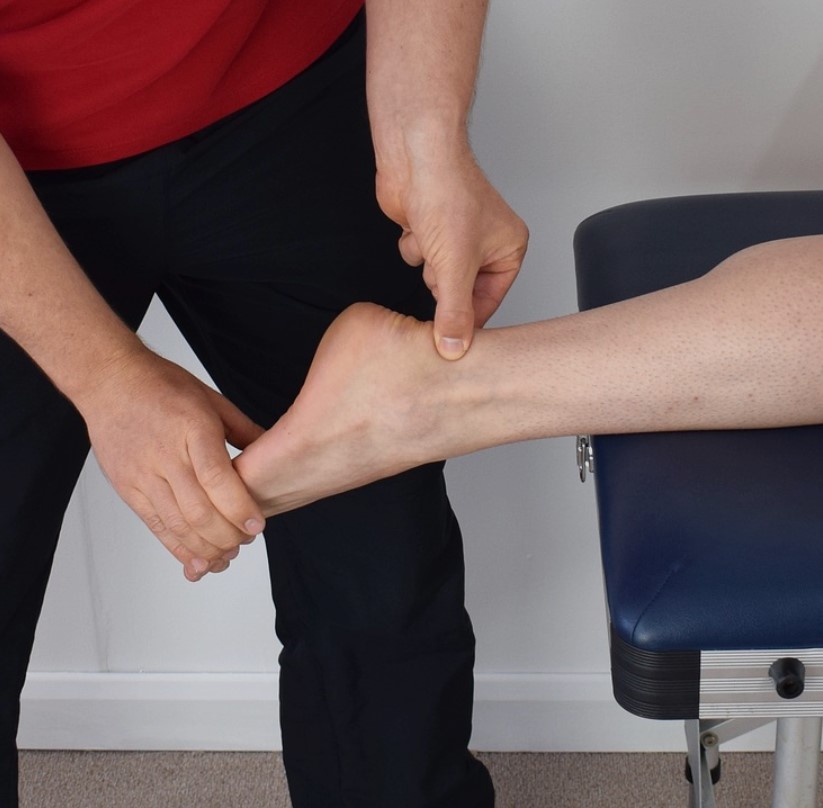
Chronic ankle rolling can put you at risk for suffering recurring sprains. It can also be harder for you to walk and complete your daily activities. If you are an athlete or someone who works out frequently, then you are more likely to suffer from chronic ankle rolling. Fortunately, there are many ways that you can treat this problem.
Get Physical Therapy
Your doctor may recommend that you get physical therapy. Physical therapy can help strengthen the tendons and muscles in your ankle. Your physical therapist can have you perform a variety of exercises. They can also use various modalities, such as ultrasound, heat, ice and electrical stimulation. Furthermore, your physical therapist can tailor your treatment to match the sports and activities that you do.
Wear the Right Shoes
If your ankles are rolling regularly, you likely have weak ankles. This means that even when your ankles feel healthy, they are missing important muscular structures that help keep them steady. Wearing the right shoes when you walk can help with this. Motion control and arch support found in sports shoes are very useful for those with weak or pronating ankles and help give support while your muscles grow.
Ankle Braces
If your ankle rolling is severe and the ankle itself is still in the process of healing, wearing an ankle brace can give the support you need. These help keep your ankle straight while you walk, which can be uncomfortable, but it is necessary if you want your ankle to heal properly. If your ankle isn’t showing any improvement with a brace, make sure you speak with a doctor to see if more serious measures need to be taken.
Medication
Over-the-counter medications, such as Advil or Tylenol, can help you treat chronic ankle rolling. They can help alleviate pain and inflammation. If you have less inflammation, then it will be easier for you to heal. However, it is important to note that over-the-counter medications are not meant to be used for long periods of time. You can also soak your ankle in Epsom salts to help reduce the swelling and relax tight muscles.
Surgery
If non-surgical treatments are not working, then it is time to talk to your doctor. They may recommend that you get surgery as a last resort. A surgeon can repair the damaged tendons and ligaments. Your activity level and severity of the instability will determine the type of surgery that you need. The recovery time can also vary.
It can be a lot harder for you to complete simple tasks if you suffer from chronic ankle rolling. However, you can treat this condition by getting physical therapy. You can also take an Epsom salt and use an ankle brace. Medication is another thing that can be helpful. If home treatments do not work, then it may be time to get surgery.
Lilly provides comprehensive update on progress of SARS-CoV-2 neutralizing antibody programs
Lilly submitted request for emergency use authorization (EUA) for monotherapy to U.S. Food and Drug Administration (FDA)
New data show combination therapy met primary and secondary endpoints, reducing viral load, symptoms and hospitalizations; EUA request to follow
Plan to initiate a large open-label pragmatic study in COVID-19 outpatients in October
Media and investor call to be held at noon EDT today
TORONTO, Oct. 8, 2020 /CNW/ - Eli Lilly and Company (NYSE: LLY) yesterday announced additional details on its SARS-CoV-2 neutralizing antibody programs – including interim data on combination therapy in recently diagnosed patients with mild- to moderate COVID-19 – and plans to make these therapies broadly available to patients.
The pace of this development program is unprecedented," said Dr. Doron Sagman, Lilly Canada's vice president of R&D and Medical Affairs. Lilly's highly skilled and dedicated scientific teams have made significant advances in a very short period of time. These data offer initial evidence that these antibodies could be an effective treatment for COVID-19 and that they could be available for medical use in the near future."
Investors, media and the general public are invited to review a webcast that took place yesterday at noon EDT, where Lilly provided more data and discussion on these programs. The webcast information is available here.
Combination therapy clinical trial data
Data from a new interim analysis of the BLAZE-1 clinical trial showed that combination therapy with two of Lilly's SARS-CoV-2 neutralizing antibodies reduced viral load, symptoms, and COVID-related hospitalization and ER visits. The randomized, double-blind, placebo-controlled Phase 2 study evaluated LY-CoV555 and LY-CoV016, which bind complementary regions of the SARS-CoV-2 spike protein, for the treatment of symptomatic COVID-19 in the outpatient setting. The combination cohort enrolled recently diagnosed patients with mild- to moderate COVID-19, who were assigned to 2800 mg of each antibody (n=112) or placebo (n=156).
The combination therapy significantly reduced viral load at day 11 (p=0.011), meeting the primary endpoint of the study. Most patients, including those receiving placebo, demonstrated near complete viral clearance by day 11. Further, combination treatment reduced viral levels at day 3 (p=0.016) and day 7 (p<0.001)—earlier time points during the course of infection when higher viral loads are typically seen. Combination therapy also significantly reduced the time-weighted average change from baseline from day 1 to 11. An exploratory analysis showed that the proportion of patients with persistent high viral load at day 7 for combination therapy was lower (3.0 percent) versus placebo (20.8 percent), corresponding to a nominal p value of p<0.0001 without multiplicity adjustment. No emergent putative resistance variants have been observed thus far in patients treated with combination therapy.
Combination therapy also met prespecified clinical endpoints, including the time-weighted average change from baseline in total symptom score from day 1 to 11 (p=0.009). The improvement in symptoms was observed as early as three days after dosing and was similar in magnitude and timing to improvements previously seen with LY-CoV555 monotherapy. The rate of COVID-related hospitalization and ER visits was lower for patients treated with combination therapy (0.9 percent) versus placebo (5.8 percent), a relative risk reduction of 84.5 percent (p=0.049). This was also similar to observations for LY-CoV555 monotherapy.
Combination therapy has been generally well tolerated with no drug-related serious adverse events. In LY-CoV555 monotherapy studies there have been isolated drug-related infusion reactions or hypersensitivity that were generally mild (two reported as serious infusion reactions, all patients recovered). Treatment-emergent adverse events were comparable to placebo for both LY-CoV555 monotherapy and combination therapy.
Lilly is working to publish the monotherapy and combination therapy data in peer-reviewed journals as soon as possible.
Manufacturing and supply update
To be able to quickly provide treatment to patients around the world, Lilly invested in large-scale manufacturing of both antibodies at risk – even before data demonstrated their potential to become a meaningful therapeutic option for COVID-19.
For monotherapy, Lilly is focused on the 700 mg dose of LY-CoV555 since similar clinical effects were seen across all dose levels tested in BLAZE-1. Lilly anticipates it could supply as many as one million doses of 700 mg LY-CoV555 monotherapy in Q4 2020, with 100,000 available in October. With respect to the supply of combination therapy, Lilly anticipates it will have 50,000 doses available in Q4 2020. The supply of combination therapy will increase substantially beginning in Q1 2021, as additional manufacturing resources come online throughout the year, including Lilly's recently announced manufacturing collaboration with Amgen (NASDAQ: AMGN). Lilly is also pursuing additional partnerships to provide antibodies to resource-limited countries.
Regulatory update
Based on the combination therapy data, along with the previously disclosed findings for LY-CoV555 monotherapy, Lilly has engaged global regulators, including the FDA, regarding potential Emergency Use Authorization (EUA). Lilly has now submitted an initial request to the FDA for EUA for LY-CoV555 monotherapy in higher-risk patients who have been recently diagnosed with mild- to moderate COVID-19. We expect to submit a subsequent request for EUA for combination therapy in November, pending clinical trial enrollment, once additional safety data accumulate and sufficient supply is manufactured. Lilly anticipates having data to support a biologics license application (BLA) submission for combination therapy as early as Q2 2021. Conversations with global regulators, including Health Canada, are ongoing.
The BLAZE-1 clinical trial (NCT04427501) continues to enroll a confirmatory cohort of higher-risk patients who have been recently diagnosed with mild- to moderate COVID-19, testing the ability of the antibody combination to reduce the number of patients with persistently high viral load and reduce COVID-related hospitalizations. In addition, Lilly is studying lower doses of combination therapy and alternative delivery options in planned or ongoing clinical trials. Other ongoing clinical trials include a Phase 3 study of LY-CoV555 monotherapy for the prevention of COVID-19 in residents and staff at long-term care facilities (BLAZE-2, NCT04497987). In addition, LY-CoV555 monotherapy is being tested in the National Institutes of Health-led ACTIV-2 and ACTIV-3 studies of ambulatory and hospitalized COVID-19 patients. Data from these other ongoing trials are not yet available. Thus far, over 850 trial participants have been dosed with LY-CoV555 (alone or in combination with LY-CoV016), contributing to the safety data supporting this potential treatment.
Open-label pragmatic study in COVID-19 outpatients
To generate additional efficacy and safety data, Lilly plans to initiate a pragmatic, open-label study in the coming weeks, enrolling patients treated with either monotherapy or combination therapy, with a focus on collecting data regarding hospitalizations, deaths and safety.
Moving forward, LY-CoV555 and LY-CoV016 will be referred to as bamlanivimab and etesevimab, respectively.
About BLAZE-1
BLAZE-1 (NCT04427501) is a randomized, double-blind, placebo-controlled Phase 2 study designed to assess the efficacy and safety of LY-CoV555 and LY-CoV016 for the treatment of symptomatic COVID-19 in the outpatient setting. To be eligible, patients were required to have mild or moderate symptoms of COVID-19 as well as a positive SARS-CoV-2 test based on a sample collected no more than three days prior to drug infusion.
The monotherapy arms of the trial enrolled patients recently diagnosed with mild- to moderate COVID-19 in studying three doses of LY-CoV555 (700 mg, 2800 mg, and 7000 mg) versus placebo. The combination arm of the trial enrolled patients recently diagnosed with mild- to moderate COVID-19 in studying LY-CoV555 2800 mg plus LY-CoV016 2800 mg versus placebo. Placebo patients were shared across all therapy arms in the completed cohorts.
The primary outcome measure for these completed arms of the BLAZE-1 trial was the change from baseline to day 11 in SARS-CoV-2 viral load. Additional endpoints include the percentage of participants who experience COVID-related hospitalization, ER visit or death from baseline through day 29, as well as safety.
The study is ongoing with additional treatment arms. Across all treatment arms, the trial will enroll an estimated 800 participants.
About bamlanivimab (LY-CoV555)
LY-CoV555 is a potent, neutralizing IgG1 monoclonal antibody (mAb) directed against the spike protein of SARS-CoV-2. It is designed to block viral attachment and entry into human cells, thus neutralizing the virus, potentially preventing and treating COVID-19. LY-CoV555 emerged from the collaboration between Lilly and AbCellera to create antibody therapies for the prevention and treatment of COVID-19. Lilly scientists rapidly developed the antibody in less than three months after it was discovered by AbCellera and the scientists at the National Institute of Allergy and Infectious Diseases (NIAID) Vaccine Research Center. It was identified from a blood sample taken from one of the first U.S. patients who recovered from COVID-19.
Lilly has successfully completed enrollment and primary safety assessments of LY-CoV555 in a Phase 1 study of hospitalized patients with COVID-19 (NCT04411628) and long-term follow-up is ongoing. A Phase 2 study in people recently diagnosed with COVID-19 in the ambulatory setting (BLAZE-1, NCT04427501) is ongoing. Lilly recently initiated a Phase 3 study for the prevention of COVID-19 in residents and staff at long-term care facilities (BLAZE-2, NCT04497987). In addition, LY-CoV555 is being tested in the National Institutes of Health-led ACTIV-2 and ACTIV-3 studies of ambulatory and hospitalized COVID-19 patients.
About etesevimab (LY-CoV016)
LY-CoV016 (also known as JS016) is a recombinant fully human monoclonal neutralizing antibody, which specifically binds to the SARS-CoV-2 surface spike protein receptor binding domain with high affinity and can effectively block the binding of the virus to the ACE2 host cell surface receptor. Point mutations were introduced into the native human IgG1 antibody to mitigate effector function. A SARS-CoV-2 challenge study was conducted in rhesus macaques and showed LY-CoV016 is effective for both prophylactic and therapeutic venues against SARS-CoV-2 infection. Lilly licensed LY-CoV016 from Junshi Biosciences after it was jointly developed by Junshi Biosciences and Institute of Microbiology, Chinese Academy of Science (IMCAS). Junshi Biosciences leads development in Greater China, while Lilly leads development in the rest of the world.
Lilly has successfully completed a Phase 1 study (NCT04441931) of LY-CoV016 in healthy U.S. volunteers to evaluate the safety, tolerability, pharmacokinetics and immunogenicity. LY-CoV016 has been well tolerated and no drug-related severe adverse events (SAEs) have been observed to date.
About Lilly's COVID-19 Efforts
Lilly is bringing the full force of its scientific and medical expertise to attack the coronavirus pandemic around the world. Existing Lilly medicines are now being studied to understand their potential in treating complications of COVID-19, and the company is collaborating with partner companies to discover novel antibody treatments for COVID-19. Lilly is testing both single antibody therapy as well as combinations of antibodies as potential therapeutics for COVID-19.
About Lilly Canada
Eli Lilly and Company is a global healthcare leader that unites caring with discovery to make life better for people around the world. We were founded more than a century ago by Colonel Eli Lilly, who was committed to creating high quality medicines that meet people's needs, and today we remain true to that mission in all our work. Lilly employees work to discover and bring life-changing medicines to people who need them, improve the understanding and management of disease, and contribute to our communities through philanthropy and volunteerism.
Eli Lilly Canada was established in 1938, the result of a research collaboration with scientists at the University of Toronto which eventually produced the world's first commercially available insulin. Our work focuses on oncology, diabetes, autoimmunity, neurodegeneration, and pain. To learn more about Lilly Canada, please visit us at www.lilly.ca.
For our perspective on issues in healthcare and innovation, follow us on twitter @LillyPadCA.
SOURCE Eli Lilly Canada Inc.
ParaTough Cup: Home Edition encourages Canadians to try Para sport at home in support of athletes with a disability
Paralympic Foundation of Canada launches home edition of flagship fundraising event this month
Funds raised provide opportunities for people with a disability to access sport
OTTAWA, ON, Oct. 7, 2020 /CNW/ - The Paralympic Foundation of Canada is launching an innovative at-home version of its signature fundraising event this month, revamping its format due to the COVID-19 pandemic to encourage people across the country to try out some Para sport-inspired challenges from their own homes. ParaTough Cup: Home Edition fuelled by Petro-Canada™ will kick off October 9, raising funds to provide more opportunities for people with a disability to try sport at all levels.
"As we are not able to gather in person right now, we are excited to make this year's edition of ParaTough Cup nationwide and for Canadians to have the chance to experience activities that have been inspired by Para sport and hopefully have some fun with it," said Dean Brokop, Director, Paralympic Foundation of Canada. "Everyone in Canada should have access to sport, and funds raised through ParaTough Cup are critical to growing sport opportunities for people with a disability. Thank you in advance to everyone who supports ParaTough Cup this year; your support is so valued and is making a difference in the lives of many athletes with a disability."
Typically held in four cities across Canada each year – Toronto, Montreal, Calgary, and Vancouver – ParaTough Cup first began in 2017 in Toronto and officially crossed the $1 million threshold raised with its final event in early 2020. The event gives participants real-world experience of Para sport, trying multiple sports alongside their fundraising teams with the assistance of Para athletes onsite.
For the home edition, anyone can partake in ParaTough Cup by trying any of three adapted sport challenges – sitting volleyball, Para ice hockey, and wheelchair basketball. Demonstrated in videos by Para athletes, each challenge has been designed so they can be completed from the safety of one's own home or local park.
Wheelchair Basketball Demonstrated by Tara Llanes, member of the Canadian women's national team and Lima 2019 Parapan Am Games gold medallist, and attempted by Nicolas-Guy Turbide, Para swimmer and Rio 2016 Paralympic Games bronze medallist
Sitting Volleyball Demonstrated by Shacarra Orr, Rio 2016 Paralympian and Tokyo 2020 athlete ambassador, and attempted by Rob Armstrong, member of Canadian national Para ice hockey team and PyeongChang 2018 Paralympic Games silver medallist
Para Ice Hockey Demonstrated by Billy Bridges, member of Canadian national team, five-time Paralympian and three-time Paralympic medallist (one gold, one silver, one bronze), and attempted by Melanie Labelle, member of Canadian national wheelchair rugby team and Lima 2019 silver medallist
Participants are asked to challenge, donate and share: record a video of themselves trying one of the sport challenges, donate online or via text, and then share their #ParaTough attempt on social media – perhaps even challenging their friends and family to do the same.
"ParaTough Cup is such an exciting event and the home edition is an awesome chance for everybody to get a little taste of how challenging yet incredibly fun Para sport is," said wheelchair basketball's Tara Llanes. "I really encourage people to try it out for themselves and donate even if it's just $5, $10, or $20. Sport has been my life and all people with a disability in this country should have the chance to play or compete – whether it's getting out there to be healthy and active or compete at a high level and represent Canada like me."
Anyone can donate via Paratoughcup.ca/donate or by texting PARATOUGH to 41010 to make a one-time donation of $10, $20, or $25. Together, Pfizer and ParaTough Cup: Home Edition presenting sponsor Petro-Canada, a Suncor business, will also donate $1 every time the hashtag #ParaTough is used on social media, up to a maximum of $30,000.
In addition, individuals can create their own fundraising pages and encourage their networks to donate, with prizes awarded based on fundraising totals and the top five fundraisers receiving a ParaTough Cup: Home Edition trophy. A silent auction will run online from October 19-30 as well.
ParaTough Cup: Home Edition will officially kick off on October 9. For more information, please visit Paratoughcup.ca.
The Paralympic Foundation of Canada is a registered charitable foundation and the philanthropic arm of the Canadian Paralympic Committee. Founded in 2015, the PFC believes that every single Canadian should be able to imagine themselves at the start line, regardless of ability. Funding provided by the PFC is critical to supporting and providing more opportunities to Para athletes and programs across the country.
SOURCE Canadian Paralympic Committee (Sponsorships)
Morneau Shepell launches unified telemedicine solution to enhance Canadians' total wellbeing
Company enters growing telemedicine market through its LifeWorks' business
TORONTO, Oct. 7, 2020 /CNW/ - Morneau Shepell, Canada's largest provider of wellbeing and mental health solutions, has expanded into the rapidly growing telemedicine market to provide the employees of Canadian clients and their families with easier, more convenient access to digital health care services.
Telemedicine is viewed today as a transformational development in improving access and reducing the costs of health care. To access this market opportunity, the company is launching a unified telemedicine service through its LifeWorks' business to provide Canadians with quick access to medical practitioners such as doctors, nurse practitioners, and other clinical professionals across the wellbeing spectrum.
"Telemedicine will shape the future of health care through consumer-grade platforms that unify and simplify the end-to-end patient experience, marrying digital scale with human personalization," said Neil King, president of LifeWorks and executive vice president of Morneau Shepell. "Today millions of employees and their families turn first to Morneau Shepell for support on a wide range of wellbeing issues. We have a unique opportunity to support their needs with a new generation of unified telemedicine solutions. It's a natural fit in our total wellbeing portfolio."
The new unified telemedicine solution, which can be accessed via the company's award-winning LifeWorks' platform, will deliver a comprehensive set of telemedicine capabilities that provide:
Faster access to care for patients wherever they are – anywhere.
A simplified patient experience, including easy onboarding and ongoing follow-up.
Access to multiple consultation approaches.
Integration into a continuum of care spanning multiple health care modalities.
Available in Canada now, telemedicine will be offered as an additional service within the LifeWorks' employee and family assistance programs, creating an integrated approach to total wellbeing.
About Morneau Shepell Morneau Shepell is a leading provider of technology-enabled HR services that deliver an integrated approach to employee wellbeing through our cloud-based platform. Our focus is providing world-class solutions to our clients to support the mental, physical, social and financial wellbeing of their people. By improving lives, we improve business. Our approach spans services in employee and family assistance, health and wellness, recognition, pension and benefits administration, retirement consulting, actuarial and investment services. Morneau Shepell employs approximately 6,000 employees who work with some 24,000 client organizations that use our services in 162 countries. Morneau Shepell is a publicly traded company on the Toronto Stock Exchange (TSX: MSI). For more information, visit morneaushepell.com.
SOURCE Morneau Shepell Inc
Ontario's mental health and addiction leaders respond to government's new investment
TORONTO, Oct. 7, 2020 /CNW/ - Ontario's leading mental health organizations including Addictions and Mental Health Ontario, Canadian Mental Health Association, Ontario Division, the Centre for Addiction and Mental Health, Children's Mental Health Ontario, The Royal, Ontario Shores Centre for Mental Health Sciences, and Waypoint Centre for Mental Health Care are pleased to see new investments in mental health and addiction treatment and supports for Ontarians. However, these investments still fall short of the government's commitment to invest $3.8 billion over ten years in addiction and mental health services.
While we welcome any investments that will improve access to quality care, these investments should be made as part of a plan with specific and public goals, as promised in the Roadmap to Wellness. What we have seen is an uncoordinated approach to funding services that has further fragmented a mental health and addiction system, making it harder for Ontarians to find and be connected to the right care, at the right time and place. People desperately need easier, faster access to services.
Even before the onset of COVID-19, more than one million people in Ontario experienced mental health and addiction challenges every year. Ontarians were already facing wait times of up to 2.5 years to access mental health and addiction services, often turning to emergency rooms in crisis.
Mental health affects every single Ontarian one way or another, especially as COVID-19 concerns rise. Ontario's mental health and addiction leaders are critically concerned about the impact that COVID-19 has already had on Ontarians, in particular the trauma endured by front line professionals and caregivers. Research shows that COVID-19 disproportionately impacts racialized and lower-income people. Overdose rates and opioid related deaths have increased during the months of the pandemic by up to 35-40% on a weekly basis, according to Ontario's Chief Coroner. The most vulnerable, children and seniors, are at high risk, with some child and youth mental health centres already seeing a 20 to 100 per cent increase in the rate of demand since last year.
The mental health of Ontarians is not just a social issue. It is also an economic issue. The pandemic of mental illness and addiction is affecting Ontarians' ability to work, earn an income, pay taxes, maintain stable housing and care for their families. We are greatly concerned about the impact on generations to come if we do not embed sustained mental health and addiction care as part of recovery efforts.
The Ontario government has promised to create a comprehensive and connected system for mental health and addiction and to invest $3.8 billion over ten years.
We need a focus on reducing wait times and improving the quality of services. That demands an investment of $380 million per year within the health system, not outside of it. The time is now.
SOURCE Addictions and Mental Health Ontario
World Spine Day is October 16th. NYC Area Spinal and Orthopedic Surgeon Available to Comment on the Worst Mistakes Americans Make That Cause Back Injuries and Pain
An estimated one billion people around the world suffer from spinal pain and is the biggest single cause of disability. With more people working from home in a non-ergonomically correct environment due to COVID, even more people are experiencing back pain. World Spine Day on October 16th highlights the burden of spinal pain and aims to promote healthy activities, exercises, or tools to combat it. (Worldspineday.org)
Dr. Gbolahan Okubadejo, is a spinal and orthopedic surgeon who leads The Institute for Comprehensive Spine Care. He shares some of the worst mistakes people make that leads to increased back/spine pain:
Not Maintaining Flexibility
Remaining flexible can help prevent injuries to the back, especially those related to some degree of muscle strain.
Don’t continue eating carbohydrates and sugar
At the root of most low back pain is inflammation. Foods that cause your blood sugar to spike will only make the pain worse because sugar promotes inflammation.
Don’t continue smoking
Smoking tobacco products is the worst mistake to make because it greatly impairs your body’s ability to heal and stay strong.
Don’t continue standing when putting on pants
Putting on pants while standing requires bending and possibly twisting, not to mention hopping on one leg. All of these motions can increase your low back pain.
Excess Weight
Extra pounds can strain the bones and muscles in your back, especially if you gain weight quickly. Do your best to maintain a healthy weight.
Don’t continue sleeping on the same old mattress
Old mattresses have lost some of their firmness, tend not to support your curves well, and lack some of the newer technology. Your old mattress might be causing or adding to your low back pain.
You Allow Your Core to Weaken
If your core is weak, your body compensates so other muscles will help hold you up. Not surprisingly, this overarched position can lead to pain in your lower back over time—which is why lower back pain is another sign of a weak core.If your core is weak, your body compensates so other muscles will help hold you up.
Don’t continue wearing bad shoes
Your shoes provide support for your entire body, including your spine. High-heel shoes or flip-flops do not give your back support and may be contributing to your pain.
Failing to lift with your knees
One of the most common causes of back pain is failing to distribute weight evenly, which is what happens when you do lifting with your back only. Whether it’s lifting weight while working out or picking up a heavy box, bending and distributing some of the weight to your legs reduces pressure on your back muscles while also helping to prevent serious injuries.
You think you should rest it and “baby” your back.
Gone are the days of prolonged bed rest for back pain. Research has indicated that bed rest is one of the worst things you can do when suffering from back pain.
Your desk job is killing your back
Sitting tied to your desk for hours at a time can lead to lower back pain, the most common work-related back problem. Slumping back in your desk chair or slouching forward means your spine is out of alignment. Use a lumbar pillow for cushioning to help prevent yourself from collapsing forward or backward into poor posture.
Limit the pain meds.
Pain meds do not heal injuries. Pain meds do not strengthen weak muscles. They mask the pain despite the injury.
Using Heat Packs Prematurely
During the acute stages of an injury, the area will swell. Ice is recommended through this stage to reduce this swelling. Using heat in the acute stages of injury may increase swelling, causing more pain that can lead to an increase in muscle spasms.
About the Doctor
Gbolahan Okubadejo, MD, FAAOS, leads The Institute for Comprehensive Spine Care, with offices in the greater New York City area, as a spinal and orthopedic surgeon. Board certified and fellowship trained, Dr. Okubadejo specializes in the treatment of degenerative spinal disease, spinal deformity, and cervical, lumbar, and thoracic conditions.
Dr. Okubadejo earned his undergraduate degree at Brown University in Providence, Rhode Island, and his medical degree at Johns Hopkins University School of Medicine in Baltimore. He completed his internship and orthopedic surgery residency at Barnes-Jewish Hospital at the Washington University School of Medicine in St. Louis. Dr. Okubadejo completed a spinal surgery fellowship at the University of Pittsburgh Medical Center in Pittsburgh.
Dr. Okubadejo is a published research author and has presented his findings at several major spinal conferences around the globe. While a surgical resident, he won the Leonard Marmor Surgical Arthritis Foundation Resident Award for the best research project.
Dr. Okubadejo believes in the power of preventive care, minimally invasive surgical procedures, open communication with patients, and personalized care. When he’s not caring for patients, he enjoys traveling, learning about different cultures and the arts, and playing golf.
4 Birthday Gift Ideas for the Runner in Your Life
Avid runners are constantly in need of new gear to enjoy their physical hobby because they literally run through it. Running is a sport that requires quality, well made, and fitted items and gear to both help the runner train and recover.
If you have a runner in your life, some new gear as a birthday present is a great and useful idea. Consider these four birthday gift ideas for the runner in your life this year.
Running Shoes
Good running shoes are expensive, and they are the most important piece of gear a runner needs. Because a regular runner is capable of running through a pair of shoes in just a couple months, they are constantly in need of new ones. Running shoes are made specifically for the sport, and every runner will need a specific type of shoe that is molded to the shape of their feet. For this reason, make sure you get detailed information on the type of shoe your runner needs before buying.
GPS Watch
A good GPS watch is a great training tool for a runner. Whether training for a marathon or for personal enjoyment and fitness, runners like to track their progress and runs. A GPS device allows runners to easily keep track of their pace so that they can better plan their runs, taking into account the specific topography and layout of the area they are training in.
Running Clothes
Running clothing is specifically made to ease the comfort of a runner while supporting a run. Everything from visibility to moisture wicking to invisible seams are included in running clothes. Gifts of clothing can include moisture wicking socks, women’s running tops that prevent chafing, or a men’s grey zippered fitness hoodie.
Foam Workout Roller
Part of a runner’s routine is recovery, treating sore and tired muscles. A foam workout roller is one of the best pieces of equipment a runner can have. Not only can this simple piece of workout equipment be used to stretch muscles out before a run, but post run you can self massage tired muscles using the roller.
No matter what you decide on as a birthday gift for the runner in your life, any new gear to support their hobby and training is sure to be appreciated. Anything that aids a runner is useful and can be personalized.
TRAIN IT RIGHT NEWSLETTER
Sign Up and get a free 7 day Train it Right HIIT Program!