Vault Health Expands its Men’s Telehealth Service to 37 New States
After Becoming First Provider of Rapid At-Home Covid-19 Testing, Vault’s Testosterone Treatments and Specialized Healthcare for Men is Now Available Nearly Nationwide
NEW YORK, Sept. 17, 2020 -- Vault Health, a men’s telemedicine startup offering direct-to-consumer prescription testosterone treatments and supplements, has expanded its service to 37 U.S. states. Previously only available in three states, Vault’s rapid expansion comes on the heels of its $30 million Series A funding round in March.
Perhaps best known for providing the first FDA-approved rapid at-home saliva test kit for Covid-19, the men’s healthcare company specializes in personalized treatment plans that are designed to help men improve their sexual, physical, and mental health.
Low testosterone affects one in every four men over the age of 30. This can cause an increased risk of cardiovascular disease, irritability, low energy, loss of lean muscle mass, erectile dysfunction, decreased sex drive, osteoporosis or fracture, brain fog, and more.
Through Vault’s telehealth service, men are able to easily connect with medical professionals via video calls and get personalized testosterone-based treatment plans shipped directly to them, taking the inconvenience and apprehension out of healthcare by discreetly treating men where they are.
CEO Jason Feldman, former Head of Amazon Prime Video Direct, co-founded the healthcare startup last year with leading men’s integrative healthcare expert Dr. Myles Spar, MD, who serves as Vault’s Chief Medical Officer. Feldman got the idea for Vault when he noticed how many of his male friends seemed embarrassed about certain medical conditions and were reluctant to seek medical attention for them, or simply didn’t know they could do something about it.
“While there’s a wealth of women’s healthcare specialists and resources out there, the options for men are much more limited. Now that Vault is serving nearly three-quarters of the nation, we want men to know we’re here for them. We understand them. And we can help them,” says Feldman.
According to Dr. Spar, many doctors tend to treat the symptoms of low testosterone, instead of the cause, while Vault takes a different approach by focusing on the root of the problem.
“We focus on what matters to the patient — not what’s the matter with the patient — and offer a strategy to optimize health so that he can achieve his goals,” says Dr. Spar, who is also an author, teacher, TEDx speaker, and a frequent contributor to Men’s Journal and the Dr. Oz. show.
Vault’s various treatments are bundled together into kits that are tailored to address specific types of concerns. These include a ‘Body Kit’ that helps users maintain a healthy weight and energy level, a ‘Sex Kit’ that improves sexual health and performance, and a ‘Brain Kit’ that enhance users’ sleep quality and memory, among others.
Treatment plans are offered on a subscription basis with prices starting at $75 per month, which includes ongoing healthcare visits and continuous access to Vault medical professionals to ensure men are achieving their desired results.
While Vault has expanded service to 37 states, its testosterone-based treatments are available on a state-by-state basis. The states Vault Health is able to provide testosterone-based treatments in are indicated with an asterisk: Alabama, Alaska, Arizona, Arkansas*, Colorado, *District of Columbia, *Florida, Georgia, Hawaii, Idaho, *Illinois, Iowa, Maine, *Maryland, Michigan, *Minnesota, Montana, Nebraska, Nevada, *New Hampshire, New Mexico, *New York, *North Carolina, *Ohio, Oklahoma, *Oregon, *Pennsylvania, South Carolina, South Dakota, *Tennessee, *Texas, *Utah, Virginia, *Washington, Wisconsin, and Wyoming.
About Vault Health Vault Health is a performance-based healthcare service designed to help men take control of their health through specialized in-home treatments for a better body, better sex, and better brain health. Through extensive education, professional medical evaluation, and personalized treatment plans, Vault offers a comprehensive approach that overcomes traditional shortcomings in existing men's healthcare offerings to help more men achieve optimal overall health. For more info, visit www.vaulthealth.com.
Severe Head Lice cases a big concern for Back-to-School Fall 2020
BARRIE, ON, Sept. 17, 2020 /CNW/ - Head Lice has not been eradicated during covid-19 lockdown despite physical distancing and children being out of school.
"We expected to have a slow start when we began to re-open our lice removal services to the public," said Dawn Mucci, President and Founder of LiceSquad.com. "With children out of school and staying apart from their friends, many of us thought lice incidence would be significantly down and would remain so until children were back in school and socializing again."
Head lice is spread with close physical contact, predominantly through head-to-head contact with an infected person. It stands to reason that when people stay away from others, lice would not have the chance to spread.
"With people staying home, and having the time to nit-pick, we figured parents might eliminate lice on their own which would be a positive thing!" said Alison Steinhart, operator of two Lice Squad.com Clinics in Owen Sound and Collingwood, ON. Steinhart has been surprised, however, with the severity of cases she is now seeing. "Business has certainly picked up again for us after months of quiet."
Lisa Tecter, a Licesquad.com franchise owner in Ottawa, ON, said "I've noticed lice are more resilient and I have seen the most severe cases that may date back several months. Lice are on survival mode and with self-isolation, no lice reminders from school, and services such as ours not being accessible to families during the pandemic, despite best efforts head lice seem to have been much more difficult for families to tackle."
As school begins again, Lice Squad.com recommends parents watch for signs of lice such as itchy heads and resume regular head checks in the family for day-care and school-age children.
Since 2001, Lice Squad.com has delivered an alternative to traditional drug store remedies and a professional lice removal service with mobile visits to family homes, and in bright, clean, family-friendly clinics in metropolitan areas across Canada.
SOURCE Lice Squad Canada Inc
COVID-19 SPREAD INDICATORS UNDER FIRE, WHAT TO WATCH BETWEEN NOW AND NOVEMBER, COLLEGE SPORTS, & PREPARING FOR FLU SEASON
IN CASE YOU MISSED IT
COVIDEXITSTRATEGY.ORG, UNITED STATES OF CARE, RESOLVE TO SAVE LIVES, COVID ACT NOW AND DUKE-MARGOLIS CENTER FOR HEALTH POLICY HELD PRESS BRIEFING TO DISCUSS CURRENT STATE OF COVID-19
(Washington, DC) Yesterday, CovidExitStrategy.org, United States of Care, Resolve to Save Lives, COVID Act Now, and the Duke-Margolis Center for Health Policy held a press webinar outlining new data on COVID-19 spread indicators, college hotspots and addressed how states can prepare for flu season. You can view the video of the webinar here.
“United States of Care is constantly talking to people across the country about COVID-19 and the state of healthcare in the U.S. We have found that Americans want accurate and reliable data and Covidexitstrategy.org meets that need, by supplying real-time data on where their state stands in the battle against COVD-19,” stated Emily Barson, United States of Care Executive Director. “As we prepare for the flu season, accurate and timely data is crucial and must be used to inform the public and policymakers on how we can stay safe and healthy, ” added Barson.
CovidExitStrategy.org was founded by a group of public health and crisis experts, with previous experience working at the White House, Department of Health and Human Services, and on the Ebola epidemic in West Africa. COVID Exit Strategy is a non-partisan group of experts who have worked across multiple administrations.
In an overview of the states’ efforts to contain COVID-19, Marta Wosinska, Deputy Director at the Duke-Margolis Center for Health Policy, noted that the national trend in COVID-19 cases hides important regional variation in the prevalence of COVID-19. “After a wave that hit the Sunbelt states this summer, the spread has shifted towards the Midwest. North Dakota now has more COVID-19 cases per million than the hard-hit Texas ever had.”
“COVID continues to disproportionately affect our country’s most vulnerable groups: those who are older, who are poorer, who have less access to healthcare, who have less decision-making power,” said Debbie Lai, COO of CovidActNow.org.
“Our understanding of the spread of COVID-19 and its impacts is becoming less clear over time, because of ongoing issues around data and inconsistent reporting of key indicators. Our national response will continue to be hampered by data gaps and implementation of policies based on suboptimal data.” remarked Cyrus Shahpar of Resolve to Save Lives.
“The most reliable sources for COVID-19 spread continue to be from academia (like John Hopkins University), journalists (like the New York Times), and collaboratives (like The COVID Tracking Project). said Ryan Panchadsaram, Co-Founder of CovidExitStrategy.org, “Unfortunately, the federal government continues to accumulate critical data related to the COVID response, but does not share it with the public. To date, only one dataset from HHS Protect has been made public so far on HealthData.gov: the hospital utilization snapshot.”
“There is a critical need for more testing in this country, but more importantly, for smart testing--matching the right test for the right purpose at the right time. Equally important is making sure we can act on those test results to actively break chains of transmission and respond quickly as rates of active infection changes in our communities over time,” said Silcox.
Additionally, United States of Care discussed their new “Preparing for COVID-19 and the Flu,” recommendations to states for dealing with the seasonal flu amid a global public health crisis caused by the novel coronavirus.
“2020 is a completely different year when it comes to flu season. Our health care system is already stressed and now we face the unprecedented problem of fighting the fly while combatting COVID-19. We have spent months engaging in one-on-one conversations with people, policymakers, and various health care leaders and understand what people need to know and what states can do to combat COVID-19 while fighting the flu,” stated Liz Hagan, United States of Care’s Director of Policy for State Engagements. “Historically States have successfully dealt with the flu virus through vaccines and preemptive care to stop widespread outbreaks. Our recommendations can help states prepare for the fall and beyond,” added Hagan.
Communicate Clearly: State leaders need to be clear in their communications about why protective measures, such as mask requirements and closures, are necessary to keep people safe from the flu and COVID-19. States can play a vital role in providing people with clarity about what to do if they are infected with either the flu or COVID-19, as they have similar symptoms
Prepare for Increased Health Care Demand: States need to have contingency plans in place so that health care system resources can be efficiently allocated.
Address the Needs of High-Risk People: States will need to continually rely on the latest COVID-19 metrics and data on the flu’s trajectory, especially for high-risk populations to take additional measures.
Develop Plans to Increase Influenza Vaccination Rates: In a typical flu season, less than 50%of people get vaccinated, and the rate is even lower among people of color. Increasing this rate is essential to minimizing the strain on our health care system. Clear communications are also vital due to people’s ongoing concerns about receiving medical care during the pandemic. States will need to develop plans to distribute flu shots in safe-settings, including at home for vulnerable populations.
###
THE IMPACT SERIES, an original film and speaker series focused on social change, launches in Canada this September
Multimedia platform partners with award-winning filmmakers, leading media companies, and socially conscious brands in bold new initiative
The series kicks off with the World Premiere of Jim Rakete’s NOW, featuring internationally recognized activists Greta Thunberg, Luisa Neubauer, Vic Barrett, Felix Finkbeiner, acclaimed musician Patti Smith and Academy Award® nominated filmmaker Wim Wenders TORONTO – Screen to Stream Media Inc., a new Canadian media company founded by media executive and entrepreneur Jim Sherry, today announced the launch of THE IMPACT SERIES, a new film and speaker series centred on environmental and social change. This new multimedia content series and speaker platform will present eight compelling documentary films in its first season between September to January 2021. The series will launch with filmmaker Jim Rakete’s powerful new documentary NOW, premiering in cinemas across Canada on September 26.
“With THE IMPACT SERIES we have created a platform that will foster discussion and amplify voices of optimism and hope,” said Jim Sherry, CEO of Screen to Stream Media Inc. and developer of the series. “We appreciate the support of Jim Rakete and all our generous partners for allowing us to present the World Premiere of NOW as our inaugural film, as it perfectly expresses what people can achieve when they courageously step forward to meet the moment.”
Rakete’s accomplished work evokes hope and inspiration as we look through the eyes of young activists from around the globe who are challenging the status quo and pushing for social and political change. NOW, which was filmed during 17-year-old environmental activist Greta Thunberg’s phenomenal rise to fame, will be presented with a pre-recorded introduction and post-screening commentary by Rakete.
“Everyone involved in the NOW project feels very honoured that our film will open THE IMPACT SERIES.”said Jim Rakete, Director of NOW. “This new initiative is a beacon of hope for the countless activists who are trying to make the world a better place.”
Season 1 of THE IMPACT SERIES will also feature the new films Watson and Sing Me a Song from Participant (American Factory, An Inconvenient Truth, RBG). Additional films from Participant featured in the series include, The Great Invisible and Chicago 10. Participant is the leading global media company dedicated to entertainment that inspires audiences to engage in positive social change.
“It’s a pleasure to partner with Jim Sherry on the launch of this relevant new initiative which will bring meaningful content to Canadian audiences in a time of unparalleled drive for change.” said David Linde, CEO, Participant Media.
Watson, directed by Lesley Chilcott, will receive its Canadian theatrical debut on October 24. The film chronicles the life of controversial Canadian environmentalist Paul Watson, an original founder of Greenpeace and the Sea Shepherd Conservation Society, who is renowned for his commitment to marine conservation and anti-poaching activism.
Sing Me a Song, directed by Thomas Balmés, will debut in THE IMPACT SERIES on December 5. This captivating film follows the story of a teenage Bhutan monk who is introduced to the internet and depicts how the technology influences his everyday life and traditions.
Additional partners supporting THE IMPACT SERIES in Canada include, Cineplex Entertainment, Landmark Cinemas, and Hollywood Suite.
To learn more about THE IMPACT SERIES and view the full schedule visit, www.theimpactseries.net Tickets for the series begin to go on sale on September 23, 2020 at Cineplex.com/Events
THE NEW "NORMAL" OF LEARNING Brain Health Expert Shares How Parents & Kids Can Adjust, Focus, & Succeed in 2020's Tough Learning EnvironmentWhether your child is returning to the classroom, learning entirely online, or doing a hybrid approach, school is going to be very different this year and the new "normal" of learning is a unique struggle, for parents, teachers, and kids alike. There is tremendous pressure on parents and caregivers. On top of juggling their own work demands and dealing with the economic and emotional stress of the ongoing pandemic, parents now have the added responsibility of being teachers. They must play an even more active role in their childs' education and this is a huge undertaking, even for parents who were already highly involved. According to Brain Health Expert Aneesh Chaudhry, regardless of what academic option your child is doing, learning is going to be extremely difficult this year and families need all the support they can get. "Parents, kids, and teachers are all grappling with the new *normal* of learning and they desperately need positive strategies to make this work..."...says Chaudhry, a health specialist who has been instrumental in re-developing and implementing mental and physical wellness programs in the educational system. Through his non profit organization, SoulPhysio Foundation, Chaudhry works with existing schools to help educate faculty, parents, and students (specifically kids struggling with mental and neurological illness) on how to succeed academically and build a healthier brain by living a healthy lifestyle. We know that sitting in front of a computer all day is not the best way to learn but in the COVID era, even the classroom is not an ideal learning environment. In many districts, students must remain seated and socially distanced, they are not allowed to do group or partner work, move around, and they must wear uncomfortable PPE all day. Real time feedback from teachers is limited as many schools have adopted an a/b schedule which creates a gap in the learning feedback loop. Although safety measures like masks and social distancing are necessary and understandable, it is extremely challenging to learn amid these circumstances. One major deficit in the covid era curriculum is the lack of kinesthetic learning activities or lessons that incorporate movement. "Students learn best when they are engaged in hands-on activities. Learning through movement and physical activities changes the way the brain works and can accelerate the learning process..."...says Chaudhry. According to Chaudhry, there are many things parents and caregivers can do to create a positive learning environment for kids...one that is sustainable throughout the entire year. One suggestion Chaudhry has for parents and teachers is to consider their child's needs for structure. He recommends taking "brain breaks" that carve out time for focus and socializing. He also suggests having regular emotional check-ins with kids, even if they aren't giving clear warning signs that there is a problem. Chaudhry encourages parents to monitor their own mental and physical health as it is crucial for sustainability. One way parents can do this is to shift their mindset and make wellness a family endeavor by engaging in family activities outside of school work like cooking, exercising, and meditating. Aneesh Chaudhry is sharing brain-based strategies and practical tips parents and kids can use to cope with the new pressures of learning. He has insight and actionable advice for families and students of all ages. TALKING POINTS(FOR INTERVIEWS & ARTICLES):How to Help Kids Focus & Adjust to the New "Normal" of School (Learning at Home, OR in the Classroom)How Parents Can Create a Productive, Positive & Sustainable Learning EnvironmentBrain-Based Strategies to Improve Learning & FocusHow Working Parents Can Maintain Sanity & Productivity Amid Trying These TimesMental Health Strategies to Manage Back-to-School Stress & Anxiety During All This UncertaintyBack-to-School Mental Health Checklist for KidsLearning vs Social Chaos: The Fascinating Connection Between Focus, Fear, & The Brain The Lasting Mental Health Impact of COVID-19 on KidsWhy It's Crucial for Parents to Make Wellness a Family Endeavor (& How They Can Do It)Warning Signs of Anxiety & Stress in Kids ABOUT ANEESH CHAUDHRY:Aneesh Chaudhry is the founder of SoulPhysio Lifestyle, a brain health clinic and integrative healthcare network that specializes in treatments that combine both Eastern and Western Medical techniques. Chaudhry holds a bachelor's degree in Neuropsychology from Wright State University and a personal training license through the Cooper Institute. In addition, he holds a number of other mental and physical health certifications including accreditation as a Reiki Master, a Mind-Body Specialist, a Brain Health Coach, and a Performance Nutrition Specialist. Chaudhry is on track to be a licensed Ayurvedic and Integrative Medicine Practitioner in 2022 and following this, he plans to pursue a PhD in Physiology and Health.FOR MORE INFORMATION VISIT: www.soulphysiolifestyle.com
OMA: Urgent Improvements Needed to COVID Testing
TORONTO, Sept. 17, 2020 /CNW/ - The Ontario Medical Association (OMA) is deeply concerned about the long lineups at COVID-19 Assessment Centres in many regions of the province.
As more people return indoors, including children returning to school, testing needs will increase. There is a risk that growing demand will overwhelm Ontario's capacity to test, process, trace and isolate COVID-19 effectively in our communities. The second wave is coming, and we need to ensure an efficient patient-centred approach.
The OMA is calling on the government to urgently:
Revise criteria to focus testing on priority populations.
Continue to expand testing capacity.
Continue to expand the appropriate use of mobile teams to reduce the barriers to testing in high incidence neighbourhoods.
Work with partners to expedite approval and implementation of point-of-care testing, which will lead to faster test results.
"With kids back in school, the current COVID-19 case count, and the flu season coming, more and more testing capacity will be needed. It is also necessary to prioritize testing for certain populations. No one should have to, but truly ill people cannot be expected to stand in line for hours.", said OMA President Dr. Samantha Hill. "The last thing we want, is for a COVID-19 positive person to leave a lineup without getting tested."
The best ways to prevent the spread of COVID-19 remains:
Wearing a mask.
Keeping a physical distance.
Frequent handwashing.
Maintaining a limited social circle.
"This situation is evolving on a daily basis and we must be innovative and nimble to manage it effectively", said OMA CEO Allan O'Dette. "The OMA will continue to provide our best advice and expertise to the public and government decision makers."
About the OMA
The Ontario Medical Association represents Ontario's 43,000 plus physicians, medical students and retired physicians, advocating for and supporting doctors while strengthening the leadership role of doctors in caring for patients. Our vision is to be the trusted voice in transforming Ontario's health-care system.
SOURCE Ontario Medical Association
Musicians Honor Their Parents’ Memory with a CD of Beautiful Music to Inspire Future Generations
Austin, TX, Sept. 17, 2020 ̶ Bob and Jim Freeman have both enjoyed wonderful careers in music. Several years ago, they conceived the idea of a CD and commissioned three new pieces of music in memory of their parents, Henry and Florence Knope Freeman, both of whom graduated the Eastman School of Music in Rochester in 1930.
The brothers studied piano and theory at Cambridge’s Longy School while graduating from Milton Academy, studying performance during the summers at Tanglewood, Blue Hill, and Marlboro. They went on to Harvard, where each graduated with honors, followed by travelling fellowships for study in Europe.
Bob took his PhD in music history at Princeton and taught there for five years before moving to MIT, where he made tenure just before moving for twenty-four years to the directorship of the Eastman School ̶ his parents’ alma mater ̶ followed by two years as president of the New England Conservatory, and six as dean of the College of Fine Arts at the University of Texas at Austin.
Jim went straight from Harvard to Swarthmore College, where he taught and conducted for thirty-seven years, served as departmental chair for sixteen years, and as Daniel Underhill Professor of Music. In 1988 he founded Philadelphia’s new music group Orchestra 2001, directing it until 2015 when he resigned to take on a new ensemble, Chamber Orchestra FIRST EDITIONS. In 1991 he was a Fulbright lecturer and conductor at the Moscow Conservatory, and has returned to Moscow many times since then to give concerts of new American music. Both brothers have made lots of recordings, and have published their share of well-reviewed books and articles.
They came up with the idea of recording a CD, accompanied by a booklet, as a tribute to their parents, Henry and Florence, who were also both musicians and who were also children of musicians; in fact, their father Henry was not allowed to study music until his senior year in high school. Afterwards he performed in the Rochester Philharmonic and Civic orchestras and in the orchestra of WHAM in Rochester. In World War II, he was thrilled to be able to play a private audition for Serge Koussevitzky, where he advanced over twenty-two seasons from last bass to principal, while performing for many years as principal of the Boston Pops.
Their mother, Florence, had a private solo program of her own in Rochester, and later in Boston she had an active freelance career in chamber music while teaching violin and chamber music at Milton Academy. In 1967, they moved to Colorado, where they performed together in the Denver Symphony for five seasons. Retiring at last to their beloved home in the Berkshires, they spent almost every afternoon playing the outer voices of string quartets, with Henry playing the cello parts on the double bass an octave higher so as to reproduce the sounds a cello would have performed.
Two of the composers featured on this CD have won the Pulitzer Prize. Kevin Puts is currently at work on an opera for the Metropolitan Opera. Andrea Clearfield, who took her DMA at Temple, is the founder of the Philadelphia Salon Concert Series, featuring contemporary, classical, jazz, world, and electronic music, together with multimedia and spoken word arts. The late Gunther Schuller was one of the 20th Century’s music stars as composer, conductor, author and administrator. He was a great admirer of their father’s bass playing, and a good friend.
The brothers anticipate the CD being available for sale in the next few weeks, and will be ready to go live around the world January 29, 2021.
Bob and Jim, in issuing their CD Three Tributes for Mom and Dad, hope that it will inspire others to undertake similar projects. Neither of them is aware of any similar event in the history of music where two brothers from a family of professional musicians ̶ spanning at least two generations before them ̶ have commissioned significant works as a tribute to their parents and for future generations to enjoy.
Join as Westerlay Orchids Celebrates its Final 1,000 Orchid Donation in the “100,000 Orchids Challenge,” in Partnership with Santa Barbara based Dream Foundation
This Wednesday, the Westerlay team completes their mission to uplift and inspire with a generous donation to the elderly residents of Garden Court and The Gardens on Hope
SANTA BARBARA, Calif. (17th September, 2020): Media are invited to join Westerlay Orchids at 2:45pm on Wednesday, September 16th at The Gardens on Hope as they donate the final blooms in their “100,000 Orchids Challenge,” in partnership with Dream Foundation’s Flower Empower program that have already delivered more than 15,000 of the 100,000. Carpinteria-based Westerlay Orchids is known for producing some of the Pacific Coast’s finest blooms according to sustainable practices and a distinctly innovative approach. This Wednesday, join the Westerlay team in celebrating the successful completion of their latest creative endeavor: bringing hope and encouragement to thousands of first-responders and at-risk community members along the West Coast during the COVID-19 crisis. The very same week that the Gardens on Hope reaches its own milestone of 100% occupancy.
At the start of the COVID-19 safety measures, with businesses forced to close, the elderly quarantined in isolation, and first-responders thrust to the forefront of the crisis, the Westerlay team jumped into action. Dedicated to an ambitious “100,000 Orchids Challenge,” the company issued a public invitation to join in a mission to show gratitude and appreciation for those most affected by the pandemic. Countless community members, organizations, and businesses across California, Nevada, Oregon, and Arizona answered the call. This week - just five months after the project began - Westerlay partners with Santa Barbara based Dream Foundation’s Flower Empower program, in delivering the last remaining 1,000 orchid plants to 10 local retirement communities in Santa Barbara County, these include Gardens on Hope, Garden Court, GranVida, Heritage House, Maravilla, Serenity House, Sarah House, Villa SB, and The Towbes Foundation’s Shepherd Place and Rancho Francisco.
Recognized as the only national dream-granting organization in the US, Dream Foundation fulfills end-of-life Dreams that provide inspiration, comfort, and closure to terminally-ill adults and their families. For more than eight years, the foundation’s Flower Empower program has connected local Santa Barbara growers with Garden Court, providing fresh blooms for them to arrange for delivery to VNA’s Serenity House. This initiative helps to bring fulfillment and meaning to the lives of Garden Court residents.
Through their “100,000 Orchids Challenge,” Westerlay made it possible for each of Garden Court’s 97 low-income residents to enjoy the special gift of a beautiful living orchid during summer holidays such as Mother’s Day, Fourth of July, and more - a simple “thank you” that proved deeply touching to the building’s inhabitants, many of whom do not have family nearby for support. In addition, Westerlay contributed an orchid to each resident at the newly-built Gardens on Hope, many of whom were moving into their first apartment after years of homelessness. Now, the low-income Independent Living senior community joins in celebrating the culmination of Westerlay’s “100,000 Orchids Challenge” the very same week that the establishment reaches its own milestone of 100% occupancy.
Learn more about the initiative at BoxOfOrchids.com, and discover Westerlay Orchids’ premium selection of captivating blooms at WesterlayOrchids.com. Follow @WesterlayOrchids on Instagram for company updates, new releases, and more. For an interview with Westerlay owner Toine Overgaag, contact Leigh-Anne Anderson of Anderson PR at LeighAnne@Anderson-PR.com.
# # #
About Westerlay Orchids:
Based in beautiful Carpinteria, California, Westerlay Orchids is proud to serve as Southern California’s largest commercial orchid grower. The company annually distributes over 3 million orchids directly to customers and to local and national supermarket chains, as well as florists and designers. Westerlay Orchids is a pioneer in environmental and sustainability practices and regularly contributes to local schools, nonprofit organizations, and many other community causes. Visit www.WesterlayOrchids.com to learn more about the second-generation, family-run company.
About Dream Foundation:
Dream Foundation, the only national dream-granting organization for terminally-ill adults, fulfils final Dreams that provide inspiration, comfort and closure at the end of life. The organization has given life to more than 32,000 final Dreams over the last twenty-six years. To support our mission please visit DreamFoundation.org/donate.
Dream Foundation’s Flower Empower program is a Santa Barbara-based, volunteer-driven program that delivers floral bouquets, fresh-baked cookies, fine chocolates and cards to people in hospices, cancer centers and their homes. Since its inception in 1994, the program has served thousands of community members by providing more than 100,000 bouquets. To learn more or support the program visit DreamFoundation.org/flower-empower/
The Train It Right Life - Dating In Fitness. This can either be really good or really bad. It can get messy, it can be complicated or you can find the cringe worthy soul mate that we are all looking for. Today I talk about it all! Hit back and relax! Grab your pumpkin spice and dive into my thoughts on dating in fitness! Enjoy guys!
Top Benefits of Fitness Training With Professionals
Working out is important and has many benefits. However, you may not be able to get the results that you want if you work out by yourself. That is why it is a good idea to train with a professional. There are several reasons that you will need to work out with a professional.
Education
Fitness trainers are knowledgeable and educated. They know how you can get the most out of your workout. They can also help you avoid injuries. Additionally, they can use their education and training to put together the right fitness routine for your specific body type and goals. While you can google generic workouts online, you won’t be able to get the personalized experience without working with a real living expert in the field.
Motivation
Exercising can be a hassle at times. You need someone who can motivate you. Your professional fitness trainer will encourage you and give you the motivation that you need in order to stay on the right track. Again, this can be personalized to your personality. Some people benefit more from tough love, while others need someone to give them permission to take a break day. Having someone on hand who can assess your needs quickly and give the support you need will help you keep on schedule.
Personalized Plan
There is no one-size-fits all when it comes to fitness training. For some, a fitness program they found online with no feedback can be just fine, while others have health concerns that need adjusting for. Without a professional, you won’t know which parts of an exercise routine are necessary, which are harmful for your personal conditions, and which are meant for people in a completely different fitness category than you.
Variety
Boredom is one of the reasons that many people do not stick to a workout routine. Your fitness trainer will develop a routine for you that has a variety of exercises. The routine will include cardio, weights and body weight exercises. The changes will keep the exercise routine fun and exciting, as opposed to following the same tired routine you found on a flier. Instead of changing exercise plans every few weeks, stick with the same professional who can help shake up your routine for you.
Challenging
One of the reasons that people do not get the results that they want is because they are not challenged enough. Many people also tend to get bored while they are working out because they are not challenged enough. Your trainer will make sure that you are challenged enough while you are working out. They will challenge you by pushing you past your comfort zone. They will challenge you to do more than you ever could imagine. It can be rewarding to push yourself past your comfort zone.
If you want to get more out of your training regimen, then it is a good idea for you to hire a professional trainer. They will give you the motivation that you need. They will also educate you and develop a personalized plan that has a variety of exercises. Furthermore, they will challenge you and push yourself past your comfort zone.
TRAIN IT RIGHT NEWSLETTER
Sign Up and get a free 7 day Train it Right HIIT Program!


 According to Brain Health Expert Aneesh Chaudhry, regardless of what academic option your child is doing, learning is going to be extremely difficult this year and families need all the support they can get. "Parents, kids, and teachers are all grappling with the new *normal* of learning and they desperately need positive strategies to make this work..."...says Chaudhry, a health specialist who has been instrumental in re-developing and implementing mental and physical wellness programs in the educational system. Through his non profit organization,
 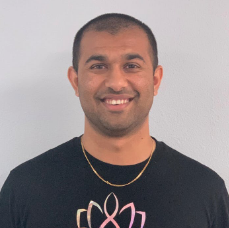 Aneesh Chaudhry is the founder of SoulPhysio Lifestyle, a brain health clinic and integrative healthcare network that specializes in treatments that combine both Eastern and Western Medical techniques. Chaudhry holds a bachelor's degree in Neuropsychology from Wright State University and a personal training license through the Cooper Institute. In addition, he holds a number of other mental and physical health certifications including accreditation as a Reiki Master, a Mind-Body Specialist, a Brain Health Coach, and a Performance Nutrition Specialist. Chaudhry is on track to be a licensed Ayurvedic and Integrative Medicine Practitioner in 2022 and following this, he plans to pursue a PhD in Physiology and Health.FOR MORE INFORMATION VISIT: