COVID-19 Contributes to Uptick in Opioid-Related Deaths
Baltimore, MD, September 9, 2020 — Social isolation and reduced access to healthcare during the lockdown, among other factors, have led to a rise in opioid-related deaths, experts say. And according to their estimates, it’s only going to get worse. Similarly, Authorities acrossTexas, Pennsylvania, Florida and New York are also reporting rises in overdoses during the COVID-19 crisis.
On the frontlines working to curb the impact of the opioid crisis is Dr. Paul Christo, anAssociate Professor in the Division of Pain Medicine at the Johns Hopkins University School of Medicine.
"The number of fatalities from opioid-related overdoses could be nearly 30 percent higher than reported due to missing information or incomplete death records,” he says. “The worst fear is that because of social isolation, and people are not being found or treated immediately."
The opioid epidemic today progressed in three phases, according to the Centers for Disease Control and Prevention. The first involves deaths caused by prescription opioids, the second, an increase in heroin use, and the third, a surge in the use of synthetic opioids or fentanyl. Experts say the U.S. is right in the middle of the third phase of the epidemic, due to the increasing availability of fentanyl and increasing rates of overdose deaths involving synthetic opioids.
According to a recent study there were 632,331 drug overdoses between 1999 and 2016. Most of these deaths (78.2 percent) were drug overdoses with known drug classification. Moreover, 21.8 percent were unclassified drug overdoses. A further investigation revealed that for unclassified drug overdoses, 71.8 percent involved opioids, translating to 99,160 additional opioid-related deaths.
There were over 70,000 drug overdose deaths in 2017, according to an estimate from the CDC. Based on findings from the new study, over half of those deaths — about 47,000 — are suspected of having involved opioids.
Another study on opioid overdoses found that the number of drug overdose deaths decreased by 4 percent from 2017 to 2018. In 2018, more than 67,000 people died from drug overdoses, making it a leading cause of injury-related death in the United States. Almost 70 percent involved a prescription or illicit opioid of those deaths.
“COVID 19 impacted the drug supply chain by closing borders on some regions, and it led to the higher death rate,” Dr. Christo explained. He added that drugs become more challenging to get, and the potency of overdose goes up. It also impacts the price, everything goes up, and in that sense, it becomes more deadly each day, according to Dr. Christo.
About Dr. Paul Christo
Dr. Paul Christo serves as Director of the Multidisciplinary Pain Fellowship Program at Johns Hopkins Hospital. He is the author of Aches and Gains, A Comprehensive Guide to Overcoming Your Pain. Dr. Paul Christo also hosts an award-winning, nationally syndicated SIRIUS XM radio talk show on overcoming pain called, Aches and Gains®. For more information about Dr. Paul Christo. Please visit www.paulchristomd.com.
###
Holistic, Science-Backed Program Helps Build a Healthier Relationship with Food, Eating and Weight
San Francisco, CA, Sept. 8, 2020 — Could a dietary lifestyle that nourishes us physically, emotionally, spiritually and socially be the answer to stemming America’s rising tide of overeating and obesity?
Original research points to yes, and in Whole Person Integrative Eating: A Breakthrough Dietary Lifestyle to Treat the Root Causes of Overeating, Overweight, and Obesity, nutrition researcher Deborah Kesten, M.P.H., and behavioral scientist Larry Scherwitz, Ph.D., offer documented proof that by nourishing ourselves multi-dimensionally each time we eat, we can develop deeper, healthier relationships with food and eating that leads to attaining and maintaining weight loss. The authors’ Whole Person Integrative Eating (WPIE) program is not a diet that a person goes on … then off. WPIE is a scientifically sound, dietary lifestyle designed to be practiced for a lifetime.
"If people follow the revolutionary program outlined in this game-changing, insightful book, it may be the most helpful step they can take toward losing weight and keeping it off," says bestselling author Kenneth Pelletier, M.D., clinical professor of medicine at University of California School of Medicine, San Francisco.
Divided into three parts, Whole Person Integrative Eating begins by describing seven root causes of overeating: Emotional Eating, Food Fretting, Fast Foodism, Sensory Disregard, Task Snacking, Unappetizing Atmosphere and Solo Dining. A Self-Assessment Quiz follows, with 76 questions to help readers identify their unique food choices and eating behaviors that lead to overeating and weight gain. Part Two provides a step-by-step guide to WPIE antidotes for each overeating style. It also explains why the elements of WPIE work and how they can be incorporated into daily life. And Part Three offers over 30 recipes based on the three main criteria of WPIE: fresh, whole and "inverse,” meaning mostly plant-based foods with small or no servings of animal-based foods.
An excerpt from the Foreword of Whole Person Integrative Eating by New York Times best-selling author Dean Ornish, M.D., Clinical Professor of Medicine, University of California:
“[The book] offers an evidence-based alternative to the conventional wisdom about attaining and maintaining weight loss. What’s groundbreaking about Kesten and Scherwitz’s research is twofold: They have created a scientifically sound, comprehensive, and integrative program for treating overeating, overweight, and obesity based on these principles. And in addition to what (food choices) and how(eating behaviors) we eat, they have identified seven statistically significant root reasons to explain why we overeat: what they call “new normal overeating styles” and eating behaviors that also have a profound influence on how much we eat and weigh.”
The authors’ paradigm-shifting message is that food influences not only the physical dimensions of health, but also our emotional, spiritual and social well-being. Their dietary lifestyle can build bridges between the millions who struggle with overeating and weight issues and the medical community. And it can inspire us all to re-envision our relationships with food, eating and weight, so that each time we eat, we are nourished … for life.
Deborah Kesten, MPH,is an international nutrition researcher, award-winning author, and medical/health writer, with a specialty in preventing and reversing obesity and heart disease. She served as Nutritionist on Dean Ornish, M.D.’s first clinical trial for reversing heart disease through lifestyle changes, the results of which were published in the Journal of the American Medical Association. She has served as Director of Nutrition at cardiovascular clinics in Europe and on the Board of Directors of the American Heart Association, San Francisco, for 10 years.
Kesten has published more than 400 nutrition and health articles. Her first book, Feeding the Body, Nourishing the Soul, received the first-place gold award in the Spirituality category from the Independent Publisher Book Awards. Whole Person Integrative Eating has been honored with the #1 gold, best-book award in the Health category by Book Excellence Awards. She is a VIP Contributor at Arianna Huffington’s Thrive Global, and is married to behavioral scientist and co-author of Whole Person Integrative Eating, Larry Scherwitz, Ph.D.
How to Get Back to Your Training Regimen After an Injury
An injury can be a major setback for you. It can wreak havoc on your physical and mental health. The good news is that there are several things that you can do in order to ease back into your training regimen.
Keep Things Low-Intensity
It is not a good idea for you to become inactive. Being inactive can slow down the healing process. However, you do not want to do high-intensity workouts because they can put a lot of strain on the body. Low-intensity workouts can help you build strength and speed up the healing process. Swimming and walking are examples of low-intensity exercises that can help you stay in good shape.
Get Physical Therapy
Most people are well aware of the fact that they need to see a physical therapist if their injuries are severe. However, it is a good idea for you to try physical therapy even if your injuries are minor. A physical therapist will evaluate the extent of your injuries and develop a treatment plan for you. The customized advice will help you manage pain and increase your strength. They can also prevent you from suffering another injury.
Find a Workout Buddy
Working out with a friend will make your workouts a lot more fun. It is also a lot safer for you to work out with a friend than it is for you to work out alone. Additionally, your workout partner can tell you when you need to take it easy.
Focus on Your Nutrition
It will be easier for you to heal if you fuel your body with the right nutrients. Ginger, avocado, salmon, and broccoli are some of the foods that can help you heal more quickly. They can also help you feel better. Vitamin C, vitamin D, and iron are some of the other nutrients that can help you heal. If you are concerned about not getting enough of those nutrients, then you should talk to a nutritionist or a doctor. You may need to start taking supplements.
An injury can force you to stop working out for a while. However, there are some things that you can do in order to get back on the right track. You will need to get physical therapy, keep things low-intensity and find a workout buddy. Furthermore, it is important for you to focus on your nutrition.
Experience the Freedom of Radical Self-Acceptance with Transformative Healing Method
Boston, MA, September 8, 2020 — Do you constantly wonder what you’re saying, doing or thinking that’s causing you to feel “less than”? Are you always looking for ways to fix something about yourself? You’re not alone—far from it, in fact—and the good news is that you have the power to find your way back to the person you know you are deep down. It’s been inside you all along.
There Is Nothing to Fix: Becoming Whole through Radical Self-Acceptance from Suzanne Jones may be the last self-help book you will ever need. Jones has helped thousands of participants with her life-changing somatic healing program, and in her book she leads you on a journey back to your authentic self by guiding you through a personal exploration of recovery, growth and resilience. There Is Nothing to Fix is The Power of Now meets Brené Brown meets the #MeToo movement. Interspersed with case studies and stories of real people—stories you can connect with—the book illustrates the power of Jones’s approach to create innate healing and hope.
Jones begins where most teachings on self-compassion, emotional regulation and healthy relationships end, by going to the source of lasting change—the body. This book provides a practical lens through which readers can understand their responses and emotions while offering step-by-step guidance for changing these responses, all with an emphasis on compassion and empowerment. Through this revolutionary approach you will be able to experience true freedom from the constant urge to fixyourself from the outside. Jones teaches you everyday tools to build self-confidence, self-compassion and most important, self-acceptance—tools that have been within you all along.
In today’s struggle to feel connection and approval in our chaotic and critical world, There Is Nothing to Fix teaches us how to suspend judgment, become curious and find emotional freedom from within.
Suzanne Jones is an expert in the field of trauma recovery through somatic methods. She has presented workshops and talks at Omega Institute, Kripalu, mental and behavioral health facilities in the greater Boston area, and national conferences. She has been profiled on CNN and in Yoga Journal, the New York Times, Shape and Whole Living, and she's been interviewed by author Rick Hanson for his Foundations of Well-Being online course. Jones founded the TIMBo Collective (formerly called yogaHOPE) in 2006 and developed the TIMBo program for transforming trauma in 2009. Since its launch, her program has been delivered to over 4,000 women in the U.S., Haiti, Kenya and Iran, and helped transform client care at organizations in Massachusetts; Washington, DC; and Georgia, serving women overcoming homelessness, addiction and domestic violence. Jones also writes a blog for the TIMBo Collective and Elephant Journal.
There Is Nothing to Fix is her first book and has won a silver medal from the Nonfiction Author’s Association book awards, a bronze medal from the Wishing Shelf Book Awards, was a finalist in the International Book Awards and has been nominated for a 2020 Readers’ Choice award.
Top Benefits of Incorporating Foam in Your Workout
Foam isn't just for your morning latte. A growing exercise trend is the incorporation of foam equipment into workout routines. Foam is affordable, lightweight and everyone from couch potatoes just starting out to personal trainers at the top of their game can take advantage of it. Whether you want to make your exercise routine safer, more challenging or modify it to accommodate an injury, consider these top benefits of incorporating foam into your workout.
Increases Safety
That hard gym floor can turn a good sweat into bumps and bruises, especially for children and the elderly. Put safety first by using foam to cushion falls and make floor exercises easier on stiff joints. Are you coaching kids who like to tumble and roughhouse? A soft foam obstacle course is a great way to help them expend all that energy while improving their fitness.
Improves Your Balance
A thick foam pad beneath your feet creates an unstable surface that's perfect for honing your balance skills and strengthening your core muscles. Incorporate one into any routine to make it more rigorous. Foam can also help you work out while doing your daily chores. Try using a non-slip foam exercise balance pad while working at your standing desk or in the kitchen for an effortless way to tone your legs and core.
Makes Yoga Easier on Joints
Yoga is terrific exercise, but it can be hard to get started in if you have painful joints or carpal tunnel syndrome. Putting all of your weight on swollen or irritated joints can further aggravate the injury and generally is not recommended. However, using foam blocks can help you do modified versions of the exercises that put less weight on your injuries. Doing so can actually help improve your condition when done correctly and strengthen your joints and wrists. Of course, foam blocks can also be used to do more difficult forms as well if you’re looking for a greater challenge.
Adapts Exercises for Special Needs
Do you have an injury or disability or are you coaching a client who does? Foam is an excellent way to adapt exercises for special needs. Use a foam wedge to put sit-ups within reach, a foam roller for back stretches or foam balls to work on grip strength. Foam padding is also great for people with sensory issues who don't like the feel of the hard gym floor or find exercise equipment seats uncomfortable.
Although foam is generally a very safe addition to any workout routine, it's important to make sure you know how to use any exercise equipment properly. When purchasing foam equipment, do your research, buy only trusted brands from licensed sellers and remember to read all the instructions and warnings before beginning.
Woman of Color Founded Silk and Sonder Lands $4.2M Seed for Monthly Women's Mental Wellness Program
San Francisco, CA - September 8, 2020 - Silk and Sonder, the first ever monthly planner journal aimed to empower women with their daily self-care, now has a new round of capital to expand its subscription-based mental wellness company. Redpoint Venture led a $3.6 million seed round with participation from two angel investors. The new funding gives Silk and Sonder a total of $4.2 million in funds raised according to founder and CEO Meha Agrawal. The company raised a pre-seed round in 2019 backed by Red Giraffe Advisors, 122West Ventures and 500 Startups. In 2019, the company began offering monthly subscriptions for $19.95 that include a hand-curated journal delivered each month with pages for life-coaching exercises and mood and habit trackers. Each month's issue, which boasts new themes like "Admiration" and "Vulnerability", includes a blend of productivity and planning, introspection and mindfulness, and lifestyle content. Subscribers also have access to a private community for peer-to-peer support and virtual content. Agrawal had the idea for the San Francisco-based company three years ago to help women form new habits, practice mindfulness and partake in activities to heighten self-awareness.
"Silk and Sonder is a habit in and of itself, and that is part of what makes it easier to keep up with it," says Agrawal. "I saw our audience feeling discouraged with the bullet journal, in part because they couldn't get theirs to look like the ones they were seeing on social media. Here, you can find an online community that fosters space for mental clarity, but also a space to show off your creativity." The new funding will be used to elevate emotional health offerings by understanding insights about users, including drawing correlations on behavioral patterns and emotional health. Many of the women in Silk and Sonder's community share information about their lifestyles, beliefs and values, all aspects that Agrawal says, will contribute to a more personal interaction with the brand. She is also building a world class team who believes in the power of creating multi-touchpoint (physical, digital, experiential, and social) wellness experience that provides members transparency on their emotional health. For more information visit, www.silkandsonder.com.
Empagliflozin reduced the combined relative risk of cardiovascular death and hospitalization for heart failure by 25 per cent in adults with and without diabetes who had heart failure with reduced ejection fraction
Empagliflozin also significantly reduced the relative risk of first and recurrent hospitalization for heart failure by 30 per cent and significantly slowed kidney function decline1
Results were consistent in subgroups with and without type 2 diabetes1
An estimated 600,000 Canadians are living with heart failure, and the risk of death in people with heart failure rises with each hospital admission2
Results from the Phase III EMPEROR-Reduced trial were published in The New England Journal of Medicine1
The EMPEROR-Reduced trial included 36 study sites across Canada
BURLINGTON, ON and TORONTO, Sept. 8, 2020 /CNW/ - Full results from the EMPEROR-Reduced Phase III trial in adults with heart failure with reduced ejection fraction, with and without diabetes, showed that empagliflozin was associated with a significant 25 per cent relative risk reduction in the primary endpoint of time to cardiovascular death or hospitalization due to heart failure.1 The trial evaluated the effect of adding empagliflozin (10 mg) versus placebo to standard of care.1 The results were presented on August 29th at the ESC Congress 2020, the annual meeting of the European Society of Cardiology,3 and published in The New England Journal of Medicine,1 Boehringer Ingelheim and Eli Lilly and Company (NYSE: LLY) announced.
The findings from the primary endpoint were consistent in subgroups with and without type 2 diabetes.1 Key secondary endpoint analyses from the trial demonstrated that empagliflozin reduced the relative risk of first and recurrent hospitalization for heart failure by 30 per cent.1 Additionally, the rate of decline in eGFR, a measure of kidney function decline, was slower with empagliflozin than with placebo.1
"Heart failure is a devastating disease affecting hundreds of thousands of Canadians. Unfortunately the condition becomes progressively worse over time, leading to long and frequent hospitalizations paired with additional complications such as kidney disease," said Dr. Subodh Verma, a Professor and Cardiac Surgeon at the University of Toronto at St Michael's Hospital, who served as the Canadian lead investigator for the trial and as a member of the Scientific Excellence Committee for the EMPEROR Program. "Results from the EMPEROR-Reduced trial show that empagliflozin reduced the number of hospitalizations due to heart failure while slowing the rate of decline in kidney function when given to adults with heart failure with reduced ejection fraction. These data position empagliflozin as a new therapy in the treatment of heart failure."
In an exploratory analysis, the absolute risk reduction observed in the primary endpoint of EMPEROR-Reduced corresponded to a number needed to treat of 19 patients over 16 months to prevent one cardiovascular death or hospitalization for heart failure.1 An additional exploratory analysis showed that empagliflozin decreased the relative risk of a composite kidney endpoint*, including end stage kidney disease and a profound loss of kidney function, by 50 per cent.1
"Heart failure can have a profound impact on people living with the condition, with the potential of life limiting consequences for the heart and the kidneys," said Waheed Jamal, M.D., Corporate Vice President and Head of CardioMetabolic Medicine, Boehringer Ingelheim. "Empagliflozin was the first SGLT2 inhibitor to demonstrate a reduction in cardiovascular death and hospitalization due to heart failure in people with type 2 diabetes and established cardiovascular disease, based on the EMPA-REG OUTCOME® trial. We continue to break new ground with the EMPEROR-Reduced results, which provide robust evidence that empagliflozin can transform the lives of millions of people through reducing cardiovascular outcomes and slowing the progression of kidney damage in people with heart failure. We look forward to exploring these data further and are planning regulatory submissions for later this year."
"Tens of millions of people live with heart failure and kidney disease," said Jeff Emmick, M.D., Ph.D., Vice President, Product Development, Lilly. "Results from EMPEROR-Reduced show that empagliflozin can help improve heart failure outcomes while also slowing kidney function decline. We are excited to share these data and, through our ongoing EMPOWER program, hope to redefine how people living with these conditions are treated."
In EMPEROR-Reduced, the efficacy results were achieved with a simple dosing regimen, with once daily dosing and no need for titration.1 The safety profile was similar to the well-established safety profile of empagliflozin.1 There were no clinically meaningful differences in adverse events including hypovolemia (decreased blood volume), hypotension (low blood pressure), volume depletion (loss of fluids), renal insufficiency (poor kidney function), hyperkalemia (high potassium levels) or hypoglycemic events (low blood sugar) compared with placebo.1
Heart failure affects over 60 million people worldwide,4 with an estimated 600,000 Canadians currently living with heart failure.2 Heart failure occurs when the heart cannot pump sufficient blood to the rest of the body and is the most common and severe complication of a heart attack.2,5 People with heart failure often experience breathlessness and fatigue, which can severely impact their quality of life.2,6 Individuals with heart failure often also have impaired kidney function, which can have a significant negative impact on prognosis.7
"As a heart failure survivor and patient advocate, I live and see the effects of heart failure on a daily basis," said Marc Bains Co-Founder of HeartLife Foundation. "Through working with patients across Canada I know innovation in the area of heart failure treatment gives hope to patients that they can protect their quality of life, and continue to share meaningful moments with their loved ones."
*Composite exploratory endpoint included chronic dialysis or renal transplant or sustained reduction of ≥ 40 per cent in eGFR (CKD-EPI) or a sustained eGFR < 15 mL/min/1.73m2 (for patients with baseline eGFR ≥ 30) or sustained eGFR < 10 mL/min/1.73m2 (for patients with baseline eGFR < 30 mL/min/1.73m2).
+++
About the EMPEROR Heart Failure Studies8,9 The EMPEROR (EMPagliflozin outcomE tRial in patients with chrOnic heaRt failure) heart failure studies are two Phase III, randomized, double-blind trials investigating once-daily empagliflozin compared with placebo in adults with heart failure with preserved or reduced ejection fraction*, both with and without diabetes, who are receiving current standard of care:
EMPEROR-Reduced [NCT03057977] investigated the safety and efficacy of empagliflozin in patients with chronic heart failure with reduced ejection fraction (HFrEF).
Primary endpoint: time to first event of adjudicated cardiovascular death or adjudicated hospitalization for heart failure
Number of patients: 3,730; which included 36 study sites in Canada
Completion: 2020
EMPEROR-Preserved[NCT03057951] investigates the safety and efficacy of empagliflozin in patients with chronic heart failure with preserved ejection fraction (HFpEF).
Primary endpoint: time to first event of adjudicated cardiovascular death or adjudicated hospitalization for heart failure [Time Frame: up to 38 months]
Anticipated number of patients: approx. 5,990
Estimated completion: 2021
*Ejection fraction is a measurement of the percentage of blood the left ventricle pumps out with each contraction.10 When the heart relaxes, the ventricle refills with blood.
HFrEF occurs when the heart muscle does not contract effectively, and less blood is pumped out to the body compared with a normally functioning heart. 10
HFpEF occurs when the heart muscle contracts normally but the ventricle does not fill with enough blood, so less blood can enter the heart compared with a normally functioning heart.10
About the EMPOWER program The Alliance has developed the EMPOWER program to explore the impact of empagliflozin on major clinical cardiovascular and renal outcomes in a spectrum of cardio-renal-metabolic conditions. Cardio-renal-metabolic conditions are the leading cause of mortality worldwide and account for up to 20 million deaths annually.11 Through the EMPOWER program, Boehringer Ingelheim and Lilly are working to advance knowledge of these interconnected systems and create care which offers integrated, multi-organ benefits. Comprised of eight clinical trials and two real-world evidence studies, EMPOWER reinforces the long-term commitment of the Alliance to improve outcomes for people living with cardio-renal-metabolic conditions. With more than 257,000 adults studied worldwide in clinical studies, it is the broadest and most comprehensive clinical program for an SGLT2 inhibitor to date.
The development program encompasses:
EMPEROR-Reduced, in adults with chronic heart failure with reduced ejection fraction to reduce the risk of cardiovascular death or hospitalization due to heart failure1
EMPEROR-Preserved, in adults with chronic heart failure with preserved ejection fraction to reduce the risk of cardiovascular death or hospitalization due to heart failure8
EMPULSE, in adults hospitalized for acute heart failure to improve clinical and patient reported outcomes12
EMPACT-MI, to evaluate all-cause mortality and hospitalization for heart failure in adults with and without type 2 diabetes who have had an acute myocardial infarction, with the aim to prevent heart failure and improve outcomes13
EMPA-KIDNEY, in adults with established chronic kidney disease to reduce the progression of kidney disease and the occurrence of cardiovascular death14
EMPERIAL-Reduced, in adults with chronic heart failure with reduced ejection fraction to evaluate functional ability and patient reported outcomes15
EMPERIAL-Preserved, in adults with chronic heart failure with preserved ejection fraction to evaluate functional ability and patient-reported outcomes16
EMPA-REG OUTCOME, in adults with type 2 diabetes and established cardiovascular disease to prevent major adverse cardiovascular events, including cardiovascular death17
EMPRISE, a non-interventional study of the effectiveness, safety, healthcare utilization and cost of care of empagliflozin in routine clinical practice in adults with type 2 diabetes across the cardiovascular risk continuum18,19
About Heart Failure Heart failure is a progressive, debilitating and potentially fatal condition that occurs when the heart cannot supply adequate circulation to meet the body's demands for oxygenated blood or to do so requires increased blood volume leading to fluid accumulation (congestion) in the lungs and peripheral tissues.2 An estimated 600,000 Canadians are living with heart failure.2 Worldwide 60 million people are affected and the prevalence is expected to increase as the population ages.4 Heart failure is highly prevalent in people with diabetes;20 however, approximately half of all people with heart failure do not have diabetes.4,21
The empagliflozin heart failure program was initiated based on data from the EMPA-REG OUTCOME trial, which assessed the effect of empagliflozin (10 mg or 25 mg once daily) in adults with type 2 diabetes and established cardiovascular disease when added to standard of care, compared with placebo.17
About Cardio-Renal-Metabolic Conditions Boehringer Ingelheim and Lilly are driven to transform care for people with cardio-renal-metabolic conditions, a group of interconnected disorders that affect more than one billion people worldwide and are a leading cause of death.22
The cardiovascular, renal and metabolic systems are interconnected, and share many of the same risk factors and pathological pathways along the disease continuum. Dysfunction in one system may accelerate the onset of others, resulting in progression of interconnected diseases such as type 2 diabetes, cardiovascular disease, heart failure, and kidney disease, which in turn leads to an increased risk of cardiovascular death. Conversely, improving the health of one system can lead to positive effects throughout the others.23,24
Through our research and treatments, our goal is to support people's health, restoring the balance between the interconnected cardio-renal-metabolic systems and reducing their risk of serious complications. As part of our commitment to those whose health is jeopardized by cardio-renal-metabolic conditions, we will continue embracing a multidisciplinary approach towards care and focusing our resources on filling treatment gaps.
About Empagliflozin Empagliflozin is an oral, once daily, highly selective sodium glucose cotransporter 2 (SGLT2) inhibitor and the first type 2 diabetes medicine to include cardiovascular death risk reduction data in its label in several countries.25,26
Inhibition of SGLT2 with empagliflozin in people with type 2 diabetes and high blood sugar levels prevents sugar being re-absorbed by the kidneys, leading to the excretion of excess sugar in the urine. In addition, initiation of empagliflozin also prevents salt being re-absorbed, leading to increased excretion of salt from the body and reducing the fluid load of the body's blood vessel system (i.e. intravascular volume). Empagliflozin induces changes to the sugar, salt and water metabolism in the body that may contribute to the reductions in cardiovascular death observed in the EMPA-REG OUTCOME trial.27
About Boehringer Ingelheim and Eli Lilly and Company In January 2011, Boehringer Ingelheim and Eli Lilly and Company announced an alliance in the field of diabetes that centres on three pipeline compounds representing several of the largest treatment classes. This Alliance leverages the strengths of two of the world's leading pharmaceutical companies, combining Boehringer Ingelheim's solid track record of research-driven innovation and Lilly's innovative research, experience and pioneering history in diabetes. By joining forces, the companies demonstrate commitment in the care of people with diabetes and stand together to focus on patient needs. For more information about the Alliance visit www.boehringer-ingelheim.ca or www.lilly.ca.
About Boehringer Ingelheim (Canada) Ltd. Making new and better medicines for humans and animals is at the heart of what we do. Our mission is to create innovative therapies that change lives. Since its founding in 1885, Boehringer Ingelheim is independent and family-owned. We have the freedom to pursue our long-term vision, looking ahead to identify the health challenges of the future and targeting those areas of need where we can do the most good.
As a world-leading, research-driven pharmaceutical company, more than 51,000 employees create value through innovation daily for our three business areas: Human Pharma, Animal Health, and Biopharmaceutical Contract Manufacturing. In 2019, Boehringer Ingelheim achieved net sales of 19 billion euros. Our significant investment of almost 3.5 billion euros in R&D drives innovation, enabling the next generation of medicines that save lives and improve quality of life.
We realize more scientific opportunities by embracing the power of partnership and diversity of experts across the life-science community. By working together, we accelerate the delivery of the next medical treatment that will transform the lives of patients now, and in generations to come.
The Canadian headquarters of Boehringer Ingelheim was established in 1972 in Montreal, Quebec and is now located in Burlington, Ontario. Boehringer Ingelheim employs approximately 600 people across Canada.
About Eli Lilly Canada Eli Lilly and Company is a global healthcare leader that unites caring with discovery to make life better for people around the world. We were founded more than a century ago by Colonel Eli Lilly, who was committed to creating high quality medicines that meet people's needs, and today we remain true to that mission in all our work. Lilly employees work to discover and bring life-changing medicines to people who need them, improve the understanding and management of disease, and contribute to our communities through philanthropy and volunteerism.
Eli Lilly Canada was established in 1938, the result of a research collaboration with scientists at the University of Toronto, which eventually produced the world's first commercially-available insulin. Our work focuses on oncology, diabetes, autoimmunity, neurodegeneration, and pain. To learn more about Lilly Canada, please visit us at www.lilly.ca.
For our perspective on issues in healthcare and innovation, follow us on twitter @LillyPadCA.
References
_______________________________________
1 Packer M, Anker SD, Butler J, et al. Cardiac and Renal Outcomes With Empagliflozin in Heart Failure With a Reduced Ejection Fraction. N Engl J Med. 2020;10.1056/NEJMoa2022190
3 Packer M. EMPEROR-Reduced: Empagliflozin in Heart Failure With a Reduced Ejection Fraction, With and Without Diabetes. Presented on 29 August 2020 at the European Society of Cardiology (ESC) Congress 2020 – The Digital Experience.
4 GBD 2017 Disease and Injury Incidence and Prevalence Collaborators. Global, regional, and national incidence, prevalence, and years lived with disability for 354 diseases and injuries for 195 countries and territories, 1990–2017: a systematic analysis for the Global Burden of Disease Study 2017. Lancet. 2018;392(10159):1789–1858.
5 Anderson JL and Morrow DA. Acute Myocardial Infarction. N Engl J Med. 2017;376:2053–64.
6 Calvert MJ, Freemantle N, Cleland JGF. The impact of chronic heart failure on health–related quality of life data acquired in the baseline phase of the CARE–HF study. Eur J Heart Fail. 2005;7(2):243–51.
7 Sarnak MJ. A patient with heart failure and worsening kidney function. Clin J Am Soc Nephrol. 2014;9(10):1790–98.
11 GBD 2015 Mortality and Causes of Death Collaborators. Global, regional, and national life expectancy, all-cause mortality, and cause-specific mortality for 249 causes of death, 1980–2015: A systematic analysis for the Global Burden of Disease Study 2015. The Lancet. 2016; 388(10053):1459–544.
15ClinicalTrials.gov. A phase III randomised, double-blind trial to evaluate the effect of 12 weeks treatment of once daily EMPagliflozin 10 mg compared with placebo on ExeRcise ability and heart failure symptoms, In patients with chronic HeArt FaiLure with reduced Ejection Fraction (HFrEF) (EMPERIAL – reduced). Available at: https://clinicaltrials.gov/ct2/show/NCT03448419. Accessed August 2020.
16ClinicalTrials.gov. A phase III randomised, double-blind trial to evaluate the effect of 12 weeks treatment of once daily EMPagliflozin 10 mg compared with placebo on ExeRcise ability and heart failure symptoms, in patients with chronic HeArt FaiLure with preserved Ejection Fraction (HFpEF) (EMPERIAL – preserved). Available at: https://clinicaltrials.gov/ct2/show/NCT03448406. Accessed August 2020.
17 Zinman B, Wanner C, Lachin JM, et al. Empagliflozin, Cardiovascular Outcomes, and Mortality in Type 2 Diabetes. N Engl J Med.2015;373:2117–28.
18 Kim DJ, Sheu WH-H, Seino Y, et al. Cardiovascular Effectiveness and Safety of Empagliflozin in Routine Care in East Asia: Results from the EMPRISE study. Presented at IDF Congress 2019. 2-6 December 2019, Busan, Korea.
19 Patorno E, Pawar A, Franklin J, et al. Empagliflozin and the risk of heart failure hospitalization in routine clinical care: a first analysis from the EMPagliflozin compaRative effectIveness and SafEty (EMPRISE) Trial. Circulation. 2019;139:2822-30.
20 Yancy CW, Jessup M, Bozkurt B, et al. 2013 ACCF/AHA guideline for the management of heart failure: a report of the American College of Cardiology Foundation/ American Heart Association Task Force on Practice Guidelines. J Am Coll Cardiol. 2013;128(16):e240–e327.
21 Suskin N, McKelvie RS, Burns RJ, et al. Glucose and insulin abnormalities relate to functional capacity in patients with congestive heart failure. Eur Heart J. 2000;21:1368–75.
22 GBD 2015 Mortality and Causes of Death Collaborators. Global, regional, and national life expectancy, all-cause mortality, and cause-specific mortality for 249 causes of death, 1980–2015: A systematic analysis for the Global Burden of Disease Study 2015. The Lancet. 2016; 388(10053):1459–544.
23 Ronco C, McCullough P, Anker SD, et al. Cardio-renal syndromes: report from the consensus conference of the acute dialysis quality initiative. Eur Heart J. 2010;31(6):703–11.
24 Lazzeri C, Valente S, Tarquini R, et al. Cardiorenal syndrome caused by heart failure with preserved ejection fraction. Int J Nephrol. 2011;2011:634903.
27 Vallon V and Thompson SC. Targeting renal glucose reabsorption to treat hyperglycaemia: the pleiotropic effects of SGLT2 inhibition. Diabetologia. 2017;60(2):215–25.
SOURCE Boehringer Ingelheim (Canada) Ltd.
PlantX announces partnership with Geoponics to distribute fresh indoor plants throughout Canada
VANCOUVER, BC, Sept. 8, 2020 /CNW/ - Vegaste Technologies Corp. (the "Company" or "Vegaste") (CSE: VEGA) (Frankfurt: WNT1), is pleased to announce the Company has entered into a partnership with Geoponics Inc. ("Geoponics") to distribute fresh indoor plants throughout Canada using its extensive e-commerce platform www.PlantX.com.
The partnership allows PlantX, the one-stop shop for everything plant-based and the digital face of the plant-based community, to expand its category verticals by offering a wide variety of fresh indoor plants for sale on PlantX.com/plants-shop/, all sourced from Geoponics grow houses.
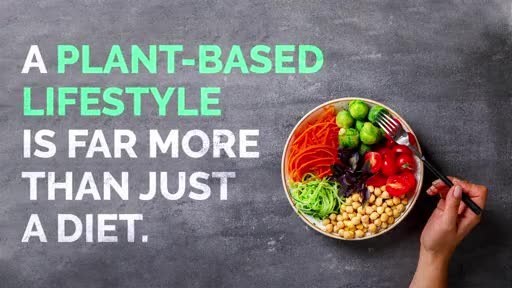
PlantX believes that fresh indoor plants are a vital part of a plant-based lifestyle. Aside from natural home decor plants may offer air-purification and may contribute to lowering carbon footprints. Geoponics is committed to bringing fresh, hand picked and quality-checked plants to its customers and offers ready-to-grow plants with natural lava rock potting mix. The porous mineral rock allows for air and water circulation throughout the roots of the plant offering a quality product.
Geoponics is a live plant company offering customized Eco-giving—using plants as alternative gifts for any occasion or event—with the intention of creating a more sustainable world. Each plant is grown and nurtured for 2-3 months by Geoponics' plant experts, hand-picked, meticulously inspected and once through quality control are bagged, wrapped and carefully packaged. Every order includes care manuals and growth requirements specific to each plant to keep them healthy and thriving.
"We believe it is very important to offer indoor plants as a plant-based company," said Julia Frank, PlantX CEO. "PlantX wants to cover all facets of the plant-based lifestyle and Geoponics is helping us do just that."
"Working with PlantX is allowing us to spread greenery through homes across Canada," said Ibrahim Shafi, Geoponics Inc. Regional Sales Specialist. "Plants make people happy!"
Since its inception in October 2019, the Company's PlantX platform has quickly emerged as an industry leader. As the fledgling plant-based sector continues its explosive growth, the Company will be at the forefront by continually evolving and delivering new ways to expand PlantX. With its forward-looking, cutting edge approach, the Company will continue to secure significant partnerships across North America while exploring innovative ways to expand both its e-commerce capabilities and digital resources to help educate, inspire, and uplift consumers.
As the digital face of the plant-based community, Vegaste's PlantX platform is the one-stop-shop for everything plant-based. With its fast growing category verticals, the Company will offer customers across North America more than 10,000 plant-based products by the end of September. In addition to offering meal and indoor plant deliveries, Vegaste currently has plans underway to expand its product lines to include cosmetics, vitamins, clothing, and its own water brand — but the business is not limited to an e-commerce platform. Vegaste uses its digital platform to build a community of like-minded consumers and most importantly, provide education. Its successful enterprise is being built and fortified on partnerships with top nutritionists, chefs, and brands. Vegaste eliminates the barriers to entry for anyone interested in living a plant-based lifestyle, and thriving in a longer, healthier, and happier life.
The Company's lynchpinwww.PlantX.com is the digital face of everything plant-based and fueled by the power of education and accessibility. For those who don't have the time to cook their own healthy plant-based meals, Vegaste offers a wide array of pre-made meals curated by Executive Chefs and nutritionists. For those looking to learn how to cook their own plant-based meals, Vegaste offers regularly updated weekly recipes. Unlike other plant-based e-commerce companies, Vegaste has a large selection of indoor plants for sale. The site educates consumers on the benefits of a plant-based diet with a specialized blog, connects like-minded individuals with its forum, and provides resources for the best plant-based restaurants, pop-up retailers and products across Canada and the USA.
Forward-Looking Information
This press release contains "forward-looking information" within the meaning of applicable securities laws. All statements contained herein that are not clearly historical in nature may constitute forward-looking information. In some cases, forward-looking information can be identified by words or phrases such as "may", "will", "expect", "likely", "should", "would", "plan", "anticipate", "intend", "potential", "proposed", "estimate", "believe" or the negative of these terms, or other similar words, expressions and grammatical variations thereof, or statements that certain events or conditions "may" or "will" happen, or by discussions of strategy. The forward-looking information contained herein includes statements regarding the Company's platform emerging as an industry leader, the expansion of PlantX, the expansion of the Company's e-commerce capabilities, the growth of the plant-based sector and the Company's position at the forefront of the sector, the Company's plans to secure future partnerships, and the business and strategic plans of the Company.
By their nature, forward-looking information is subject to inherent risks and uncertainties that may be general or specific and which give rise to the possibility that expectations, forecasts, predictions, projections or conclusions will not prove to be accurate, that assumptions may not be correct and that objectives, strategic goals and priorities will not be achieved. A variety of factors, including known and unknown risks, many of which are beyond our control, could cause actual results to differ materially from the forward-looking information in this press release including, without limitation: the Company's ability to comply with all applicable governmental regulations including all applicable food safety laws and regulations; impacts to the business and operations of the Company due to the COVID-19 epidemic; the risks inherent in having a limited operating history, the ability of the Company to access capital to meet future financing needs; the Company's reliance on management and key personnel; competition; changes in consumer trends; foreign currency fluctuations; and general economic, market or business conditions.
Additional risk factors can also be found in the Company's continuous disclosure documents which have been filed on SEDAR and can be accessed at www.sedar.com. Readers are cautioned to consider these and other factors, uncertainties and potential events carefully and not to put undue reliance on forward-looking information. The forward-looking information contained herein is made as of the date of this press release and is based on the beliefs, estimates, expectations and opinions of management on the date such forward-looking information is made. The Company undertakes no obligation to update or revise any forward-looking information, whether as a result of new information, estimates or opinions, future events or results or otherwise or to explain any material difference between subsequent actual events and such forward-looking information, except as required by applicable law.
SOURCE Vegaste Technologies Corp.
Tea Drunk starts an Educational Club to teach all about Tea
The producer of the world's most expensive tea ventures into offering exclusive zoom classes during COVID-19 pandemic
New York- A celebration of an epic romance between man and nature - Tea Drunk is known for its finest and most prized tea that comes straight from the lands of China. One of the world’s most popular luxury brands, Van Cleef & Arpels, known for its attention to detail and exquisite quality products has partnered with Tea Drunk for their corporate training courses. On the tails of the COVID-19 pandemic, Tea Drunk has started an online Educational Tea Club with a monthly subscription opportunity that offers the chance to meet and connect with team members, brew tea samples while following the video, receive special discounts on pre-sale teas, etc. Live and recorded classes are available in brewing, tea crash courses, and even tea connoisseur for those who want to gain higher experience in tea making. Tea Drunk provides tea service to corporations and institutes as well. "What I love the most is the level of online engagement we received during this time. We kept putting educational posts about tea on Instagram and received more inquiries about various topics on tea which in turn inspired me to do more virtual classes and events," said Tea Drunk founder Shunan Teng.
The tea available through Tea Drunk is truly one of a kind. Like nature cannot recreate itself, no two batches of tea are the same. Some tea leaves are picked from ancient tea trees which are 200-600 years old with the actual harvesting season containing only 10-15 days per year. While more commercial teas are harvested all year long and are finished processing in hours. Every tea is prepared with lots of love and hard work by Shunan Teng who heads to the deepest mountains in China in the Spring Season.
Shunan Teng is the educator for the TED-Ed lesson – The History of Tea and has collaborated with the Metropolitan Museum of Art to execute a temporary Chinese tea house in the museum. She is an avid educator on tea and has spoken on the subject matter at many institutions including Yale University, World Tea Expo, and Stony Brook University.
About Tea Drunk: Based and founded in NYC in 2013, Tea Drunk is on a mission to break all stereotypes in tea and open access in the West to the highest level of Chinese teas. Tea Drunk is the destination for those seeking exceptional tea and tea knowledge. At $369/ ounce, these are not any typical “fine teas”. These are historical teas cared by heritage farmers for generations. Shunan Teng- the founder of Tea Drunk, travels to historic tea mountains in China every year to harvest and make tea alongside the heritage farmers.
Eclectic Mix of Kosher Comfort Foods and Other Family Favorites Perfect for At Home Dining
Dallas, TX, September 3, 2020 — If homemade meals have become dull or repetitive, it may be time to broaden your repertoire. It’s possible for any cook — with the suggestions and guidance in Kenneth M. Horwitz’s award-winning book, Deep Flavors: A Celebration of Recipes for Foodies in a Kosher Style — to prepare delicious dinners and mouth-watering desserts. Perfect for those who love cooking kosher or vegetarian, or simply experimenting with new recipes, Deep Flavors features an abundance of tempting dishes drawing from many cultures, complete with helpful tips ranging from how to source ingredients to proper preparation.
“Cooking is worth some effort and attention to detail,” Horwitz writes. “The positive reactions from family or guests, as well as your own enjoyment, will make it worthwhile.”
“Effort” and “attention to detail,” however, don’t have to equate with “difficult.” In fact, throughout Deep Flavors, Horwitz shares his wisdom for breaking recipes into simple steps — and how to do some of this prep work well in advance so that delicious meals can be served even with a hectic schedule.
Between the covers of Deep Flavors, Horwitz offers an eclectic menu that includes traditional Jewish dishes plus other regional and international favorites reinterpreted to observe some or all of the rules for kosher foods. The result is a diverse anthology of recipes that will appeal to broad audiences everywhere — Jewish and otherwise.
Horwitz, an attorney and CPA by trade, explained in an interview with Today’s CPA that, “My approach to cooking is really an extension of what I do in my professional practice. I solve problems. One of the ‘problems,’ at least in my house, is that since we maintain a kosher house, but eat eclectically, is how to convert recipes so that they are kosher …”
Horwitz’s Texas State Fair Blue Ribbon-winning Spinach/Mushroom Lasagna, for instance, is a completely original vegetarian lasagna accessible to Jews and vegetarians, with a unique twist on ingredients that gives it a complex flavor profile. Even recipes for classic foods such as brisket and roast turkey contain newly imagined taste combinations and techniques to elevate them while maintaining recognizable hallmarks of each dish. Another recipe that epitomizes the standard set by Horwitz, yet remarkably simple to execute, is the Dill French Toast: savory, unique, and delicious.
Horwitz’s ultimate goal was to create recipes that are readable and easily followed by anyone with a basic knowledge of cooking. He provides detailed instructions with enhanced explanations and alternatives, helpful for both the novice and the more experienced cook.
A Readers’ Favorite reviewer, who gave Deep Flavors a 5-star rating, referred to the book as “… an essential addition to any cookbook fanatic's collection and to anyone who believes in spending the time and effort to make the ‘food’ experience a real work of art …”
With 52 years in a general tax and transaction practice as a CPA and lawyer, Ken Horwitz has a creative and focused approach to finding and fixing problems — a skill that translates well to the development of and modification of recipes based on traditional family favorites but tailored to one’s personal tastes and dietary needs. His professional drive and the care given to his work have earned him multiple awards, including the Honorary Fellow for a lifetime of distinguished service and the 2017 Chairperson of the Year by the Texas Society of CPAs. Currently residing in Dallas, Texas, Horwitz enjoys sharing his passion for cooking with his wife, children and grandchildren. Horwitz believes that one of the highest compliments he has received came from a longstanding client who uses numerous lawyers. He said, “Ken, you are the only lawyer we use whose work we have not had to fix.” Horwitz’s goal is for Deep Flavors to reach that same standard.