The Warrior’s Meditation Shares Best-Kept Secret In Stress Relief And Self-Improvement
Portland, OR, May 28, 2020 — The Warrior's Meditation by Richard L. Haight, the award-winning author of The Unbound Soul, makes transformative meditation accessible to the masses, with short, daily sessions that don’t require periods of isolation.
“The Warrior's Meditation is unlike any other meditation. This method is flexible in application, which allows it to blend with whatever your day has in store,” Haight says.
Perfect for people of all backgrounds and skill levels, The Warrior’s Meditationteaches an instinctive, non-religious form of Samurai meditation that is both practical and extremely effective.
Through daily meditation, practitioners can experience the following cognitive and physical benefits, among many others:
1. Improved immune function; decreased cellular inflammation and pain.
2. Increased positive emotions; less anxiety, depression and stress.
3. Increased emotional intelligence and compassion; reduced feelings of insecurity.
4. Increased gray matter in areas related to paying attention, positive emotions, emotional regulation and self-control.
5. Improved memory, creativity and abstract thinking.
Life is busy, and few people have time to spend hours a day in meditation. With The Warrior's Meditation, readers can experience profound clarity and awareness wherever they are and eventually embody meditation as a way of being.
Author Richard L. Haight is a master-level instructor of martial, meditation and healing arts. He began formal martial arts training at age 12 and moved to Japan at the age of 24 to advance his training with masters of the sword, staff and aiki-jujutsu.
During his 15 years in Japan, Haight was awarded masters licenses in four samurai arts as well as a traditional healing art called sotai-ho. He is one of the world's foremost experts in the traditional Japanese martial arts.
Through his books, his meditation and martial arts seminars, Haight is helping to ignite a worldwide movement for personal transformation that is free of all constraints and open to anyone of any level. He now lives and teaches in southern Oregon.
The Warrior's Meditation: The Best-Kept Secret in Self-Improvement, Cognitive Enhancement, and Stress Relief, Taught by a Master of Four Samurai Arts
Publisher: Shinkaikan Body, Mind, Spirit LLC
ISBN-10: 0999210092
ISBN-13: 978-0999210093
Paperback available at all online bookstores.
Webinar is focused on North America
Eden Prairie, MN – May 28, 2020 - DRI-STEEM Corporation (DriSteem), the leading manufacturer of humidification, evaporative cooling, and water treatment products, announced today that they are offering a free webinar addressing the role of humidity in reducing airborne virus transmission for HVAC and consulting engineers throughout North America. The webinar will be presented by DriSteem’s Global Business Development leader, Duncan Curd.
The discussion will focus on how maintaining relative humidity between 40 and 60% RH, as recommended by healthcare experts, decreases the amount and infectivity of viruses in the air, resulting in fewer respiratory infections among building occupants. The audience focus is fit for anyone involved in design, specification, installation, or maintenance of HVAC systems and consulting engineers.
Attendees will receive a .5-hour Professional Development Credit with a Certificate of Completion for all that attend the full presentation.
The webinar will take place Tuesday, June 16, 2020 at 10:30 AM CT (North America)
The webinar is free to all, however it does require registration. Please register by using the link below.
“In an unprecedented time with a pandemic dictating so much of how we do things, it is important for people to understand ways that businesses can keep employees and customers safe and healthy. We are pleased to offer this free webinar addressing the role that humidity plays in reducing virus transmission,” said Jennifer Montville, DriSteem Director of Marketing.
About DriSteem:
DriSteem is a premier provider of humidification, evaporative cooling, and water treatment solutions for commercial and industrial applications. DriSteem offers custom systems for critical indoor environments such as health care, data centers, and other facilities requiring precise control of moisture in the air.
DriSteem’s 50-year history of development and innovation has resulted in multiple patented designs that not only meet but anticipate customers' unique needs. DriSteem is a subsidiary of Research Products Corporation, manufacturer of Aprilaire®, the leading residential humidifier brand, as well as air cleaners, heat-recovery systems, and HVAC accessories.
UNCOVERING MAGIC DURING TOUGH TIMES WITH HOPE, FAITH, AND CAR DANCING
Questions: What inspired you to create Hope Nuggets?
Wendell Miracle: After my mother passed away from breast cancer in 2012, it was the darkest time of my life. I lost my best friend, biggest supporter, and most of all, my passion for life. I didn’t have any money to my name. But when I started to take life seriously and spend time learning new things, it gave me purpose and made me hungry to become something of myself.
I first launched Hope Nuggets on Instagram back in 2013, which at the time only allowed 15 second videos. I only had those 15 seconds to share a nugget of information to motivate people and bring hope to whatever situation they were facing. With Have a Magical Day, I share these messages with the goal of showing people that they can make every day magical, and every day happy.
Q: As the COVID-19 pandemic continues, more people are suffering from anxiety and depression because of the loneliness caused by social distancing and self-isolation. What advice would you give to people who are currently struggling with mental illness?
WM: For me, my depression began to end when I finally made the decision to fight it. Once you begin to fight for yourself, you begin to love yourself. Not in a conceited way, but healthy self-respect and self-love. I believe everyone is meant to live an extremely happy life. It’s when we admit to ourselves that it won’t be an easy fight that we allow ourselves to fall, as long as you stand back up.
Q: How has your faith guided you through challenging times?
WM: Even when I was broke, depressed, and felt like there was nowhere to turn, I had unwavering faith that I would come out on top in the end. With this mindset and lifestyle, even my not-so-magical days ended up being magical, because they helped me grow.
Doubts about faith will come, along with negative thoughts and fears. You need to have faith, but you don’t need to wait for answers to your prayers to find happiness. Faith isn’t the absence of doubt; it’s the ability to push through the doubts and enter your destiny. You need to declare that you are blessed before you actually start seeing blessings.
Q: You say a positive morning routine determines the type of day you will have. How so?
WM: When people start their day, they complain about the weather, traffic, and the jobs they’re going to. But if you start your morning being grateful and counting the blessings you have in your life; it makes an incredible difference in your day. I encourage you to add 10 blessings to your list of things you’re grateful for and give thanks to each of them.
When I open my eyes in the morning, I’m grateful that I get to see another day! I give thanks for the running water and for toothpaste, and the bed I sleep on. I also began to do a car dance routine every morning I get in my car! When I started this, I would bop to the music and have an amazing sales day. Within the year of starting my car dance routines, I finished in the top one percent in sales. I guarantee if you count your blessings in the morning and top it off with a car dance, you will live happier, freer, and with tremendous success.
WENDELL MIRACLE is a motivational speaker, best-selling author and founder of the popular Instagram account, @hopenuggets. He started the page in 2013, recording fifteen-second videos. These short videos have touched lives all over the world. His goal is to help people overcome depression and anxiety through his teachings, videos, books, seminars, and social media reach. Miracle was born in the Philippines, grew up in New Jersey, and currently resides in San Diego, California.
Have a Magical Day: 7 Keys to Living Happy Every Day is available on Amazon and other retail outlets.
Temporary Isolation Can Be TheOpportunity To Permanently Transform Your Weight And Health
Los Angeles, CA, May 28, 2020 ̶ Not sure how to eat and stay healthy this quarantine season without resorting to your familiar diet of spaghetti, bread, pizza, and sugar? Candice Rosen, R.N., MSW, and author of the upcoming book Forget Dieting: It’s All About Data-Driven Fueling! encourages "trophology," or "food combining," which is one of the foundations of Rosen's Data-Driven Fueling Plan. As you combine foods, Rosen adds that "monitoring blood glucose is the key to weight gain vs. weight loss; good health vs. poor health."
1. Make Wednesdays and Fridays Vegan Days. According to Rosen, avoid dairy! Try vegan yogurts, cheeses, and milks. Dairy is inflammatory and will deplete your bones of calcium (it’s true!). There are unsweetened milks of almond, hemp, cashew, etc., and all are available in grocery stores. A low blood glucose breakfast idea would be a sprouted grain English muffin, spread with a tofu or nut-based cream cheese, some sliced tomatoes, and topped off with sea salt or Trader Joe’s Everything But The Bagel Sesame Seasoning Blend.
2. Eat fruits that are high in fiber. Apples, bananas, oranges, berries ̶ the list goes on! You will still want to avoid sugary fruit juices, as well as very sweet fruits like pineapples and mangos while trying to lose weight. Fruit is always eaten alone with two exceptions: they can be added to a vegan smoothie and they can be eaten with a nut or seed butter. These healthy fats reduce the chance of a blood glucose spike.
3. Nothing white. To lower blood glucose, do not eat or combine animal proteins with any white potatoes, bread, rice, or pasta… EVER. Sorry!
4. Eat More Sweet Potatoes. Think wholesome, nutritious, responsibly grown, pancreatic-friendly foods (food that doesn’t raise your blood glucose) like sweet potatoes and yams, which are an incredibly nutritious carbohydrate that are low in sugar levels and provide fiber. They’re best consumed baked or steamed, but can also be cooked in a variety of other ways. A great lunch or dinner option (and it is inexpensive) is a baked sweet potato, split down the middle with a large spoonful of black beans, a tablespoon of tomatillo salsa, and a side salad. To lower blood sugar, eat them with veggies and plant-based protein together… NOT MEAT!
5. Try Fish. Give your body a break from animal protein. Red meats increase inflammation and provide poor sources of fat. However, if you crave protein, try fish! For those who aren’t allergic, fish is a fantastic source of protein that’s low in carbohydrates and contains high amounts of omega-3 fatty acids, one of the few consumable healthy fats! If consuming fish raw, remember only sashimi-style – no white rice! To lower blood sugar, combine fish with veggies, not starches or fruit.
About the author:
Candice P. Rosen, RN, MSW, CHC, is a registered nurse based in Los Angeles, CA. As the founding member of Gilda’s Club Chicago and its first executive director and program director, she created and coordinated a diverse array of wellness-related programs. She was appointed by Mayor Richard Daley to serve as Chair of Healthcare Initiatives for Chicago’s Sister Cities International Program (CSCIP). CSCIP provided an opportunity to advocate for preventive medicine, improve maternal and infant healthcare, stress disability access, promote nourishing diets, and bring awareness to the obesity and diabetes epidemics that now affect populations on a global level. She is married and the mother of four adult children and grandmother to a precious granddaughter. For more information on Candice, please visit https://candicerosenrn.com.
Image(s) can be purchased through The Image Direct. Please contact Chris Watts at chris@theimagedirect.com to inquire.
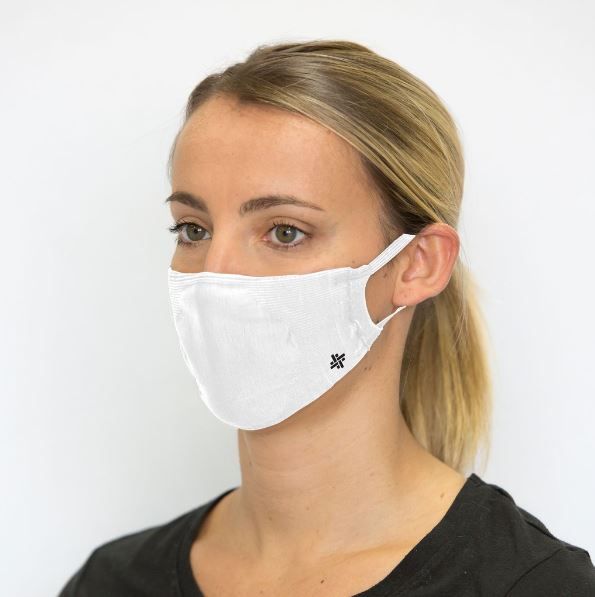
TheraMasks, a division of Nufabrx, are reusable copper medical masks. Copper has been shown to be a natural deterrent on bacterial growth. These medical masks are designed to help reduce the spread of germs through the natural benefits of copper; the fabric also creates a healthier environment for the wearer by reducing facial contamination. Follow TheraMasks on Instagram!
4 Key Strategies for Setting Your Personal Fitness Goals
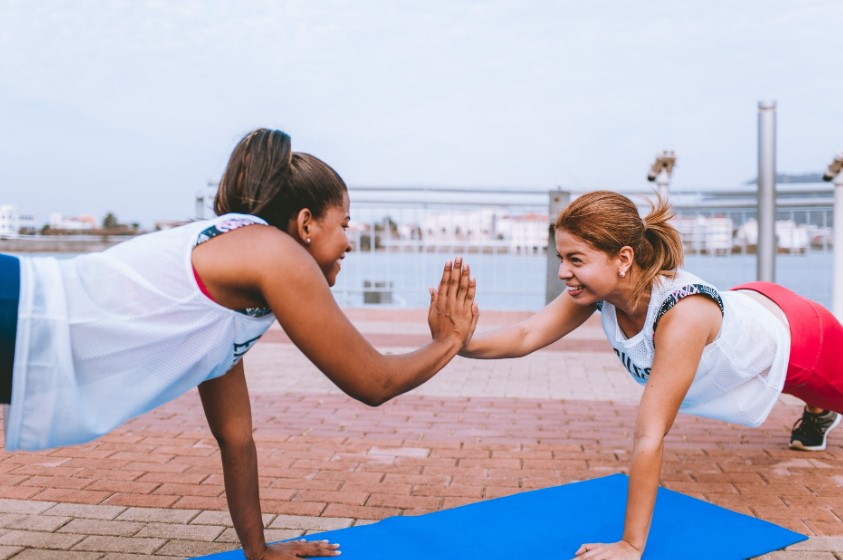
Many people are staying-in these days, but the quarantine will be over soon. When it is, we will be outside more than ever after being cooped up for months. When you head out, you want to look your best. Here are four key strategies for setting your personal fitness goals.
Be Realistic
One of the biggest mistakes people make is setting unrealistic expectations. You simply cannot change your entire body in one month. You need to set realistic goals and just continue to progress with time. It may seem frustrating when your progress isn't going as well as you'd like. This can even make you want to give up. Be realistic, and you will be more likely to continue to work toward your goals. Many people don't know what realistic goals are. It all depends on what you're trying to do. Whether you're trying to bulk up or slim down, talk to a professional to help you learn where you should be in a month, three months, and six months.
Give Yourself What You Need
If you want to achieve fitness goals, you need to have the proper gear. First, go out and get some workout clothes and shoes. You'll be more comfortable going to the gym when you feel comfortable about the way you look.
Next, you'll have to give yourself a membership to a gym. However, you may not even know what to do at the gym. Look into getting a personal trainer to help guide you. Once you have these things, you're ready to go.
Don't Forget About Diet
Your fitness goals aren't only about working out. You need to pay close attention to the things you put into your body. Stock up on plenty of fruits, vegetables, whole grains, and lean protein full of nutrients. Avoid processed foods and foods full of empty calories, such as potato chips.
Work at It
Ultimately, if you want to achieve your fitness goals, you need to work at it. Learn some self discipline and force yourself to work out every single day. You can even look into fitness training to get more specialized workout advice. The more effort you put into it, the better results you will see. However, you don't want to push yourself too far to the point where you're hurting your body. Stay safe.
You need to focus on your fitness for more than just aesthetic reasons. Improved fitness can improve your heart health, keep you young, and keep you alive longer. All good reasons indeed!
Comfort food: Women more likely to admit to overeating, under exercising amid COVID-19
Experts say women are more prone to emotional eating due to various psychological factors
You only have to look as far as social media to be bombarded with images of recipes and what people are eating and cooking during this period of isolation amid the coronavirus pandemic.
Food or a lack there of has become the forefront of what people are thinking about as we are restricted from indulging in other social behaviours. And, while the meals might look enticing and satisfying from the pictures, how many of you are overeating to cope with stress or anxiety during this outbreak?
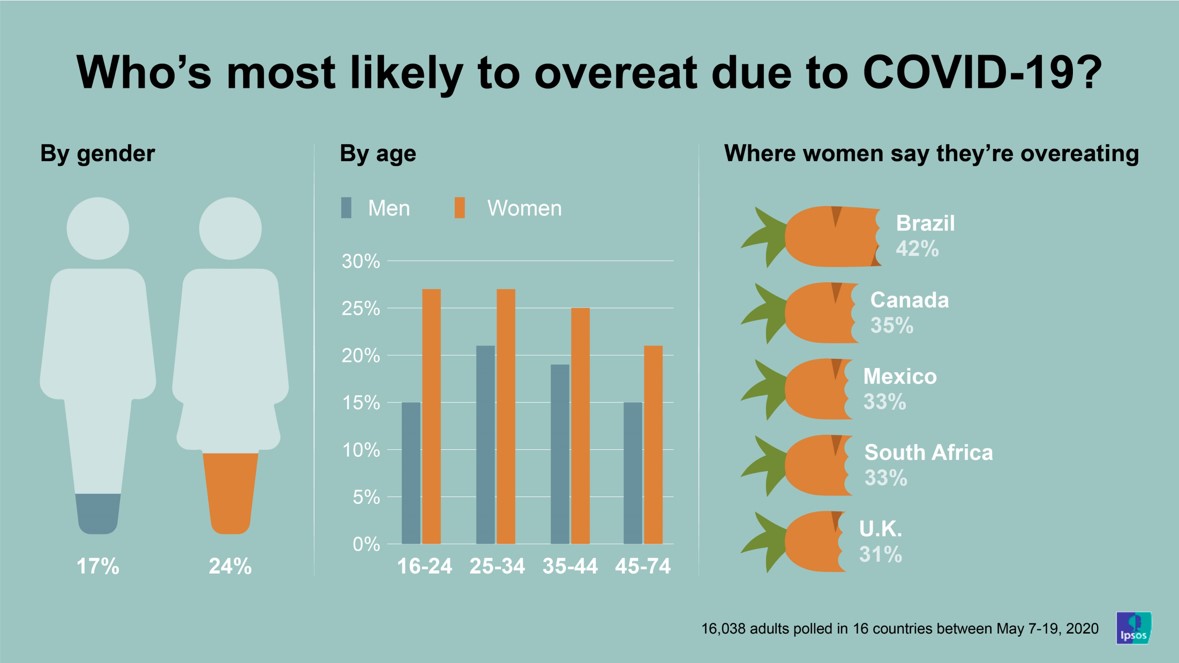
In a global survey of more than 16,000 people across 16 major countries, overeating is cited as the third biggest ailment or health condition that respondents say they are suffering from as a result of COVID-19 after under exercising and anxiety.
Women are more likely to admit they are overeating compared to men in 15 out of the 16 countries with the biggest gap between the genders in Canada and Russia (a 13 percentage-point difference), followed by the United Kingdom (12), India (10), Australia, South Korea and the United States (9).
Added to this, women are most likely to say they’re overeating in Brazil (39%), South Africa and Mexico (29%), Canada (28%) and the U.K. (25%).
Experts say a combination of gender coping mechanisms, social stereotypes and disruption of routines along with additional burdens due to COVID-19 may be contributing to why women feel as if they are eating more than they otherwise should or would.
Emotional eating, meal sizes & stereotypes
Barbel Knauper, Professor and Director of Health Psychology Laboratory at McGill University in Montreal, said emotional eating, which is overeating in response to negative emotions, is more prevalent in women at all times than it is in men.
“Generally, this might be related to higher rates of depression and anxiety in women than in men, with emotional eating being one of many coping mechanisms to deal with negative emotions,” said Prof. Knauper.
“It might not be that women and men view eating differently but rather that emotional eating is a more common coping mechanism for women who are also more likely to have symptoms of depression and anxiety.”
Anxiety was the second most cited health concern in the study with at least a quarter of people in 11 countries saying they are suffering from this because of the pandemic, while depression was the fifth biggest concern. Women were more likely than men to cite anxiety and depression in all countries, except for Japan and China where more men reported feeling depressed.
Claus Vogele, Professor of Clinical and Health Psychology, and Annika Lutz, Postdoctoral Researcher in Clinical Psychology at the University of Luxembourg, said women are known to experience eating problems more frequently, because they report overeating more often, and also restrict their eating behaviour to change their body weight or shape more frequently than men.
“This could make them more prone to reporting overeating, i.e. eating more than their diet plan allows,” they said.
“Social stereotypes about adequate meal sizes also differ for men and women. In consequence, large meals are socially more acceptable for men, which could contribute to comparatively fewer reports of overeating among men.”
Shilagh Mirgain, Psychologist at the University of Wisconsin School of Medicine and Public Health, agreed adding that men are more likely to admit to eating larger meal portions, while women are more likely to report a sense of loss of control over how much they eat and experience negative consequences such as dissatisfaction with body image.
“Women are also more likely than men to internalize stress and beat themselves up mentally,” said Dr. Mirgain. “Emotional overeating is seen more often in females than in males, perhaps as a result of the greater intensity of emotions expressed and experienced by women.”
In terms of body image, women in the survey were more likely to say they under exercising compared to men in all of the countries except for Mexico, Spain, China and Brazil.
Loss of structure, boredom & age
Experts said these social factors and biological coping mechanisms are being exacerbated by social distancing and isolation because of the pandemic.
People are experiencing a loss of structure, and the loss of regular coping strategies such as going to the gym, while grocery shopping and stock piling food can also be overwhelming, according to Dr. Mirgain.
“Not being able to access certain foods a person typically eats can bring up a lot of anxiety. When things feel outside our control and there is increased anxiety and feelings of helplessness, it’s easy to turn to food for self-soothing,” said Dr. Mirgain. “Under significant stress, most people automatically revert back to past coping strategies. For women, this may include a vulnerability to resorting to emotional eating to cope.”
Meanwhile, Prof. Knauper adds that one of the main reasons for emotional eating is boredom and people are experiencing this more as they spend most of their time at home.
“One could do further analysis to see whether it is in relation to living alone, for example, in which case younger women may experience more boredom than their older counterparts, causing them to overeat more,” said Prof. Knauper.
Younger women – those aged 34 and under – were most likely to cite overeating of all the age groups. They were also most likely to say they are suffering from insomnia, anxiety and depression, according to the study.
Prof. Vogele and Lutz said eating problems frequently occur first during adolescence and young adulthood and this includes overeating, dieting, but also clinical manifestations of eating disorders.
Dr. Mirgain also said that it is during this phase of life when we enter adulthood and go through lifestyle changes such as getting a higher education, getting married or living with a partner and parenthood.
“During this developmental phase, it can be easy to feel lost or even rudderless. As a result of this, women may turn to food as a coping strategy and vulnerability to overeat may be the highest,” said Dr. Mirgain.
Added to this, women are often caregivers in a family, and their responsibilities may have increased on top of what they already do in the home because of the pandemic. As a result, self-care such as regular exercise and healthy eating may be put “on the back burner.”
How to cope without overeating
Experts agree there are various ways for women to soothe themselves with things other than food so that excessive weight gain from overeating and less exercise doesn’t put them at risk of developing longer term illnesses such as diabetes.
Prof. Knauper said it’s important to identify and monitor new behaviours that have already set in such as eating while watching Netflix, which people are likely doing much more now, and how to break them with more adaptive behaviours.
“The good news is that the new habits are likely not yet deeply established and thus are still relatively easy to change,” said Prof. Knauper.
Dr. Mirgain recommends women process their emotions versus “stuffing” them by writing about it in a journal, talking to a trusted and safe person, or creating something to help express them.
“Express your emotions by making something, such as an art project, a vision board, a collage, baking something, TikTok dancing, gardening or writing,” she said. “Reach out to people, do video chats, plan some social time virtually to build your support base.”
She also said it’s important to be compassionate to ourselves and prioritize our self-care to help keep our immune systems healthy like getting regular sleep.
“Mindful awareness of the feelings and triggers, knowing that you are not alone and others are feeling the same way, and then offering some kindness to yourself through words, touch, actions [help],” said Dr. Mirgain.
Meanwhile, Prof. Vogele and Lutz recommend finding time to exercise at home and outside and sticking to a time slot. But if you do indulge in food – enjoy it slowly.
“Pay attention to the taste and the experience of eating and make it a special occasion,” they said. “This way you make it a treat instead of gobbling down food.”
Serta Simmons Bedding to Donate Mattresses to Long Term Care Homes and Shelters in Toronto and Quebec
TORONTO, May 29, 2020 /CNW/ - Serta Simmons Bedding (SSB), Canada's premier mattress company will donate mattresses to local long-term care homes and shelters in Toronto and Quebec to aid in the fight against COVID-19.
Long-term care homes and shelters across the country have become frontlines to the COVID-19 pandemic. They now face critical shortages of necessary supplies such as personal protective equipment and care beds.
SSB Canada's donation will be facilitated through its partnership with Relief Bed International, a non-profit organization that provides beds to impoverished people and disaster victims around the world. SSB will deliver mattresses to local shelters in the GTA, Blue Door Shelter, The Salvation Army – York Region and the Integrated Center for Health and Social Services Lanaudière in Quebec.
"As a company, SSB Canada recognizes the devastation and hardship COVID-19 has caused," SSB President, Canada, Shawn Trinier said. "We are proud to do our part in making a difference to help those most in need to fight this virus."
SSB will donate these beds with the help of National Mattress Outlets Plus+ who have generously offered their time and services to deliver these essential supplies on June 5th.
About Serta Simmons Bedding LLC Serta Simmons Bedding, LLC is the leading sleep company and the largest manufacturer, marketer and supplier of mattresses in North America. Based in Atlanta, SSB owns and manages the two best-selling bedding brands in the mattress industry: Serta®, which has five other independent licensees, and Beautyrest®. The brands are distributed through national, hospitality, and regional and independent retail channels throughout North America. SSB also owns Simmons® and Tuft & Needle® direct-to-consumer mattress brands. SSB operates 28 manufacturing plants throughout the United States and Canada. For more information about SSB and its brands, visit www.sertasimmons.com.
About Relief Bed International Relief Bed International provides strategically built beds to homeless shelters in the United States and to disaster relief victims and emerging countries through their network of international relief partners around the world. For more information and how to partner with Relief Bed please visit www.reliefbed.com.
SOURCE Serta Simmons Bedding
United States of Care Releases Guide to Help Humanize the Health Care Debate and COVID-19 Response
Washington, DC — United States of Care (USofCare) released a new guide today to help policymakers, advocates, and other key stakeholders humanize the health care debate and COVID-19 response. USofCare has undertaken an ongoing listening project to better understand people’s shared needs in response to COVID-19, combining public opinion analysis, survey research, and in-depth interviews throughout the country. Our new guide summarizes what we learned, advice on connecting with the public, as well as how to prioritize solutions.
We’ve consistently found that centering the conversation around shared needs and values opens new avenues for more people to be part of the conversation and the solution. In our discussions and several of our survey’s open-ended questions, responses were similar across a variety of demographics (Republican and Democrat, rural and urban, African American and white), including raw, sometimes heartbreaking, emotions as they describe their concerns. Our findings show many people share common experiences, even if we each have unique circumstances and different political viewpoints.
“Health care policy has historically been polarized and politicized. Our review of public opinion is that the country is quickly retreating to partisan corners. By elevating people’s shared values, we hope to humanize the health care debate. If we aren't meeting people where they are, we will miss the moment to pave a path toward lasting positive change,” said Natalie Davis, Co-Founder and Senior Director for Public Engagement. “Throughout our research, we encountered people expressing waves of emotions - including significant levels of anxiety, uncertainty, frustration, hope, and gratitude - with deep concern about the health and financial well-being of themselves and their loved ones. While immediate fixes are needed, COVID-19 has also illuminated the public’s desire for long-term fixes, including a more reliable health care system that cares for everyone and supports essential workers. ”
Our most recent survey confirmed our focus on four critical shared needs that are emerging in response to the pandemic, including the desire for:
A reliable health care system that is fully resourced to support essential workers and available when needed, both now and after the pandemic.
A health care system that cares for everyone, including people who are vulnerable and those who were already struggling before the pandemic hit.
Accurate information and clear recommendations on the virus and how to stay healthy and safe.
Being able to provide for ourselves and our loved ones, especially as we are worried about the financial impact of the pandemic
We’ve already started putting these findings into action through the policy priorities we’ve recommended to federal and state policymakers.
Lead with values and emotion
People everywhere are concerned about protecting and providing for themselves and their loved ones. This unprecedented moment provides policymakers with the unique opportunity to ensure that our health care system is responsive to the pandemic while being accessible and affordable, now and into the future. Our findings show that centering the conversation around shared needs will open new avenues for more people to participate in the health care debate and the design of new solutions.
State and federal officials should show how they are listening to the public by proposing durable, people-centered policy solutions. These solutions should address not only the short-term challenges but also be designed to remove the long-standing barriers in our current health care system. People need to feel heard and that the health care system is there to support them. To be successful, policymakers must:
Meet Americans where they are. The COVID-19 pandemic is exposing how the health care debate lacks a sense of humanity, making it feel detached from what people are experiencing. Leaders should connect with the American public on an emotionally resonant level and address feelings of anxiety and concern. We continue to see compassionate leadership from state and local leaders being well-received by the public.
Address the interconnectivity between health and financial wellbeing which has been illuminated by the pandemic. Consider this connection of health care and personal finances when building and implementing solutions.
Seek solutions to build a health care system that is fully resourced and ready to support essential workers, doctors, nurses, and the public.
Center the people you’re trying to impact within the design of new policies. Continue to listen to constituents and consider formalizing the ways you gather input and work with community and business leaders.
Public Opinion Key Findings:
There is a conflicting set of emotions, with Americans feeling concerned (53%), anxious (47%), uncertain (44%), frustrated (35%), and also hopeful (33%) and grateful (23%).
The most pressing concerns for the majority of respondents are the health and safety of their loved ones (66%), followed closely by their health and safety (55%). The next most pressing concern is for “my own and my family members’ employment and financial situation,” (44%) except in the GOP groups, which stated that reopening the economy is of higher importance. Participants were least concerned with “getting back to my job” (around 20%).
Americans are also finding hope amid the crisis—in religion, their families, and stories of people helping others.
The pandemic illuminated deficiencies in our health care system; many respondents reflected on the fact that the US was caught unprepared to handle the pandemic, and our losses have been higher than those of other countries.
Many expressed pride in the response from doctors and nurses.
In early March, we began conducting comprehensive assessments of available public opinion surveys from a variety of pollsters, including Kaiser Family Foundation, Gallup, Pew, and others. We also conducted in-depth interviews with members of the public between April 3, 2020, and May 1, 2020. Our national survey was conducted May 1-3, 2020, and carried a confidence interval of 90%, with a margin of error between 2-4%. It included a sample size of 2,156 respondents. It has a margin of error between 2-4%.
###
United States of Care is a nonpartisan organization committed to ensuring that every American has access to quality, affordable health care. The organization supports endorsing state-based policies, building resources to understand current and new ideas, and educating and mobilizing the public toward this mission.
Social justice leader Rev. Barber: Screams, tears and protests are a mourning for our democracy
America must listen to the protests in the streets if it is ever to heal the wounds caused by both police and policy brutality, social justice leader Rev. Dr. William J. Barber II said as he delivered a pastoral letter on Pentecost Sunday.
“ … I want us to look at those crowds deeply in the street. Listen to them, hear them, see the diversity,” Barber said from Greenleaf Christian Church in Goldsboro, North Carolina, where he is the minister. “And remember that in our history, slavery was abolished, women did gain the right to vote, labor did win a 40-hour workweek and a minimum wage. The civil rights movement in the face of lynching … did expand the right to vote for African Americans.”
Rev. Barber, president of Repairers of the Breach and co-chair of the Poor People’s Campaign: A National Call for Moral Revival, spoke less than a week after video was released showing an African American man, George Floyd, drawing his last breaths as a Minneapolis police officer held his knee on Floyd’s neck. His death has led to protests across the nation as people have taken to the streets to express their outrage not only at Floyd’s death but also at this country’s history of racism and injustice.
Rev. Barber wrote and delivered the letter in a sermon because so many people had asked him to share a moral perspective on this moment.
People must refuse to be comforted too quickly about the deaths of black people at the hands of white police officers and white citizens and from COVID-19, he said.
“We cannot try to hurry up and put the screams and the tears and the hurt back in the bottle, to just get back to some normal that was abnormal in the first place,” Rev. Barber said. “Hear the screams, feel the tears. The very people who have been rejected over and over again are the ones who have shown us the possibility of a more perfect nation. They are telling us these wounds are too much, this death is too much.”
It was two years ago that the Poor People’s Campaign said it would hold a historic Mass Poor People’s Assembly and Moral March on Washington on June 20th because even before the pandemic, 700 people died a day from poverty and 140 million people lived in poverty or were low-income. The march and assembly now will be held online because of the pandemic.
“When we set the date for this event two years ago, we had no way of knowing that 100,000 Americans would breathe their last breath due to COVID … we didn’t know that George Floyd’s dying words would have force the nation to consider how the knee of white supremacy would continue to bear down … but we knew already that there was too much death,” Barber said. “Too much pain, too many moans. And we were listening to the moans, from California to Carolina, from Maine to Mississippi. And we know where to look for hope. The hope is right in the valley of the rejected. If we listen, America. If we listen.
“Now is the time not to stop mourning, but to mourn and refuse to be comforted, to unite our collective moral power and demand transformative change. Right now.”
The Poor People’s Campaign: A National Call for Moral Revival, is building a generationally transformative digital gathering called the Mass Poor People’s Assembly and Moral March on Washington, on June 20, 2020. At that assembly, we will demand that both major political parties address the interlocking injustices of systemic racism, poverty, ecological devastation, militarism and the distorted moral narrative of religious nationalism by implementing our Moral Agenda
TRAIN IT RIGHT NEWSLETTER
Sign Up and get a free 7 day Train it Right HIIT Program!