In the last decade, the only thing that stole the limelight was vaping. From young teenagers enjoying the high to adults getting their medicinal dose, everyone is hooked to electronic vapes. Such is the popularity of these tiny compact devices that you can find one in every household today.
Are you planning to use a vape? Are you wondering if vaping will have any psychological effects? If yes, then you’ve reached the right place. Read on to find out everything about vaping and its psychological effects.
For centuries, people have been indulging in smoking. Be it tobacco, nicotine, or even cannabis. With the technological advancements, the smoking arena revolutionized with the introduction of vapes. A vaporizer is nothing but a tiny and compact electronic device that lets you smoke. It contains a coil, a battery, and a tank that can hold vape juice, oil, or even the herb. With pressing a single button, your vaporizer starts heating up the substance in the tank to start producing vapor. You can inhale the cloud of vapor to enjoy the effects.
What are the psychological effects of vaping?
Your mind and yourpsychology can play a pivotal role in your personality. Here are some of the effects that vaping can induce on your mind:
1. May produce a high:
If you are using a vape with cannabis herb or vape juice that contains THC, it might induce a mind-altering high. THC or tetrahydrocannabinol is a psychoactive cannabinoid present in cannabis. Many times, the cannabinoid can also be present in your vape juice. When it goes inside your body, it can interact with your brain and induce a euphoric state. You can sit back and enjoy the high with a vape.
2. Might help relax your mind:
Whether you decide to use nicotine or cannabis with your vaporizer, both can help calm your mind. While nicotine can work as a relaxant and can help your body as well as mind, the cannabinoids CBD and THC may also have a relaxing effect on you by interacting with the endocannabinoid system. It can take away your stress and help you unwind even after a tiring day. If you are trying to quit nicotine or tobacco, vaporizers will let you enjoy organic vape juice and make a holistic lifestyle change to get healthy.
3. May help with anxiety:
Are you suffering from anxiety? Are you looking for an easy way to calm your anxious nerves? Here, vaping might come to your rescue. Using CBD oil with your vaporizer might be the solution you are looking for. The cannabinoid CBD can interact with the endocannabinoid system present in your body. Theendocannabinoid system produces neurotransmitters called cannabinoids that are present in your cells, hormones, and organs. The cannabinoids produced inside your body are identical to the ones present in cannabis. When you vape CBD oil or the flowers of the plant, the cannabinoids go into your body, bind with the receptors, and alter your bodily processes. It can alter how you react or feel and may also alleviate anxiety.
4. Might alleviate depression:
The herb cannabis is also known to be an antidepressant. The components of cannabis can affect the normal functioning of certain chemicals present in your brain. Due to this, vaping the herb may decrease the symptoms of depression. While you might be using artificial antidepressants, vaping can help you deal with it organically.
5. Can help with epilepsy:
Epilepsy is a neurological disorder that can cause sudden and unprovoked seizures. While doctors are still trying to find out the reason behind it, they believe that genetics and brain damage can lead to epilepsy. As per recent findings, cannabis or cannabis-based medicines can helpreduce epileptic seizures. Vaping the herb can instantly bring down the frequency and intensity of seizures.
6. Might improve mood:
If you think that you are feeling low, using a vape might help improve your mood. The hormone serotonin, also called the happy hormone, is responsible for regulating your mood. When you ingest cannabinoid CBD with vaping, it can alter how chemicals in your brain react to serotonin. You might feel happier and joyous after vaping CBD. Even youngsters are able toquit smoking with the help of vapes, without withdrawal symptoms like mood changes
7. Can help you sleep better:
Do you have trouble sleeping at night? You might want to try vaping before bed. Cannabis can work like a sedative and get you in the sleep mode quickly. It can alter your sleep cycle and reduce the time you spend in two early stages of sleep, thus prolonging the time you get in the deep sleep stage. Taking a few puffs of the vaporizer may give you a good night’s sleep.
8. Might take care of fear and stress:
The people who are suffering from Post Traumatic Stress Disorder (PTSD) often get nightmares. Their past traumatic events can cause stress and fear, which can disrupt not only your sleep but also your overall health. Vaping cannabis, or CBD in particular, may help alleviate the symptoms of PTSD. You might also takeCBD Capsules Canada to keep nightmares at bay.
9. May make you more confident:
Suffering from anxiety and stress can also take a toll on your confidence level. If you get nervous before public speaking or social interactions, using your vaporizer may help you with social anxiety and get your confidence back.
Vaping has taken the world by storm, for all the right reasons. You will find puffs of vapor wherever you go. Vaporizing can induce a series of effects, be it physical and psychological. It might help you overcome a series of mental problems and stay happy. Get your hands on the latest and high-grade vaporizer and enjoy its positive psychological effects.
Five tips for people with dementia and carers during COVID-19 lockdownNew guidance to support people with dementia and family carers facing isolation as a result of COVID-19
27 April 2020 A new leaflet features five simple tips to help people living with dementia. It has been developed using the latest research and with the input of people affected by dementia and experts at the University of Bradford.The leaflet is part-funded by the National Institute for Health Research (NIHR), in a project led by the University of Exeter and the NIHR Older People and Frailty Policy Research Unit, with partners including Alzheimer’s Society, Manchester University, the University of Bradford , Brunel University London and the NIHR Applied Research Collaboration South-West Peninsula (PenARC). It is part of an ongoing project, backed by the University of Bradford, to support people living with dementia and their carers through the COVID-19 global health emergency. The project recognises that people with dementia are particularly vulnerable to the psychological and social impacts of isolation and lockdown.Dr Catherine Quinn, of the Centre of Applied Dementia Studies at the University of Bradford, who is involved in the project, said: “COVID-19 has led to changes to people’s lives as we all adjust and adapt to the lockdown and social distancing. For people with dementia and carers, these changes have a major impact as they may no longer have access to support services and are at increased risk of social isolation.“Having to stay within the home means having to make changes to routines and lifestyles. People can also be anxious about being able to access food and medications. There is a continuing supply of information about Covid-19, but this can feel overwhelming and confusing for some. As part of this project we wanted to put together some guidance to help support people affected by dementia during these difficult times. This focuses on giving practical guidance on things people can do to stay well.”The project takes into account the concerns expressed by people with dementia through partner networks such as Alzheimer’s Society, Innovations in Dementia and the DEEP - Dementia Engagement and Empowerment Project - network. They are describing concerns about maintaining supplies of food and medications, anxiety about what would happen if they were admitted to hospital, lack of confidence, feelings of loss and grief, increases in symptoms like agitation, and a more rapid decline in cognitive and functional ability. For carers, lockdown means they are more captive in their role and lack respite opportunities. Many carers report finding it difficult to explain the current restrictions and enable the person with dementia to remain safe, and are deeply worried about the safety and well-being of their relatives. Professor Linda Clare, of the University of Exeter Medical School, who led the project, said: “While not currently classed as ‘vulnerable’ on health grounds, people with dementia and their family carers are disproportionately affected by social distancing, isolation and lockdown. Our research tells us that many people living with dementia and carers felt isolated and lonely before COVID-19, and now these feelings will be amplified. They can feel overwhelmed by the volume of generic advice and guidance available, and may be unsure how to select information that is relevant to them and their families and what information to trust. This project aims to provide robust information, developed with the crucial input of people affected by dementia, to offer support through this crisis.” The leaflet, available - online here - gives practical and self-help tips, as well as signposting sources of support, on five key points: Staying safe and well Staying connected Keeping a sense of purpose Staying active Staying positive The advice builds on the IDEAL programme which seeks to understand and find ways to improve, the experience of living with dementia. The study recruited 1,547 people diagnosed with mild to moderate dementia and 1283 carers and is following as many as possible over six years.The study recently reported on the extent of loneliness of carers of people with dementia living in the community in a pre-COVID-19 era, highlighting social isolation as one of the key factors that led to feelings of loneliness. The new guidance also incorporates findings from the NIHR-funded GREAT trial, which focuses on practical ways of enabling people with dementia to manage daily life and stay as independent as possible. Professor Martin Rossor, National Director for Dementia Research at the NIHR, said: "It is vital to ensure that people with dementia and their carers feel supported during this uncertain time. Research funded and overseen by the NIHR is providing some of the quality evidence that supports resources like these." Fiona Carragher, Chief Policy and Research Officer at Alzheimer’s Society said: “It’s great to see the publication of this practical guidance for people with dementia. From all the calls we receive to our Dementia Connect support line, we know loneliness is a real issue for people affected by dementia, and strict lockdown measures due to the coronavirus pandemic have exacerbated this by shutting people with dementia and their carers away from loved ones and other forms of support. We’re expanding our services in response to this need, and this new guidance will form part of our support to ensure people affected by dementia don’t feel forgotten and alone.” The guidance will form part of Alzheimer’s Society’s support package via helplines and frontline staff. Further information:-About NIHR The National Institute for Health Research (NIHR) is the nation's largest funder of health and care research. The NIHR funds, supports and delivers high quality research that benefits the NHS, public health and social care. It was established in 2006 to improve the health and wealth of the nation through research, and is funded by the Department of Health and Social Care.
dentalcorp Launches Free Online Screening Tool to Help Flatten the Curve
Leading network of dental practices increases access to emergency dental care
TORONTO, April 27, 2020 /CNW/ - dentalcorp, Canada's largest network of dental practices, announced today the nationwide launch of a free virtual dental triage service in response to the COVID-19 pandemic.
Accessible through hellodent.com, an online directory that connects people with practices in dentalcorp's network, patients are virtually screened by local dentists in their province through secure online chat, audio or video channels, where they can describe their symptoms, receive prompt diagnoses and where appropriate, be prescribed medication. If necessary, the dentist will refer the patient to an emergency dental clinic in their area. Consults are offered from 6am to 11pm, with an under 15-minute wait time to speak with a dentist live. Most importantly, the service is completely free to Canadians with dentists across the dentalcorp network volunteering their time and expertise.
With regulatory authorities across Canada ordering dental practices to halt all non-emergency services, thousands of dental offices have temporarily closed and patients are finding it increasingly difficult to quickly and safely connect with a dentist to address their dental needs.
By allowing Canadians to securely connect with a dentist from the comfort of home to discuss their symptoms and determine whether they have a true dental emergency, dentalcorp is helping to keep patients out of emergency rooms while ensuring they have access to care for their urgent dental needs.
"As a leading network of healthcare providers, it is our top priority to ensure the health and wellbeing of our patients, team members and the broader community," says dentalcorp's Founder and Chief Executive Officer, Graham Rosenberg. "It is vitally important that we give patients options to obtain the dental care they need while doing our part to help flatten the curve. We're proud to help Canadians receive virtual care, free of charge from the comfort and safety of their homes."
dentalcorp is further supporting the dental community through its publicly available toolkit of COVID-19 resources. Those in the dental industry and the public at large can learn more about dentalcorp's risk management protocols, view interviews with infectious disease experts and leading dental industry professionals, access HR reference materials, patient communication templates, and more at dentalcorp.ca/site/covid-19-resources.
About dentalcorp
dentalcorp is focused on acquiring and partnering with leading, growth-oriented general and specialist dental clinics across Canada. Our unique value proposition allows our dentist Partners to retain their clinical autonomy and professional independence while we inspire them to achieve ambitious personal and professional growth. Our unprecedented strategic insights and expertise place our Partners at the forefront of delivering optimal patient care.
SOURCE dentalcorp
DANCEWITHNANCY.COM PROVIDES EXERCISE, FUN AND ENTERTAINMENT AT HOME FOR ACTIVE SENIORS ALONE OR WITH A PARTNER DURING AND AFTER COVID 19
www.DanceWithNancy.com is a unique website that offers online instruction and entertainment for active seniors. The series includes dance styles of the eras of their youth and music they will remember fondly. The dance steps can be learned and practiced in a senior’s own apartment or room where they can feel safe and secure while still exercising social distancing. If they are in a partner situation with a spouse or significant other living with them, it’s a fantastic mutual activity. If they are alone, it will still provide instruction on a one to one basis. (Click on photo to access image).
No special fitness level or previous dance training is required. All that is needed is a willing attitude and a little bit of space to move in four directions. www.DanceWitihNancy.com provides tutorials for standard ballroom dances, country dances, themed dances, latin dances and wedding dances plus unique entertainment features. Seniors can dance to orchestra music from The Great American Songbook,Lindy Hop and Jitterbug with the Cherry Poppin’ Daddies and other fun swing bands or visit the famous WildHorse Saloon in Nashville and learn to dance the Cotton Eyed Joe or Achy Breaky Heart to music by Charlie Daniels Band. They can link to a movie that will transport them back to the Savoy Ballroom where they can link to film footage highlighting some of the greatest moments in American jazz dance history. They can reminisce about dance fashions and dance moves of the 1950s-1970 eras and more. Over two decades ago, Nancy’s series received critical acclaim in mainstream media and on national television. It became the subject of a TV pilot, an informercial on Fit TV. Nancy appeared on several national TV talk shows as a guest, including one featuring Mario Lopez, David Cassidy and other celebrities. In 2020, Nancy’s series has been updated and re-launched for a digital platform, accessible by any computer, anywhere, anytime. It is the perfect series for the current generation of baby boomers and active seniors. Practice and entertainment sessions on the site are free and the instruction prices range from free to .99 to $2.99 per downloadable segment. A comparable lesson in a private studio would range from $60-$150 and would not provide the opportunity for review and repeated playback that benefits the senior learner. The format is simple and straightforward and easy to follow. www.DanceWithNancy.com also sells physical DVDs and CDs for those who prefer to have a hard copy of the instruction to keep in their personal library. For more information and to order the series, please contact nancyhaysentertainment@gmail.com or romanceofdance@gmail.com Have fun dancing! John Olson john@johnolsoncomm.com 773-517-6962
FACT SHEET Nancy Hays and “Dance with Nancy” Instructional Home Videos For additional information or media, contact John Olson, John Olson Communications, john@johnolsoncomm.com, 773 -517-6962.
“Dance with Nancy” is a collection of videos providing instruction in a variety of ballroom and contemporary dances, intended for non-competitive, everyday individuals who want to learn different styles alone or with a partner, in the comfort and privacy of their home. Viewers can select their preferred dances broken down into easy to follow steps along with practice music. Additional optional segments include entertainment, fashion suggestions, plus bonus practice sessions with other students, live bands and a full orchestra.
First introduced as a DVD and CD series over two decades ago and updated in 2020 for an online platform, the series is even more valuable today as a fun and healthy in-home activity as people “shelter in place” during the current pandemic.
“Dance with Nancy” includes the following video collections
“The Romance of Dance” Series Instruction Series Overview with an additional three-volume set of instruction on ballroom basics including Fox Trot, Swing, Tango, Waltz, Cha-Cha, Rhumba, & Salsa
Country Line and Partner Dances “Achy Breaky Heart” (Line Dance), “Cotton Eyed Joe” (Circle Dance), “The Devil Went Down to Georgia” (Reverb Strut), “Down at the Twist and Shout” (Kentucky Jug Line Dance)
“Party Dance” Series Three volumes of 20th Century popular dances
1950’S FAVORITES: “At the Hop” (Swing/Jitterbug), “Rock ‘n’ Roll Is Here to Stay” (Jitterbug Variations),”Jailhouse Rock” (Elvis Inspired Line Dance), “Willie and the Hand Jove” (Hand Jive), “The Twist”
DISCO: Boogie Oogie Oogie (Saturday Night Fever Inspired Line Dance), The Hustle, Disco Inferno (Variation of the Electric Slide with ‘70s Hand Moves), The Bump
LATIN FIESTA: Rhumba, Cha Cha, Salsa
Wedding Day Dancing Basic Instruction on Fox Trot, Swing, Tango, Waltz, Cha Cha, Rumba
REVIEWS THE WASHINGTON POST " A satisfying mix of instruction and big band music..." VARIETY – “Just the kind of crash course a new generation is looking for" BILLBOARD MAGAZINE - "A good crash course..." CHICAGO MAGAZINE - "A well-produced, entertaining effort..." CHICAGO BRIDE - "A wonderful dance instruction tape... easy for the amateur to master" LIBRARY JOURNAL - "The dance program with the highest production value and the most added features" VIDEO STORE - "The dancing is cool, and the music is hot"
Nancy Hays is an internationally known dance personality, singer, actress and entertainer. Her ballroom, wedding, country, party and line digital dance series, Dance With Nancy and The Romance of Dance, have received critical acclaim in major publications including Billboard Magazine, Variety, Washington Post, LA Times, Modern Bride, Library Journal, Chicago Magazine, and others. Nancy's international hit, “Come Dance with Me,” continues to be one of the most popular line dances in the world and has been nominated for awards in the UK and elsewhere. Nancy has also appeared in leading roles in shows and as a guest artist teaching dance and performing her own music for dancers on NBC, WGN News, Fox, Fit TV, ABC 7 News, and more. One national show featured Nancy Hays teaching Mario Lopez the salsa. Nancy's products and services are intended for every day non-competitive dancers of all ages. They can be done with or without a partner or others. They offer great moderate exercise, relationship building, romance, knowledge of dance and music and are sheer fun!
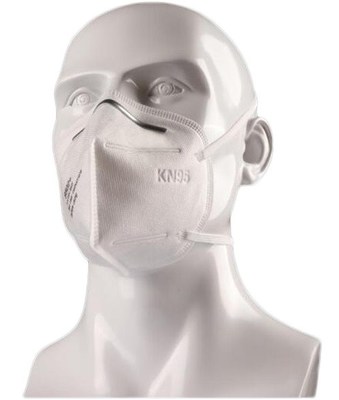
AURORA, ON, April 27, 2020 /CNW/ - Island Ink-Jet is pleased to confirm distribution capacity of up to 1 million KN-95 face masks / respirators per week through its supply chain. Small orders can also be placed online: KN-95 face masks
Island Ink-Jet's disposable KN-95 face masks are CE certified, FDA listed, and have a filtration efficiency of ≥ 95% to effectively protect respiratory health against microns greater than 0.3 in diameter.
KN-95 masks follow Chinese standards for face masks. At 95% filtration efficiency, they are comparable to N95 masks common to North America that also have a 95% filtration efficiency.
On April 3, 2020, FDA concluded based on the totality of scientific evidence available that certain product classifications for imported disposable FFRs that are manufactured in China and not NIOSH-approved and for which data exists that supports the respirators' authenticity, are appropriate to protect the public health or safety.
Under this EUA, authorized respirators listed in Appendix A are authorized for use in healthcare settings by healthcare personnel (HCP) when used in accordance with CDC recommendations to prevent wearer exposure to pathogenic biological airborne particulates during FFR shortages resulting from the COVID-19 outbreak. Source
The manufacturer of Island Ink-Jet's KN-95 face masks is among those listed in the FDA's "Appendix A", thereby providing additional assurance as to the product and quality, however customers are reminded that FDA's designation applies solely within the USA.
For more information about this release, or for parties interested in purchasing in large quantities or at volume rates, contact Alex Schulz by email: ppe@islandinkjet.com or by phone: 1-905-629-3210
407 ETR Announces $5.2 Million Donation to Support Communities and Healthcare in Response to Pandemic – Company Continues Support to Customers
TORONTO, April 27, 2020 /CNW/ - 407 ETR today confirmed that, on behalf of its customers, shareholders and employees, the company will make a $5.2 million donation to help communities and assist hospitals with their response to the pandemic.
$4 MILLION DONATION TO THE UNITED WAY'S NETWORK OF AGENCIES IN DURHAM, HALTON, HAMILTON, PEEL, TORONTO AND YORK.
407 ETR is the first United Way corporate partner in Canada to commit to a multi-year investment that addresses the long-term impact on families caused by the COVID-19 crisis. By providing a $4-million investment over three years to United Way's network of agencies in Durham, Halton, Hamilton, Peel, Toronto and York, 407 ETR's aim is to build the resilience of the GTHA's vulnerable people and families both now, and over the longer-term.
407 ETR will work with the United Way Greater Toronto and the surrounding areas and has made a multi-year commitment totalling $4 million, consisting of:
an immediate emergency donation of $750,000 to the United Way Local Love Campaign
additional donations to assist United Way across the GTHA:
$500,000 in 2020 (total of $1.25 million with emergency donation above)
$1.75 million in 2021
$1.0 million in 2022
In making this three-year commitment to the United Way, 407 ETR builds on long-standing support for the United Way through employee and corporate donations as well as employee volunteer efforts. This additional financial support also acknowledges the GTHA's immediate and ongoing need to support recovery in the four key areas vital to every community: food security, isolated seniors, employment and income security and mental health.
$1.2 MILLION DONATION TO HOSPITALS ACROSS THE GTA
For many years, 407 ETR has also been a financial supporter to many hospitals along the corridor and across the GTHA. To recognize the increased demand on the health care system resulting from the pandemic, the company will make an additional $1.2 million gift to the hospitals it has supported both in the past and during the COVID-19 pandemic. Providing an additional $50,000 to each of these 24 hospitals will assist in the purchase of personal protective equipment, patient critical care equipment, and other items based on the local and individual needs of each hospital.
In March, 407 ETR also provided 24 GTHA hospitals with 407 ETR gift cards totalling more than $300,000 for toll-free highway travel to assist hospital workers.
Hospitals receiving $50,000 donations ($1.2 million total) are the following:
Ajax Pickering Hospital
CAMH Hospital
McMaster Hospital
Humber River Hospital
Joseph Brant Hospital
Lakeridge Oshawa Hospital
Mackenzie Health
Markham Stouffville Hospital
Michael Garron Hospital
Milton District Hospital
North York General
Oakville Hospital
Ontario Shores Mental Health
Scarborough General
SickKids
Southlake Regional Health Centre
St. Michael's Hospital
St. John's Rehab
Sunnybrook Hospital
Toronto General
Toronto Western
Credit Valley Hospital
Brampton Civic Hospital
Etobicoke General
SUPPORT FOR CUSTOMERS
407 ETR has taken a number of measures to ensure the safety of drivers by continuing to assist drivers when in need of assistance on the highway. In addition, customer service phone lines have re-opened with employees working from home, providing the award-winning customer service drivers have become accustomed to receiving. To help mitigate the economic impact of the pandemic on customers, the company has announced measures since the start of COVID-19, including:
Temporary suspension of interest on unpaid balances and collections activities
Temporary suspension of the issuance of plate denial notices
Seasonal toll rates announced on December 31, 2019 that were to take effect on May 1, which would have seen per kilometre rates increase, have been suspended. Per kilometre rates remain unchanged.
Suspension of the monthly/annual transponder lease payment for the month of May
Financial Hardship program has been expanded to assist customer experiencing financial difficulties as a result of COVID-19
Customers will retain their status in the 407 ETR Rewards Program
QUOTES
"The Board of 407 International has seen the clear need to respond in a meaningful way to the pandemic we are confronting together. Our Board has decided to make a 3-year commitment to the United Way agencies serving communities across the 407 ETR corridor in order to help those in need now and into the recovery period ahead. It will take time for communities, people and businesses to recover and we pleased to help that process as best we can. In addition, our immediate donations to healthcare facilities along the corridor is reflective of the very high value we place on our hospitals and rehabilitation centres and we wish to help mitigate their very significant and immediate needs during this time. Until we are past this very challenging period, our company will be there to assist the communities and drivers we serve." – David McFadden, Chair, 407 International Board of Directors
"The pandemic has impacted all of us personally and greatly impacted all businesses. At 407 ETR, our staff have always been willing to help the communities we serve and do so by both volunteering, participating in fundraisers and making donations throughout the year. Like many companies, we have an excellent team of both essential staff that are keeping the highway safe and assisting drivers on the highway and have another team working from home to assist customers with their account needs. At a time where we cannot be in the community personally, we're well aware that the need for assistance has only grown more during this very challenging period. We also know that the needs of communities across the GTHA will continue well beyond the immediate crisis and well into the recovery. It's for that reason that our Board decided to extend our commitment to the United Way to 2022. On behalf of our customers and all the communities and hospitals we seek to assist, I am very pleased to announce our donations and we wish everyone good health and look forward to returning to our regular routines." – Andres Sacristan, President & Chief Executive Officer, 407 ETR
"The COVID-19 pandemic threatens our community and its most vulnerable people in ways that we are only beginning to understand. More than ever, we need our social infrastructure, that invisible network of agencies people visit, call, and rely on in neighbourhoods across our region. We need it today, and we need it in the years to come. With this $4-million investment in United Way, 407 ETR is standing up as a true leader in our region. Thank you to the 407 ETR board and executive team for making a significant impact to strengthen the community sector and help GTA families emerge from this crisis resilient." – Daniele Zanotti, President & CEO, United Way Greater Toronto
"Thank you to 407 ETR for stepping forward to help the United Way support families hurt by the COVID-19 emergency. This is another example of the team effort underway across Toronto to help people as much as we can right now and in the aftermath of this pandemic. The City of Toronto is proud to be part of this effort to fight COVID-19 along with all governments, the not-for-profit sector, community organizations, businesses and residents." – Toronto Mayor John Tory
"This multi-year support, from 407 ETR, will directly impact the lives of thousands of people in Durham Region. From emergency, to relief, to recovery—this funding will support the United Way of Durham Region's efforts to rebuild communities, provide continued service, and address the issues that matter most. We look forward to seeing how our strong community spirit and deep-rooted collaborative activities will help to shape our stronger and more resilient Durham of tomorrow." – John Henry, Regional Chair and Chief Executive Officer, Region of Durham
"As a proud supporter and Leadership Donor of the United Way Greater Toronto, I am pleased to hear of this multi-year investment from 407 ETR to Peel and our neighbour municipalities across 416 and 905. We all must work together to support our communities as we move towards recovery, and this includes working with and supporting our most vulnerable residents struggling with poverty, housing and homelessness. Together, with commitments such as this one to United Way, we will be able to support all residents as we regain strength coming out of the COVID-19 response." – Nando Iannicca, Regional Chair, Region of Peel
"During these times of uncertainty and rapid change the health, safety and well-being of our residents has remained the top priority for York Regional Council and The Regional Municipality of York. We are all feeling the effects of COVID-19, but for those who already face significant barriers such as poverty, homelessness and food insecurity, these times are even more challenging and difficult. Through partnerships with the United Way and the generous donation from the 407 ETR we can ensure that our most vulnerable residents continue to have access to the critical supports they need in the weeks, months and years ahead. On behalf of York Regional Council, I extend my sincere thanks to the 407 ETR board and executive team for the support and compassion they have shown to those in need." – Wayne Emmerson, York Region Chairman and CEO
"As a long-standing supporter of Sunnybrook, 407 ETR has demonstrated time and again their commitment to advancing innovative research and care. This generous gift is no exception. We are deeply grateful to this exemplary organization and to all of our community for rallying together as never before in the fight against one of the greatest challenges of our time." – Dr. Jon Dellandrea, Sunnybrook Foundation's President & Chief Executive Officer
"We are incredibly grateful to 407 ETR for this generous donation toward the OTMH COVID-19 Response Fund. Support from partners like 407 ETR is critical during this pandemic as it enables Oakville Trafalgar Memorial Hospital to acquire the additional beds, ventilators and other equipment our clinical staff require to provide safe, world-class care to our patients and the community. Our sincere thanks to 407 ETR for your commitment to making a life-saving impact in the communities where people live, work and call home." – Mary McPherson, Chief Executive Officer, Oakville Hospital Foundation
About 407 ETR: Highway 407 ETR is a 108 kilometre toll road situated just north of Toronto, Ontario and serves over 500,000 commuters from Burlington to Pickering every workday. Using Highway 407 ETR saves more than 30 million hours of driving every year, allowing more time for things that matter most and connecting people and businesses in a fast, safe and reliable way.
Using Highway 407 ETR reduces fuel consumption, vehicle maintenance costs and lowers the environmental impact of driving by keeping drivers out of the gridlock and heavy traffic elsewhere in the Greater Toronto Area. Vehicles moving at consistent speeds on Highway 407 ETR reduce carbon dioxide emissions by an average 108 million kilograms per year. Since 1999, Highway 407 ETR has contributed economic benefits totaling over $16.0 billion within Ontario and is well known as the route of choice for businesses to move goods efficiently.
Making life better for customers and surrounding communities is an important focus for the Company. The Company and its employees also support local hospitals and the United Way, sponsor children and youth sports teams across the Highway 407 ETR corridor and supports environmental stewardship. Learn more at 407etr.com/community.
The Company is owned by indirectly owned subsidiaries of Canada Pension Plan Investment Board (total 50.01%), Cintra Global S.E., a wholly owned subsidiary of Ferrovial S. A. (43.23%), and SNC-Lavalin (6.76%).
About United Way: As the largest non-government funder of community services in the GTHA, United Way reinforces a crucial community safety net. United Way's network of agencies and initiatives in neighbourhoods across the region works to ensure that everyone has access to the programs and services they need to thrive today. Mobilizing the network and other community support, United Way tackles #UNIGNORABLE issues linked to poverty. United Way's work is rooted in ground-breaking research, strategic leadership, local advocacy and cross-sectoral partnerships committed to building lasting solutions to the region's greatest challenges. unitedwaygt.org
SOURCE 407 ETR Concession Company Limited
Get Outside: De-stress Outdoors Even While Social Distancing, But Be Responsible
Observe local ‘stay at home’ orders
Keep at least 6 feet away from people you don’t live with
Don’t gather in large groups
Wear a face mask in public
Exercise. Throw a ball to your dog. Go for a short walk.
Use your ‘outdoor living room’ to connect with immediate family.
School closed? Keep kids engaged. Go on a nature hunt. Get outdoor lesson plans at TurfMutt.com.
Unwind. Find solace. Sit and listen to nature.
Plant something. Mow the yard. Trim a bush or tree.
Use Community Green Space Responsibly. Your Yard is Your Safe Space.
If you would rather not receive future communications from The Outdoor Power Equipment Institute, let us know by clicking here. The Outdoor Power Equipment Institute, 1605 King Street, Alexandria, VA 22314 United States
Creation of an Emergency Fund for the Institute for Research in Immunology and Cancer (IRIC) of the Université de Montréal
MONTREAL, April 27, 2020 /CNW Telbec/ -The Institute for Research in Immunology and Cancer (IRIC) of the Université de Montréal is creating an Emergency Fund to support its research activities and is launching an appeal for solidarity.
IRIC is being deeply impacted by the forced stoppage of part of its activities as a result of the current crisis caused by the COVID-19 pandemic. Most of its core facilities, which represent a major monthly financial resource for the Institute, have had to cease part of their activities. The future of young investigators and the completion of several promising projects are therefore greatly jeopardized.
To make up for the critical shortfall caused by the temporary stoppage of certain research work, IRIC has created an Emergency Fund and is launching an appeal for solidarity.
Research is vital to help us fight diseases like cancer, or currently COVID-19. Many of the Institute's researchers possessing multipurpose and complementary skills have also been called upon to contribute to research on this new virus. They are working tirelessly to accelerate the advancement of knowledge and to find creative solutions to fight this pandemic. Their expertise, which includes the fields of bioinformatics, genomics and medicinal chemistry, is being harnessed in the hope to find innovative therapeutic solutions to fight COVID-19.
More than ever, IRIC needs help to continue its mission and is launching an appeal for generosity. The Institute is well aware that the current situation poses collective health issues as well as economic issues. Moreover, it's with small and major donations that its investigators will be able to make the difference. Each contribution counts to support the research carried out at IRIC and contributes to finding new solutions against cancer and, currently, against COVID-19.
In these challenging times and this period of great instability, IRIC would like to extend its warmest thanks for the support of its donors so that together, we can make a difference and overcome this extraordinary ordeal.
About the Institute for Research in Immunology and Cancer (IRIC) of the Université de Montréal
An ultra-modern research hub and training centre located in the heart of the Université de Montréal, the Institute for Research in Immunology and Cancer of the Université de Montréal was created in 2003 to shed light on the mechanisms of cancer and discover new, more effective therapies to counter this disease. The IRIC operates according to a model that is unique in Canada. Its innovative approach to research has already led to discoveries that will, over the coming years, have a significant impact on the fight against cancer.
SOURCE Institute for Research in Immunology and Cancer (IRIC) of the Université de Montréal
SEIU Healthcare Statement on Compensation for Frontline Healthcare Workers
RICHMOND HILL, ON, April 25, 2020 /CNW/ - The below statement is from Sharleen Stewart, President of SEIU Healthcare, the union that represents over 60,000 frontline healthcare workers in Ontario:
STATEMENT FROM SEIU HEALTHCARE PRESIDENT, SHARLEEN STEWART:
SEIU Healthcare advocated for an across the board wage increase for all healthcare workers at the onset of this pandemic, but a temporary pay bump cannot be a replacement for the personal protective equipment too many workers are still being denied.
While the news of this increase will be welcomed by healthcare workers who are struggling financially, it should be made retroactive to include those who are on unpaid leave as a result of quarantine or contracting COVID-19 themselves.
Our government can demonstrate if they truly believe these workers are heroes by making this temporary increase permanent.
Last year our union called on the provincial government to force profitable corporations to do the right thing and invest more of their profits into better frontline care. Instead they imposed a cruel wage cap for many healthcare workers, including cleaners, personal support workers and nurses. Now is the time to revoke Bill 124.
Further, the government must reform the system to include:
An ongoing supply of PPE for every essential worker
Full-time jobs with benefits and a pension because one job is enough
Higher staffing levels to improve quality care for residents and seniors
Any government that puts an extra dime into the pockets of for-profit long-term care corporations—like Chartwell, Revera, Extendicare, and Sienna—instead of the workers who provide hands on care to our families, can expect to have SEIU Healthcare on the other side of that fight.
We look forward to reviewing the details.
SEIU Healthcare represents more than 60,000 healthcare and community service workers across Ontario. The union's members work in hospitals, homecare, nursing and retirement homes, and community services throughout the province. www.seiuhealthcare.ca
SOURCE SEIU Healthcare
Local Production of Helmet-Based Technology can Increase Self-Sufficiency amid COVID-19 Triggered Ventilator ShortageAs the world continues to battle the pandemic, ventilator shortage has become one of the biggest challenges for the frontline healthcare professionals. Local manufacture of helmet-based ventilators could provide a timely solution, enabling countries to quickly re-supply their home market and strengthen the COVID-19 response effort.April 24th, 2020. Acute ventilator shortage is one of the major problems crippling healthcare systems around the world, as they are essential for treating the critically ill patients with respiratory distress caused by the SARS-CoV-2 virus. Limited production capacity and disturbed global supply chains cannot keep up with the constantly increasing demand.Helmet-based ventilators (HBV) can alleviate the problem, as every country has the capability to manufacture them locally: this would enable the countries to re-supply the in-country hospitals and other treatment centers with the necessary equipment.The world isracing to build more ventilators, however, scaling production and distribution has become difficult. Around75 % of companies have reported supply chain disruptions related to transportation and other restrictions enforced due to the pandemic, and the number of affected businesses is predicted to grow even more over the next few weeks. With the global logisticsupended, relying only on outside support can place a country at high-risk, compromising the effectiveness of its COVID-19 response effort.Due to the severity of the situation, some countries have already taken the initiative to better prepare to withstand the ventilator shortage. In an attempt to mitigate the problem, researchers in Australia have developed a way tosplit a single ventilator for two patients. Although scientists have successfully tested the idea in a simulated setting, experts warn that this method should be used only as a last-resort for a number of reasons: difference in air supply needed for each patient, irregular flow of pressurized air and cross-patient contamination.Helmet-based ventilator, a non-invasive technology, used for patients who have respiratory distress as a complication of the COVID-19 virus, could mitigate the severity of the problem without exposing patients to additional threats. Due to itsingenious design, helmets can be manufactured locally with relatively low costs, bypassing the complex production processes. This, in turn, would enable countries to become more self-sufficient in terms of equipping their local hospitals with a credible solution for treating patients and alleviate the scarcity of ventilators. People are known to make the “bubble helmet” even at home, documenting the process and sharing their insights in the “NIV Helmet Manufacturing Project to Combat COVID-19” group. According to Aurika Savickaite, the team leader of the HBV initiative, to most countries it should not present a challenge, as their production does not require to be highly tech-savvy and uses easily obtainable parts.“The simplistic design enables to make the helmet with limited resources and at-home conditions – it all comes down to creativity,” said Aurika Savickaitė, RN, MSN, who was involved in the successful testing of the helmet ventilation in the ICU at the University of Chicago. “Although most of the parts needed can be commonly found in the pulmonology ward, people have been improvising by using Ziploc bags, various 3D printed parts, plastic buckets and other non-typical parts. Plus, around 20 to 30 percent of patients using HBV avoid intubation, thus helping to save up other currently scarce medical supplies, such as sedatives. Overall, local production of helmet-based ventilators can reinforce each country’s pandemic relief effort - the better medical professionals are equipped, the higher chance to reduce the fatality rate."Emerging economies have not escaped the devastating effects of the outbreak, however, they are far more ill-equipped to deal with the spread of the virus than its counterparts in the Western world. In India, experts predict that as nearly as 3 % (or around 40 million) of patients will require ventilators. Indonesia's healthcare system isunder a massive strain and the extreme shortage of ventilators will probably result inmany avoidable deaths. Central African Republic, a country of five million people, is reported to have just three ventilators in total, thus posing “an existential threat” to the continent. Helmet-based ventilator could alleviate the crisis in such countries, as their production does not require complex equipment, yet they can save thousands with their efficient design and low manufacturing costs.The initiative is led by a group of expert volunteers, who launched a website helmetbasedventilation.com as a way to connect healthcare professionals, potential manufacturers and investors with the know-how on the HBV technology. The team hopes to introduce this solution to as many medical professionals as possible, thus relieving some of the strain caused by the ventilator shortage and strengthening the overall COVID-19 response effort.ABOUT HELMET-BASED VENTILATION INITIATIVEHelmet-based ventilation initiative was born as a private endeavor of experts and professionals in the field, most of them based in Chicago. The initiative strives to curate, consolidate and share the most niche and up-to-date information about helmet-based ventilation, while connecting professionals in need of this know-how |www.helmetbasedventilation.comFor media inquiries, please contact:Raminta Lilaitėraminta@blueoceanspr.com
If you would rather not receive future communications from Blue Oceans PR, let us know by clicking here. Blue Oceans PR, T. Ševčenkos g. 16K, Vilnius, 11342 Lithuania
TRAIN IT RIGHT NEWSLETTER
Sign Up and get a free 7 day Train it Right HIIT Program!