SEIU Healthcare Files Applications to Ontario Labour Relations Board Due to Failed Safety Protections for Healthcare Workers
Union taking further steps to enforce existing health and safety laws because the provincial government refuses to take action to protect healthcare workers in long-term care
RICHMOND HILL, ON, April 21, 2020 /CNW/ - SEIU Healthcare, the union that represents over 60,000 frontline healthcare workers in Ontario, has filed urgent applications with the Ontario Labour Relations Board (OLRB) to protect workers who have been put at unnecessary risk because the provincial government refuses to take action to protect healthcare workers at three long-term care facilities.
SEIU Healthcare's urgent applications claim that Altamont Care Community owned by Sienna Senior Living, a publicly-traded company, as well as Anson Place and Eatonville Care Centre, private, for-profit nursing homes owned by Ryyka Care Centres, have failed to:
provide proper equipment, materials and protective devices in accordance with OHSA and regulations.
provide information, instruction and supervision to the Union's members to protect the health or safety of the workers and residents.
take every precaution reasonable in the circumstances for the protection of a worker.
SEIU Healthcare has brought these emergency applications under the Occupational Health and Safety Act and the Statutory Powers Procedure Act asking the Labour Board to address the serious deficiencies in the responses of these corporate employers to this crisis, to protect the health and safety of the union's frontline healthcare workers, and to protect the safety of the residents and their families.
SEIU Healthcare is seeking immediate emergency measures on behalf of its members, including but not limited to:
An Order directing the Ministry of Health and Long-Term Care to immediately place the Employers under its control until such time as the Board is satisfied that the employees and residents are being sufficiently protected.
An Order directing the Employers to immediately provide sufficient PPE to employees, including (but not limited to) medical gowns, gloves, N95 or surgical masks, and face shields, and to implement a universal masking policy and to require staff screening visitors to wear gowns, gloves, face shield and any other appropriate PPE.
An Order directing the Employers to ensure the Employer is properly staffed.
An Order directing the Employers to immediately ensure all employees are trained on infection control and proper PPE use and other practices and procedures to minimize the spread of Covid-19.
An Order that the Employers are required to be transparent with the Union and the public about the true situation at their homes.
An Order that the Employer properly enforce social distancing amongst the residents.
As of Tuesday, April 21, over sixty-eight (68) residents have died at these three homes, one staff member has tragically passed away, and there remain hundreds of resident and staff infections. It is clear that the responses of these companies are failing the residents and workers, so the Labour's Board immediate intervention is necessary to save lives.
STATEMENT FROM SEIU HEALTHCARE PRESIDENT, SHARLEEN STEWART:
We reminded every healthcare operator in Ontario weeks ago of their obligations as employers to keep workers safe. Now, because the government is not using their powers under the Long-Term Care Homes Act to get control of the COVID-19 crisis, our union is forced to call on the Labour Board to enforce health and safety laws already on the books.
We are witnessing what happens when hollow words are met with failed action. That is why we are seeking an emergency hearing before the Board for immediate relief to our frontline members.
We will not stop until every worker is protected and every senior receives the care they deserve.
SEIU Healthcare represents more than 60,000 healthcare and community service workers across Ontario. The union's members work in hospitals, homecare, nursing and retirement homes, and community services throughout the province. www.seiuhealthcare.ca
SOURCE SEIU Healthcare
Ontario Doctors Fight for Patients by Sustaining Community Health Care
TORONTO, April 21, 2020 /CNW/ - Last evening, the Ontario Medical Association's Board of Directors unanimously voted to reject the government's proposal to offer advance payments to Ontario's physicians in response to the impact of the COVID-19 pandemic. As the Board resolution stated, advance payments are "totally deficient in meeting the needs of the health care system for future sustainability, including income stabilization and infrastructure support." Advance payments will not maintain a sustainable and accessible publicly funded health care system.
The OMA formally notified the Minister of Health in a letter earlier today.
"We are worried about our patients. We are worried about increasing wait times and worsening hallway medicine. We are worried about the sustainability of Ontario's community healthcare infrastructure. Advance payments will not meet these needs. That is why we continue to advocate for the relief necessary to protect Ontario's health care infrastructure," said Dr. Sohail Gandhi, President of the OMA. "For the sake of our patients, we are eager to find a solution that provides Ontario's doctors with the support needed to keep our practices open now, and after COVID."
Closing doctors' offices could mean that hundreds of thousands of patients could have no access to a doctor, in addition to the 800,000 Ontarians who do not have a family doctor now. Up to half of the approximately 4800 doctors who completed a recent OMA's survey said they will have to close their clinics completely, either for as long as three months or permanently.
Although doctors are an essential service and are paid by the province, many doctors do not receive a salary but operate as independent small businesses. When a patient comes in for a test, exam or consult, OHIP pays for this service. Upwards of 30 percent to 50 percent of OHIP payments are used to fund community-based health system infrastructure including salaries for nurses and secretaries, rent, utilities, diagnostic equipment, medical supplies, electronic medical records and other professional costs. According to an independent third-party analysis, many doctors do not qualify for COVID-19 relief programs.
About the OMA
The Ontario Medical Association represents Ontario's 43,000 plus physicians, medical students and retired physicians, advocating for and supporting doctors while strengthening the leadership role of doctors in caring for patients. Our vision is to be the trusted voice in transforming Ontario's health-care system.
SOURCE Ontario Medical Association
IN THE MIDST OF A PANDEMIC, ÉTICA HAS SHIFTED PRODUCTION TO FIGHT COVID-19
Creating medical and non-medical grade masks for purchase and donation to hospitals, shelters and first respondersPUEBLA, MEXICO, April 22, 2020 - In the midst of crisis, the fashion industry is banding together to help the healthcare industry. ÉTICA, a sustainable lifestyle brand, has shifted their production line to exclusively producing FDA Approved medical and non-medical grade masks and PPE. Their factory in Puebla, Mexico has been transformed into a sterile facility and deemed an essential business. With an overwhelming need for masks and PPE, the factory has produced over 4,000,000 units for various governmental and health agencies since first cutting in late March and is now expanding capacity to meet additional demand in the U.S. as well. The highest in demand are triple layer masks made with two layers of spunbond polypropylene with a meltblown polyester filler that protects against penetration from bacteria, fluids, and micro-particles, typically used by hospitals, first responders and essential workers. The factory's high efficiency Mactec drying and Jeanologia G2 Ozone technology are being employed to sterilize materials. With increased capacity, ÉTICA has also developed branded, washable, non-medical grade masks, using deadstock fabrics. These masks will be available to purchase on eticadenim.comstarting late April. With every purchase, ÉTICA will make a donation of the medical grade masks to U.S. hospitals and shelters in need. "Social responsibility has always been a core component of our mission here at ÉTICA. We will continue to do everything we can to support our community, and we are happy to be of service during this time. It takes a lot to make these shifts at the production level and we are truly inspired by all the fashion brands out there who reacted so quickly to step in and help during this crisis. It really gives us hope to see everyone banding together like this."
Download high-res imagery here. About ÉTICA:ÉTICA is a sustainable lifestyle brand focused on premium denim and knits. Employing advanced technologies to minimize waste, water and energy consumption, the brand is on the cutting edge of sustainability. With industry-leading equipment, advanced wash techniques and sustainable sourcing, ÉTICA dramatically reduces water usage by 90%, energy consumption by 63% and chemical usage by 70% versus industry standard. ÉTICA proudly exceeds fair labor standards, providing living wages, benefits and ability-inclusive opportunities for its workers. ÉTICA recycles its water for local farmland, compresses used wash stones into bricks for low-income housing and partners with organizations committed to workers' rights and environmental initiatives around the world. Taking a directional approach to design and construction, ÉTICA offers truly special pieces with premium fabrics and refined fits, proving that fashion and sustainability are not mutually exclusive. Available on their website, Nordstrom and Neiman Marcus.
No More Excuses: 4 Small Changes to Make in Your Life for Weight Loss
Many people around the world struggle with weight loss. It's a common problem that is more complex than it seems, as different approaches work better for different people. If weight loss is one of your goals, making these four small changes to your lifestyle can deliver results over time.
Incremental Increases In Exercise
Beginning a new exercise routine can be daunting and difficult to maintain, which is why many people attempt to start one only to fail later. The secrets to success are to not overdo it and to find ways of exercising that you enjoy. For example, playing a sport is a fun way to exercise. When it comes to workout routines, start small and gradually increase intensity and duration to experience the best possible outcome.
Drink More Water And Fewer Sugary Drinks
Sugar isincreasingly viewed as a significant culprit in weight gain and retention. Plain water, on the other hand, has significant health benefits without the added calories. It improves mental cognition, organ function, blood pressure and, yes, weight loss. The simple change of reducing the amount of sugary drinks you consume and replacing them with water is almost guaranteed to help you shed at least some pounds.
Eat A More Balanced Diet
Eating a balanced diet that contains reasonable portions of grains, fruits, vegetables, meat and dairy is another small change you can make to help control your weight. You will feel full longer and be less tempted to snack, therefore consuming fewer calories. Most people do not eat enough fruits and vegetables especially, so these are areas to focus on. Another diet-related change that can help includes eating several small meals a day instead of fewer big ones.
Substitute Healthier Choices
A final small change you can make is to replace things like salad dressings, dairy products, mayonnaise and snack foods with lighter alternatives. This can include low-fat or no sugar added products. You can substitute things like carrots, hummus or whole grain breads as well. In some cases you might not be able to taste the difference or even prefer the healthy alternative, which can be a great boon to your weight loss strategy. Enlisting adoctor to help can be an excellent option for crafting a diet plan that works for you.
Losing weight can seem an insurmountable challenge, but it's important to remember that it is a marathon, not a sprint. Small changes are much easier and more sustainable to make than larger shifts, so it is smart to employ them wherever possible. Over time, the odds are good that you will start to see results.
How to Recognize and Treat Pronating Feet
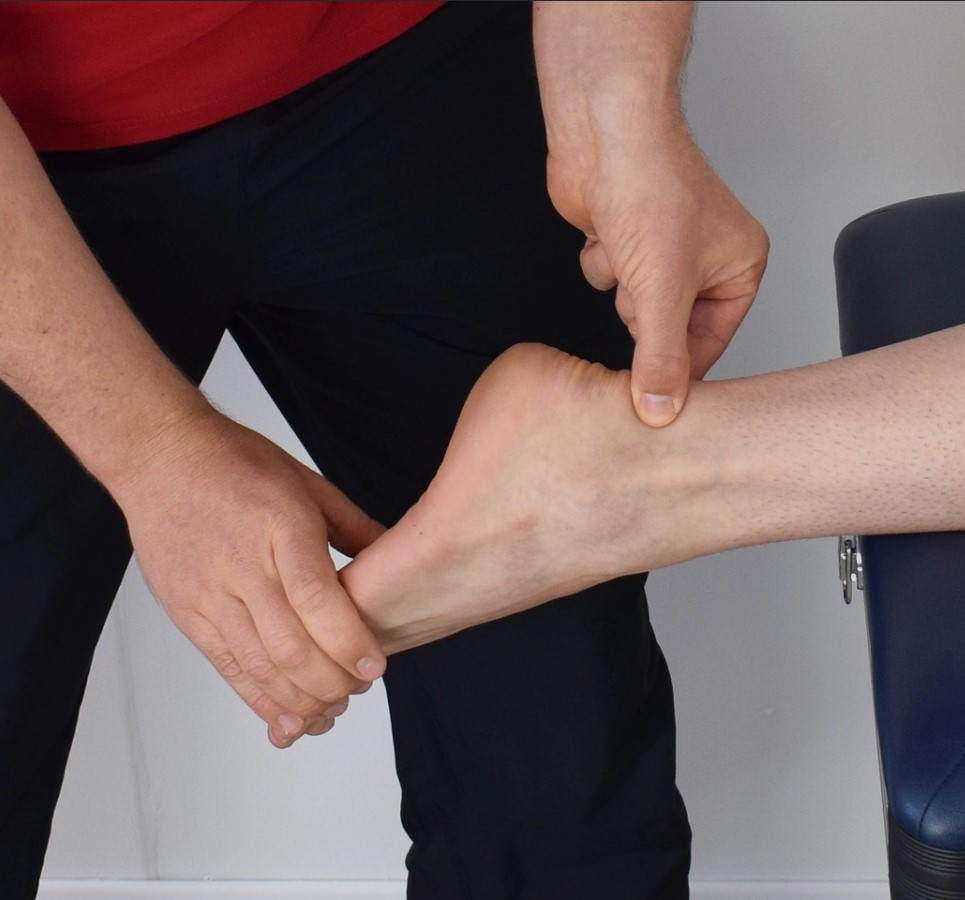
Pronation is a condition where your feet turn inward as you walk, twisting your ankles as you go. While this may seem like an obvious condition that can be immediately spotted by the person walking, the twisting and turning is so subtle that most people don’t even realize they’re doing it for months. The condition can especially be overlooked by those who are exercising frequently and mistake the ankle pain for working too hard. If your symptoms line up with those discussed here, however, you’ll want to consider pronating as the cause and get evaluated.
Watch How You Walk
First you should consider how you are stepping. If you are walking on one side of your foot more than the rest, you are likely pronating or supinating (when the foot turns outward.) You can watch yourself walk in the mirror, study your footprints in sand, or examine the wear on your shoes. If the wear is uneven, then you are walking incorrectly.
You can also detect pronating by the pattern of pain throughout the day. If the pain in your ankles starts out minimal in the morning, but gets worse the more you walk, then it is likely that you are doing something to put strain on them, like pronating. If the pain is constant throughout the day, however, then there may be nerve damage instead.
Consider New Activities for Causes
Think about what you’re doing differently that may be causing you to walk incorrectly. If you’ve recently started a new sport or activity, such as horseback riding, soccer, yoga, and so on, then you may be performing incorrectly and training yourself to step in a way that is harmful to your ankles. Whenever beginning a new sport or activity, it is generally advised that you consult with a professional who can help you learn the proper forms and movements required. Otherwise, you may be setting yourself up for long-term injury.
See a Therapist
If you notice persistent pain in your ankles, it is generally advised for you to see a physical therapist or orthopedic physician. Some doctors can spot pronating just by watching a patient take a few steps, particularly when the pronating is severe. Not only can a physician properly diagnose your condition, but they will be the ones that can help you learn how to reverse the effects. Techniques include stretches, shoe inserts, special exercises, and more. When caught early, pronating can be easily reversed and your ankles will be able to heal quickly. If left untreated for long enough, however, the bad habits you have formed in how you walk can become difficult to shake and the damage difficult to reverse.
Wear the Right Shoes
Along with seeing a physician, it is also important that you wear the right style of shoes to support your ankles. Many high quality running shoes include a feather known as motion control, referring to higher ankle supports that help encourage you to walk properly with every step. Other important features include arch support and adequate shock absorption. While these are important for runners and those who spend a great deal of time on their feet, these shoes are also helpful for those working to reverse pronating or supinating in their steps.
If your ankles are hurting every day you’re on your feet, don’t brush it off as normal strain. The body was made to withstand long hours standing and walking, and the ache should be in your muscles and soles of your feet—not your joints. When facing problematic pain, get help as soon as possible and seek solutions so your body can stay healthy.
CAE recalls all temporarily laid-off employees in Canada and signs contract with the Government of Canada for life-saving ventilators
All 1,500 Canada-based CAE employees back on payroll this week
CAE ventilator design and testing being finalized following signature of a contract with the Government of Canada for 10,000 units which will help save lives of COVID-19 patients
100,000 N95 masks to be delivered to the Government of Quebec to support frontline healthcare workers
MONTREAL, April 20, 2020 /CNW Telbec/ -(NYSE: CAE) (TSX: CAE) – CAE announced today that it has recalled all remaining temporarily laid-off employees in Canada. Between recalls of employees providing essential services and recalls through the Canada Emergency Wage Subsidy (CEWS) program, approximately 1,500 employees will be back on the payroll this week; the vast majority are based in Montreal and will work from home. The temporary layoffs were part of a series of measures CAE announced on April 6 in response to the COVID-19 pandemic.
CAE also announced that it has signed a contract with the Government of Canada on April 10 to manufacture and supply 10,000 ventilators which will be used to help save lives of COVID-19 patients. The company is finalizing the design and testing of its CAE Air1 ventilator and is preparing for production. The first unit is expected to be delivered in early May to health authorities for certification.
In addition, CAE announced that it is leveraging its global supply chain to source scarce N95 masks for humanitarian purposes in support of front-line health workers. To date, CAE has secured 100,000 N95 masks which will be delivered to the Quebec government.
"I applaud the Government of Canada for its immediate and decisive action to support Canadians by creating the emergency wage subsidy program. It also allows Canadian industry to put staff back on payroll and be better positioned to rebound when the current challenges have passed," said Marc Parent, CAE's President and CEO. "CAE employees are proud to play a role in saving lives by equipping the country with a made-in-Canada ventilator, and by using the CAE global supply chain to obtain a significant quantity of N95 masks to protect our guardian angels who are caring for COVID-19 patients."
About CAE
CAE is a global leader in training for the civil aviation, defence and security, and healthcare markets. Backed by a record of more than 70 years of industry firsts, we continue to help define global training standards with our innovative virtual-to-live training solutions to make flying safer, maintain defense force readiness and enhance patient safety. We have the broadest global presence in the industry, with over 10,500 employees, 160 sites and training locations in over 35 countries. Each year, we train more than 220,000 civil and defence crewmembers, including more than 135,000 pilots, and thousands of healthcare professionals worldwide. www.cae.com
Follow us on Twitter: CAE_Inc
SOURCE CAE INC.
Mint Pharmaceuticals Donates Hydroxychloroquine to St. Joseph's Healthcare Hamilton Clinical Study for Prevention of COVID-19 Amongst Front Line Healthcare Workers and Early Treatment of Mild Cases
MISSISSAUGA, ON, April 20, 2020 /CNW/ - Mint Pharmaceuticals, one of Canada's leading generic pharmaceutical companies, is donating Hydroxychloroquine to support a critical and timely St. Joseph's Healthcare Hamilton study being led at this site by Dr. Zain Chagla, Associate Professor of Medicine at McMaster University.
The randomized placebo-controlled study, conducted by The Research Institute of St. Joseph's Hospital, at St. Joseph's Healthcare Hamilton, evaluates the use hydroxychloroquine for the prevention of COVID-19 amongst exposed healthcare workers and household contacts, as well as evaluates the use of hydroxychloroquine for the early treatment of mild cases. The study uses an online platform for enrollment, so that every adult patient who meets study criteria in Ontario, independent of location, may be able to register. Results will be pooled by with other centers running the same study across North America.
"There has been a significant amount of off-label use of hydroxychloroquine globally in the COVID-19 pandemic, and very little of it has been informed by evidence. We hope this randomized study, regardless of the results, helps to provide more robust clinical evidence to inform decision making, something that is much needed for this pandemic" said Dr. Zain Chagla, Associate Professor of Medicine at McMaster University and co-investigator for the study. "We appreciate Mint Pharmaceuticals' commitment to this very timely study."
"All of us at Mint are proud to support this important research. At a time where demand for this and other critical medications has spiked due to this global pandemic, the primary objective of our company is to continue to provide Canadians with reliable access to these medications." said Jaiveer Singh, CEO of Mint Pharmaceuticals Inc.
"As Canada's largest supplier of Hydroxychloroquine for the last several years, Mint is also committed to ensuring the continued supply to distributors and drugstore chains for patients who already depend on the company for this medication for its current indications." added Devin Jensen, National Sales Director of Mint Pharmaceuticals Inc.
About Mint Pharmaceuticals Inc.
Mint is a leading generic pharmaceutical manufacturer of high quality and affordable generic pharmaceutical products to the Canadian market. Canadian owned and operated company, Mint has repeatedly been recognized as one of the fastest growing pharmaceutical companies in Canada, according to IQVIA and one of the most reputable generic manufacturers in Canada by Advantage Survey. Since 2014, the company has averted 14 national drug shortages on 9 different drugs through our best in class supply chain management. In 2019, the company was recognized by Deloitte and CIBC as one of Canada's Best Managed Businesses.
SOURCE Mint Pharmaceuticals
Adult Site IsMyGirl to Host World’s Largest Online Influencer Smoke Session on 4/20
Leading Sexy Influencer Site Will Allow Anyone in Quarantine to Join 4/20 Livestream At No Cost
LOS ANGELES (April 20, 2020) - IsMyGirl.com, an adult social media platform that helps models, influencers and adult entertainers to monetize their content, today announces their first annual Sexy Smokeout, an online smoking session featuring hundreds of the most popular sexy cannabis influencers. This 4/20 smoking exhibition will be absolutely free to anyone who is over the age of 18.
“4/20 is a holiday about getting together with people to celebrate marijuana and cannabis culture,” said Evan Seinfeld, CEO & Founder of IsMyGirl. “Since the quarantine has prevented us from getting together in real life, IsMyGirl is letting anyone smoke with their favorite sexy stoner influencers at no cost!”
The Sexy Smokeout will take place in two parts during the novel 4/20 holiday on April 20, 2020. The first free session will take place at 4:20pm ET and the second will take place at 4:20pm PT. Everything will take place on the front landing page at IsMyGirl.com.
IsMyGirl recently launched the Corona Stimulus Package, giving 100 percent commission to all models through the end of April, and donating funds to the Free Speech Coalition emergency fund to support sex workers during these difficult times.
University of Bradford supports our NHS with early deployment of 400 students and staff in frontline healthcare rolesNurses, midwives and paramedics already on front line with more to follow, as part of national Covid-19 response
20 April 2020 Four hundred midwives, paramedics and other healthcare students are taking up frontline health care roles as part of the University of Bradford’s response to the coronavirus pandemic.Many have already taken up positions in the NHS in hospitals including Bradford Royal Infirmary, Bradford District Care Trust, the Mid-Yorkshire NHS Trust, Calderdale and Huddersfield NHS Foundation Trust, Airedale General Hospital and Yorkshire Ambulance Service (YAS) and others are due to follow in the coming weeks and months.In addition, some university teaching staff are ‘gifting’ their time to the NHS to train frontline workers, including three critical care nurses providing training in the new NHS Nightingale Hospital Yorkshire and the Humber, Harrogate.Their early deployment forms part of a national effort to bolster the NHS to deal with the Covid-19 epidemic and is just part of the University of Bradford’s response to the virus outbreak.Former clinical nurse Ruth Girdham, head of School of Nursing & Healthcare Leadership in the Faculty of Health Studies, who joined the university 11 years ago, said: “It's in the nature of healthcare professionals to help. In responding to the crisis, it’s important that anyone who can help is able to, so the university is proud to support them.“I’m really pleased we have had such a good response and we understand a lot of people won’t find it easy because they have caring responsibilities themselves but this is what nursing is about, it’s about helping and supporting patients. A lot of nurses who have already gone out into practice feel like they are giving back to the people who have mentored and supported them in their training and who are under immense pressure.”In addition to 20 nursing, physiotherapy, midwifery, radiography and paramedic staff, the full cohort of Year 3 nursing, midwifery and paramedic students have taken up NHS roles early, with Year 2 students across some of the professions being trained up now to enter frontline services in the coming months.Dr Anita Sargeant, head of Allied Health Professionals and Midwifery in the Faculty of Health Studies, described the deployment of midwifery and paramedic students as a “significant contribution to the workforce.”She said: “Our third year paramedic students are already working with YAS and we have brought forward training for our Year 2 students to get them ready to enter YAS earlier to help support the Covid-19 response.“It’s significant because they are working on the front line as emergency medical technicians and will be responding to all emergency calls, including Covid-19 situations.“In addition, third year midwifery students will be working across our trusts to support midwives and women having babies, because babies don’t stop, even for Covid-19. Our physiotherapy, occupational therapy and radiography students will contribute in a number of ways over the coming months.”The university will be sending 27 paramedic students currently on their ‘sandwich year’ with YAS and a further 31 undertaking ‘blue light’ driver training, who are preparing to enter their sandwich year early, with a further 12 students starting later this year.University Vice Chancellor Professor Shirley Congdon, who is a member of the Bradford District COVID-19 Gold Group, coordinating the region’s response to the COVID-19 crisis, said: “We are working to support our local council, NHS and businesses through the current crisis period, offering our services to support the response at a national level. “We have signed a memorandum of understanding that supports the relocation of employees across NHS trusts, clinical commissioning groups, local authority and general practice staff in hospitals, medical facilities, primary, community and social care settings, coordination centres and in people’s own homes.”The University of Bradford has distributed its own stocks of PPE equipment to the NHS. To date, this has included coveralls, hooded bodysuits, gloves, safety glasses and overshoe covers. We have provided Bradford Teaching Hospital NHS Foundation Trust with 95 litres of ethanol to clean ventilators.“We are supporting our staff with professional qualifications to return to practice in the NHS, and to engage in volunteering and other work to support the NHS and Social Care during this time, adjusting their workload where there is no negative impact on students.“We are supporting students to contribute to the NHS and Social care in paid employment, placements and volunteering.”Professor Tim Gough from the University’s Polymer Interdisciplinary Research Centre is working with a group of researchers to design and manufacture face shields to protect healthcare workers in hospitals and the community using the University’s 3D printer technology. This is in collaboration with ActionPlas, a leading machinists company and supplier of plastics, based in West Yorkshire.Further details for editors:-- The majority of paramedic students have been enabled to work in practice as part of the workforce (if safe to do so) by fast tracking clinical assessments and rearranging programme delivery. Our 2nd, 3rd and 4th year paramedics are supporting front line practice and 1st years will be supporting NHS 111 call lines.- 167 third year nursing students have signed up to be deployed through the HEE register so far (out of a possible 199).- We have offered our Heaton Mount conference centre with residential facilities as accommodation for NHS key workers. We have also offered the use of our Shearbridge car park for use as a drive-in testing centre. - Staff and students from our Working Academy have delivered a range of apps to support the NHS. The hospital extranet C-ARE (Crisis-assess/response/escalate) project has been developed in record time (three weeks) and provides an extranet for existing NHS staff who are being moved to critical care departments such as intensive care and accident and emergency. It provides an ‘access anywhere’ site providing crucial information to new staff and those switching roles, including clear information on where to go on their first day, where to get PPE, contact numbers and standard operating procedures.- We have signed up to a scheme run through our local newspaper, the Telegraph and Argus, to support local business with free advertising during the current crisis. The aim is to keep local business visible during the COVID-19 crisis.The memorandum of understanding signatories referred to above include: - Airedale Hospitals NHS Foundation Trust- Bradford District and Craven Clinical Commissioning Group- Bradford District Care NHS Foundation Trust- Bradford Metropolitan District Council- Bradford Teaching Hospitals NHS Foundation Trust- Modality Partnership- Local Care Direct
Freed from Lyme & Auto-Immune diseases, Erika Schlick Cookbook Help’s Others Rediscover Their Health
(Los Angeles, CA) – Erika Schlick is a popular health blogger, health coach, and a cookbook author who has successfully healed from the incurable Lyme disease. Erika helps others find their health again and has documented her journey online at The Trail To Health, which was featured on Netflix’s ‘Afflicted’, Episode 4.
Erika’s life has gone through a complete transformation. Once she was a licensed architect and running her own design agency in San Francisco, doing yoga and traveling the world. But one day, she found herself afflicted with Lyme disease. Unwilling to succumb to the disease, she managed to heal from Lyme as well as Celiac diseases and Hashimotos, and has now created a new life for herself, in remission from all of these conditions.
It was in 2012 when Erika was bitten by a tick on her third camping trip. Her subsequent symptoms went undiagnosed, and it was not until 2014 that she was diagnosed with Lyme disease, toxic mold, Heavy Metal Toxicity and five different autoimmune conditions. Curing herself became a journey that she now shares with others in hopes that they may find their health again as well.
“My entire healing journey has centered around holistic, natural and experimental treatments. In fact, the more obscure the treatment was, the more I wanted to try it,” says Erika.
She began her blog in 2014 to share her recovery process with natural and holistic modalities. After stem cell therapy treatment, Erika entered full remission from Lyme in 2017. She gradually shifted her blog’s focus to connecting with and offering tips to others who were undergoing similar struggles. She also wrote her cookbook, “Wandering Palate” in 2018, which features a 28-day paleo meal plan and dairy-free, gluten-free recipes.
“Publishing my health journey opened the door for me to help others. Additionally, I started a health coaching practice in 2015 which enabled me to help my clients heal from Lyme disease and chronic illness,” says Erika.
Erika again came into limelight when she was featured in Episode 4 of the Netflix documentary, ‘Afflicted’. She was featured as a health coach to a participant who sought treatment for Lyme disease and Mold Illness. This participant had found her by reading about her health journey online via her blog. Other than Netflix, she has also been featured in 20 different morning shows as well as more than 40 podcasts, radio and summit interviews. She has been on multi-city book tours, and spoken at national Lyme conferences and wellness events all over the country. Erika has also worked with the Global Lyme Alliance which is a non-profit benefiting people affected by Lyme.
“I’m passionate about helping others on their trail to health, and have become an advocate and active member of the Lyme community,” says Erika.
Other than her recovery from Lyme disease, Erika writes about living a healthy life, avoiding becoming chronically ill, healthy recipes and traveling with restricted diets while battling chronic illnesses. She aims to turn her blog into a full-time project, and write more cookbooks. She also wishes to work with agents and publishers to write more books, and also re-publish ‘Wandering Palate’.
Erika is available for interviews, TV segments, speaking assignments, and hosted travel collaborations and paid / sponsored IG posts for brands. Among the topics she can talk about and discuss are healing from Lyme Disease, healthy diet (specifically paleo / gluten-free), finding the perfect diet, finding a diagnosis when there is mystery illness, common root causes of illnesses, and the hidden pieces of weight loss.