Medical laboratory professionals continue to meet testing demands of Canadian healthcare system during COVID-19
HAMILTON, ON, March 19, 2020 /CNW/ - The Canadian Society for Medical Laboratory Science (CSMLS) is reassuring Canadians that the medical laboratory professionals who are performing a key role in the management of the current COVID-19 pandemic are amongst the best in the world.
Normally, Canadians never give a second thought to who is performing their laboratory tests. The Canadian public should be assured by the fact that when it comes to the standards our laboratory professionals are held to, our system rates as one of the strongest in the world. This includes the standards in place for the academic training programs, certification and licensure.
"Medical laboratory Technologists and Assistants (MLTs and MLAs) are the backbone of our medical diagnostic and public health systems," said Christine Nielsen, Chief Executive Officer of CSMLS. "While Canadians do their civic duty by taking social distancing measures, these professionals are taking their place on the frontlines of Canada's pandemic response."
Public and private laboratories are making the operational adjustments needed to ensure increased demands are met in a timely and reliable manner.
"It is important to note that cancer and other chronic diseases have not taken a break amidst the COVID-19 pandemic. Patient care has needed to continue for individuals with a variety of health issues," explained Nielsen. "The lab is a key part of patient care and so while the focus has been on responding to COVID-19, our labs are stepping up to provide care to all patients during this taxing time."
Recognizing that these are extraordinary circumstances, laboratory professionals will continue to provide timely, reliable test results for COVID-19 and other tests ranging from blood and DNA tests, to cancer screening, and other sophisticated medical testing. Some laboratory professionals working outside of the lab have recently been recalled into active duty to support the growing need for testing.
"Like many Canadians, our members are facing challenges in navigating this pandemic and responding to the ongoing changing circumstances in testing demands," states Nielsen. "Canadians can rest assured that medical laboratory professionals will rise to meet the needs of patients in these trying times. We will also continue our work with the federal and provincial governments to communicate and make changes based on ongoing need."
"Seeing our members respond to this national health issue, I have never been prouder to be a medical laboratory professional," added Nielsen.
The Canadian Society for Medical Laboratory Science is the national voice and certifying body of Medical Laboratory Technologists and Assistants (MLT/MLAs). Founded in 1937, CSMLS represents over 14,000 members across Canada.
SOURCE Canadian Society for Medical Laboratory Science
How stress and loneliness can make you more likely to get COVID-19 Rice researcher available to discuss link between mental and immune health
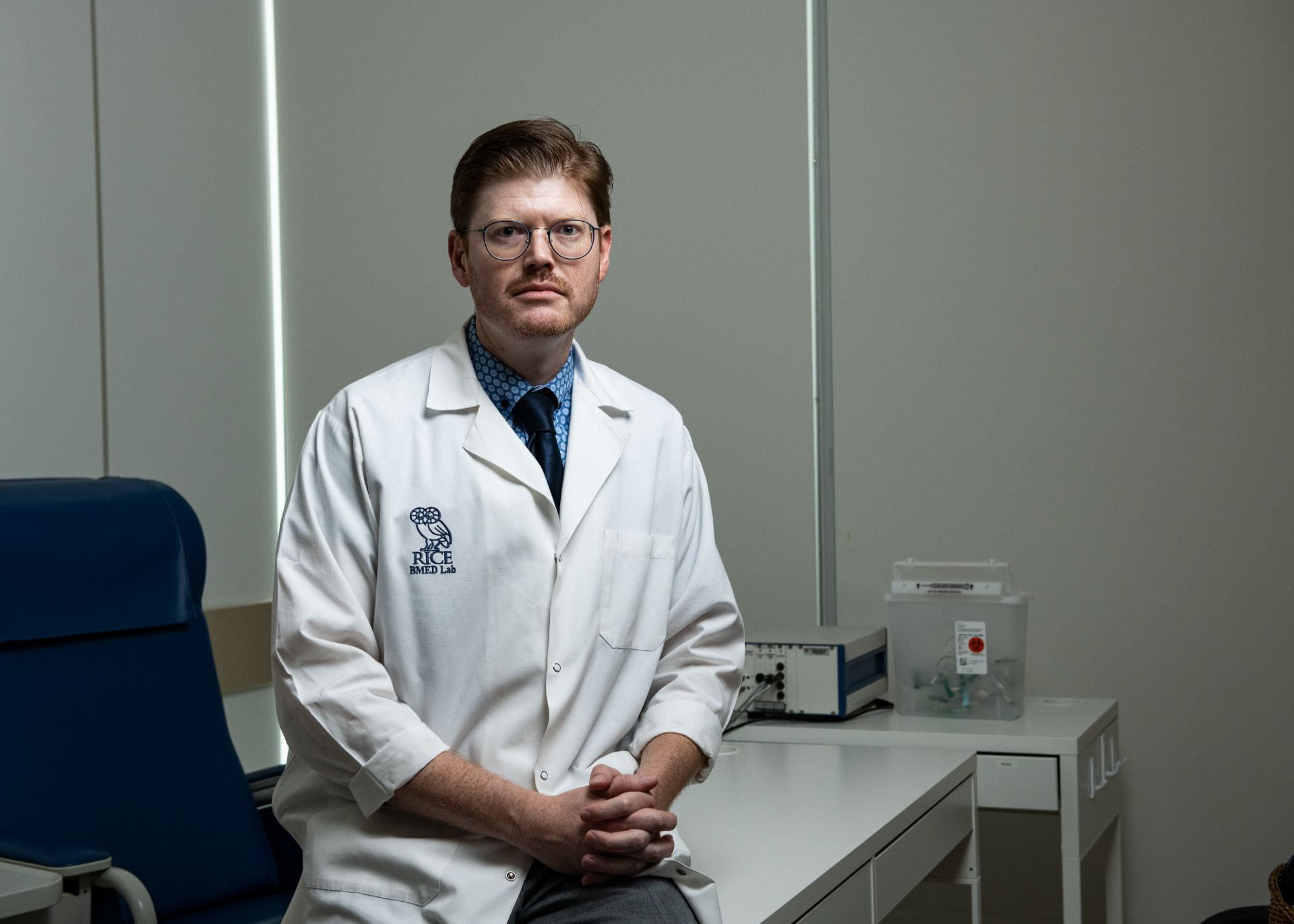
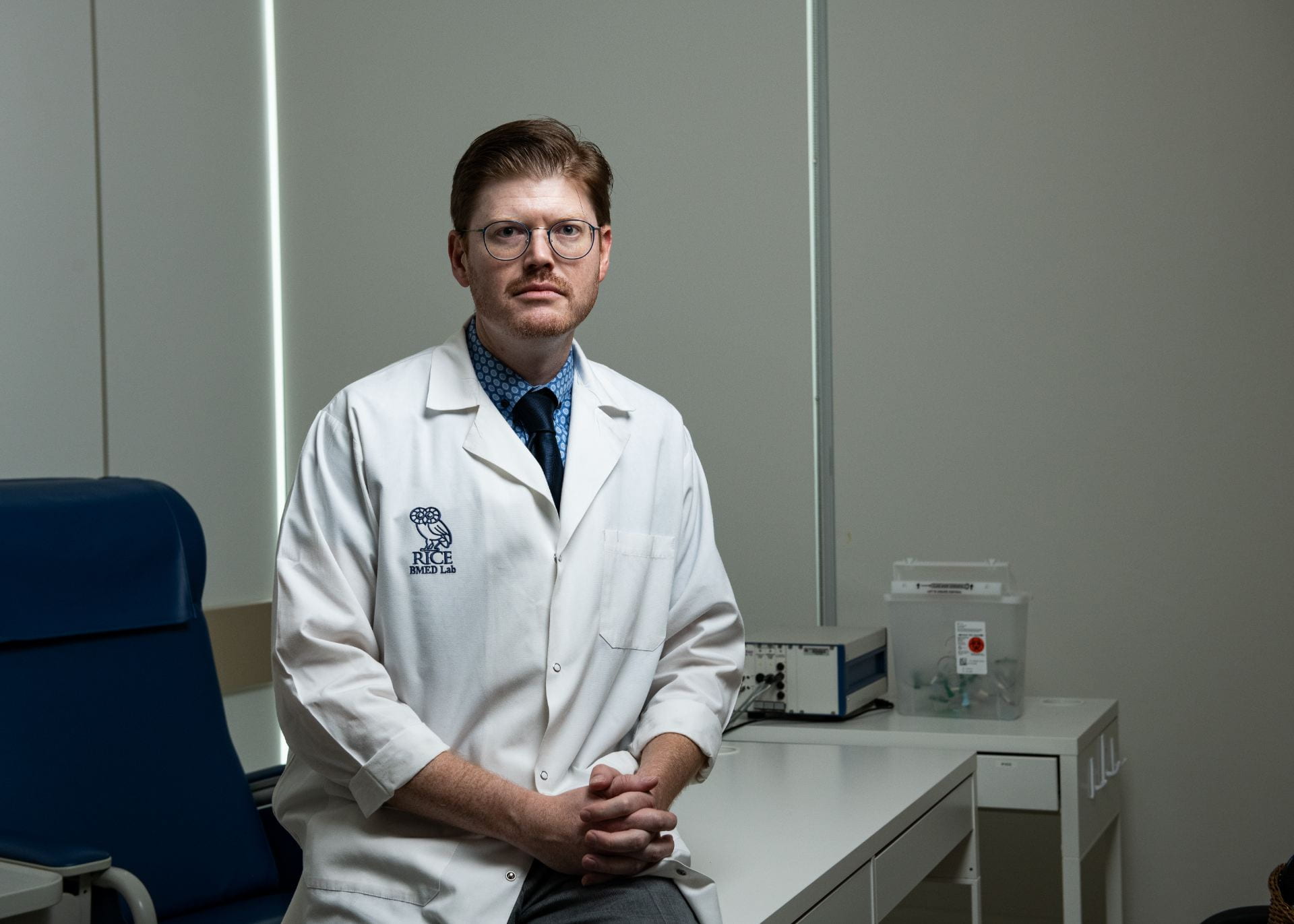
HOUSTON – (March 19, 2020) – What do stress, loneliness and lack of sleep have in common? They are all factors that can weaken your immune system and make you more susceptible to COVID-19, according to Rice University's Christopher Fagundes, an associate professor in the department of psychological sciences who studies the link between mental and immune health.
Fagundes is available to discuss this timely topic as people across the world are socially distancing themselves from others and face stress and uncertainty.
"In my field, we have conducted a lot of work to look at what predicts who gets colds and different forms of respiratory illnesses, and who is more susceptible to getting sick," Fagundes said. "We've found that stress, loneliness and lack of sleep are three factors that can seriously compromise aspects of the immune system that make people more susceptible to viruses if exposed. Also, stress, loneliness and disrupted sleep promote other aspects of the immune system responsible for the production of proinflammatory cytokines to over-respond. Elevated proinflammatory cytokine production can generate sustained upper respiratory infection symptoms."
And while this previous research has centered on different cold and upper respiratory viruses, he said "there is no doubt" that these effects would be the same for COVID-19.
A previous study by Fagundes looked at the impact loneliness has on immune health. That work indicated that healthy, nonimmunocompromised people who spend less time around others and are exposed to the cold virus are significantly more likely to get sick and experience worse symptoms than those people who get out and socialize.
Fagundes said this can be explained by the way positive emotions buffer against stressors and evoke a favorable immune response, even while extroverted individuals are more likely to be around more people, possibly those who are carrying germs that could make them sick.
It's an interesting paradox during the global COVID-19 pandemic, Fagundes said, when people are strongly encouraged and in some places required to stay at home to prevent the further spread of the virus.
Another major factor that impacts immune health is sleep deprivation, Fagundes said, which he noted has been demonstrated over and over in previous study of the topic.
"The overwhelming consensus in the field is that people who do not consistently get a good night's sleep — 7-9 hours for adults, with variation on what is optimal — makes a person more likely to get sick," he said.
Fagundes said that although alcohol use, certain jobs and other factors make some people more likely to have poor sleep, psychological stress has a tremendous impact on a person's quality of sleep.
"It's important also to note that when we talk about stress, we mean chronic stress taking place over several weeks, not a single stressful incident or a few days of stress," Fagundes said. "An isolated stressful incident does not seem to make a person more susceptible to a cold or the flu."
However, even absent of poor sleep, chronic stress alone is disruptive enough to the immune system to make people more likely to get sick, Fagundes said.
"Without question, previous work on this topic clearly demonstrates that chronic stress affects our immune system in a way that makes us more susceptible to viruses and colds," he said. "Just think about college students who get sick after weeks of stress while studying for a big exam."
Fagundes said the best ways to mitigate the harmful health effects of loneliness and stress during the COVID-19 pandemic are to stay connected with others through communication, particularly video calls.
"There is some evidence that it may be better to video conference versus having a regular phone call to reduce feelings of isolation," he said. "There's something about chatting with people and having them visually 'with' you that seems to be more of a buffer against loneliness."
Fagundes also noted that it is important to keep a routine during stressful times.
"This will regulate your sleep and allow you to focus on immediate goals and plans," he said. "In turn, you will overthink things less and feel more accomplished."
And if you find yourself worrying nonstop about the situation, it can be helpful to set aside specific "worry times," Fagundes said.
"People often worry and overthink things because their brain is telling them there is something to solve," he said. "However, it can be counterproductive after a while. A good technique is to set aside 15 minutes a day where you allow yourself to worry, preferably with a pen and paper. After that, you aren’t allowed to think about the issue for the rest of the day."
Fagundes said it is also sometimes helpful for people to identify inaccurate thoughts that reinforce negative thinking and emotions.
"People often convince themselves that a situation is much worse than it is by telling themselves things that are not true," he said. "We call these cognitive distortions. For example, it is common to catastrophize a situation by convincing themselves that the worst-case scenario is the most likely scenario. When people learn to identify and then refute these thoughts, they often feel much better."
An expert in the field of psychoneuroimmunology, Fagundes studies how stress "gets under the skin" to impact diseases of older adulthood such as cardiovascular disease, cancer and cognitive decline. He is also interested in the link between mood and health behaviors and the immune system. He has been quoted in local, national and international media outlets about these topics. More information about him is available at https://psychology.rice.edu/christopher-fagundes.
To arrange an interview with Fagundes, contact Amy McCaig, senior media relations specialist at Rice, at 713-348-6777 or amym@rice.edu.
Located on a 300-acre forested campus in Houston, Rice University is consistently ranked among the nation’s top 20 universities by U.S. News & World Report. Rice has highly respected schools of Architecture, Business, Continuing Studies, Engineering, Humanities, Music, Natural Sciences and Social Sciences and is home to the Baker Institute for Public Policy. With 3,962 undergraduates and 3,027 graduate students, Rice’s undergraduate student-to-faculty ratio is just under 6-to-1. Its residential college system builds close-knit communities and lifelong friendships, just one reason why Rice is ranked No. 1 for lots of race/class interaction and No. 4 for quality of life by the Princeton Review. Rice is also rated as a best value among private universities by Kiplinger’s Personal Finance.
New App Allows Medical Providers to Prevent Spread of Coronavirus in Waiting RoomsDocClocker, an app created by physicians for physicians, enables medical facilities to provide patients with real-time wait time reporting to decrease sick patient exposure.Tampa, Fla. – DocClocker®, a pioneering app that enables medical facilities for the first time to provide patients with real-time wait time reporting, is preventing the spread of COVID-19 (coronavirus) nationwide by enabling patients to avoid long waits in medical waiting rooms – limiting exposure risks. Many healthcare clinics' and hospitals' waiting rooms have been crowded in recent weeks, thanks to the rapid global outbreak of coronavirus. With the DocClocker app, which was created and funded entirely by practicing medical physicians, medical providers can support their patients by providing real-time wait times; preventing the spread of the highly contagious virus by limiting the exposure of sick patients in waiting rooms. “It is important that people are not sitting in sick waiting rooms during the coronavirus outbreak when there are delays in the office. DocClocker providers value their patients' time and are engaged in technology efficiencies that mitigate long wait times," said Dr. Eric Carter, Co-CEO and Co-Founder of DocClocker. DocClocker is on a mission to create transparency in the waiting room and enhance communication between medical providers and their patients. The DocClocker app easily allows for medical providers to deliver patients with waiting room wait times to increase patient satisfaction and positive reviews – allowing patients to stop for coffee on their way to an appointment or finish a work project, in case the office is running behind. In addition, providers who use DocClocker receive an increase in new patient bookings, as they can be located and selected on the app by prospective, in-network patients. The app can also reduce front desk stress by allowing patients to manage appointments through the app and receive appointment reminders. “As governments and communities around the globe are doing everything in their power to prevent the spread of coronavirus, it is our obligation as medical providers to do the same for the safety of our patients. By providing real-time wait times to your patients with DocClocker, you are demonstrating your commitment and true care for their wellbeing,” said Dr. Kevin Makati, Co-CEO and Co-Founder of DocClocker. Request a free demo: admin@docclocker.comAbout Doc Clocker:Developed by Fast Pathway Inc, DocClocker brings transparency to the doctor’s waiting room using modern technology to streamline communication between doctors, patients, and their families. For more information about DocClocker, please visit the app’s website at: https://docclocker.com/Contact: Molly JacobsonTel: 1-850-980-2793Email: molly@jacobsonstrategy.comWebsite: http://www.docclocker.comLocation Information:Fast Pathway, Inc2202 North Westshore Blvd., Suite 200Tampa, Florida 33607About Fast Pathway, Inc:Fast Pathway Inc is the developer and operator of the DocClocker® platform and maintains the cloud-based technology for subscribers and users.
If you would rather not receive future communications from Jacobson Strategy, let us know by clicking here. Jacobson Strategy, 6304 Vista Verde Drive East, Gulfport, FL 33707 United States
Hiram Walker & Sons Distillery Proud to Produce Hand Sanitizer to Help Canadian Fight Spread of COVID-19 Virus
TORONTO, March 19, 2020 /CNW/ - As part of the national effort to fight the spread of the COVID-19 virus, Corby Spirit and Wine Limited and its Walkerville Hiram Walker & Sons Distillery in Windsor, Ont. are proud to announce that they will be producing hand sanitizer.
The historic distillery, proud producer of J.P.Wiser's Canadian whisky in operation for more than 160 years on the banks of the Detroit River, typically distills 180,000 litres of alcohol every day, but today will be adding hand sanitizer to its production line.
"Corby is proud to support the efforts of the Canadian and Ontario governments and communities across the country in fighting the spread of the COVID-19 pandemic," says Patrick O'Driscoll, Chief Executive Officer of Corby. "In coordination with local and senior levels of government, we are utilizing our production capacity and Windsor distillery to help provide hand sanitizer to areas where it is in need."
The sanitizer will be donated where needed in Windsor, and to the TTC in Toronto.
Corby and the TTC have a long-standing partnership with the annual Corby Safe Rides that provides free TTC rides on New Year's Eve. The donation of hand sanitizer will be used in TTC garages and at collector booths to help people keep their hands clean.
"The health and safety of our employees – and our communities – is our top priority," says Mr. O'Driscoll. "In times like this, it is important that everyone, especially companies with strong Canadian roots, like ours, prioritize good corporate citizenship and step up in the name of the greater good. I am glad that we were able to form this public/private partnership and repurpose our spirits production facilities to meet a pressing need."
About Corby Spirit and Wine Corby Spirit and Wine Limited is a leading Canadian manufacturer, marketer and distributor of spirits and wines. Corby's portfolio of owned-brands includes some of the most renowned brands in Canada, including J.P. Wiser's®, Lot 40®, and Pike Creek® Canadian whiskies, Lamb's® rum, Polar Ice® vodka, McGuinness® liqueurs, Ungava® gin, Cabot Trail® maple-based liqueurs and Chic Choc® Spiced rum, and Foreign Affair® wines. Through its affiliation with Pernod Ricard S.A., a global leader in the spirits and wine industry, Corby also represents leading international brands such as ABSOLUT® vodka, Chivas Regal®, The Glenlivet® and Ballantine's® Scotch whiskies, Jameson® Irish whiskey, Beefeater® gin, Malibu® rum, Kahlúa® liqueur, Mumm® champagne, and Jacob's Creek®, Wyndham Estate®, Stoneleigh®, Campo Viejo®, and Kenwood® wines. Corby is a publicly traded company based in Toronto, Ontario, and listed on the Toronto Stock Exchange under the trading symbols CSW.A and CSW.B. For further information, please visit our website or follow us on LinkedIn, Instagram, or Twitter.
SOURCE Corby Spirit and Wine Communications
The Beer Store reduces store hours, pauses recycling
TORONTO, March 18, 2020 /CNW/ - The Beer Store is reducing store hours and pausing recycling until March 31 to enhance efforts to protect employees and customers.
As we continue to closely monitor COVID-19, the Beer Store will reduce store hours to 10am to 7pm, Monday through Saturday, as of March 19th. Stores that operate from 10am to 6pm are unaffected. Sunday hours remain unchanged. All updated store hours are available at www.thebeerstore.ca.
The Beer Store will also suspend the return of empty containers at all retail stores across the province, effective March 19, through to March 31. Deposits will be fully honoured upon return when we resume operations and city officials ask for public cooperation in keeping these deposit containers out of the blue box. In addition, at times we may need to limit the number of customers in our stores. This is to enhance protection for both customers and our dedicated employees who are working hard to serve customers.
We want to remind customers that Beer Xpress home delivery and in-store pick up are available in select communities, including most of the GTA, Ottawa and Kitchener-Waterloo; visit www.beerxpress.ca to learn more. Please note that delivery drivers of BeerXpress orders will not be accepting empty returns until further notice.
As we collectively navigate the unfolding situation, we will continue to provide updates. We thank you for your patience with us.
About the Beer Store The Beer Store offers customers over 800 brands, provided by 200 brewers. It is a completely open system that allows any brewer in the world to sell its brands in any Beer Store location it chooses, at prices determined by it and approved by the LCBO. The Beer Store is deeply committed to responsible sale by not selling to minors and people who are intoxicated. In 2018, more than 2.8 million customers were challenged to confirm their age or sobriety. It is also one of the greenest retailers in the world collecting around 1.4 billion beer containers (an 87 per cent return rate) and 395 million wine and spirit containers (a 81 per cent return rate) in 2018. The Beer Store is owned by 30 Ontario-based brewers and employs 7,000 hard-working Ontarians with well-paying full and part-time jobs.
SOURCE The Beer Store
Injured During Training? How to Realign Your Back
An injury can derail more than just your physical health. You need to take an injury seriously so that you don't experience chronic pain issues. Here are some of the strategies that you can use in order to realign your back and get things back to normal.
Seek Medical Aid
The first thing that you should do following any severe injury is to seek medical attention. Determining the extent and scope of your injury will give you more information about the best way to get your back realigned. Your doctor may recommend that you start with physical therapy in order to improve your injury. This generally involves a series of stretches and other types of exercises that will help you cope with your day-to-day life.
Visit a Chiropractor
In some instances, it can be to your best advantage to schedule a visit with a chiropractor. They can help you with your alignment issue so that you can more fully recover from your injury. A simple adjustment may be all that you require so that you can get back to living your life. For more serious issues, you may need to schedule several appointments in order to resolve your issue. Speak with your chiropractor about your goals to help you achieve the most out of your visits.
Enroll in Yoga
Yoga is a good form of exercise because it focuses on improving your flexibility. It can also help to increase your mobility so that your back will realign in a more natural manner. You may be able to prevent future injuries from occurring if you continue to practice yoga. There's nothing wrong with being more flexible and this is what yoga can do for you if you're willing to put in the effort. Another benefit of yoga is that it can help to strengthen your core muscles.
Invest in Core Strengthening
There are a variety of different types of stretches that can help with your adjustment issue. Pelvic floor exercises, planking, and side to side stretches with weights can help you. Another option is to get an exercise ball and work on your balance. It may not seem like much, but over time, these types of exercises are increasing your core strength so that you can recover from any injuries or prevent them from occurring in the first place.
Back problems can get worse over time if you don't work towards improving your health. Use these ideas so that you can realign your back and return to your previous physical abilities.
TURNING THE TAP FOR BETTER HEALTH
Water WellnessThe Ultimate Guide To Restore, Rejuvenate and Refine Your BodyWith COVID-19 sweeping the globe, it is crucial to stay healthy now more than ever! While drinking water alone will not prevent or cure the virus, the CDC states that hydration is good for overall health and helps the body in several ways.
Releasing Spring 2020 from Allwrite Publishing, Water Wellnessgets to the heart of hydration!It teaches you everything you need to know about water and the benefits of proper hydration. The amount of water you should drink every day and how best to stay hydrated are topics often filled with false claims or misinformation, but this book drills into the details, offers practical tips and solutions, and debunks the myths! ABOUT THE BOOK:From the creators of the WaterMinder app comes the ultimate guide book to restore, rejuvenate and refine your body with water. Infused with health tips, advice, and fun recipes,Water Wellness is packed full of all the information you need to ensure you stay hydrated every day:160+ pages covering why it’s so important to stay hydrated.Staying hydrated. Factors that influence hydration.Myths debunked. The real truth about hydration and your health.Infused water recipes. Drinking water doesn't have to be boring!Stunning presentation. Gorgeous photography and beautiful design.Water Wellness is designed to help you drink enough water every day to achieve optimal health and maintain the right fluid balance. Pre-Order your Water Wellness Book HERE! WHY YOU NEED THIS BOOK:Water is an essential part of our health and well-being, and without consuming enough of it, both our body and brain, which is 80% water, will feel the impact. Water lubricates the joints, removes toxins, and helps deliver nutrients to skin cells for healthy-looking skin. It also facilitates in building muscles, regulating body temperature and in helping control our weight. Research even shows that it helps our mood and memory. Although 8 glasses a day is a good reference, the amount of drinking water required to maintain good health varies depending on physical activity level, age, health-related issues, and environmental conditions. Like the flu, contracting COVID-19 (Coronavirus) causes fever. This elevation of body temperature causes your body to expel water from your pores, ultimately leading to dehydration. Drinking more water can help prevent dehydration and loosen mucus due to illness. We are all made up of water, so staying properly hydrated is essential for physical/mental performance and especially fighting off illness. Most people know that drinking water is essential, they just aren't sure how to make it a routine or what amount is best for their body. That's where Water Wellness taps in! In this book, author Kriss Smolka offers tips, solutions, and key benefits to staying hydrated. The language is understandable without being oversimplified and the book includes a wealth of photographs making the recipes easy-to-follow. "We all know someone who struggles to drink enough water, and the effects of dehydration can be very scary. My wife suffered from chronic headaches that were caused by dehydration and I eagerly wanted to help. It was hard for her to remember to drink the recommended amount of water daily. After much research, I created the WaterMinder app the Water Wellness book as a way to help track her hydration, and eventually, her headaches subsided..." ...says Smolka, who then put his thoughts on paper and wrote this book to help more people achieve a healthier, happier lifestyle. ABOUT AUTHOR, KRISS SMOLKA: Kriss Smolka is the creator of the award-winning health & fitness app WaterMinder. WaterMinder was named Apple App Store Editor’s Choice in 2019 and has been featured by The New Yorker, Women’s Health, Glamour, Business Insider, BGR, Venture Beat, Apple, and more. Based on his own experience and extensive research, along with numerous real-life stories from those who have been affected by dehydration, Kriss started work on Water Wellness, a hydration book with the goal of educating everyone on the importance of staying hydrated. For More Information Visit:https://hydrationbook.com
Canopy Growth to temporarily close corporate owned retail amid response to COVID-19
SMITH FALLS, ON, March 17, 2020 /CNW/ - Canopy Growth Corporation ("Canopy Growth" or the "Company") (TSX: WEED) (NYSE: CGC) has been monitoring the COVID-19 outbreak and paying close attention to the guidance given by public health bodies around the globe. Canopy Growth's leadership team has made the decision to temporarily close all corporate-owned Tokyo Smoke and Tweed retail locations across Canada, effective at 5:00 p.m. local time today, March 17.
"We have a responsibility to our employees, their families, and our communities to do our part to "flatten the curve" by limiting social interactions. For us, that means shifting our focus from retail to e-commerce," said David Klein, CEO, Canopy Growth. "This is a big decision but it was also an easy one to make – our retail teams are public-facing and have been serving an above-average volume of transactions in recent days. Given the current situation, it is in the best interest of our teams and our communities to close these busy hubs until we are confident we can operate our stores in the best interest of public health."
Canopy Growth also has a responsibility to its customers and medical patients to continue providing access to their desired cannabis products and prescribed medication. The Company has established, fully supported e-commerce platforms available to our recreational and medical customers across the country to provide business continuity for people seeking our products.
The decision affects the 23 corporately-owned stores in Newfoundland, Saskatchewan, and Manitoba as well as the Tweed Visitor Centre in Smiths Falls, ON.
Patients will be able to continue purchasing medical cannabis through Spectrum Therapeutics. Adult consumers within Manitoba and Saskatchewan are able to purchase Canopy Growth products through Tweed and Tokyo Smoke e-commerce platforms, all other provinces and territories will be supported through government-run online retail.
About Canopy Growth Corporation Canopy Growth (TSX:WEED, NYSE:CGC) is a world-leading diversified cannabis, hemp and cannabis device company, offering distinct brands and curated cannabis varieties in dried, oil and Softgel capsule forms, as well as medical devices through Canopy Growth's subsidiary, Storz & Bickel GMbH & Co. KG. From product and process innovation to market execution, Canopy Growth is driven by a passion for leadership and a commitment to building a world-class cannabis company one product, site and country at a time. Canopy Growth has operations in over a dozen countries across five continents.
Canopy Growth's medical division, Spectrum Therapeutics is proudly dedicated to educating healthcare practitioners, conducting robust clinical research, and furthering the public's understanding of cannabis, and has devoted millions of dollars toward cutting edge, commercializable research and IP development. Spectrum Therapeutics sells a range of full-spectrum products using its colour-coded classification Spectrum system as well as single cannabinoid Dronabinol under the brand Bionorica Ethics.
Canopy Growth operates retail stores across Canada under its award-winning Tweed and Tokyo Smoke banners. Tweed is a globally recognized cannabis brand which has built a large and loyal following by focusing on quality products and meaningful customer relationships.
From our historic public listing on the Toronto Stock Exchange and New York Stock Exchange to our continued international expansion, pride in advancing shareholder value through leadership is engrained in all we do at Canopy Growth. Canopy Growth has established partnerships with leading sector names including cannabis icons Snoop Dogg and Seth Rogen, breeding legends DNA Genetics and Green House Seeds, and Fortune 500 alcohol leader Constellation Brands, to name but a few. Canopy Growth operates eleven licensed cannabis production sites with over 7.5 million square feet of production capacity, including over one million square feet of GMP certified production space. For more information visitwww.canopygrowth.com
Notice Regarding Forward Looking Statements This news release contains "forward-looking statements" within the meaning of the United States Private Securities Litigation Reform Act of 1995 and "forward-looking information" within the meaning of applicable Canadian securities legislation. Often, but not always, forward-looking statements and information can be identified by the use of words such as "plans", "expects" or "does not expect", "is expected", "estimates", "intends", "anticipates" or "does not anticipate", or "believes", or variations of such words and phrases or state that certain actions, events or results "may", "could", "would", "might" or "will" be taken, occur or be achieved. Forward-looking statements or information involve known and unknown risks, uncertainties and other factors which may cause the actual results, performance or achievements of Canopy Growth or its subsidiaries to be materially different from any future results, performance or achievements expressed or implied by the forward-looking statements or information contained in this news release. Examples of such statements include statements with respect to future retail operations. Risks, uncertainties and other factors involved with forward-looking information could cause actual events, results, performance, prospects and opportunities to differ materially from those expressed or implied by such forward-looking information, including the Company's ability to satisfy provincial sales contracts or provinces purchasing all cannabis allocated to them, and such risks contained in the Company's annual information form dated June 25, 2019 and filed with Canadian securities regulators available on the Company's issuer profile on SEDAR at www.sedar.com. Although the Company believes that the assumptions and factors used in preparing the forward-looking information or forward-looking statements in this news release are reasonable, undue reliance should not be placed on such information and no assurance can be given that such events will occur in the disclosed time frames or at all. The forward-looking information and forward-looking statements included in this news release are made as of the date of this news release and the Company does not undertake an obligation to publicly update such forward-looking information or forward-looking information to reflect new information, subsequent events or otherwise unless required by applicable securities laws.
SOURCE Canopy Growth Corporation
Don’ts and Dos on Coronavirus
by Jane M. Orient, M.D.
Some of the views expressed here are controversial. So, do ask your doctor. I hope you have one—not just the HMO or retail clinic “provider.”
Don’t panic. That is always good advice. If you, like the world’s economy, operate on just-in-time inventories, and did not take advice to stock up 3 weeks ago, do not join a mob at a big-box store. Somebody there is no doubt infected. Plus, there’s the risk of getting trampled or injured in a fist fight over the last roll of toilet paper. Most of the world survives without that luxury good. If you have no rice or beans or pasta in the pantry, that is more serious, but you should still avoid mobs if at all possible. Take-out and drive-through places are booming.
Don’t treat fever without a doctor’s advice. Fever is not a disease. It is an important defense mechanism. Very high fevers (say 105 degrees) can cause brain damage, and children can have seizures. But don’t pop Tylenol or ibuprofen at the first sign of fever. Many of the casualties in the 1918 pandemic might have been caused by heavy use of aspirin. Like aspirin, popular nonsteroidal anti-inflammatories (NSAIDS) such ibuprofen also have detrimental effects on blood clotting. Try lukewarm sponge baths for comfort.
Don’t rush out and get a flu shot. I know, a lot of doctors and public health authorities urge everybody to do this. Influenza can kill you, and the flu shot decreases that risk by 30% to 60%—but there is evidence that it can make COVID-19 worse, both from the earlier SARS epidemic and lab research. Like with so many things in medicine, we have to play the odds.
Don’t go to the emergency room or urgent care unless you are severely ill. There will be sick people there, and you might catch something. You also might end up with a big bill, say for a CT scan you didn’t really need. And if you have the flu or a cold or COVID-19, and don’t need IV fluids or oxygen, they can’t do anything for you. Telephone advice lines could help greatly.
Don’t go to events that are crowded, especially indoors in poorly ventilated rooms. Staying home is good.
Don’t demand to be tested and rely on the results. The tests are still in short supply and not very accurate. If you are at low risk, a positive test is likely to be a false positive. And if you are infected, the test may be negative at first. We need much more testing—mainly for public health monitoring.
Don’t waste. Expired medications are probably still good. Most drugs or essential ingredients are made in China, and supplies are running out. Masks (also mostly made in China) are meant to be disposable, but likely can’t be replaced (see below).
Don’t touch your face or your eyes. That is very hard—preventing that is one function of a mask and eye protection.
Don’t fall for internet scams, or malware. Hucksters will always be around to try to profit from panics. A new type of malicious virus is embedded malware in sites that come up on a search for information. (If you want to find the Johns Hopkins University dashboard of cases and deaths, go to the university’s website, don’t Google “coronavirus map.”)
Now for some dos:
Do prepare to take care of yourself and your family. Be sure you have a fever thermometer, disposable gloves, plastic garbage bags, and cleaning supplies. A pulse oximeter, available in many places for around $40, is good to have to check oxygen levels.
Do clean and disinfect surfaces such as doorknobs, telephones, computer keyboards, toilets, and countertops often. Virus can persist there for days.
Do remember that sunlight is the best disinfectant. If you don’t have a pocket ultraviolet lamp (they are or were available on amazon), try putting things like masks or paper currency out in the sun. The idea should be rigorously tested, but in times of need, you may have to guess.
Do wash your hands often and use hand sanitizer. With SARS-CoV-2, most disinfectants work, including 70-percent-alcohol-based sanitizers.
Do put a mask on sick people if you can. For protecting yourself you need a minimum of an N95 mask and eye protection.
Do take your vitamins. Most people may be vitamin D deficient. Your need for vitamin C escalates with infection. Some 50 tons of vitamin C was shipped to Wuhan, and studies of effectiveness are underway.
Do get your essential prescriptions refilled for 90 days—the supply chain depends on China. If your managed-care plan won’t pay, consider paying cash. You may be able to get a good price with a coupon from goodrx.com.
Do protect your immune system, with adequate sleep, exercise, fresh air, and diet, especially avoiding sugar if you feel ill.
Do help your neighbors, and be responsible about protecting others as well as yourself from contagion.
###
Jane M. Orient, M.D. obtained her undergraduate degrees in chemistry and mathematics from the University of Arizona in Tucson, and her M.D. from Columbia University College of Physicians and Surgeons in 1974. She completed an internal medicine residency at Parkland Memorial Hospital and University of Arizona Affiliated Hospitals and then became an Instructor at the University of Arizona College of Medicine and a staff physician at the Tucson Veterans Administration Hospital. She has been in solo private practice since 1981 and has served as Executive Director of the Association of American Physicians and Surgeons (AAPS) since 1989. She is currently president of Doctors for Disaster Preparedness. She is the author of YOUR Doctor Is Not In: Healthy Skepticism about National Healthcare, and the second through fifth editions of Sapira's Art and Science of Bedside Diagnosis published by Wolters Kluwer. She authored books for schoolchildren, Professor Klugimkopf’s Old-Fashioned English Grammar and Professor Klugimkopf’s Spelling Method,published by Robinson Books, and coauthored two novels published as Kindle books, Neomorts and Moonshine. More than 100 of her papers have been published in the scientific and popular literature on a variety of subjects including risk assessment, natural and technological hazards and nonhazards, and medical economics and ethics. She is the editor of AAPS News, the Doctors for Disaster Preparedness Newsletter, and Civil Defense Perspectives, and is the managing editor of the Journal of American Physicians and Surgeons.
Coronavirus: Healthcare Workers Most Vulnerable
"While everyone is worried about family, friends, and cases in the community, we ignore a very high risk and vulnerable group," says Jagdish Khubchandani, a Ball State University health science professor. "Studies have consistently shown that healthcare workers frequently work long hours, don’t practice self-care, lack on hygienic practices, and work while being sick.
"Today, with coronavirus, there are additional challenges such as changing protocol, greater number of emergencies, shortage of medical supplies, and lack of preventive testing and protective equipment. Healthcare workers are at the frontline and often neglected during such times."
Some key tips for healthcare workers:
Practice self-care with good diet, daily exercise, enough sleep, and adding more protein and vitamins to diet.
Buy your own protective equipment and sanitation supplies if not provided by workplace- masks and sanitizers.
Practice frequent hand washing. Preferably, after each encounter with a client or patient.
Hand washing is better than hand sanitizers. Or, practice both. Relying on hand sanitizers where optimum quantity is not used, or quality of sanitizers can be questioned, is not a good practice. Soap and water are highly recommended compared to casual use of sanitizers.
Try to avoid overworking, watch your shifts, and working hours- exhaustion can make you weak and vulnerable to regular flu as well (in addition to the risk of coronavirus).
Avoid personal contact with clients or patients as much as possible. Healthcare workers frequently shake hands, exchange greetings and hugs with clients who may do it out of affection or gratitude- a distant thank you is ok at this time.
Check your own symptoms and signs for any illness (especially, flu like illness). Cough, runny nose, fever, headaches and body pains should not be ignored during this season.
Ensure that coworkers don’t have these signs and symptoms- stay vigilant and help coworkers get care and rest if they have such symptoms. Be firm with colleagues who don’t practice good hygiene such as regular handwashing.
Follow guidelines for clinical practice and personal protection from authentic sources such as CDC.
Ensure that your facility is following best practices for infection control. It is appropriate now to educate colleagues and your managers, even if they are superiors or higher in chain of command (studies also show that most educated in healthcare professions could be least likely to practice personal hygiene).
Disinfect your office and personal space- even if it is not being done by facilities and janitors.
Call on facilities managers and ensure they are following protocols and daily cleaning and sanitation activities are ramped up.
Ensure that clients are not surrounded by too many friends or family members and educate clients on avoiding too many frequent visitors.
Pull up your training manuals and best practice guideline notebooks for infection control and review if needed.
TRAIN IT RIGHT NEWSLETTER
Sign Up and get a free 7 day Train it Right HIIT Program!