"Alexa, ask Sun Life what my physiotherapist coverage is"
The latest move in the company's digital transformation journey, Sun Life Clients can now tap into the Sun Life skill for Amazon Alexa to learn about benefits coverage details
TORONTO, Dec. 19, 2019 /CNW/ - Sun Life is doing more to help Clients easily access information about their benefits coverage for massage therapist, chiropractor, physiotherapist and psychologist services – all through Alexa-enabled devices. As Sun Life continues to drive innovation and deliver on its commitment to Clients, the company today announced the release of expanded voice technology capabilities with a new skill for Amazon Alexa.
"We know that our Clients want to access their health and benefits information through the channels that are the most convenient for them," said Alice Thomas, Chief Digital Technology Officer, Sun Life. "Our digital journey has been all about listening to our Clients, understanding their evolving needs and adopting new technologies to improve their experience."
Harnessing the voice technology of Alexa, Sun Life Clients can now access details such as remaining balances, deductibles, coverage limits and the percentage covered for each provider type. Clients can also easily check the status of a recently submitted medical or dental claim.
"Through these interactive tools, we're working to help empower our Clients to live healthier lives," said Dave Jones, Senior Vice-President, Group Benefits, Sun Life. "When our Clients access the power of our provider network, we're making it easy for them to make informed decisions when managing their health and wellness needs."
Sun Life has been at the forefront of the industry in introducing digital and mobile technology. The company's industry first, digital coach 'Ella', and its top rated mobile app are examples of how the company is transforming its business by digitizing current operations, creating innovative new models to delight Clients, demystify a complex business and support the important work of advisors.
"Digital assistants make it easier for consumers to get the information they need, when they need it," said Evan Young, Senior Manager, Alexa Skills. "This new skill from Sun Life is just another value add for Clients and showcases Sun Life's commitment to digital transformation."
Sun Life is a leading international financial services organization providing insurance, wealth and asset management solutions to individual and corporate Clients. Sun Life has operations in a number of markets worldwide, including Canada, the United States, the United Kingdom, Ireland, Hong Kong, the Philippines, Japan, Indonesia, India, China, Australia, Singapore, Vietnam, Malaysia and Bermuda. As of September 30, 2019, Sun Life had total assets under management of $1,063 billion. For more information please visit www.sunlife.com.
Sun Life Financial Inc. trades on the Toronto (TSX), New York (NYSE) and Philippine (PSE) stock exchanges under the ticker symbol SLF.
Hitachi’s diagnostic imaging business will help Fujifilm to compete with global players, says GlobalData
Following the news that Japan’s Fujifilm Holdings Corp has agreed to acquire Hitachi Ltd.’s diagnostic imaging business for approximately JPY179bn (US$1.64bn);
Rohit Anand, Practice Head of Medical Devices at GlobalData, a leading data and analytics company, offers his view:
“Fujifilm, whose global revenues have declined from US$23.7bn in 2014 to US$21.9bn in 2019, is looking to counter slowdown in its traditional business operations and scale up its market share through synergies in diagnostic imaging market. On the other hand, Hitachi is looking to restructure its business and has been selling its non-core assets while buying overseas companies to expand digital businesses.
“The current deal follows a series of recent acquisitions by Fujifilm, which has already acquired Irvine Scientific Sales and IS Japan from JXTG Nippon in 2018 and Yokogawa Medical Solutions in 2019. Earlier this year, Fujifilm agreed to acquire German endoscopic instrument manufacturer medwork GmbH.
“Hitachi’s diagnostic imaging business will significantly strengthen Fujifilm’s product line with the inclusion of CT and MRI diagnostics imaging, medical IT, in-vitro diagnostics and endoscopy. Fujifilm will be able to expand its business in the global market through cross-selling, utilizing the extensive sales channels of both companies. The deal will further strengthen Fujifilm’s position in the diagnostic imaging market and will help the company to compete with three leading players GE Healthcare, Siemens Healthineers and Philips Healthcare.”
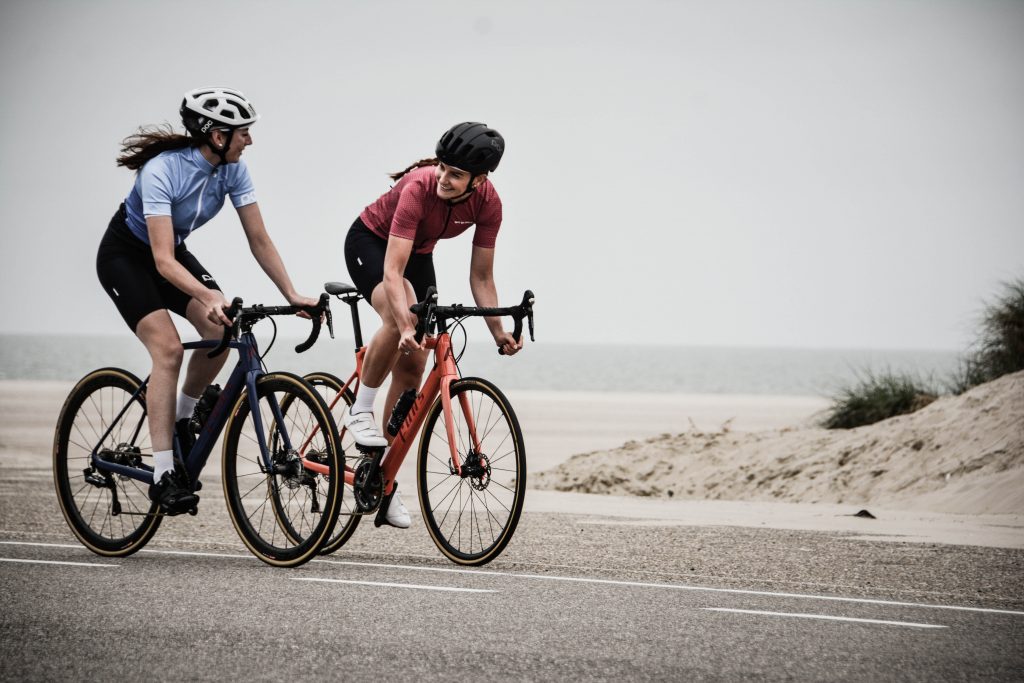
4 Natural Methods That Help Cyclists Deal with Cramps
During a strenuous ride, you might begin to feel a twinge in your muscles, and that slight discomfort will most likely turn into serious muscle cramps if you aren’t careful. While some over-the-counter products can help with muscle cramps, you should consider trying a few natural methods for dealing with cramps as well.
Stay Hydrated
Staying hydrated is one of the most effective ways to delay or prevent cramps, and you need to be sure that you are drinking plenty of water before, during, and after your workouts. For longer rides, you might need to carry two or three bottles with you or stick to loops so that you are close to water at all times. Your body will also lose quite a bit of water while you are sleeping, and that is why many experts suggest drinking a full glass of water as soon as you wake up.
Consume Electrolytes
Drinking water is a great start, but you need to make sure that your body has enough electrolytes as well. Those minerals regulate how much water gets into your cells, and you won’t be able to stay hydrated if you don’t have any electrolytes in your system. Luckily, there are many different electrolyte products to choose from, and that includes beverages, gels, bars, and lozenges.
Boost Your Intake of Carbohydrates
Carbs are a vital macronutrient that your body turns into energy, but many people steer clear of carbohydrates if they are trying to lose weight. While cutting back on your carbs will help you on your weight loss journey, you need that macronutrient if you are engaging in hard rides. When you don’t consume enough carbs, the glycogen in your muscles will disappear, and that is going to increase your risk of cramps. Some of the healthiest carbs for cyclists include sweet potatoes, chickpeas, quinoa, oatmeal, and brown rice.
Use CBD Products
For immediate relief, you might want to consider using some type of CBD oil. CBD can be taken as a capsule, gel, or spray. Those products have exploded in popularity in recent years, and many high-level athletes are now using CBD to treat a variety of aches and pains. In addition to potentially relieving muscle cramps, CBD could also minimize inflammation, reduce anxiety, and improve your focus.
If you continue to struggle with severe muscle cramps whenever you go out for a ride, then you need to speak with your doctor or a physical therapist. Chronic cramps are sometimes caused by other serious medical issues that require comprehensive treatments.
Brooke Chaplan is a freelance writer and blogger. She lives and works out of her home in Los Lunas, New Mexico. She loves the outdoors and spends most of her time hiking, biking, and gardening. For more information, contact Brooke via Facebook at facebook.com/brooke.chaplan or Twitter @BrookeChaplan
AbbVie reaches an agreement with the pan-Canadian Pharmaceutical Alliance (pCPA) for the Combination VENCLEXTA® With Rituximab as a Treatment for Patients With Chronic Lymphocytic Leukemia (CLL)
Following the signing of an agreement between AbbVie and the pan-Canadian Pharmaceutical Alliance (pCPA)i, Quebec is the first province to reimburse the combination treatment.
VENCLEXTA® + rituximab is a regimen that includes a targeted oral agent that should be continued for two years after initial five weeks ramp-up phase.
MONTREAL, Dec. 18, 2019 /CNW/ - AbbVie (NYSE: ABBV), a global research and development-based biopharmaceutical company, today announced that an agreement has been reached with the pan-Canadian Pharmaceutical Alliance (pCPA) for VENCLEXTA® in combination with rituximab, a treatment for patients with Chronic Lymphocytic Leukemia (CLL) who have received at least one prior therapy.
"VENCLEXTA in combination with rituximab is an effective treatment option. VENCLEXTA plus rituximab also have the benefit of a finite treatment approach, meaning patients can stop their therapy after two years of treatment and continue to benefit," said Dr. Sarit Assouline MD, MSc, FRCPC, Senior Investigator, Lady Davis Institute, Associate Professor, Department of Oncology, McGill University. "It's great news that patients in Quebec will now have access to this treatment."
On the Régie de l'assurance maladie du Québec's Liste des médicaments, VENCLEXTA is listed in combination with rituximab, for the treatment of relapsed or refractory chronic lymphocytic leukemia in patients who have received at least one prior therapy.ii For full criteria, consult the list of medications in effect.
"The pCPA agreement for VENCLEXTA plus rituximab is positive news for Canadians living with CLL," says Elizabeth Lye, Director of Research & Programs, Lymphoma Canada. "Receiving a diagnosis of CLL or any cancer is always shocking and overwhelming, therefore knowing that there are effective treatments available provides reassurance to people facing this uncertain journey."
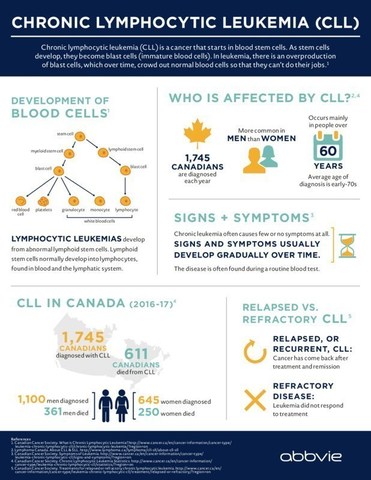
CLL, which is typically a slow-progressing cancer of the bone marrow and bloodiii, is one of the most common types of leukemia in adults. In Canada, CLL accounts for approximately 1,745 newly diagnosed cases of leukemia each year and is responsible for more than 600 deaths a year.iv
"We are thrilled with the positive outcome of our discussions with the pan-Canadian Pharmaceutical Alliance and that Quebec is the first province to list VENCLEXTA in combination with rituximab. We are looking forward to making this treatment available to all Canadians across the country," says Stéphane Lassignardie, Vice-President and General Manager, Abbvie Canada. "With a strong commitment to developing innovative therapies for patients and contributing to longer-term healthcare sustainability, AbbVie is committed to providing solutions that bring significant clinical and economic value to patients, healthcare practitioners and our healthcare system."
VENCLEXTA continues to be investigated in CLL and other hematological diseases. VENCLEXTA is being developed by AbbVie and Roche. It is jointly commercialized by AbbVie and Genentech, a member of the Roche Group, in the U.S. and by AbbVie outside of the U.S.
About the MURANO Study A total of 389 patients with relapse / refractory (R/R) CLL who had received at least one prior therapy were enrolled in the international, multicenter, open-label, randomized (1:1) MURANO study (NCT02005471). The study was designed to evaluate the efficacy and safety of VENCLEXTA in combination with rituximab (194 patients) compared with bendamustine in combination with rituximab (195 patients). The median age of patients in the trial was 65 years (range 22-85).v The MURANO study is unique in its design with the intention for patients to stop therapy after 24 months.
About AbbVie Care Canadians prescribed VENCLEXTA can be enrolled in AbbVie Care, AbbVie's signature care program. The program is designed to provide a wide range of customized services including reimbursement and financial support, pharmacy services, lab work reminders and coordination, personalized education and ongoing disease management support throughout the treatment. For more information, please visit www.abbviecare.ca.
About AbbVie AbbVie is a global, research and development-driven biopharmaceutical company committed to developing innovative advanced therapies for some of the world's most complex and critical conditions. The company's mission is to use its expertise, dedicated people and unique approach to innovation to markedly improve treatments across four primary therapeutic areas: immunology, oncology, virology and neuroscience. In more than 75 countries, AbbVie employees are working every day to advance health solutions for people around the world. For more information about AbbVie, please visit us at www.abbvie.ca and www.abbvie.com. Follow @abbvieCanada and @abbvie on Twitter or view careers on our Facebook or LinkedIn page.
A New Way to Optimize Sleep and Light Exposure Can Reduce Jet Lag and Improve Alertness
Wearable technology can be used to calculate optimal personalized sleep and light schedule
TROY, N.Y. — Whether you’re traveling for work or for fun, nothing ruins the start of a trip quite like jet lag. Engineers affiliated with the Lighting Enabled Systems & Applications (LESA) Center at Rensselaer Polytechnic Institute have developed a way to deliver personalized advice using smart wearable technology that would help travelers adjust more quickly.
In a series of articles, including one published today in PLOS ONE, the researchers explain how they have developed and demonstrated a series of algorithms that can analyze biometric information recorded by a smart device and then recommend the best combination of sleep and light to help a person readjust their circadian rhythm.
“Using these algorithms and a mathematical model of a person’s circadian rhythm, we have the ability to compute the best light to adjust your circadian rhythm and foster your well-being. This opens the opportunity to create a smart and healthy environment,” said Agung Julius, an associate professor of electrical, computer, and systems engineering at Rensselaer and one of the authors on this paper.
The same, he said, goes for determining the sleep — both how much and when it should be received — a person needs.
Circadian rhythms are master internal clocks that help regulate many of our physiological processes, including sleep, metabolism, hormone secretion, and even how our brain functions. Energy, alertness, and other biological processes can suffer when that rhythm doesn’t align with the clock one is actually trying to follow.
The Department of Defense is funding this research because of the benefits the researchers’ findings could bring to the alertness of service members.
“The circadian and sleep processes are also very tightly related to your mental state and how alert you are,” Julius said. “If you try to do something in the wrong time of day, your alertness is not going to be as effective as if you do it in the right time of day as defined by your circadian clock.”
Julius explained that a person’s circadian rhythm variation is typically determined using information gathered from a blood or saliva test that measures levels of the hormone melatonin. The problem with that traditional approach is that obtaining the results takes time and doesn’t allow for instant analysis.
The LESA team, which includes John Wen, head of the Department of Electrical, Computer, and Systems Engineering at Rensselaer and co-author on this paper, has been working on algorithms that process data — like heart rate and body temperature — that can be collected from wearable smart technology and converted into an estimate of a person’s circadian rhythm variation.
“The question is whether that kind of data can give you as accurate an estimation as the clinical standard,” Julius said.
What the team has found and demonstrated is that the estimates their algorithms generated are in line with clinical hormone measurement techniques. Julius said these findings are indicative that the team’s approach works.
“This work is important, because it characterizes the fundamental processes the human body uses to synchronize circadian and sleep processes. By developing biosensing analytics to characterize circadian phase, it is now possible to optimize the efficient use of light with appropriate spectral properties to help optimize and maintain human health and performance,” said Robert Karlicek, the director of the LESA Center. “This will be important to other work related to lighting and health in LESA’s clinical research test beds at Thomas Jefferson University and the University of New Mexico.”
About Rensselaer Polytechnic Institute
Founded in 1824, Rensselaer Polytechnic Institute is America’s first technological research university. Rensselaer encompasses five schools, 32 research centers, more than 145 academic programs, and a dynamic community made up of more than 7,900 students and over 100,000 living alumni. Rensselaer faculty and alumni include more than 145 National Academy members, six members of the National Inventors Hall of Fame, six National Medal of Technology winners, five National Medal of Science winners, and a Nobel Prize winner in Physics. With nearly 200 years of experience advancing scientific and technological knowledge, Rensselaer remains focused on addressing global challenges with a spirit of ingenuity and collaboration. To learn more, please visit www.rpi.edu.
About the Lighting Enabled Systems & Applications (LESA) Center
The Lighting Enabled Systems & Applications (LESA) Center is an interdisciplinary, multi-university center developing “Systems that Think™”. It engages faculty members, research staff, graduate and undergraduate students, and industry members to work on research leading to intelligent systems with adaptive and controllable properties that will change the way society lives and works. The Center joins academia, industry and government in partnership to produce transformational engineered systems, along with highly trained engineering graduates who are adept at innovation and primed for leadership in the global economy. Originally funded by the National Science Foundation, LESA is headquartered at Rensselaer Polytechnic Institute in Troy, N.Y., and partners with Boston University, The University of New Mexico, and Thomas Jefferson University to achieve its objectives. To learn more, go to www.lesa.rpi.edu.
FLU SEASON ARRIVES IN TIME FOR THE HOLIDAYS
Tips on How to Prevent the Flu this Holiday SeasonCDC Estimates 1,300 Deaths Already from the Flu this SeasonSt. Jude/WHO Flu Scientist Dr. Richard Webby Pens Guest Op-Ed in Newsweek: “Not too Late to Get the Flu Shot” MEMPHIS, TENN. – As holiday season approaches, Dr. Richard Webby, a member of the Infectious Diseases Department at St. Jude Children’s Research Hospital and the World Health Organization’s Vaccine Composition Team, today offers tips on staying healthy while publishing a guest op-ed in Newsweek reminding everyone that “it is still not too late to get the flu shot.” “With family gatherings and travel during the holiday season, the influenza virus is spreading across the country and Americans need to take precautions now to protect themselves and their family. It is still not too late to get vaccinated and for your body to build up immunity this flu season,” warnsDr. Richard Webby, a member of the Infectious Diseases Department at St. Jude Children’s Research Hospital and the World Health Organization’s Vaccine Composition Team. “The bottom line is the flu shot is still the most valuable and life-saving public health tool in preventing and spreading the flu. In fact, this year’s flu vaccine has been reformulated and updated based last year’s shot.”Simple “Preventing the Flu” Holiday TipsGet the flu shot (it’s not too late…)Wash your hands regularlyCover your nose and mouth when you sneeze or coughStay home and rest if you are sick“Getting the flu vaccine isn’t just about protecting your health, it’s also about protecting those around you who are vulnerable like the elderly, children and those with serious health issues. The more people who get the flu shot, the less chance the virus can spread while protecting more people,” concludedWebby. To Speak with Dr. Webby, please contact Michael Sheffield at michael.sheffield@stjude.org or 901-595-0221 CNN HEALTH MINUTE: FLU SEASON PEAKS EARLYClick here to watch Dr. Webby in a CNN Health Minute offer expert advice on how to protect yourself and those around you this flu seasonThe Centers for Disease Control and Prevention (CDC) recently reported that all regions of the country are experiencing elevated levels of flu activity, indicating that peak flu season is already underway. In fact, the CDC estimates that there have been 2.6 million flu illnesses, 23,000 hospitalizations and unfortunately 1,300 deaths, including children, already from the flu. Flu is the sixth leading cause of death in the U.S. In an average year, it kills about 36,000 people. But the toll can go higher, including the 2017–18 flu season included about 48.8 million flu infections in the U.S. and about 79,400 deaths, according to the Centers for Disease Control and Prevention.
# # # St. Jude Children’s Research Hospital is leading the way the world understands, treats and cures childhood cancer and other life-threatening diseases. It is the only National Cancer Institute-designated Comprehensive Cancer Center devoted solely to children. St. Jude is ranked the No. 1 pediatric cancer hospital by U.S. News & World Report. Treatments developed at St. Jude have helped push the overall childhood cancer survival rate from 20 percent to 80 percent since the hospital opened more than 50 years ago. St. Jude freely shares the breakthroughs it makes, and every child saved at St. Jude means doctors and scientists worldwide can use that knowledge to save thousands more children. Families never receive a bill from St. Jude for treatment, travel, housing and food — because all a family should worry about is helping their child live. To learn more, visit stjude.org or follow St. Jude on social media at @stjuderesearch.
Coke PR Campaigns Tried to Influence Teens’ Views on Health Impacts of Soda, Study Says
Internal Coca-Cola Company documents show how the company intended to use public relations campaigns to influence teens’ sense of the health risks of its products, including sugary soda, according to a study published today in the International Journal of Environmental Research and Public Health.
One Coca-Cola document shows that its public relations campaign goals included to “Increase Coke brand health scores with teens” and to “Cement credibility in the health and well-being space.”
The study was produced by Australia’s Deakin University and U.S. Right to Know, a nonprofit consumer and public health group. It is based on two Coca-Cola Company public relations requests for proposals, for the Rio 2016 Summer Olympic Games and for its Movement Is Happiness campaign. U.S. Right to Know obtained the documents through state public records requests.
“The documents show that Coca-Cola tried to use public relations to manipulate teens into thinking that sugary soda is healthy, when really it increases the risk of obesity, diabetes and other ills,” said Gary Ruskin, a co-author of the study, and co-director of U.S Right to Know. “Tobacco companies shouldn’t tell teens what is or is not healthy, and neither should Coca-Cola.”
“We are calling for governments and public health agencies to investigate how Coca-Cola uses public relations to manipulate children and teenagers in ways that may harm their health,” Ruskin said.
The study concludes that, “Coke’s intent and ability to use PR campaigns to market to children should cause serious public-health concern, given that the exposure of children to the marketing of unhealthy foods is likely to be an important contributor to increased childhood obesity rates.”
“Globally, Coke makes public pledges to reduce the exposure of children to marketing of unhealthy products. But what they say in public is at odds with their internal documents that show how they deliberately set out to target children as part of their promotion efforts”, said co-author of the study, Associate Professor Gary Sacks from Deakin University.
The study in the International Journal of Environmental Research and Public Health was co-authored by Benjamin Wood, a doctoral student at Deakin University; Gary Ruskin, co-director of U.S. Right to Know, and Deakin University Associate Professor Gary Sacks.
CAA Club Group adds 24/7 virtual doctors to employee benefits package
Morneau Shepell and Maple provide support to enhance employee well-being
TORONTO, Dec. 18, 2019 /CNW/ - In partnership with Maple, Morneau Shepell is proud to announce CAA Club Group (CCG), has added virtual care to its already extensive extended health benefits package for all full-time and part-time employees. Offered through a joint partnership with Maple and Morneau Shepell's employee and family assistance program (EFAP) team, CAA Club Group's associates will now be able to access doctors in minutes, 24/7, through an industry-leading virtual care platform.
"We are proud to continue supporting the total well-being of CCG's employees," Neil King, president, LifeWorks and executive vice president, Morneau Shepell. "By extending our well-being offering through our partnership with Maple, CCG employees are able to access help when they need it from the comfort of their own home. We are dedicated to improving lives across the continuum of care – from proactive education and awareness to treatment and return to work."
"We invested in this important new benefit because we believe that it will truly be of value to our associates and their families," said Jay Woo, chief executive officer, CCG. "Contributing to the quality of life of our associates is tied to our purpose of ensuring the safety and care of our members, as our associates are members too."
The new benefit will be added on top of CAA Club Group's comprehensive and forward-thinking workplace well-being package, which includes EFAP services through Morneau Shepell. This enhanced focus on employee health and wellness has helped land the company on the list of Greater Toronto's Top Employers ten years running. Even with a progressive benefits package in place, CAA Club Group saw this new offering as essential to the health and well-being of employees.
"At CAA Club Group the health and well-being of our associates is something that we take very seriously," said Mary Duncan, chief human resource officer at CCG. "The introduction of round-the-clock virtual doctors will give associates another tool to use in their wellness journey. We hope that 24/7 access to virtual care will reduce the stress and worry of scheduling a doctor's visit, and give people more time with their families."
It was also important to select a virtual care provider that could connect employees directly with a physician in minutes, for advice, diagnoses and prescriptions, without compromising on continuity of care. It was also essential that the employees have the ability to proactively manage their health and medical records, which is facilitated through Maple's comprehensive virtual medical record. This made Maple the clear choice for CAA Club Group.
"More than ever, employers are looking to empower their workforce to perform their best. Giving employees the tools to proactively manage their health, on their terms, is a big part of that," said Christy Prada, vice president of business development at Maple. "Our medical model allows for a direct connection to a doctor, 24/7, for this very reason — when an employee can get their concern addressed in minutes instead of hours or even days, we know it makes a direct impact on that employee's ability to do their best work."
Rolled out in December, the virtual care offering is just one of the innovative health, and productivity solutions Maple and Morneau Shepell offer to address employee needs across the health care continuum.
About Morneau Shepell Morneau Shepell is the leading provider of technology-enabled HR services that delivers an integrated approach to well-being through our cloud-based platform. Our focus is providing everything our clients need to support the mental, physical, social and financial well-being of their people. By improving lives, we improve business. Our approach spans services in employee and family assistance, health and wellness, recognition, pension and benefits administration, retirement and benefits consulting, actuarial and investment services. Morneau Shepell employs approximately 6,000 employees who work with some 24,000 client organizations that use our services in 162 countries. Morneau Shepell is a publicly traded company on the Toronto Stock Exchange (TSX: MSI). For more information, visit morneaushepell.com.
About Maple Maple is a technology platform that tackles some of the world's most meaningful issues in healthcare, starting with timely and convenient access to doctors and other healthcare providers. It allows patients to connect directly with doctors for medical care in minutes from their smartphone or computer 24/7, and also provides custom technology solutions for hospitals and clinics seeking to advance their delivery of care. Learn more at getmaple.ca.
About CAA Club Group For over a hundred years, CAA has been helping Canadians stay mobile, safe and protected. The CAA Club Group is Canada's largest automotive association comprised of two clubs, CAA South Central Ontario and CAA Manitoba, providing roadside assistance, travel, insurance service and member savings for over 2.3 million members. It also includes the CAA Insurance Company (a national property and casualty insurance company), the Orion Travel Insurance company and Echelon Insurance Company (a specialty insurer).
SOURCE Morneau Shepell Inc.
Parkinson’s symptoms are improved with weekly regimens that include physical and cognitive exercises
FOR IMMEDIATE RELEASE
Parkinson’s patients’ symptoms are improved with weekly regimens that include both physical and cognitive exercises
Parkinson’s patients’ motor and non-motor symptoms were improved with a weekly exercise regimen that included physical and cognitive tasks, according to new research presented today (16 December) at The Physiological Society early career conference, Future Physiology 2019: Translating Cellular Mechanisms into Lifelong Health Strategies.
Parkinson’s Disease is a chronic neurodegenerative disease that can lead to disability and make it harder to lead an active lifestyle. Previous research has shown that either physical or cognitive exercises are effective at improving and sustaining cognitive and/or physical function in people with Parkinson’s.
However, doing different types of exercise (e.g. circuit training also including cognitive challenges), may be more beneficial in improving motor and non-motor symptoms.
Researchers at the University of Kent studied Parkinson’s patients that performed a weekly multi-modal regime (physical and cognitive exercises). This group participated in weekly exercise sessions for over a year and were assessed every four months for at least a year (some participants continued on for two or three years).
This once-a-week exercise programme with both physical and cognitive exercises for Parkinson’s disease patients showed an improvement specifically in one-minute sit-to-stand tests and a cognitive test called MiniMental but no other significant changes (i.e. no decline) in cognitive and physical health. This is especially positive as Parkinson’s is a degenerative disease, so the expected outcome, without any interventions, for these symptoms, would be a decline.
These findings are important because they could allow Parkinson’s disease patients to see improvements in their symptoms by correctly tailoring their exercise regimens to include both physical and cognitive exercise.
Anna Ferrusola-Pastrana, a researcher who was involved with the work said:
“Finding the right set of exercises, both cognitive and physical, to improve Parkinson’s treatment is an important step towards giving Parkinson’s patients a better quality of life. This research is working towards honing this set of exercises, which can then potentially be performed by patients, with or without assistance at home.”
The Journal of Physiology publishes advances in physiology which increase our understanding of how our bodies function in health and disease. http://jp.physoc.org
The Physiological Society brings together over 4,000 scientists from over 60 countries. The Society promotes physiology with the public and parliament alike. It supports physiologists by organising world-class conferences and offering grants for research and also publishes the latest developments in the field in its three leading scientific journals, The Journal of Physiology, Experimental Physiology and Physiological Reports. www.physoc.org
How to Get Outside and Active During the Winter Months
It's not a rarity that people's activity tends to slow down around those winter months. Just as nature appears to go into hibernation, so do we as people. Also, we must take into account common holidays like Thanksgiving, Christmas, and the New Year. The holiday festivities usually involve eating an assortment of delicious food and spending quality time at home with family. Therefore, it's not much of a surprise that many people pack on extra weight during these occasions. Aside from eating high-fat foods and greater portions of food, the winter months also tend to make one's insulin resistance increase. Thisincrease of insulin resistanceprompted by the brain's response to the cold season results in the liver increasing fat production. Subsequently, this makes our bodies store more fat.
In addition to how our bodies react to the winter season, psychologically people tend to have a bit of a hard time getting out of bed during these cold winter months. Besides, to many people, the morning chill doesn't seem much inviting compared to a warm toasty bed. If it seems impossible to get outside and get active during the winter months, you'll be relieved to know that you can still maintain your fitness by doing the following:
Embrace the Cold
Face the cold fearlessly. There are countless excuses that people make as to why they can't go out and be active during the winter months. One of those excuses is that they'll get sick if they go outdoors. One can always layer their clothes so that the exposure isn't an issue. You can even use the cold breeze to your advantage as it will surely wake you up and re-energize you.
Go with a Group
Working out with a partner can help motivate you to go outdoors and be active. You can go for morning jogs with a neighbor or afternoon walks with a close friend. Make an agreement to hold each other accountable for your fitness progress. Having another person with you while you are being active can lessen the difficulty or discomfort. You'll find yourself too distracted by engaging conversation to be aware of the chilly weather. This also seems to make time go a lot faster and make winter workouts a lot more doable.
Winter Sports Activities
Another way to embrace the cold outdoors is to incorporate it into your fitness routine. Intentionally add winter sports activities such as skiing, snowboarding, sledging, and hiking to your list of activities. Thick clothes and otherTelemarkdowngear offer good coverage for sports like skiing among other outdoor recreations.
TRAIN IT RIGHT NEWSLETTER
Sign Up and get a free 7 day Train it Right HIIT Program!