Spectrum Therapeutics announces strategic patient support and education partnership with Medical Pharmacies
TORONTO & SMITHS FALLS, ON, Aug. 8, 2019 /CNW/ - Spectrum Therapeutics, the medical division of Canopy Growth Corporation ("Canopy Growth") (TSX: WEED)(NYSE: CGC) today announced that it has entered into a five year service agreement with Medical Pharmacies Group Limited ("Medical Pharmacies"), Canada's largest specialty pharmacy that services residents in long-term care, retirement homes and other settings. Under the agreement, Spectrum Therapeutics will be the preferred medical cannabis education partner to Medical Pharmacies and the seniors it serves in over 500 residences and care facilities.
The agreement will also see Apollo Cannabis Clinics ("Apollo") support patient access and provide ongoing comprehensive medical support to all pharmacists, nursing staff and medical directors in order to ensure utilization of medical cannabis that maximizes safety and efficacy. Apollo is a leading evidence-based cannabis clinic with physical locations in Toronto and virtual access to its clinical team available country-wide.
Spectrum Therapeutics products that will be available to residents in long-term care and retirement homes served by Medical Pharmacies includes a full lineup of medical cannabis ranging from whole-flower to oils and Softgels. Spectrum Therapeutics is known for its easy-to-understand colour-coded spectrum that categorizes medical cannabis according to THC and CBD levels. This is especially appealing amongst seniors given the simplification around strength and dosage which helps healthcare professionals and their patients communicate clearly about product selection.
"Many seniors still face significant barriers when it comes to access and knowledge around the therapeutic value of medical cannabis," said Dr. Mark Ware, Chief Medical Officer, Canopy Growth. "However with the knowledge and support of trained pharmacists along with Apollo Cannabis Clinics and our full-spectrum range of medical cannabis which includes Softgels, a consistent dosing format of ingestible medical cannabis, we're ensuring the highest degree of safety and efficacy of medical cannabis is available to this patient population."
"Apollo is looking forward to providing Canadian seniors living in long term care homes with unparalleled access to the highest quality medical cannabis, care & education," commented Bryan Hendin, President & Founder, Apollo Cannabis Clinics.
Spectrum Therapeutics will work collaboratively with Medical Pharmacies to educate all of its healthcare practitioners, residents and families on the benefits, risks and potential applications of medical cannabis and its potential interactions with existing medications, other treatments and health conditions. Medical Pharmacies will ensure all residents will be able to receive ongoing clinical support from on-site pharmacists and have cannabis integrated into existing care plans if they wish to do so. Clinical pharmacists are in an ideal position to provide guidance on the interaction of medical cannabis with other medications to residents at long-term care and retirement homes as they are specially trained in geriatric medications, monitor all of the residents' medication and work onsite directly with residents at continuing care facilities.
"We look forward to providing holistic pharmaceutical oversight to medical cannabis and are pleased to partner with Spectrum Therapeutics and Apollo Cannabis Clinics to offer safe, supportive, integrated care and seamless delivery for our residents," stated John Leader, CEO of Medical Pharmacies Group Limited. "With many decades of experience providing quality service, people can trust Medical Pharmacies to lead the way in the safe delivery and integration of medical cannabis into their care."
Medical Pharmacies has played an integral role in the development of the care pathway and protocols through its clinical research arm for the ongoing pilot study previously announced by Spectrum Therapeutics with the Ontario Long Term Care Association. This first-of-its-kind study is examining how medical cannabis can potentially displace other, less-desirable therapeutics for both pain and cognitive function for residents in a select group of homes.
This three-way partnership will ensure seniors receive the best care possible.
About Medical Pharmacies Medical Pharmacies (MPGL) is Canada's leading pharmacy specializing in providing pharmacy services to long term care, retirement home and extended care facilities. Through its subsidiary Ontario Medical Supplies (www.oms.ca), MPGL also offers a comprehensive and complementary suite of medical products. The company delivers a personalized pharmacy experience to over 45,000 residents, one person at a time, from multiple locations in Ontario, British Columbia and Alberta. MPGL is a respected innovator of medication management systems that enhance medication accuracy, safety and cost efficiency. The company has been recognized annually since 2000 as one of Canada's Best Managed Companies, and is a Platinum Member. For more information on MPGL, please go to www.medicalpharmacies.com.
About Spectrum Therapeutics Spectrum Therapeutics, the medical division of Canopy Growth Corporation (TSX: WEED, NYSE: CGC), is dedicated to educating healthcare practitioners, furthering the public's understanding of medical cannabis and its various applications, and cutting edge, commercializable research and IP development. Founded in Canada, Spectrum Therapeutics operates in Australia, South America, Africa and across Europe. Its products are available in a wide range of potencies and formats designed to simplify the dialogue around strength and dosage by applying a colour-coded spectrum to categorize medical cannabis according to THC and CBD levels.
Spectrum Therapeutics' offerings include whole flower cannabis, oils and new innovations such as Softgels in addition to single cannabinoid medicine Dronabinol under the brand Bionorica Ethics. Through product simplification, robust clinical research and ongoing education of healthcare professionals, Spectrum Therapeutics is committed to addressing the unmet medical needs of patients around the globe.
About Canopy Growth Corporation Canopy Growth (TSX:WEED, NYSE:CGC) is a world-leading diversified cannabis, hemp and cannabis device company, offering distinct brands and curated cannabis varieties in dried, oil and Softgel capsule forms, as well as medical devices through the Company's subsidiary, Storz & Bickel GMbH & Co. KG. From product and process innovation to market execution, Canopy Growth is driven by a passion for leadership and a commitment to building a world-class cannabis company one product, site and country at a time. The Company has operations in over a dozen countries across five continents.
The Company's medical division, Spectrum Therapeutics is proudly dedicated to educating healthcare practitioners, conducting robust clinical research, and furthering the public's understanding of cannabis, and has devoted millions of dollars toward cutting edge, commercializable research and IP development. Spectrum Therapeutics sells a range of full-spectrum products using its colour-coded classification Spectrum system as well as single cannabinoid Dronabinol under the brand Bionorica Ethics. The Company operates retail stores across Canada under its award-winning Tweed and Tokyo Smoke banners. Tweed is a globally recognized cannabis brand which has built a large and loyal following by focusing on quality products and meaningful customer relationships.
From our historic public listing on the Toronto Stock Exchange and New York Stock Exchange to our continued international expansion, pride in advancing shareholder value through leadership is engrained in all we do at Canopy Growth. Canopy Growth has established partnerships with leading sector names including cannabis icons Snoop Dogg and Seth Rogen, breeding legends DNA Genetics and Green House Seeds, and Fortune 500 alcohol leader Constellation Brands, to name but a few. Canopy Growth operates ten licensed cannabis production sites with over 4.4 million square feet of production capacity, including over one million square feet of GMP certified production space. For more information visit www.canopygrowth.com
Notice Regarding Forward Looking Statements This news release contains "forward-looking statements" within the meaning of the United States Private Securities Litigation Reform Act of 1995 and "forward-looking information" within the meaning of applicable Canadian securities legislation. Often, but not always, forward-looking statements and information can be identified by the use of words such as "plans", "expects" or "does not expect", "is expected", "estimates", "intends", "anticipates" or "does not anticipate", or "believes", or variations of such words and phrases or state that certain actions, events or results "may", "could", "would", "might" or "will" be taken, occur or be achieved. Forward-looking statements or information involve known and unknown risks, uncertainties and other factors which may cause the actual results, performance or achievements of Canopy Growth or its subsidiaries to be materially different from any future results, performance or achievements expressed or implied by the forward-looking statements or information contained in this news release. Examples of such statements include "will be the preferred education partner for medical cannabis to Medical Pharmacies", and "provide ongoing comprehensive medical support to all pharmacists, nursing staff and medical directors in order to ensure safe utilization of medical cannabis". Risks, uncertainties and other factors involved with forward-looking information could cause actual events, results, performance, prospects and opportunities to differ materially from those expressed or implied by such forward-looking information, including product supply, and such risks contained in the Company's annual information form dated June 27, 2018 and filed with Canadian securities regulators available on the Company's issuer profile on SEDAR at www.sedar.com. Although the Company believes that the assumptions and factors used in preparing the forward-looking information or forward-looking statements in this news release are reasonable, undue reliance should not be placed on such information and no assurance can be given that such events will occur in the disclosed time frames or at all. The forward-looking information and forward-looking statements included in this news release are made as of the date of this news release and the Company does not undertake an obligation to publicly update such forward-looking information or forward-looking information to reflect new information, subsequent events or otherwise unless required by applicable securities laws.
SOURCE Canopy Growth Corporation
Baxter Launches Prismax In Canada to Maximize Treatment in the Intensive Care Unit
Next-generation platform for continuous renal replacement therapy is designed to simplify treatment delivery and accuracy
Incorporates latest technology and innovative features inspired by clinician feedback
TherMax blood warmer delivers effective blood warming for a variety of organ support therapies
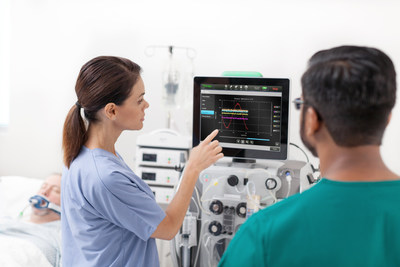
MISSISSAUGA, ON, Aug. 12, 2019 /CNW/ - Baxter Canada, a leader in acute care, announced today Health Canada's approval of its PrisMaxsystem and integrated TherMaxblood warmer---the company's next-generation platform for continuous renal replacement therapy (CRRT), therapeutic plasma exchange (TPE) and organ support therapies (OST). The PrisMaxsystem was developed with input from more than 650 healthcare providers globally and is designed to help simplify the complexities of delivering CRRT while providing more time for patient care in the Intensive Care Unit (ICU).
"We're excited to bring PrisMax to Canadian ICUs, where clinicians are often fighting the clock to meet the unique needs of their critically ill patients," said Victoria Jurincic, head of Baxter's renal business in Canada. "This system's innovative features help simplify therapy delivery and maximize its accuracy and efficiency. With 20 years of expertise in CRRT and blood filtering technology, Baxter is uniquely positioned to bring this platform to market and help our customers as they strive to save and sustain lives."
Building on Baxter's leading Prismaflextechnology currently used by hospitals in more than 90 countries, the PrisMaxsystem is used to treat patients with acute kidney injury (AKI)—a common complication in the ICU that is associated with a greater risk of adverse outcomes for critically ill patients1—and fluid overload. Of the more than 400,000 patients admitted to Canadian ICUs every year, approximately 25-30 percent will develop AKI during their hospitalization—an incidence rate that has been on the rise both in Canada and globally2. According to a study that examined Canadian critical care units, patients with AKI were more likely to die than those without it. 3
Baxter designed the PrisMaxsystem to optimize treatment accuracy and system performance, while making it simpler and more efficient for clinicians to use. Treatment accuracy is a critical component of delivering the benefits of CRRT, and the system uses intelligent pump and scale adjustments to help ensure that fluid removal targets prescribed by the patient's clinical team are met. PrisMaxalso offers clinicians flexibility for effluent management, with the option of auto-effluent drain or effluent bag drain configurations. Additionally, a prospective, multicenter, international pilot study found that PrisMax delivered significant improvements in areas that impact efficiency and ease of use, including the time needed for bag changes, the number of informational and malfunction alarms, how often the blood pump stops, filter life and machine downtime.4
The integrated TherMaxblood warmer, which is used exclusively with the PrisMax system, is an important component for extracorporeal therapies to warm the blood prior to returning to the body, helping keep the patient's body temperature at a normal level. TherMax also includes several advanced patient safety features to help control blood return temperature, detect leaks, and to ensure the correct setup.5
Baxter has launched PrisMaxin more than 20 countries across Europe, the United States and Australia, and expects to file for regulatory approval of PrisMaxin additional countries in 2019 and 2020.
About Baxter Canada
Every day, millions of patients and caregivers rely on Baxter's leading portfolio of critical care, nutrition, renal, hospital and surgical products. In Canada, we've been operating at the critical intersection where innovations that save and sustain lives meet the healthcare providers that make it happen for 82years. With products, technologies and therapies available in more than 100 countries, Baxter's employees worldwide are now building upon the company's rich heritage of medical breakthroughs to advance the next generation of transformative healthcare innovations. Baxter Canada and its nearly 1,000 employees are located primarily in Ontario at the Head Office, CIVA Admixing and Technical Services Centres in Mississauga, and in Alliston – where Baxter operates Canada's only large-scale manufacturing plant producing life-sustaining intravenous and dialysis solutions. To learn more, visit www.baxter.ca and follow us on Twitter, LinkedIn and Facebook
Rx Only.For safe and proper use of this device, refer to the full Instructions for Use.
This release includes forward-looking statements concerning PrisMaxand TherMax, including potential benefits associated with their use. The statements are based on assumptions about many important factors, including the following, which could cause actual results to differ materially from those in the forward-looking statements: satisfaction of regulatory and other requirements; actions of regulatory bodies and other governmental authorities; product quality, manufacturing or supply, or patient safety issues; changes in law and regulations; and other risks identified in Baxter's most recent filing on Form 10-K and other SEC filings, all of which are available on Baxter's website. Baxter does not undertake to update its forward-looking statements.
Baxter, PrisMax, TherMax, andPrismaflex are registered trademarks of Baxter International Inc.
1 Odutayo Can J Anesth 2012
2 Wald-AJKD Incidence and Outcomes 2014
3 Can J Anesth/J Can Anesth (2012) 59:934–942
4 Broman M, et alBlood Purif. 2018;46:220-227
5 Baxter - TherMax Operators Manual. AW7006 Rev A 2018;Sep
SOURCE Baxter Corporation
Biomarker to avoid safety risk for the sleep deprived
UNDER STRICT EMBARGO UNTIL 01.00 GMT 8 AUGUST 2019
Not for publication or broadcast before this time
Biomarker to avoid safety risk for the sleep deprived: Eye-movement test indicates sleep loss
Lack of sleep can be dangerous; it is thought to play a role in up to 30% of all motor vehicle crashes and even implicated in catastrophic events, such as the Chernobyl nuclear disaster (1, 2). As sleepy individuals are often unaware of their performance impairments, there is a critical need for objective measures of deficits due to sleepiness to prevent accidents. New research published today in the The Journal of Physiology shows that a range of eye-movement tests provide a reliable biomarker of individual acute sleep loss. (Learn more in our video: https://www.youtube.com/watch?v=yBXxSqQ0F_U&feature=youtu.be).
The research, conducted at NASA’s Ames Research Center in California’s Silicon Valley, found that a set of easily-obtainable eye-movement measures could be used to provide a sensitive and reliable tool to detect small neural deficits. Importantly, these measures could even be used to distinguish sleep-related impairment from that due to alcohol or brain injury.
To establish a baseline, the research team had the participants experience two weeks with a regular 8.5 hours per night sleep schedule and abstain from any alcohol, drugs, or caffeine so that they were sure they started the experiment completely well-rested with no sleep debt or disruptions.
They then had the participants spend up to 28 hours awake in the Fatigue Countermeasures Laboratory at NASA Ames, where they tested them periodically throughout the day and night to monitor how their visual and eye-movement performance changed throughout the day-night cycle.
By using state-of-the-art eye movement research techniques, they were able to generate reliable effects showing trends of increasing impairment throughout the night for components of motion perception, such as smooth, continuous tracking eye movements (called pursuit), and effects on the small, episodic, jumping corrective eye movements (called saccades)
The researchers found that when participants were asked to track stimuli with unpredictable onset, direction, speed and starting location, human eye movements were dramatically impaired.
These findings have important implications for individuals who work in jobs requiring vigilant monitoring and precise motor action, such as military personnel, surgeons and truck drivers. These measures could be used in assessing individuals working during the biological night, or following sleep loss.
Lee Stone, senior author on the study said:
“There are significant safety ramifications for workers who may be performing tasks that require precise visual coordination of one’s actions when sleep deprived or during night shifts. By looking at a wide variety of components of human eye movements, we could not only detect sleepiness but also distinguish it from other factors, such as alcohol use or brain injury, that we have previously shown cause subtly different deficits in eye movements.”
Notes for Editors
Mitler, M. M., Carskadon, M. A., Czeisier, C. A., Dement, W. C., Dinges, D. F., & Graeber, R. C. (1988). Catastrophes, sleep, and public policy: consensus report. Sleep, 11(1), 100-109.
Smith, A. P. (2016). A UK survey of driving behaviour, fatigue, risk taking and road traffic accidents. BMJ open, 6(8), e011461.
Distinct Pattern of Oculomotor Impairment Associated with Acute Sleep Loss and Circadian Misalignment https://physoc.onlinelibrary.wiley.com/doi/10.1113/JP-RP-2019-277779 (link will only work after the embargo date. Before then, please email the press office for a copy of the paper)
The Journal of Physiology publishes advances in physiology which increase our understanding of how our bodies function in health and disease. http://jp.physoc.org
The Physiological Society brings together over 4,000 scientists from over 60 countries. The Society promotes physiology with the public and parliament alike. It supports physiologists by organising world-class conferences and offering grants for research and also publishes the latest developments in the field in its three leading scientific journals, The Journal of Physiology, Experimental Physiology and Physiological Reports. www.physoc.org
Geyser Brands Announces TSX Conditional Approval of Solace Management Group Acquisition
Acquisition will boost Geyser Brand's product portfolio and financial profile.
/THIS NEWS RELEASE, PROVIDED PURSUANT TO APPLICABLE CANADIAN REQUIREMENTS, IS NOT FOR DISTRIBUTION TO U.S. NEWS SERVICES OR FOR DISSEMINATION IN THE UNITED STATES, AND DOES NOT CONSTITUTE AN OFFER OF THE SECURITIES DESCRIBED HEREIN. THESE SECURITIES HAVE NOT BEEN REGISTERED UNDER THE UNITED STATES SECURITIES ACT OF 1933, AS AMENDED, OR ANY STATE SECURITIES LAWS, AND MAY NOT BE OFFERED OR SOLD IN THE UNITED STATES OR TO U.S. PERSONS ABSENT REGISTRATION OR APPLICABLE EXEMPTION FROM REGISTRATION REQUIREMENTS./
VANCOUVER, Aug. 6, 2019 /CNW/ - Geyser Brands Inc. (TSXV:GYSR) ("Geyser Brands" or the "Company") is pleased to announce that, further to the Company's press releases February 11, 2019, March 11, 2019 and May 28, 2019, the TSXV Exchange (the "Exchange") has conditionally approved Geyser Brands' acquisition of Solace Management Group Inc. ("Solace"). For details regarding the acquisition, please refer to the aforementioned press releases and the definitive agreement filed on the Company's SEDAR profile. The Company expects the transaction to complete by the end of August 2019, subject to the terms of the definitive agreement, satisfaction of any Exchange enquiries and receipt of final approval from the Exchange.
About Solace
As reported in previously disseminated news releases, Solace leverages its brands, intellectual property and proprietary formulations in the hemp and CBD markets by licensing distribution and production arrangements.
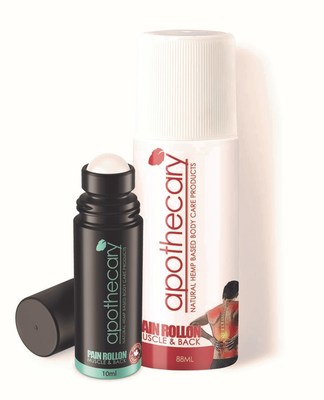
Solace's brands and assets include among other things, the Apawthecary Pets line of products which are leading all-natural hemp-based pet treats with formulations for human grade, all-natural pet treats, salves and oral drops. Apawthecary Pets products are currently being sold in pet stores and veterinarian clinics across Canada, including Bosley's, PetLand, Pharmasave, Buckerfields, Shoppers Drug Mart, Global Pet Foods and Pet Planet to name a few. Solace's product portfolio currently comprises of 23 products and 57 SKU's of both pet and consumer healthcare goods. All products are currently utilizing organic, unrefined, cold-pressed hemp seed oil extracts.
As part of the Solace's continued growth, it has recently moved to a new 7,500 sq. ft. facility built to (GMP) Good Manufacturing Practices. The new facility is anticipated to increase Solace's production capacity significantly in order to meet the growing demand and will allow the development of new products and formulations.
The Company's CEO, Andreas Thatcher, stated, "The management team at Solace has an exemplary track record in building businesses in the health-related cannabis industry. This conditional approval brings us one step closer to our intended goal of extending these businesses into the regulated cannabis space, and into world markets. Geyser Brands will be proud to associate with and support the team that continues to lead the Cannabis industry through innovation and customer loyalty."
Shareholder Approval
As previously announced, the Proposed Transaction is not an "arm's length transaction" as such term is defined in the Exchange's Policy 1.1 and therefore constitutes a "related party transaction" as such term is defined in Multilateral Instrument 61-101 – Protection of Minority Security Holders in Special Transactions ("MI 61-101").
Although the Company is exempt under MI 61-101 in respect of minority shareholder approval and formal valuations, in accordance with the Exchange's Policy 5.3, the Proposed Transaction constitutes a "reviewable transaction", and, as the number of shares issuable to "Non-Arm's Length" parties exceeds 10% of the number of common shares issued and outstanding in the capital of the Company, the Exchange requires the Company to seek approval of a simple majority of the Company's shareholders, excluding certain insiders, including those Non-Arm's Length parties. The Exchange has approved the Company's proposal to obtain evidence of shareholder approval by way of written consents from the Company's shareholders. The Company is in the process of obtaining written consents directly from the Company's shareholders and will provide updates once a simple majority has been reached.
ABOUT GEYSER BRANDS Geyser Brands Inc. builds health-based hemp CBD consumer products in the nutraceutical, cosmetics, food & beverage and pet sectors world-wide. Geyser Brands owns a Health-Canada approved Licensed Producer (LP) in Port Coquitlam, B.C. that holds cultivation and processing licenses and is anticipating its R & D and sales licenses. Geyser Brands will utilize both of its GMP- licensed facilities in British Columbia for the manufacturing and distribution of its hemp and CBD-based products internationally. For more information, visit Geyser Brands' website atwww.geyserbrands.com.
On Behalf of the Board of Directors
Andreas Thatcher Director and CEO
CAUTIONARY AND FORWARD-LOOKING STATEMENTS
This news release contains forward‐looking statements and forward‐looking information within the meaning of applicable securities laws. These statements relate to future events or future performance. All statements other than statements of historical fact may be forward‐looking statements or information. Forward‐looking statements and information are often, but not always, identified by the use of words such as "appear", "seek", "anticipate", "plan", "continue", "estimate", "approximate", "expect", "may", "will", "project", "predict", "potential", "targeting", "intend", "could", "might", "should", "believe", "would" and similar expressions.
Forward-looking statements and information are provided for the purpose of providing information about the current expectations and plans of management of the Company relating to the future. Readers are cautioned that reliance on such statements and information may not be appropriate for other purposes, such as making investment decisions. Since forward‐looking statements and information address future events and conditions, by their very nature they involve inherent risks and uncertainties. Actual results could differ materially from those currently anticipated due to a number of factors and risks. These include, but are not limited to, the risks associated with the marijuana industry in general such as operational risks in growing; competition; incorrect assessment of the value and potential benefits of various transactions; ability to access sufficient capital from internal and external sources; failure to obtain required regulatory and other approvals and changes in legislation, including but not limited to tax laws and government regulations. In addition, the proposed acquisition of Solace Management Group Inc. remains subject to the execution of a binding definitive agreement and other conditions, including the approval of the TSX Venture Exchange. There is no assurance that the proposed acquisition of Solace will be completed as described in this news release, or at all. Accordingly, readers should not place undue reliance on the forward‐looking statements, timelines and information contained in this news release. Readers are cautioned that the foregoing list of factors is not exhaustive.
NEITHER TSX VENTURE EXCHANGE NOR ITS REGULATION SERVICES PROVIDER (AS THAT TERM IS DEFINED IN THE POLICIES OF THE TSX VENTURE EXCHANGE) ACCEPTS RESPONSIBILITY FOR THE ADEQUACY OR ACCURACY OF THIS RELEASE.
LUCA Biologics Launches to Develop Live Biotherapeutics for Women’s Health Starting with Urinary Tract Infection (UTI)
Emerging from 15 years of Dr. Jacques Ravel’s vaginal microbiome research, LUCA’s pipeline targets UTI, bacterial vaginosis (BV), and preterm birth (PTB)
TORONTO, ON – August 6, 2019 – LUCA Biologics, a biotechnology company co-founded by Dr. Jacques Ravel, announced today it will develop live biotherapeutics for widespread, unmet medical needs in women’s health. Ravel will serve as LUCA’s Chief Scientist.
The company’s first therapeutic targets urinary tract infection (UTI), estimated by the World Health Organization to impact half of women globally, and is the most common bacterial infection in the United States. FDA trials are anticipated to be led by Harvard Medical School faculty and conducted at Massachusetts General Hospital. Patient recruitment will begin this fall.
Antibiotics are currently the only frontline treatment despite patient side effects, failure to prevent recurrence, and the alarming rise in antibiotic resistance. Persistent, prophylactic antibiotic use has both contributed to the increase in causative pathogen resistance and been linked to collateral damage in the gut and vaginal microbiome. The FDA has also actively advised against the use of several antibiotics for community-acquired UTI, leaving patients with few viable options.
Ravel’s research is foundational to the current understanding of the vaginal microbiome and how microbes may prevent or treat pervasive conditions in gynecology, urology, infectious disease, and reproductive medicine. “There is an urgent need for innovation in women’s health,” said Ravel, a leading scientist in the NIH’s Human Microbiome Project. “While our research started with metagenomic sequencing to generate large comparative data sets, we can now translate our findings into safe and effective treatments for widespread conditions that stigmatize and devastate millions of women each year.”
With a strain bank and gene catalogue isolated over 15 years from longitudinal, Gates Foundation and NIH-funded research, the company has built a metagenomic and metatranscriptomic platform to identify and validate strains that modulate the vaginal and urogenital microbiome. LUCA’s pipeline includes therapeutics for UTI, preterm birth (PTB), and bacterial vaginosis (BV).
“We have an unparalleled opportunity to make a true impact in women’s health and translate breakthroughs in microbiome science into innovative therapeutics,” said Luba Greenwood, LUCA co-founder and board member. “We are targeting areas of high unmet medical needs to revolutionize treatment for often poorly treated conditions that affect millions of women across the world.”
The company’s Board of Advisors is comprised of a consortia of experts across vaginal health, microbiology, reproductive medicine, microbial genomics, and mucosal immunology, including Dr. Marina Walther-Antonio (Mayo Clinic), Dr. Douglas Kwon (Harvard Medical School, MIT), Dr. Maria Gloria Dominguez-Bello (Rutgers), Dr. Anne Dunlop (Emory School of Medicine), Dr. Gregor Reid (Western) and Dr. Indira Mysorekar (Washington University). Dr. Greg Sieczkiewicz (MPM Capital) and Raja Dhir (Seed Health) will serve as board members.
LUCA LAUNCHES OUT OF SEED HEALTH FOUNDRY LUCA is the first biotechnology company to emerge from Seed Health, a microbial sciences company accelerating breakthrough science into live biotherapeutics and consumer innovations. Through its foundry model, Seed Health partners with leading scientists to provide capital investment, regulatory and IP guidance, biofermentation scale-up, and efficiencies in clinical trials through its academic partnerships. Seed Health was founded by Ara Katz and Raja Dhir to realize the potential of microbes to target pervasive, unmet medical needs for which microbial therapies may become or replace the primary standard of care.
“Launching LUCA represents a turning point in women’s health and reflects our commitment to pioneer live biotherapeutics as the next frontier in modern medicine,” said Dhir, co-CEO and co-founder of Seed Health.
About LUCA Biologics LUCA Biologics is a biotechnology company developing a new class of living medicines targeting the vaginal microbiome to impact reproductive and urogenital health. Emerging from the lab of Dr. Jacques Ravel, a leading scientist in the vaginal microbiome division of the NIH's Human Microbiome Project, the company has built a metagenomic and metatranscriptomic platform to identify and validate strains to modulate the vaginal and urogenital microbiome. luca.bio
About Seed Health Seed Health is a microbial sciences company pioneering applications of bacteria to impact human and environmental health. In collaboration with leading academic partners, Seed Health’s foundry model accelerates breakthrough science to develop live biotherapeutics and consumer innovations. The portfolio targets some of the most pressing, pervasive conditions for which microbes can become or replace the primary standard of care. seedhealth.com
4 Tips for Preventing Injury while Exercising
Learning ways to prevent exercise injuries can help keep yourself from becoming sidelined. Having an injury may hinder your workout routine and cause a major roadblock in your fitness journey. To prevent any injuries while exercising, try following these four tips.
Don’t Increase Workout Intensity Too Quickly
If you try to increase your workout intensity by a lot before your body is ready to handle the extra load, you could be setting yourself up for injury. This is especially true if you recently started a fitness routine after not exercising for an extended period. It’s best to start off doing three 20-minute exercise sessions per week at moderate intensity and build up from there. Verywell Fitalso suggests using the perceived exertion scale, which can determine how well your body responds to exercise.
Warm Up Correctly
Jumping into high-intensity exercises at the beginning of your workout can lead to muscle strains and tears. Light stretching can help the body become more limber so that it’s better prepared for the physical demands of exercise. Doing a slow jog or bike ride can also help you warm up properly. Other exercises that can warm up muscles include T pushups, high kicks and lunges with upper body twists.
Develop Proper Muscle Balance
Muscle imbalances can result in stronger muscles overpowering weaker ones when trying to engage in certain physical activities, and any imbalance could put undue strain on the weaker muscles and cause injuries. One of the best ways to correct muscle imbalances is with the muscle activation technique, which involves strengthening the weaker muscles so that the surrounding muscles don’t experience excessive tension or tightness as they try to compensate for the strength differences. Working with a personal trainer who’s experienced in correcting muscle imbalances can help you develop the proper exercise methods.
Eat Enough of the Right Foods
Not eating enough throughout the day could put you at greater risk for injury when it comes time to exercise. Muscles that don’t receive the proper nourishment often don’t function as efficiently and can be more vulnerable to strains and other problems. Your energy levels may also be depleted from not eating enough, and this can make you feel lethargic and more prone to getting hurt. In addition to eating meals that are high in essential vitamins and nutrients, it’s best to consume yogurt, an energy bar or another carbohydrate-rich snack 30 to 60 minutes before a workout.
Keeping yourself out of harm’s way is possible with the right strategies to prevent injuries during exercise. By making additional efforts to keep yourself healthy while getting into better shape, you’ll have an easier time achieving your fitness goals.
Research reveals potential care gap for pregnant women with lupus
VANCOUVER, Aug. 2, 2019 /CNW/ - A new study by Arthritis Research Canada has found that almost 30 per cent of pregnant women with systemic lupus erythematosus discontinue their antimalarials (especially in the first trimester) despite these medications being safe and recommended during pregnancy.
Women with lupus have a higher risk of experiencing pregnancy-related complications like miscarriage, stillbirth, preeclampsia, eclampsia, preterm labour and fetal growth restriction. As a result, the findings of this research are concerning.
"In order to reduce the risk of adverse pregnancy, fetal and neonatal outcomes, it is important that pregnant women continue managing their disease," said Dr. Mary De Vera, a Research Scientist of Pharmacoepidemiology at Arthritis Research Canada and lead researcher on the study.
The findings of this research point to the importance of educating women with lupus who are pregnant, or planning to become pregnant, about the benefits and risks of medications during pregnancy.
"Considering that antimalarials are considered safe and recommended for managing disease activity during pregnancy, the relatively high discontinuation rates prior to and during pregnancy are alarming," Dr. De Vera said. "They may indicate a care gap that needs to be addressed by health care providers and an information gap for women with lupus."
Few prior studies have examined medication use in pregnant women with lupus and showed varying frequencies of use prior to conception, during pregnancy, and post-partum.
Lupus is a chronic, autoimmune disease characterized by inflammation in one or more parts of the body and systemic lupus erythematosus is the most common form. It is estimated that 1:1,000 Canadian men, women and children are affected by the disease. And between the ages of 15 and 45, women are eight times more likely than men to be diagnosed with lupus.
ABOUT ARTHRITIS RESEARCH CANADA:
Arthritis Research Canada is the largest clinical arthritis research centre in North America. Our mission is to transform the lives of people living with arthritis through research and engagement. Led by world-renowned rheumatologist, Dr. John Esdaile, Arthritis Research Canada's scientific team of over 100 are creating a future where people living with arthritis are empowered to triumph over pain and disability. Within British Columbia, Alberta and Quebec, Arthritis Research Canada is leading research aimed at arthritis prevention, early diagnosis and treatment, and quality of life issues.
To obtain a full copy of the paper, please contact:
There are 47 million Instagram hashtags for #DIY. It’s a hot topic for everything from home décor to crafting, and of course beauty. DIY skincare is hyped as a safe and affordable alternative to store-bought products. Just because it can grow in your backyard or exists in your medicine cabinet, doesn't mean it's good for your skin. Looking into cleaner cosmetics isn't a bad idea, but some natural ingredients YouTube and Instagram sensations swear by can cause adverse side effects. Dr. Gretchen Frieling, a board-certified Boston Area Dermatopathologist, warns us about the most touted DIY skincare ingredients and why you should never put them on your face.
Take these products off of your skincare DIY List
Toothpaste for acne spots Treating pimples with toothpaste is backed by many who have extolled its drying properties. While it can dry the pimple out, Dr. Frieling explains, "it can also cause irritation, redness, and even peeling." The trend most likely started because toothpaste contains ingredients such as baking soda or hydrogen peroxide, which are drying. "This is no better than any over-the-counter products," she adds "and may make the problem worse." The chemical and ingredients in toothpaste that fight bacteria are made for your teeth, not your skin!
Citric acid (lemons and limes) as toners You may have seen DIY exfoliators or toners featuring lemon juice as an ingredient -- but you should really avoid putting this on your face. Dr. Frieling shares, "Because of its high acidity, lemon juice can disrupt the natural pH levels of your skin leading to irritation and hyperpigmentation." While this reaction is not the same for everyone else, it's best to stay away from lemon juice, as you the acidity varies for every lemon.
"A small splash of lemon juice on an acne scar or blemish is said to reduce hyperpigmentation and lighten the skin. But, you may leave your skin with a bigger problem if you go in the sun." Dr. Frieling explains that citric acid in its natural form contains a phototoxic compound called psoralens, which can cause a severe chemical burn when exposed to UV rays. Thankfully, this compound can be extracted from lemon juice through processing, so just because a product contains citric acid doesn't mean you should always avoid it.
Rubbing alcohol to dry acne At the crux of germ-fighting products, rubbing (isopropyl) alcohol cleans wounds, disinfects, and sanitizes the skin. You think it would be great for your face too, right? Think again! "Repeated exposure to isopropyl alcohol on the face strips the skin of its natural protective barrier, oils, and irritates the skin." shares Dr. Frieling. While rubbing alcohol works great to remove bacteria, it's not always what is causing acne breakouts. "Good acne products treat all aspects of the problem," she adds, not just the surface of the skin. "They should target the inner layers of the skin and protecting it's natural pH levels in ways rubbing alcohol can't," says Dr. Frieling.
Baking soda as an exfoliator Baking soda is an alkaline, meaning it attempts to neutralize acidity. When it comes to healthy skin, Dr. Frieling says it should have a pH level of around 5.5. "Baking soda (a pH of 9) can alter the outer layer of skin and actually cause it to break down," she adds, "leaving the skin vulnerable to bacteria and worsening the condition." Baking soda, much like salt or sugar, is also used as a physical exfoliator. Although it can be useful in removing dead skin cells, Dr. Frieling does not recommend using baking soda on the face as over-exfoliation causes irritation.
Raw eggs in your face mask Anyone tell you not to eat raw eggs? Claims of salmonella and stomach issues would persuade you against it, but what about your face? While egg whites are definitely the cheaper alternative to most serums, Dr. Frieling says it should not go anywhere near your face. "If you have a scratch or unhealed blemish on your face, putting raw egg whites on your face can cause infection, not to mention possible allergic reactions," she explains. "Egg white masks are said to tighten pores and brighten the skin, but any pore-tightening properties just get wiped away when washed off."
Coconut oil as a moisturizer or cleanser It's excellent for food, hair, and even the legs, but coconut oil needs to stay far away from your face. Some claim it does wonders for their skin, making it brighter and smoother, others not so much. "Coconut oil is extremely comedogenic," says Dr. Frieling "it can't be absorbed into the skin, clogging your pores, and causing more breakouts." But what about as a cleanser? "Even after washing off, coconut oil leaves a thin layer of film left behind which can suffocate your pores." adds Dr. Frieling. As an alternative, other plant-based oils like Argan oil are anti-comedogenic are great for removing makeup.
When it comes to non-surgical cosmetic procedures, Dr. Frieling has mastered the art of re-defining and re-vitalizing the face by eliminating fine lines, wrinkles and re-establishing volume with a minimalistic approach. She is the founder and CEO of the GFaceMD luxury medical skincare line. GFaceMD is a unique, boutique, client-focused aesthetic practice, with a mission to optimize beauty through advanced microenhancement techniques with utmost professionalism, education, and confidentiality. Services include injectables from neurotoxins to dermal fillers, fat dissolving treatments, collagen-stimulating treatments, laser treatments, medical facials, microneedling, chemical peels, dermaplaning, and more. Along with splitting her time as a practicing Dermatopathologist, Dr. Frieling enjoys spending time with her husband, her two kids, and extended family, as well as volunteering in the community. She is an avid philanthropist, serving as a judge in the Miss Pink Organization, an active member of the Juvenile Diabetes Research Foundation, and a contributor to many non-profit organizations, including My Life My Choice and St. Jude.
Allergan Released a Recall for Breast Implants
The world of breast augmentation features more technology than ever before, not to mention more knowledge about breast implant creation. As medical knowledge increases, technology adapts to make implants safer than ever before. After gaining more insight into the safety standards of textured breast implants, news came out concerning health risks associated with them.
After being banned in Europe and facing FDA inquiries, Allergan has announced a global recall on their textured Biocell breast implants. The recall is centered around an increased risk for a rare form of cancer known as anaplastic large-cell lymphoma. Globally, a total of 537 reported cancer cases are linked to the implants.
All patients who received breast implants are urged to check with their plastic surgeons to find out the type of implants they received. If you were given Allergan Biocell implants, it’s crucial to discuss your options with your plastic surgeon and book an explant procedure.
Explanting 101
An explant procedure is the act of removing breast implants, and it’s typically followed by one of several procedures that ameliorate the look of implant removal. If your breast implants are recalled, then the first step to make is to have your implants removed.
Explanting is typically done under general anesthesia.
The type of explant procedure that needs to be performed is called an “en block capsulectomy.” This removes the entire implant, along with its casing, in a single swoop. By keeping the implant intact and removing the capsule alongside it, the risk of being exposed to the cancer-causing elements gets decreased and natural tissue pliability is maintained.
During the process, a small incision is made in the same area where implants were first placed in. Then, the doctor goes in through the incision to remove the implants. After the implants are removed, the incision is closed.
All Patients are then given a customized aftercare plan, and will see a full recovery in three to four weeks.
Option 1: Replacement
The most common option people choose is a replacement option for their implants. This involves choosing a new pair of implants that offer a similar (or better) result, and inserting them in the empty space left by the now-gone implants.
The replacement operation is done at the same time as explanting, and typically involves minimal extra recovery time. You and your surgeon will work together to choose the right implants or procedures for you.
Option 2: Mastopexy
At times, patients won’t want to replace their implants after an explant procedure. This leaves excess skin and space where the implants once rested. If left alone, this could cause sagging. To fix this issue, plastic surgeons offer mastopexies.
Mastopexy procedures are done under general anesthesia, often right after explanting. The surgeon removes excess skin and tightens the skin around it. This gives breasts a lifted, smoother appearance.
Option 3: Auto-Augmentation Breast Lift
In a traditional mastopexy, excess tissue is removed in order to lift and tighten the base breast tissue. This inadvertently causes the patient to lose breast tissue, which isn’t something that is always desirable. One of the procedures that offers a natural, tighter appearance without loss of breast size is auto-augmentation mastopexy.
During auto-augmentation mastopexy, the surgeon begins by removing the excess tissue through incisions specific to the patient’s breast size. Then, he will use the excess tissue to reshape and augment the breasts. This preserves the breast size, while giving breasts a firmer, lifted shape.
Option 4: Mastopexy with Fat Grafts
At times, the excess tissue alone is not enough to give implant-free breasts a lifted and youthful look. When this is the case, surgeons will use liposuction to remove fat deposits from another part of the body, sanitize the fat, and the graft it onto the breast tissue. The surgeon will then tighten skin around the breast and close incisions.
Mastopexies performed with fat grafts are typically done concurrently with explants. At times, it is performed in conjunction with other surgeries like liposuction or arm lifts. This cuts surgery time and also makes it easier to recover from everything without excess resting periods.
One thing that patients should know is that regular fat grafts do lose a certain percentage of their volume after transfer. When you heal, it’s normal to see a slight reduction in volume. So, excess fat will be inserted in order to make up for the loss that will happen while breasts heal.
Option 5: Mastopexy with Alternative Fat Grafting Technique
One of the newest methods to offer implant-free, lifted breasts uses “Biocharged” fat grafts. These fat grafts undergo a special treatment to ensure they last longer and are more likely to stay at their full size. The procedure is almost identical to standard fat grafts, but includes a special treatment to improve the quality of fat. Learn Your Options
Allergan’s global recall on Biocell breast implants is a serious one, and can impact the health of recipients.
Dr. Trovato discusses the matter on the New Theory Podcast here:
New CDC statistics showed that 10 million Americans vape on a regular basis and 3 million of these users are under the age of 18 years old. Marketed as a “safer” alternative to smoking cigarettes, the widespread use of vapes has dramatically increased since its introduction in 2003.
Is vaping really much better than smoking cigarettes? Recent news of teens being sent to the hospital after experiencing nicotine-induced seizures has sparked controversy on the subject more than ever before. KMR Communications represents Dr. Niket Sonpal, a NYC gastroenterologist and assistant professor at Touro College of Osteopathic Medicine, who can address the risks of vaping.
What it is: Vapes are hand-held battery-powered devices (e-cigarette) that mimic the actions and sensations of smoking a cigarette. They have a heating component, which atomizes tiny liquid particles (e-liquid), which turns into vapor. The exact composition of ingredients vary depending on the e-cigarette, but most contain nicotine, propylene glycol, glycerin, and other flavoring additives.
How it’s different from cigarettes: The most significant difference between vaping and smoking cigarettes is there is no tobacco or combustion involved.
Why vapes are alarming: E-liquid in vapes are found to contain levels of known carcinogens and toxic chemicals, as stated by the FDA. Many of these toxic chemicals that cause lung diseases are also found in cigarettes.
Risks of vaping: Nicotine is the primary element in vapes, which we all know, is highly addictive and has been known to cause certain cardiovascular diseases. It constricts the blood vessels and raises your blood pressure. In teens primarily, nicotine affects the development of the brain, leading to behavioral determinants such as anxiety, depression, difficulty concentrating, and other mood disorders.
Potential side effects:
Sore throat
Shortness of breath
Toxin exposure
Nicotine overdose
“Popcorn lung”
Gateway to other addictive substances
About Dr. Niket Sonpal:
Dr. Niket Sonpal is an Adjunct Assistant Professor at Touro College of Osteopathic Medicine and Clinical instructor at Kingsbrook Jewish Medical Center, Brooklyn who specializes in gastroenterology. He is a graduate of the Medical University of Silesia – Hope Medical Institute in Poland. After completing his residency in Internal Medicine at Lenox Hill Hospital, he was selected to be the 2013‐2014 Chief Resident at Lenox Hill Hospital–Northshore LIJ Health System. Dr. Sonpal has completed his Fellowship in gastroenterology & hepatology at Lenox Hill Hospital and continues his work in the field of medical student and resident test preparation. He now serves as the associate program director for the Internal Medicine Residency Program at Brookdale University Medical Center.
He is the co‐author for the best-selling Master the Boards: USMLE Step 2 CK, Master the Boards Step 3, And Master the Boards: Internal Medicine. He is also the Chief Operating Officer for Medquest Test Prep, Director of Medical Education for Picmonic Test Prep, and a recognized expert on medical test prep.
TRAIN IT RIGHT NEWSLETTER
Sign Up and get a free 7 day Train it Right HIIT Program!