As women, we are pretty familiar with how to handle skincare 911’s, blunders with our hair, shaving mishaps, and how to correct makeup mistakes. When it comes to brows, this particular part of our face is a bit more mysterious. Many of us grew up simply waxing, tweezing or leaving them au naturel until brows became the hottest “accessory” on our face with a multitude of options of ways to groom and improve upon them. What happens when you face a brow emergency? There is no better expert to turn to for advice than Umbreen Sheikh, a licensed cosmetologist, and founder + CEO of Wink Brow Bar and Salon in New York City.
Problem: Overplucking your brows-
Almost every woman has gotten too close to that magnifying mirror and been overzealous with a tweezer. Umbreen says, “Don’t fear. You can fake it till you make it with subtle makeup tricks that will help to create the illusion of a fuller, thicker brow. This can be done with Wink’s own Brow Perfecting Quad.” https://winkbrowbar.com/collections/our-products/products/wink-brow-perfecting-quad Brush the two powders through, then brush through again to blend for a natural-looking finish. Finally, use a highlighter to camouflage any random hairs. Umbreen says that “Drawing a straight line under your brow will help minimize the appearance of strays. This will also lighten and brighten the entire eye area, drawing more attention to the eyes.”
Problem: Creating a too wide eyebrow gap
The obvious solution to this is to fill in the points closest to the bridge of the nose to lessen the gap. This can be done via microblading. Microblading is a semi-permanent tattoo technique used to create the illusion of fuller brows. With this method, Umbreen can create almost any look and shape. First, Wink technicians consult with clients about the best brow shape for their face and choose a color that matches the natural hair color and skin undertone. The brow area is then cleaned and numbed for the treatment. Instead of using a tattoo machine, a handheld tool manually draws hair strokes. This all can take up to 30 to 40 minutes. Results can last anywhere from one to three years, depending on your skin type (the ink fades faster on oily skin), products, and lifestyle. It’s also an ideal procedure for women who have lost brow volume due to age, menopause or chemotherapy.
Problem: Unruly Brows-
Bold, feathery brows are in, but messy is an adjective you never want to be associated with your arches. “If your brow hairs are “wonky,” you need a game plan for controlling them,” says Umbreen. If your arches do need a trim, Umbreen suggests brushing your brows up towards the top of your ear with a spooly brush and cutting only the tips off the long hairs pointing the scissors down, (not parallel to the brow). "This gives trimmed brows a natural look, because none of the hairs are exactly the same length," As a finishing touch, mist a spoolie with hairspray and brush it through brows—directing the hairs up for a lifted look.
Problem: Matching your brow color to your hair exactly
In the case of the hair on your head and your eyebrows, you “don’t want to match the curtains to the carpet,” says Umbreen. Very often, a hair colorist will suggest that you tint your brows much lighter if you are going blonder. Umbreen disagrees with this. “Darker brows will act as a frame for the face and enhance your eye color. Generally, it will give you the appearance of a lot more brow.” If you have gone too light or too dark, “eyebrow tinting is the process of applying semi-permanent dye to enhance, shape, and define your brows. This can be done at salons such as Wink. “It gives the appearance of thicker, more youthful-looking brows,” says Umbreen. An average session takes only about 15 minutes and the color should last anywhere from 3-6 weeks. It’s instant gratification as your new eyebrow color will be immediately apparent.
Mistake: Plucking brows too short
Eyebrows that are too short can make your eyes and nose look too big. If you have plucked them or waxed them so that you look like you have half an eyebrow, of course, you can spend the time to pencil them in every day but that if time-consuming and takes skill to make both brows symmetrical. Or… you could get eyebrow extensions. Similar to eyelash extensions, eyebrow extensions are done with tiny fibers of mink or synthetic hairs. The brow extension fibers are then attached to either bare skin or to existing hairs, giving them a fuller, stronger look. The service is from 25 mins to 90 mins depending on thickness or amount of work required.
The Problem- You’re so squeamish for waxing or you bruise easily
You would be hard-pressed to find a woman who enjoys the tear of a strip of wax against her eyelid to remove tiny eyebrow hairs, but yet we put up with it in the name of beauty. For anyone who has ever deviated from their regular waxer on a vacation or business trip, you have most likely ended up being cut or bruised by overly aggressive waxing. There is a great alternative for everyone called organic threading. As Umbreen explains, “With its origins in Asia centuries ago, eyebrow threading is a simple process that is often considered to be one of the most painless (and least invasive) options for shaping brows. The threading process is simple and typically involves a single piece of cotton thread, After wiping the eyebrow area clean with alcohol, the thread is "twisted and pulled along areas of unwanted hair acting like a mini-lasso, lifting the hair directly from the root without the use of any chemicals or unnecessary tugging on delicate skin. As opposed to waxing, tweezing, or lasers, threading is considered one of the safest and most precise methods of hair removal, especially in the delicate areas surrounding the eye. "Threading allows our specialists to have greater control over which hairs are removed.” The technique is also "100 percent natural," which means there are no artificial waxes, chemicals, or invasive techniques used during the procedure.
The Problem- You've made your brows too big and bold.
Don’t assume you have to wash it all off. Instead, take a cotton swab dipped in makeup remover and carefully trace your brow’s natural outline. Remember, brow product should be applied within the brow’s hairline, not beyond it. Cotton swabs will remove any unwanted shading that has ventured too far outside the lines.
Trying at home to make both eyebrows symmetrical
This is one of the most common mishaps that Umbreen hears from clients who tried to ‘go it alone at home.’ Umbreen offers, “When you obsess over making your eyebrows look exactly the same, you can wind up over-plucking them. Too-thin brows are much worse than ones that are just a tad different. Your eyebrows are supposed to be sisters, not twins.
For London born Umbreen, beauty is in her blood. Her mother was a huge influence, having attended cosmetology school and owning London Salons that encompassed all areas of beauty in addition to eyebrow threading, which was quite rare at the time. Umbreen learned to “thread” brows at an early age. Umbreen jokes that her mother taught her, “The birds, the bees and the brows." Growing up, Umbreen spent much of her time in her mother’s salons while also attending University at King’s College London and graduating with a degree in Biomedical Sciences. After marrying in 2003, Umbreen moved to New York where she became PR Director of a niche magazine. In 2005, Umbreen had a son, and in 2011 her daughter was born. After her children were in school, she decided to fulfill her lifelong passion for beauty, brows and product development.
While living in New York, she realized that there were no brow salons that catered to threading and focused on understanding face shapes and how to achieve the perfect brow shape in a way that did not damage the eye area. Although many salons offered waxing, this was not a method Umbreen wished to pursue. She was dismayed by existing salons that offered one size fits all, unhygienic, or painful brow/eyelash treatments.
As someone who learned the reigns of beauty and brows from an entrepreneurial mother, the concept of women’s “Embrowerment” was essential to Umbreen. In 2014, she developed the concept for Wink. Today, her empire includes three Wink Brows Bars in Manhattan, one in Brooklyn and one in London. For those who can’t make it to the salon, Wink has an eponymous line of brow, lash and facial products available for purchase online.
Philanthropic pursuits play a significant role in Umbreen’s life. She is a committee member of “Developments in Literacy” that educates 27,000 girls in Pakistan. She is also a Lotus Circle Advisor for The Asia Foundation a non -profit international organization that works across Asia advancing the rights and opportunities for women through their empowerment program.
Umbreen resides in New York with her financier husband and two children.
Best Cities for Work-Life Balance 2019
By comparing data on work intensity, institutional support, legislation, and livability, study reveals a ranking of cities based on their success in promoting work-life balance to their citizens
Helsinki, Munich, and Oslo top the index as the cities promoting the most holistic work-life balance, compared to the most overworked cities in the study, Tokyo, Singapore, and Washington D.C.
On average, employees in Barcelona (30.5 days)and Paris (30 days)take advantage of the most amount of vacation days offered per year, whereas residents in San Francisco (9.7 days), San Diego (9.7 days), Washington D.C. (9.4 days), and Los Angeles (9.1 days) take the least.
Vancouver, Canada ranks #10 out of 40 for work-life balance worldwide.
Brooklyn,NY, USA, August, 2019 - Mobile access technology company Kisi has released a study examining which cities around the world promote the most holistic work-life balance. With the goal of enhancing an individual's personal and professional life through technological innovation, Kisi has endeavored to find out which coveted metropolises worldwide are meeting their residents’ lifestyle demands to make their city a more attractive place overall to work and live. In response to research on office culture, which addresses the needs of the modern employee, this study aims to go beyond generic metrics such as cost of living, nightlife and tourist attractions. Using data relating to work intensity, social well-being, and livability to analyze the interplay between work and life, the index assesses how successful residents are at achieving a healthy work-life balance in 40 cities around the world.
This index is not designed to be a city livability index, nor is it intended to highlight the best cities to work in. Instead, it aims to be a guideline for cities to benchmark their ability to support the fulfillment of residents’ lives by improving the aspects of life that help relieve work-related stress and intensity. With an ever-increasing burnout rate worldwide, self-care and time management are becoming higher priorities. This study was conducted in the hope that it will bring awareness to the multiple ways in which cities and countries can contribute to the overall happiness and well-being of the workforce.
DO BALANCED BRAINWAVES = HEALTHY MARRIAGE? Neuroscience Expert Shares Fascinating Link Between Brainwave Training & Romance Dating and relationships are hard work - especially in 2019. The changing face of modern romance has led to some pretty depressing stats: A recent survey found that more than 50% of sexually active individuals are dissatisfied with their sex lives; only 30% of Internet daters are in search of true love as opposed to hookups; and a staggering 23% of women aren’t happy in their relationships! It's no wonder nearly half of all marriages today end in divorce.Before you lose all faith in modern romance and turn your back on love, there may be some hope. Though some argue technology is the leading culprit in romantic demise, new tech has also given us incredible insight into love and relationships. According to Neuroscience expert Dr. Patrick Porter, there is a fascinating link between brainwaves and romance.We can't see it, but brains hum with these waves of electrical activity. At the root of all our thoughts, emotions, and behaviors is the communication between neurons within our brains. Changing our brainwaves has a dramatic effect on our physical, mental, and emotional health."Brainwave training has been found to help people de-stress and achieve emotional balance. It is proven to help people who struggle with stress, anxiety, difficulty sleeping, fatigue, - all of which are extremely important factors when it comes to romance and relationships..."...says Dr. Porter, who recently presented research along with Arianna Huffington at the National Biohacking Conference in Los Angeles. According to research, sleep plays a major role in relationships. When we sleep poorly, the parts of our brain devoted to emotional empathy don’t function as well. Sleep loss causes social withdrawal and loneliness and it helps us to be less angry and aggressive. Not surprisingly, anxiety and stress can also negatively impact your relationship. It can lead to inappropriate suspiciousness or paranoia, overthinking, being indecisive, and an appropriate need for reassurance and support.Though there are several methods of brainwave entrainment, one of the most effective is "braintapping" which uses auditory and visual stimulation to synchronize and balance brainwaves. As the light and sound frequency changes, so does the frequency in the brain. Brainwave training stabilizes the limbic system which is involved in motivation, emotion, learning, and memory. Your body is calmed, your breathing becomes rhythmic, your hands warm, and your muscles relax. "The light and sound stimulation boost brain levels of serotonin, beta-endorphins, and norepinephrine. These are the same chemicals that are released during attraction and make us giddy, energetic, and euphoric," says Porter. Brainwave training and biohacking have made tremendous advances in improving symptoms of mental health conditions which are closely tied to relationships. Although in the past, brainwave training and biohacking have received criticism for being unregulated, biohackers argue that's exactly why it needs to be studied and have close attention by the public. Dr. Porter is sharing the fascinating link between brainwave training and its impact on romance and emotional health and he can also explain why balancing brainwaves may improve your love life.IN AN INTERVIEW OR ARTICLE, DR. PORTER CAN DISCUSS:Brainwaves and relationships: the science of love.The fascinating link between brainwave training and its impact on romance and emotional health.Why balancing brainwaves may improve your love life.Biohacking - the latest trend in health and wellness.How to biohack your brain with light, sound, and vibration.What mainstream biohacking means for the healthcare industry. ABOUT DR. PATRICK PORTER:Dr. Patrick K. Porter, PhD, is an award-winning author and speaker who has devoted his career to neuroscience and brainwave entrainment. As the creator of BrainTap Technology™, Porter has emerged as a leader in the digital health and wellness field. BrainTap’s digital tools and mind development apps use Creative Visualization and Relaxation, a biohacking technique that has made tremendous advances in treating mental, physical, and emotional health issues. Braintap has been praised for helping people overcome stress and insomnia, lose weight, stop smoking, manage pain, accelerate learning, and much more. FOR MORE INFORMATION, VISIT: www.braintap.com
Why You May Need a Personalized Nutrition Plan to Lose Weight
Losing weight is never going to be an easy process, but there are some steps that you can take to reach your goals as quickly as possible. With a custom nutrition plan, you will be able to shed pounds and sculpt the body of your dreams without starving yourself.
The Truth About Stubborn Fat
When you eat more calories than you burn, your body is going to store extra fat. While you might notice some additional tissue in your extremities, stubborn body fatalmost always accumulates in the midsection. That fat is very difficult to get rid of, and you could exercise for months without seeing any distinct changes to your abdomen and flanks. That is one of the reasons why so many people have turned to personalized nutrition plans.
Exercising Will Only Get You So Far
For many years, health experts believed that you could target specific pockets of fat with certain exercises. Unfortunately, we now know that spot reducing fat is completely impossible, and you can’t choose which areas are going to become slimmer. When you burn more calories than you consume, you are going to lose weight, but your body will do everything in its power to preserve the fatty tissue in your midsection. If you want to get rid of that fat, then you will need to have your diet dialed in.
Understanding Your Unique Nutritional Needs
Everyone has slightly different nutritional needs, and there isn’t a single type of diet that is going to work for everyone. Some people have more energy when they have tons of carbohydrates throughout the day while others feel lethargic when they are on a high-carb diet. In order to look and feel your best, you will need to stick to a diet that has been personalized for you. Your meal plan should have the proper mixture of macronutrients and the appropriate amount of calories.
The Benefits of a Personalized Nutrition Plan
Personalized meal plans have exploded in popularity in recent years, and they have helped countless people lose weight and feel better than ever. If you are tired of strict diets that seem nearly impossible to follow, then you should consider a personalized nutrition plan. With the proper diet, you could notice distinct improvements to your health within weeks.
In addition to exercising and following a strict diet, you must also schedule a comprehensive checkup with your doctor. Underlying medical conditions might be impacting your weight, and those issues need to be taken care of if you want to achieve your weight loss goals.
FutureNeuro researchers integrate genomics data in to electronic patient records
Improved access to genomic data empowers clinical teams to understand the causes of a person’s epilepsy and develop personalised care
Thursday, 8 August 2019: Researchers from the HSE Epilepsy Lighthouse Project and FutureNeuro, the SFI Research Centre for Chronic and Rare Neurological Diseases hosted by RCSI, have developed a new genomics module in the Irish National Epilepsy Electronic Patient Record (EPR) system.
The work illustrates how an electronic health system can support the integration of genomic test results and new genetic knowledge into routine clinical care in the public health system. This new system will facilitate more personalised forms of medicine.
The research, funded by eHealth Ireland, the Health Service Executive (HSE) and Science Foundation Ireland, is published in the latest issue of the journal Epilepsia.
Many adults and children with epilepsy of unknown cause now undergo genomic testing. An accurate genetic diagnosis can bring great value to the individual, their family and the clinical team. As a result of this research, many people now understand why they have epilepsy. For some, this has been a decades long journey of multiple treatments and no explanation or knowledge of the actual underlying cause for their condition.
“We now know that much of previously unexplained epilepsy is due, in part, to damaging variants in a person’s genome,” said Prof. Norman Delanty, Associate Professor at RCSI, FutureNeuro Investigator and Consultant Neurologist at Beaumont Hospital.
“The potential to understand the reason for a particular person's epilepsy at a molecular level, and to use this information to develop personalised therapies will become a significant advancement in the way we practice medicine.”
Ireland has a world-leading national EPR system designed specifically for epilepsy. This system captures, in great depth, the subtle patient features relevant to specialist care and allows for quicker access to key clinical data to better support people with complex chronic diseases such as epilepsy. In 2015, the HSE and eHealth Ireland designated the national Epilepsy EPR as a “Lighthouse” project for the country to help build an understanding of the quality, safety, and efficiency benefits of EPRs. The Lighthouse project combined the emerging fields of genomics and EPRs to promote personalised medicine and improved healthcare for people with epilepsy.
“The epilepsy EPR system is one of the largest, most detailed collections of active epilepsy eHealth records in the world,” said Mary Fitzsimons, FutureNeuro Epilepsy eHealth Lead and Director of the Epilepsy Lighthouse Project at RCSI. “To our knowledge, the epilepsy genomics module we have developed is the first such specific system in the world. We believe the combined power of genomics and electronic patient records has the capability of enhancing, and in some cases transforming, the practice of medicine.”
The new Epilepsy EPR module facilitates regular multidisciplinary meetings between clinicians, geneticists, bioinformaticians, and other team members, where they review data from genomic testing to determine if there is an identifiable genetic cause for a person’s epilepsy.
“Diagnostic genomic testing is a rapidly growing area in clinical medicine, but there is much work to be done to understand the most effective way to integrate this powerful information into patient care. We hope this new eHealth technology can inform how genomics is integrated into the Irish healthcare system and act as an example for other diseases beyond epilepsy,” said Gianpiero Cavalleri, FutureNeuro Deputy Director and Professor of Human Genetics at RCSI. “Having this data available in a person’s secure electronic record enables multidisciplinary teams to quickly make better decisions about a person’s treatment options.”
FutureNeuro researchers will continue to work with multidisciplinary teams in Irelands leading hospitals and people affected by neurological diseases to enhance the EPR to develop more personalised care.
ENDS
Notes to Editors
About FutureNeuro
FutureNeuro is a new SFI Research Centre dedicated to developing new technologies and solutions for the treatment, diagnosis, and monitoring of chronic and rare neurological diseases. It is supported by Science Foundation Ireland. Initially focusing on Epilepsy and Motor Neuron Disease, FutureNeuro will build rapidly to help transform the lives of the approximately 800,000 people affected by neurological disorders in Ireland.
It connects national and multinational industry with key academics and clinicians based in our leading hospitals to provide diagnostic, therapeutic and E-Health solutions. FutureNeuro’s projects with industry partners will bring diagnostic supports to market, a pipeline of new drugs, and connected health solutions that enable patients to monitor and report their health better than ever before.
Spectrum Therapeutics announces strategic patient support and education partnership with Medical Pharmacies
TORONTO & SMITHS FALLS, ON, Aug. 8, 2019 /CNW/ - Spectrum Therapeutics, the medical division of Canopy Growth Corporation ("Canopy Growth") (TSX: WEED)(NYSE: CGC) today announced that it has entered into a five year service agreement with Medical Pharmacies Group Limited ("Medical Pharmacies"), Canada's largest specialty pharmacy that services residents in long-term care, retirement homes and other settings. Under the agreement, Spectrum Therapeutics will be the preferred medical cannabis education partner to Medical Pharmacies and the seniors it serves in over 500 residences and care facilities.
The agreement will also see Apollo Cannabis Clinics ("Apollo") support patient access and provide ongoing comprehensive medical support to all pharmacists, nursing staff and medical directors in order to ensure utilization of medical cannabis that maximizes safety and efficacy. Apollo is a leading evidence-based cannabis clinic with physical locations in Toronto and virtual access to its clinical team available country-wide.
Spectrum Therapeutics products that will be available to residents in long-term care and retirement homes served by Medical Pharmacies includes a full lineup of medical cannabis ranging from whole-flower to oils and Softgels. Spectrum Therapeutics is known for its easy-to-understand colour-coded spectrum that categorizes medical cannabis according to THC and CBD levels. This is especially appealing amongst seniors given the simplification around strength and dosage which helps healthcare professionals and their patients communicate clearly about product selection.
"Many seniors still face significant barriers when it comes to access and knowledge around the therapeutic value of medical cannabis," said Dr. Mark Ware, Chief Medical Officer, Canopy Growth. "However with the knowledge and support of trained pharmacists along with Apollo Cannabis Clinics and our full-spectrum range of medical cannabis which includes Softgels, a consistent dosing format of ingestible medical cannabis, we're ensuring the highest degree of safety and efficacy of medical cannabis is available to this patient population."
"Apollo is looking forward to providing Canadian seniors living in long term care homes with unparalleled access to the highest quality medical cannabis, care & education," commented Bryan Hendin, President & Founder, Apollo Cannabis Clinics.
Spectrum Therapeutics will work collaboratively with Medical Pharmacies to educate all of its healthcare practitioners, residents and families on the benefits, risks and potential applications of medical cannabis and its potential interactions with existing medications, other treatments and health conditions. Medical Pharmacies will ensure all residents will be able to receive ongoing clinical support from on-site pharmacists and have cannabis integrated into existing care plans if they wish to do so. Clinical pharmacists are in an ideal position to provide guidance on the interaction of medical cannabis with other medications to residents at long-term care and retirement homes as they are specially trained in geriatric medications, monitor all of the residents' medication and work onsite directly with residents at continuing care facilities.
"We look forward to providing holistic pharmaceutical oversight to medical cannabis and are pleased to partner with Spectrum Therapeutics and Apollo Cannabis Clinics to offer safe, supportive, integrated care and seamless delivery for our residents," stated John Leader, CEO of Medical Pharmacies Group Limited. "With many decades of experience providing quality service, people can trust Medical Pharmacies to lead the way in the safe delivery and integration of medical cannabis into their care."
Medical Pharmacies has played an integral role in the development of the care pathway and protocols through its clinical research arm for the ongoing pilot study previously announced by Spectrum Therapeutics with the Ontario Long Term Care Association. This first-of-its-kind study is examining how medical cannabis can potentially displace other, less-desirable therapeutics for both pain and cognitive function for residents in a select group of homes.
This three-way partnership will ensure seniors receive the best care possible.
About Medical Pharmacies Medical Pharmacies (MPGL) is Canada's leading pharmacy specializing in providing pharmacy services to long term care, retirement home and extended care facilities. Through its subsidiary Ontario Medical Supplies (www.oms.ca), MPGL also offers a comprehensive and complementary suite of medical products. The company delivers a personalized pharmacy experience to over 45,000 residents, one person at a time, from multiple locations in Ontario, British Columbia and Alberta. MPGL is a respected innovator of medication management systems that enhance medication accuracy, safety and cost efficiency. The company has been recognized annually since 2000 as one of Canada's Best Managed Companies, and is a Platinum Member. For more information on MPGL, please go to www.medicalpharmacies.com.
About Spectrum Therapeutics Spectrum Therapeutics, the medical division of Canopy Growth Corporation (TSX: WEED, NYSE: CGC), is dedicated to educating healthcare practitioners, furthering the public's understanding of medical cannabis and its various applications, and cutting edge, commercializable research and IP development. Founded in Canada, Spectrum Therapeutics operates in Australia, South America, Africa and across Europe. Its products are available in a wide range of potencies and formats designed to simplify the dialogue around strength and dosage by applying a colour-coded spectrum to categorize medical cannabis according to THC and CBD levels.
Spectrum Therapeutics' offerings include whole flower cannabis, oils and new innovations such as Softgels in addition to single cannabinoid medicine Dronabinol under the brand Bionorica Ethics. Through product simplification, robust clinical research and ongoing education of healthcare professionals, Spectrum Therapeutics is committed to addressing the unmet medical needs of patients around the globe.
About Canopy Growth Corporation Canopy Growth (TSX:WEED, NYSE:CGC) is a world-leading diversified cannabis, hemp and cannabis device company, offering distinct brands and curated cannabis varieties in dried, oil and Softgel capsule forms, as well as medical devices through the Company's subsidiary, Storz & Bickel GMbH & Co. KG. From product and process innovation to market execution, Canopy Growth is driven by a passion for leadership and a commitment to building a world-class cannabis company one product, site and country at a time. The Company has operations in over a dozen countries across five continents.
The Company's medical division, Spectrum Therapeutics is proudly dedicated to educating healthcare practitioners, conducting robust clinical research, and furthering the public's understanding of cannabis, and has devoted millions of dollars toward cutting edge, commercializable research and IP development. Spectrum Therapeutics sells a range of full-spectrum products using its colour-coded classification Spectrum system as well as single cannabinoid Dronabinol under the brand Bionorica Ethics. The Company operates retail stores across Canada under its award-winning Tweed and Tokyo Smoke banners. Tweed is a globally recognized cannabis brand which has built a large and loyal following by focusing on quality products and meaningful customer relationships.
From our historic public listing on the Toronto Stock Exchange and New York Stock Exchange to our continued international expansion, pride in advancing shareholder value through leadership is engrained in all we do at Canopy Growth. Canopy Growth has established partnerships with leading sector names including cannabis icons Snoop Dogg and Seth Rogen, breeding legends DNA Genetics and Green House Seeds, and Fortune 500 alcohol leader Constellation Brands, to name but a few. Canopy Growth operates ten licensed cannabis production sites with over 4.4 million square feet of production capacity, including over one million square feet of GMP certified production space. For more information visit www.canopygrowth.com
Notice Regarding Forward Looking Statements This news release contains "forward-looking statements" within the meaning of the United States Private Securities Litigation Reform Act of 1995 and "forward-looking information" within the meaning of applicable Canadian securities legislation. Often, but not always, forward-looking statements and information can be identified by the use of words such as "plans", "expects" or "does not expect", "is expected", "estimates", "intends", "anticipates" or "does not anticipate", or "believes", or variations of such words and phrases or state that certain actions, events or results "may", "could", "would", "might" or "will" be taken, occur or be achieved. Forward-looking statements or information involve known and unknown risks, uncertainties and other factors which may cause the actual results, performance or achievements of Canopy Growth or its subsidiaries to be materially different from any future results, performance or achievements expressed or implied by the forward-looking statements or information contained in this news release. Examples of such statements include "will be the preferred education partner for medical cannabis to Medical Pharmacies", and "provide ongoing comprehensive medical support to all pharmacists, nursing staff and medical directors in order to ensure safe utilization of medical cannabis". Risks, uncertainties and other factors involved with forward-looking information could cause actual events, results, performance, prospects and opportunities to differ materially from those expressed or implied by such forward-looking information, including product supply, and such risks contained in the Company's annual information form dated June 27, 2018 and filed with Canadian securities regulators available on the Company's issuer profile on SEDAR at www.sedar.com. Although the Company believes that the assumptions and factors used in preparing the forward-looking information or forward-looking statements in this news release are reasonable, undue reliance should not be placed on such information and no assurance can be given that such events will occur in the disclosed time frames or at all. The forward-looking information and forward-looking statements included in this news release are made as of the date of this news release and the Company does not undertake an obligation to publicly update such forward-looking information or forward-looking information to reflect new information, subsequent events or otherwise unless required by applicable securities laws.
SOURCE Canopy Growth Corporation
Baxter Launches Prismax In Canada to Maximize Treatment in the Intensive Care Unit
Next-generation platform for continuous renal replacement therapy is designed to simplify treatment delivery and accuracy
Incorporates latest technology and innovative features inspired by clinician feedback
TherMax blood warmer delivers effective blood warming for a variety of organ support therapies
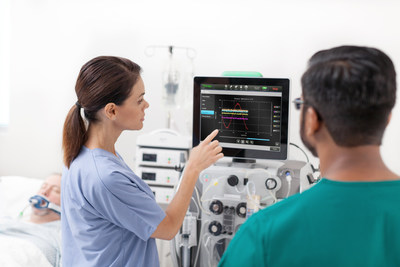
MISSISSAUGA, ON, Aug. 12, 2019 /CNW/ - Baxter Canada, a leader in acute care, announced today Health Canada's approval of its PrisMaxsystem and integrated TherMaxblood warmer---the company's next-generation platform for continuous renal replacement therapy (CRRT), therapeutic plasma exchange (TPE) and organ support therapies (OST). The PrisMaxsystem was developed with input from more than 650 healthcare providers globally and is designed to help simplify the complexities of delivering CRRT while providing more time for patient care in the Intensive Care Unit (ICU).
"We're excited to bring PrisMax to Canadian ICUs, where clinicians are often fighting the clock to meet the unique needs of their critically ill patients," said Victoria Jurincic, head of Baxter's renal business in Canada. "This system's innovative features help simplify therapy delivery and maximize its accuracy and efficiency. With 20 years of expertise in CRRT and blood filtering technology, Baxter is uniquely positioned to bring this platform to market and help our customers as they strive to save and sustain lives."
Building on Baxter's leading Prismaflextechnology currently used by hospitals in more than 90 countries, the PrisMaxsystem is used to treat patients with acute kidney injury (AKI)—a common complication in the ICU that is associated with a greater risk of adverse outcomes for critically ill patients1—and fluid overload. Of the more than 400,000 patients admitted to Canadian ICUs every year, approximately 25-30 percent will develop AKI during their hospitalization—an incidence rate that has been on the rise both in Canada and globally2. According to a study that examined Canadian critical care units, patients with AKI were more likely to die than those without it. 3
Baxter designed the PrisMaxsystem to optimize treatment accuracy and system performance, while making it simpler and more efficient for clinicians to use. Treatment accuracy is a critical component of delivering the benefits of CRRT, and the system uses intelligent pump and scale adjustments to help ensure that fluid removal targets prescribed by the patient's clinical team are met. PrisMaxalso offers clinicians flexibility for effluent management, with the option of auto-effluent drain or effluent bag drain configurations. Additionally, a prospective, multicenter, international pilot study found that PrisMax delivered significant improvements in areas that impact efficiency and ease of use, including the time needed for bag changes, the number of informational and malfunction alarms, how often the blood pump stops, filter life and machine downtime.4
The integrated TherMaxblood warmer, which is used exclusively with the PrisMax system, is an important component for extracorporeal therapies to warm the blood prior to returning to the body, helping keep the patient's body temperature at a normal level. TherMax also includes several advanced patient safety features to help control blood return temperature, detect leaks, and to ensure the correct setup.5
Baxter has launched PrisMaxin more than 20 countries across Europe, the United States and Australia, and expects to file for regulatory approval of PrisMaxin additional countries in 2019 and 2020.
About Baxter Canada
Every day, millions of patients and caregivers rely on Baxter's leading portfolio of critical care, nutrition, renal, hospital and surgical products. In Canada, we've been operating at the critical intersection where innovations that save and sustain lives meet the healthcare providers that make it happen for 82years. With products, technologies and therapies available in more than 100 countries, Baxter's employees worldwide are now building upon the company's rich heritage of medical breakthroughs to advance the next generation of transformative healthcare innovations. Baxter Canada and its nearly 1,000 employees are located primarily in Ontario at the Head Office, CIVA Admixing and Technical Services Centres in Mississauga, and in Alliston – where Baxter operates Canada's only large-scale manufacturing plant producing life-sustaining intravenous and dialysis solutions. To learn more, visit www.baxter.ca and follow us on Twitter, LinkedIn and Facebook
Rx Only.For safe and proper use of this device, refer to the full Instructions for Use.
This release includes forward-looking statements concerning PrisMaxand TherMax, including potential benefits associated with their use. The statements are based on assumptions about many important factors, including the following, which could cause actual results to differ materially from those in the forward-looking statements: satisfaction of regulatory and other requirements; actions of regulatory bodies and other governmental authorities; product quality, manufacturing or supply, or patient safety issues; changes in law and regulations; and other risks identified in Baxter's most recent filing on Form 10-K and other SEC filings, all of which are available on Baxter's website. Baxter does not undertake to update its forward-looking statements.
Baxter, PrisMax, TherMax, andPrismaflex are registered trademarks of Baxter International Inc.
1 Odutayo Can J Anesth 2012
2 Wald-AJKD Incidence and Outcomes 2014
3 Can J Anesth/J Can Anesth (2012) 59:934–942
4 Broman M, et alBlood Purif. 2018;46:220-227
5 Baxter - TherMax Operators Manual. AW7006 Rev A 2018;Sep
SOURCE Baxter Corporation
Biomarker to avoid safety risk for the sleep deprived
UNDER STRICT EMBARGO UNTIL 01.00 GMT 8 AUGUST 2019
Not for publication or broadcast before this time
Biomarker to avoid safety risk for the sleep deprived: Eye-movement test indicates sleep loss
Lack of sleep can be dangerous; it is thought to play a role in up to 30% of all motor vehicle crashes and even implicated in catastrophic events, such as the Chernobyl nuclear disaster (1, 2). As sleepy individuals are often unaware of their performance impairments, there is a critical need for objective measures of deficits due to sleepiness to prevent accidents. New research published today in the The Journal of Physiology shows that a range of eye-movement tests provide a reliable biomarker of individual acute sleep loss. (Learn more in our video: https://www.youtube.com/watch?v=yBXxSqQ0F_U&feature=youtu.be).
The research, conducted at NASA’s Ames Research Center in California’s Silicon Valley, found that a set of easily-obtainable eye-movement measures could be used to provide a sensitive and reliable tool to detect small neural deficits. Importantly, these measures could even be used to distinguish sleep-related impairment from that due to alcohol or brain injury.
To establish a baseline, the research team had the participants experience two weeks with a regular 8.5 hours per night sleep schedule and abstain from any alcohol, drugs, or caffeine so that they were sure they started the experiment completely well-rested with no sleep debt or disruptions.
They then had the participants spend up to 28 hours awake in the Fatigue Countermeasures Laboratory at NASA Ames, where they tested them periodically throughout the day and night to monitor how their visual and eye-movement performance changed throughout the day-night cycle.
By using state-of-the-art eye movement research techniques, they were able to generate reliable effects showing trends of increasing impairment throughout the night for components of motion perception, such as smooth, continuous tracking eye movements (called pursuit), and effects on the small, episodic, jumping corrective eye movements (called saccades)
The researchers found that when participants were asked to track stimuli with unpredictable onset, direction, speed and starting location, human eye movements were dramatically impaired.
These findings have important implications for individuals who work in jobs requiring vigilant monitoring and precise motor action, such as military personnel, surgeons and truck drivers. These measures could be used in assessing individuals working during the biological night, or following sleep loss.
Lee Stone, senior author on the study said:
“There are significant safety ramifications for workers who may be performing tasks that require precise visual coordination of one’s actions when sleep deprived or during night shifts. By looking at a wide variety of components of human eye movements, we could not only detect sleepiness but also distinguish it from other factors, such as alcohol use or brain injury, that we have previously shown cause subtly different deficits in eye movements.”
Notes for Editors
Mitler, M. M., Carskadon, M. A., Czeisier, C. A., Dement, W. C., Dinges, D. F., & Graeber, R. C. (1988). Catastrophes, sleep, and public policy: consensus report. Sleep, 11(1), 100-109.
Smith, A. P. (2016). A UK survey of driving behaviour, fatigue, risk taking and road traffic accidents. BMJ open, 6(8), e011461.
Distinct Pattern of Oculomotor Impairment Associated with Acute Sleep Loss and Circadian Misalignment https://physoc.onlinelibrary.wiley.com/doi/10.1113/JP-RP-2019-277779 (link will only work after the embargo date. Before then, please email the press office for a copy of the paper)
The Journal of Physiology publishes advances in physiology which increase our understanding of how our bodies function in health and disease. http://jp.physoc.org
The Physiological Society brings together over 4,000 scientists from over 60 countries. The Society promotes physiology with the public and parliament alike. It supports physiologists by organising world-class conferences and offering grants for research and also publishes the latest developments in the field in its three leading scientific journals, The Journal of Physiology, Experimental Physiology and Physiological Reports. www.physoc.org
Geyser Brands Announces TSX Conditional Approval of Solace Management Group Acquisition
Acquisition will boost Geyser Brand's product portfolio and financial profile.
/THIS NEWS RELEASE, PROVIDED PURSUANT TO APPLICABLE CANADIAN REQUIREMENTS, IS NOT FOR DISTRIBUTION TO U.S. NEWS SERVICES OR FOR DISSEMINATION IN THE UNITED STATES, AND DOES NOT CONSTITUTE AN OFFER OF THE SECURITIES DESCRIBED HEREIN. THESE SECURITIES HAVE NOT BEEN REGISTERED UNDER THE UNITED STATES SECURITIES ACT OF 1933, AS AMENDED, OR ANY STATE SECURITIES LAWS, AND MAY NOT BE OFFERED OR SOLD IN THE UNITED STATES OR TO U.S. PERSONS ABSENT REGISTRATION OR APPLICABLE EXEMPTION FROM REGISTRATION REQUIREMENTS./
VANCOUVER, Aug. 6, 2019 /CNW/ - Geyser Brands Inc. (TSXV:GYSR) ("Geyser Brands" or the "Company") is pleased to announce that, further to the Company's press releases February 11, 2019, March 11, 2019 and May 28, 2019, the TSXV Exchange (the "Exchange") has conditionally approved Geyser Brands' acquisition of Solace Management Group Inc. ("Solace"). For details regarding the acquisition, please refer to the aforementioned press releases and the definitive agreement filed on the Company's SEDAR profile. The Company expects the transaction to complete by the end of August 2019, subject to the terms of the definitive agreement, satisfaction of any Exchange enquiries and receipt of final approval from the Exchange.
About Solace
As reported in previously disseminated news releases, Solace leverages its brands, intellectual property and proprietary formulations in the hemp and CBD markets by licensing distribution and production arrangements.
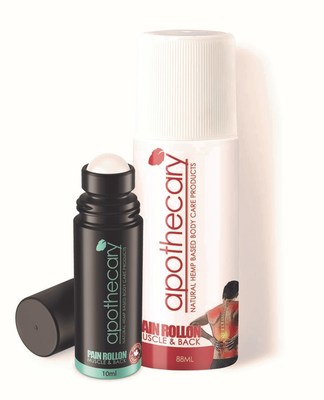
Solace's brands and assets include among other things, the Apawthecary Pets line of products which are leading all-natural hemp-based pet treats with formulations for human grade, all-natural pet treats, salves and oral drops. Apawthecary Pets products are currently being sold in pet stores and veterinarian clinics across Canada, including Bosley's, PetLand, Pharmasave, Buckerfields, Shoppers Drug Mart, Global Pet Foods and Pet Planet to name a few. Solace's product portfolio currently comprises of 23 products and 57 SKU's of both pet and consumer healthcare goods. All products are currently utilizing organic, unrefined, cold-pressed hemp seed oil extracts.
As part of the Solace's continued growth, it has recently moved to a new 7,500 sq. ft. facility built to (GMP) Good Manufacturing Practices. The new facility is anticipated to increase Solace's production capacity significantly in order to meet the growing demand and will allow the development of new products and formulations.
The Company's CEO, Andreas Thatcher, stated, "The management team at Solace has an exemplary track record in building businesses in the health-related cannabis industry. This conditional approval brings us one step closer to our intended goal of extending these businesses into the regulated cannabis space, and into world markets. Geyser Brands will be proud to associate with and support the team that continues to lead the Cannabis industry through innovation and customer loyalty."
Shareholder Approval
As previously announced, the Proposed Transaction is not an "arm's length transaction" as such term is defined in the Exchange's Policy 1.1 and therefore constitutes a "related party transaction" as such term is defined in Multilateral Instrument 61-101 – Protection of Minority Security Holders in Special Transactions ("MI 61-101").
Although the Company is exempt under MI 61-101 in respect of minority shareholder approval and formal valuations, in accordance with the Exchange's Policy 5.3, the Proposed Transaction constitutes a "reviewable transaction", and, as the number of shares issuable to "Non-Arm's Length" parties exceeds 10% of the number of common shares issued and outstanding in the capital of the Company, the Exchange requires the Company to seek approval of a simple majority of the Company's shareholders, excluding certain insiders, including those Non-Arm's Length parties. The Exchange has approved the Company's proposal to obtain evidence of shareholder approval by way of written consents from the Company's shareholders. The Company is in the process of obtaining written consents directly from the Company's shareholders and will provide updates once a simple majority has been reached.
ABOUT GEYSER BRANDS Geyser Brands Inc. builds health-based hemp CBD consumer products in the nutraceutical, cosmetics, food & beverage and pet sectors world-wide. Geyser Brands owns a Health-Canada approved Licensed Producer (LP) in Port Coquitlam, B.C. that holds cultivation and processing licenses and is anticipating its R & D and sales licenses. Geyser Brands will utilize both of its GMP- licensed facilities in British Columbia for the manufacturing and distribution of its hemp and CBD-based products internationally. For more information, visit Geyser Brands' website atwww.geyserbrands.com.
On Behalf of the Board of Directors
Andreas Thatcher Director and CEO
CAUTIONARY AND FORWARD-LOOKING STATEMENTS
This news release contains forward‐looking statements and forward‐looking information within the meaning of applicable securities laws. These statements relate to future events or future performance. All statements other than statements of historical fact may be forward‐looking statements or information. Forward‐looking statements and information are often, but not always, identified by the use of words such as "appear", "seek", "anticipate", "plan", "continue", "estimate", "approximate", "expect", "may", "will", "project", "predict", "potential", "targeting", "intend", "could", "might", "should", "believe", "would" and similar expressions.
Forward-looking statements and information are provided for the purpose of providing information about the current expectations and plans of management of the Company relating to the future. Readers are cautioned that reliance on such statements and information may not be appropriate for other purposes, such as making investment decisions. Since forward‐looking statements and information address future events and conditions, by their very nature they involve inherent risks and uncertainties. Actual results could differ materially from those currently anticipated due to a number of factors and risks. These include, but are not limited to, the risks associated with the marijuana industry in general such as operational risks in growing; competition; incorrect assessment of the value and potential benefits of various transactions; ability to access sufficient capital from internal and external sources; failure to obtain required regulatory and other approvals and changes in legislation, including but not limited to tax laws and government regulations. In addition, the proposed acquisition of Solace Management Group Inc. remains subject to the execution of a binding definitive agreement and other conditions, including the approval of the TSX Venture Exchange. There is no assurance that the proposed acquisition of Solace will be completed as described in this news release, or at all. Accordingly, readers should not place undue reliance on the forward‐looking statements, timelines and information contained in this news release. Readers are cautioned that the foregoing list of factors is not exhaustive.
NEITHER TSX VENTURE EXCHANGE NOR ITS REGULATION SERVICES PROVIDER (AS THAT TERM IS DEFINED IN THE POLICIES OF THE TSX VENTURE EXCHANGE) ACCEPTS RESPONSIBILITY FOR THE ADEQUACY OR ACCURACY OF THIS RELEASE.
LUCA Biologics Launches to Develop Live Biotherapeutics for Women’s Health Starting with Urinary Tract Infection (UTI)
Emerging from 15 years of Dr. Jacques Ravel’s vaginal microbiome research, LUCA’s pipeline targets UTI, bacterial vaginosis (BV), and preterm birth (PTB)
TORONTO, ON – August 6, 2019 – LUCA Biologics, a biotechnology company co-founded by Dr. Jacques Ravel, announced today it will develop live biotherapeutics for widespread, unmet medical needs in women’s health. Ravel will serve as LUCA’s Chief Scientist.
The company’s first therapeutic targets urinary tract infection (UTI), estimated by the World Health Organization to impact half of women globally, and is the most common bacterial infection in the United States. FDA trials are anticipated to be led by Harvard Medical School faculty and conducted at Massachusetts General Hospital. Patient recruitment will begin this fall.
Antibiotics are currently the only frontline treatment despite patient side effects, failure to prevent recurrence, and the alarming rise in antibiotic resistance. Persistent, prophylactic antibiotic use has both contributed to the increase in causative pathogen resistance and been linked to collateral damage in the gut and vaginal microbiome. The FDA has also actively advised against the use of several antibiotics for community-acquired UTI, leaving patients with few viable options.
Ravel’s research is foundational to the current understanding of the vaginal microbiome and how microbes may prevent or treat pervasive conditions in gynecology, urology, infectious disease, and reproductive medicine. “There is an urgent need for innovation in women’s health,” said Ravel, a leading scientist in the NIH’s Human Microbiome Project. “While our research started with metagenomic sequencing to generate large comparative data sets, we can now translate our findings into safe and effective treatments for widespread conditions that stigmatize and devastate millions of women each year.”
With a strain bank and gene catalogue isolated over 15 years from longitudinal, Gates Foundation and NIH-funded research, the company has built a metagenomic and metatranscriptomic platform to identify and validate strains that modulate the vaginal and urogenital microbiome. LUCA’s pipeline includes therapeutics for UTI, preterm birth (PTB), and bacterial vaginosis (BV).
“We have an unparalleled opportunity to make a true impact in women’s health and translate breakthroughs in microbiome science into innovative therapeutics,” said Luba Greenwood, LUCA co-founder and board member. “We are targeting areas of high unmet medical needs to revolutionize treatment for often poorly treated conditions that affect millions of women across the world.”
The company’s Board of Advisors is comprised of a consortia of experts across vaginal health, microbiology, reproductive medicine, microbial genomics, and mucosal immunology, including Dr. Marina Walther-Antonio (Mayo Clinic), Dr. Douglas Kwon (Harvard Medical School, MIT), Dr. Maria Gloria Dominguez-Bello (Rutgers), Dr. Anne Dunlop (Emory School of Medicine), Dr. Gregor Reid (Western) and Dr. Indira Mysorekar (Washington University). Dr. Greg Sieczkiewicz (MPM Capital) and Raja Dhir (Seed Health) will serve as board members.
LUCA LAUNCHES OUT OF SEED HEALTH FOUNDRY LUCA is the first biotechnology company to emerge from Seed Health, a microbial sciences company accelerating breakthrough science into live biotherapeutics and consumer innovations. Through its foundry model, Seed Health partners with leading scientists to provide capital investment, regulatory and IP guidance, biofermentation scale-up, and efficiencies in clinical trials through its academic partnerships. Seed Health was founded by Ara Katz and Raja Dhir to realize the potential of microbes to target pervasive, unmet medical needs for which microbial therapies may become or replace the primary standard of care.
“Launching LUCA represents a turning point in women’s health and reflects our commitment to pioneer live biotherapeutics as the next frontier in modern medicine,” said Dhir, co-CEO and co-founder of Seed Health.
About LUCA Biologics LUCA Biologics is a biotechnology company developing a new class of living medicines targeting the vaginal microbiome to impact reproductive and urogenital health. Emerging from the lab of Dr. Jacques Ravel, a leading scientist in the vaginal microbiome division of the NIH's Human Microbiome Project, the company has built a metagenomic and metatranscriptomic platform to identify and validate strains to modulate the vaginal and urogenital microbiome. luca.bio
About Seed Health Seed Health is a microbial sciences company pioneering applications of bacteria to impact human and environmental health. In collaboration with leading academic partners, Seed Health’s foundry model accelerates breakthrough science to develop live biotherapeutics and consumer innovations. The portfolio targets some of the most pressing, pervasive conditions for which microbes can become or replace the primary standard of care. seedhealth.com
TRAIN IT RIGHT NEWSLETTER
Sign Up and get a free 7 day Train it Right HIIT Program!