The season of the weekend warrior. Fitness tips to make the most of summer activities
After months of sitting indoors waiting for warmer weather, summer is upon us. Weekend warriors across Canada are heading outdoors to enjoy seasonal active pursuits at beaches, cottages, and campgrounds. But are we really ready?
According to Abby Johnson-Bertran, team training specialist with GoodLife Fitness, starting with some basic fitness moves can help reduce injuries, improve stamina and make all our favourite summer pastimes more enjoyable.
Below are three unique fitness-related story ideas for summer. We can connect you with a fitness expert in your area to recommend and demonstrate some fun workout moves to prepare for camping, expand your workout into a new dimension and tone your tootsies.1) Tune-up before you tent. Camping is becoming more popular among millennials and Gen Z. More millennial (32 percent) and Gen X campers (38 percent, up from 30 percent in 2016) now identify themselves as lifelong campers – and 90 percent of teen campers say they plan to camp as adults – indicating their desire to continue their camping lifestyles.
But all that hiking, paddling, putting up tents and building campfires take strength and stamina. A spontaneous camping weekend can leave you with a bad back, a twisted ankle and too exhausted to enjoy more summer fun. Johnson-Bertran suggests smart campers add some functional fitness moves into their regular workouts to help prepare for and make sure they’re ready for the physical challenges of camping. Exercises that stabilize your core, build strength in your legs and glutes, as well as build your cardiovascular capacity are good places to start. 2) Make a lateral (workout) move. Most workout moves and exercises have us moving forward and backward, up and down. We rarely move side-to-side or in a diagonal direction.
According to Johnson-Bertran, we tend to focus our eyes in front of us when we exercise (think running, lifting weights), but lateral exercises can help us adapt to unexpected movements – like jumping to the side to avoid a rock while running or hiking or catching ourselves to prevent a fall when walking the dog. By adding lateral movements when we exercise, we can correct muscle imbalances, stabilize our pelvis and hips, build stability, strengthen smaller muscle groups and reduce injuries. Some of the best exercises for lateral movements include side lunges, side shuffles, lateral bear crawls, jumping jacks and speed skaters. 3) Fitness for summer feet. During the summer months, our feet are out there, supporting us as we hike, swim, hit the tennis ball and walk on the beach. Many people don’t realize that feet are (literally) the root of our physical health - when you walk or run, the way our feet hit the ground can lead to injuries, pain and poor alignment in our ankles, knees, hips and more. In fact, the foot and ankle are the most common body parts to be injured by Canadian adults aged 20-64.
Feet are often overlooked in the typical workout routine, but fitness experts in your area can show you five stretches and five strength exercises to provide more stability, improve flexibility and range of motion and prevent or relieve common injuries.
If you like any or all of these story ideas, we can connect you with Abby Johnson-Bertran, or a fitness expert in your area, to talk more about these topics and suggest workout ideas for weekend warriors.
OXYGEN: A SECRET WEAPON FOR FITNESS?
Expert Offers Insight into the "Oxygen-Enhanced Exercise" Trend & Shares Breathing Tips to Improve Health & Enhance Your WorkoutHave you seen anyone at your gym wearing unusual face masks as they workout? If not, you are sure to encounter this soon and when you do, there is no need for alarm. It's called oxygen-enhanced exercise, and it's a holistic approach to fitness that has recently skyrocketed in popularity. Once available and common only with Olympians and pro athletes (like Tiger Woods, Michael Phelps, and Mario Lemieux,) this training method has hit the mainstream and now at-home-exercisers and workout warriors across the country are using it as an all-natural way to gain an athletic advantage.Oxygen-enhanced exercise is a scientifically proven phenomenon that’s said to benefit the body by reducing the physical stress of exercise, accelerating recovery, helping you sleep, giving you more energy, and improving your metabolism. According to breathing expert Michael Grant White, oxygen is crucial for peak athletic performance."Playing sports, weight-lifting, circuit training, or any other intense physical activity, of course, burns calories and builds muscle, but many people don't consider the wear and tear it has on their body. Lack of oxygen ages the body at a much greater rate..."...says White, who has studied breathing over the past 24 years and has seen a rapid rise in interest for oxygen-enhanced exercise. As anti-doping initiatives spread across the country, and athletic drug testing becomes more prevalent, many athletes are turning to oxygen-enhanced exercise as a way to amplify their workouts without the use of drugs, chemicals, surgery, or invasive techniques.We all know oxygen and exercise go hand-in-hand, but in case you missed this high school biology lesson, here's a quick recap of the science: During exercise, your muscles have to contract and work harder, which increases their demand for oxygen. The amount needed is much more than you are taking in. Your body first burns the existing oxygen in the red blood cells and when this runs out, the body turns to fermentation for its energy needs. Instead of using oxygen, the muscles convert glucose into lactic acid and this is when fatigue sets in. Oxygen-enhanced exercise leverages the body's already-existing system for oxygenating the blood before this happens. If you're not ready to sport an oxygen mask, you can still enhance your workout through mindful breathing. According to research, proper breathing should be one of your main focuses during exercise. It's easy to underestimate just how much it impacts our overall health and fitness. Oxygen helps the body maintain pH balance, it increases neuronal energy metabolism in the brain, detoxifies the blood, and strengthens the immune system by killing harmful bacteria, viruses, and fungi. Oxygen also plays a huge role in the recovery process because it helps restore pre-exercise ATP levels and helps your liver break down lactic acid into simple carbohydrates. "Not all breathing is created equal, there are breathing techniques you can do to enhance your workout..."...says White who has trained athletes to use proper breathing techniques and seen first-hand how better breathing can help strengthen endurance, lower lactic acid production, and improve stamina for cardio-centric activities (like running, swimming, biking, etc.) In addition, simple breathing techniques can help athletes (at any level of fitness) recover more quickly from high-intensity activities. In short: better breathing = better health. Michael Grant White is on a mission to awaken the breathing consciousness of the world. He has insight into the oxygen-enhanced exercise trend and can share breathing tips people can use at home to improve their health and their workout.IN AN INTERVIEW / ARTICLE:Breathing Tricks to Improve Your Health & Enhance Your WorkoutUnlikely Ways Your Breathing Impacts Your LifeFascinating Link Between Breathing & The BrainInsight into the "Oxygen-Enhanced Exercise" Trend: An All-Natural Approach to Improve Health & Enhance Workouts ABOUT MICHAEL GRANT WHITE:Michael Grant White is a holistic health expert, author, and international speaker who has dedicated his career to helping people improve their health through better breathing. As an Optimal Breathing Coach and the founder of My Oxygen Machine andBreathing.com, White is on a mission to make the world healthier one breath at a time. For More Information Visit:https://breathing.com
Introducing Avana®. Discovery Awaits.
Lehi, Utah (July 9, 2019) – Discovery awaits. That’s the promise from the creators of Avana®, a new, forward-thinking hydration brand focused on the union of utility and style.
“Avana is about exploration and discovery—both at home and abroad,” says Michael Sorensen, VP of Marketing at Avana. “It's about new perspectives, new experiences, and new thinking.”
In an already-saturated hydration market, the Avana brand faces a tall task to stand out. It’s a challenge that the product line addresses head on, says Sorensen.
“As we explored the current market offerings, we noticed a void,” he explains. “There were plenty of stylish bottles on the market, but they were pretty basic when it came to the drinking experience and feature set. There were even more bottles that took the feature-heavy, utilitarian route, yet lacked visual appeal. We seized the opportunity to create a brand that offers both: stunning aesthetics and innovative utility.”
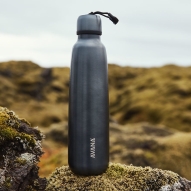
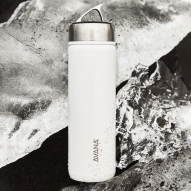
Take a closer look at Avana brand products and you’ll find intuitive features like the patented drinking system featuring the FreeSip® spout. This unique design lets you drink however you prefer—whether sipping through the built-in straw or tipping the bottle back for a thirst-quenching swig. “It’s a feature that almost seems gimmicky—until you try it,” Sorensen explains. “Once you’ve used a bottle with the FreeSip spout, it’s tough to go back.”
The company’s research seems to back that claim. Focus group participants were asked to use two bottles—one from Avana and one from a competitor—for two weeks. After the test period, participants were allowed to keep only one bottle. Nearly 90 percent chose Avana.
Beyond the innovative features and fashion-forward design, the company’s insulated products hold their own against the competition. The double-layer insulation in the Ashbury and Beckridge models keeps water chilled and coffee warm throughout your travels near and far. The brand’s glass bottle—Makai—features the unique ClearSip® spout, offering a pristine drinking experience while maintaining easy cleanability.
“Hydration has evolved from a necessity to an experience,” says Sorensen. “The bottles we drink from reflect our personal style, much like our clothing, vehicles, or phone cases. The Avana brand answers a need by offering innovative hydration solutions that simultaneously—and subtly—accent and enhance our consumers’ lives.”
A global brand with purpose, Avana is committed to giving back. Even prior to its public launch, the company began funding clean water projects in India, Ethiopia, and Rwanda.
Through the Together We Give initiative, a portion of the proceeds from every Avana bottle sold will go toward sustainable clean-water solutions in developing countries. A unique code on each bottle’s packaging invites the buyer to visit the Avana website, where they’ll learn about and be able to follow the progress of the specific project that their purchase impacts. To learn more, visit avana.com/give.
The Avana line debuts in summer 2019 in retail stores, and online at Avana.com. To discover more about the Avana brand and lifestyle, please visit avana.com.
About Avana
Avana® is a premium hydration brand dedicated to fusing effortless utility with on-trend style. Avana hydration products are designed to accompany everyday discoveries and faraway adventures alike. A global brand with purpose, Avana is committed to supporting clean water projects in developing countries. For additional information, visit avana.com.
7 Ways to Tell if You're Pushing it Too Hard in Your Workouts
With hardcore trainers telling you to "Push harder!" all...the...time, do you ever wonder how hard is too hard? Well, you should.
If you take it too far, too often or for too long, here's what you might see:
-Regression in performance and/or gains. That's right, you can actually lose that lean muscle you've worked so hard to build, endurance you've been building, and even confidence in yourself.
-You can get injured. Over-exhaustion leads to poor form which can lead to injuries. No fun.
-Bigger issues like Rhabdomyolysis, where the muscle breaks down and releases nasty toxins in your body that can make you sick or even lead to death.
How can you tell if you're pushing it too hard? Good question. Here are those 7 ways you can tell.
1) Your Heart Rate Monitor tells you. For those using a wearable that tracks your heart rate, note that you should not be in the red (over 90%) on the regular for more than a few minutes.
2) You vomit.
3) It’s still hard to breathe when you stop the activity.
4) You don’t have energy after the workout.
5) Your form goes bad.
6) You feel any sort of sharp pain, a.k.a. bad pain.
7) You are sore instantly.
So, in the spirit of challenging your body to change your body, yes, push it! But be smart and avoid pushing so hard that you set yourself back.
____
For Alternative Health Practitioners, Laying the Groundwork for Referrals Requires a Slow, Steady Process
Greer, SC, July 9th – Can acupuncturists, naturopaths, chiropractors, and other alternative health practitioners receive a steady stream of referrals from traditional medical doctors? The answer is yes, says Dr. Ron Grisanti, founding director of Functional Medicine University (www.functionalmedicineuniversity.com), but it takes patience and a systematic approach.
“We teach our Functional Medicine practitioners to introduce themselves to as many local family practice doctors and specialists as they can, but they need to introduce themselves in a certain way,” explains Dr. Grisanti. “Step by step they build familiarity, credibility and trust with the other doctors, and only after a very long process of properly laying the groundwork can they expect referrals to flow. However, once those medical referrals start coming, the benefit of that period of preparation lasts a very long time.”
Health care professionals who enroll in Functional Medicine University’s postgraduate educational program receive realistic marketing guidance and tools along with clinical instruction in the Functional Medicine approach to diagnosing and treating bodily dysfunctions ranging from asthma and arthritis to ulcers and yeast infections. Continuing education credits are available for chiropractors, naturopaths, acupuncturists, osteopaths, nurse practitioners, dieticians, pharmacists and dentists, as well as M.D. physicians.
The next training session at Functional Medicine University gets underway in July, 2019. For complete information, alternative health professionals who already hold professional licenses should visit www.functionalmedicineuniversity.com.
About Functional Medicine University
Founded in 2006 by Dr. Ron Grisanti, D.C., Functional Medicine University is the oldest online Functional Medicine certification training school, serving healthcare professionals from 81 countries and all 50 US states. Functional Medicine emphasizes scientific diagnosis of an individual’s unique biochemical relationships, then encouraging the body to rebalance itself naturally instead of through surgery or drugs. Founder/director Dr. Grisanti is a board certified chiropractic orthopedist with a master's degree in nutritional science from the University of Bridgeport. He also holds a diplomate degree with the American Clinical Board of Nutrition.
STAY ALERT COFFEE LOVERS, SOMETHING BIG IS BREWING WITHIN SINGLE-SERVE COFFEE
WEST COAST STARTUP SOLVES THE SINGLE-SERVE COFFEE CRISIS
TO DELIVER QUALITY WITHOUT COMPROMISE
The Award-Winning Steeped Coffee full immersion brew method means no machines, no waste, guilt-free packaging, and amazing taste
[Santa Cruz, CA, JULY 9, 2019] – Step aside, coffee pods. Take a rest, instant coffee. There’s finally a single-serve option available in the world of high-end coffee, and it’s quickly becoming a game changer.
Santa Cruz-based startup Steeped, Inc., one of the most promising and innovative companies in the industry, has launched its revolutionary Steeped Coffee brewing method to serious coffee drinkers across the nation. Brewed similar to tea, Steeped Coffee’s nitro sealed Steeped Bags, along with their guilt-free packaging made using renewable and compostable materials, achieve the unthinkable: freshly ground specialty coffee in a single-serving. That’s why it earned the “Best New Product” award for their innovative packaging at the recent Specialty Coffee Expo. And, it’s barista-approved!
Steeped Coffee launched when serial entrepreneur and coffee lover Josh Wilbur decided to combine the convenience of a single-serving brew method with the premium quality of ethically sourced coffee. Wilbur wanted to redeem the environmental dilemma created by wasteful coffee pods. Happy to do the math, Wilbur points out over 10 billion unrecyclable pods accumulate in landfills each year – enough to wrap around the earth more than 110 times if placed side-by-side. Moreover, each type of pod depends on expensive and often moldy brewing machines, which are also unrecyclable.
It took Wilbur seven years to innovate the proprietary Steeped Coffee system that delivers fresh roasted, pre-portioned, precision ground, micro batched coffee in customized Full Immersion Filters. “Premium coffee roasters have shied away from offering their specialty beans in single-serve packaging because it’s been nearly impossible to keep ground coffee fresh, which quickly ruins the taste,” said Wilbur. “With our Nitro Sealed bags, oxygen is replaced with nitrogen, so the coffee stays fresh as if it was ground moments ago.”
“Steeped Packs are the easiest way to make a delicious cup of coffee,” Wilbur Says. “You shouldn't need to perform chemistry before you’ve made your coffee.” Simply steep each Steeped Bag in hot water for about five minutes to allow the coffee to develop its distinctive body and flavor. There is no machine, no noise, no cleanup, no destructive waste.
As for flavor? Even the most discerning coffee connoisseurs in the industry are singing the praises of Steeped Coffee. Barista Magazine is a believer: “Like a tea bag—but for coffee? This new product from Steeped Coffee might just be one of our fave new ways to brew coffee on the road.”
“Finding Steeped has changed my coffee drinking life,” raved one reviewer on Producthunt.com. “It's my favorite new brewing method and I can't believe more people haven't heard of this yet. It is going to be huge.”
Entrepreneur’s Handbook concurs: “You’re likely going to see the Steeped Coffee methodology in hospitals, offices, hotels — places where single-serve coffee reigns — and perhaps on your next flight.
Features of Steeped Coffee include:
100% Specialty Coffee: quality coffee ethically sourced directly from farmers
Nitro Sealed: removes oxygen, stopping the clock on freshly ground beans
Ultrasonic Edges: no glue, staples, or wasted materials for max steeping
Full Immersion Filter: non-GMO filters that regulate ideal water-in and maximum flavor-out
Guilt-Free Packaging: made using plant-based renewable and compostable materials
Micro Batching: roasted locally in small batches
Precision Ground: consistent water-cooled grinding to the micron
Steeped, Inc., based in Santa Cruz, California, is a B-Corp (Benefit Corporation) focused on every detail from farm-to-cup and beyond, to bring people the most convenient, quality, ethically sourced, and sustainably packaged products available. Steeped Coffee provides a single-serve method that combines convenience and quality all within Guilt-Free Packaging. The proprietary Steeped Brewing Method delivers 100% freshly roasted, precision ground, and nitro sealed specialty coffee pre-portioned within Steeped Full Immersion Filters. Steeped Coffee is the simplest way to make a perfect cup of coffee, with no machine needed, just add water. Steeped, Inc. offers its brewing method to Licensed Partners around the globe. For more information, visit http://www.steepedcoffee.com. For business inquiries, contact sales@steepedcoffee.com.
With so many coffee gadgets, machines, and accessories flooding the market these days, this simple unplugged Steeped Coffee brewing method might be just what you're looking for to take your moment, while at home, at work, or on-the-go.
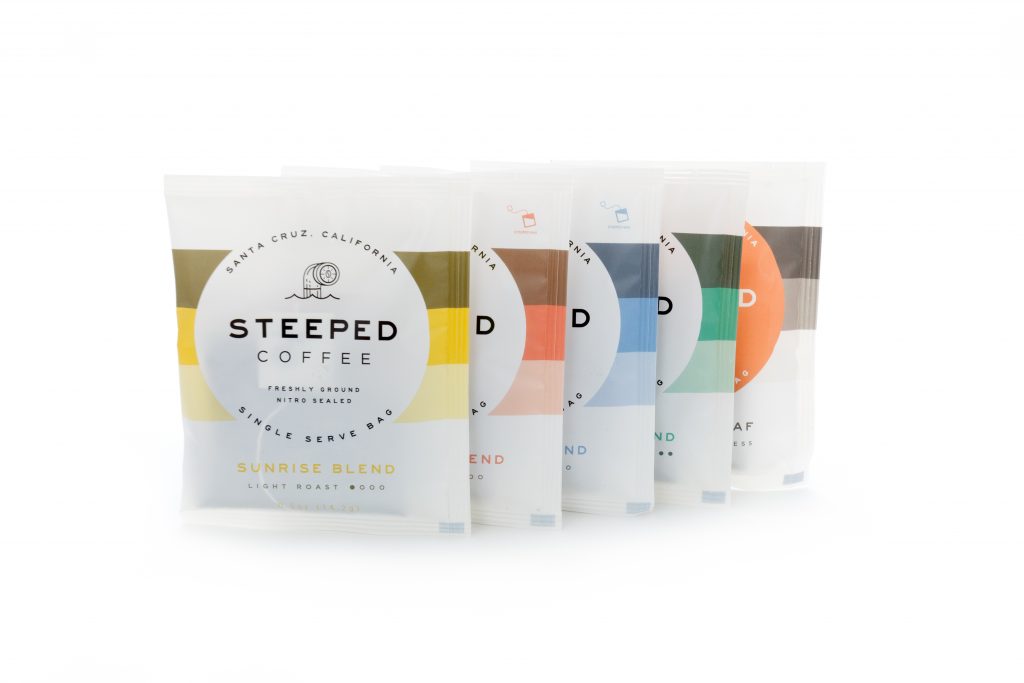
Photo: The Steeped Coffee full immersion brew method means no machines, no waste, guilt-free packaging, and amazing taste.
Many individuals are worried that sexualization in video games may increase female players' body dissatisfaction.
Contrary to expectations, new research findings in the American Psychological Association's journal Psychology of Popular Media Culture did not find that sexualization increased body dissatisfaction or aggression toward other women. Media influences from video games appear to be minimal.
"Examining the Effects of Exposure to a Sexualized Female Video Game Protagonist on Women's Body Image" is based on research by Danielle Lindner, Ph.D., assistant professor of psychology at Stetson University; Chris Ferguson, Ph.D., professor of psychology at Stetson University; Stetson University alumna Melissa Trible; and Ilana Pilato, Ph.D. candidate, at Fairleigh Dickinson University.
During the study, female players were randomly assigned to play either a more or less sexualized avatar in a "Tomb Raider" video game. Participants also reported on their self-objectification and body dissatisfaction as well as hostility and aggression toward a female character. Research results indicated that exposure to a sexualized avatar in a video game did not influence any outcomes for female participants. These results indicate that, at least for video games, exposure to sexualized females may not have a substantial impact on female players.
The journal article link includes additional information. Dr. Lindner is a body image expert and is available to discuss the research findings that published in the Psychology of Popular Media Culture. Below you will find the journal and faculty profile links.
Psychology of Popular Media Culture journal article link:
The issue of whether aggressive video games contribute to aggressive behavior in youth remains an issue of significant debate. One issue that has been raised is that some studies may inadvertently inflate effect sizes by use of questionable researcher practices and unstandardized assessments of predictors and outcomes, or lack of proper theory-driven controls.
New research findings in Springer's Journal of Youth and Adolescence did not find aggressive video games causing future aggression in youth.
"Aggressive Video Games Are Not a Risk Factor for Future Aggression in Youth: A Longitudinal Study" is based on research conducted by Dr. Ferguson and C.K. John Wang, Ph.D., professor of sport and exercise psychology at Nanyang Technological University in Singapore.
In the recently published journal article, more than 3,000 youth around the age of 11 in Singapore, with nearly 73 percent being male, were assessed for links between aggressive game play and seven aggression or prosocial outcomes two years later.
Participants were asked to rate three video games they currently played and how often they played them both on weekdays.
STONEFIELD VILLA RESORT LAUNCHES AN EXCLUSIVE FITNESS RETREAT WITH CANADIAN CELEBRITY AND FITNESS EXPERT JANA WEBB
TORONTO, ON (July10, 2019) - Stonefield Villa Resort, a premier health and wellness boutique property nestled at the base of Saint Lucia's famous Pitons has partnered with fitness expert and Reebok spokesperson, Jana Webb to launch a weeklong fitness retreat from November 17 – 24th, 2019 offered exclusively through WestJet Vacations.
Webb, an original cast member of the Real Housewives of Toronto, is the founder of JOGA World, a movement system made up of yoga combined with the biomechanics of sports training. Joga was created during a personal journey of rehabilitation following a car crash that left Webb severely injured. Her unique program enhances athletic performance, improves concentration, decreases recovery time, and ultimately, transforms an athlete's game.
The Jana Webb Fitness Retreat, is an all-inclusive package with roundtrip flights on WestJet, including luxury villa accommodations at Stonefield Villa Resort. The package will feature daily personalized workouts; a 60-minute spa treatment; customized healthy meal options at the resorts award-winning farm to table restaurant - Mango Tree; airport transfers; Sulphur Springs Volcano mud bath excursion, hiking the famous Pitons and a full day catamaran experience along the islands west coast.
Saint Lucia offers travellers an elevated wellness experience; the volcanic island is home to the healing Sulphur Springs, a restorative mineral mud bath, lush rainforests and the iconic Pitons that rise majestically out of the Caribbean Sea. Webb visited Saint Lucia in November 2018 to scout properties for her first fitness retreat aboard. After reviewing the island top wellness attractions and resorts, she selected Stonefield Villa Resort to host her high-end clientele on a week-long fitness/wellness retreat.
“To find a getaway that combines the zen of the ocean and the adventures of the rainforest is rare,” remarked Jana Webb, founder of JOGA. “Stonefield Villa Resort’s exquisite farm to table service and magical views from your own private villa will be a time in your life you will never forget. Saint Lucia will inspire you! My motto in life is work hard and play harder. Join me for the first ever, all-inclusive - Jana Webb Fitness Retreat partnered with WestJet Vacations and Stonefield Villa Resort. I guarantee a week of fun, fitness, amazing food, relaxation, adventure, laughs and friendship.”
The Jana Webb Fitness Retreat is sold exclusively through WestJet Vacations, visit http://westjet.com/stonefield to book you package today or call Toll Free: 1-888-937 - 8538.
-30-
About Stonefield Resort
Stonefield Villa Resort is one of the most desirable destinations for the discerning Caribbean traveller. This 17-villa boutique property is nestled at the base of St. Lucia's Pitons overlooking the Caribbean Sea. Guests relax, luxuriate and rejuvenate in spacious secluded villas each with large private pools, outdoor garden showers, large verandas and extraordinary views of the Petit Piton and the Caribbean Sea. The resorts' full-service spa, gym, and yoga studio have attracted fitness and wellness groups globally offering annual retreats for exceptional rejuvenation. Consistently rated over four stars on Trip Advisor, Stonefield Resort and Spa has become a yearly award-winning vacation escape for visitors all over the world.
INTRODUCING WONDER MELON™, THE NEWEST IN
TREND-FORWARD HEALTHY BEVERAGES
KAYCO RIDES THE WATERMELON WAVE WITH HEAVY PROMOTIONAL SUPPORT IN NYC SUMMER 2019
Delicious, Organic Drink Delivers Powerful Hydration in Two Refreshing Varieties:
Spicy Watermelon Lemon Cayenne
Cool Watermelon Cucumber Basil
Bayonne, NJ, July 9, 2019 – The consumers have spoken. Watermelon, one of today’s fastest-trending fruits, has enjoyed triple-digit growth in casual and fine dining. Demand for the refreshing summer staple is on the rise even in the fall and winter months. It’s a must for any mixologist and you’ll find it on one in 10 restaurant menus.
Most of all, people just love watermelon – and they know it’s good for them.
KAYCO (www.kayco.com) is taking the beverage industry by storm with Wonder Melon™, the latest thirst-quencher for those seeking clean, uniquely flavorful new refreshment options. Wonder Melon™ is made from 100% organic cold-pressed juice with no added sugar, artificial ingredients, or artificial colorings.
This healthy game-changer comes in two exciting varieties. Watermelon Cucumber Basil is a delightfully cool concoction of real watermelon juice, lemon juice, apple juice, cucumber juice, and basil, with only 80 calories per 8.45 oz. bottle. Watermelon Lemon Cayenne wakes up the taste buds with real watermelon juice, lemon juice, apple juice, and a dash of cayenne at just 100 calories per 8.45 oz. bottle.
“Wonder Melon™ perfectly captures what consumers are looking for right now,” says Kim Cassar, Kayco’s EVP Sales & Marketing – Beyond Division. “It’s not only healthful and out of the ordinary, but also undeniably trendy and irresistibly delicious. We’re confident that Wonder Melon™ will make a huge splash this summer.”
Both varieties are non-GMO verified, certified Fair Trade, USDA organic, and certified OU kosher (parve). Packaged 6 bottles per case ($3.99/bottle MSRP), Wonder Melon™ is available in the refrigerator section at Shop-Rite, Fairway, Best Market, independent grocers and Amazon.
Promotional Blitz
Kayco is supporting the Wonder Melon™ brand in New York City with an aggressive outreach campaign at the height of cold beverage season. Look for the following promotions:
Segments on Time Warner Cable’s A Taste of New York, targeting affluent, influential, and educated New Yorkers. This spot will also be featured on A Taste of New York’s web site, YouTube channel, Facebook page, Twitter feed, Pinterest site and Instagram. Sneak Peak - https://vimeo.com/tasteofny/download/340913533/0963707776
Eye-catching Wonder Melon™ Vans will cruise the steamy summer streets with refreshing samples for thirsty Manhattanites starting July 12 and running all summer. Check Wonder Melon’s™ social media for dates and locations.
Giant Wonder Melon™ trucks will roll out the product – literally – to provide additional exposure.
In-store support including tastings and point-of-purchase materials.
Watermelon Stats
According to Menu Trends research by the Watermelon Board:
All regions across the U.S. are experiencing increased use of watermelon.
Watermelon is featured in one of 10 menus – up by 27% in the last four years.
Watermelon is one of the fastest fruit flavors in non-alcoholic beverages, with 29% four-year growth.
82% of consumers surveys said they liked the taste of watermelon.
Wonderful Watermelon Facts
Watermelon’s 92% water content is excellent for hydration. It contains a bounty of nutrients, antioxidants, vitamins, and minerals associated with the following:
Digestive health
Eye, skin, and hair health
Sun protection
Diabetes protection
Heart and blood vessel health
Weight loss
Combating asthma
Weight loss
Nerve function
Reduction of inflammation
Wonder Melon™ Recipes:
Cucumber Cooler
2 oz cucumber mint vodka
1/2 oz lemon juice
.25 oz simple syrup
2 oz Wonder Melon™ with Juice, Watermelon, Cucumber and Basil
Splash cucumber juice
Pineapple Punch
2 oz pineapple infused vodka
1.5 oz Wonder Melon™ with Juice, Watermelon, lemon, and cayenne
Splash simple syrup
.5 oz pineapple juice
.5 oz peach schnapps
Summer Refresher
2 oz. vodka
1/2 oz. Watermelon juice
1/4 oz. Simple syrup
1 oz. Lemon juice
1 oz. Wonder Melon™ with Juice, Watermelon, Cucumber and Basil
Sugar rim
Wonder Melon Rita
2 oz. Tequila
1 1/2 Wonder Melon™ with Juice, Watermelon, lemon, and cayenne
Kayco is one of the largest manufacturers and suppliers of kosher foods. Its expanded Kayco Beyond Division sources and distributes new products to the general market beyond kosher, to meet the demands of consumers looking for optional products that are healthful, convenient and/or for restricted diets and lifestyles. These brands include Dorot, Absolutely Gluten Free, Beetology, Mighty Sesame, Tuscanini Foods, Wissotzky Tea Co. and new Wonder Melon™. They are headquartered in Bayonne, NJ. (www.KAYCO.com).
Photo:Wonder Melon™ is the latest thirst-quencher for those seeking clean, uniquely flavorful new refreshment options. It’s made from 100% organic cold-pressed juice with no added sugar, artificial ingredients, or artificial colorings. Look for the official Wonder Melon™ Mobile Trucks hitting the streets of New York summer 2019.
Health Canada Approves Pomalyst®-Based Triplet Combination for Patients With Multiple Myeloma
POMALYST®, in combination with bortezomib and dexamethasone, provides a new medication option for patients living with multiple myeloma
TORONTO, July 10, 2019 /CNW/ - Celgene Inc. announced today that Health Canada has approved a POMALYST® (pomalidomide)-based triplet combination with bortezomib and dexamethasone. This is a new treatment option for patients with multiple myeloma (MM) who have received at least one prior treatment regimen that included REVLIMID® (lenalidomide).
POMALYST® is an oral medication taken daily and is indicated, in combination with bortezomib and dexamethasone, for the treatment of adult patients with MM who have received at least one prior treatment regimen that included lenalidomide.1,2
"The treatment landscape for multiple myeloma has significantly changed over the years. New treatment options like this POMALYST®-based triplet combination allow patients and their physicians to work together to find the best early-line treatment regimen," says Dr. Reece, Princess Margaret Cancer Centre. "In the pivotal clinical trial, OPTIMISMM, we saw the POMALYST®-based triplet combination improve and provide a sustained progression-free survival for multiple myeloma patients who were exposed to, and for the most part refractory to lenalidomide. This is important, as over the last few years lenalidomide has become a standard of care in front-line treatment of multiple myeloma in Canada and until OPTIMISMM, the patient population exposed or refractory to lenalidomide in front line was not well studied. The POMALYST®-based triplet combination is a positive step forward in the treatment journey for multiple myeloma patients and their loved ones."
MM is an increasingly prevalent blood cancer originating from bone marrow plasma cells.3 In Canada, the number of patients living with the disease is on the rise, with eight Canadians diagnosed each day.4
"Multiple myeloma is a complex disease which can impact each patient differently," says Martine Elias, Executive Director, Myeloma Canada. "It is encouraging to see how new treatment options, like the POMALYST®-based triplet combination, successfully treat Canadian myeloma patients."
Health Canada's approval of the POMALYST®-based triplet combination with bortezomib and dexamethasone is based on OPTIMISMM, the first prospective phase 3 trial, including 559 MM patients, to evaluate a POMALYST®-containing triplet regimen in patients.5 Patients participating in this trial were all previously treated with REVLIMID® and the majority, 70 per cent, were REVLIMID® refractory.6,7 All patients had received 1-3 prior antimyeloma regimens and demonstrated disease progression on or after the last therapy.8
Patients who received the POMALYST®-based triplet combination with bortezomib and dexamethasone in the clinical trial had a significantly longer progression-free survival (PFS) of 4.1 months more than those who received only bortezomib and dexamethasone (median PFS 11.2 months versus 7.1 months, respectively).9,10
About Multiple Myeloma
MM is a life-threatening blood cancer characterized by tumor proliferation and suppression of the immune system.11,12 It is a rare but deadly disease – around 2,900 people are diagnosed with MM in Canada and 1,450 Canadians die from the disease each year.13 The typical MM disease course includes periods of symptomatic myeloma followed by periods of remission, and eventually, the disease becomes refractory (non-responsive).14 While all MM patients may experience different symptoms during and after treatment, patients may also experience physical issues.15 These may include bone complications, anemia, infections, kidney damage, high blood calcium and other blood complications, osteonecrosis of the jaw, side effects of medication, as well as bone pain, nerve pain and neuropathy.16MM patients may also experience emotional health issues, with 40 per cent of cancer patients experiencing depression or anxiety.17
About OPTIMISMM
OPTIMISMM is the first phase 3 trial designed to compare the safety and efficacy of a POMALYST®-based triplet combination with bortezomib and dexamethasone versus only bortezomib and dexamethasone as an early line of therapy in patients with relapsed or refractory multiple myeloma (with 1-3 prior regimens of therapy) and prior REVLIMID® exposure, including REVLIMID®-refractory patients.
This multi-center, international, open-label, randomized phase 3 clinical trial included 559 patients (281 patients in the POMALYST®-based triplet combination with bortezomib and dexamethasone arm and 278 in the bortezomib and dexamethasone arm). Demographic, baseline, and prior disease characteristics were generally well balanced between the two treatment arms. All patients had prior treatment with REVLIMID®, with the majority being REVLIMID® refractory (71 per cent in the POMALYST®-based triplet combination arm versus 69 per cent in the bortezomib and dexamethasone arm) and 70 per cent versus 66 per cent, respectively, were refractory to their last treatment. Median follow-up was 16 months.
Results from OPTIMISMM showed that patients receiving the POMALYST®-based triplet combination with bortezomib and dexamethasone treatment achieved a significantly longer PFS than those in the bortezomib and dexamethasone treatment arm (11.20 months versus 7.10 months, respectively [HR 0.61, p= < 0.0001; 95 per cent CI: (0.49-0.77)]), reducing the risk of disease progression by 39 per cent in the POMALYST®-based triplet combination arm. In an exploratory sub-group analysis of patients with one prior line of therapy, median progression-free survival with the POMALYST®-based triplet combination with bortezomib and dexamethasone was 20.73 months versus 11.63 months with bortezomib and dexamethasone (HR 0.54; 95 per cent CI: 0.36, 0.82).
Patients were stratified based on age (< 75 years old versus 75 years old), number of prior anti-myeloma regiments (1 vs. > 1) and β2-microglobulin levels (<3.5 mg/L versus > 3.5 to < 5.5 mg/L versus > 5.5 mg/L). Patients were randomized 1:1 to receive the POMALYST®-based triplet combination with bortezomib and dexamethasone or bortezomib and dexamethasone. In 21-day cycles, patients received POMALYST® 4 mg on days 1-14 (POMALYST®-based triplet combination arm only); bortezomib 1.3 mg/m2 on days 1, 4, 8 and 11 for cycles 1-8 and on days 1 and 8 for cycles 9 and onwards; and dexamethasone 20 mg/day (10 mg if aged > 75 years) on the days of and after receiving bortezomib treatment.
About Celgene's Immunomodulatory Drugs
IMiD® agents are Celgene's proprietary small molecule, orally available compounds for the treatment of some blood cancers. IMiD® agents are hypothesized to have multiple mechanisms of action. They have been found to enhance T cells and (NK) cell-mediated immunity. In addition to immunomodulatory properties, IMiD® agents are hypothesized to have tumoricidal and antiangiogenic activity. Celgene's portfolio of IMiD® agents have become a foundation of multiple myeloma research, with a growing number of studies exploring these compounds as combination partners across a range of settings of the disease.
About POMALYST® (pomalidomide)
POMALYST® in combination with bortezomib and dexamethasone is indicated in the treatment of adult patients with MM who have received at least one prior treatment regimen that included lenalidomide. It belongs to a group of drugs called immunomodulatory drugs (IMiDs®).
About Celgene
Celgene is an integrated global biopharmaceutical company engaged primarily in the discovery, development and commercialization of novel therapies for the treatment of cancer and inflammatory diseases through gene and protein regulation. For more information, please visit the company's website at www.celgene.ca.
Indications and Clinical Use:
POMALYST® in combination with dexamethasone and bortezomib is indicated in the treatment of adult patients with MM who have received at least one prior treatment regimen that included lenalidomide.
POMALYST® in combination with dexamethasone is indicated for patients with multiple myeloma for whom both bortezomib and lenalidomide have failed and who have received at least two prior treatment regimens and have demonstrated disease progression on the last regimen.
Geriatrics (> 65 years of age):
Concomitant administration of dexamethasone may increase the risk of infection, particularly pneumonia; dexamethasone dosing may need to be reduced or interrupted in case of infection. Reduce dexamethasone dose by half in patients >75 years of age.
Contraindications:
Pregnant women and women at risk of becoming pregnant
Breastfeeding women
Male patients unable to follow or comply with the required contraceptive measures
Hypersensitivity to POMALYST®, thalidomide, lenalidomide or to any ingredient in the formulation or component of the container
Controlled Distribution Program:
Available only through a controlled distribution program called RevAid®
Serious warnings and precautions:
POMALYST® should be administered under the supervision of a qualified physician experienced in the use of cancer chemotherapeutic agents.
Pregnancy: Potential for human birth defects, stillbirths, and spontaneous abortions
Hematologic: Neutropenia and thrombocytopenia
Infections, including fatal cases
Venous thromboembolism: Deep vein thrombosis (DVT) and pulmonary embolism (PE)
Hepatic: Hepatotoxicity, including fatal cases
Hepatitis B virus reactivation, including fatal cases
Severe dermatologic reactions: Stevens-Johnson syndrome, toxic epidermal necrolysis (TEN) and drug reaction with eosinophilia and systemic symptoms (DRESS), including fatal cases
Tumour lysis syndrome, including fatal cases
Other Relevant Warnings and Precautions:
Cardiovascular disorders
Second primary malignancies
Immune reactions: Use in patients with active hepatitis A, B, or C infection; hypersensitivity reactions (angioedema, urticaria)
Interstitial lung disease
Neurologic: Possible impairment of mental and/or physical abilities; peripheral neuropathy
Use in hepatic impairment or renal impairment
Monitoring and Laboratory testing required
Combination treatment with bortezomib; consult bortezomib Product Monograph prior to initiating treatment
For More Information:
Please consult the Product Monograph at pomalystpm.ca for important information relating to adverse reactions, drug interactions and dosing information. The Product Monograph is also available by calling 1-877-923-5436.