How to Strengthen Your Bones with Exercise When Going Through Menopause
Bone issues aren’t at all unusual. They’re actually pretty commonplace in women who are dealing with the ins and outs of menopause as well. As women get older, their estrogen amounts diminish considerably. This can lead to significantly decreased bone density. If you’re a menopausal woman who wants to maintain optimal bone strength and health, these options can do you a lot of good.
Get Frequent Exercise
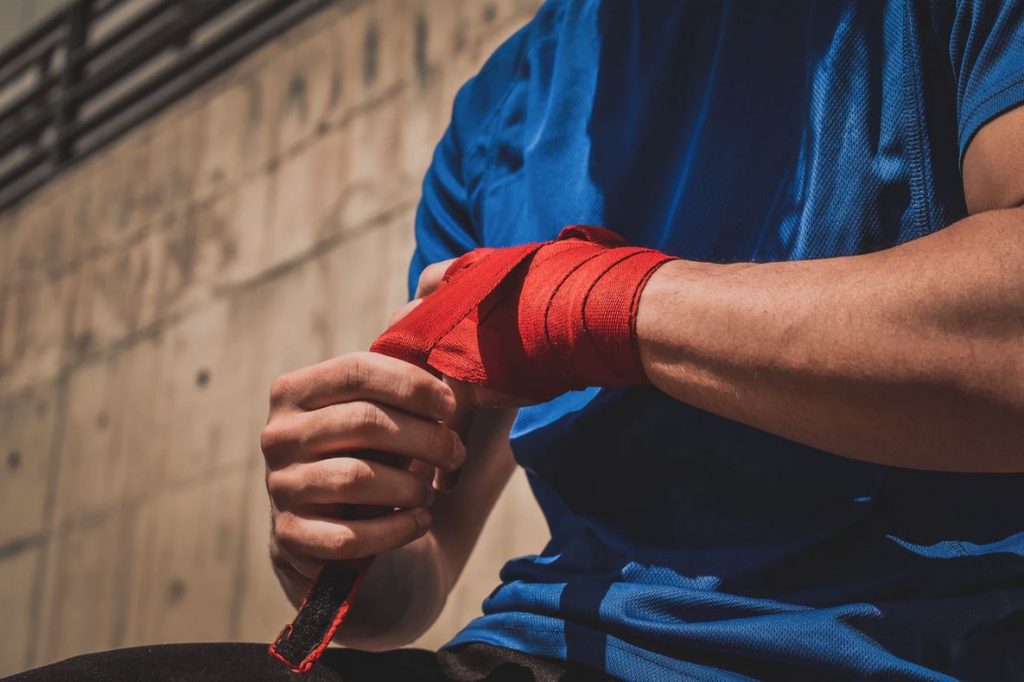
Frequent exercise sessions can be beneficial for women who want to maintain powerful bones. Sedentary lifestyles make people a lot more susceptible to a condition that’s called osteoporosis. Speed walking outside can be terrific. The same thing goes for biking. If you want to keep the weakening of your bones at bay, then you need to do a lot moving.
Consume Nutritious Foods
Proper nutrition can also do a lot for menopausal women who want sturdy bones. It’s critical to consume foods that contain all sorts of vitamins and minerals. It’s particularly crucial to zero in on nutrients that can contribute to the power of your bones. Examples of these nutrients are vitamin D and calcium. Ask your doctor for suggestions for foods that are chock-full of both.
Go See a Bone Specialist
Routine medical care can do a lot for women who are in the middle of menopause and all of its effects. If you want your bones to be the definition of powerful, you should make an appointment with an orthopedic surgeon. He or she can talk to you about all of your choices in osteoporosis treatmentsand medications. Therapies that revolve around hormones can often be suitable for individuals who have osteoporosis and who want to take control of it.
Refrain from Smoking
Poor lifestyle habits can often be detrimental for bone health. If you’re a menopausal woman who is enthusiastic about bone wellness, then you should refrain from smoking no matter what. Smoking is capable of making the loss of bone occur in a speedy fashion. It can make people a lot more vulnerable to bone fractures as well. It can also be wise to steer clear of immoderate alcohol consumption. Immoderate alcohol intake can negatively impact bone development.
It’s vital to do anything you can to maintain powerful bones for life. It’s particularly vital for women who are currently trying to manage the sometimes tough world of menopause. If you want to feel energetic, then you need to prioritize bone wellness.
HEART TUGGING VIDEO FOR “LOVE IS STRONGER” BY COUNTRY MUSIC ARTIST AND SONGWRITER MATT KENNON ANNOUNCED
Single Ranked In Top 20 Most Downloaded and Streamed Tracks on Play MPE
NASHVILLE, TN. - (June 20, 2019) – “Love Is Stronger” by Matt Kennon hit the radio airwaves this month and was ranked in The Top 20 Most Downloaded and Streamed on Play MPE. Best known for his emotional, heart wrenching and true to life songs that tug at listeners heart strings, and the fact he is not afraid to bring attention to subjects that are uncomfortable. The accompanying official video was exclusively premiered on Center Stage Magazine and My Jam Music yesterday and available today on YouTube and Facebook, as well as online video platforms worldwide.
"Love Is Stronger" is a whirlwind of emotions that will leave you crying like a baby as the story unfolds,” states Center Stage Magazine Editor, Missy Wolf. “Kennon's ability to capture the harsh realities of life is encapsulated brilliantly in this video.”
“A thread that runs through the new music is definitely love, and its awe-inducing power to lift us up, stir our souls, or crush us in its wake when it goes,” said GrassRoots Managing Partner, Nancy Tunick. “It’s a subject Kennon is intimately familiar with, and the material is well-suited for the hard-working artist who is finally coming into his own creatively and hitting his stride.”
“Love Is Stronger” is special to me because I know there have been times to me when I have seen love overcome a lot of things with a lot of people, not only in my own life but also to people who were close to me. I think the world could use a little more love right now,” stated Matt Kennon. “Love is stronger than anything you are going through and it makes me feel really good to be able to share this message with everyone who needs to hear it.”
“A listener can choose to take or leave hope, the lyrics to this song reinforce that you can take hope with you,” said Casting Life Films, Darren Williams. “The truth is...what we fight for....what we believe in...and lives are still taken from loved ones, how do we deal with that? This song gives listeners hope.”
About Matt Kennon: Matt Kennon knows the power of a great song. It can stir your emotions, move you to tears, motivate you to action, and in some cases even save your life, as Matt has seen firsthand in his career with songs like “The Call,” “You Had To Pick On Me,” and even his latest song, “Wasn’t It Enough.” For him, music is about the message, and time and again he’s written thought-provoking and heart-tugging songs that have racked up impressive chart numbers and even more impressive sales: throughout the course of his career he’s already sold 300,000 singles and 30,000 albums. The Atlanta native is inspired by and writes about things close to his heart, and often finds himself writing songs with emotional messages. His songs have definitely hit home with many struggling with issues like suicide, post-traumatic stress, and bullying. The Atlanta native devoted the last two-plus years to a special anti-bullying campaign he developed and took to 83 schools in seven states. Through partnering with several sports foundations around the country, including Alabama coach Nick Saban’s charity, Nick’s Kids, Matt was able to reach 150,000 students with a powerful anti-bullying message. The campaign was just one example of how apt Kennon is at dialing in to the emotions fans are experiencing, and for proof of that connection, one need not look any further than the iTunes chart, where Matt has been a Featured Artist for the last five years with each of his independent releases. His explosive live shows no doubt fuel those sales as well, as Kennon is a powerful live performer with thousands of shows under his belt on stages across the country. Throughout the course of his career he’s shared the stage with high profile artists including, Kenny Chesney, Blake Shelton, and Train, Darius Rucker, Uncle Kracker, Lee Brice, and The Band Perry, among others.Powerful social media interaction has moved the needle for Kennon. The video for “The Call” recently reached an amazing seventeen million accumulated views. A successful songwriter in his own right, with outside cuts by artists such as Randy Travis, (who recorded his song “Turn It Around,”) and many others. The soulful singer also writes with many of Nashville’s top writers regularly.
Torn Tendon? 4 Ways to Fix it and Get Back to Your Routine
Even though healthy tendons are very strong, a rupture or tear can occur in the blink of an eye. If you have recently torn a tendon, then you must immediately come up with a comprehensive treatment plan that gets you back on your feet as quickly as possible.
Rest the Extremity
The first thing that you must do after a tendon injury is immobilize the affected extremity. Trying to push yourself through the pain could make the recovery period much longer, and will probably end up doing more damage to the tendon. For a severe tear, you will need to keep the extremity completely immobilized for at least four weeks. Minor tears usually heal within a week or two, but you must consult with your doctor before you resume any strenuous activities.
Ice the Area
There are a few different reasons why many doctors suggest icing tendon injuries. In addition to minimizing the swelling, icing is also going to dull the pain. When you are icing, you should never put the ice bag or cold pack directly on your skin. Prolonged exposure to ice could result in frostbite or permanent nerve damage. You also need to remove the ice pack every 15 or 20 minutes so that the soft tissue can warm back up.
Compression
Compression therapy is a very popular treatment option for injuries in the arms and legs. As soon as you are done icing the injury, you might want to put on a compression sleeve or bandage for 20 or 30 minutes. By compressing the area, you can reduce the inflammation and improve blood flow. While compression bandages can be very effective, you should only use them for a day or two. Wrapping the extremity for more than a few days will actually slow your recovery.
Visit a Medical Specialist
Most minor sprains will heal on their own, but you need to visit an orthopedic surgeonif the tendon is ruptured. Those types of injuries often require special procedures, and your tendon might not heal properly if you don’t have an operation carried out. An experienced medical team can also help you come up with a long-term therapy plan that strengthens all of the muscles that surround and support the tendon.
As a general rule, you should seek out medical attention if a tendon injury doesn’t heal after a day or two. You must also head to the hospital if your injury is accompanied by secondary side effects such as severe discoloration, a fever, or unbearable pain.
What is ART International?
Background on Nonprofit
Restauranteur and entrepreneur Chris T. Sullivan formed and is funding ART International Training and Research, Inc., an organization dedicated to making Accelerated Resolution Therapy, or ART,more widely available to individuals in need of professional help to ameliorate the devastating effects of post-traumatic stress (PTSD) and other psychological traumas.
To expand the reach of ART, the foundation is specifically looking to increase the number of clinicians certified in this treatment. To accomplish this, the nonprofit is hosting more than 100 training sessions in different cities throughout the country in 2018 for community therapists who are interested in being trained in ART and becoming certified to use ART in their practice.
Licensed clinicians including psychologists, psychiatrists, social workers, marriage and family therapists and mental health counselors are eligible to participate in the training. Therapists who complete the session will earn 21.5 CEUs and are immediately certified to use ART in their practice.
For more information on ART International’s upcoming training sessions, or to sign up for a session, individuals can visit https://artherapyinternational.org/.
What is Accelerated Resolution Therapy?
Process of Therapy
ART is an evidenced-based psychotherapy that has demonstrated proven results in treating individuals with PTSD. The therapy, which continues to gain popularity nationwide, aims to resolve a traumatic memory through a combination of relaxation and memory visualization. This treatment provides effective relief from strong physical and emotional reactions associated with PTSD in as few as one to five sessions, with the average being four sessions.
The therapy resolves how distressing memories and images are stored in the brain so that they no longer trigger strong physical and emotional reactions. The therapy’s distinct features include use of horizontal eye movements and memory reconsolidation, which is a way in which new information is incorporated into existing memories. The technique is used to reprogram traumatic memories and images that are currently triggering strong physical reactions like depression, isolation, crying, insomnia, fear, anger and troubling memories.
Due to the physical desensitization and memory reconsolidation that occurs within a treatment session, the patient typically does not experience troubling memories and symptoms of the trauma thereafter. Verbally recalling or writing details of the traumatic experience is not required which may offer patients a greater sense of safety and control than in other trauma-focused therapies.
This approach is delivered in a standardized way to be easier on both the client and the clinician as it quickly and quietly moves through recall of negative imaging to reprocess the memory with positive material, including new imagery.
In an ART session, patients can expect to be seated across from the therapist and will be guided through a thought process involving a previous experience. The pace of the session is directed by the patient as they move through imagining the original experience and then adding positive material and imagery to the original memory. The therapist will often suggest metaphors to the patient to help create new images to be woven into and take precedence over the original memory and to guide the process to completion.
History of Therapy
ART was developed by Laney Rosenzweig, MS LMFT, in 2008. Since then, there have been five research studies completed and several more are in progress. These studies have produced more than 10 published papers in scientific peer-reviewed journals on the therapy including by researchers at the University of South Florida and with federal funding from the Department of Defense and currently the National Institutes of Health. Since 2015, ART has been recognized as an evidence-based therapy by the SAMHSA National Registry of Evidenced-Based Programs and Practices.
The ART studies that have been published represent treatment of hundreds of U.S. civilians and military personnel, as summarized in the journals Military Medicine, Frontiers in Psychiatry, and Nursing Outlook. A randomized controlled trial of ART showed that approximately 70 percent of service members and veterans who completed treatment with ART substantially reduced their symptoms of PTSD in an average of four treatment sessions, and with consistent evidence of safety. Results have been similar in civilians treated with ART. A large randomized controlled trial is underway at the University of Cincinnati to compare ART’s effectiveness with Cognitive Processing Therapy which is considered standard-of-care and is widely used in Veterans Administration facilities.
Over the past five years, the Department of Defense has shown considerable interest in ART by contracting for the training of 80 mental health clinicians at Ft. Hood, Ft. Stewart, and Ft. Drum, as well as more than 100 clinical providers at Ft. Belvoir Community Hospital, the sister military hospital to Walter Reed Hospital in Bethesda, MD. Other clinician trainings have been conducted at the Betty Ford Clinic and with the Idaho National Guard.
Better access to pain management needed to combat the opioid crisis
Possible solutions to Canada's opioid crisis
TORONTO, June 19, 2019 /CNW/ - A new report from the Coalition for Safe and Effective Pain Management (CSEPM) highlights possible solutions to Canada's opioid crisis. The report's authors believe that optimizing safe and effective non-pharmacological treatments could reduce the use of opioids as a first-line treatment for non-cancer pain.
Many people who become dependent on opioids were originally looking to relieve pain. Unfortunately, many of those Canadians are unaware of pain-management alternatives or are unable to access them because they are not funded through public healthcare or are inadequately funded through insurance. These alternatives include psychological treatments, physiotherapy, chiropractic treatments and occupational therapy.
"We want to shine a light on solutions that are designed to reduce the number of people newly introduced to opioids," says Alison Dantas, CEO of the Canadian Chiropractic Association and chair of CSEPM. "We want Canadians, and key decision-makers, to know that alternatives are available and we're eager to partner with groups who are focused on preventing the spread of this epidemic."
The report targets key stakeholders in government and healthcare and highlights four changes that could transform Canada's approach to pain management and, ultimately, harm reduction from opioids:
Embed non-pharmacological pain management as part of essential health care in Canada.
Empower patients and prescribers to make safe choices in pain management.
Integrate non-pharmacological pain management into primary care settings.
Ensure everyone in Canada has timely access to non-pharmacological pain management.
CSEPM was formed in February 2017 and includes health system experts, associations of health professionals and patient organizations. The coalition, a signatory of Canada's Joint Statement of Action to Address the Opioid Crisis, recognizes the importance and necessity of pharmaceuticals, as well as timely access to surgical interventions.
"Pain is as diverse as the people who experience it," says Arthritis Society President and CEO Janet Yale. "Patients and physicians, therefore, need access to a range of therapies and strategies to help cope with it, including both pharmacological and non-pharmacological options, in order to find the right solution or combination of solutions for each person. It's about achieving both patient safety and improved quality of life."
According to the Public Health Agency of Canada, more than 10,300 Canadians died as a result of an apparent opioid-related overdose between January 2016 and September 2018. And Dr. Theresa Tam, Canada's chief public health officer, said "the newly released figures serve as a "stark reminder" of the importance of maintaining and ramping up efforts to stop the epidemic."
The full report, including four strategies and six key recommendations, is available here: http://www.csepm.ca/
About CSEPM: The Coalition for Safe and Effective Pain Management was formed in February 2017. The group brings together health system experts, associations of health professionals, and patient organizations to highlight the benefits of non-pharmacological pain management and address the opioid crisis.
CSEPM's primary objective is to reduce the prevalence of opioid prescribing by optimizing nonpharmacological pain management alternatives in Canada, while recognizing the importance and necessity of pharmaceuticals, as well as timely access to surgical interventions. CSEPM's recommendations must be qualified by its primary objective – which is on prevention.
CSEPM Members: Arthritis Society Canadian Association of Occupational Therapists Canadian Association of Social Workers Canadian Chiropractic Association Canadian Nurses Association Canadian Patient Safety Institute Canadian Physiotherapy Association Canadian Psychological Association Institute for Safe Medication Practices Canada Patients for Patient Safety Canada
Aussi disponible en Français
SOURCE Canadian Chiropractic Association
For further information:
Media please contact: Tari Stork, Director of Public Affairs Canadian Chiropractic Association 905.868.9188
MEDIA ALERT/Photo-Op: The Scotiabank Vancouver Half-Marathon and 5k take place this Sunday
VANCOUVER, June 20, 2019 /CNW/ - More than 6,500 racers will be taking part in the 2019 Scotiabank Vancouver Half-Marathon and 5k, including some of Canada's top distance runners, on Sunday, June 23.
Once again, many participants will be dedicating their races to the 69 local community charities taking part in the Scotiabank Charity Challenge. Since 2007, the Scotiabank Charity Challenge in Vancouver has raised over $8 million for local charities and since 2003, over $74 million has been raised as part of the Scotiabank Charity Challenge across Canada. Participating charities keep 100 per cent of the proceeds raised, as Scotiabank pays for all related transaction and credit card fees.
Kip Kangogo of Lethbridge, Alberta returns once again to defend his title as 2018 winner of the Scotiabank Vancouver Half-Marathon. Kip has won the event seven times in the past 10 years and is always a strong contender. Challenging Kip will be Rob Watson (4x Canadian Champion), Chris Balestrini (3rd place at the Canadian Half Marathon Championships) and Benjamin Preisner.
In the women's race, defending Champion Dayna Pidhoresky will be back to defend her title against Natasha Wodak (2019 10K and 10,000m Champion) and Emily Setlack.
WHAT:
Scotiabank Vancouver Half-Marathon and 5k
WHERE:
Half-Marathon Start – East Mall; west of UBCThunderbird Arena
5k Start – Lagoon Drive; near The Fish House in Stanley Park
WHEN:
Sunday, June 23, 2019
Half-Marathon Start – 7:30 a.m.
5k Start – 9:15 a.m.
MEDIA ACCESS:
The media tent is located near the finish area on the south lawn of The Fish House in Stanley Park. Please check-in to arrange interviews and photo opportunities.
PHOTO OPPORTUNITIES:
7:30 a.m.
Half-Marathon start on East Mall; west of UBC Thunderbird Arena
7:55 a.m.
Spanish Banks
8:10 a.m.
Kitsilano Beach
8:20 a.m.
Burrard Bridge
8:30 a.m.
Elite finishing time on Stanley Park Drive, across from The Fish House in Stanley Park
Elite men's expected time: 8:30 a.m.
Elite women's expected time: 8:40 a.m.
9:15 a.m.
5k start on Lagoon Drive, near The Fish House in Stanley Park
10:30 a.m.
Awards Ceremony on stage at finish area, Ceperley Park
Run, walk, pledge or cheer on June 23, 2019, at the Scotiabank Vancouver Half-Marathon and 5k. It's not too late to help raise money for important causes in your community! Share why you race to support your charity, using the hashtags: #RunScotia #ScotiaHalf #InfinitePotential on Twitter and Instagram.
For more information about the Vancouver Half-Marathon and 5k and the Scotiabank Charity Challenge visit: www.vancouverhalf.com
About the Scotiabank Vancouver Half- Marathon: The Scotiabank Vancouver Half-Marathon & 5k is part of the prestigious Canada Running Series. As one of Vancouver's premier running events, the "Scotia Half" attracts more than 6,500 runners and walkers of all levels, including many elite athletes and spectators to the city. The Scotiabank Vancouver Half-Marathon and 5k take place on Sunday, June 23 starting at 7:30 a.m., for the Half-Marathon and 9:30 a.m., for the 5k.
The Canada Running Series is the nation's premier running circuit with eight events: four in Toronto, two in Vancouver, one in Edmonton and one in Montreal. It annually attracts some 65,000 participants and raises more than $6 million for some 320 mostly-local charities. The Series includes the IAAF Gold Label Scotiabank Toronto Waterfront Marathon, and the Athletics Canada National Marathon Championships. Since 1999, CRS has gained international recognition for innovation and organization.
About Scotiabank: At Scotiabank, we aim to support organizations that are committed to helping young people reach their infinite potential. Young people are our future leaders and Scotiabank's goal is to help ensure that they have the necessary skills and resources they need to support their success. Together with our employees, the Bank supports causes at a grassroots level. Recognized as a leader for our charitable donations and philanthropic activities, in 2018, Scotiabank contributed more than $80 million to help our communities around the world.
Scotiabank is Canada's international bank and a leading financial services provider in the Americas. We are dedicated to helping our more than 25 million customers become better off through a broad range of advice, products and services, including personal and commercial banking, wealth management and private banking, corporate and investment banking, and capital markets. With a team of more than 99,000 employees and assets of over $1 trillion (as at April 30, 2019), Scotiabank trades on the Toronto Stock Exchange (TSX: BNS) and New York Stock Exchange (NYSE: BNS). For more information, please visit www.scotiabank.com and follow us on Twitter @ScotiabankViews.
SOURCE Scotiabank
For further information:
For Media Enquiries Only: Randy Clegg, Scotiabank Vancouver Half-Marathon & 5k, Media Relations Manager, rclegg@shaw.ca, 604.209.0611; Grace Kim, Scotiabank, gracej.kim@scotiabank.com, 778.668.2995
Using Laser Technology to Detect Cancer Cells
By Cancer Researcher Joshua Mansour, M.D.
We’ve come a long way since hearing Dr. Evil of Austin Powers' movie fame describe “a sophisticated heat beam, which we call ‘a laser’ ” to take over the world, or sitting in awe watching Jedi knights in Star Wars blast through enemies using lightsabers. Now in real life, lasers are being used to detect cancers cells.
Cancer tumors have the ability to break off of their primary site and spread from their primary organ to other sites of the body via the bloodstream and lymphatic system. The spreading of cancer, known as “metastasis”, is the leading cause of cancer-related death. Although, there are currently blood tests designed to detect cancer cells in the blood, known as circulating tumor cells, these test many times cannot pick up minimal cancer cells released early on. If these current tests return as positive, this frequently means that there is a high level of cancerous cells in the blood that have spread to other organs.
However, the diagnosis and treatment of these cancer cells in the blood may soon change. In a recent study published in Science Translation Medicine, researchers have devised a laser that can detect these malignant cells and ‘zap’ them from outside of the body. The current standard methods of detection have limited sensitivity for picking up minimal cells at early stages of the disease, therefore possibly missing an opportunity to eliminate them at a treatable juncture. A team led by biomedical engineer Vladimir Zharov, director of nanomedicine at the University of Arkansas for Medical Sciences, has developed a method in hopes of changing that modality.
In studies with melanoma, they have coupled a laser with an ultrasound detector to create a ‘Cytophone,’ a device that identifies cells acoustically. To break it down, a laser is first shined on the surface of a person’s skin, penetrating right into some of the near-surface blood vessels. The passing melanoma cells will then ‘heat up’ because of their darker pigment and create a small ‘acoustic wave’ that then gets picked up by the ultrasound detector. Melanoma cells absorb more of the energy from the laser because of their dark pigment, allowing them to heat up quickly and expand.
This devised method can pick up a single circulating tumor cell per liter of blood, which makes this up to approximately 1,000 times more sensitive than other available methods of detection that typically examine only about 7- 8 milliliters of a sample of blood. Additionally, the cytophone was able to detect small clots of blood that could potentially grow and lead to another set of harmful consequences.
They have tested this on 28 patients with melanoma and 19 healthy volunteers. Researchers were able to discover that within as little as 10 seconds and as long as 1 hour, the cytophone was able to detect circulating tumor cells in 27 of the 28 patients. It also did not return any false positives on the healthy volunteers. Moreover, it was found that when the energy level of the laser was turned up (still to a safe intensity) that the amount of circulating tumor cells came down over the hour, without causing any side effects.
Although the mechanism will likely not destroy all of the patient’s cancer cells, it can help in several different ways. Initially, it can be used in high-risk individuals as a screening tool to detect cancer cells in the blood. Similar to mammograms in breast cancer, it can be added to skin checks in patients that are at high risk for melanoma. While undergoing treatment, it could potentially be used to monitor the effects of that particular treatment, in addition to or separate from imaging and other blood tests, to determine if the circulating cancer cells in the blood are decreasing. Following the completion of treatment, it can be used to monitor for relapse of disease.
Even though this has been tested recently in melanoma, and the dark pigment of melanin plays a role in its detection, Zharov and his colleagues are currently working to develop methods of ‘tagging’ other cancer cells with small nanoparticles to be able to ‘heat up’ and be distinguished from the normal cells. This study holds promise but it now needs to be expanded to in a larger population including patients with a higher content of melanin.
Movies aside, the future holds promise in the new hope of using lasers to fight off the evil invasions of metastasis.
About Joshua Mansour, MD…
Dr. Joshua Mansour is a board-certified hematologist/oncologist working and in the field of hematopoietic stem cell transplantation and cellular immunotherapy in Stanford, California. In June 2019 he was a recipient of the ‘40 Under 40 in Cancer’ award. Abstracts, manuscripts, and commentaries by Dr. Mansour have been published in more than 100 esteemed journals and media outlets including Canada Free Press, Today’s Practitioner, Physician’s News, and KevinMD. He has given countless presentations at conferences and other institutions, and he has helped design and implement clinical studies to evaluate current treatment plans, collaborated on grant proposals and multi-institutional retrospective studies that have been published. Recently Joshua Mansour. M.D. was featured on Fox Television.
DON’T LET YOUR FEAR OF FLYING GROUND YOU THIS SUMMER
Psychologist Explains How You Can Conquer the Skies
More Americans will travel the skies this summer than ever before, an aviation trade group said in a recent study. Airlines for America said it expects nearly 260 million travelers will fly U.S. airlines this summer. Even with those statistics, as many as 25% of all Americans suffer some nervousness about flying and remain grounded due to fear. The most extreme suffers have a condition called Aviaphobia, where the mere thought of air travel causes them to shudder. How can people break this cycle and see the skies as “friendly?” We turned to NYC Neuropsychologist Dr. Sanam Hafeez, who discusses what people can do to prepare themselves to fly as well as during flight to prevent anxiety/panic.
How to Ease Your Fears Before Your Book a Ticket
Develop some knowledge of flying- Read a book called, “Ask the Pilot: Everything You Need to Know about Air Travel.” By Patrick Smith. People are afraid when they don’t’ understand what is happening to the plane and why. What do certain noises mean? Why does the wings flap in flight? Can turbulence cause the plane to crash? What's wind shear - and can it really rip the wings off a plane? How does a plane get off the ground? Why does the plane sometimes bump, jig, and turn at a high angle during climb out? Flying is statistically the safest form of transportation. It is far more mysterious to most than driving a car. By educating yourself through a consumer-friendly book written by a pilot, this will help to ease your fear and take some of your power back.
Cognitive Behavioral Therapy- This is a form of therapy, also known as (CBT) If you change your thoughts, you can change your response and behavior. Addressing general anxiety can reduce the intensity during triggering moments, like being on a plane. The therapist may suggest exposure therapy, where your first assignment is to drive to the airport and walk into the terminal. The second assignment might be to take the shortest flight possible from your home with a trusted friend or loved one. The third time might involve a longer flight alone until the fear is de-escalated and flying begins to feel “normal.” This type of “practice” is known as exposure therapy.
Attend a Fear of Flying Clinic- There are online courses such ashttp://www.fearofflyinghelp.com/lessons-intro.htmlThere are also more tactile in-person groups such aswww.fofc.com Fear of Flying Clinic has provided intensive therapy to familiarize anxious travelers with the airborne experience. Founded in 1976 and based at San Francisco International Airport, Fear of Flying Clinic includes 24 hours of instruction spread over two weekends. It involves a licensed behavioral therapist to teach coping mechanisms, as well as lectures from airline pilots, flight attendants, mechanics, and air traffic controllers. Participants also familiarize themselves with the cockpit, control tower, and maintenance facility.
Hypnotherapy-
Like any phobia, a fear of flying is rooted in your subconscious. You may have had a traumatic experience, watched a plane crash or saw a movie that disturbed you. Whatever the cause, your mind is trying to protect you. It thinks that flying is dangerous. Thus, fear is created to warn you away from flying. To conquer your fear, you must address it. Hypnosis finds out what triggers that fear in your subconscious. Over time, a hypnotist helps to reprogram the mind so that you are no longer afraid. Your mind relearns positive truths about flying. As a result, you can escape from your long-held fear.
Monitor Your Media Intake
This may seem like a no-brainer, but it’s worth mentioning: Avoid airplane disaster movies, news coverage of plane crashes, or other scary media images. Remember that the vast majority of flights arrive safely, but only the problem flights make the news. Don’t let that skew your impressions of flying.
How to Avoid Anxiety and Panic When Are Airborne
Talk to the Senior Flight Attendant Before you Board- Ask to board early by telling the gate attendant that you suffer from fear of flying and wish to talk to the flight attendant in the pre-boarding phase. They are accustomed to dealing with nervous fliers. Explain your fears to him/her. Perhaps it is take off that concerns you the most, or maybe it turbulence or landing. Tell them your seat number and ask if they could come and check on you during the inflight times that are most concerning to you. If you are traveling alone and your seatmate seems friendly, perhaps you could ask them to engage you in conversation during take-off to keep your mind off things during this phase of the flight. Strangers can be surprisingly nice inflight.
Bring an Inflight “Tool Kit” Distraction is key to staying out of fear/panic. In your carry- on, pack crossword puzzles, coloring books, download books or movies that are “light.” Do not watch or read anything that includes topics of murder, terrorists, plane crashes, fires, death, or anything that can trigger fear. Anything you are reading or listening to, or watching should conjure pleasant thoughts.
Brain games are great because they keep your mind occupied, and that is the goal. The last thing you want is to be clutching your seat handles waiting for every little air pocket. While you are at it, skip the inflight coffee or Diet Coke. The last thing you need is caffeine to make you jittery.
Progressive Muscle Relaxation- In progressive muscle relaxation, you tense a group of muscles as you breathe in, and you relax them as you breathe out. You work on your muscle groups in a specific order. When your body is physically relaxed, you cannot feel anxious. Practicing progressive muscle relaxation for a few weeks will help you get better at this skill, and in time, you will be able to use this method to relieve stress. You can use an audio recording to help you focus on each muscle group, or you can learn the order of muscle groups and do the exercises from memory. Choose a place where you won't be interrupted and where you can lie down on your back and stretch out comfortably, such as a carpeted floor. Breathe in, and tense the first muscle group (hard but not to the point of pain or cramping) for 4 to 10 seconds.
Benzodiazepines- If your fear is really intense and you have discussed this with your psychiatrist, they might feel it appropriate to prescribe you a low dose of a benzodiazepines such as Klonopin or Ativan which work very quickly to calm intense anxiety or panic. These medications are habit forming, so it is best to use them only in extreme situations of panic when you are faced with a phobic situation. Remember not to mix them with alcohol. Sometimes just knowing they are there as a "rescue" can make the phobic person feel better.
About the Doctor:
Dr. Sanam Hafeez PsyD is an NYC based licensed clinical psychologist, teaching faculty member at the prestigious Columbia University Teacher’s College and the founder and Clinical Director of Comprehensive Consultation Psychological Services, P.C. a neuropsychological, developmental and educational center in Manhattan and Queens. Dr. Hafeez masterfully applies her years of experience connecting psychological implications to address some of today’s common issues such as body image, social media addiction, relationships, workplace stress, parenting and psychopathology (bipolar, schizophrenia, depression, anxiety, etc…). In addition, Dr. Hafeez works with individuals who suffer from post-traumatic stress disorder (PTSD), learning disabilities, attention and memory problems, and abuse. Dr. Hafeez often shares her credible expertise to various news outlets in New York City and frequently appears on CNN and Dr.Oz. Connect with her via Instagram @drsanamhafeez or
5 Ways States Can Unify BehindMarijuana And Reap The Benefits
Medical marijuana is now legal in 33 states, but some have been slow to reap the economic benefits. Advocates say this is because of a long legislative and legal process that delays the rollout of legalization and results in numerous restrictions. “How the states regulate marijuana varies greatly,” says Sarah Lee Gossett Parrish(www.sarahleegossettparrish.com), a cannabis industry lawyer. “Each state has to decide how much a patient can possess, where and how they can obtain it, and what medical conditions warrant a physician’s recommendation for its usage. “The more permissive state regulatory systems result in more patients and usually in more dispensaries.” Oklahoma, though regarded as a conservative or red state, is viewed as one of the most liberal when it comes to medical marijuana laws, Parrish says. And about a year after voters approved medical cannabis in Oklahoma, business is booming in the state. Now comes Oklahoma’s “Unity Act,” signed into law in March. Parrish says it was designed to streamline state regulation of medical marijuana without impeding commerce and imposing too many restrictions. “The Unity Act further develops Oklahoma’s medical marijuana program, an exemplary model for states that seek a more permissive regulatory scheme,” Parrish says. “There are compromises added for employers, but overall it benefits the patients and entrepreneurs. Oklahoma rolled out its medical marijuana program quickly and efficiently, wisely avoiding the quagmire of regulations that strangle the industry in other states.” Parrish explains some key provisions of the Unity Act that promote the industry’s growth while ensuring proper oversight: Sale of seeds. “The Act includes language allowing commercial growers to sell seeds or clones to other commercial growers, thereby providing a much-needed legal way for new growers to obtain seeds and clones,” Parrish says. “Language that would also have allowed the sale by growers to patients or caregivers was deleted.” Patient confidentiality. “The Act preserves confidentiality of patients and caregivers, making the handling of all records subject to all relevant state and federal laws, including HIPPA (Health Insurance Portability and Accountability Act of 1996),” Parrish says. Employment Issues. The Act permits employers to refuse to hire workers for safety-sensitive jobs, examples of which are listed in the legislation. It provides that employers are not required to permit or accommodate the use of medical marijuana at the place of employment. “It also recognizes employers’ right to establish written policies about drug testing and impairment in accord with current Oklahoma law,” Parrish says. Seed-to-sale quality and safety checkpoints. The Act requires a medical marijuana seed-to-sale inventory tracking system, and mandates quality testing by licensees. “This includes testing for contaminants and THC/CBD content,” Parrish says. New licenses. The Act creates a medical marijuana transporter license, a testing laboratory license, research license, a caregiver license and an education facility license. “These components show how the Unity Act represents a concerted effort to create a working framework for regulation and oversight,” Parrish says. “It’s encouraging to see both sides of the aisle work together to achieve a common goal,” Parrish says. “Oklahoma is on its way to becoming a thriving cannabis industry, and that’s good news for everyone.” About Sarah Lee Gossett Parrish Sarah Lee Gossett Parrish (www.sarahleegossettparrish.com) is a cannabis industry lawyer whom The National Law Journal named a 2019 Cannabis Trailblazer — one of only 30 trailblazers recognized in the nation. She represents numerous dispensaries, growers, and processors, and is admitted to practice in Oklahoma and Texas. Ms. Parrish is a member of the National Cannabis Bar Association, NORML, and the National Cannabis Industry Association. She is also admitted to practice in all state and federal district courts in Oklahoma; the United States Court of Appeals for the Tenth Circuit and the United States Supreme Court. Ms. Parrish received her B.A. in letters from the University of Oklahoma, Phi Beta Kappa and Summa Cum Laude. She also served as chairman of the Governor's Commission on the Status of Women for the State of Oklahoma and was instrumental in starting the Oklahoma Women's Hall of Fame. She received her Juris Doctorate from the University of Oklahoma College of Law, and her legal thriller, Guilt of Innocence, placed second in the New York Law Journal's national fiction writing contest.
Canada's National Dementia Strategy is Bold and Balanced
Persons with dementia were active participants
CALGARY, June 18, 2019 /CNW/ - Dementia Advocacy Canada applauds the inclusion of people living with dementia as equals in the creation of Canada's first national dementia strategy: A Dementia Strategy for Canada: Together We Aspire.
The strategy was informed by extensive consultations with individuals with lived experience and guided by the Ministerial Advisory Board on Dementia, whose members include two individuals living with dementia: Jim Mann, a retired executive entrepreneur and advocate from B.C., and Mary Beth Wighton, Chair and Co-Founder of the Ontario Dementia Advisory Group from Ontario. Wighton is also co-chair of Dementia Advocacy Canada.
"This is a bold and balanced dementia strategy with human rights as a core principle," says Wighton, noting the government's commitment to follow through on promises to allocate at least one per cent of dementia care costs (currently over $8 billion) to research funding.
The new dementia strategy emphasizes reducing stigma, access to timely diagnosis, rehabilitation, effective care coordination and the importance of a skilled workforce. It acknowledges care-partner challenges, including burnout and financial hardship as well as low wages, lack of training and limited resources for personal support workers.
More than half a million Canadians are currently living with dementia and there are approximately 70 new cases of dementia in Canada each day. Dementia Advocacy Canada is hopeful that this strategy will be fully implemented, be appropriately funded and address the organization's three priorities:
A single point of contact to mitigate the difficulty navigating a fragmented system
Standards of excellence in dementia education
Rehabilitation to live as well as possible with dementia
About Dementia Advocacy Canada We are a grassroots group of people living with dementia and care partners. We want to influence policy, inform program development and improve access to support and services across Canada.
SOURCE Dementia Advocacy Canada
TRAIN IT RIGHT NEWSLETTER
Sign Up and get a free 7 day Train it Right HIIT Program!