How Food and Life Sciences Can Help Your Maximize Your Workout Routine
It’s no lie that knowledge is power. It’s no exaggeration, either. If you want to make the most out of your existing exercise regimen, then it can help you greatly to learn all that you can about life and food sciences. Understanding how the body works can help you make decisions that are safe, sensible, and logical. It can help you dodge dilemmas of all kinds, too.
Better Dietary Choices
If you have a good grasp of how your body responds to exercise, it may help you grasp your dietary requirements, too. Eating a nutritious diet can give you all the energy you need to do well during your exercise sessions. It can even help you attain better workout results. It doesn’t matter if you want to maintain your body, drop a few pounds, or gain extra muscle. Knowledge about food and science can help you eat a lot better daily.
Essential Breaks
Knowledge about life sciences and food can also be suitable for individuals who want to grasp the body and its recovery processes. If you want your exercise sessions to go off without a hitch, then you need to take occasional breaks. Some people work out six days a week. Others have different schedules. You can make the most out of your exercise regimen by comprehending the body and its various recovery pathways. Bodies need to recharge themselves from time to time.
Proper Equipment Use
Using exercise equipment the wrong way can be detrimental. It can bring on serious physical injuries. It can sometimes even bring on fatalities. If you want to optimize your workouts, you need to find out all you can about the world of life sciences regulatory compliancematters. Your aim should be to know how to use workout equipment items without any risks.
Devising a Regimen that Actually Works
Educating yourself about food and life sciences can help you put together a workout plan that legitimately makes sense for your body and for all of your fitness objectives. If you grasp life sciences, you can come up with moves that can help you attain your goals. You may want to strengthen your core. You may want to become more limber and flexible. Reliable details can guide your future exercise strategies.
Workout regimens that are ineffective can be significant wastes of time. If you want to steer clear of time wasting, then food and life sciences can aid you. Learning is always a terrific thing.
Safe365 Launches First-Ever Free Mobile Care App for Seniors
New technology combines GPS & social aspects to keep elders safe & connected
(SAN FRANCISCO, CA) – Despite our hyper-connected world, elders are often by themselves and vulnerable in many situations, leaving family members worried about their safety. But now a free app is providing newfound protection and peace of mind for all people involved. Safe365 is being launched as the first free mobile telecare application for seniors. Through the app, family members know at all times where their loved ones are, if they have arrived safely home or at their destination, or if a confused senior loved one may have wandered away.
The app has other functionalities as well: an emergency button for the senior to press to get help; automatic notifications when your family member enters or leaves a certain area; an option to warn when a mobile device is running out of battery, or whether they have or not Internet access, etc. What also sets Safe365 apart is its intelligent notifications based on pattern detections of the elderly user. The machine learning aspect in the app helps hone in on habits of the family member and can send out an alert when something outside that habit takes place.
The app maximizes the use of GPS technology but also sports a social and “e-motional” side to it as well. It connects elders with their families via features like photo and mood sharing. It also offers an infinite scrolling social feed with latest family actions much like an Instagram-type app. Safe365 is available around the world with user presence in 193 countries around the world
“We are not following trends, but rather we are the first to develop an app for the elderly in an engaged, social and emotional way,” says Guillem Viladomat, CEO of Safe365. “Busy schedules sometimes keep us from remembering tasks involving elderly family members and make us feel guilty. With Safe365 it feels like you are connected to your family 24/7. Safe365 helps extend years of self-reliance for our loved ones, even delaying expensive senior housing solutions.”
Although Safe365 has been designed to be a safety locator for the elderly, it is open to any type of audience that can adapt the app's functionality to their needs. For example, it can also serve as a GPS locator for children in case parents want to know their kids’ location when they return only from school or are headed to or from a friend’s house.
For more information on the full capabilities and benefits of Safe365: www.Safe365.com
The app is free in both the Google Play Store (for Android devices) and the App Store (Apple iOS devices).
# # #
3 Safety Marathon Training Tips for New Runners
Training for a marathon can be a lot of fun. It can challenge your body in new ways. However, safety is the most important thing that you will have to keep in mind when you are training for a marathon. There are a number of things that you will need to do in order to stay safe.
Know Your Limits
You will have to push your body past your comfort zone. However, it is important to know your limits. You should take the time to warm up before you work out. Warming up will help get the blood flowing and loosen up your muscles.
You should also avoid doing too much, too fast. This is one of the top causes of injuries. You will have to gradually increase your running speed and distance.
Additionally, you should not push through pain. Even though you may experience some discomfort if you have just started to train, you should not have intense pain. If you do have pain, then you will need to stop and see a doctor. Pain is often a sign that a injury has already happened or about to happen.
Have a Rest Day
Resting is just as important as training for a marathon. That is why it is a good idea to have one or two rest days per week. Running puts a lot of strain on your body. When you rest, you give your body a chance to recuperate.
Your body will let you know when you are tired and need to rest. For example, if your resting heart rate is high, then this is a sign that you have overdone in it and need to rest. You may also find yourself getting sick if you train too hard.
Avoid Traffic
Every year, thousands of people are hit by a car while they are out running. That is why is important to research the areas before you run. Try to run in areas where there is little to no traffic or that are designated for running like trails and parks. You will also need to make sure that you are visible. Wear bright colored clothing and reflective vests. Even safe runners can be the victims of personal injuryfrom distracted drivers. Make sure that you keep alert of your surroundings and are clearly visible.
You have to take all of the steps that are necessary for keeping yourself safe while you are training for a marathon. You will need to avoid traffic. You will also need to know your limits and have at least one rest day a week.
Steelworkers' Settlement at Long-Term Care Facility Improves Conditions, Wages and Benefits
COBDEN, ON, June 10, 2019 /CNW/ - A United Steelworkers union (USW) settlement with a long-term care facility in Eastern Ontario recognizes the growing issues of staffing and increased levels of care, says USW Ontario Director Marty Warren.
"Our members are experiencing more and more stress as they deal with changing workloads, increased patient acuity and government austerity, all at a time when long-term care is becoming more important to an aging and ailing population," Warren said.
The settlement at Caressant Care Nursing and Retirement Homes in Cobden involves two collective agreements for members of USW Local 6936. The three-year agreements will see wages increase by a total of 4.5% in the nursing home and by 6% in the retirement home. The agreements cover service workers, personal support workers (PSWs), registered practical nurses (RPNs) and registered nurses (RNs).
In both contracts, there are increases in uniform allowances, vision care, weekend premiums and benefits covering such services as chiropractors, psychologists and others. Employees will also be able to be paid for 50% of unused sick leave. For the first time, there is a provision for time off for employees to deal with domestic violence. There also are improvements in contract language.
"In short, this settlement is a step forward for these 138 members of our union," said Warren. "At the same time, however, due to government austerity and the consequent restraint practised by boards of arbitration, wage increases tend to be below the rate of inflation.
"That needs to change as long-term care generally faces a shortage of skilled workers. The future demands secure public services for older Canadians and better working conditions for care providers."
SOURCE United Steelworkers (USW)
Toronto Caribbean Carnival Launches Brand New Website
(TORONTO, ON) - The Toronto Caribbean Carnival (TCC) has launched a brand-new interactive website torontocarnival.ca. The new website features a fusion of videos and images that captures the cities largest cultural event.
To ensure the Toronto Caribbean Carnival remains relevant and at the cutting edge of our technology, a new site was designed with new features, including a more user-friendly interface and simplified search capability. Visitors can explore the Toronto Caribbean Carnival calendar of events, in addition to purchase tickets to the festival's eight core events leading to the Grand Parade on August 3rd, 2019.
“Many of our visitors come from overseas, they rely on our website to research and plan their next Toronto summer visit,” remarked Denise Herrera Jackson – Chief of Public Affairs at the Toronto Caribbean Carnival.
“Consumers are now able to purchase tickets online to the Grand Parade; King & Queen Showcase, and an exciting new event launched this year - Beyond the Mas. The brand-new website was part of a strategic plan to target foreign markets online through digital and social media. As the largest cultural event of it’s kind in North America, our goal is to attract new visitors to the city, the website is the festival’s window to the world.”
Over the next few weeks, the Toronto Caribbean Carnival will continue to develop the site with exciting new features, including viewing in other languages and adding more information and content. The Toronto Caribbean Carnival anticipates that the new upgrades will drive more traffic to its homepage over the course of 2019 leading into 2020.
This year, the Toronto Caribbean Carnival has completely restructured it’s digital platforms with vibrant new imagery and captivating videos, including social media. For more information visit us online at torontocarnival.ca and follow us on social media @toronto_carnival
-30-
Toronto Caribbean Carnival Festival
The Toronto Caribbean Carnival Festival, formerly known as "Caribana," was established in 1967 as part of Canada's 100th Anniversary celebrations by Caribbean immigrants as a cultural gift to Canada.
Produced by the Festival Management Committee, the Toronto Caribbean Carnival showcases the best in Caribbean arts and is recognized as a major international cultural festival, the largest of its kind in North America.
The Caribbean Canadian community that inspires and gives life to the Toronto Caribbean Carnival Festival is comprised of Canadians with heritage taken from Barbados, Bahamas, Guyana, Grenada, Jamaica, Haiti, Saint Lucia, St. Vincent and the Grenadines, Trinidad and Tobago, and the other countries of the Caribbean.
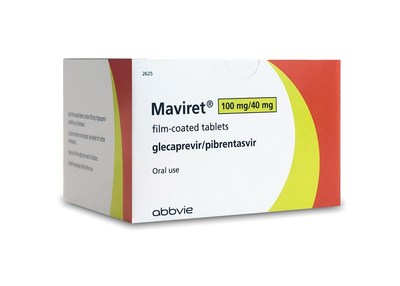
AbbVie's MAVIRET™ now listed on the Nova Scotia and Manitoba formularies
MAVIRET is the first and only 8-week, pan-genotypic treatment for patients with chronic hepatitis C virus (HCV) infection without cirrhosis and who are new to treatment.*1
MAVIRET is the only pan-genotypic treatment approved for use in patients across all stages of chronic kidney disease (CKD).
MONTREAL, June 10, 2019 /CNW/ - AbbVie (NYSE: ABBV), a global, research and development-based biopharmaceutical company announced today that MAVIRETTM (glecaprevir/pibrentasvir tablets) is now listed on the Nova Scotia Formulary and on the Manitoba Drug Benefits and Interchangeability Formulary, both effective since May 31, 2019. MAVIRET is a once-daily ribavirin-free treatment for adults with chronic hepatitis C virus (HCV) infection across all major HCV genotypes (GT1-6).2 It is the only 8-week, pan-genotypic treatment for patients without cirrhosis and who are new to treatment.*
"In Nova Scotia, it is possible to reach the World Health Organization's target of eliminating viral hepatitis as a major public threat by 2030. But in order to be successful, we need to implement strategies that include prevention, screening, timely and rapid testing, effective treatment and patient centred care for everyone living with hepatitis C," says Dr. Lisa Barrett, MD, PhD, FRCPC, Assistant professor, Division of Infectious Diseases, Department of Medicine, Department of Microbiology & Immunology, Dalhousie University. "Today, with treatments including MAVIRET, we should be able to treat almost all people living with hepatitis C infection regardless of their background. This is very important for each individual person but also for elimination because treatment helps prevent the spread of HCV."
MAVIRET is listed on the Nova Scotia Formulary for treatment-naive or treatment-experienced adult patients with chronic hepatitis C genotype 1,2,3,4,5 or 6 infection.3
"At the Hepatitis Outreach Society of Nova Scotia (HepNS), we've worked over the last decade to promote healthy living through information and support for people living with hepatitis C. But more importantly, we've been committed to reducing the transmission rates. We are hopeful that with newer medications like MAVIRET being available in Nova Scotia and New Brunswick, our members will be able to seek the appropriate treatment and finally shed the stigma associated with this disease," explains Alex MacDonnell, Acting Executive Director of HepNS.
MAVIRET is listed on the Manitoba Drug Benefits and Interchangeability Formulary for treatment-naive or treatment-experienced adult patients with chronic hepatitis C genotype 1,2,3,4,5 or 6 infection.4
"Hepatitis C is a serious health concern. When left untreated it leads to complications including liver cancer," explains Dr. Kelly Kaita, Hepatologist, Director, Viral Hepatitis Investigative Unit at the University of Manitoba. "Today, we have the knowledge and the expertise to test, diagnose and treat Canadians living with this deadly disease. Moreover, we have the right treatments, such as MAVIRET, that can cure the disease in as little as eight weeks. Now is the time to act, especially as we are working towards eradicating this virus by 2030."
MAVIRET's efficacy and safety were evaluated in nine phase II-III clinical trials, in over 2300 patients with genotype 1, 2, 3, 4, 5 or 6 HCV infection and with compensated liver disease (with or without cirrhosis).
About Hepatitis C An estimated 250,000 people in Canada are living with chronic hepatitis C but as many as 44% are not aware that they have it.5 Left undiagnosed and untreated, chronic hepatitis C can lead to cirrhosis, liver cancer or liver failure. Currently, hepatitis C is the leading indication for liver transplant in Canada.6 AbbVie supports a range of efforts to help elevate and prioritize HCV elimination because we know achieving the shared goal of elimination by 2030 will take more than medicine. It will take transparent and collaborative partnerships with all stakeholders – industry, healthcare providers, healthcare systems, patient groups and their support networks. Joint efforts and maximizing the time we have left will enable us to reach this goal.
About MAVIRET MAVIRET is approved in Canada for the treatment of chronic hepatitis C virus (HCV) in adults across all major genotypes (GT1-6).7 MAVIRET is a pan-genotypic, once-daily, ribavirin-free treatment that combines glecaprevir (100 mg), an NS3/4A protease inhibitor, and pibrentasvir (40 mg), an NS5A protein inhibitor. MAVIRET is taken once daily as three oral tablets.7
MAVIRET is an 8-week, pan-genotypic treatment that makes a virologic cure** possible in patients without cirrhosis who are new to treatment.*,1 These patients represent the majority of people infected with HCV. MAVIRET is also approved in patients with specific treatment challenges, including those with compensated cirrhosis, who are carriers of one of the major genotypes, and those who previously had limited treatment options, such as patients with severe CKD, post-liver and post-renal transplant recipients*** and those patients with genotype 3 HCV infection.7 MAVIRET is the only pan-genotypic treatment approved for use in patients across all stages of CKD.7
Glecaprevir was discovered during the ongoing collaboration between AbbVie and Enanta Pharmaceuticals (NASDAQ: ENTA) to develop HCV protease inhibitors and therapeutic regimens that include protease inhibitors.
* Patients without cirrhosis and new to treatment with direct-acting antivirals (DDAs), (i.e., either treatment-naive or did not respond to previous interferon-based treatments (pegylated interferon [peg IFN] +/- ribavirin or sofosbuvir-ribavirin +/-peg IFN).
** Patients who achieve a sustained virologic response at 12 weeks post treatment (SVR12) are considered cured of hepatitis C.
***MAVIRET is recommended for 12 weeks in liver or kidney transplant recipients who are HCV GT1-6 treatment-naive or HCV GT-1, -2, -4, -5 or -6 PRS (IFN or peg IFN, ribavirin and/or sofosbuvir)-treatment experienced. A 16-week treatment duration should be considered in transplant patients who are HCV GT-1 NS5A inhibitor experienced (but NS3/4A inhibitor-naive) or HCV GT-3 PRS- treatment experienced.
About AbbVie Care Canadians prescribed MAVIRET will have the opportunity to be enrolled in AbbVie Care, AbbVie's signature care program. The program is designed to provide a wide range of customized services including reimbursement and financial support, pharmacy services, personalized education and ongoing disease management support throughout the treatment.
About AbbVie AbbVie is a global, research and development-based biopharmaceutical company committed to developing innovative advanced therapies for some of the world's most complex and critical conditions. The company's mission is to use its expertise, dedicated people and unique approach to innovation to markedly improve treatments across four primary therapeutic areas: immunology, oncology, virology and neuroscience. In more than 75 countries, AbbVie employees are working every day to advance health solutions for people around the world. For more information about AbbVie, please visit us at www.abbvie.ca and www.abbvie.com. Follow @abbvieCanada and @abbvie on Twitter or view careers on our Facebook or LinkedIn page.
1 Decisions Resources Group. Hepatitis C virus: disease landscape & forecast 2016. January 2017.
MILAN, June 10, 2019 /PRNewswire/ -- 135 young chef candidates from 12 regions, representing 50 countries, are now one step closer to reaching the S.Pellegrino Young Chef 2020 Grand Finale. There were over 2,400 applicants from all over the world who wanted to take part in this globally renowned competition to find the world's best young chef.
Each young chef's application and signature dish was evaluated by culinary experts at the World's Leading International Educational and Training Centre for Italian Cuisine, ALMA, who are in charge of the candidate selection. ALMA's selection process hinged on three key criteria: technical skills, creativity and a personal belief in the transformative power of gastronomy as a device for positive change in society.
"We have had the pleasure of collaborating with S.Pellegrino Young Chef since the very first edition, and every time we are amazed by the variety of ideas and the great passion shown by the candidates," said Andrea Sinigaglia, General Manager of ALMA. "For this edition we selected 135 young talents and we are excited to see how they will perform first on a local, and then on a global scale. Good luck to all of them!"
Moreover, the percentage of women registered among the candidates increased to more than 10% - a number that needs to grow, but that shows the first results of the commitment taken by S.Pellegrino for gender balance and inclusivity.
From August to December 2019, the candidates of each region will compete in 12 regional challenges. Each region will have a jury composed of leading independent chefs, who will judge the candidates' signature dishes and select the regional winners of the four awards.
By the end of December 2019, the Young Chefs from around the globe announced as official finalists of the four awards will move on to the Grand Finale to be held in June 2020. Throughout the months, each finalist will be accompanied by Mentor Chefs, who will provide them with guidance on how to improve their signature dishes and support them in their preparation for the international finals.
About S.Pellegrino and Acqua Panna - S.Pellegrino, Acqua Panna and Sanpellegrino Sparkling Fruit Beverages are international trademarks of Sanpellegrino S.p.A., which is based in Milan, Italy. Distributed in over 150 countries through branches and distributors on all five continents, these products represent quality excellence by virtue of their origins and perfectly interpret Italian style worldwide as a synthesis of pleasure, health and well-being. Founded in 1899, Sanpellegrino S.p.A. is the leading company in the beverage sector in Italy with its range of mineral waters, non-alcoholic aperitifs, drinks and iced teas. As a major Italian producer of mineral water, it has always been committed to enhancing this primary good for the planet and works responsibly and passionately to ensure that this resource has a secure future.
Does Losing Weight Mean Having To Go Hungry?
This NYC Millenial Doctor Shares 6 Reasons You Shouldn’t Starve for Weightloss and What to Do Instead.
For many people losing weight is synonymous with restriction and sacrifice. In an effort to acquire the body of their dreams, patients obsess over every calorie and cut too many corners, leaving their body starved and tired. Dr. Niket Sonpal, an NYC Internist and Gastroenterologist, tells us malnourishment is not the key to a healthy lifestyle and could be the “gateway into difficult health problems.”
Dr. Sonpal, who is an Assistant Professor at Touro College of Osteopathic Medicine and Associate Director of Brookdale Hospital's Residency Program, says, “Starving yourself is a technique that quickly backfires on patients. It can cause ma ss to be stored, water to accumulate, and hormone imbalances, among other things. If we aren’t careful about our nutrition and our weight loss, we can end up worse than when we started.”
Hunger is defined by bodily sensations ranging from mild pains in the abdominal region, headaches, mood changes, a decline in energy or light-headedness. These sensations signal the body’s instinct that it needs to replenish energy by consuming food. Biological cues arising from hunger inform the body of what to how to operate some of its essential functions to adapt to your circumstance. Remember though society has evolved tenfold since the first Neanderthals roamed the earth, our biological instincts are still quite similar, and hunger is at the center of how our body assesses its ability to survive. Simply put, if our body is not receiving the energy it needs, it will adapt its functions to survive what it perceives as hard times. During this adapting period, we can undergo mild to serious health implications that run contrary to our overall goals of losing weight and improving our health.
Here are 6 Major Reasons to Refrain from Starving Yourself and what to do instead:
Your Metabolism
Prolonging your body’s state of hunger regularly and for extended periods can cause your system to slow down your energy expenditure during periods of rest. Your Basal Metabolical Rate dictates how much energy your body burns in order to fuel your essential bodily functions while at rest. In the absence of regular and consistent nourishment, your body may begin to store energy, often in the form of fat.
Many people get caught up in an unhealthy obsession with calories. While calorie counting is sometimes necessary to get rid of stubborn fat and techniques like intermittent fasting can help people jumpstart their metabolism. Studies show that for people who are already obese or lack muscle while packing excess body fat, extended periods of hunger can worsen their situation.
To avoid going down the path of starvation and fat storage, start to slowly and sustainably build a schedule and regiment that has you eating high volumes of low calorie and low carb foods. Vegetables and lean proteins are your friends. Instead of eating two or three huge meals, space them out throughout the day with space for small healthy snacks that keep your energy up throughout the day.
Stress and Bingeing
Hunger and stress have an interesting relationship. People come in a great many varieties, and they react to stress differently. However, it is common for stress, in short doses, to decrease appetite. Prolonged stress, on the other hand, can lead people to binge-eat, especially if someone has developed the habit of food-for-comfort over time. Hunger, prolonged periods of fasting, and eating disorders can increase the body’s production of cortisol, known as the stress hormone. This can make you moody, anxious, and uncontrolled. Stress also inhibits our ability to control our appetite, often leading to overconsumption of calories. Once your system becomes overwhelmed with stress, you break, and the result may very well be binge eating.
Instead, focus on eating as healthily as possible without sacrificing the fulfillment of feeling nourished. If you have a craving for sweets or some treat, navigate the situation reasonably. For example, if you are a fan of chocolate, as many of us are, treat yourself to a piece of dark chocolate after dinner. Dark chocolate is an excellent way to get a taste of cocoa without overdoing the sugar. As for your cortisol production, don’t revolve your entire life around dieting and counting calories. Take time to run outside and feel the sun. Working out is a natural stimulant of endorphins, the hormones that help us feel good. Endorphins are also helpful in helping relieve stress and pain.
Your Calorie Intake Helps Dictate Your Calorie Output
As previously mentioned, our bodies burn calories daily to cover our essential bodily functions while at rest. Reducing calories in an extreme way can reduce the number of calories you regularly burn in an extreme way also. This makes it more difficult over time to lose weight, maintain weight, and remain lean. This is especially true for people who are predisposed to having a hard time shedding pounds, such as postmenopausal women and people with a family history of high cholesterol, diabetes, or obesity.
Instead, focus on the quality of your calories. 200 calories of broccoli will not affect your body the same way as 200 calories of ice cream. Giving our bodies an appropriate amount of food at an appropriate amount of calories is key to our metabolic health. The best way to cover our bases on the calorie front and on the hunger front, meaning fulfilling our energy needs while still satisfying our hunger is to eat foods that are high on nutrients, fiber and vitamins.
Hydration is key to your health
In their incessant battle for an “Instagram-worthy” body, people concentrate overwhelmingly on the solid foods they eat and very little on the liquids they drink. Needless to say, our bodies are dependent on water to help keep them regulated, hydrated and refreshed. If we are dieting like madmen while drinking sugary drinks, dairy products, and alcohol all the time, we are essentially counteracting everything we have accomplished at the gym and the dinner table. In other instances, people forget to drink water leading to dehydration and water retention.
Drinking ample amounts of water is also an effective way to send signals to the brain, informing it that you are not on an empty stomach. Drinking water before a meal has been shown to effectively decrease the amount of a person consumes once they sit down to eat.
Keep in mind water is extremely useful in keeping your digestion working properly.
Fiber is your friend
Fiber is a useful tool for staying regulated and healthy. Fiber is interesting because, though it is a carbohydrate, the body is unable to dismantle the nutrient to convert it to a simple sugar molecule. This results in Fiber passing through our gastrointestinal tract accomplishing many beneficial tasks to help us with our diet and health goals. Fiber is a healthy way to increase fullness hormones in the body. For many people who have built up resistance to this hormone, called leptin, this becomes more beneficial as your body becomes leaner and you become healthier. Fiber also helps to keep you full and it shows up in a variety of foods from fruits to vegetables to grains. The versatility of fiber means it is easy to work it into your diet without a lot of stress. Fiber helps fill you up as well without the risk of it staying and accumulating in your body to be processed into fat.
Opt for healthier choices that are rich in fiber, as opposed to processed and sugary drinks with little nutritional value. Because of where fiber is found, odds are the foods you eat to incorporate it into your diet will be full of many other vitamins and nutrients that will help keep your body healthy.
Fat Storage
The term “starvation mode” is incredibly common and if you confess your fasting weight loss methods to a caring friend or family member, odds are they will mention starvation mode as a reason against going hungry. You may be tempted to roll your eyes and ignore the advice, but your loved one may be right. When we are constantly hungry, skipping meals and only feeding our bodies with one or two big meals a day, even if the meals are mostly healthy the body will do everything it can to store as much fat and nutrients as it can. This is especially true if you eat at inconsistent times of the day. Why? Because the body’s biological clock does not know when its next meal will come and how big that meal will be. So while you go hungry, your body grows anxious and looks for ways to compensate for the insufficient and inconsistent way with which it is fed.
To avoid starvation mode, make sure you are eating consistently and snacking on something natural and healthy between meals. Make sure to never skip breakfast as it jumpstarts your metabolism. Breakfast is also a signal to the body that its overnight fast is now over. It helps to keep track of the times you eat and make an effort to stay relatively consistent when it comes to your eating schedule. This will help alleviate some of the body’s anxieties about being left without food until further notice. About the Expert:
Dr. Niket Sonpal is an Adjunct Assistant Professor at Touro College of Osteopathic Medicine and Clinical instructor at Kingsbrook Jewish Medical Center, Brooklyn who specializes in Gastroenterology. He is a graduate of the Medical University of Silesia – Hope Medical Institute in Poland. After completing his residency in Internal Medicine at Lenox Hill Hospital, he was selected to be the 2013‐2014 Chief Resident at Lenox Hill Hospital–Northshore LIJ Health System. Dr. Sonpal has completed his Fellowship in Gastroenterology & Hepatology at Lenox Hill Hospital and continues his work in the field of medical student and resident test preparation. He now serves as the associate program director for the Internal Medicine Residency Program at Brookdale University medical center. He is the co‐author for the best-selling Master the Boards: USMLE Step 2 CK, Master the Boards Step 3, And Master the Boards: Internal Medicine. He is also the Chief Operating Officer for Medquest Test Prep, Director of Medical Education for Picmonic Test Prep, and a recognized expert on medical test prep.
62nd Annual Conference of the Canadian Society for Molecular Biosciences (CSMB) at IRIC
MONTREAL, May 31, 2019 /CNW Telbec/ - On the occasion of the 62nd Annual Conference of the CSMB, the Institute for Research in Immunology and Cancer (IRIC) of the Université de Montréal is delighted to play host to: Model Systems in Cancer Research, to be held from June 2 to June 5, 2019. More specifically, this conference will focus on research relevant for understanding the biological basis of cancer using a variety of model systems including model organisms, in vitro systems and computer modeling.
Distinguished speakers
More than thirty speakers and special guests have confirmed their attendance. The list includes Mrs. Helen McNeill, Ph.D., of the Washington University School of Medicine, who we are honoured to have as our keynote speaker, and Mrs. Mona Nemer, Ph.D., Chief Science Advisor of Canada, who will take part in the Science & Society workshop.
A stimulating program for the scientific community
The conference will bring together close to 300 researchers, students and postdocs from all over Canada to present their research involving topics related to basic cancer biology. Eighty oral presentations will be delivered during parallel sessions with the following themes: Yeast, Invertebrates, Murine models, Vertebrate models, Emerging model organisms, Biochemical and biophysical models, Chemical biology, Stem cells, Models of cancer hematopoiesis and immunity, Patient derived xenografts, Cellular and tissue models, Computer modeling, Synthetic biology and Genomic engineering. Over a hundred poster presentations will also be made. Oral presentations will also be delivered in plenary by 2019 CSMB award winners.
The CSMB Annual Conference also provides an opportunity to network and to exchange on important issues in biomedical research: equity, diversity and inclusion; science and society; the promotion of research to politicians and the general public, and career planning.
About the Institute for Research in Immunology and Cancer (IRIC) of the Université de Montréal
An ultra-modern research hub and training centre located in the heart of the Université de Montréal, the Institute for Research in Immunology and Cancer of the Université de Montréal was created in 2003 to shed light on the mechanisms of cancer and discover new, more effective therapies to counter this disease. IRIC operates according to a model that is unique in Canada. Its innovative approach to research has already led to discoveries that will, over the coming years, have a significant impact on the fight against cancer.
The Canadian Society for Molecular Biosciences is a professional association of active researchers in Biochemistry, Cell Biology, Molecular Biology and Genetics. The CSMB is committed to the promotion of equity, diversity and inclusion in molecular biosciences across Canada – as a way of leveraging all our human capital. The CSMB plays an important role to foster interaction, communication and collaboration amongst discovery scientists, and to build the next generation of researchers for academia, industry and the entrepreneurial enterprise.
SOURCE Institute for Research in Immunology and Cancer (IRIC) of the Université de Montréal
Training for the marathon of fatherhood. The real Dad Bod is about strength and stamina.
The Dad Bod. Most of us picture the physique of a middle-aged man who stands over the barbeque and swigs beer, hitting the gym when it fits their schedule, but not obsessed with six packs and diets. But Gareth Nock, an active father of a young daughter and team training coach with GoodLife Fitness, thinks we need to reframe the idea of the Dad Bod to focus more on function. For fathers, it’s about working with your body to ensure it delivers the strength and stamina needed to be an active, involved parent. The role of the father is evolving, research shows millennial fathers spend more time with their children than any other generation. Being a dad means you need to have the strength to do an ‘underdog’ on the swings, carry car seats, give shoulder rides and push strollers. As kids get older, it also means lots of driving, cooking, late nights and help with homework. As men age out of their 20s, there are common things that happen – both physically and mentally. Men tend to lose muscle mass and their metabolism slows after 40. At the same time, heart health becomes more of a concern and stress levels rise, as men juggle the responsibilities of parenting, work, home ownership and more. Exercise and healthy eating can help address these factors and help build stamina for the parenting marathon. Here are some ways to build the best version of a Dad Bod for some key parenting jobs.
Piggybacks, pushing swings, carrying car seatsPiggybacks and pushing swings, as well as carrying car seats and cribs all require a solid core, stability in your shoulders and back and strong arms and legs. Bodyweight exercises like planks, squats, push-ups, and deadlifts can help you build your strength in all the right places. Best of all, they can be done during naptime. Yard work, climbing laddersClimbing ladders, wielding a whippersnapper or pushing a mower around the yard takes stamina. For this, Nock recommends building in 20-30 minutes of cardio several times a week to build up your cardiovascular capacity. Not only will yardwork get easier, but you’ll be able to keep up with your kids and you’ll burn calories. Driving to practices, sitting on the sidelinesParenting isn’t all action. It also means a lot of sedentary time as you drive kids to practices and games, watch them perform and stand by during naptime. Here are a few tips to work in some extra movement:• Keep a comfortable pair of sneakers in your car so you can walk or jog for 30 minutes during the game or practice. • If all else fails, stand instead of sitting at the game. You can burn an extra 50 calories an hour, plus you’ll feel better after sitting all day at work. • Coach the team or take classes with your kids – instead of just watching the Tae Kwon Do class, try joining for a fun family activity. Fewer hours of sleepBabies and young children can wreak havoc on a regular sleep schedule, leaving parents feeling tired, stressed out and prone to illness. A quick run or brisk walk can help wake you up in the morning and reinforce your immune system, while a strength training workout can be great for venting stress and clearing your mind. More stress, less time for youBeing an involved father means juggling work, home, time with kids. It’s tough to make time for social life and exercise often takes a back seat. Managing multiple priorities can cause stress levels to rise, making exercise even more important. Try to find time to be active every day, whether it’s walking to work, a quick run at lunch, or a group fitness class or strength training program after the kids are in bed. Getting your heart rate up and lifting some weight can help blow off steam, improve your mental health and help you sleep. Fitness experts and fathers in your city are available to talk more about exercise recommendations for a functional Dad Bod, emphasizing common health changes and fatherhood tasks. Please let me know if you’d be interested in arranging an interview soon.
TRAIN IT RIGHT NEWSLETTER
Sign Up and get a free 7 day Train it Right HIIT Program!