Akira Opens First Physical Healthcare Clinic to Reimagine Primary Care
Union Health clinic in downtown Toronto will seamlessly integrate face-to-face healthcare with virtual care for improved patient experiences
TORONTO, April 11, 2019 /CNW/ - Akira, one of Canada's leading digital health companies, announced today that it is applying its healthcare expertise to launch Union Health, a technology enabled, innovative, in-person clinic in downtown Toronto that is reimagining the way patients and clinicians interact.
Akira's healthcare app and cross-Canada primary care providers have already successfully completed tens of thousands of virtual medical consultations for patients who need prescriptions, referrals to specialists, lab work requests, and overall medical advice. With the opening of Union Health, patients can now use the Akira app to book appointments, securely message the clinic, view their medical results, and access mental health and nutritional support.
While Akira app users can currently use secure text and video chats directly on their mobile phone or computer to resolve more than 50% of issues that would usually take them to a doctor's office, Union Health can now address the other half of their concerns.
"We are excited to bring virtual and face-to-face care together at Union Health in a way that will benefit patients and our health system as a whole," said John Mozas, CEO and co-founder of Akira. "We see tremendous opportunity to build on Canadians' access to timely and personalized healthcare."
Akira recognizes that technology has been underutilized at the patient level and should be leveraged to enhance a patient-doctor experience that can sometimes be difficult and inconvenient. Akira's objective is eventually to use the app to help patients determine if they actually need an in-person visit, and to provide specialist consultations using its technology platform.
Managing Union Health's operations, Akira will be able to ensure continuity of care and proactive communication to patients in need of attention by digitally integrating patient medical records using TELUS Health's electronic medical record technology. Together, Akira and Union Health are meant to further enhance Canada's strong healthcare system, providing another tool in physicians' toolkit to provide great patient care.
In its flagship location at TELUS Harbour, 25 York Street, Toronto, just south of Union Station, Union Health is open Monday to Friday, from 8 a.m. to 5 p.m. and in-person doctor visits will be covered under the provincial Ontario Health Insurance Plan (OHIP). Users of the Akira app can still access care 24 hours a day, 7 days a week, in French and English, and can now also connect to the clinic directly using the same platform.
About Akira Health Akira Health is a digital healthcare company focused on creating best-in-class technology to enable exceptional patient care and clinical operations, measured in both experience and outcomes. The Akira app builds upon services offered both in the public healthcare system and through an individual's health benefits plan, facilitating the innovative delivery of primary care and other patient-centred healthcare services. The Akira app is designed to allow patients to seek care directly through their mobile phone and stay connected, wherever they go, by instantly connecting to doctors and nurse practitioners - safely, securely, when and where they need it. Akira is an easy, convenient way to ask questions, get treated, renew prescriptions, get referrals, and keep well. https://akirahealth.ca
About Union Health Union Health is a physical primary care clinic that unites primary and virtual care, always delivered by friendly, caring, and empathetic clinicians. Working within our publicly-funded system, Union Health is reimagining the delivery of primary care in Canada for patients and healthcare providers alike, encouraging and enabling proactive healthcare in-person and digitally, across the spectrum from illness to wellness.
SOURCE Akira Health
BI Health Group Speaks Directly To Patients
Follow These Steps After An Accident To Get Back To Full Health
VANCOUVER, April 11, 2019 /CNW/ - In the wake of major changes announced recently by the Insurance Corporation of British Columbia (ICBC), CBI Health Group, the country's largest community healthcare provider, is offering some advice to patients injured in automobile collisions.
Tanja Yardley, CBI's National Healthcare Innovation Lead, says there can be confusion after a vehicle accident, particularly when there is injury involved, but CBI urges patients to follow a three-step plan to put them on the road to better health as soon as possible.
"Anyone involved in an accident needs to remember three basic things. Firstly, sooner is better when it comes to getting rehab services. Secondly, educate and empower yourself, and thirdly remember there is more to accident recovery than just the physical and all of those needs should be addressed."
Yardley added that putting off healthcare decisions because people are unfamiliar with exactly what to do could be detrimental.
"Under the new measures patients have access to a no-fee, comprehensive and individually-tailored treatment plan with CBI and other providers through ICBC in the first 12 weeks after an accident. When barriers are removed and people have early access to affordable treatment, we definitely see better health outcomes.
Yardley says the most important priority following any type of accident is getting back to good health as soon as possible.
CBI has been in the business for more than 40 years has a 95 per cent patient satisfaction record due in large part to our "patient first" mentality, she added.
"We want people to get back to being healthy and productive for themselves, their families and even the economy as a whole and that's what our approach strives to achieve," Yardley said.
About CBI Health Group CBI Health Group is Canada's largest integrated community healthcare network. In 800 communities, with over 250 facilities and 112 transitional and residential homes, our services are provided by a dedicated team of more than 13,000 employees that include physiotherapists, occupational therapists, registered massage therapists, kinesiologists, chiropractors, speech-language pathologists, psychologists, physicians, nurses, caregivers, dietitians, social workers and behaviour therapists. The CBI group of companies includes CBI Health Centres, CBI Home Health, We Care Home Health Services, Monarch House, CBI Workplace Solutions, and CBI Assessment Services.
FlexITy Partners with GetWellNetwork Delivered By FlexHealth® - Patient Engagement Technology for Canadian Healthcare Providers
FlexITy is uniquely Canadian and was recently selected by Mackenzie Health to deliver "smart" patient engagement technology at their new Mackenzie Vaughan Hospital.
RICHMOND HILL, ON, April 11, 2019 /CNW/ -FlexITy, an award-winning technology company is delighted to announce a FlexHealth solution which is designed in partnership with GetWellNetwork® to deploy "smart," patient-centric solutions in Canada. Our exclusive relationship with GetWellNetwork, combined with our deep understanding of the technology, security and data privacy needs of healthcare providers, has enabled us to deliver an advanced and innovative patient engagement platform that is well-positioned for Canadian healthcare.
"Technology has a vital role to play in improving patient care and patient outcomes," said Peter Stavropoulos, CEO and President, FlexITy. "As a leading provider of technology and service solutions in Canada, we were very selective in determining that digital patient engagement provider GetWellNetwork is the right partner and their solution GetWell Inpatient™ is the right technology for us to expand our FlexHealth practice, a fully digital patient engagement and care experience for Canadian healthcare organizations."
"Care delivery models are changing rapidly and patients today are expecting more personalized and consumer-like experiences regardless of the care setting, condition or stage of the patient journey they're in," said Michael O'Neil, founder and CEO, GetWellNetwork. "The Canadian market is one that we've been considering for some time, but we needed the right partner to jointly deliver the right solution. FlexITy is that partner and we are delighted that Mackenzie Health selected FlexITy with GetWell Inpatient as the right patient and family engagement solution for their new hospital."
Mackenzie Health will deploy GetWell Inpatient, powered by FlexITy and GetWellNetwork, at the new Mackenzie Vaughan Hospital, currently under construction and set to open in late 2020. The solution will integrate with Mackenzie Health's electronic medical record to deliver personalized health support – helping patients understand their condition, learn about medications, control their environment, prepare for discharge and more. The 1.2 million sq. ft. hospital will provide 350 patient beds with the ability to increase capacity to 550 beds. As the first new hospital in York Region in more than 30 years, it will join Mackenzie Richmond Hill Hospital, alongside Mackenzie Health's community-based locations, in providing access to state-of-the-art healthcare to residents. This technology will be in place at Mackenzie Vaughan Hospital in late 2020. Plans to implement some features gradually at Mackenzie Richmond Hill Hospital will occur after 2020.
"We are thrilled to partner with FlexITy to deploy the innovative GetWell Inpatient digital solution at Mackenzie Health," says Altaf Stationwala, President and CEO, Mackenzie Health. "This 'smart' patient- and family-centered technology will integrate with Mackenzie Health's electronic medical record and support healthcare professionals in delivering personalized health support at the bedside. This is a key step forward on our 'smart' hospital vision to provide our community with exceptional healthcare."
For patients, FlexHealth-Powered by FlexITy with GetWell Inpatient will mean more control, increased convenience, deeper knowledge and a better experience. For healthcare professionals, it will mean spending less time filling out paperwork, accurately capturing data in real-time and creating efficient workflows that allow more time at the patient's bedside.
FlexITy will further continue to invest in resources in order to collaborate into Mackenzie Innovative Institute (Mi2) for the advancement and research of innovative healthcare in Canada.
"One of the biggest opportunities with this technology solution is the level of control and independence we can give directly to patients," says Richard Tam, Executive Vice President and Chief Administrative Officer, Mackenzie Health. "The 'smart' pathways and intelligence we're building into this technology will unlock a world of choice for all patients and families."
About FlexITy Solutions FlexITy is an award-winning integrator of smart technology and service solutions, built on powerful and digitally advanced secure platforms, and delivered with decades of IoT expertise and services. FlexHealth-Powered by FlexITy, is a suite of patient-centric solutions that integrate interactive mobile applications, secure health IT and data and optimize healthcare management. FlexHealth engages patients and families, empowers clinicians and delivers outcomes that matter.
About GetWellNetwork GetWellNetwork is the Precision Engagement healthcare company. Our solutions engage patients and families, empower clinicians and deliver outcomes that matter. From inpatient to outpatient, to physician practices and urgent care clinics, to patients on the go, GetWellNetwork offers the only cross-continuum platform that performs across every care setting. Learn more at getwellnetwork.com or follow @GetWellNetwork on social media.
About Mackenzie Health Mackenzie Health is a dynamic regional healthcare provider which includes the existing Mackenzie Richmond Hill Hospital and the future Mackenzie Vaughan Hospital, as well as a comprehensive network of community-based services. In March 2017, the organization received its second consecutive award of Accreditation with Exemplary Standing from Accreditation Canada for its commitment to safety and quality patient care. This is the highest rating a Canadian healthcare provider can receive. Guided by a vision to create a world-class health experience, Mackenzie Health has an unrelenting focus on the patient and is dedicated to patient needs now and in the future. With over 500,000 residents in Southwest York Region, Mackenzie Health is proud to serve one of the fastest growing and most diverse communities in Canada. For more information, please visit mackenziehealth.ca
SOURCE FlexITy Solutions Inc.
For further information:
Press Contact: Nympha Lee, Director of Marketing and Communications, FlexITy Solutions, 1.866.779.3539, nympha.lee@flexity.com
To Coincide with the Boston Marathon,
Safety Wearable Technology Company, Run Angel
Announces New Charity Partnership with Angel Flight Northeast
BOSTON – APRIL 11, 2019– Safety wearable technology company, Run Angel Ltd., has partnered with Angel Flight Northeast, a non-profit organization that coordinates free air transportation for patients to access life-saving medical care.
"Angel Flight Northeast is a story of courageous men, women and children who have an incredible will to live. Partnering with Angel Flight Northeast in advance of the one of the greatest running events of the year, the Boston Marathon, was an obvious choice for us," said Ellen Caren, Founder of Run Angel. "We at Run Angel, share in Angel Flight Northeast’s commitment and dedication in helping those most in need, especially in an emergency situation.”
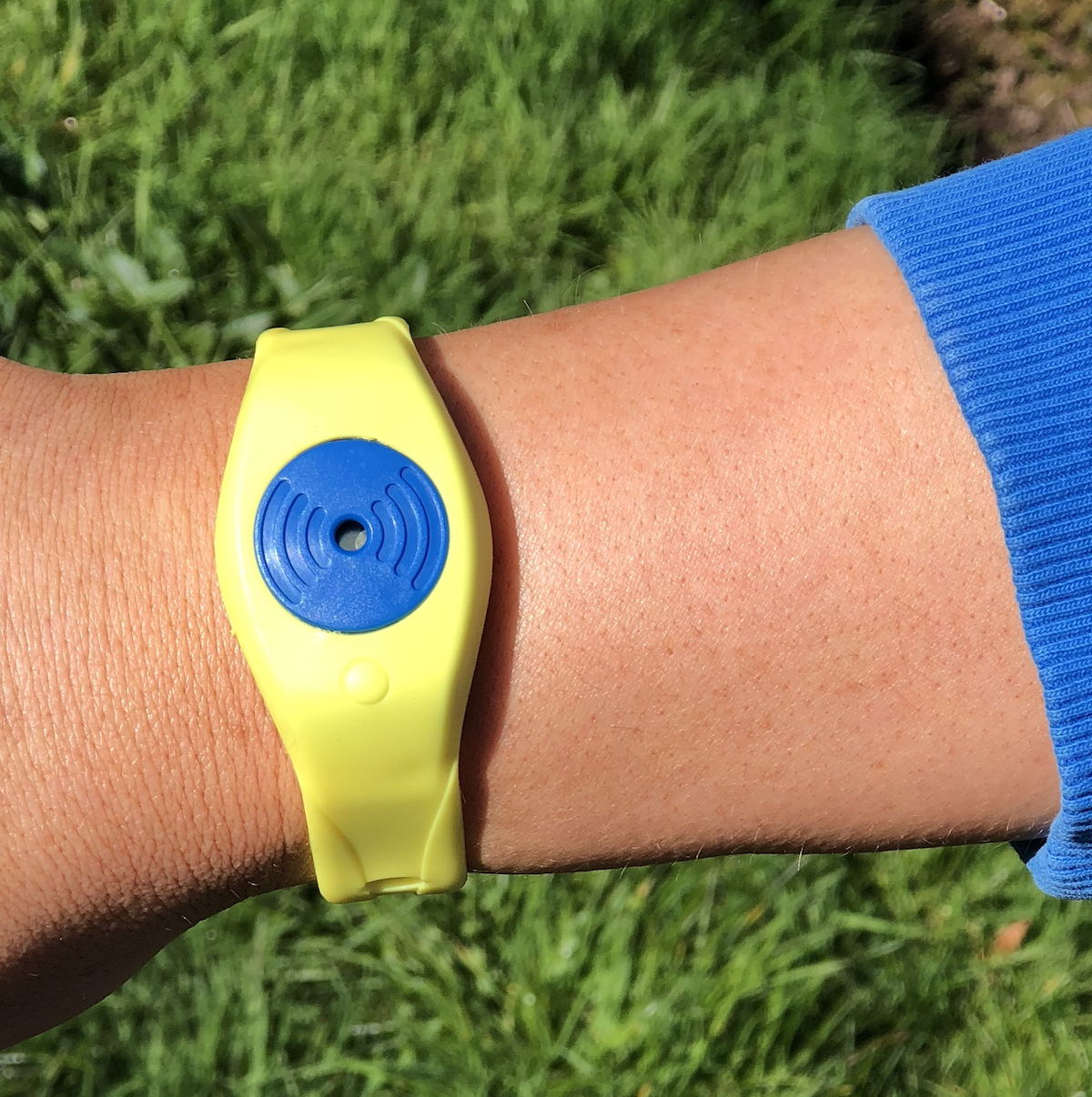
Run Angel™ is an innovative safety wrist wearable that emits a very loud siren from its patent pending acoustic chamber design to attract attention in an emergency and connects with smartphone devices to send emergency alerts to loved ones by SMS & email, showing the date, time and location of the wearer.
“We are honored and humbled that Run Angel has chosen Angel Flight NE as their charity of choice with a percentage of the proceeds from their Limited-Edition Boston Angel, inspired in the colors of the renowned Boston Marathon, going to support our mission,” said Larry Camerlin, President and Founder of Angel Flight Northeast. “Much like our mission to make a profound difference in the lives of our patients and their families, Run Angel’s personal safety wearable makes a difference in the lives of those who wear it as well as in the lives of those they care about and love.”
Angel Flight Northeast is a non-profit that coordinates free air transportation services for patients who need to travel outside of their area for specialized medical care. This is made possible with the volunteer corps of over 500 private pilots who combine their love of flying with the spirit of grassroots volunteerism by flying patients and their families to the critical health care they need along with the assistance of commercial aviation partners. Founded in 1996, AFNE have scheduled over 77,000 flight requests and have flown more than 15 million miles. For more information regarding Angel Flight Northeast, please visit www.angelflightne.org/
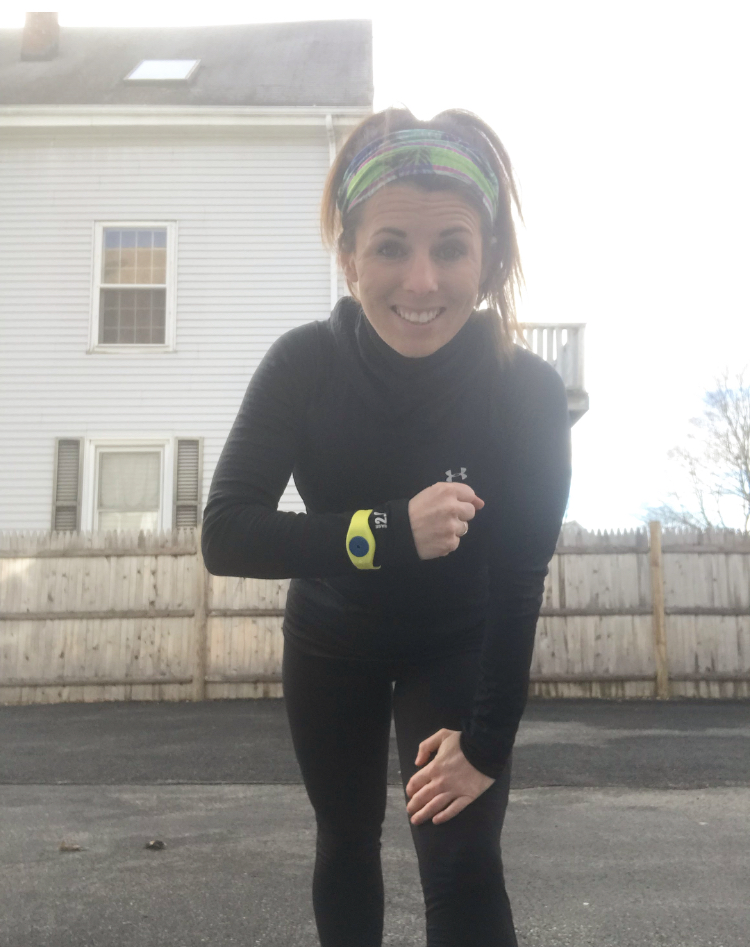
A blue and yellow Limited Edition ‘Boston Angel’ is now available from www.runangel.com at $80. The device has been tested out by a fantastic young woman by the name of Allison McCarthy.
“I love Run Angel’s device because I go on a lot of runs by myself, so safety is always on my mind. By wearing the Run Angel device, it gives me peace of mind that if something happens to me medically or as result of an attack, I know that there is way that I can be found,” noted Allison McCarthy. Allison is running the marathon to raise funds and awareness for Angel Flight NE in honor of her family member – Jessica – who Angel Flight NE have been flying from Boston to New York for specialized care. “The Run Angel device adds a layer of protection for
all those things you cannot prevent but can help mitigate with this safety measure.”
“Run Angel demonstrates the importance of staying safe while staying active,” said Catie Riordan, VP of Consumer Retail, Enterprise Ireland. “We are so proud to support Run Angel and it is so fantastic to see them teaming up with Angel Flight NE for a meaningful and worthwhile partnership.”
About Enterprise Ireland
Enterprise Ireland is the Irish State agency that works with Irish enterprises to help them start, grow, innovate and win export sales in global markets. Enterprise Ireland partners with entrepreneurs, Irish businesses, and the research and investment communities to develop Ireland's international trade, innovation, leadership, and competitiveness. In this way, we support sustainable economic growth and regional development and help create and sustain employment in Ireland.
IMAGES FOR USE:
Boston Run Angel
Allison McCarthy wearing the Boston Angel in training for the Boston Marathon
Media Advisory - New Disruptive Health Technologies, Accessibility and Affordability of Drugs and Devices on the Agenda - 2019 CADTH Symposium in Edmonton, April 14 to 16
OTTAWA, April 11, 2019 /CNW/ - Big system changes are transforming the Canadian health system. At the 2019 CADTH Symposium, Canada's top health sector experts have news and insights to share about the potential impact of changes like the introduction of national pharmacare, evolving strategies to deal with the opioid crisis, and breakthrough therapies for rare diseases with big prices tags.
Senior policy-makers, health care providers, patients, researchers, and pharmaceutical and medical device industry leaders will gather in Edmonton from April 14 to 16 to discuss how Canada can manage health technologies, adapt to transforming health systems, and better respond to disruption and complexity in health care.
Topics to be discussed include:
What are the challenges and opportunities for artificial intelligence in health care?
How can we expect new disruptive technologies to make an impact on the health system and patient care?
Where is gene therapy headed and how do we prepare for it?
What values should we be looking at in the debate around pharmacare?
How do we treat opioid dependency in dispersed populations?
What are the social, medical, and public health costs and benefits of cannabis?
How can our health care system manage expensive drugs for rare diseases?
Featured speakers include:
Dr. Brian O'Rourke, President and CEO, CADTH
Mitch Moneo, Assistant Deputy Minister, Pharmaceutical Services Division, British Columbia Ministry of Health
Dr. Vinay Prasad, Associate Professor of Medicine, Oregon Health and Science University
Colleen Flood, Professor, University of Ottawa, and University Research Chair in Health Law & Policy
Frédéric Rupprecht, World Wide Vice-President, Head of Health Economics and Market Access Centre of Excellence for Johnson & Johnson Medical Devices
What:
2019 CADTH Symposium
Where:
Edmonton Convention Centre, 9797 Jasper Avenue, Edmonton
9:30 a.m. — The official opening and opening plenary, "Disruptive Innovation: The Hope and Hype of Transformation," will bring together a diverse group to discuss disruptive new technologies we can expect to see soon, the expectations patients have for health system transformation, and how hype can derail evidence-driven transformation.
11:15 a.m. — "Managing the 'Expense' in Expensive Drugs for Rare Diseases" brings together panellists who will outline the steps being taken to improve decision management, timeliness, and the availability of expensive drugs for rare diseases.
1:30 p.m. — "Opioid Dependency Treatment for Dispersed Populations, The Alberta Rural Opioid Dependency Program Experience and Results" will examine the success and lessons learned from a program that treated participants in their home communities, including Indigenous communities, via telemedicine.
Tuesday, April 16
7:30 a.m. — Breakfast sessions, including key issues such as a harm reduction policy in Alberta, patient compensation in health research, and how to equip the next generation of health economists.
2:45 p.m. — The closing plenary, "The Transformation Challenge," will provide an opportunity for informed dialogue and debate on the challenges and opportunities associated with health system transformation and key issues using an interactive format, with participation from a panel of experts and the audience.
About CADTH
When Canada's health care decision-makers need to know what the evidence says, they ask CADTH. CADTH is an independent, not-for-profit organization responsible for providing Canada's health care decision-makers with objective evidence to help make informed decisions about the optimal use of drugs and medical devices in our health care system. CADTH receives funding from Canada's federal, provincial, and territorial governments, with the exception of Quebec (www.cadth.ca).
SOURCE Canadian Agency for Drugs and Technologies in Health (CADTH)
Health Canada issues Notice of Compliance with Conditions (NOC/c) for LibtayoTM (cemiplimab), the first and only biologic for the treatment of advanced cutaneous squamous cell carcinoma (CSCC)
Source: Sanofi (EURONEXT: SAN) (NYSE: SNY)
* CSCC is the second most common skin cancer in Canadai
TORONTO, April 11, 2019 /CNW Telbec/ - Sanofi Genzyme, the Specialty Care Business Unit of sanofi-aventis Canda Inc, announced today that Health Canada has issued a Notice of Compliance with conditions (NOC/c) for LibtayoTM (cemiplimab) for the treatment of adult patients with metastatic or locally advanced cutaneous squamous cell carcinoma (CSCC) who are not candidates for curative surgery or curative radiation. The market authorization is conditional pending the results of studies to verify its clinical benefit. LibtayoTM is a fully-human monoclonal antibody targeting the immune checkpoint receptor PD-1 (programmed cell death protein-1) and is the first and only biologic treatment specifically approved and available for advanced CSCC in Canada.
"Today's Health Canada decision is great news for patients with advanced CSCC, who previously had no approved treatment options," says Dr. Joel Claveau, M.D., dermatologist specialized in the diagnosis and treatment of melanoma and skin cancers, and Associate Professor with the Department of Medicine at Le Centre Hospitalier Universitaire de Québec, Hôpital Hôtel-Dieu, Quebec City. "Libtayo is an important new immunotherapy option for Canadian physicians to help address a significant unmet need in this patient group."
CSCC is the second most common form of skin cancer accounting for approximately one-fifth of all skin cancer cases in Canadaii. When CSCC invades deeper layers of the skin or adjacent tissues, it is categorized as locally advanced. Once it spreads to other distant parts of the body, it is considered metastatic.iii
"Canadians living with metastatic cutaneous squamous cell carcinoma are in urgent need of access to new therapeutic options to treat this elusive yet serious skin cancer, especially in the case of advanced disease," says Kathy Barnard, Founder of Save Your Skin Foundation. "We applaud Health Canada's approval of Libtayo, which provides new hope for patients and their loved ones."
Annette Cyr, Chair of the Melanoma Network of Canada, agrees:
"Patients with advanced metastatic CSCC face significant life threatening challenges, not to mention the physical and emotional impacts of this disease. Beyond surgery and radiation, there hasn't been many options," she says. "Today's approval of Libtayo by Health Canada provides a treatment option that gives our patient community and their families reason to hope."
Prior to today's announcement, in 2018 LibtayoTM(cemiplimab-rwlc) received FDA approval under Priority Review and was granted Breakthrough Therapy Designation status for the treatment of patients with metastatic CSCC or locally advanced CSCC who are not candidates for curative surgery or curative radiation.Breakthrough Therapy Designation was created to expedite the development and review of drugs that have the potential for substantial improvement in the treatment of serious or life-threatening conditions.
"The approval of Libtayo represents Sanofi Genzyme's commitment to the CSCC community, who have been suffering the burden of their condition," states Marissa Poole, General Manager, Sanofi Genzyme Canada. "This treatment provides hope for Canadian patients living with advanced CSCC as the first approved biologic treatment to address the debilitating impact of this devastating disease and fills a critical treatment gap."
About LibtayoTM LibtayoTM is a prescription medicine used to treat people with a type of skin cancer called cutaneous squamous cell carcinoma (CSCC) that has spread or cannot be cured by surgery or radiation. LibtayoTM is manufactured by Regeneron, and jointly developed and commercialized globally by Regeneron and Sanofi.
The Health Canada Notice of Compliance with conditions (NOC/c) of LibtayoTM was based on a combined analysis of data from an open-label, multi-center, non-randomized Phase 2 trial known as EMPOWER-CSCC-1 (Study 1540) and two advanced CSCC expansion cohorts from a multi-center, open-label, non-randomized Phase 1 trial (Study 1423). Together, the trials represent the largest prospective data set in advanced CSCC.
About Cutaneous Squamous Cell Carcinoma (CSCC) CSCC starts in squamous cells of the skin, which are flat cells found in the outer part of the epidermis.
When CSCC is found very early and only in the epidermis, it is called CSCC in situ. It isn't usually life-threatening because it is an early form of CSCC. CSCC in situ may turn into invasive CSCC if not treated. This means that the cancer can grow into nearby tissue or deeper layers of skin.
The leading cause of CSCC is frequent sun exposure. People with fair skin, light hair, and blue, green, or gray eyes are at the highest risk.iv
The symptoms of CSCC include:
Warts that grow and crust or bleed occasionally.
Scaly red patches, with irregular borders, which sometimes crust or bleed.
Sores that are open, and bleed and crust for weeks.
An elevated growth with a central dip that occasionally bleeds.
If lesions are untreated, they may continue to grow, causing damage to the surrounding tissue. This damage could cause the lesion to spread to other parts of the body.v
About Sanofi
Sanofi is dedicated to supporting people through their health challenges. We are a global biopharmaceutical company focused on human health. We prevent illness with vaccines, provide innovative treatments to fight pain and ease suffering. We stand by the few who suffer from rare diseases and the millions with long-term chronic conditions.
With more than 100,000 people in 100 countries, Sanofi is transforming scientific innovation into healthcare solutions around the globe.
In Canada, we employ close to 2,000 people. In 2017, Sanofi companies invested $123 million in R&D in Canada, creating jobs, business and opportunity throughout the country.
Sanofi Genzyme focuses on developing specialty treatments for debilitating diseases that are often difficult to diagnose and treat, providing hope to patients and their families. To learn more about our company, visit www.sanofi.ca or follow us on Twitter @SanofiCanada.
Imagine you are presenting a motivational speech to your sales force and you can’t stop hiccupping, or you’re on that first date and you lean in for a kiss and a big burp escapes from your mouth! Still worse, what if you are a celebrity like Whoopi Goldberg whose microphone captured the sound of her passing gas on “The View?” Celebs are not immune from strange sounds our bodies make at the most inopportune times and neither are you. Here’s why these noises occur and what to do if they are chronic as explained by Dr. Niket Sonpal who is both an internist and gastroenterologist in New York City.
1. Hiccups
“Hiccups are an involuntary contraction of the diaphragm and other muscles that see air coming in and striking the voice box,” explains Dr. Sonpal. Less than a second after your vocal cords close shut creating the hiccup sound and the air remains in the diaphragm. Some causes are thought to be eating too quickly or excessively, an irritation of the stomach or throat brought about by indigestion. Hyperventilation and conditions of the respiratory system like the lungs and more.
Not to be alarmed, most cases of the hiccups are just temporary and can be treated with home remedies like holding your breath for a few seconds or drinking water.
2. Jaw Clicking
Our jaw is connected to the skull by the temporomandibular joint (TMJ). The TMJ is made up of ligaments and tissue among other things and a disc that sometimes changes shape especially if stretched too much. In some cases, people will suffer from TMJ Dysfunction which will cause pain and cracking noises. This condition is an umbrella term for wear and tear of the temporomandibular joint and in extreme cases, if the bone or disc in the area become concave, patients may have difficulty fully closing their mouth.
What to do? Seek an oral health expert like a dentist or oral surgeon if the cracks get sharper and louder, if you cannot close your mouth completely and/or if you are having bothersome pain and lockjaw.
3. Burping
Burping or belching are two words to describe the noise our body makes when we expel gas from our upper digestive system out through our mouth. This happens because there is an excess of air and gas that often doesn’t even get to the stomach before we belch it out. Burping is harmless and happens as a natural result of swallowing air while drinking, eating or talking. Drinking carbonated soft drinks and smoking can give you more urges to belch.
What to do? Take your time when eating or drinking. Avoid sugary carbonated drinks. They release carbon dioxide gas. Treat Heartburn symptoms with proper over the counter medication like antacid chewables. Gastroesophageal reflux disease may cause burping but the belching is usually accompanied by clearer signals of that particular disease like acidic heartburn, nausea followed by sour liquid regurgitation among other things. If your symptoms are that extreme visit your doctor or gastroenterologist for prescription strength medication.
4. Whistling in your nose
This is nothing to be alarmed about. Mucus accumulates in the nasal cavity and then hardens as we breathe through our nose. “This is what scientists refer to as, boogers,” quips Dr. Sonpal. If the hardened mucus circles your nasal cavity only leaving a small narrow space for the passage of air, then it creates the whistling effect much like our lips create a narrow space for air to flow through when whistling through our mouth.
What to do? If the whistling is accompanied by cold or FLU symptoms, then a decongestant will help. If you are suffering from allergies, an antihistamine is best. If your only discomfort comes from the hardened mucus, use a saline spray to moisten the discharge before implementing cotton swab to clean your nasal cavity ones the matter is soft and won’t cause bleeding when removed.
5. Ringing in your ears
If you are experiencing ringing in one or both of your ears you probably are dealing with tinnitus. This condition is caused by infections, aging and general degeneration of the eardrum and loud noises that damage cells in the inner ear. This effect causes the “cochlea to send signals to your brain, regardless of there being high pitched ringing or not.” says Dr. Sonpal.
What to do? If phantom sounds linger for two days or more and are paired with pain, or loss of balance, see your general doctor or an otolaryngologist in order to make sure you aren’t suffering infection or hearing loss.
6. Stomach Rumbling
Burbling sounds in your digestive tract after dinner is not uncommon. Food recently ingested is being moved around along with liquid and air swallowed. As food digests, gases begin to fill the intestine until flatulence helps them exit the body. Conversely, if you are hearing your empty stomach grumble, Dr. Sonpal explains some of the science behind that, “your empty gut is clearing out leftover food and fluids and soon it will be time to replenish your body with a meal,” he says.
What to do? In some cases, if you are going through high pitched grumbling accompanied by pain or nausea, but no bowel movement, going to your doctor would be a good idea. These are symptoms of issues in the GI tract and could signal partial bowel obstruction.
7. Passing Gas
“The science is pretty clear for this one,” chuckles Dr. Sonpal. The body produces intestinal gas as the enzymes in our digestive system breakdown what we have ingested. Once this gas is inside the body, it needs to be released somehow. It is usually expelled through the anus as flatulence or out of the mouth as a burp.
Some intestinal gas comes from the air that people swallow when they are eating, chewing gum, drinking through a straw, or smoking. Undigested carbohydrates are a common cause of gas because the intestines can’t break that food down. The leftover carbohydrates move into the large intestine, where your intestinal bacteria breaks them down, resulting in intestinal gas.
What to do? “Flatulence is not a bad thing. It is actually the mechanism by which our body relieves itself from excess gas. Passing gas is a key component of digestion and aids in reducing the feeling of being bloated,” explains Dr. Sonpal. What you need to observe is the frequency, circumstances and accompanying factors of your flatulence says the New York Gastroenterologist. If you have frequent flatulence or if you notice that certain foods make you violently gassy and your gas is paired with pain or discomfort you should talk to your doctor to rule out things like Celiac disease, lactose intolerance or any form of irritable bowel disease.
8. Vaginal Queefing
This sound occurs when a pocket of air is pressed out of the vagina. Air can easily gather in the vagina when the opening closes during physical activities like exercising, dancing, getting a pelvic exam, and commonly during intimacy. Many women feel embarrassed by the occurrence of queefing but it is not something abnormal.
What to do? Some exercises, like Kegels, strengthen the pelvic floor and may help in reducing the frequency with which air gets trapped in the vagina.
If your vaginal flatulence coincides with bad smells, increased urinary urges discharges, or pain then seek the attention of a doctor for a more in-depth checkup.
9. Joints Popping
Our joints have fluid that helps reduce friction in our between bone and cartilage during movement. This is called Synovial Fluid and as we exercise or move to sit or stand or walk the movement causes bubbles to form out of this liquid and when these bubbles pop we hear a cracking sound.
What to do? Most often, this noise is not a sign of a bad problem “but like many things in this list if it comes paired with pain or locking of the joint this may call for a doctor’s visit as these issues could make you unstable and cause falls, which are dangerous for older generations,” explains Dr. Sonpal.
In late middle age or once we’ve reached senior citizen status if you are experiencing these sort of noises with discomfort or a grinding sensation in the joint you may ask your doctor about osteoarthritis.
About the Expert: Dr. Niket Sonpal
Dr. Niket Sonpal is Adjunct Assistant Professor at Touro College of Osteopathic Medicine, Clinical instructor at Kingsbrook Jewish Medical Center, Brooklyn and on the board of the NY‐ American College of Physicians (NYACP). He is completing his Fellowship in Gastroenterology at Lenox and has spoken and presented at over 25 national and regional conferences on his research and is a regular participant in national courses.
Never Leave Your Home with Embarrassing Feet Again
7 immediate remedies for toe nail fungus delivered to your front door
Paying big bucks for a pedicure or walking barefoot in the gym shower or around the swimming pool are hot zones that can leave you with an unwelcomed gift. Although it starts innocuously enough as a discolored or yellow spot underneath your toenail, it can begin to thicken and even crumble. As the fungus penetrates deeper and deeper it is more likely to appear and persist in your toenails because your tootsies are often confined in the warm and moist environment of your shoes where unwanted fungus thrives – yuck!
If you see a podiatrist about the issue, you'll most likely get a prescription for a topical treatment like Kerydin, which can take up to a year to work. Another prescription for an anti-fungal oral medication such as terbinafine (Lamisil) or itraconazole (Sporanox), which are expensive, doesn’t always work. Not to mention multiple side effects ranging from skin rashes to liver damage which why so many people look for a convenient alternative to avoid all the potential health damages.
There are plenty of affordable nail fungus remedies that will quickly and effectively beat nail fungus and are all available by the click of a button. Given the accessibility to start eliminating nail fungus at first sight, here are the best go-to products available on Amazon that will give you the beautiful nails you're looking for and are all available at your fingertips.
1. Vicks VapoRub
Vicks VapoRub contains known anti-fungal ingredients such as camphor and eucalyptus oil. In a small study published in the Journal of the American Board of Family Medicine, 83 percent of patients reported improvement, with almost 20 percent getting rid of the infection entirely.
How to use it: Follow the study participants' lead and use a cotton swab to apply a small amount of Vicks to the affected nail once a day. For best results, apply the solution when you have time to let it dry before putting on socks or shoes.
Caution: Vicks VapoRub may be rumored to help but it is in fact an analgesic. You should always be cautious when using a product for anything other than its designated use.
2. Listerine and white vinegar
The mouthwash has ingredients such as thymol and menthol that have anti-fungal properties, and the vinegar is acidic, which makes an inhospitable environment for fungi.
How to use it: Combine the two in equal portions and soak your toes in the solution, ideally for 45
to 60 minutes daily.
3. NailRENEW® Professional Strength
NailRENEW® is formulated in an FDA registered facility using a blend of proven anti fungal active ingredients including the maximum concentration of Tolnaftate. We combined the very best that modern science has to offer with a unique delivery system designed to absorb more easily and deliver antifungal agents to the source of the infection underneath and around the nail area itself (the area other natural treatments may fail to reach). NailRENEW is designed to help eliminate fungal infections around the base or cuticle of the nail so that while healthy regrowth occurs you can clip away excess infected nail until healthy new nail regrows in its place.
NailRENEW® is a pearlescent liquid with a low viscosity, it is designed specifically to be applied around the cuticle and ridges of the nail. Compared to other options, the unique NailRENEW® delivery system consists of non irritating conditioners like aloe vera, glycerin and propylene glycol.
The active ingredient, Tolnaftate, is delivered throughout using the solvent PEG-8 and a proprietary mixture of surfactants and compounds – the result is a delivery system that helps get deep to the root of infections to help fight them off.
How to use it: Clean affected area, Clip off excess nail, Lightly file nail and then Apply 1-2 drops to toe nail area, around cuticle and ridges and allow drying time twice daily.
4.Tea Tree Oil
Tea tree oil has been used for many years to combat skin conditions, especially fungal infections.
How to use it: Dab a few drops of oil on the affected nails twice a day.
5. Cornmeal
Cornmeal has long been used as a way to banish black-spot fungal disease from roses, so it does have some sort of anti-fungal properties.
How to use it: Pour cornmeal into a shallow pan, mix it with water hot enough to dissolve it into a paste, let it cool, and then soak your feet in it for an hour a week.
6. Pau d'arco tea
This inner bark of a South American tree contains antifungal compounds, and laboratory studies suggest that it's as effective as antifungal prescription meds.
How to use it: Soak your feet twice a day for 20 minutes in an infusion made from two pau d'arco tea bags.
7. Oregano oil
Oregano oil contains thymol, which has anti-fungal properties.
How to use it: Put a few drops of oil on your affected nails twice daily.
If you suspect you may have toenail fungus, try to address it as early as possible. If you have diabetes, toenail fungus can cause more serious complications, it’s especially important that you keep a close lookout for toenail fungus if you have diabetes (which can affect circulation to the feet) or a suppressed immune system.
If toenail fungus is suspected, it is urgent that you address the problem immediately. Diabetics must be extra cautious because they are more prone to serious complications such as a suppressed immune system and circulation to the feet. Although toenail fungus can lead to serious complications, if you treat it at first sight using our recommended in due time it will be eliminated.
Valens Groworks Announces Closing of $43,125,000 Bought Deal Financing
Kelowna, B.C., April 9, 2019 – Valens GroWorks Corp. (CSE: VGW) (OTC: VGWCF) (the “Company” or “Valens”), a multi-licensed provider of cannabis products and services focused on various proprietary extraction methodologies, distillation, cannabinoid isolation and purification, as well as associated quality testing is pleased to announce that it has closed its previously announced bought-deal prospectus offering (the “Offering”). The syndicate for the Offering was led by AltaCorp Capital Inc. as lead underwriter and sole bookrunner, along with a syndicate of underwriters, including GMP Securities L.P., and Raymond James Ltd., Haywood Securities Inc., and Mackie Research Capital Corp., (together with AltaCorp Capital Inc. the “Underwriters”), pursuant to which the Company issued an aggregate of 14,618,644 units of the Company (the “Units”) at a price of $2.95 per Unit, which included the full exercise of the Underwriters’ over-allotment option (the “Offering Price”) for aggregate gross proceeds to the Company of $43,125,000.
The Company plans to use the net proceeds from the Offering to increase extraction capacity at the Company’s Kelowna facility, build out the recently acquired adjacent property to add additional post processing, product development and white label capacity, and for general corporate purposes.
The securities offered have not been registered under the U.S. Securities Act of 1933, as amended, and may not be offered or sold in the United States absent registration or an applicable exemption from the registration requirements. This press release shall not constitute an offer to sell or the solicitation of an offer to buy nor shall there be any sale of the securities in any jurisdiction in which such offer, solicitation or sale would be unlawful.
About Valens GroWorks
Valens GroWorks Corp. is a research-driven, Canadian cannabis company focused on downstream secondary extraction methodology, distillation and cannabinoid isolation and purification, as well as associated quality testing with three wholly-owned subsidiaries located in and around Kelowna, BC. Subsidiary Valens Agritech (“VAL”) holds a license to cultivate cannabis and produce cannabis oil under the Cannabis Act, as well as a license to conduct analytical testing for the cannabis industry. VAL currently has extraction processing and supply agreements with various leading producers across Canada. Subsidiary Valens Labs is a Health Canada licensed ISO 17025 accredited cannabis testing lab providing sector-leading analytical services and has partnered with Thermo Fisher Scientific to develop a Centre of Excellence in Plant Based Science. Subsidiary Valens Farms is in the process of becoming a purpose-built facility in compliance with European Union (EU) Good Manufacturing Practices (GMP) standards, ensuring the product from this facility can be exported anywhere in the world where Cannabis is nationally legal for medical or adult usage purposes. For more information, please visit http://valensgroworks.com. The Company’s investor deck can be found specifically at http://valensgroworks.com/investors/
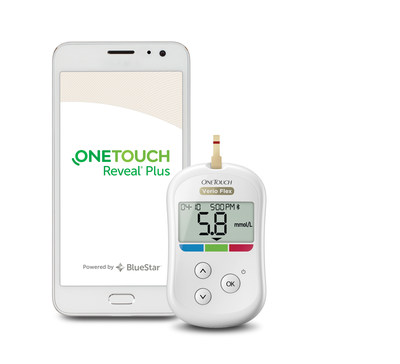
BURNABY, British Columbia, April 9, 2019 /PRNewswire/ -- LifeScan, Inc. today introduced the OneTouch Reveal® Plus mobile app, which received Health Canada license and will soon be available to health benefit plans for adults 18 years and older living with diabetes. Powered by Welldoc's BlueStar® technology – OneTouch Reveal® Plus will offer individualized, real‐time coaching based on a patient's specific treatment plan, from the same familiar brand as the #1 downloaded diabetes mobile app in Canada, the OneTouch Reveal® mobile app.1
"LifeScan is excited to expand our partnership with Welldoc to bring new digital innovation to the Canadian healthcare market," said Barb Jackalin, Senior Regional Business Unit Director, LifeScan Canada. "The introduction of OneTouch Reveal® Plus highlights our sustained commitment in helping to drive better self‐management and health outcomes by building a more connected and engaging patient experience – ultimately creating value for patients as well as health care providers."
Blood glucose data can be automatically transmitted from the OneTouch Verio Flex® blood glucose monitoring system, using its built‐in Bluetooth® Smart Technology, to the OneTouch Reveal® Plus mobile app. The OneTouch Reveal® Plus mobile app will provide people with individualized in‐the‐moment feedback and virtual coaching based on their specific treatment plan and can assist their health care team in making timely diabetes management decisions. The app will engage users in weekly challenges and will offer meal planning support tools, an insulin calculator, and connectivity with popular activity trackers. In addition, blood pressure and weight management features allow for management of other conditions that can be associated with diabetes. Future OneTouch® Brand meters will connect to OneTouch Reveal® Plus once commercially available in Canada.
Diabetes is a growing health crisis in Canada, with costs predicted to rise to $16 billion by 2020, threatening the sustainability of the healthcare system.2 People with diabetes incur medical costs up to three times higher than other Canadians.3 This also puts a burden on employers as diabetes medication ranks second in drug spending by employer‐ sponsored plans.4 According to a recent report, only 50% of Canadians with type 2 diabetes have their blood glucose levels under control, and the majority of patients incur costly adverse health conditions linked to diabetes.2
"Backed by proven outcomes demonstrated in clinical trials conducted with the BlueStar® digital therapeutic, we believe the app can offer a cost‐effective, scalable solution to help address challenges often posed by diabetes to the Canadian health care system," said Welldoc President and CEO Kevin McRaith. "We are excited to continue to expand our relationship with our valued partner, LifeScan, by offering OneTouch Reveal® Plus to the Canadian market."
LifeScan is excited to be working with Canadian benefit providers to make the product available in the near future. Please consult your benefit plans for availability. Any groups interested in offering OneTouch Reveal® Plus as part of their diabetes benefits programming can get in touch with LifeScan at 1‐800‐663‐5521.
About LifeScan, Inc. With a vision to create a world without limits for people with diabetes, LifeScan, Inc. is a world leader in blood glucose monitoring – globally more than 20 million people depend on OneTouch® brand products to help them manage their diabetes. For over 35 years, LifeScan has had an unwavering commitment to improving the quality of life for people with diabetes by developing products defined by simplicity, accuracy, and trust. For more information, visit http://www.onetouch.ca and www.LifeScan.com.
About Welldoc Welldoc® is a leading digital therapeutic company revolutionizing chronic disease management to help transform lives. The Company's groundbreaking technology helps guide individuals through the complicated journey of living with chronic diseases, with a goal of helping them self‐manage their conditions, while connecting them to their own healthcare team. By utilizing Welldoc's digital therapeutic solutions, payers, employers and healthcare systems can streamline their resources by focusing on a digital health solution to help better manage their populations living with multiple and costly chronic diseases. Welldoc is based on a life science business model—having conducted multiple randomized clinical trials resulting in more than 40 peer‐reviewed publications. IBM Watson Health™ conducted an innovative economic analysis for Welldoc using the MarketScan® Commercial Claims and Encounters Database and the MarketScan® Medicare Supplemental and Coordination of Benefits Database demonstrating an opportunity to save a range of $254 to $271 per user per month with the use of the flagship BlueStar® digital therapeutic. Welldoc has a solid foundation in the development of solutions for the management of diabetes and is rapidly creating other chronic disease solutions. This year, Welldoc secured a patent for the Software Engine Technology that powers BlueStar.
Notably, this is the Company's tenth issued patent. For more information, visit www.welldoc.com.
The Bluetooth® word mark and logos are registered trademarks owned by Bluetooth SIG, Inc., and any use of such marks by LifeScan Scotland Ltd. is under license. Other trademarks and trade names are those of their respective owners.