AlchemLife TM, launches complete functional PROSTATE supplement in the US
Naturally Healthy For Life
PHILADELPHIA, PA, FEBRUARY 1, 2019-AlchemLife TM, a 75-year-old company is a world leader in high-quality phytonutrients and herbal extracts. Just this week, they have launched a Prostate support product in the US called PROQUILTM. AlchemLife TM is proud to present such a functional and supportive supplement to the Men's Health industry.
AlchemLife’s TM functional supplement line was made with YOU in mind.As we age, common ailments begin to present themselves, and supporting these issues as early possible is necessary to help prevent greater damage in our senior years. For men over 40, the prostate presents several issues impinging normal life as well. AlchemLife TM understands, and for that reason we have created the products to support your healthy habits concerning these health issues, backed by clinical trials and 75 years of extensive engineering research.
Past the age of 40, men notice certain changes in their health with one common area of note being the prostate. One common issue can be an enlarged prostate, which can sometimes be attributed to Benign Prostatic Hyperplasia (BPH). In men with BPH, it is common to experience more frequent urges to urinate and difficulties with sexual performance. Proper supplementation with a product such as PROQUIL TM can potentially help support normal prostate health. * Featuring Pygeum extract, Pumpkin Seed oil, and Saw Palmetto extracts, PROQUIL TM is a natural support product that may help alleviate symptoms of prostate issues by harnessing the potential benefits associated with our main ingredients. PROQUIL TM is one of the only clinically-backed products designed to potentially alleviate symptoms associate with BPH such as libido and urinary issues. High in antioxidants and anti-inflammatory properties, PROQUIL TM is the natural prostate support supplement for men over 40.
How Alchem became world leaders in high-quality phytonutrients and herbal extracts
Phytonutrients are active molecules isolated and extracted from plants. Our PhytoAdvance™ technology enables us to maintain the synergistic effects of the plants used in our formulas. It also enhances the bioavailability of our final formulations. Before we begin any new extract production, we conduct extensive testing at our state-of-the-art research and development facility. This ensures the quality and stability of our formulas. Studies have conclusively established our formulas’ benefits and safety. There are no known side effects, even for long-term use.
For the highest quality extracts, we source the best plants
Our product purity and quality are critical to producing the superior products Alchem is known for. To get the best active ingredients, we gather the best – and sometimes rare – plants from our worldwide network of growers and suppliers. We select only those plants that have precisely the right active components and specifications. Our ingredients come from as far away as Australia, Europe and Africa, as well as locally from India. We have also acquired our own plantations, which enables us to grow some of our plants under tightly controlled conditions.
We’re Known Internationally For Our Excellence
AlchemLife is a division of Alchem International Pvt. Ltd, global leaders in high-quality phytochemicals and herbal extracts. Our first phytonutrient plant opened in 1984, in Delhi, India where we began implementing our proprietary PhytoAdvance™ technology. This technology is a precise method of extracting active plant phytonutrients and turning them into natural, beneficial health solutions. It is backed by over 75 years of diligent research and development and is original to Alchem. Alchem International’s facilities are certified by the U.S. Food & Drug Administration, the World Health Organization and the French Agence Francaise de Securite Sanitaire des Produits de Sante. In addition, we are vendor-validated by international companies worldwide. We’ve also earned a long-term A- rating, and a short-term A2+ rating, by CRISIL, a global analytical company.
We look forward to supporting our distributors, customers and end users with our quality product line of natural health supplements. We are also delighted to call Philadelphia home, in the United States.
Winter Workouts: 4 Outdoor Exercises to Heat You Up
Some people are less than ecstatic when winter weather arrives. You can't swim or play basketball outside, and long hikes in the country are out of the question. But if you think that there aren't any outdoor activities that you can enjoy, think again. There are plenty of things to do outside that are only a little different than what you do during the summer. Here are a few outdoor activities that you can enjoy during the winter.
Cross-Country Skiing You've seen the cross-country skiing machines at the gym, and there's a reason an exercise machine was created to simulate this activity; it's a great form of exercise, and it's fun, too. You'll love the smooth gliding motion, and it's a great workout for your hips, thighs, calves, core, and arms.
Snowshoeing If you love taking long walks through country lanes, you'll love snowshoeing. You can enjoy the scenery similar to how you enjoy it in the summer. Snowshoes are a type of footwear that goes over your boot to evenly distribute weight so that your foot doesn't sink into the snow. This pastime enables you to your favorite places under different weather conditions, and it's a great workout, too.
Skiing and Snowboarding While these two activities are different and require you to learn slightly different body movements, both of them get you on the slopes. They also both exercise your entire body. When you ski or snowboard, you get to practice balance. It also increases your cardiovascular endurance, and it requires an understanding of the spatial relations between different parts of your body, which is a transferable skill to other types of sports.
Ice Skating You can't get in the outdoor pool or lake during the winter, but you can take a pair of skates out onto a frozen pond or skating rink. When you go skating, like many other winter sports, you'll work your core, glutes, legs, and several other body parts. One of the great aspects of ice skating is that you can develop the activity into other sports. You can either simply skate, or you can work it into another sport, such as figure skating or hockey.
If you're feeling let down about the snow, ice, and freezing temperatures of the winter season, take the opportunity to explore other activities. There are many benefits to winter sports that can get you out and enjoying the season. Also, if you’re dealing with an injury, ask your physical therapist which winter sports can work into your physical therapyroutine. The more you can get outside and move this winter, the healthier you’ll be.
Long-term care advocate welcomes first interim report from the Premier's Council on Improving Healthcare and Ending Hallway Medicine
TORONTO, Feb. 1, 2019 /CNW/ - Yesterday morning the Premier's Council on ending hallway medicine released its first interim report titled Hallway Health Care: A System Under Strain. The Ontario Long Term Care Association welcomes the Council's report and its focus on ensuring patients receive the best care in the most appropriate setting.
In October 2018, the Ontario Long Term Care Association revealed its plan to assist with the province's goal of fixing hallway medicine. The plan presents key recommendations to help the province in providing better care environments while also relieving pressure on hospitals and promoting cost savings. Some of the outlined recommendations include:
Hire more staff for long-term care: Change the requirement for 24/7 registered nurse coverage to 24/7 registered staff coverage when appropriate, and ensure homes can utilize more flexible approaches to staffing.
Build and modernize long-term care homes: Focus on adding the government's promised 15,000 new beds to existing homes, making them more economical to redevelop in the future.
Focus on care, not on unnecessary government paperwork: Conduct a legislative review of the Long-Term Care Homes Act to limit the unintended administrative burden care staff face on a daily basis.
"Over the past six months, our Association has worked closely with the Ministry of Health and Long-Term Care to find solutions to Ontario's most pressing health care challenges," said Candace Chartier, Chief Executive Officer, Ontario Long Term Care Association. "This report highlights the need to address key challenges and identify opportunities collaboratively. We look forward to working with Dr. Rueben Devlin and the Council closely to identify much-needed solutions for Ontario and for our seniors."
About the Ontario Long Term Care Association The Ontario Long Term Care Association is the largest association of long-term care providers in Ontario and the only association that represents the full mix of long-term care operators — private, not-for-profit, charitable, and municipal. The Association represents nearly 70% of Ontario's 630 long-term care homes, located in communities across the province. Our members provide care and accommodation services to more than 70,000 residents annually.
SOURCE Ontario Long Term Care Association
For further information:
Judy Irwin, Senior Manager, Communications, Ontario Long Term Care Association, 647-256-3493, jirwin@oltca.com
The 5 Biggest Disruptors
Wreaking Havoc On Your Hormones
As 2019 dawns, some people are taking a “new year-new you” approach. They’re determined to make self-improvements that provide a fresh, positive outlook and strong sense of well-being.
But sometimes health factors undermine those good intentions, such as depression and its link to hormone imbalances. There are myriad ways both men and women suffer adverse effects to their hormones, says Don Colbert, M.D., and many of them are avoidable.
“We are exposed to thousands of toxic chemicals on a regular basis in the air, water and food,” says Colbert (https://drcolbert.com), author of Dr. Colbert's Hormone Health Zone. “Some of them are hormone disruptors because they disturb your endocrine system, wreaking havoc and creating hormonal imbalances.
“Not only are the effects of all these disruptors depressing to think about; they actually cause depression, along with countless other ailments such as type 2 diabetes, high blood pressure, heart disease, obesity and more. But the basic principle is this: decreasing the number of disruptions will improve your health.”
Dr. Colbert breaks down the top hormone disruptors affecting men and women along with ways to minimize the disruption or stop it:
Lifestyle choices. “Whether it’s weight gain and a lack of exercise, anger and unforgiveness, drinking too much alcohol or some other thing that can be controlled, your hormone levels drop and you begin a slow slide to poorer health,” Dr. Colbert says. “Make better choices, and that dramatically decreases the chances of having any hormone deficiency symptoms.”
Medications. Medications affect the body’s cells, and sometimes side effects manifest in major problems. For example, Dr. Colbert cites Mayo Clinic research showing a prescription statin drug that lowered cholesterol could result in liver damage, memory loss or type 2 diabetes. “I estimate that 55 percent of the entire US population is taking pills that directly and negatively affect hormone levels,” Dr. Colbert says. “Get off these harmful medications you hate.”
Things you touch. Chemicals entering the body through the skin can cause long-term damage. Dr. Colbert notes phthalates, disruptors found in household cleaners, cosmetics, toys and numerous other products. “Phthalates negatively affect both men’s and women’s ability to use the testosterone that is in our bodies,” Dr. Colbert says. “Another is BPA (bisphenol A), found on the inside of metal-canned foods and plastic food-storing containers. Specifically, BPA has been found to cause or contribute to cancer, fertility problems, developmental issues and heart disease. I recommend buying glass jars of food and storing in ceramic containers.”
Diet deficiencies. “The standard American diet is usually low in key nutrients that support a healthy thyroid,” Dr. Colbert says. “Many patients with hormone imbalances have low iodine. The best solution is eat more vegetables, ideally raw or steamed.”
Aging. Dr. Colbert says estrogen levels for women begin to decline around the age of 50; for men, testosterone levels can drop low around age 45-50. “Aging is a natural combatant as a hormone disruptor,” he says, “but we can slow the acceleration of the effects of aging by optimizing our hormones. Healthy habits can make a huge difference.”
“Symptoms of serious problems indicated by hormonal imbalance can be reversed by those who focus on health in their diet, lifestyle and living environment,” Dr. Colbert says. “Then they can enable all of their systems to function optimally.”
About Don Colbert, M.D.
Don Colbert, M.D. (https://drcolbert.com), is the author of Dr. Colbert's Hormone Health Zone. He has been a board-certified family practice doctor for more than 25 years and has offices in Orlando, Fla., and Dallas. The author of over 40 books, he wrote two New York Times best-sellers - The Seven Pillars of Health and Dr. Colbert’s “I Can Do This” Diet - has sold more than 10 million books and treated 50,000-plus patients. Dr. Colbert is a frequent show guest of Christian leaders Joyce Meyer, John Hagee, and Kenneth Copeland and has been featured on The Dr. Oz Show, Fox News, ABC World News Tonight, and in periodicals such as Newsweek and Reader’s Digest.
Keto for Fertility? An Expert Weighs In Weight loss is a good thing for most of us, but it can be especially helpful for women who are trying to get pregnant. Reducing their weight to a normal range after being overweight has been shown to balance their insulin levels, which can positively impact fertility and conception. One way to get the weight-loss program rolling is to cut down on carbohydrates, studies have shown. And one such program that reduces carbs, the popular ketogenic diet, nutritionists say, can possibly improve a woman’s fertility status. Evidence continues to mount that a high-carb diet results in low fertility. Still, the right kinds of carbohydrates can be helpful to a couple wanting children, and both the egg and sperm benefit in terms of fertility when healthy carbs are consumed in a regular diet, says Hethir Rodriguez, founder and president of Natural Fertility Info.com (www.natural-fertility-info.com) and a certified herbalist specializing in women’s health. “Recent research shows that reducing the carbohydrates in your diet may improve egg quality,” Rodriguez says. “But our long experience with nutrition shows us the issue is more complex than just ‘go low carb’ or ‘go keto’ for fertility. “Remember, not all carbohydrates are created equal. Complex carbohydrates from whole grains – gluten-free is best – and vegetables burn slowly in the body, keeping your energy and mood high during your fertility program. Healthy sources of carbohydrates are those that are fresh, organic, and whole, because they are high in fiber and low in sugar.” Rodriguez adds that a major problem with fertility is often caused by eating refined carbohydrates – white flour, pasta, white rice, baked goods, cereals, white potatoes. “Fertility problems are aggravated when refined carbs are combined with simple sugars and processed foods,” Rodriguez says. “And women who rely too heavily on carbs from any source without adequate protein also frequently have hormonal imbalance or fertility concerns. Eating the right carbohydrates is important for your fertility.” Rodriguez says the carbohydrates that are necessary and enhance fertility can be found in the following food sources:
Whole grains. Barley and quinoa, sprouted bread, oats, rice pasta, brown rice, teff, millet, amaranth, or buckwheat, and wild rice.
Nuts and seeds. Cashews, pistachios, almonds, pumpkin and sunflower seeds.
“Following a low-carb diet could be a good short-term option for women with egg health concerns as they prepare for natural conception or In Vitro Fertilization,” Rodriguez says. “Whatever your choice, be sure that you don’t end up with deficiencies in any key area and choose only nutritious foods that encourage natural fertility. “It’s the overall composition of the diet, not just carb intake, that’s critical for reproductive health.” About Hethir Rodriguez Hethir Rodriguez is the founder and president of Natural Fertility Info.com(www.natural-fertility-info.com), a website focusing on many aspects of natural fertility, infertility, and reproductive health. She has been a certified herbalist for nearly 20 years, specializing in women’s health and natural fertility. Rodriguez holds a bachelor’s degree in nutrition sciences and is also a certified birth doula. Since founding Natural Fertility Info.com in 2007, Rodriguez has written and co-authored over 1200 articles on fertility. Her research, articles and guides have been read by over 40 million people.
In the Lyme Light: Uplifting New Book by Sophie Ward Proves Defeat is NOT a Symptom of Chronic Disease
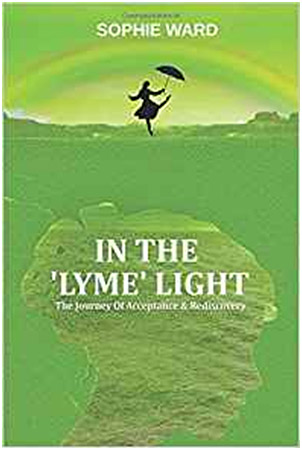
‘In The Lyme Light: Sophie’s Story. The Journey Of Acceptance and Rediscovery’ is the story of Sophie Ward who, while living with acute and debilitating Lyme Disease, has risen above her “label” to live a full, inspirational life. This is a life-changing book of self-discovery for any person living with a chronic illness; urging them to get up, find their inner strength and live a life that’s full, prosperous and joyous.
*Press Review Copies are Available from the Media Contact
*Sophie Ward is Available for Interviews
United Kingdom – At one point in her life, Sophie Ward’s confusing, undiagnosed health issues created a mystery that took her to the darkest depths imaginable. Life was slow, painful and a guessing game as to when the end would come.
However, after an eventual formal diagnosis of Lyme Disease, Sophie began to once again find her strength and drive – and now thrives as a media commentator, writer and author of the popular ‘Sophantasic’ blog.
And now, Sophie takes it one step further, with the release of 'In The Lyme Light: Sophie’s Story. The Journey Of Acceptance and Rediscovery’ – a book for anyone looking to rise above their diagnosis.
Synopsis:
My name is Sophie Ward... for many years, I was lost with no home. My body was my enemy and my mind was my demon. I felt so poorly, so weak but no doctor or consultant could offer me an answer for my pain. Only that I was crazy. My health continued to decline and I feared death, in fact there were a few brushes with death. There were times when I felt it was and could be the end. It took a long nine years, but I was finally diagnosed with Lyme Disease. A disease I had never really heard of before, but I did my research and realised the scary reality that it was a long road ahead and a lifetime battle. At this point you can allow yourself to give up or be positive and fight back. Not just for your own good health and wellbeing but for others too. I wanted to protect and save lives from the hell I go through every day. I want to be a positive role model, to inspire people to fight chronic disease and illness head on and always chase your dreams. We deserve our dreams and so we should never give up on ourselves and our goals. You must learn to make friends with your enemies, so you can understand and work with them more effectively and this takes some time. Our lives don't always go to plan and we aren't immune from tragedy and pain, but we do have a choice about how we take on the fight. This isn't just about Lyme Disease, it is about making the best of life and the cards we have been dealt. It is hopefully a dose of motivation that we can always achieve our dreams no matter what. This is the beginning of my story.
“I now live with the acceptance that – yes I have some limitations that most others don’t – but my life is blessed with all of the opportunity, potential and success of anyone else,” explains the author. “I’ve not allowed Lyme Disease to define me, even though it is there in full force, every second of every day. I wanted to write something to reach out to others in my position, so they too can enter a positive new paradigm of life.”
Continuing, “You can feel very alone when living with a chronic illness, and all-too-often I hear from people who feel they have to suffer in silence. That’s simply not true, and I hope my book can change lives, and get those who felt they had nothing left to live for back on their feet and living with gusto.”
‘In The Lyme Light: Sophie’s Story. The Journey Of Acceptance and Rediscovery’ is due for release on February 12th, 2018.
For more information, contact the author directly.
About the author, in her own words:
Lyme Disease has affected my life completely. It has brought a lot of pain but helped me gain strength and find my voice. I have been blessed with amazing opportunities like appearing on BBC Breakfast & Sky News. Not to mention bringing me here, writing to you all. I began my blog: Sophantastic which is a great healer of mine. I have had to learn on the job and learn quickly. Thank you for all being a part of my journey .
PC's health care privatization plan disaster in the making
TORONTO, Feb. 1, 2019 /CNW/ - Unifor believes plans to privatize and consolidate health care services included in a leaked Ontario PC draft government bill will devastate communities across the province.
"The fact that this Conservative Government is even considering privatization of our health care system is an insult to all Ontarians," said Jerry Dias Unifor National President. "We watched how devastating the privatization of Ontario Hydro was for the Wynne government, and this government should be properly funding our public health care, not looking to follow misguided Liberals policies."
The Ontario NDP obtained a leaked Ontario PC draft government bill outlining the PC government's plans to privatize health care services and further open up Ontario to for profit providers. The draft bill would dissolve the Local Health Integrated Networks (LHINs) and create one centralized government agency. The Minister of Health and the new "Super Agency" would have the capacity to close or merge health services, such as hospitals, long-term care homes or community health centres.
"A high-quality and publicly funded health care system is part of Canadians DNA fabric. This attack is a forced and calculated destruction of one of the most relied upon public services," said Naureen Rizvi Ontario Regional Director. "Doug Ford continues to abandon the promises he made during the campaign. Unifor members alongside Ontarians will do everything necessary to ensure this ridiculous bill never is acted on."
Despite claims by Health Minister Christine Elliot that her government is listening to Ontarians, front-line Unifor members' right across the province have yet to be consulted. Unifor is calling on Minister Elliot to meet its leadership to discuss needs of front line health care workers.
Unifor is Canada's largest union in the private sector, representing more than 315,000 workers in every major area of the economy. The union advocates for all working people and their rights, fights for equality and social justice in Canada and abroad, and strives to create progressive change for a better future.
SOURCE Unifor
For further information:
Unifor National Communications Representative Hamid Osman at hamid.osman@unifor.org or 647-448-2823 (cell).
January is cervical cancer awareness month. Roche is committed to cervical cancer prevention and is proud to announce that the new Roche cobas® HPV assay for use on the cobas® 6800/8800 Systems is now Health Canada approved
More than 99 percent of cervical cancers are caused by a persistent high-risk HPV infection1
cobas HPV assay helps to provide critical screening in identifying women at risk, before pre-cancer or cancer develops
cobas 6800/8800 Systems deliver full automation, helping laboratories meet the throughput that high volume, HPV DNA screening programs demand
LAVAL, QC, Jan. 31, 2019 /CNW/ - Roche Diagnostics receives Health Canada Authorization to Market the cobas® HPV on the cobas® 6800/8800 Systems for cervical cancer screening in Canada.
Human Papillomavirus (HPV) is a known cause of cervical cancer and is used to identify women at risk. This HPV DNA assay adds to the growing Canadian-IVD menu on the cobas® 6800/8800 Systems, and gives laboratories the ability to run HPV DNA testing simultaneously with other previously released cobas assays including: HIV-1, HCV, HBV, CMV, DPX plus two donor screening assays cobas® MPX, and cobas® WNV.
As demonstrated by the prospective clinical study "ATHENA2" comparing screening strategies using cobas® HPV test on the cobas® 4800 System, screening with the HPV test detects more high-grade disease than a Pap test alone. Identifying women at risk, before pre-cancer or cancer develops, is an important prevention strategy as it helps maintain screening efficiency and helps protect women from the potential harms of overtreatment. Countries are increasingly looking to adopt the detection of HPV DNA as primary screening tool instead of the Pap test as part of their national cervical cancer programs3.
"As territorial and provincial screening programs and laboratories look toward introducing HPV for primary screening, they require systems that provide the highest performance standards that Roche delivers as well as new ways to increase efficiency, which ultimately benefit everyone receiving or providing health care across the country" said Whitney Green, President and General Manager, Roche Diagnostics, division of Hoffmann-La Roche Limited, Canada. "In addition to the powerful clinical benefits of the cobas® HPV test, Roche now caters to the needs of both low-to-mid volume labs and high-throughput labs in Canada who want to consolidate a multitude of validated assays onto a single platform."
The fully automated cobas® 6800/8800 Systems provide the fastest turn-around time, highest throughput and the longest walk-away time compared to other automated molecular platforms, giving laboratories the flexibility to adapt to changing testing demands.
About the Roche Cervical Cancer Portfolio The Roche Cervical Cancer Portfolio enables healthcare professionals to better screen, manage and diagnose women, based on the confidence and clarity of results across a continuum of patient care. The unique combination of molecular, cellular and tissue-based diagnostic tests provides healthcare professionals powerful information to make patient care decisions and minimize unnecessary treatment. cobas® HPV testing is clinically validated for HPV primary screening, ASC-US triage, or co-testing (HPV and Pap cytology) using the cobas® 4800 or cobas® 6800/8800 Systems. The cobas® HPV assays provide specific genotyping information for HPV 16 and HPV 18, the highest-risk types, while simultaneously reporting the 12 other high-risk HPV types as a pooled result, all in one test and from one patient sample. More information about cobas® HPV is available at http://www.rochecanada.com/. Using advanced, dual-biomarker technology to simultaneously detect p16 & Ki-67, CINtec® PLUS Cytology* definitively identifies transforming HPV infections, providing greater certainty to clinicians to stratify patients for follow-up or intervention. CINtec® PLUS Cytology* is an objective triage solution for managing HPV-positive or abnormal Pap cytology primary screening results and helps address some of the limitations of traditional Pap cytology. CINtec® Histology is used to confirm the presence or absence of high-grade cervical disease in women who have had a tissue biopsy. CINtec® Histology uses the p16 biomarker for a more conclusive diagnosis to provide distinctive visual confirmation of pre-cancerous cervical lesions that may be missed by H&E or morphologic interpretation alone. Both CINtec® assays have been fully automated on the VENTANA BenchMark IHC/ISH instruments.
About the cobas 6800/8800 Systems The cobas® 6800 and cobas® 8800 systems are fully integrated, automated solutions that introduce a new standard for routine molecular testing in the areas of viral load monitoring, donor screening, women's health and microbiology. Based on Nobel prize-winning PCR technology, the systems are designed to deliver full automation, increased throughput and faster turnaround time, providing users with greater flexibility to increase overall workflow efficiencies. The systems provide up to 96 results in less than 3.5 hours and a total of 384 results for the cobas 6800 System and 960 results for the cobas 8800 System in an eight-hour shift. For more information about the Systems, visit http://www.rochecanada.com
References
Walboomers JM, Jacobs MV, Manos MM, et al. Human papillomavirus is a necessary cause of invasive cervical cancer worldwide. J Pathol. 1999; 189:12-19.
MH, Wright TC, Sharma A, et al. High-risk human papillomavirus testing in women with ASC-US cytology: results from the ATHENA HPV study. Am J Clin Pathol. 2011;135(3):468-475.
About the Roche Group Roche is a global pioneer in pharmaceuticals and diagnostics focused on advancing science to improve people's lives. The combined strengths of pharmaceuticals and diagnostics under one roof have made Roche the leader in personalized healthcare – a strategy that aims to fit the right treatment to each patient in the best way possible.
Roche is the world's largest biotech company, with truly differentiated medicines in oncology, immunology, infectious diseases, ophthalmology and diseases of the central nervous system. Roche is also the world leader in in-vitro diagnostics and tissue-based cancer diagnostics, and a frontrunner in diabetes management.
Founded in 1896, Roche continues to search for better ways to prevent, diagnose and treat diseases and make a sustainable contribution to society. The company also aims to improve patient access to medical innovations by working with all relevant stakeholders. Thirty medicines developed by Roche are included in the World Health Organization Model Lists of Essential Medicines, among them life-saving antibiotics, antimalarials and cancer medicines. Roche has been recognized as the Group Leader in sustainability within the Pharmaceuticals, Biotechnology & Life Sciences Industry ten years in a row by the Dow Jones Sustainability Indices (DJSI). The Roche Group, headquartered in Basel, Switzerland, is active in over 100 countries and in 2017 employed about 94,000 people worldwide. In 2017, Roche invested CHF 10.4 billion in R&D and posted sales of CHF 53.3 billion. Genentech, in the United States, is a wholly owned member of the Roche Group. Roche is the majority shareholder in Chugai Pharmaceutical, Japan. For more information, please visit www.roche.com.
All trademarks used or mentioned in this release are protected by law.
SOURCE Roche Diagnostics
Home Care Ontario Welcomes Release of the Premier's Council on Improving Healthcare and Ending Hallway Medicine First Report
Report's focus on strengthening home care good news for patients
TORONTO, Jan. 31, 2019 /CNW/ - Home Care Ontario, the voice of home care in OntarioTM, welcomes today's release of the first report from the Premier's Council on Improving Health Care and Ending Hallway Medicine. The report underscores the need for changes to our health system which will be good news for patients and caregivers alike.
"We welcome today's report from the Premier's Council as an important step to ending hallway health care and improving Ontario's health care system," said Sue VanderBent, CEO, Home Care Ontario. "We are pleased to see the Council recognizes the key role that home care can play in ending hallway health care and delivering real results for patients."
Home Care Ontario believes that we can end hallway health care and hospital overcrowding in Ontario by making professional home care services more widely available for patients and their families. The Association fundamentally agrees with the Council's report where it states:
"Solving hallway health care will not just be a matter of adding more beds to the system. Increasing capacity in the community, staffing levels, training, and support will play an important role in building a high-functioning system that works for all Ontarians – including the ones who work in health care."
Delivering more care at home would help end hallway health care by keeping people out of emergency departments, getting people home sooner, and giving people more control over their care. By effectively using home care in this way, we can help end hallway health care and ultimately create a stronger health care system.
"Transforming Ontario's health care system to put home care at its centre will be essential to ensuring we can provide quality care for patients today and for decades to come," concluded VanderBent. "Home Care Ontario looks forward to working with the Premier's Council, and the government as it looks for ways to make this vision a reality."
Major donation makes free relief childcare to Kingston mothers with cancer possible
Non-profit Nanny Angel Network set to provide its unique services starting this Summer, thanks to a $300K donation from Homestead Land Holdings
KINGSTON, ON, Jan. 31, 2019 /CNW/ - Britton Smith, Philanthropist and Executive Chairman of Homestead Land Holdings presented the Nanny Angel Network (NAN) with a $300,000 donation that will bring free, specialized, relief childcare to Kingston mothers with cancer. This donation will see NAN's first expansion outside of the Greater Toronto Area, to Kingston.
"The Nanny Angel Network is incredibly grateful for this financial commitment," said Audrey Guth, NAN founder and cancer survivor. "We are looking forward to becoming a part of the Kingston community and bringing much-needed relief for moms with cancer and compassionate support for their children."
Families coping with cancer face a number of challenges and NAN's specially trained volunteer Nanny Angels have one goal in mind – lessening the impact of cancer on families. Each family is matched with a volunteer who visits weekly and engages the children in fun, interactive activities while their mom rests, attends treatment, or takes the time for herself.
NAN volunteers have experience working with children and undergo specialized training focused on how to talk to children about cancer, and death and dying. This equips them to support families by reducing any fear and anxiety the children may be experiencing as a result of their mother's illness.
"The impact of this donation from Britton Smith and Homestead Land Holdings will live on for generations, as we continue to support children through our therapeutic program," said Guth.
The donation is a part of a proud legacy of giving by Britton Smith and Homestead Land Holdings in the Kingston community and beyond.
"Homestead Land Holdings tries to give back to the community and is proud to support the Nanny Angel Network's expansion into Kingston," said Britton Smith, Philanthropist and Executive Chairman of Homestead Land Holdings. "We know that cancer not only impacts the patient, it impacts the entire family and we are pleased to lend support to moms with cancer and their children."
NAN plans to open its Kingston office in Summer 2019. To learn more about NAN, apply to become a Nanny Angel, or make a donation, please visit: nannyangelnetwork.com
PHOTO: l-r: Leah Werry, NAN Kingston Champion, and Audrey Guth, NAN Founder, accept a $300,000 donation from Britton Smith, Homestead Land Holdings, Executive Chairman and Scott Topping, Homestead Land Holdings, Chief Operating Officer.
ABOUT NAN: NAN provides free childcare support throughout a mother's recovery or during the palliative care and bereavement period through volunteer Nanny Angels. These volunteers are specially-trained by NAN to help children navigate their moms' cancer.
During visits, Nanny Angels arrive with fun age-appropriate activities designed to engage children, help bring a sense of normalcy back to their lives and reduce stress and anxiety the child may be experiencing. NAN volunteers have professional designations, including: teachers, early childhood educators, social workers, nurses, professional nannies and students from education and medical programs.
Since NAN was founded in 2009, it has supported hundreds of families in the Greater Toronto Area, providing more than 22,000 hours of service, almost 7,000 total visits, supporting more than 750 families. Click here for impact video.
ABOUT THE FOUNDER: Audrey Guth was diagnosed with breast cancer in 2008 when she was a wife, mother of four children and entrepreneur. During her treatment, she observed many young mothers struggling to manage the demands of treatment with the never-ending needs of their families. It was then that the Nanny Angel Network was conceived. Audrey Guth was named a L'Oreal Paris Canada Woman of Worth honouree in 2017 and was named a CNN Hero in 2014.
SOURCE Nanny Angel Network
TRAIN IT RIGHT NEWSLETTER
Sign Up and get a free 7 day Train it Right HIIT Program!