CAMIMH is proud to continue working with Bell Let’s Talk to support those living with mental illness
OTTAWA (January 29, 2019) - The Canadian Alliance on Mental Illness and Mental Health (CAMIMH) encourages all Canadians to talk, text, and join in on social media in support of Bell Let’s Talk Day on January 30.
As the national voice for 16 health associations, CAMIMH works to raise awareness about the everyday realities of mental illness, and to end the stigma surrounding it. By age 40, 50% of Canadians will have or have had a mental illness. The Bell Let’s Talk Day campaign highlights how mental illness has an impact on everyone.
“CAMIMH is delighted to work closely with Bell Let’s Talk. This year, we are especially proud to have a number of ambassadors from CAMIMH’s two flagship campaigns, the Champions of Mental Health and the Faces of Mental Illness as a larger part of the Bell Let’s Talk campaign to continue their important work as advocates for mental health,” said CAMIMH co-chair Chris Summerville.
The Bell Let’s Talk initiative has helped to support CAMIMH’s campaigns for the past seven years. Ensuring that all Canadians have access to affordable mental health services is one of the main missions of CAMIMH.
“Bell Let’s Talk has worked to create a national conversation about mental health and how we can best offer our support to those who may need it. Together we can continue to make a difference for Canadian mental health by engaging on Bell Let’s Talk Day,” said CAMIMH co-chair Florence Budden.
CAMIMH invites everyone to join the conversation on Bell Let’s Talk Day tomorrow when Bell will donate 5 cents to Canadian mental health programs for each of the following interactions:
· Talk: Every mobile call and every long distance call made by Bell wireless and phone customers
· Text: Every text message sent by Bell wireless customers
For more information about CAMIMH and its campaigns, please visit: camimh.ca
Stop Foodborne Illness advises: Eat healthy this year—but eat safely, too
The arrival of a new year often includes a renewed commitment to health and fitness. Marketers know these New Year’s Resolutions are common so during the first quarter of the year, you’ll see ads and infomercials encouraging you to eat healthfully and be fit. Stop Foodborne Illness, a national, nonprofit, public health organization dedicated to preventing illness and death from foodborne pathogens, believes eating with an eye to nutrition and health are great ideas, but only if you eat safely too! All foods, whether considered healthy or not, have the potential to contain disease-causing pathogens like salmonella and E. coli. In fact, during 2018, many of the foods recalled by the Food and Drug Administration (FDA) are what many people would consider healthier choices. So, it behooves us to remind you that a food that is healthy is not necessarily safe. Learn more about foodborne illness. Whether health and fitness are on your agenda for 2019 or not, be sure to add a new awareness of food safety to your list, and resolve to make food safety an everyday habit. Is organic food safer?Many people eat organically produced, sustainably raised, and locally farmed foods because they believe it’s the healthier and more conscious choice. Stop Foodborne Illness thinks these kinds of foods can be great! But remember, just as with conventionally produced foods, organic and sustainably raised foods are grown in the ground, raised out in the open, are handled by people, or naturally contain pathogens. Chicken, which naturally contains salmonella, is a good example. It needs to be cooked to an internal temperature of 165°F to be safe. Proper cooking kills the salmonella and eliminates the risk. According to the Mayo Clinic, the term “organic” refers to the way farmers grow and process agricultural products such as fruits, vegetables, grains, dairy products and meat. In other words, organic production has more to do with environmental considerations than with food safety. To be considered “organic,” foods must be produced in such a way as to enhance soil and water quality, reduce pollution, and provide safe and healthy environments for livestock which enable them to exhibit natural behaviors.
Certain aspects of organic production are likely to have a positive impact on one’s health. For example, synthetic fertilizers are not permitted nor is using sewage sludge as fertilizer. Also, most synthetic pesticides, and antibiotics, and growth hormones are not allowed.
But other aspects of organic farming may not make the food any safer. For example, organic farming encourages the use of plant waste (green manure), livestock manure or compost. These are potential sources of harmful pathogens when not handled properly.
So how does organic food stack up to conventionally produced food when it comes to food safety?
According to a 2012 Stanford University analysis of various research studies, and published in the Annals of Internal Medicine, there was not a statistically significant difference in the amount of pathogen contamination between organic and conventionally produced food. When it comes to meat products, the study found that both organic and conventionally produced varieties are widely contaminated with harmful pathogens. They found, however, that organic meat products may offer some food safety benefit in that antibiotics are not used in organic meat production so there is a lower risk the meat will contain antibiotic-resistant bacteria.
Since any food can contain harmful pathogens, the essential key to food safety is using safe food practices at all stages of the food production cycle—including consumer habits. Food producers are being encouraged to use farming and livestock-raising practices that will reduce the incidence of harmful pathogens in the food consumers buy at the store.
Are raw and vegan diets safer?In addition to those choosing organic foods, there is a sizeable number of people who have adopted a raw diet. Basically, a raw food diet means eating mostly or completely raw and unprocessed foods. While there are nutritional benefits to eating a raw food-only diet, there are definite risks regarding foodborne illness. According to the Centers for Disease Control and Prevention (CDC), fruits and vegetables are commonly susceptible to contamination from salmonella and other pathogens, with the risk being higher during warm weather months and when these foods are not refrigerated. Salmonella-contaminated foods look and smell normal, so your senses won’t help you avoid them. People on raw diets tend to be primarily vegan, which means they don’t consume meat products, eggs or dairy. By eliminating meat, eggs, and dairy – foods which are often implicated in outbreaks – there is a somewhat lessened risk of foodborne illness.
Please don’t get the impression that a raw or vegan diet eliminates the risk of foodborne illness. Clearly, the record on food recalls involving uncooked fruits and vegetables—produced organically or not—shows they can be contaminated. So, as far as foodborne illness is concerned, a raw or vegan diet does come with risks. It’s common sense: the food is not cooked, so harmful pathogens would not be killed before the food is eaten.
People on a raw diet must consider the risks and benefits of this food lifestyle. In the last year alone there have been many cases of raw food recalls. You can find a list of these here.
What about dietary supplements? Are they safe?It would seem that health-conscious people are more likely to use dietary supplements. Anyone considering using supplements, should do the research and decide for themselves if the benefits are worth the risk. Our main focus is the safety of dietary supplements. The primary concerns here are: Source (Who is making the supplements?) and Production Methods (How are they produced?). There’s a lot of information for the average person to have to sift through, so anyone considering using dietary supplements might be wise to get the advice of their health care professionals—a physician, pharmacist, acupuncturist, public/community health expert, or naturopath. These are the people most familiar with supplements and can help their clients make the best choice.
Seeking professional advice and doing the homework, learning where a supplement comes from, whether the producer/distributor is reputable, and if there are any associated cases of contamination or illness are crucial, as dietary supplements are not reviewed by the FDA for safety or effectiveness prior to being marketed.
According to this article in Food Safety News, the FDA tends to be hands-off when it comes to supplements, unless a very serious health risk is discovered. So, if an item is marketed as a food supplement rather than food, it is possible that it has a higher safety risk. For example, the FDA noted an increase in the number of beverages that are marketed as supplements. Are these beverages foods or supplements? There is not an easy answer. More on what the FDA says.
Be food safe Having good nutritional goals is a fabulous way to engage your life any time of year! However, Stop believes the value of awareness and being food safe cannot be overstated. Choose safely. Handle safely. Cook safely. Store safely. When in doubt throw it out.
At home, the best way to avoid foodborne illness is using good food safety practices. Here are some tips:Always start by washing your hands with soap and water. Like this.Clean your counter top, cutting boards, and utensils before cutting and chopping produce. Use clean potable cold water to wash your produce. For fruit and vegetables with thick skin, scrub with a vegetable brush to remove dirt and microbes. Produce that needs a gentler touch (leafy greens, berries, broccoli, etc.) can be soaked for a few minutes in clean cold water and dried with a clean paper towel or salad spinner. Even produce to be peeled, like melon or avocado, needs to be washed. Once produce is cut or peeled, refrigerate as soon as possible.Keep your food out of the danger zone (40°F – 140°F). Bacteria grow fastest in the range of 40° – 140°F, the “Danger Zone.” A refrigerator set at 40°F or below will protect most foods. Your fridge is one of the very best weapons you’ve got in the fight against foodborne illness. When bacteria get nutrients, moisture, and warmer temperatures, rapid growth occurs and can reach levels that may cause illness. Refrigeration slows bacterial growth. More here. Cook your food to safe internal temperatures. Just because your food looks done doesn’t mean it is done. The only way to know if your meat, poultry, and egg dishes are safely cooked is to use a food thermometer. For instance, many people assume that when a hamburger is brown in the middle, it’s done. But, according to research by the United States Department of Agriculture (USDA), 1 in 4 hamburgers turns brown before it reaches a safe internal temperature (SIT) of 160°F. The SIT for ground meat and meat mixtures (meatloaf, hamburgers, etc.) is 160°F; for chicken and poultry (including ground, like turkey burgers) it’s 165°F; for fresh, raw, whole cuts of red meat (beef, veal, chops, and lamb) as well as fish and shellfish, it’s 145°F. Not cooking your food to these safe internal temperatures means illness-causing bacteria may still be surviving inside.Reheat your food thoroughly. When reheating leftovers, cook them thoroughly to a minimum SIT of 165°F and use a food thermometer to check every single time! Your food should be steaming hot all the way through. Cover leftovers when reheating on the stove or in the microwave, which helps retain moisture and ensures even cooking. For sauces, stews, soups, and gravies, bring them to a rolling boil. When reheating frozen leftovers, it’s best to first thaw them in the fridge. Don’t let your leftovers linger. One common cause of foodborne illness is not cooling leftovers soon enough. After foods are cooked to safe internal temperatures, bacteria can reappear and reproduce. So, be sure to get those leftovers transferred into shallow containers (for quicker cooling) and into the fridge within two hours of being cooked. And remember that your leftovers in the fridge will last safely for four days max. After that, do one of two things: Freeze them or throw them away. Learn more kitchen best practices here.
We hope you meet all your health and fitness goals for 2019!
Stop Foodborne Illness Is Here to Help You Stop Foodborne Illness is a national, nonprofit, public health organization dedicated to preventing illness and death from foodborne pathogens by promoting sound food safety policy and best practices, building public awareness and assisting those impacted by foodborne illness. For more food safety tips please visit www.stopfoodborneillness.org/awareness/. If you think you have been sickened from food, check this out and contact your local health professional.
For questions and personal assistance, please contact Stop Foodborne Illness’ Community Coordinator, Stanley Rutledge, at srutledge@stopfoodborneillness.org or 773-269-6555 x7. To donate to Stop, visit here.
International leader in precision medicine to join Texas A&M through Governor’s University Research Initiative
Kenneth Ramos named executive director of Institute of Biosciences and Technology, assistant vice chancellor for health services
BRYAN, Texas — Kenneth Ramos, MD, PhD, PharmB, an accomplished physician-scientist and internationally recognized leader in genomics, precision medicine, environmental health and toxicology, will join Texas A&M University Health Science Center in March to lead the Institute of Biosciences and Technology(IBT) in Houston and serve as assistant vice chancellor for health services at The Texas A&M University System. Ramos will join the university through the Governor’s University Research Initiative(GURI), enacted by Governor Greg Abbott in 2015 to attract transformative researchers to the state of Texas.
"The Lone Star State has long been a leader in science and healthcare, and the addition of the internationally recognized Dr. Ramos to the Texas A&M University Health Science Center to lead the Institute of Biosciences and Technology will further strengthen our state’s progress in these fields,” said Governor Abbott. “I have no doubt that the Texas A&M University System and the state as a whole will benefit greatly from his invaluable experience and wealth of knowledge from his years of research and time at the National Academy of Sciences. This grant represents Texas’ continued commitment to a world class workforce, excellence in higher education, and a diversified economy.”
The initiative provides up to $5 million in matching funds per researcher to assist eligible institutions of higher education in Texas to recruit distinguished scholarswho will, in turn, serve as economic catalysts to the state’s economy for years to come.
“We at The Texas A&M University System appreciate Gov. Abbott for helping us to land such a gifted scientist and physician,” said Texas A&M University System Chancellor John Sharp said. “Dr. Ramos’ experience—including his work with veterans and his background in cancer research—makes him an ideal fit for the Texas A&M University Health Science Center and the Institute of Biosciences and Technology.”
Ramos was designated an associate of the National Academy of Sciencesin 2008 and elected to the National Academy of Medicinein 2015. He comes to Texas A&M from the University of Arizona Health Sciences, where he was associate vice president for precision health sciences and executive director for the Center for Applied Genetics and Genomic Medicine. He has training in pharmaceutical sciences, chemistry, biochemistry, pharmacology and medicine.
“The Texas A&M Health Science Center enthusiastically welcomes Dr. Ramos,” said Carrie L. Byington ’85, MD, vice chancellor for health services at The Texas A&M University System, senior vice president of the Texas A&M Health Science Center and dean of the Texas A&M College of Medicine. “His leadership and vast experience advancing health care through precision medicine, research, and new technology will benefit the IBT and will support the expansion of the Health Science Center in Houston. Dr. Ramos will be instrumental in further developing our research partnerships through our founding membership in the TMC3. He will join our leadership team supporting our research initiatives in Houston and across the state.”
Precision medicine, which takes into consideration an individual’s genes, environment and lifestyle during diagnosis, treatment and prevention, is a specialty of Ramos’.
“Precision medicine is new in terms of recognition but has actually been practiced since the beginning of time,” Ramos said. “We’ve always done the best that we can to see our patients as individuals, but now we have new tools and technologies to add insight we wouldn’t otherwise be able to get.”
Ramos focuses most of his practice on chronic obstructive pulmonary disease(COPD). He consults with other physicians about their patients and helps them identify those who might be at a higher risk of lung cancer or worsening clinical outcomes.
“Texas A&M is an outstanding institution with a tremendous legacy, and I’m looking forward to the opportunity to help transform the health care space in Texas and beyond,” Ramos said.
###
About Texas A&M University Health Science Center Texas A&M University Health Science Center is transforming healththrough innovative research, education and service in dentistry, medicine, nursing, pharmacy, public health and medical sciences. As an independent state agency and academic unit of Texas A&M University, the health science center serves the state through campuses in Bryan-College Station, Dallas, Temple, Houston, Round Rock, Kingsville, Corpus Christi and McAllen. Learn more at vitalrecord.tamhsc.edu or follow @TAMHSC on Twitter.
6 Ways to Celebrate Singlehood this Valentine’s Day
Columbia University Affiliated Neuropsychologist with Empowering Tips and Insights
These days, more and more women are referring to Valentine’s Day as “Single Awareness Day.” Gone are the days of moping around lonely and longing for a relationship. Many women who are fulfilling career ambitions, focusing on meeting financial goals, traveling and having fun with friends and family are perfectly fine with their singleness. When Valentine’s Day rolls around, more single women want to treat it as an excuse to have some fun. To keep the positive momentum going, Dr. Sanam Hafeez,Neuropsychologist and Teaching Faculty at Columbia University, shares 6 positive ways to celebrate singlehood this Valentine’s Day.
1. Plan a trip.
While everyone else is out getting overpriced meals and mediocre service, declare a date-night with yourself setting the goal to plan a solo trip to see friends or family or explore another city. Many single women make the mistake of forgoing travel because they want a boyfriend to travel with. They end up burning themselves out with too much work and no play. “Planning a trip is a fun forward-thinking activity that inspires creativity, imagination, and optimism. When you are single you have the freedom to travel the way you want. You don’t need to consider anyone else.” explains Dr. Hafeez.
2. Spruce up your surroundings.
When we get into nesting mode, we honor ourselves and our single status. Tidying up and simply adding new throw pillows to a sofa, a new bedspread, a new shower curtain, and some candles can add new energy to your space. “Another great way to celebrate your singlehood on Valentine’s Day is to decorate as you see fit. When we feel great in our living space, we are more productive. Many single women find they enjoy being able to redecorate without having anyone else offering their opinion.” Dr. Hafeez adds.
3. Host a party.
Celebrating Singlehood on Valentine’s Day can be a blast when you invite other singles over for a fun pot luck dinner or cocktail party. Share funny dating stories, play some great music and enjoy some quality time with friends. “When people enter relationships, they have less time for their friends. Single people who have a solid group of friends always have something fun going on. What is interesting is the more a person loves their single life, is confident and happy on their own, the more attractive they become to others,” explains Dr.Hafeez.
4. Pamper yourself.
Schedule your hair cut, facial, massage and declare a day of self-pampering. Many salons and spas offer Valentine’s Day specials and packages so take advantage. Some even offer after work treatments so you can go straight from work and indulge. “Treating yourself to a day of beauty is a great way to tend to yourself. Single women have the time to focus on their beauty routines without anyone asking how much they spend on eyebrow waxing, facials, highlights, blow-outs and anything else you choose to do,” Dr.Hafeez reminds us.
5. Go shopping… online.
Be your own Valentine and buy yourself a present or several presents for that matter? Perhaps there’s a nice dress, handbag, shoes or fragrance that you’ve been wanting to treat yourself to. Celebrate your awesomeness with a splurge. “When we shop, we get a dopamine hit, hence the term retail therapy. The key is not to let it get out of control. Set a budget and the intention to enjoy yourself. Buy yourself something that a man typically would such as jewelry. There’s something very empowering about a woman buying herself a beautiful and symbolic piece of jewelry, suggests Dr.Hafeez.
6. Eat the candy.
Who doesn’t love chocolate? You’re your own greatest Valentine! Grab yourself your favorite Valentine’s Day candy box and allow a sweet treat. “Want an endorphin boost? Eat some chocolate. Endorphins are stress minimizers and help boost our immune systems,” says Dr.Hafeez. Ladies who revel in their singlehood have no problem treating themselves to some chocolate covered berries and champagne.
Cheers to you and cheers to being single.
About the Doctor:
Dr. Sanam Hafeez PsyD is an NYC based licensed clinical psychologist, teaching faculty member at the prestigious Columbia University Teacher’s College and the founder and Clinical Director of Comprehensive Consultation Psychological Services, P.C. a neuropsychological, developmental and educational center in Manhattan and Queens. Dr. Hafeez masterfully applies her years of experience connecting psychological implications to address some of today’s common issues such as body image, social media addiction, relationships, workplace stress, parenting and psychopathology (bipolar, schizophrenia, depression, anxiety, etc…). In addition, Dr.Hafeez works with individuals who suffer from post-traumatic stress disorder (PTSD), learning disabilities, attention and memory problems, and abuse. Dr.Hafeez often shares her credible expertise to various news outlets in New York City and frequently appears on CNN and Dr.Oz. Connect with her via Instagram @drsanamhafeezor www.comprehendthemind.com
Uncovering Our Natural Strengths To Live Up To Our Fullest Potential
Discovery Bay, CA, January 28, 2019 — For anyone wanting to reach their full potential but uncertain how to begin, The Gifted Journey: Five Transformative Steps to Uncovering Your Unique Path by Gallup-certified strengths coach Stephanie Moore provides the necessary tools to make it a reality. Moore's proven steps to finding our own path to living a more purposeful, joy-filled life are based on decades of personal experience in career development.
Moore stays focused on all things positive, as she introduces her actionable five-step process designed to help readers Discover, Discern, Dream, Design and Do what they were always meant to do based upon their natural strengths—their gifts.
Each of the five steps contains exploratory exercises that walk readers through personal reflection and the gathering of objective perspectives from trusted colleagues and friends. The result is a blend of self assessments and external input that makes The Gifted Journey uniquely adaptable to the needs of each individual.
Along the way, Moore shares professional and personal anecdotes to help drive home her impactful message that through embracing our authentic skill sets, we can move toward more promising futures with renewed passion and enthusiasm.
The Gifted Journey is for anyone questioning their direction in life, including those about to apply for colleges, those just starting out in their careers, downsizing statistics, or those who are simply unhappy with their current path and need some course correction. Each of these situations can be a powerful catalyst to seeking change, and the five steps in The Gifted Journey can help readers uncover their gifts and put them to work.
Stephanie Moore is a Gallup-certified strengths coach with more than two decades of experience in leadership development, career consulting and executive coaching. As a strengths-based practitioner, she has used her unique blend of expertise, passion and spirituality to help thousands of people discover more fulfilling and rewarding career paths. She has designed and currently delivers the highly successful and comprehensive development courses, Strengths-Based Development and Strengths-Based Teams, to organizations, universities and associations across the globe.
She launched The Moore Group, Inc., in 2000 and cofounded the nonprofit Catholic Strengths and Engagement Community in 2008. She is a native of Northern California and holds a bachelor's degree in psychology from St. Mary's College in Moraga, California. She is also a graduate of the School for Pastoral Ministry through the Diocese of Oakland. She is currently developing a series of retreats and workshops that follow The Gifted Journey process.
The Gifted Journey: Five Transformative Steps to Uncovering Your Unique Path Inspired Forever Book Publishing Released: September 2018 ISBN-13: 9780999625880 ISBN-13: 9780999625897 Available from Amazon.com and other e-book retailers
Q & As available on request
Reviews:
Fredrick Gilbert, Ph.D., Let'er Rip Productions – "… Whether you are starting out life in high school or making major mid-life changes this book is the tool belt that will help you construct your future. It is all here: self-assessment tools; exercises to understand your strengths and passions; ways to evaluate where you fit into the world of work. Stephanie's writing style is so accessible. She feels like an old friend who is being straight with you by letting you inside her own life-changing struggles. … If you are struggling to understand how your past can chart your future happiness, read this book. Do the exercises. Put it into action. Then write a thank you note to Stephanie.”
Mary McGlynn, president and VP of learning, development and research, PowerSpeaking, Inc. – "Stephanie Moore's The Gifted Journey serves as your personal archaeologist. As you proactively become a searcher of clues, a seeker of patterns, and a creator for your own fulfilled future, you find the path to your own career satisfaction. With assessments, tools, and exercises, your story unfolds in a magical way.”
Jo Ann Miller, OSF Strengths Development Center, former 40-year Gallup employee – "The Gifted Journey, is an amazing contribution! As Stephanie shares from her own gifted journey, she will lead you to discover your own 'conscious competence' at whatever time in your life you meet her invitation. When individuals truly work in their 'strengths zone,' it feels 'just right to them and others like it too.' One can feel Stephanie's joy and pleasure—not only in her own life's multifaceted talent discoveries, but in her day-to-day experience of living them out. Walk with Stephanie through her 5-D strategy for life's journey. Find a GIFT on every page as you 'learn, love and live' your gifted journey.”
Rick Fersch, former president and CEO of Eddie Bauer – "The 'WOW' moment in this book is when you recognize that each day is a gift waiting to be opened and discovered. I strongly subscribe to Stephanie's thesis that our life journey should be used to uncover and emphasize our strengths—and to build upon these gifts for a more fulfilling and promising future. Executing this 5 stage process will allow us to live the life that was always intended just for us. I was a business leader for over 30 years, and as president and CEO of Eddie Bauer, I suffered a life threatening stroke that changed my world and led me to embrace these stages. Using this process allowed me to discern how best to change my course, and how to apply my gifts to the faith world as Executive Director of Stewardship and Development at the Archdiocese of Seattle. Through living my own life journey, I can readily embrace and endorse Stephanie's well laid out process. It is both refreshing and innovative—building on widely known and successful concepts for helping to find your true self. Her unique and easy to read format allows you to execute action points that help support your master life plan.”
5,000+ paramedics in six provinces to provide palliative care in the home
New training for paramedics will increase access to palliative care in the home for patients and families, where they want it
TORONTO, Jan. 29, 2019 /CNW/ - The Canadian Partnership Against Cancer (the Partnership) and the Canadian Foundation for Healthcare Improvement (CFHI) today announced that Canadians living with cancer and other life-limiting conditions will gain access to urgent palliative care when they need it, and where they want it. This will be achieved through paramedics trained in providing palliative and end-of-life care in the home, in collaboration with other health professionals.
Teams announced: The two organizations will provide funding and support to train over 5,000 paramedics to provide palliative and end-of life care in:
BC Emergency Health Services
Saskatchewan Health Authority Regina Area
Interlake-Eastern Regional Health Authority (Manitoba)
York Region Paramedic Services (Ontario)
Ottawa Hospital Research Institute
New Brunswick Department of Health
Eastern Health (Newfoundland and Labrador)
Evidence shows that having paramedics provide palliative care and end-of-life care in the home improves comfort and quality of life for people with debilitating illnesses, as well as their families.1 It also reduces the number of avoidable trips to the hospital and the use of health system resources, such as hospital beds and emergency departments and total time on a call for paramedics.1
The Paramedics and Palliative Care: Bringing Vital Services to Canadians collaboration will run until spring 2022. This program is part of ongoing efforts by the Partnership and CFHI to improve Canada's health system and ensure it responds to the needs of patients and families. It also supports the shared health priority of improving access to home and community care, including palliative and end-of-life care.
The two organizations will jointly provide up to $5.5 million over the next four years to expand access to paramedics trained in providing palliative and end-of-life care to people in their homes. CFHI and the Partnership will support provincial health authorities and organizations across the country to adopt and adapt best practices.
Quick facts
86 per cent of Canadians believe palliative care should be provided at home as much as possible.2
Of Canadians who have a preference, 75 per cent would prefer to die in their home.3
Few Canadians (15 per cent) have early access to palliative home care.4
62 per cent of Canadians who received palliative care did so in an acute care hospital and mostly in their last month of life.4
People who receive palliative care earlier are less likely to visit emergency departments frequently or receive aggressive treatment at the end of life.4
65–80 per cent of people receiving palliative care are those with cancer.5
Quotes
"A big part of achieving a more sustainable cancer system is finding ways to have vital supports provided to patients in their home and community," said Cindy Morton, CEO of the Partnership. "Paramedics and Palliative Care is a big step in achieving this home-based support and we are excited to collaborate with CFHI to deliver these skills to paramedics across the country."
"We know that a majority of Canadians want access to palliative and end-of-life care in their homes," said Jennifer Zelmer, President and CEO of CFHI. "That is why we are pleased to work together with the Partnership and the participating provincial health authorities and organizations to bring palliative and end-of-life care closer to home, responding to the preferences of patients and families and making better use of healthcare resources."
"Introducing this model of care in Nova Scotia and Prince Edward Island has improved access to palliative care 24 hours a day, 7 days a week across our two provinces. Paramedics feel this is some of the most rewarding work they do, and patients and families describe the relief they feel being more able to remain home with the support of this new program," said Dr. Alix Carter, Medical Director of Research at EHS Nova Scotia and member of the Paramedics Providing Palliative Care at Home Program team in Nova Scotia and Prince Edward Island. "I am so pleased that CFHI and CPAC are supporting this collaboration of paramedic services and palliative care to enable patients and families in many more regions across Canada to have this support."
"Access to quality palliative care services is essential for Canadians facing life-threatening and debilitating illnesses," said the Honourable Ginette Petitpas Taylor, Minister of Health. "The recently released Framework on Palliative Care in Canada highlights the need to expand innovative projects like this one, which improve person-centred care and access to palliative care where and when it is needed."
About the Canadian Foundation for Healthcare Improvement CFHI works shoulder-to-shoulder with partners to identify proven innovations and accelerate their spread across Canada, improving patient care, the health of everyone in Canada and value-for-money. CFHI is a not-for-profit organization funded by Health Canada. Visit cfhi-fcass.ca for more information.
About the Canadian Partnership Against Cancer As the steward of the Canadian Strategy for Cancer Control (the Strategy) the Partnership works to implement the Strategy to reduce the burden of cancer on Canadians. The partner network – cancer agencies, health system leaders and experts, and people affected by cancer – brings a wide variety of expertise to every aspect of our work. After 10 years of collaboration, we are accelerating work that improves the effectiveness and efficiency of the cancer control system, aligning shared priorities and mobilizing positive change across the cancer continuum. The Partnership continues to support the work of the collective cancer community in achieving our shared 30-year goals: a future in which fewer people get cancer, fewer die from cancer and those living with the disease have a better quality of life. The Partnership was created by the federal government in 2006 to move the Strategy into action and receives ongoing funding from Health Canada to continue supporting partners from across Canada. Visit www.partnershipagainstcancer.ca.
The views expressed herein do not necessarily represent the views of Health Canada.
REFERENCES
1-
Carter AJE, Arab M, Harrison M et al. Paramedics Providing Palliative Care at Home: A Mixed-Methods Exploration of Patient and Family Satisfaction and Paramedic Comfort and Confidence. CJEM 2018 in press
FACIT and Triphase Accelerator Announce New Partnership with Celgene for First-in-Class WDR5 Leukemia Therapy
Largest transaction to date for Canadian-discovered preclinical asset arises from Ontario collaborators
TORONTO, Jan. 29, 2019 /CNW/ - Triphase Accelerator, together with its majority shareholder FACIT, today announced a new strategic collaboration with Celgene for a first-in-class preclinical therapeutic targeting the WDR5 protein for the treatment of blood cancers including leukemia. Triphase is a drug development company advancing novel compounds through Phase 2 proof-of-concept, including the WDR5 program.
Under the terms of the agreement, Celgene has the option to acquire TRPH-395 from Triphase Accelerator. Celgene will pay an upfront of US$40M and upon exercise of the option, Celgene will pay up to US$940M in contingent development, regulatory and sales milestones. Additional payments for sales-based royalties are also possible.
"As with our previously announced spin outs, the Drug Discovery team at Ontario Institute for Cancer Research (OICR), led by Dr. Rima Al Awar, has yet again produced a world-class asset for patients with cancer," remarked Dr. David O'Neill, President of FACIT. FACIT seed financed Propellon Therapeutics to commercialize the preclinical asset and ran a competitive global business development process to identify strategic partners. Multiple formal offers were received from the US, Europe and Japan, reflecting the high quality of science in the program.
Dr. O'Neill continued "The quality of the team and commitment by Triphase Accelerator to engage Ontario researchers and clinical sites in its high content studies, combined with its long-standing relationship with Celgene made this partnership the most compelling path to impact patients and the local economy." While additional payments to the program are largely contingent on clinical success, the significant financial commitment will enable re-investable returns by FACIT in the Ontario innovation economy.
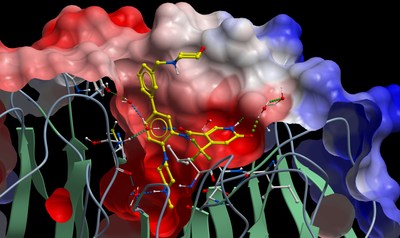
The WDR5 protein is critical for the formation and activities of certain protein complexes that are associated with DNA and indirectly modify genes. These processes represent an exciting new therapeutic field, referred to as epigenetics. Blood cancers like leukemia can result when WDR5-associated protein complexes are not appropriately regulated in the body. Drug compounds that can disrupt these cancer-causing cellular activities represent a novel therapeutic approach, which may also improve clinical outcomes in patients with solid tumours.
"This transaction represents a significant milestone for Triphase Accelerator as it brings together our long-standing collaboration with Celgene and a first-in-class asset from Ontario" said Dr. Ilse Treurnicht, Executive Chairperson at Triphase Accelerator. "We are excited that this transaction is another step forward to realizing the vision of the founding partners – OICR, MaRS Innovation and MaRS – and will allow Triphase to apply its unique science based, rapid, and cost-effective approach to advancing this Ontario based program toward clinical proof of concept."
"Our investment in Propellon's technology reflects our commitment to developing first-in-class epigenetic therapies for patients with hematological cancers," remarked Dr. Jorge DiMartino, Vice President of Translational Development at Celgene. "The teams at OICR Drug Discovery, FACIT and Triphase Accelerator have together created an optimal pathway for oncology innovation and help make Ontario a strong collaborator and destination for our investment."
"This is a great day for cancer research in Ontario. Congratulations to FACIT, OICR and Triphase Accelerator," said Todd Smith, Minister of Economic Development, Job Creation and Trade. "This discovery and investment will benefit Ontario cancer patients and support industry jobs in the province. Ontario is open for business, and we welcome more innovative cancer research and trials."
"This is an exciting development for cancer research and innovation in Ontario, and I congratulate FACIT, OICR and Triphase Accelerator on their important collaboration," said Christine Elliott, Deputy Premier and Minister of Health and Long-Term Care. "It's partnerships like these that keep Ontario open for business and are invaluable as we work toward developing a long-term transformational health care strategy guided by innovation, integration and the better use of technology."
About Triphase Accelerator Triphase Accelerator is a private drug development company with a primary focus on oncology and with operations in Toronto and San Diego. Triphase Accelerator is dedicated to advancing novel compounds through Phase 2 proof-of-concept clinical studies using a unique, science-based model that is faster and more cost-effective than traditional pharmaceutical and biotech industry drug development approaches. Triphase Accelerator was founded by the Ontario Institute for Cancer Research (OICR), in partnership with MaRS Innovation and MaRS. It has a strategic relationship with Celgene for oncology-focused drug development opportunities. In 2016, Celgene acquired the company's assets related to its proteasome inhibitor, marizomib (MRZ), which is currently in Phase 3 development for glioblastoma. For more information, visit www.triphaseco.com or LinkedIn.
About Celgene Celgene Corporation, headquartered in Summit, New Jersey, is an integrated global biopharmaceutical company engaged primarily in the discovery, development and commercialization of innovative therapies for the treatment of cancer and inflammatory diseases through next-generation solutions in protein homeostasis, immuno-oncology, epigenetics, immunology and neuro-inflammation. For more information, please visit www.celgene.com.
About FACIT
FACIT builds companies with entrepreneurs to accelerate oncology innovation and its portfolio has attracted over a half billion dollars in investment to Ontario. Blending industry experience, capital and the unsurpassed clinician-scientist network of its strategic partner the Ontario Institute for Cancer Research (OICR), FACIT capitalizes on the province's investment in research and healthcare to the benefit of the local economy and patients worldwide. FACIT's commercialization portfolio includes Turnstone Biologics, Fusion Pharmaceuticals, Triphase Accelerator and other biotechnology organizations. Cancer Breakthroughs. Realized.facit.ca.
SOURCE FACIT
A New Era in the Fight Against Breast Cancer
Oncologist Discusses First-Of-Its-Kind Treatment Option for Early-Stage Breast Cancer Interviews Available with Elizabeth M Nichols, MD, Assistant Professor of Radiation Oncology at the University of Maryland School of Medicine, Clinical Director, Department of Radiation Oncology at the University of Maryland Medical CenterFriday, Feb. 1, 2019 from 7:00 AM - 12:30 PM ET Early detection and treatment have yielded high survival rates for women diagnosed with early-stage breast cancer. However, standard radiation techniques can present significant challenges for patients, especially those who must undergo weeks of daily treatments. A new FDA-cleared treatment method developed by doctors and scientists at the University of Maryland School of Medicine could provide an alternative for some diagnosed with this disease – one that could shorten radiation treatment from weeks to days. The GammaPod, a unique radiation system designed to treat early-stage breast cancer by targeting the cancer and limiting damage to other organs, is part of a growing movement in oncology to try to reduce the amount of treatment to help curb side effects, improve quality of life and prevent patients from being overtreated. In interviews, Dr. Elizabeth Nichols, MD will discuss early-stage breast cancer, the problem of overtreatment, benefits of partial breast radiation and who is a candidate for the GammaPod. About Elizabeth M Nichols, MD Dr. Nichols is an assistant professor of radiation oncology at the University of Maryland School of Medicine, clinical director of the University of Maryland Medical Center Department of Radiation Oncology and chair of the GammaPod Consortium. Dr. Nichols specializes in treating breast and gynecologic cancers.
Anxiety, It's Time to Go: New Book Ditches the Psychobabble to Remove Anxiety…for Good!
Kevin Mullin’s ‘Anxiety, It’s Time to Go’ calls on the author’s vast experience as an NLP practitioner to help readers identify the root of their anxiety and not only remove it…but rid it for good. Using a series of proven techniques, this breakthrough guide could just be the most com
Ayr, Scotland – Those who suffer from anxiety and its related disorders understand it isn’t just disheartening, but an often-debilitating, life-destroying condition. And even worse, there’s a flood of books on the market conveying half-baked techniques that rarely actually work.
But that all now stops thanks to NLP practitioner Kevin Mullin and his new book, ‘Anxiety, It’s Time to Go’.
Just like the title, Mullins’ breakthrough text marks anxiety’s “grand finale” for its sufferers around the world, as they prepare to step into a new life free of the condition.
Synopsis:
Anxiety, It's Time to Go is not just another self-help book. It is 'the' self-help book. It uses cutting-edge tried and tested methods that have been used time and time again to remove anxiety from people each and every day. Anxiety, It's Time to Go will explain everything in simple terms and then show you exactly how to combat the things that hurt and control us when it comes to anxiety. The easy-to-follow exercise and instructions have been made straightforward without all the psychobabble that most people use. We say it as it is and then show you exactly how to remove it. This might just be the best thing you have done when it comes to beating crippling anxiety once and for all.
“The over-riding goal with this book was to make it as straightforward and actionable as possible, with no fluff and no BS,” explains the author. “The fact of the matter is that anxiety is an epidemic in society these days and, unless someone steps in to do something about it, it’s going to continue destroying lives around the world.”
Continuing, “You need no prior understanding of NLP to use my book to change your life, and you also don’t need to fully understand your own anxiety. If you suffer, or even think you do, what I have to teach will radically improve your mental health and the overall quality of your life. Get a copy today!”
Reviews have been extremely positive. One reader writes, “I was given the book to read and I loved it. It was one of those books that I did not want to put down but equally did not want to finish, as I was enjoying it too much (like saving a new dress 'for best'). It was all so simple, it made sense and it worked!!! Now, I am not going to elaborate more, because I am now too busy living anxiety-free! Too busy enjoying life. Planning life. Too happy to even think about the old me who wasted so much time feeling anxious, stressed, miserable, not wanting to be here. So, read it for yourself.”
Kevin Mullin enlisted in the British Army aged fifteen years and eight months. He served in several conflict areas and operations around the globe, then at the age of thirty-four, he left the service and became a private military operator. Kevin was contracted to the United States Department of Defense, securing and protecting US Military bases and assets in Afghanistan. Kevin worked there for four years before moving to one of the most valuable targets in Afghanistan in the heart of Kabul – The Serena Hotel. Kevin studied NLP within the British Army and gained a wealth of knowledge and experience, training the trainers in the methods of approaches to NLP. Having suffered the loss of both his brother and mother, he was crippled with anxiety for many years. Kevin searched relentlessly for new, dynamic ways to beat it.
Having taken an apprenticeship with Ali Campbell, Kevin finally found what he was looking for. He understudied and role modelled Ali to great effect. In June 2017, Kevin opened his very own NLP practice based in Central Scotland. The practice has received rave reviews about Kevin’s new, dynamic and direct approach. He has helped thousands of clients become anxiety-free. Kevin has gained plaudits from Italy, Dubai and America for his dynamic and enthusiastic approach to motivational speaking and helping businesses and organisations flourish and grow. He is also a full-time parent. He raises his children with the approach he takes in life and in his crusade to help everyone in the battle with anxiety. Drive, determination and a vigour unparalleled in this modern age.
GeneNews Publishes Data on ColonSentry® in Colorectal Cancer Risk Assessment
Study demonstrates validity of blood-based biomarker test as an adjunct method to colon cancer screening tests in non-compliant patient populations
TORONTO, Jan. 28, 2019 /CNW/ - GeneNews Limited (TSX:GEN) ("GeneNews" or the "Company") today announced it has published a new study that further validates the stability of its proprietary test, ColonSentry®, as a tool to risk stratify patients who are non-compliant with any form of Colorectal Cancer screening and prioritize patients who should be referred directly for colonoscopy versus other modalities for colorectal cancer screening. The paper, "Stability of the ColonSentry Colon Cancer Risk Stratification Test" appears in the current online edition of International Journal of Disease Markers.
ColonSentry is a proprietary liquid biopsy test that uses advanced gene expression technology for the early identification of Colorectal Cancer (CRC). Initially developed in 2008 from a clinical study involving approximately 10,000 subjects in North America, ColonSentry was broadly commercialized in 2014 and has been administered to over 100,000 patients throughout the U.S. The ColonSentry test is the first commercially available test that uses GeneNews proprietary science, the Sentinel Principle. The Sentinel Principle is based on the scientific observation that circulating blood reflects, in a detectable way, what is occurring throughout the body and underpins the Aristotle program, which is focused on detecting ten cancers from a single sample of blood.
The study's authors compared real-life distribution of the results against the model that was initially developed and reviewed them in the context of measurement stability, and to evaluate the validity of the assumptions made during the construction of the mathematical model. The model's assumption of two subpopulations, one with colorectal cancer at 0.7% prevalence, and the other without colorectal cancer at 99.3% prevalence, fit the data within the expected measurement tolerances. Research also explores enhancement of the model to address a precancerous polyp phase subpopulation, and how the test results can be used to identify patients who should be referred directly for colonoscopy versus other modalities for colorectal cancer screening. The study confirmed that ColonSentry can be used to determine, from a blood sample, whether patients are at elevated risk for colorectal cancer and detects left and right-sided lesions with similar sensitivity. ColonSentry can be considered for use as an alternative method in non-compliant patient populations.
According to the study's lead author, Robert Burakoff, MD, Site Chief for the Division of Gastroenterology and Hepatology at New York-Presbyterian Lower Manhattan Hospital and Weill Cornell Medicine, "The clinical utility of ColonSentry is significant. A routine blood test for patients who have yet to comply with any form of colorectal cancer screening can be a game-changer in identifying those at elevated risk for the disease and motivating them to have their colonoscopy. In addition, routine use of a blood test that detects both left-sided and right-sided lesions can increase the effectiveness of colorectal cancer screening by revealing the potential presence of neoplasms in advance of colonoscopy."
James R. Howard-Tripp, GeneNews' Chairman and CEO further commented "Finding colorectal cancer early is critical and alters the 5-year survival rate from 11% if found late, to 91% if found early. Additionally, a diagnostic test must be convenient and patient friendly if we are going to successfully address the 33% of patients who are non-compliant with CRC screening. ColonSentry fulfills this role, and this confirmatory study on 100,000 at-risk patients demonstrates the robust nature of the test."
ColonSentry requires a simple, in-office blood draw. If the ColonSentry score is elevated in a patient at average risk, there is an increased probability the patient may have a pre-cancerous lesion or colorectal cancer. Patients with an elevated ColonSentry score are referred for further evaluation.
According to the American Cancer Society, Colorectal cancer is the third most common cancer diagnosed in men and women in the U.S. Approximately 140,000 people are diagnosed each year, and more than 50,000 people are estimated to die from the disease.
About GeneNews
GeneNews, an innovator in the liquid biopsy space, is committed to becoming a leader in advanced diagnostics and personalized medicine, serving as a strong commercialization outlet for early detection of cancer and other chronic diseases. Our mission is to identify, assess and make commercially available a comprehensive menu of diagnostics that provide physicians and patients with personalized clinical intelligence and actionable information to improve health out-comes through the early diagnosis of disease. Our Richmond, Virginia-based clinical reference lab, Innovative Diagnostic Laboratory (IDL) specializes in advanced molecular diagnostics that helps find, understand, and address cancer risk in patient populations. Currently, IDL offers risk assessment blood tests for four prevalent cancer types - colon, lung, prostate and breast. GeneNews' common shares trade on the Toronto Stock Exchange under the symbol 'GEN'. More information on GeneNews and IDL can be found at www.GeneNews.com.
Forward-Looking Statements
This press release contains forward-looking statements identified by words such as "expects", "will" and similar expressions, which reflect the Company's current expectations regarding future events. The forward-looking statements involve risks and uncertainties that could cause the Company's actual events to differ materially from those projected herein. Investors should consult the Company's ongoing quarterly filings and annual reports for additional information on risks and uncertainties relating to these forward-looking statements. The reader is cautioned not to rely on these forward-looking statements. The Company disclaims any obligation to update these forward-looking statements, except as required by law.
SOURCE GeneNews Limited
TRAIN IT RIGHT NEWSLETTER
Sign Up and get a free 7 day Train it Right HIIT Program!