November 20th is Bereavement Day in Canada
OTTAWA, Nov. 19, 2018 /CNW/ - November 20, 2018, will mark the second annual National Bereavement Day in Canada. On this day, the Canadian Hospice Palliative Care Association (CHPCA) invites all Canadians to reflect on the importance of relationships past and present, to think about those who have passed away from our lives, and to help advocate for support at the provincial and national levels for grieving Canadians.
"Grief and Bereavement is a part of life," and CHPCA is challenging Canadians to share their stories and to talk about grief and bereavement and with their friends, families, and co-workers.
"An estimated 279,936 Canadian will die in 2018, and for every one person who has died there are, on average, 5 or more loved ones who live on," says Sharon Baxter, Executive Director of CHPCA. "We all experience and handle grief and bereavement differently, and this reality has created the need to clarify what resources are available to Canadians dealing with the ends of one's life. This includes ensuring information and resources on hospice palliative care and advance care planning are accessible to all Canadians; that resources are provided to those who need them in a timely fashion and in the setting of their choice, and that resources meet their care needs. It's time to talk about grief and bereavement in Canada".
Why is this important?
As a society, we are so focused on prolonging life and curing illness that very little thought is given to what happens to us during our journey at the ends of one's life and to those we leave behind. Improving the process also means allowing caregivers and family members who have lost a loved one the time to grieve, to remember, and to heal.
Toward this effort, the CHPCA is the leading national voice for hospice palliative care in Canada. CHPCA believes that it is essential for Canadians to understand that grief and bereavement support is for those who are grieving before, during, and after the course of a loved one's journey. CHPCA encourages Canadians to start early with advance care planning; that is, reflecting on and discussing their wishes with the people closest to them. Moreover, caregivers, families, and friends need more help to prepare to say goodbye and to live well while grieving the loss of their loved ones.
Grief and bereavement support is an essential element of all care at the ends of one's life. On this second annual Bereavement Day in Canada, CHPCA encourages Canadians to engage all levels of government and all sectors of Canadian society in a national dialogue, to identify and address the necessary resources for those living with grief and bereavement.
It's time to talk about grief and bereavement being a part of life in the lives of all Canadians.
SOURCE Canadian Hospice Palliative Care Association
YOUR NO EXCUSE GUIDE TO STAYING FIT WHILE FLYING AND TONED WHEN TRAVELING THIS HOLIDAY SEASON
www.vshred.com

Many fitness enthusiasts find it difficult to follow their normal exercise plan while traveling to see family or friends for the winter holidays. Unfamiliar environments, tightly-packed family living conditions, or lack of exercise equipment may hamper even a fitness fanatic’s best intentions for staying fit while traveling this holiday season. Alex Vitale is a V Shred Lead Trainer, Certified Personal Trainer through the National Council of Strength and Fitness and a graduate of the Equinox Fitness Training Institute. When planning your December holiday trip, he offers the following tips for putting together an exercise program that travels with you.
“If you've worked hard to establish a good fitness routine, traveling for the holidays doesn't have to mean your healthy habits will be derailed, says Alex. He adds, “You can keep your momentum and endorphins flowing and maintain your fitness level when traveling.”
HOW CAN THIS BE DONE?
Stay Hydrated. “Drink a minimum of eight 8-ounce glasses of water each day. Airport food, sitting on a plane, jet lag - all contribute to bloat. The best way to fight it is to stay hydrated,” says Alex Vital of V Shred.
Lift from your knees, not your back. Be aware of your posture as you carry your bags. Use good body mechanics when you lift your suitcases up to the check-in counter.
Eat three meals a day- Even though you've left behind your daily routine, try to eat three meals a day, maintain a balanced diet and eat plenty of fruit and vegetables. If you're going to eat a high-fat meal, eat a smaller portion, or order an appetizer instead of a main course. Split desserts with a friend.
Rest. If your schedule is shot and you're not sleeping enough at night, take cat naps whenever you get the chance. Stretch in the morning and evening, especially if you've been sitting all day. If you will be drinking alcohol, drink a lot of water between events.
Pack snacks: bananas and apples, yogurt, protein bars. You can make meal replacement shakes in your hotel room. You don't need a blender, just a container with a tight-fitting lid, large enough to shake the contents.
Find out if your gym reciprocates its membership with a gym where you'll be traveling, log onto the International Physical Fitness Association's Web site, http://www.ipfa.us/, or ask at your home health club before you leave town. Alex Vital says that “Three to five days off from a strength routine can give your muscles a rest. But you wouldn't want to go a week or more without serious exercise and a short respite for your biceps doesn't mean you should ever let your cardio workout go.”
Become a member of an online fitness platform
Vshred.com guides users to the very best program for their
body type and fitness goals while giving them some amazing tips they can use
that day in a video and then offers them a program that's perfect for them if
they don't want to do it themselves.
Take the V Shred Quiz Here.
Pack a jump rope for a go-anywhere aerobic session. Invest in "travel weights" -inflatable weights that can be filled with water or sand when training, folded and stored while on the road.
Plan active recreation during vacations -check out the local golf course, riding stable, and so on.
When sightseeing, forget the tour bus and walk. You'll not only see more, but you'll be sneaking in some extra activity.
Bring portable fitness.
For more fitness options, place in your luggage a Resist-A-Tube or any of the home exercise tubing, a stability ball, jump rope or exercise video. ''If you like classes, make your own class in your room,'' offers Alex Vital
If you work with a personal trainer, ask him or her to design an exercise plan before you leave town. When you're sitting on a plane or in a hotel room, take deep breaths occasionally, tighten your stomach muscles, then relax. Travelers need to periodically flex and stretch the hamstrings and hip flexors, the muscle at the upper part of the leg that connects into the pelvis.
For women who spend the day in high heels, a walk around the room toe-up, heel-down will stretch the calf muscles. Or, do toe raises by putting the heels on the floor and stepping up onto a telephone book. “Men often complain of being cramped when traveling,” states Vital. “They need to stretch their lower back and legs.” He recommends the cat stretch. Get up on your hands and knees, arch your back for 15 seconds, then release. Repeat.
Alex Vital points out that the more comfortable you are with operating fitness machinery at your home gym, the easier it will be to set up unfamiliar equipment when you're on the road.
FIT FLYING
Air travel may be fast and convenient, but for many of us, it can be uncomfortable and restrictive due to cramped cabins and sardine-like seating. The following tips can help you make the most of your next airplane trip by helping you stay flexible and fit while you fly.
- DEEP BREATHING is an instant-relaxer and can be done anywhere at any time. Try taking 4-5 deep, cleansing breaths several times during your flight.
- RELAX YOUR SHOULDERS by bending forward slightly, hands on knees and "rolling" your shoulders in a circular motion 5 or 6 times. Repeat the "roll" in the opposite direction, then finish up by "shrugging" your shoulders up and down 5 times.
- RELAX YOUR BACK by reaching overhead, holding elbows, and bending side to side. Repeat 5 times in each direction.
- STRETCH YOUR LEGS by alternately lifting your knees toward your chest and bringing your body toward your knee to the count of eight.
- RELEASE YOUR FEET by "drawing" the alphabet with one foot then the other.
About Alex Vital:
He is a V Shred Lead Trainer, Certified Personal Trainer through the National Council of Strength and Fitness and a graduate of the Equinox Fitness Training Institute, a global leader in applied exercise science education. Alex’s mission as a personal trainer is to, not only help people to get in shape, but also to take more control over their lives and up-level to the best version of themselves possible.
Enstilar® is now covered by the New Brunswick Drug Plan for Adults with Psoriasis Vulgaris
THORNHILL, ON, Nov. 19, 2018 /CNW/ - LEO Pharma Canada has announced that as of November 8th, 2018, Enstilar® has been added as a Regular Benefit through the New Brunswick Drug Plan.
Enstilar® (calcipotriol and betamethasone dipropionate) is a spray foam for once-daily topical treatment of psoriasis vulgaris in adults.
Psoriasis vulgaris is a chronic, immune-mediated, inflammatory skin disorder. It can occur as single lesions at predisposed sites (e.g., knees, elbows) or as a generalized disease across wider areas of the body, causing pain, disfigurement and disability.1,2 Although it is typically seen in adults, it can develop at any age with equal distribution between men and women.1
"Enstilar® foam is an effective topical treatment. The great news is that Enstilar® foam is covered by the New Brunswick Drug Plan, open to every New Brunswick patient in need of a treatment." said Dr. Irina Turchin, a board-certified dermatologist in Fredericton, New Brunswick.
Psoriasis vulgaris affects approximately 1 million Canadians which equates to about 3% of the entire Canadian population.1,3
"This new format to apply a topical treatment should help with adherence for patients. We are looking forward to seeing Enstilar® available to all patients across Canada," said Kathryn Andrews-Clay, Executive Director of the Canadian Association of Psoriasis Patients.
Enstilar® already received Régie de l'Assurance Maladie du Québec (RAMQ) approval on June 1st 2017, Saskatchewan (SK) on January 1st 2018, Non-Insured Health Benefits (NIHB) on October 15th 2018 and Ontario Drug Benefit (ODB) on October 31st 2018.
Kristian Fick, President of LEO Pharma Canada, says, "Today marks a special day for those living with psoriasis in New Brunswick. At LEO Pharma our mission is to help people achieve healthy skin. We commend the New Brunswick Drug Plan for adding Enstilar® to the Formulary, and bringing us one step closer to achieving this mission. LEO is looking forward to working collaboratively with the remaining provinces and territories to ensure all patients with psoriasis have access to Enstilar®."
About Enstilar®
Enstilar® is an aerosol spray foam containing calcipotriol monohydrate 50 mcg/g and betamethasone dipropionate 0.5 mg/g. It is indicated for the treatment of psoriasis vulgaris in adults for up to 4 weeks. On average, 120 g (2 cans x 60 g) of Enstilar® is used for the once-daily treatment of psoriasis for up to 4 weeks.4-7 Enstilar® has been available to Canadian patients since November 2016 and currently, it is estimated that 50,000 Canadian patients have been prescribed Enstilar®.
About LEO Pharma A/S
LEO Pharma helps people achieve healthy skin. By offering care solutions to patients in more than 130 countries globally, LEO Pharma supports people in managing their skin conditions. Founded in 1908 and owned by the LEO Foundation, the healthcare company headquartered in Denmark has devoted decades of research and development to delivering products and solutions to people with skin conditions. In 2017 LEO Pharma employed around 5,200 people worldwide. Helping patients for more than 30 years in Canada, LEO Pharma Canada is a division of LEO Pharma A/S. To learn more about LEO Pharma's products and commitment to dermatology care in Canada, visit: www.leo-pharma.ca.
References:
| 1 |
Canadian Dermatology Association. Psoriasis. Available at: https://dermatology.ca/public-patients/skin/psoriasis/. Retrieved October 18, 2018 |
| 2 |
National Clinical Guideline Centre (UK). National Institute for Health and Clinical Excellence: GuidancePsoriasis: Assessment and Management of Psoriasis. London: Royal College of
Physicians (UK); 2012 |
| 3 |
Statistics Canada. Population. Available at: https://www150.statcan.gc.ca/n1/pub/12-581-x/2018000/pop-eng.htm. Retrieved October 23, 2018 |
| 4 |
Enstilar® Product Monograph. Leo Pharma Inc. September 8, 2016 |
| 5 |
Koo J, et al. Superior efficacy of calcipotriene and betamethasone dipropionate aerosol foam versus ointment in patients with psoriasis vulgaris—A randomized phase II study. Journal
of Dermatological Treatment. 2016;27(2):120-127 |
| 6 |
Leonardi C, et al. Efficacy and Safety of Calcipotriene Plus Betamethasone Dipropionate Aerosol Foam in Patients With Psoriasis Vulgaris—a Randomized Phase III Study (PSO-FAST).
J Drugs Dermatol. 2015;14(12):1468-1477 |
| 7 |
Lebwohl M, et al. Fixed Combination Aerosol Foam Calcipotriene 0.005% (Cal) Plus Betamethasone Dipropionate 0.064% (BD) is More Efficacious than Cal or BD Aerosol Foam Alone
for Psoriasis Vulgaris: A Randomized, Double-blind, Multicenter, Three-arm, Phase 2 Study. J Clin Aesthet Dermatol. 2016;9(2):34-41 |
SOURCE LEO Pharma Canada
BlueWind Medical Appoints New Executive Chairman
Daniel Lemaitre brings more than three decades of medical device experience
HERZLIYA, Israel, Nov. 19, 2018 /CNW/ - BlueWind Medical, developer of a miniature, wireless neurostimulation platform for the treatment of multiple clinical indications, is pleased to announce that Daniel T. Lemaitre will assume the role of Executive Chairman.
"Dan is a savvy and seasoned medical device executive. His operational and financial acumen make him the ideal person to lead BlueWind's efforts to garner market clearance and to commercialize BlueWind's neuromodulation therapy platform. Dan will be an outstanding addition to the company's executive team," said Efi Cohen Arazi, BlueWind board member and the CEO of Rainbow Medical, an operational investment company that founded BlueWind in 2010.
Lemaitre's C-suite experience includes CEO roles at CoreValve and Direct Flow Medical. He has also served as Senior Vice President of Strategy and Business Development at Medtronic, and held the role of Chairman of Bioventus after it was spun-out of Smith & Nephew in a private equity transaction. He currently serves as Chairman of Endologix (ELGX) and is on the board of Globus Medical (GMED).
Dan earned his financial stripes during his 28 years as a top-ranked medical device Wall Street analyst with Cowen & Company and later with Merrill Lynch.
"I am thrilled to be working alongside CEO, Guri Oron, and the rest of the highly engaged and competent BlueWind team," Lemaitre said. "BlueWind's less invasive technology has the potential to revolutionize the treatment of myriad afflictions, with patient-friendly products that offer clinical efficacy and superior economics. We are initially targeting Over Active Bladder (OAB) a market with large unmet patient needs. A pivotal study to garner FDA approval will commence in 2019."
About BlueWind Medical
BlueWind Medical was founded in 2010 by Rainbow Medical. The company is developing a platform technology of miniature, wireless, neurostimulators that can be injected or implanted in a minimally invasive procedure to treat multiple indications. By putting patients' needs first, BlueWind Medical's team of experienced and dedicated engineers and researchers are creating a versatile and effective platform that will transform neuromodulation as we know it.
About Rainbow Medical
Rainbow Medical (www.rainbowmd.com ) is a unique private operational investment company that seeds and grows start-up companies developing breakthrough medical devices, addressing significant unmet market needs in a diverse range of medical fields.
SOURCE BlueWind Medical
Ontario's health care system under increased strain
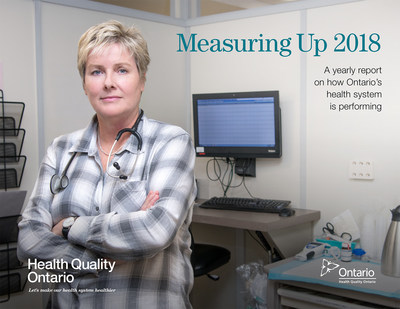
TORONTO, Nov. 16, 2018 /CNW/ - Many parts of Ontario's health care system are under increased strain, according to Measuring Up 2018, Health Quality Ontario's 12th yearly report on the performance of the province's health system.
"One of the things we're seeing is hospital overcrowding and how it's both a symptom and a source of cascading pressures throughout the system," says Anna Greenberg, interim president and CEO of Health Quality Ontario.
The report's key findings emphasize the backlog in different parts of the health system, underscoring the hospital overcrowding issue. Some examples include:
- Emergency department visits are on the rise, especially among patients with serious conditions. Plus, patients are spending more time in the emergency department before being admitted to hospital.
- Hospital emergency departments are also facing an increased challenge dealing with the opioid crisis.
- The number of hospital beds occupied by patients waiting to receive care elsewhere continues to increase and is equivalent to more than 10 large, 400-bed hospitals filled to capacity every day.
- Patients are waiting longer to access long-term care, assisted living and home care, from hospital and from the community too.
Despite these challenges, the report also shows bright spots scattered throughout the health system:
- People in Ontario are living longer and less likely to die before the age of 75.
- More people are having cancer-related or general surgeries within the recommended wait times.
- Rates of hospital-acquired C. difficile, a potentially life-threatening infection, continue to improve.
- Fewer children and youths are having their first care for a mental health condition occur in the emergency department.
- More Ontarians are receiving palliative care in their homes in their last days of life.
"The improvements we have seen in areas like wait times for cancer-related or general surgeries are a testament to focused and sustained efforts based on meaningful data by those on the frontlines," says Ms. Greenberg. "With the same system-wide focus that is informed by data, and ingenuity on the frontlines and at regional levels, tackling a complex problem like hospital overcrowding is also possible."
"In order to better meet patient needs, it is essential to understand the conditions and pressures in emergency rooms today, and the profound difficulty our health care system has always faced in creating better ways to care for people, especially in their home and in long-term care," says Anthony Dale, president and CEO of the Ontario Hospital Association. "Accurately measuring and understanding these challenges and their root causes creates the foundation for creating the long-term solutions needed to end hallway health care in Ontario."
Quick facts
Findings in areas that need further improvement
- Visits to Ontario's emergency departments increased by 11.3% over the last six years to 5.9 million in 2017/18, from 5.3 million in 2011/12. Visits by high-acuity patients – those who have more serious conditions – also rose by 26% to 4.1 million from 3.3 million.
- The average time spent in emergency by patients admitted to the hospital from emergency increased to 16 hours in 2017/18, from 15.3 hours in 2016/17.
- Visits to the emergency department for opioid poisoning more than tripled to 54.6 per 100,000 population in 2017, from 15.2 per 100,000 in 2003.
- In 2016/17, an average of 4,233 Ontario hospital beds were occupied every day by patients waiting to receive care somewhere else – such as in a long-term care home or rehabilitation facility. That was the equivalent of more than 10 large, 400-bed hospitals filled to capacity each day.
- The median amount of time people waited from hospital to move into a long-term care home was 31.4% longer in 2016/17 (92 days) than in 2015/16 (70 days). The median wait time for people waiting to move into a long-term care home from the community also increased by 12.9%, to 149 days in 2016/17, compared to 132 days in 2015/16.
- In 2017, fewer patients (32.3%) reported being able to see a specialist less than 30 days after being referred to one, compared to 37.8% in 2016.
- Fewer patients had their surgery within target times in 2017/18 for common surgeries like knee (73.7%) and hip replacements (78.0%).
- More than a quarter (26.1%) of home care clients who received care for more than two months had a primary family or friend caregiver who experienced continued distress, anger or depression in the first half of 2017/18, up from 23.6% the previous year.
Findings in areas that are doing well or improving
- Ontarians are less likely to die before the age of 75. They are losing fewer years of life to premature death, decreasing to 4,188 years per 100,000 people in 2015, compared to 4,897 in 2005. Ontario has one of the lowest rates of potential years of life lost among Canadian provinces.
- The percentage of patients who had cancer surgery within target times for their assigned priority level increased to 87.3% in 2017/18, up from 70.9% in 2008/09. Among patients who had general surgery in 2017/18, wait time targets were also met for 95% of patients, an increase from 90.6% in 2008/09.
- The rate of hospital-acquired C. difficile infections has decreased steadily in Ontario in recent years to 0.22 cases per 1,000 inpatient days in 2017/18, compared to 0.35 in 2011/12.
- Fewer children and youths up to 24 years of age received their first care for a mental health condition in the emergency department. The rate decreased to about 4 in 10 in 2016, which was an improvement from 10 years earlier when the rate was about 5 in 10.
- More than a quarter (25.5%) of people who lived in the community during their last 30 days of life received a palliative-specific home care service in 2016/17, compared to 22.6% in 2011/12.
Measuring Up 2018 also features stories from health care professionals, patients and caregivers to provide a human viewpoint on the performance data.
To read the full Measuring Up 2018 report, visit: https://www.hqontario.ca/Measuring-Up
About Measuring Up
Measuring Up 2018 is Health Quality Ontario's 12th yearly report to Ontarians on health system performance. The data are grounded in a focused set of indicators selected by Health Quality Ontario, in partnership with health experts and system partners. This year's report highlights findings from 47 indicators.
About Health Quality Ontario
Health Quality Ontario is the provincial lead on the quality of health care. We help nurses, doctors and other health care professionals working hard on the frontlines be more effective in what they do – by providing objective advice and data, and by supporting them and government in improving health care for the people of Ontario. Visit www.hqontario.ca for more information.
SOURCE Health Quality Ontario
Clean Eating: How to Maximize Your Fitness and Workout Benefits

Whether you’re looking to lose weight, bulk up or maintain your current weight, it can be an understandably challenging journey. When most people don’t see their results within a specific time frame, it’s easy to become discouraged and throw in the towel. However, it’s always important to remember that the body you’re looking for is found in the kitchen. While fitness plays a role in the journey, your diet is what will make the major impact. In order to see a transformation in your ability to maximize your fitness and workout benefits, consider these four tips for clean eating.
Drink Lots of Water
Water is essential to a fitness journey. When you’re working out, your body loses water in the form of sweat. It also needs water to remain hydrated. Hydration is essential for the person who needs the energy to get through a workout. When a person drinks enough water on a daily basis, they increase their chances of staying fuller for a longer period of time. Do your best to consume the correct amount of ounces based on your body’s needs.
Incorporate Lots of Raw Fruits and Vegetables
Instead of steaming broccoli or roasting the asparagus, look for a lot of raw options first. When you consume fruits and vegetables in their natural state, your body is able to receive all of the vitamins and nutrients in the purest form. Enjoy a bowl of berries with your morning bowl of cereal. Eat a side salad a part of your lunch. Enjoy cucumbers, carrots and celery as a snack with hummus. If you love sushi, try avocado sushi with bits of cucumber, carrots and sprouts for dinner. Get creative with the way you consume raw foods.
Track Your Fitness
When a person is longing to lose weight, it’s always best to look at the number of calories first. If you need to stay within a certain number of calories, use a calorie counter to help you get a better idea of how much you consume on a daily basis. There are companies that do nutritional profilingand can give you a better understanding of the proper consumption of calories you’ll need to achieve your goals.
Drink a Meal Replacement Smoothie
Most people love a delicious drink. A meal replacement smoothie is awesome because it’s filling, delicious and nutritionally-rich. Along with your choice of liquid (water and almond milk are great choices), add vegetables, fruits, and seeds. You can even enjoy a smoothie on the go.
The key is consistency. It’s never easy to get started on this type of journey. However, if you take it one day at a time, you’ll be able to see results in the long run. Plus, you don’t want quick results. When you lose weight quickly, you’ll tend to gain it back quickly. If you’re committed to the long haul, you’ll be able to maintain the goals you’re working hard to achieve.
How Smart Gym-Goers Keep Themselves Safe from Injury

Going to the gym and working out frequently can be terrific for your mood, well-being and health. It can sometimes lead to unintentional physical injuries, however. If you’re an avid exercise enthusiast who wishes to safeguard yourself from injuries, stress and inconveniences in general, these techniques can get you on a track that makes complete sense.
Do Your Warmup Stretches
Warmups are of the essence for people who want to safeguard themselves from unpleasant injuries during workout sessions. Stretching your body for a couple of minutes can help prepare it for all that you have coming for it. If you want to get your physique limber and ready for action, in-depth warmups can be useful. They can often keep injuries away, too.
Refrain from Going Overboard
Working out is good for you. Overdoing it, however, is never a good idea. If you want to protect yourself from physical trauma, then you should refrain from going overboard. Just say no to exercise any time you feel overly exhausted. It isn’t worth the risk. Moderation is key for everything in this world. Workout sessions are certainly no exception to this golden rule.
Take Breaks
Bodies require recovery time. People who want to safeguard themselves from injuries often give themselves regular exercise breaks. Try to give yourself weekends off if at all possible. Some time away from the gym can help your body heal. It can help you come back to your workouts stronger and more motivated than ever before as well. Nothing matters more than giving your body the chance to rest and recuperate regularly. Bodies aren’t unstoppable machines for anyone.
Understand All of the Risks
Stay away from workout equipment and devices at the gym that seem risky or dangerous in any way. If you see an elliptical trainer or a treadmill that doesn’t appear to be functioning correctly, avoid it. Don’t make yourself vulnerable to injuries that are brought on by faulty equipment. Talk to personal injury lawyerswho can explain to you all of the hazards that are possible in workout settings as well. The last thing you want is to break a bone during a routine jogging session, after all.
Moderation is essential for everything in this life. Prudence is, too. If you’re an intelligent workout buff, you need to prepare for all kinds of undesirable scenarios. It’s critical to remember that gym injuries can happen at all times.
University Orthopedics Partners with Boston Children’s Hospital on ACL Repair Trial
Procedure Utilizes Bridge-Enhanced® ACL Repair (BEAR®) Technique to Treat Patients with ACL Injuries
 PROVIDENCE, R.I. (November 15, 2018) – University Orthopedics announced that their team of sports medicine surgeons, Drs. Hulstyn, Fadale and Owens, have begun performing ACL repairs with BEAR, a procedure that has been developed by Dr. Martha Murray and her team at Boston Children’s Hospital, with the help of Dr. Braden Fleming and his team at Rhode Island Hospital.
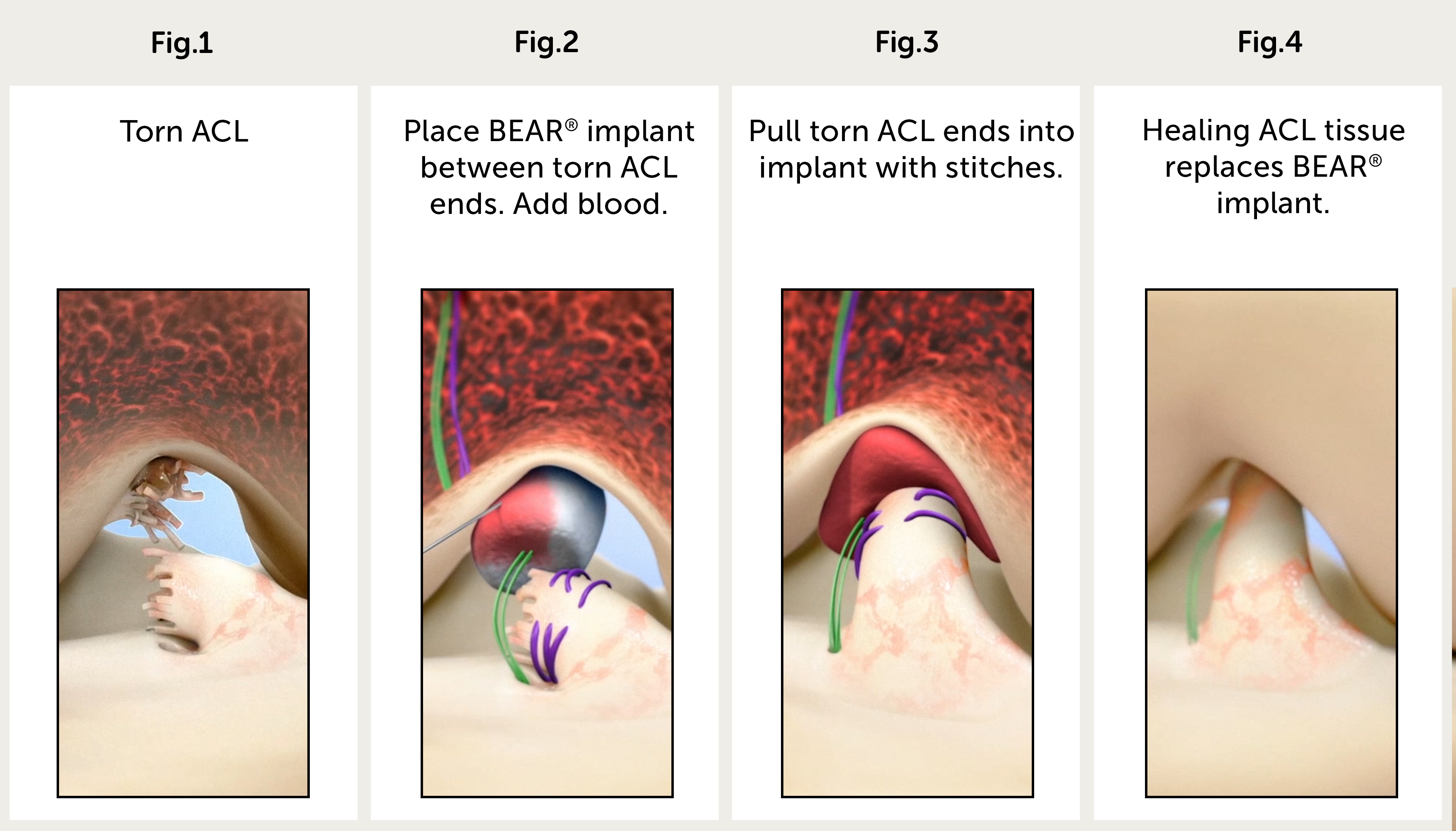
Every year, approximately 400,000 anterior cruciate ligament (ACL) injuries occur. Unlike other sprained ligaments, the ends of a torn ACL do not reconnect and heal on their own. ACL reconstruction is one of the most common orthopedic procedures of the United States and is the standard treatment for the torn anterior cruciate ligament. During an ACL reconstruction, an orthopedic surgeon removes the ends of the torn ACL and replaces them with a graft, usually with patellar or hamstring tendons from the patient’s knee. The new technique, bridge enhanced ACL repair (BEAR), uses stitches in a bridging scaffold (a protein sponge injected with the patient’s blood) to stimulate healing of the torn ACL.
University Orthopedics’ Dr. Michael Hulstyn was the first to perform the surgery at Rhode Island Hospital. “Anterior cruciate ligament reconstruction is the standard of care for a torn ACL with high patient satisfaction and outcomes, but carries the long-term risk of graft failure and knee post traumatic degenerative arthritis. The BEAR procedure allows reattachment of the native ligament and is less invasive than reconstruction surgery. The goal is for a faster recovery time and return of knee stability with high patient satisfaction, and hopefully less chance of arthritis 15 to 20 years down the road.”
Dr. Murray states, “We are now in our third clinical trial and we feel that University Orthopedics and Rhode Island Hospital are a perfect fit to continue this research. Doctors Hulstyn, Fadale and Owens have extensive experience in ACL surgery and we are excited to have them join this study.”
The goal of the current study is to analyze the BEAR procedure and more patients to determine if patient age contributes to the success of the procedure. Up to 250 patients will be enrolled at University Orthopaedics /Rhode Island Hospital and at Boston Children’s Hospital.“So far the results have been very promising. We are thrilled to be part of this exciting trial and appreciate Dr. Murray and her staff for allowing University Orthopedics to continue this groundbreaking work,” says Hulstyn.
About University Orthopedics
University Orthopedics, with clinic locations in Providence, Middletown, East Greenwich and Barrington, is a regional Center for Orthopedics, Sports Medicine and Rehabilitation, with specialties in back and neck pain, joint pain, sports medicine problems, shoulder conditions, pediatric orthopedics, musculoskeletal tumors, hand and wrist problems, hip and knee conditions, trauma, and foot and ankle injuries. UOI includes more than 45 board-certified orthopedic, fellowship trained musculoskeletal and sports medicine physicians. These specialists are faculty members of the Department of Orthopaedics at the Warren Alpert Medical School of Brown University who teach medical students, orthopedic residents, and fellowship sub-specialty surgeons. University Orthopedics leads the way with Basic and Clinical orthopedic research on the latest advances in orthopedic surgery and injury prevention.
About BEAR Clinical Trial
For those looking to schedule an appointment with a BEAR trial physician, please email BEAR.TRIAL@LIFESPAN.ORG or call 1-401-649-1906.
Strainprint™ Technologies, Lumir Lab and Gynica Announce Clinical Trial Partnership
Establishing World’s First and Largest Database of Medical Cannabis Effects on Women
International Study Monitoring Real-time Cannabis Treatment for the Symptoms of Endometriosis Will Leverage Strainprint's Comprehensive Research Platform
TORONTO, Nov. 15, 2018 /CNW/ - Strainprint™ Technologies Ltd., the leader in cannabis data and analytics, today announced a partnership with Israeli research leaders, Lumir Lab and Gynica to conduct the world's first international clinical study on the use of cannabis to treat endometriosis. Endometriosis, a condition where tissue from the uterine lining migrates to other organs inside the body affects roughly 180 million women worldwide. It is estimated that 1 in 10 women between the ages of 15 to 49 will be affected by symptoms of endometriosis during their lifetime.
Strainprint's VP of Research, Michelle Arbus, will work closely with world-renowned cannabis scientist, Professor Lumir Hanus, along with Gynica's Professor Moshe Hod, President of the European Association of Perinatal Medicine and Professor of Obstetrics and Gynecology at Tel Aviv University medical school. The intention of the study is to develop clinically-validated cannabinoid-based products that can be approved for international distribution. Gynica holds a federal license by the Israeli Ministry of Health to research the effects of cannabinoids on women's health and gynecological disorders.
"Endometriosis remains one of the most misdiagnosed and least understood medical conditions, and currently, there is no cure," said Professor Hod. "Strainprint's early observational studies show that medical cannabis treatment has a positive effect on symptoms related to endometriosis, but much more research is required. Our objective is to identify which active cannabinoids, terpenes, and flavonoids, in relative combination, provide the most effective relief, reduce pain and prevent recurrence."
Simultaneous studies in both Israel and Canada will leverage Strainprint's research-ready platform to provide ethics approval, validated questionnaires, custom surveys, real-time treatment tracking and data visualization in support of in-clinic visits. Gynica Senior scientist, Dr. Sari Prutchi Sagiv, will develop the joint-study protocol to be used for clinical trial applications in both countries, based on a common product formulation. Drawing first from Strainprint's 900,000+ real-time patient outcomes and 40 million medical cannabis data points, Lumir Lab will narrow and validate a formulation to focus on at the study. Together, the parties will use Strainprint's recently launched community portal to recruit up to 1,000 patients in each country.
Dr. Prutchi Sagiv says "The combination of Strainprint's big data analytics combined with Gynica's scientific team and clinical research capabilities create a unique and innovative approach for providing evidence-based products to patients worldwide, and moreover for women who are under-treated by current solutions."
Gynica, Lumir Lab and Strainprint expect the clinical study to run on Q2 of 2019.
"It's truly amazing for all of us at Strainprint to get to work with this team of world-renowned scientists and doctors on such a significant medical issue," said Strainprint CEO, Andrew Muroff. "We're committed to helping improve the lives of millions of women suffering from endometriosis."
About Strainprint™
Founded in Toronto in 2016, StrainprintTM Technologies Ltd. is the leading demand-side cannabis data and analytics company. With the world's largest longitudinal, observational data-set of its kind and a mission to advance the scientific understanding of cannabis and its legitimization as a mainstream therapy, Strainprint helps medical cannabis patients and doctors to use cannabis in the most effective and responsible way possible. StrainprintTM data platform supports global cannabis research and provides advanced business intelligence and treatment guidance to producers, retailers, medical practitioners, pharmacies, government and industry. Strainprint is HIPAA, PIPEDA and PHIPA privacy compliant, military-grade encrypted and all patient data is completely anonymized and at rest in Canada. Strainprint can be seamlessly embedded or integrated with most electronic medical records (EMR) and seed2sale software systems. Strainprint Analytics is accessed by customer subscription. The Strainprint App is free to patients and can be downloaded from both the iOS App Store and GooglePlay Store. www.strainprintanalytics.com. facebook, twitter, linkedin.
About Gynica.
Gynica focuses on clinically proven cannabis-based solutions in the field of women's health, developing optimal therapeutic results based on innovative technology and understanding of the pharmacological effects of different cannabinoids and compounds, targeted to specific female-related diseases. The team is led by the President of the European Association of Perinatal Medicine, Professor Moshe Hod, who is also a Tel Aviv University medical school professor of obstetrics and gynecology. Gynica is owned by Asana Bio Group, an Israeli holding company specializing in scientific advancements in the field of medical cannabis.
About Lumir Lab.
Lumir Lab is a research & development lab focused on cannabinoids, led by Prof. Lumír Ondřej Hanuš, a world-renowned analytical chemist and a leading figure in the field of cannabis research, who is responsible for some of the greatest discoveries in the field of cannabis. During his career of 49 years as a cannabis researcher, he isolated and identified the first known endocannabinoid in the human brain, Anandamide. Lumir Lab has established a world-leading position in the development of cannabinoid-based therapeutics through analytical methods and clinical validation, offering a wide range of solutions for companies operating in the medical cannabis industry. Lumir Lab is owned by Asana Bio Group, an Israeli holding company specializing in scientific advancements in the field of medical cannabis.
View original content to download multimedia:
SOURCE Strainprint Technologies Ltd.
For further information: Media Contact: Jessica Moran, 519-494-5379, Strainprint Technologies Ltd., jessica.moran@strainprint.ca
Organization Profile
Strainprint Technologies Ltd.
More on this organization
Non-small cell lung cancer market projected to be worth $14.6bn by 2024, says GlobalData
Following the recent spate of approvals in both small cell lung cancer (SCLC) and non-small cell lung cancer (NSCLC), the treatment landscape is becoming increasingly difficult to navigate for both physicians and patients, highlighting the need for better education, access, and infrastructure to support physicians’ and patients’ choices of the optimal therapies, says GlobalData, a leading data and analytics company.
GlobalData expects the global NSCLC market to be worth $14.6bn by 2024, over six-fold more than the SCLC market, which is expected to reach only $2.3bn in the same timeframe.
Francesca Blum, MSci, UK Oncology Director at GlobalData, comments, “As SCLC and NSCLC both have more than twenty immunotherapy products currently in Phase II or III development, treatment paradigms for both forms of the disease will become increasingly complex, requiring treatments to be chosen from a growing selection of similar options.”
The FDA has already approved several drugs for lung cancer during H2 2018, including targeted tyrosine kinase inhibitors and immunotherapies. Pfizer has had a particularly good streak, with approvals for Vizimpro (dacomitinib) in September for untreated patients with epidermal growth factor receptor (EGFR)-mutated NSCLC and Lorbrena (lorlatinib) in early November for previously-treated patients with anaplastic lymphoma kinase (ALK)-mutated NSCLC.
Blum continues, “These approvals will boost Pfizer’s lung cancer revenues, which have suffered recently as its original ALK inhibitor Xalkori (crizotinib) has faced sales pressure from Takeda’s and Novartis’ newer ALK-targeted competitors, Alunbrig (brigatinib) and Zykadia (ceritinib), respectively.”
Alongside the much-needed increase of targeted treatment options for NSCLC patients with ALK or EGFR mutations, the use of immuno-oncology is also expanding, particularly into subtypes of lung cancer with significant unmet needs. In August, Bristol-Myers Squibb’s Opdivo (nivolumab) was granted accelerated approval by the FDA for metastatic SCLC, making it the first immunotherapy for this type of lung cancer.
A key aim of this year’s Lung Cancer Awareness Month campaign is to ensure public awareness about screening programs and resources to help with the early detection of lung cancer.
Blum adds, “Improvements in diagnosis will no doubt contribute to increasing global incidence rates, which we currently expect to rise in SCLC and NSCLC at Annual Growth Rates of 2.05% and 3.24%, respectively, giving players further opportunities to gain from this buoyant market.”