Two-thirds of Canadian women are unaware common leg complaint can point to a progressive health issue
New poll reveals almost three-quarters of women have experienced at least one symptom associated with chronic venous disease, but only half with symptoms have spoken to their doctor1
LAVAL, QC, Oct. 30, 2018 /CNW/ - A new survey by Leger reveals as many as two-thirds of Canadian women are unaware that varicose veins can be a sign of underlying chronic venous disease,2 a progressive condition caused by poor blood circulation in the legs.3,4
A fifth of the Canadian adult population suffers from varicose veins and 60 per cent of those affected are women.5 Varicose veins often appear as prominent or bulging blue protrusions under the skin of the leg, while other less visible symptoms include a feeling of heaviness, in addition to swelling, itching and pain in the legs.6
The online survey of 1004 Canadian women aged 35-60, revealed that, despite their symptoms, almost half of women (49%) believe varicose veins to be a natural part of aging, while only one-third associated varicose veins with a medical chronic condition.7
Chronic venous disease is a progressive condition of the legs that causes vein walls and/or valves to become inflamed and stop working effectively, making it difficult for blood to return to the heart from the legs.8 Signs and symptoms range from a sensation of heavy and/or painful legs, night cramps, edema or ulcers, spider and varicose veins.9
"I frequently encounter patients who believe varicose veins are a purely cosmetic condition, and who do not understand their potential underlying cause," says Dr. Beverley Chan, Vascular surgeon at Oakville Vascular. "It's important that people recognize varicose veins are not simply a result of aging, but could be a sign of chronic venous disease, a condition that can result in disabling physical and psychological pain."
Despite revealing that only 11 per cent of women are aware of the disease, the poll showed almost three quarters of those polled (70%) have experienced at least one symptom.10 In particular, more than 80 per cent with varicose veins also report having experienced at least one other symptom, including aching legs, painful legs, night cramps, heavy legs or itchy legs.11
The survey also reported that over half of women with symptoms of chronic venous disease felt they were not serious enough to speak to their doctor about.12 When asked what would prompt a visit to the doctor's office, the majority of women (41%) answered pain.13
"All too often I see patients suffer from uncomfortable and painful symptoms associated with this condition, which can impact daily activities like taking a shower, walking or driving affecting overall quality of life," says Dr. Beverley Chan, Vascular surgeon at Oakville Vascular.
"The good news is that there are treatment options, including over-the-counter medications that address the venous inflammation and loss of venous tone, which helps relieves the signs and symptoms of mild-to-moderate chronic venous disease."
There are several options to help treat the signs of varicose veins and chronic venous disease, including over-the-counter medications, lifestyle changes and compression stockings, other treatments include vein stripping, endovenous procedures and sclerotherapy.14
About Servier Canada
Servier Canada was established in 1978 and is celebrating its 40th anniversary of operation in Canada. Servier Canada employs over 250 people and is currently present in the following markets diabetes, cardiovascular disease and oncology. For more information: www.servier.ca
About Servier
Servier is an international pharmaceutical company governed by a non-profit foundation, with its headquarters in France (Suresnes). With a strong international presence in 149 countries and a turnover of 4.152 billion euros in 2017, Servier employs 21,700 people worldwide. Entirely independent, the Group reinvests 25% of its turnover (excluding generic drugs) in research and development and uses all its profits for development. Corporate growth is driven by Servier's constant search for innovation in five areas of excellence: cardiovascular, immune-inflammatory and neuropsychiatric diseases, cancer and diabetes, as well as by its activities in high-quality generic drugs. Servier also offers eHealth solutions beyond drug development. More information: www.servier.com.
References:
_________________________
1 Leger 2018, Servier, Chronic Venous Disease Report, pp 5, 7, 8, 10, 11, 15. (On File)
2 Leger 2018, Servier, Chronic Venous Disease Report, pp 5, 7, 8, 10, 11, 15. (On File)
3 Bergan JJ, et al. Chronic Venous disease. N Eng J Med. 2006;355:488-498.
4 Bergan JJ, et al. Pathogenesis of primary chronic disease. J Vasc Surg. 2008;47(1):183-192.
5 Canadian Society for Vascular Surgery. Varicose Veins. Accessed September 17, 2018. Available at: https://canadianvascular.ca/Varicose-Veins
6 Canadian Society for Vascular Surgery. Varicose Veins. Accessed September 17, 2018. Available at: https://canadianvascular.ca/Varicose-Veins
7 Leger 2018, Servier, Chronic Venous Disease Report, pp 5, 7, 8, 10, 11, 15. (On File)
8 Cleveland Clinic. Chronic Venous Insufficiency (CVI): Overview. Accessed on September 13, 2018. Available at: https://my.clevelandclinic.org/health/diseases/16872-chronic-venous-insufficiency-cvi
9 SERVIER CANADA INC. Venixxa Product Insert. Accessed September 5, 2018. Available at : https://www.servier.ca/sites/default/files/webform/Venixxa%20Product%20Insert_CVD_EN_r.pdf?ts=1510420330
10 Leger 2018, Servier, Chronic Venous Disease Report, pp 5, 7, 8, 10, 11, 15. (On File)
11 Leger 2018, Servier, Chronic Venous Disease Report, pp 5, 7, 8, 10, 11, 15. (On File)
12 Leger 2018, Servier, Chronic Venous Disease Report, pp 5, 7, 8, 10, 11, 15. (On File)
13 Leger 2018, Servier, Chronic Venous Disease Report, pp 5, 7, 8, 10, 11, 15. (On File)
14 Canadian Society for Vascular Surgery. Varicose Veins. Accessed August 22, 2018. Available at: https://canadianvascular.ca/Varicose-Veins
SOURCE Servier Canada
Is ADHD Connected to Maternal Cholesterol Levels?

During pregnancy, a woman’s body undergoes a massive transformation in pretty much all aspects – from physical to emotional, and sometimes even mental. One of the changes that happen in a woman’s body is the change in her cholesterol levels. The cholesterol levels increase to make steroid hormones, such as estrogen and progesterone that are crucial for carrying a healthy pregnancy to term. Typically, women’s cholesterol levels increase by 25% to 50% during pregnancy, while HDL levels rise even more.
Where Do Recent Studies Stand?
Lately, there’s been much talk about the link between ADHD (attention-deficit-hyperactivity disorder) in children and maternal cholesterol levels, with girls being less susceptible to the effect than boys. What makes this research different than the previously conducted ones, is that this one is focused on children, while prior ones mostly focused on adults’ cholesterol and brain functions. The finding that suboptimal maternal cholesterol levels may increase the risk of ADHD is almost a breakthrough in the conclusions of this type. What is more, scientists explain that this is true for low high-density lipoprotein (HDL) in particular.
What Else Makes This Finding Special?
Even though this research is still in its beginning stages and needs additional investigation, it “raises new hypotheses about ADHD gender differences and future targets to prevent the disorder.” Researchers based their testing on data from the Boston Birth Cohort. The cohort was followed from birth up to age 15 and mostly comprises of low income, urban, and minorities. The final analyses rounded up 1479 mother-infant pairs: 1176 neurotypical children, and 303 children with ADHD.
Judging by the results, an increased risk of ADHD associated with low maternal HDL cholesterol level (≤60 mg/dL), compared to a higher maternal HDL cholesterol level.
What Role Did Gender Play?
The research included both girls and boys, hoping to establish which gender (if any) was affected more. As reported, and based on the associations with ADHD for maternal HDL cholesterol and triglycerides, it appears that boys were more affected and vulnerable to suboptimal maternal cholesterol levels. The finding is believed to have shed new light on the ADHD sex difference.
Are There Any Implications To These Findings?
Researchers explain that there might be several implications:
- Women with a child typically maintain a higher level of HDL cholesterol
- Popular clinical cut-off point for HDL cholesterol (>50 mg/dL) for women who are not with a child aren’t necessarily adequate for protecting against ADHD in offspring
- A higher cut-off point is believed to be a better option when identifying the fetus at risk for future ADHD
What Were The Limitations of the Study?
As reported, there were a few limitations:
- The study based on a single measurement of non-fasting maternal cholesterol
- The measure was taken 24 to 72 hours after delivery suggesting that lipid levels would be more optimal when collected throughout the entire pregnancy
- The analyses could not capture all risk factors of ADHD as it focused on the population of low-income, urban, mostly minorities only; the study observed that this target group is at a higher risk of exposure to other ADHD risk factors
Keeping your cholesterol levels in check is a must for all pregnant and non-pregnant women. Consult with your physician on taking supplements, such as Cholesterade®, you should take.
4 Reasons Why Extreme Dieting Cripples Your Fitness Routine
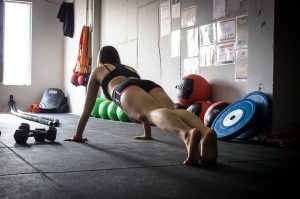
With obesity rates higher than ever, more people are desperately trying to lose weight by experimenting with fad diets and exotic eating plans. Although it is more sensible to follow a nutritious eating plan for life to successfully and safely lose weight, some people lose dangerous amounts of body weight, becoming more unhealthy rather than healthier. Because physical activity is often recommended to be followed hand-in-hand with a diet plan, a person's fitness routine can be hindered by losing an extreme amount of weight, especially without medical supervision. These dangerous dieting mentalities may even lead to eating disordersin the future.
Weakness
People who do not eat enough calories to sustain physical health often become weak and debilitated. Some are unable to perform daily functions needed for healthy living, and many are unable to handle their daily fitness schedule, as they lack the energy and motivation to do so, based on an inadequate calorie count or metabolic imbalance.
Fatigue
In tandem with weakness, fatigue is often a byproduct of extreme weight loss. Without enough calories to provide fuel for bodily needs, a person can feel exhausted and tired, often preferring to rest rather than exercise. If they do make it to the gym or start their daily routine, it may be cut short due to insufficient energy.
Dwindling Focus
Fast or extreme weight loss often takes a toll on the brain as well as the body. Lacking enough food-based fuel to carry oxygen to the cells and organs, including the brain, a person is unable to think clearly or sustain focus. As a result, trying to make it through a regular physical workout may be undoable. Their attention might wander, or other thoughts may draw attention away from the physical activities being attempted. The person trying to exercise may become distracted or experience foggy thinking.
Disinterest
Following a significant weight loss, some people may no longer feel a need to exercise. They assume since they weigh less and are approaching their ideal size, exercise is optional. They fail to realize that exercise is important for people of all ages and weights, keeping the body and mind in shape for a lifetime. Even the will, or desire to exercise, may dwindle if the person gets caught up in a new self-centered lifestyle that does not include physical workouts.
Weight loss should always be carried out under a doctor's supervision. Losing a huge amount of weight can negatively impact a fitness routine as shown above. Ask your doctor about the role of exercise when dieting.
Wilfrid Laurier University becomes first institution in Canada to have two full-size, life-like synthetic humans
WATERLOO, Ont. – Wilfrid Laurier University in Waterloo, Ontario is the recent recipient of two full-sized, multi-functional synthetic human models from SynDaver Labs in Tampa, Florida, making WLU the first institution in Canada to possess two full-body SynDaver Synthetic Humans.
The installation of the synthetic human models was completed Oct. 11 and will be utilized by undergraduate students, graduate students and high school students in the local area beginning Oct. 22.
The new human models will satisfy the need of improving student learning experiences by having a full-body synthetic model, allowing students to better understand the intricacies of the human body structure.
While the addition of the two synthetic humans supports the existing curriculum, WLU is planning on utilizing them for future course development and curriculum expansion.
Furthermore, the ownership of the two SynDaver surgical models will allow WLU to create an outreach program for area high schools and other post-secondary institutions to aid in their students’ learning capabilities about the human anatomy and increase awareness of programs at WLU’s Faculty of Science.
“Through the purchase of these synthetic humans, we can give a hands-on experience and enhance the students’ knowledge without the complications that come with setting up a traditional cadaver lab,” said Kristen McFall, Laboratory Coordinator at Wilfrid Laurier University. “We believe that the quality and detail of the SynDaver models will enhance our students’ understanding and experience.”
SynDaver’s synthetic humans, animals and task trainers imitate the anatomy of live patients in detail, including individual muscles, tendons, veins, arteries, nerves and organs, which are made from complex composites that emulates the properties of living tissue. The company’s synthetic tissues are comprised of water, fibers and salts. Each of these non-toxic, non-latex tissues have been validated for mechanical, physicochemical, thermal and dielectric properties against the relevant living tissue.
Currently used around the globe, SynDaver products are replacing live animals in development tests, replacing human cadavers in anatomy instruction, surgical training and mortuary science, and utilized by military medics and first responders in trauma scenarios, battlefield medical training and other life-support training situations.
For more information on Wilfrid Laurier University or their Faculty of Science programs, visit www.WLU.ca.
For more information on SynDaver or their synthetic human or animal cadavers, visit www.SynDaver.com.
About SynDaver
Headquartered in Tampa, Florida, SynDaver is the world’s leading manufacturer of hyper-realistic, synthetic human and animal surgical trainers. SynDaver’s synthetic bodies simulate fully-functioning live organisms and are primarily used for training in schools, hospitals and military installations. SynDaver has the world’s largest database of live-tissue properties and all SynDaver tissues are made from water, salts and fibers. The company currently has 14 patents on these materials, processes and related products. Currently, SynDaver Labs employs more than 100 people at their facilities in the U.S. and is planning additional facilities in Europe, China, Brazil and India.
SynDaver products have been lauded by industry experts and earned a cult following after appearances on ABC’s Shark Tank, MythBusters, Grey’s Anatomy, and the series finale of CSI. The company's models are also expected to feature prominently in multiple episodes of the upcoming MythBusters 2.0.

HACK YOUR WAY TO FRUGAL FITNESS WORKOUTS WITH THESE TIPS
www.vshred.com

Achieving a toned, fit body does not have to break the bank. Yoga and Pilates classes, personal trainers and gym memberships are not financially realistic for all people. For parents, going to the gym means having to worry about childcare, therefore adding another expense. Just because you don’t have a fat wallet does not mean you can’t get buff. The following are budget friendly at home fitness tips from Gerald Mayes, a certified fitness trainer with www.vshred.com
HERE ARE THE HACKS:
Use soup cans for weights.
Gerald Mayes says that “You can do any triceps or biceps exercise at home using cans of soup that you'd do at the gym with dumbbells. To properly gauge the weight, don't go by the ounces listed on the can -- that's liquid weight. Instead, weigh the cans on your scale to figure out the poundage that's best for you.”
Use jugs as weights.
Fill a household bucket or jug with water (or sand, rock salt, or powdered detergent) and secure the top with duct tape. Lift it up and down in front of you as you do squats.
Substitute paper plates for body sculpting equipment.
“The key here,” Gerald says, “is to use the plates to help your body slide on a carpet. This allows you to do body sculpting moves that would ordinarily require workout equipment. You can do the sliding lunge (put the paper plate under one foot and lunge forward). Try simulating skating to work your butt and thighs -- just attach the plates to your feet with rubber bands and slide away. Or, get down on all fours, put the plates under your hands, and use them to work your chest by sliding your arms back and forth.”
Substitute a countertop for a push-up bench.
In most homes, at least one countertop, either in the kitchen or the bath, is the right height for a push-up. Put both hands on the countertop, extend your legs behind you at an angle, lean down into the counter, and then push back up.
Substitute pantyhose for resistance bands.
“Almost any exercise you can do with a resistance band, you can do with old pantyhose or tights,” says Gerald. For example, sitting on the floor with your legs straight, loop a pair of pantyhose around the balls of your feet and pull back with both hands as if you are using a rowing machine.
A fitness ball.
Sometimes called a stability ball, looks like a large beach ball. You can do many core exercises, including abdominal crunches, with a fitness ball. You can also use a fitness ball to improve your flexibility and balance.
Kettlebell.
A kettlebell is a round weight with the handle attached at the top. A kettlebell can be used to do strength-training exercises and to help improve grip strength. Kettlebells are available in many sizes.
Jump-ropes.
Skipping rope can be a great cardiovascular workout.
Resistance tubing.
These stretchy tubes offer weight-like resistance when you pull on them. Use the tubes to build strength in your arms and other muscles. Choose from varying degrees of resistance, depending on your fitness level.
Chair or step stool. Use a chair for support when doing exercises such as leg curls. A low, sturdy step stool can become exercise equipment if you use it for step training — an aerobic exercise resembling stair climbing.
Towels
Make your waist-whittling planks more effective with towels says Gerald . Take two and place them under your hands or feet, then move forward, backward and sideways.
Clean Sweep
This one’s easy: You can burn 80 calories every 20 minutes of sweeping. Pull out the broom and get to sweeping every corner of your house or apartment. How’s that for multitasking?
Laundry Twist
Gerald says, “Sit next to a full basket of laundry and twist to grab an item from the basket. Twist to the other side to lay it on a pile. Continue until your laundry is finished.”
Become a member of an online fitness platform
Vshred.com guides users to the very best program for their body type and fitness goals while giving them some amazing tips they can use that day in a video and then offers them a program that's perfect for them if they don't want to do it themselves.
Take the V Shred Quiz Here.
About V Shred
V Shred is a leading brand encompassing online fitness, nutrition, personalized training products, and related services. With millions of YouTube viewers and 600,000+ inspired clients worldwide, we know people are busy, so our goal is to make fitness fun and effective in the shortest amount of time possible!
We offer a variety of guided programs and custom diet plans, including personalized fitness training from top-tier trainers, to help our customers achieve real, attainable results. We pride ourselves aligning our customers' ideal health and fitness goals with proven programs to make a positive impact on the way they look and feel.
Visit our website to learn more: http://vshred.com[1]
Gerald Mayes Trainer Bio
Gerald Mayes, a married father of 4 is a V Shred Lead Trainer, a Certified Personal Trainer through the National Strength and Conditioning Association (NSCA) and sat on the Nevada State Board. He is also a certified Health Coach through the American Council on Exercise (ACE) where he writes the certification curriculum. After being honorably discharged in 2010, Gerald gained a significant amount of weight going from 177 to 301 in a year. After hitting a low in his life, knowing his health would only spiral down further, Gerald met a trainer who helped guide him towards adopting a healthy lifestyle. After achieving his result, he knew he wanted to do the same for others. Over the next few years, he dedicated himself to learning as much as he could about health and fitness earning him an Associates in Personal Training, a bachelor’s degree in Public Health and a Master's Degree in Sports in Health Science and worked his way up to one of V Shred’s lead trainers!
Today Gerald’s many clients include everyone from fellow Marines and other members of the Armed Forces who often return from service in need of support when transitioning into civilian life to stay at home moms who want to get back in shape despite having a hectic schedule.
REKOVELLE®, the first recombinant follicle stimulating hormone derived from a human cell line, is now available for Canadian women undergoing IVF and other assisted reproductive technologies
REKOVELLE® helps women achieve a more predictable and targeted ovarian response
TORONTO, Oct. 29, 2018 /CNW/ - Ferring Pharmaceuticals announced that REKOVELLE® (follitropin delta injection), the first recombinant FSH for controlled ovarian stimulation derived from a human cell line, is now available in Canada for women undergoing assisted reproductive technologies such as in vitro fertilization (IVF).1 Ovarian response to stimulation varies considerably from woman to woman,2 and unexpected extreme responses have implications on efficacy and safety.3,4 REKOVELLE® is the first gonadotropin to use an evidence-based, personalized dosing algorithm based on a woman's anti-Müllerian hormone (AMH) level and body weight to achieve a predictable ovarian response.1

"One in six Canadian couples experience infertility and many couples feel anxious about the unknowns of reproductive medicine when they go through IVF for the first time," says Dr. Al Yuzpe, Reproductive Endocrinologist, Co-Founder and Co-Director of Olive Fertility Centre in Vancouver. "REKOVELLE® provides a more predictable and personalized option considering each woman's AMH and body weight. We finally have an FSH preparation that is dosed based on scientific evidence, removing the subjective decision of choosing the appropriate dosage of FSH for each woman."
REKOVELLE® was approved by Health Canada on March 22, 2018, and is the first gonadotropin to be granted Innovative Drug status by Health Canada.5
"We are proud to lead the way towards a more innovative and personalized care approach for women undergoing IVF," said Lee Ferreira, General Manager, Ferring Pharmaceuticals. "Over the last decade, personalized medicine has led to scientific advancements as medicines become tailored to each patient and their treatment. REKOVELLE® is now the first personalized therapy in fertility available in Canada."
The approval of REKOVELLE® is based on ESTHER-1, a controlled ovarian stimulation (COS) phase 3 non-inferiority clinical trial. The study randomized 1,326 patients from 11 countries, including 152 patients from Canada.1 Patients received a set daily dose of REKOVELLE® based on AMH levels and body weight or a conventional dose of follitropin alfa.1 Approximately 43 per cent of women treated with REKOVELLE® achieved the target ovarian response of 8 to 14 oocytes, compared to 38 per cent of women treated with follitropin alfa.1
The most frequently reported adverse drug reactions (≥1%) with REKOVELLE® in phase 3 program were headache, pelvic discomfort, ovarian hyperstimulation syndrome (OHSS), pelvic pain, nausea, adnexa uteri pain and fatigue.1
About controlled ovarian stimulation
Controlled ovarian stimulation (COS), is the process by which a pharmacological treatment is used to induce the development of multiple eggs during an IVF cycle. COS is generally employed as part of assisted reproductive technologies (ART) such as an in vitro fertilisation (IVF) treatment cycle.7
About ESTHER-1 trial1
The ESTHER-1 trial (Evidence-based Stimulation Trial with Human recombinant FSH in Europe and Rest of World) was a randomised, assessor-blind, controlled, multicentre non-inferiority Phase 3 trial.
ESTHER-1 was a trial of 1,326 patients in 11 countries, including 152 patients from Canada, undergoing their first ART cycle. Patients were randomised 1:1 to receive treatment with a fixed, individualized dose of follitropin delta based on serum AMH levels and body weight or a conventional dose of follitropin alfa. The co-primary endpoints of ongoing pregnancy rates and ongoing implantation rates were met, and results showed no difference between the two treatment arms. Results of the ESTHER-1 trial were published in the February 2017 issue of Fertility & Sterility.
About Ferring Canada
Ferring Canada is the Canadian subsidiary of Ferring Pharmaceuticals. Ferring Canada started its operations in 1987 with just three employees. Today, the company employs nearly 90 employees and sees considerable growth ahead as it continues to bring valuable new products to the Canadian marketplace. The company's therapeutic focus is gastroenterology, urology and reproductive health. Ferring Canada is committed to providing innovative medicines that will help Canadians have a better quality of life in the years to come.
To learn more about Ferring or its products, visit www.ferring.ca.
References
| 1. |
REKOVELLE® Canadian Product Monograph, March 22, 2018. Available at ferring.ca. |
| 2. |
Fauser BC, Diedrich K, Devroey P. Evian Annual Reproduction Workshop Group 2007. Hum Reprod Update. 2008 02 [cited 2018 Jun 14];14:1–14. |
| 3. |
La Marca A, Sunkara SK. Individualization of controlled ovarian stimulation in IVF using ovarian reserve markers: from theory to practice. Hum Reprod Update. 2014 01 [cited 2018 Jun 14;20:124–40. |
| 4. |
Steward RG, Lan L, Shah AA, et al. Oocyte number as a predictor for ovarian hyperstimulation syndrome and live birth: an analysis of 256,381 in vitro fertilization cycles. Fertil Steril. 2014 04 [cited 2018 Jun 14];101:967–973. |
| 5. |
Government of Canada. Register of Innovative Drugs. Available at https://www.canada.ca/en/health-canada/services/drugs-health-products/drug-products/applications-submissions/register-innovative-drugs/register.html. Accessed August 16, 2018. |
| 6. |
Ferring- Data on file. |
| 7. |
Zegers-Hochschild F, Adamnson DG et al. The International Glossary on Infertility and Fertility Care, 2017. Fertil Steril. 2017;108(3):393-406. |
______________________
SOURCE Ferring Pharmaceuticals
Healthy Lifestyle Habits Can Prevent Dementia
Chattanooga, TN, October 25, 2018 ― Dr. Timothy R. Jennings speaks expertly on a subject that concerns over 5.5 million people across the nation: how to prevent dementia and keep our mind sharp as we age. A psychiatrist and international speaker, Jennings introduces his new book, recently rated #1 by Amazon in books on dementia, The Aging Brain: Proven Steps to Prevent Dementia and Sharpen Your Mind.
Dr. Jennings prescribes simple, everyday actions we can take to stave off disease, promote vitality, and prevent dementia and late-onset Alzheimer's. "The choices we make now can help us to keep our minds sharp and maintain our independence as we age,” says Jennings.
An easy-to-use guide to maintaining brain and body health throughout life, The Aging Brain is based on solid, up-to-date scientific research, and the interventions discussed can prevent progression toward dementia, even in those already showing signs of mild cognitive impairment. The recommendations also may help reduce disability and depression.
"This book isn't just for people hoping to slow the aging process,” says Jennings. "It's also for anyone who is a caregiver to someone at risk of or already beginning to suffer from dementia. It offers a hopeful, healthy way forward.”
Jennings, who maintains a private practice in Chattanooga, TN, has authored several books, including The God-Shaped Brain and The God-Shaped Heart. He is a Distinguished Fellow of the American Psychiatric Association and Fellow of the Southern Psychiatric Association, and is president and founder of Come and Reason Ministries.
For more information about Dr. Jennings, please visit the website: https://www.agingbrainbook.com.
To connect with Dr. Jennings, please visit: https://www.facebook.com/DrTimJennings/ and https://twitter.com/timjenningsmd.
The Aging Brain: Proven Steps to Prevent Dementia and Sharpen Your Mind
Baker Books
Released: June 2018
ISBN-10: 080107522X
ISBN-13: 978-0801075223
Reviews for The Aging Brain: Proven Steps to Prevent Dementia and Sharpen Your Mind:
Dr. Caroline Leaf, Cognitive Neuroscientist, Communication Pathologist and Author: "Great advice and excellent science on aging! It's well worth following and applying these principles so as to age the way we are supposed to.”
Rodney A. Poling, MD, DFAPA, medical director, Behavioral Healthcare Center, Columbia TN., and board-certified geriatric psychiatrist: "A well-researched and commonsense book aimed at helping one understand the complexities of dementia, while offering recommendations for maintaining healthy brain function into our later years.”
Michael Lyles, psychiatrist, author, and speaker: "Dr. Jennings clearly describes how to practically manage the medical and lifestyle variables that can positively impact brain health and the process of aging. Age is a number, but getting old is a lifestyle.”
IMPORTANT NOTE: Ximble’s Founder and CEO, Peter Swaniker, is available to discuss innovative ways that cannabis dispensaries and other cannabis businesses are tackling staff scheduling and retention challenges through AI. Send a return email or call 315.427.5935 to arrange.
CARLSBAD, CA - - -There are few businesses as competitive and as heavily regulated nowadays as those in the cannabis industry.
But an increasing number of savvy dispensary owners and cannabis business managers are finding ways to spend more time on their business development, staff engagement and retention, and guest experience than administrative tasks by taking advantage of the latest technology – including AI.
But is there really a place for AI in the cannabis industry?
According to Ximble, the answer is a resounding “yes.”
Ximble is an app that helps employers spend less time on HR administrative tasks. More specifically, it is an intuitive, cloud-based scheduling and labor management solution which provides benefits by reducing labor costs, improving communications, helping with compliance reporting, and maximizing productivity. And it recently introduced AI – specifically, facial recognition - to its suite of services.
The company was recently was named a “Top Ten Workforce Management Solution Provider” by HRTech Outlook an one of the best cloud-based employee scheduling apps by GetApp.
“Dispensary owners and others in the field work very long hours and experience a higher rate of staff turnover than other industries. They are one of the key groups we had in mind when we developed our facial recognition time clock,” said Peter Swaniker, Founder & CEO, Ximble. “It quite simply eliminates a tedious area of employee oversight for them and frees up their time for more business-essential functions. Not to mention the cost savings.”
Their facial recognition time clock ensures that employee timesheets are accurate to reinforce accountability and data precision, tracks PTO and provides compliance reporting. It also gives employees more autonomy and control over their schedule and schedule changes which leads to higher collaboration and engagement and improved communication, said Swaniker.
The proof is in the numbers. Ximble’s clients on average report that they experienced a 70% rise in attendance & punctuality through use of AI and scheduling tools; and the time employers spent on administrative tasks was reduced by 40%. In addition, employers saved 7.2% in payroll costs and saw a 5% increase in revenue per employee.
So how does it work? Upon arrival at work, enrolled employees clock in by a simple photograph. And then do the same at the end of their shift. The app’s AI identifies who it is and clocks their time accordingly.
Because employees must be present at work in order to clock in, it eliminates the common occurrence of “buddy punching”, which, in turn, hurts an employer’s bottom line because they are paying employees for hours they are not doing their job.
And Ximble says the set-up and user functions are as easy for the employer as signing in is for the employee. It also integrates with HR tools like Quickbooks so that employers can streamline scheduling, payroll and administrative functions with just a few clicks.
“We excel in industries with large part-time and seasonal staffs as well as businesses that see high turnover. We count outstanding brands like Starbucks, Wegmans, Ace Hardware, Get Fresh and Ben & Jerry’s to our client family and our growth in the cannabis arena is really taking off,” added Swaniker.
“Obviously any employer has to monitor employee attendance and hours worked. But AI goes far beyond that. It helps owners to have meaningful insight to their business operations by giving them a view to labor costs as well as tracking breaks and the start and end times of particular work assignments,” he added.
For more information, go to Ximble.com.
SPIBeams:
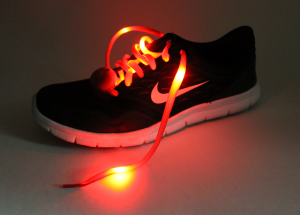
The SPIbeams line features both USB rechargeable and battery-powered accessories that last up to 100,000+ hours. These products include LED rings (MSRP $5), shoe laces (MSRP $20), shoe spurs (MSRP $30/pair), running hats and visors (MSRP $30), gloves (MSRP $40), and arm and leg bands (MSRP $30/each or MSRP$60/pair). Designed specifically to keep runners and other exercisers safe when out at night, SPIbeams emit bright LED light, providing instant high-visibility for up to 1,4000 feet (one quarter mile) from the front, side or back. Comfortable, lightweight and weatherproof, they can be worn for all types of activities and in all conditions. With SPIbeams runners can log miles from dusk until dawn, feeling confident in their safety.
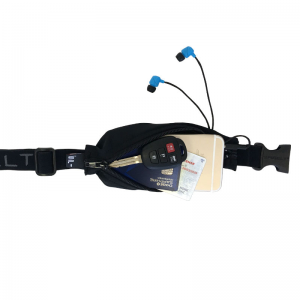 The SPIbelt® is made for that active friend who lives for a good gym selfie. The bounce-free and rise resistant qualities make sprinting, squatting, jumping and biking comfortable while carrying personal items. There’s no need for them to stuff their ID in their bra or leave the keys in the mailbox before a run anymore. SPIbelt® makes room for all of your essentials and even has styles with a headphone port to make listening to music while exercising easy too.
Suggested Styles:
Original SPIbelt®- $19.99 https://spibelt.com/shop/category/spibelt/
SPIbelt® Flex - $24.99 https://spibelt.com/shop/spibelt/spibelt-flex/
GLIDE - $29.99 https://spibelt.com/shop/spibelt/the-glide-by-spibelt/
New Collaboration Supports Caregivers through MS-related Challenges on Relationships and Daily Life Activities
EMD Serono and Can Do MS Deliver Educational Programs and Support Groups to Multiple Sclerosis Caregivers
Rockland, Mass. (October 25, 2018) – Embracing Carers™, the global initiative designed to increase awareness and action about the often-overlooked needs of caregivers, today announced a new collaboration with Can Do Multiple Sclerosis to fill the shortage of resources focused on the unique needs, concerns, and unmet challenges of MS Care Partners.
Under the collaboration, Can Do MS is creating online support groups and educational programs dedicated to helping caregivers understand the impact of MS-related mood and cognitive changes on relationships, communication and everyday life activities. The initiative will also support the caregiver in learning to prioritize his or her own well-being while maintaining a satisfying relationship with his or her partner receiving care.
The main components of this educational program series include:
- Online Support Groups: Four one-hour long online support group sessions facilitated by psychologist Roz Kalb, Ph.D. will facilitate communication, shared experiences challenges and learnings among caregivers.
- Podcast Series: Three podcast episodes led by MS experts and support partners to discuss the importance of taking care of self while increasing resilience.
- Webinar Series: A special three-part Webinar series designed to recognize and support MS caregivers with interactive education materials on critical issues such as achieving a satisfying partnership with his or her partner receiving care, including the need for shared decision making, and intimacy.
“Across the world, many caregivers are supporting partners, family members, or other loved ones living with MS, and they often do not know where to turn for help or resources,” said Terrie Livingston, Head of Patient Outcomes and Solutions at EMD Serono. “By partnering with Can Do MS, one of the leaders in providing resources for MS patients and those who care for them, we hope that we can help these caregivers support their loved ones and have fulfilling relationships while ensuring they also care for themselves.”
“Caregivers are the often-unrecognized lynchpin in our health care system,” Livingston continued. “It is one of the most substantial public health issues of our time, and we want to highlight their challenges while helping them get the support they need. We do this by collaborating with organizations like Can Do MS to drive visibility and create innovative opportunities for health care system integration.”
“MS caregivers play a fundamental role in caring for MS patients, and it is important that we include them in our conversations about how to help those living with this disease” said Anne Gilbert, Director of Programs at Can Do MS. “We have developed an extensive library of materials and information for MS patients, and this new collaboration will produce valuable materials targeted specifically toward the caregiver community. We hope to make a difference in the lives of millions who have been diagnosed with multiple sclerosis around the world.”
The first online support group session began in late September with more content becoming available every day. To learn more, visit https://www.cando-ms.org/multiple-sclerosis-programs/embracing-carers.
About Embracing Carers
Embracing Carers is a global initiative led by EMD Serono, in collaboration with leading caregiver organizations around the world, designed to increase awareness, discussion, and action about the often-overlooked needs of caregivers. Given that caregivers need support and often do not know where to turn for help, Embracing Carers was created to fill that void.
About Can Do MS
A national nonprofit organization based in Avon, Colo., Can Do MS delivers health and wellness education programs on exercise, nutrition, symptom management, and motivation to help families living with MS thrive. For more information, visit the organization’s website at www.CanDo-MS.org or call 800-367-3101.
About EMD Serono
EMD Serono - the biopharmaceutical business of Merck KGaA, Darmstadt, Germany, in the U.S. and Canada – is engaged in the discovery, research and development of medicines for patients with difficult to treat diseases. The business is committed to transforming lives by developing and delivering meaningful solutions that help address the therapeutic and support needs of individual patients. Building on a proven legacy and deep expertise in neurology, fertility and endocrinology, EMD Serono is developing potential new oncology and immuno-oncology medicines while continuing to explore potential therapeutic options for diseases such as psoriasis, lupus and multiple sclerosis. Today, the business has approximately 1,300 employees around the country with commercial, clinical and research operations based in the company's home state of Massachusetts. www.emdserono.com.