Bill C-74 receives final assent, providing enhancements to the Canada Pension Plan
An in-depth look at these and other subjects are covered in the current issue of the Morneau Shepell News & Views
TORONTO, Aug. 20, 2018 /CNW/ - Morneau Shepell released the August 2018 issue of its monthly newsletter, News & Views, in which the Company looked at a number of topics including: Bill C-74 receiving royal assent, adopting additional enhancements to the Canada Pension Plan (CPP); amendments to the OHIP+ youth pharmacare initiative; and more.
- Bill C-74 receives royal assent – Bill C-74, which allows for enhancements to the CPP, received royal assent on June 21, 2018. The additional features will provide enhanced death and disability benefits in specific cases, as well as further protection of the value of benefits for caregivers of young children. Furthermore, a supplemental actuarial report shows that the CPP contributions are sufficient to fund the improvements in the long term.
- Ontario to amend OHIP+ youth pharmacare plan – On June 30, 2018, the new Ontario government announced their intention to amend the OHIP+ youth pharmacare initiative, which the previous Liberal government introduced earlier this year. The change involves making OHIP+ the second payer for Ontario youth under the age of 25 who already have drug coverage through private drug benefit plans. Those who do not already have coverage will continue to have access to the drugs included in the Ontario Drug Benefit Formulary.
- New funding policy requirements for defined benefit (DB) pension plans registered in Quebec – DB pension plans registered in Quebec have until January 4, 2019 to adopt a funding policy following the adoption of the Regulation to amend the Regulation respecting supplemental pension plans on January 4, 2018. The regulation applies to DB plans in both the private and public sectors and must be established by the person or body who may amend the plan.
- Consultations respecting un-locatable pension plan members and unclaimed balances in pension plans – Pension plan administrators across Canada have dealt with the issue of un-locatable or missing plan members and dealing with unclaimed pension amounts. On June 21, 2018, the Canadian Association of Pension Supervisory Authorities (CAPSA) released a draft guideline for public comment, including recommended best practices and options for plan administrators searching for un-locatable pension plan members. On June 22, 2018, the federal Department of Finance launched consultation on a regime that would address unclaimed balances from federal pension plans.
- B.C. court rules multi-employer pension plan allowed to keep information confidential – A B.C. court overturned the decision of a provincial privacy commissioner that the Superintendent of Pensions is required to disclose information related to union-sponsored multi-employer pension plans to a business association. The decision stemmed from United Association of Journeymen and Apprentices of the Plumbing and Pipefitting Industry of the United States and Canada, Local 170 v. British Columbia, where the Independent Contractors and Business Association (ICBA) requested information about 16 union-sponsored pension plans. In 2017, The Office of the Information and Privacy Commissioner ordered that all the information requested by ICBA be released by the Superintendent, which has now been reversed by the Supreme Court of British Columbia.
- Findings from economic assumptions for accounting survey released – Morneau Shepell recently issued its 18th annual survey on the economic assumptions used by Canadian public companies to account for the costs of their defined benefit plans. Some highlights of the survey results include: discount rates at December 31, 2017 have decreased when compared to the previous year; more than three quarters of the companies surveyed used a compensation increase assumption between 2.5 per cent and 3.5 per cent; and those surveyed showed a 95 per cent overall ratio of pension assets to defined benefit obligation for accounting purposes.
- Tracking the funded status of pension plans as at July 31, 2018 – Morneau Shepell shared the changes in the financial position of a typical defined benefit plan with an average duration since December 31, 2017. The graph in the newsletter shows the impact of three typical portfolios on plan assets and the effect of interest rate changes on solvency liabilities of medium duration.
- Impact on pension expense under international accounting as at July 31, 2018 – Morneau Shepell showed the expense impact for a typical pension plan that starts the year at an arbitrary value of 100 (expense index). Since the beginning of the year, the pension expense has decreased by 8 per cent (for a contributory plan) due to an increase in discount rates.
About Morneau Shepell
Morneau Shepell is the only human resources consulting and technology company that takes an integrated approach to employee well-being, health, benefits and retirement needs. The Company is the largest administrator of retirement and benefits plans and the largest provider of integrated absence management solutions in Canada. LifeWorks by Morneau Shepell is a total well-being solution that combines employee assistance, wellness, recognition and incentive programs. As a leader in strategic HR consulting and innovative pension design, the Company also helps clients solve complex workforce problems and provides integrated productivity, health and retirement solutions. Established in 1966, Morneau Shepell serves approximately 24,000 clients, ranging from small businesses to some of the largest corporations and associations. With more than 4,500 employees in offices across North America, Morneau Shepell provides services to organizations around the globe. Morneau Shepell is a publicly-traded company on the Toronto Stock Exchange (TSX: MSI). For more information, visit morneaushepell.com.
SOURCE Morneau Shepell Inc.
GoodLife Fitness upgrades fitness equipment at two UHN cardiac rehab facilities
TORONTO, ON – During the past week, GoodLife Fitness has delivered more than $330,000 in new fitness equipment to Toronto Western Hospital and Toronto Rehab’s Rumsey Centre. The two locations are connected with Peter Munk Cardiac Centre (PMCC) and provide services to more than 2,500 patients annually as part of University Health Network’s (UHN’s) Cardiovascular Prevention and Rehabilitation Program. New treadmills, upright and recumbent bikes and elliptical machines will upgrade the fitness facilities at these locations to help patients connect with physical activity as part of their continuum of care.
“We know the critical role that physical activity plays in heart health and rehabilitation. That’s why in 2012 we collaborated with UHN and PMCC to establish the GoodLife Fitness Centre of Excellence in Cardiovascular Rehabilitation Medicine,” said David ‘Patch’ Patchell-Evans, founder and CEO of GoodLife Fitness. “Since then, GoodLife has been proud to support the incredible medical professionals at the PMCC with the best equipment and expertise to reinforce the continuum of care for patients with heart disease by introducing fitness to their rehabilitation.”
For patients in the Cardiovascular Prevention and Rehabilitation Program, the collaboration with GoodLife Fitness means greater access to the latest cardiac rehabilitation and preventative techniques and equipment; a supportive environment to strive for their rehabilitation goals, overall improved health and wellness and a significantly decreased likelihood of another cardiac episode.
According to Dr. Paul Oh, medical director of UHN’s Cardiovascular Prevention and Rehabilitation Program and GoodLife Fitness Chair in Cardiovascular Rehabilitation and Prevention, patients recover more easily and are less likely to suffer further cardiac issues if they build exercise into their routines.
“Exercise is a vital part of living with heart disease – people who exercise have a much higher chance of successful recovery and improved long-term outcomes than those who don't,” says Dr. Oh. “Thanks to GoodLife’s ongoing support we’ve been able to provide patients with a great space to work on their heart health through exercise.”
Tony Cesta is part of the cardiac rehabilitation program and has been working with cardiac rehab exercise therapists to build up an exercise routine along with his recovery treatment. Despite being physically active all his life, 62-year-old Cesta learned 10 years ago that he had a blockage in one of his main arteries. When the blockage grew to 90 percent, he was admitted to the hospital to have a stent installed.
Before the procedure, Cesta never felt any chest pain and was exercising at a high level. After the procedure, it was important to allow the stent to heal, while resuming a more moderate level of exercise.
Now, Cesta is halfway through the six-month cardiac rehab program. As a lifelong hockey player and long-distance runner, Cesta’s challenge is different from many patients. He has received a prescription for exercise and is learning how to regulate and control his heart during physical activity. He has also reintroduced resistance training to his fitness routine to balance out the cardio.

Cardiac rehabilitation patient Tony Cesta does his cardio workout on one of the 15 exercise bikes GoodLife Fitness delivered to Toronto Rehab’s Rumsey Centre this week.
“Most patients are recovering from more serious heart issues including heart attacks, bypass surgery, and transplants. Some have not exercised before and are starting from scratch. I have always been very active, so for me, the challenge is to build up my tolerance and not push myself too hard,” says Cesta. “I wear a heart rate monitor and pay attention to my breathing to make sure I’m exercising in a safe zone. That control is what I needed for peace of mind and to recover effectively. I want to know I’m not doing damage.”
With the help of the cardiac rehabilitation program, Cesta hopes to get back to his previous fitness level and continue being active. He says he’s benefitting from the expertise and access to equipment at the Rumsey Centre.
“I’m running and cycling five times a week, as well as doing resistance exercises twice a week. I’m experimenting with heavier weights and increasing my cardio endurance with guidance. The program helps me understand my limits,” he says.
In 2012, GoodLife Fitness committed $5 million to the PMCC with the goal of transforming the lives of Canadians affected by heart disease and helping prevent this reality for many.
In addition to establishing the GoodLife Fitness Centre of Excellence in Cardiovascular Rehabilitation Medicine, the collaboration resulted in Dr. Paul Oh becoming the GoodLife Fitness Chair in Cardiovascular Rehabilitation and Prevention in 2014.
Funds are used to revitalize the space and update the equipment at rehabilitation facilities throughout UHN, and to fund innovative research in cardiovascular care, allowing UHN to improve patient outcomes, both here and around the world
About the Peter Munk Cardiac Centre
The Peter Munk Cardiac Centre (PMCC), established through the generous support of the Munk family, is the premier cardiac centre in Canada. Since its opening, the PMCC has saved and improved the lives of cardiac and vascular patients from around the world. Each year, more than 163,000 patients receive innovative and compassionate care from multidisciplinary teams in the PMCC, which trains more cardiologists, cardiovascular surgeons, and vascular surgeons than any other hospital in Canada. The PMCC is based at Toronto General and Toronto Western hospitals – members of University Health Network. For more information, please visit uhn.ca/PMCC.
About GoodLife Fitness
Proudly Canadian since 1979, GoodLife Fitness is the largest fitness club chain in Canada and the fourth largest overall in the world. With over 400 clubs from coast-to-coast, including GoodLife Fitness, Fit4Less by GoodLife and ÉconoFitness Clubs, approximately 14,100 employees and more than 1.5 million members, GoodLife is helping to transform the health and wellness of 1 in 25 Canadians. www.goodlifefitness.com
New Report Underlines Key Factors in Shaping Well-being of Young Immigrants and Strengthening Diversity
The recent wave of international migration has reinforced the growing trend in diversity and need to focus on immigrant children’s well-being. A new OECD report, “The Resilience of Students with an Immigrant Background: Factors that Shape Well-Being,” underlines the significant role education systems, schools and teachers can play in helping immigrant students integrate into their new communities. The report focuses not only on students’ academic achievements but also on “their social, emotional and motivational well-being.” In an interview with CMRubinWorld founder C.M. Rubin, report author Francesca Borgonovi, an analyst at the OECD Directorate for Education and Skills, also discusses the important role of an arts and sports education. Borgonovi notes that “providing both arts and sports in schools are critical to support the growing diversity arising from international migration” and that these subjects “can be particularly beneficial for students with learning disabilities and from disadvantaged backgrounds.”
Read the Full Article
Francesca Borgonovi is an analyst in the Directorate for Education and Skills at the OECD where she has been responsible for data analysis and analytical work in the PISA and the Survey of Adult Skills (PIAAC), with a particular focus on gender and socio-economic disparities in academic achievement, and student engagement with and at school.
CMRubinWorld’s award-winning series, The Global Search for Education, brings together distinguished thought leaders in education and innovation from around the world to explore the key learning issues faced by most nations. The series has become a highly visible platform for global discourse on 21st century learning, offering a diverse range of innovative ideas which are presented by the series founder, C. M. Rubin, together with the world’s leading thinkers.
For more information on CMRubinWorld
Follow @CMRubinWorld on Twitter
I was recently contacted by the people over at DermaWand to test out their product! I had a look on their website and loved what I saw so I immediately said yes. The shipping was quick and when I received the product it was packaged beautifully!

What is the DermaWand you ask:
DermaWand:https://www.dermawand.com/l3/index.aspx
Clinically proven to help reduce visible signs of aging!
• At-home radio frequency device-the same technology used at the doctor's office and medspas
• Manage the visible signs of aging and softens wrinkles and fine lines
• Improve skin tone and texture while decreasing pore size
• See results with as little as two 3-minute treatments a day
• 9 intensity levels allow you to adapt your treatments to your comfort level
According to the website "The DermaWand is clinically proven to visibly reduce the signs of aging by toning, tightening and reducing the appearance of fine lines & wrinkles. It uses the same technology as the big radio frequency machines found at doctors’ offices and med spas but is painless, safe with treatments taking as little as 3 minutes."
How does it work you ask? Simple! It's actually really easy to use and it uses the same stimulation technology as the big radio frequency machines used by doctors and medical specialists to help manage the signs of premature aging. The difference: DermaWand uses lower amplitude that's perfect for everyday in-home use. This lower cycle is at 100,000 cycles per second, this stimulation creates a massage-like effect while delivering thermal energy and enriched oxygen, plumping the appearance of lines and wrinkles while reducing pore size and appearance. By using your DermaWand for only 3 minutes a day, in the morning and evening, your skin will appear more lifted, toned and tightened for a fraction of the cost at a salon.
I tried it for a couple of weeks. Now mind you I am 34 years old, on competition prep (which means I am in the gym up to 3 hours a day) my skin has taken a beating. I actually saw a difference in my skin and using the wand was a nice relaxing break in my day.
Right now on their website if you order it you can try it free for 30 days and you get 120$ in free gifts with your purchase. What a deal! And you can even pay easily with credit card or payapal!
Thank you DermaWand your product is forever a staple in my skin care routine!
I was recently contacted by an amazing young entrepreneur based in Kuala Lumpur Malaysia. The designer has a unique line of active leggings. She asked me if she could send a pair her leggings to me for an honest review. I had a look and of course I had to say yes!
A little bit about the active leggings line: Seni by Fit Rebel is a line of high performance yoga leggings that merge traditional art with trendy athleisure. The leggings feature vibrant hand-painted designs by traditional batik artists of Malaysia. Batik is a textile art of Malaysia which combines liquid wax and fabric dye to create art on fabric. This traditional painting technique dates as far back as the 13th century.
The premise behind this unique line of artistically inspired leggings is to help motivate women to workout and live an active lifestyle. This was a direct result of the feedback received from research, which indicates that having fun and attractive activewear motivates women to go for their next workout and to enjoy their workouts more. As an advocate for healthy living, I, Nadia Hasbi, Founder and CEO of fitrebel.com decided to embark on a mission to create the world’s most beautiful activewear to inspire women all over the world to start or maintain their personal fitness journeys.
The designer was recently invited by TEDx to talk about her journey on why and how I decided to create this line of unique leggings. (She was previously from the corporate world with no experience in fashion or design. A series of events has lead her to leave all of that behind to embark on this new adventure. People seem to find her story inspiring and I have been invited to speak on several platforms, TEDx included). If you have the time and are curious, you can watch the video here: https://youtu.be/j0MSYpkBlaU
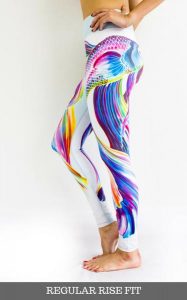
The design I chose to order and review was the Send Fighting Fish design.
They are a regular rise fit and a unique design that I normally wouldn't wear. All of the patterns form the collection are unique and beautiful if thats your thing. Im not so much into patterns but these leggings have grown on me! If you're looking for comfortable leggings with unique patterns that you won't find anywhere else give these a try! The colours and patterns are so unique and stunning!
Turbo Metabolism - Book Review
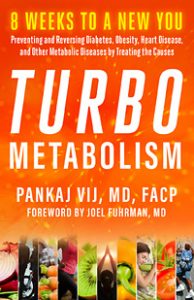
I was recently sent the book Turbo Metabolism to Review. A little bit about the book from the author is as follows:
As the modern Western lifestyle spreads around the globe, so too does metabolic syndrome — a cluster of symptoms that increases the risk of developing heart disease, stroke, diabetes, and other conditions.
In Turbo Metabolism: Preventing and Reversing Diabetes, Obesity, Heart Disease, and Other Metabolic Diseases by Treating the Causes (New World Library, February 13, 2018), author Pankaj Vij, MD, demonstrates that these diseases are basically “man-made” ailments caused by an unhealthy diet and way of life.
“Our typical diet might be the modern-day equivalent of a Trojan horse,” writes Dr. Vij. “It’s as if an enemy wants to conquer us, and so they have encouraged our addiction to a diet of processed food loaded with sugar, fat, and salt and stripped of protective, natural disease-fighting super foods (the ‘good stuff’ found in plants that provides information and intelligence, not just calories). In this way, they are incapacitating a large proportion of our population with chronic disability and disease.”
The good news is that metabolic syndrome can be tamed by a sensible program of exercise, natural foods, stress management, and quality sleep. In Turbo Metabolism, Dr. Vij distills a mass of medical research into a simple, effective program for better health.
“This book follows my Turbo Metabolism program of diabetes and metabolic disease reversal, the same one I prescribe to my patients,” writes Dr. Vij. “Each chapter roughly represents about one week of an eight-week course, but it’s not necessary to follow the program in the chapter order. Under the counsel of their personal physicians, readers can adapt the advice in this book to create their own health-promoting, disease-reversing program, one that fits their particular needs.”
Avoiding fads and gimmicks, Turbo Metabolism provides practical advice, case studies of ordinary people, and brief sections that debunk common medical myths. By following Dr. Vij’s evidence-based methods, readers can “turbocharge” their metabolism and attain the resilience and vitality they’ve always dreamed of.
What I really liked about the book is that it promotes practical and non gimmick ways to help people change. If youre looking for a good read with scientific background I would check it out. It breaks things down so that any can achieve change realistically and in a healthy way.
Turbo Metabolism
An Interview with author Pankaj Vij, MD,
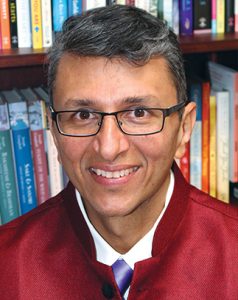
As the modern Western lifestyle spreads around the globe, so too does metabolic syndrome — a cluster of symptoms that increases the risk of developing heart disease, stroke, diabetes, and other conditions. The good news: metabolic syndrome can be tamed by a sensible program of exercise, natural foods, stress management, and quality sleep. In his new book Turbo Metabolism, Dr. Vij distills a mass of medical research into a simple, effective program for vibrant health. Avoiding fads and gimmicks, he provides practical advice, case studies of ordinary people, and brief sections that debunk common medical myths. We hope you’ll enjoy this Q and A with Dr. Vij about the book.
# # #
Tell us about the title of your book Turbo Metabolism.
Life is about energy and metabolism is energy flow. Turbo Metabolismempowers readers to have optimal energy flow so that they can make the best of our time here. It is all about having optimal energy flow throughout the body so there is no reason for toxic accumulation.
You say that chronic diseases like heart disease and diabetes are reversible. What are the essential lifestyle ingredients for making that happen?
These metabolic diseases are caused by man-made conditions. They are a byproduct of our unhealthy, modern lifestyle. They can be reversed by creating the conditions in which humans have been thriving for thousands of years — eating a nutrient dense plant rich diet of unprocessed food, staying physically active, having emotional resilience and meaningful social connections, and making quiet time to de-stress and sleep a priority.
Your book offers a holistic approach to healing from diabetes, heart disease, and other metabolic disease. Tell us more about the connection between mind, body, soul, and spirit.
Turbo Metabolismis about lifestyle choices and lifestyle choices are made at the level of the mind, the soul and the spirit. Healing must start on a level that is much higher upstream than the physical level. Lifestyle choices are all about emotional resilience, mental wellbeing, meaningful social connections and support. One cannot heal the body without first healing the mind, the soul and the spirit. Behavior follows cognition. The mind and body are intimately connected.
In Turbo Metabolism, you say that the typical American diet might be the modern-day equivalent of the Trojan Horse. Please explain what you mean by that.
The standard western diet could have been designed by a terrorist organization motivated to wipe out modern civilization. We are being poisoned with an excess of refined sugar, unhealthy fat, and animal protein, along with thousands of synthetic chemicals that are being added to our diet to enhance taste,texture, or shelf life without any attention to the health effects that this may have.
Here’s a quote from your book, “When you change your mind-set, you can develop the motivation and ability to change your destiny.” What advice would you offer to those who are having a hard time finding the willpower to start a new habit and/or break an old one.
Everything starts with mindset. We cannot accomplish any change without having a strong reason to change. That’s the why. I like to meet people where they are by suggesting they start with small bite-size pieces of change. Once they start to see some results and how those results can help them get to their destination (which is their own unique why), the what, where, who, and when fall into place to align with the why.
You say that Turbo Metabolismis about story, state, and strategy. Tell us more.
To paraphrase Tony Robbins, story is the internal dialogue/narrative we tell about our lives. State is about our physical, mental, emotional condition. Strategy is our action plan. Our story and state need to be in the right place before we can execute on strategy. This goes back to the idea of mobilizing emotional and spiritual resources before taking physical action.
You say that lean muscle mass is the single-most-important of metabolism that is within our control. Why is weight resistance training such an important thing for us to be doing?
Resistance training is the most critical and neglected component of exercise and lean muscle mass is the single most important component of metabolism that we can influence. People with more lean muscle mass have better posture, are less likely to fall, live longer, look better, and most importantly, for the purposes of Turbo Metabolism, they burn morefat even at rest because muscles burn fat. People with more lean mass can give in to the temptation to eat off plan occasionally and still burn it off!
What is your best advice regarding meal timing and frequency?
A lot research is happening with regards to meal timing and frequency. The body is designed to have periods of fasting cycling with periods of feeding. Thus, if we can time our meals to create sufficient fasting periods in between feedings, the body has a chance to go into fat burning mode. One way to do this would be to restrict our eating to an 8-hour window between 9 AM and 5 PM. thus fasting for the remaining 16 hours from 5 PM until 9 AM the next day
What role does water play in Turbo Metabolismand how much water should we drink in a day?
We often mistake thirst for hunger. Therefore, drinking half your body weight in ounces of water every day is a good rule of thumb. So if you weigh 200 pounds, you would drink 100 ounces of water a day. Also, having a tall glass of water before grabbing a snack is an effective way to mindfully gauge hunger.
What are some of the biggest exercise errors that people make?
Here are the three most common exercises errors:
#1 – Missing out on resistance exercise by doing cardio only.
#2 -- Not adjusting the frequency and intensity of workouts to stay progressively challenged
#3 – Not committing to a time and place to make sure exercise happens every day.
How long does it take to create a new habit and what advice would you offer to someone who is having a hard time starting one?
I have often heard the number twenty-one days given, but in actuality it takes at least two months or sixty days to ingrain a new habit. My advice would be to start with small bite-size changes that you can piggyback onto existing habits. Set yourself up for success in your environment by doing things like keeping healthy foods in your kitchen, getting your workout clothes ready the night before, and/or keeping your floss on the bathroom counter. It’s also important to harness the resources of your social support network. Emotional buy in and environmental support can make or break the process.
# # #
Pankaj Vij, MD, FACP,is the author of Turbo Metabolism. As a doctor of internal medicine, he has helped thousands of patients lose weight, manage chronic health conditions, and improve their physical fitness. Board certified in internal medicine and obesity medicine, Dr. Vij has been practicing medicine since 1997. He lives in the San Francisco Bay Area. Visit him online at http://www.doctorvij.com.
STRONG by Zumba® Now Available On-Demand with Fitplan
STRONG by Zumba®’s new 60 and 20-minute workout with Michelle Lewin launch on the #1 Personal Training App
LOS ANGELES, June 21, 2018 -- Fitplan Technologies and STRONG by Zumba® announced today its collaboration to stream the world’s favorite high intensity beat-synced workout exclusively via the Fitplan app. The new STRONG by Zumba® digital classes are available in a 60 minute and 20 minute format and are the first follow-along fitness classes that the wellness technology company - who specializes in expertly curated digital workout plans and instructions for a variety of fitness levels - will offer.
STRONG by Zumba® is a high intensity workout where every move is synced to original music that has been specifically designed to match. In the 60-minute streaming class - which will be available to Fitplan subscribers - users will burn calories while toning arms, legs, abs and glutes. Plyometric or explosive moves like high knees, burpees, and jumping jacks are interchanged with isometric moves like lunges, squats and kickboxing. The 20-minute class featuring fitness star Michelle Lewin can be streamed for free as a warm-up before weights or as additional cardio post-workout.
“We are thrilled to partner with the largest branded-fitness company in the world - incorporating its unique STRONG by Zumba streaming classes with our one-on-one personal training programs,” said Landon Hamilton, co-founder and CEO, Fitplan Technologies. “For years we’ve been connecting hundreds of thousands of fitness enthusiasts with the actual workout plans and methods of their favorite social influencers and athletes. It was the perfect opportunity to bring one of our most popular trainers, Michelle Lewin, to our community in a new way.”
“After being the face of STRONG by Zumba for over a year - and seeing my community thrive through my other workouts on the Fitplan app, it made sense to bring them together in the perfect digital marriage,” said Michelle Lewin. “Offering STRONG by Zumba in a streaming service that can be done anytime, anywhere, means you can lean down, burn fat and have fun without actually committing to gym time.”
“Strong by Zumba’s partnership with Fitplan supports one of our highest priorities which is delivering convenience to our consumers,” said Zumba CEO Alberto Perlman. “We are overjoyed that Michelle Lewin has embraced this workout and are confident Fitplan’s extended community will do the same.”
Fitplan is the only digital resource connecting fitness enthusiasts with the actual workout plans and methods of their favorite social influencers and athletes. It makes the one-on-one personal training experience accessible and affordable and makes the strategy of fitness easy. Fitplan community members of all fitness and experience levels are achieving their most coveted results through memberships that allow users access to the full library of Fitplans, Freestyle Workouts and Trainers to try as many as they want at any time.
About Fitplan [Technologies]:
Fitplan is a wellness technology company giving one-on-one access to the world’s most influential fitness personalities and their methods. Like having a celebrity personal trainer in your pocket, Fitplan makes it efficient and affordable to find the right fitness routine, track progress and achieve specialized results. Fitplan Trainers are a team of the world’s most popular fitness influencers and athletes, curating exclusive 3-12-week, gym-ready and home-friendly workout programs for people of all fitness levels. Fitplan is based in Los Angeles and Vancouver and available for iPhone and Android. Join the community: meet the trainers, programs and real people who have transformed their bodies and lives at Fitplanapp.com
About STRONG by Zumba®
STRONG by Zumba® is a non-dance, music-led, high-intensity training exercise class that combines bodyweight, muscle conditioning, cardio, and plyometric training moves. The routines were created first and then music was reverse-engineered to match every move perfectly, for a unique workout experience that pushes you past your perceived limits. This new concept, which emphasizes music is the main motivator, allows you to burn more calories while toning abs, legs, arms, and glutes. The STRONG by Zumba® workout is complemented by athletic apparel and footwear. Instructors can opt to receive exclusive music, routines, marketing materials, and support by joining SYNC, the STRONG by Zumba® Network. For more information and to find a class, visit strongbyzumba.com and follow us on Facebook and Instagram.
Water Workout: 5 Different Exercises to Do in the Pool

Exercising underwater can be one of the most effective ways to improve your general health and provide you with an intense workout. There’s two reasons for this. The water’s buoyancy offers support for your weight, allowing you greater freedom of movement and improving your flexibility while submerged. In addition, water puts the weight of resistance on your body, meaning that you’re working harder with each motion you make and strengthening your muscles more than you would outside the water. Here are five exercisesyou can do in your public or private pool.
Water Walking and Jogging
Walking and jogging are some of the simplest and best cardiovascular activities you can engage in, and doing it underwater only increases that effectiveness. You can set your own intensity, but you’re going to want to make sure to keep your knees high to increase the effectiveness of this exercise. Alternate between walking and jogging at your pace. These exercises can be performed in water that’s either waist or chest high.
Bicycle
If you’re looking to give your lower body a workout, bicycle kicks are one of the best options. You’ll want to lean your arms outside the pool fully outstretched and kick your legs as if riding a bicycle. This can be performed in water as shallow as four feet, but deeper water also works depending on your comfort level. In deeper water, more advanced exercisers can use pool noodles in place of the pool’s edge for the sake of stability.
Knee Twists
Knee twists are one of those exercises that really play to the increased flexibility and support that the pool offers. You want to lift your knee to be flush with your hip and reach out your opposite hand to grip it. Hold position for as long as you can, and then switch sides to get a full workout. You can also use a pool noodle for added support if you need to.
Flutter Kick
Flutter kicks are similar to the bicycle and can be performed in alternating reps—this allows you to get a wider range of activities out of your legs. Hold yourself to the edge of the pool and kick your legs quickly. You have a lot of leverage in intensity with this simple but useful exercise.
Pendulum Swing
This exercise is a great way to transition out of the bicycle. As with that exercise, you want to balance yourself at the edge of the pool with your arms fully extended outward. From there, extend your legs in front of you. Swing up, over, and then to either side, allowing yourself to stretch the full extent of your legs. Make sure your legs are kept together and beneath the surface of the water.
One of the great things about exercising underwater is that it can provide you a high level of flexible activities without the need for investing in bulky and expensive exercise equipment. If you’re interested in practicing these activities at home, a pool service, like Elite Pools, can help you design a pool customized to your space and your needs.
Ready, Set, Draw – BOGS° launches “Design a Boot” contest in Canada
Family footwear brand invites kids to design a boot and give back to outdoor education
TORONTO, ON – Leading family footwear brand,
BOGS° invites kids to pick-up a crayon, marker or paintbrush and get those creative juices flowing, as they announce the launch of its “Design a Boot” contest in Canada. A popular contest amongst fans in the U.S., BOGS° encourages kids to get creative and design what could be the next
Kids’ Classic print.

Photo credit: BOGS°
Design-hopefuls 18 and under can pick up a form at a local retailer or download the PDF online at
www.bogsfootwear.ca and get drawing! No purchase is necessary to participate, and all original designs must be submitted back to the retailer or via email to
contest@bogsfootwear.com by Sept. 3.
Winning designs from the 2017 Design a Boot contest. Available Sept. 22, 2018.
Photo credit: BOGS°
Prizes
Winners will be determined from two age groups: 0-9 years old and 10-18 years old. Two grand prize winners and five additional winners will be
announced from each group on Sept. 17. Grand prize winners will each receive one pair of free BOGS° boots and their winning print design will be used as inspiration for an upcoming kids’ boot. The following year, when the winning design boots are launched, $10 of each pair sold will be donated to Outdoor Education initiatives.
The five additional winners in each age group will win a pair of free BOGS° boots.
Full contest rules can be found here.
About BOGS°
BOGS° is built on a legacy of enduring comfort. Our roots go back to providing Oregon farmers with the functional shoes to weather the harsh conditions of the Pacific Northwest. Our vision has evolved to deliver our technology of enduring comfort to the casual outdoor consumer. In BOGS°, we guarantee that you will work, play and live better. For more information about BOGS°, please visit www.BOGSfootwear.ca, “like” us on Facebook at www.facebook.com/BOGSfootwear or follow @BOGSFootwear on Instagram.
For more information about BOGS°, samples to shoot or high-res images, please contact:
Allison Yakeley, rock-it promotions, inc. at allison@rockitpromo.com or 416.656.0707 ext. 125
Daliah Marsons, rock-it promotions, inc. at daliah@rockitpromo.com or 416.656.0707 ext. 109