I'm excited to share that Wanderlust, producer of the largest yoga lifestyle events in the world, in partnership with adidas, brings Wanderlust 108, the world’s only mindful triathlon, back to Toronto on September 15, 2018. Coming to Bandshell Park, Wanderlust’s unique triathlon consists of a five-kilometer run (or walk), a music-fueled, outdoor yoga class led by Briohny Smyth and a guided meditation led by Christine Russell. Mindful triathletes can also groove to the sounds of DJ Seriousblack, browse the marketplace of local craft and food vendors, and experience bonus fitness classes throughout the day.
For the complete lineup and ticketing information, please visit: http://www.wanderlust.com/toronto
New for 2018, participants in North America will be able to choose from an array of premium ticket options to create their perfect Wanderlust 108 adventure. Ticket prices starting at $30 with premium packages from $99. Attendees can customize their experience via the tiers below:
WAN(DER)LUST Package: $150
Wanderlust has joined (RED) in the fight to end AIDS.
- 50 tickets will be available
- Attendees will receive a Manduka WAN(DER)LUST mat, Wanderlust 108 tote, WAN(DER)LUST water bottle, and Wanderlust fandana.
- Entry to the entire mindful triathlon: 5K run + yoga + meditation
- Premium mat placement for the yoga and mediation portions of the event.
- A scheduled bonus activity: Attendees can choose from a variety of experiences: aerial yoga, AcroYoga, hooping—and new this year—Flying Therapeutics, which is a combination of AcroYoga and Thai Massage, or Body Work, which is deep-tissue, self-massage techniques which can assist in releasing pain, opening locked muscles and facilitating proper posture. Participants will be able to add this to their day’s agenda pre-event.
- A Wanderbowl will be included as well—a hearty, Mexican inspired vegetarian (or vegan) meal of rice, beans, cheese, avocado and mango-lime-cilantro salsa, plus snacks and a beverage. (Wanderbowls are also available for purchase at any ticket tier.)
- A Free Wanderlust TV class ( https://tv.wanderlust.com/ ) to continue the Wanderlust experience online at home.
108 Package: $99
- 200 tickets will be available
- Wanderlust 108 yoga mat, 108 tote, Wanderlust water bottle and Wanderlust fandana
- Entry to the entire mindful triathlon: 5K run + yoga + meditation
- Reserved mat placement
- Free Wanderlust TV class ( https://tv.wanderlust.com/ ) to continue the Wanderlust experience at home, online.
- A scheduled bonus activity: Attendees can choose from a variety of experiences: aerial yoga, AcroYoga, hooping—and new this year—Flying Therapeutics, which is a combination of AcroYoga and Thai Massage, or Body Work, which is deep-tissue, self-massage techniques which can assist in releasing pain, opening locked muscles and facilitating proper posture. Attendees will be able to add this to their day’s agenda pre-event.
108 Ticket: $40-$60
- Entry to the entire mindful triathlon: 5K run + yoga + meditation
- Prices will rise as the event date approaches.
- Wanderlust fandana
- Access to bonus activities on a drop-in basis, space available.
Practice Ticket: $30-$45
- Entry to the yoga + meditation portions of the event only
- Prices will rise as the event date approaches.
At all Wanderlust 108 events, the Kula Marketplace will showcase local craft vendors, including clothing, jewelry, and handcrafted items. Local and organic food vendors will be on site, as well as a retail store experience created by adidas and Wanderlust housed in a 60’ geodesic dome. Items from the adidas x Wanderlust co-branded collection will be sold on site at each event.
At each Wanderlust 108 event in North America, attendees will be nourished by a number of Wanderlust partners, including:
- adidas will be introducing new experiences to the 5K run and offering additional fitness activities to help attendees embed more sport into their day.
- Flow is pleased to bring their high-quality, naturally alkaline spring water to the Mindful Triathlon to hydrate participants throughout the day. These events will also be a chance for Wanderlust attendees to taste Flow’s brand new organic flavored water: Cucumber + Mint and Lemon + Ginger in a refreshing environment.
- Rainier Fruit is a leading grower of both conventional and organic apples, pears and cherries. As a fourth generation family farm we are committed to the mission of living Wholesome to the Core. A partnership with Wanderlust allows us to share our delicious fruits with like-minded consumers who are choosing to fuel their active lifestyles with high quality food like our organic apples. We are excited to meet yoga enthusiasts from around the country and help them get to know Rainier Fruit through our on-site sampling and our sponsorship of the Wanderlust Walking Lunch.
In 2018, Wanderlust will donate $1.08 from every ticket sold to The Global Fund to Fight AIDS with (RED), which could provide over 3 days of life-saving HIV medication. To date, (RED) has generated more than $500 million for the AIDS fight, supporting HIV/AIDS programs and services in eight countries in Africa. 100% of money raised goes to work on the ground—no overhead is taken. For more information, visit red.org.
About Wanderlust:
Wanderlust Holdings, LLC is a global yoga lifestyle company founded in 2009. Our mission is to help you find your true north—to live a healthy and inspired life. Wanderlust’s events encompass Wanderlust Festival, the largest multi-day yoga and music festivals in the world, Wanderlust 108, a one-day “mindful triathlon” taking place in urban parks across the world, and Wellspring, a first-of-its-kind wellness gathering featuring the world’s leading innovators, teachers and socially-conscious companies in Palm Spring, CA. In 2012, we opened the first Wanderlust Yoga studio, a re-imagination of the yoga studio experience and began offering Wanderlust Teacher Training, a yoga teacher-training program inspired by the Wanderlust festival experience. In 2015, we launched Wanderlust TV, a media platform connecting viewers with inspirational teachers and wellness experts and Wanderlust Hollywood, a 10,000 square foot center in Los Angeles, CA offering yoga and meditation classes, a world-class organic restaurant, and a full-featured performance venue. In 2018, we earned B Corporation Certification, meeting rigorous standards for of social and environmental performance, ethics, accountability, and transparency in business. Become a fan of Wanderlust at:
Facebook www.facebook.com/wanderlust Twitter www.twitter.com/wanderlustfest Instagram http://instagram.com/wanderlustfest
YouTube http://www.youtube.com/user/WanderlustFestival
About the adidas Group
The adidas Group is a global leader in the sporting goods industry, offering a broad portfolio of footwear, apparel and hardware for sport and lifestyle around the core brands adidas, Reebok, TaylorMade and Reebok-CCM Hockey. www.adidas.com @adidasWomen
NEW PICTURE BOOK INSPIRES
THE NEXT GENERATION OF LEADERS
"Glowstone Peak"
-A Tale of Leadership & Collaboration Through the Eyes of Children- |
| Many of us were raised with the notion that children were to be seen and not heard. We were taught to be respectful, to follow the rules, and to be compliant with authority. But after childhood we discover, challenging the status quo is what brings new thought and possibilities into the world. It's not easy to forge a new path and go against the grain. It is an art that should be taught.
Glowstone Peak is a fantasy picture book encouraging readers of all ages to be empathetic leaders and influential agents of change. |
ABOUT THE BOOK:
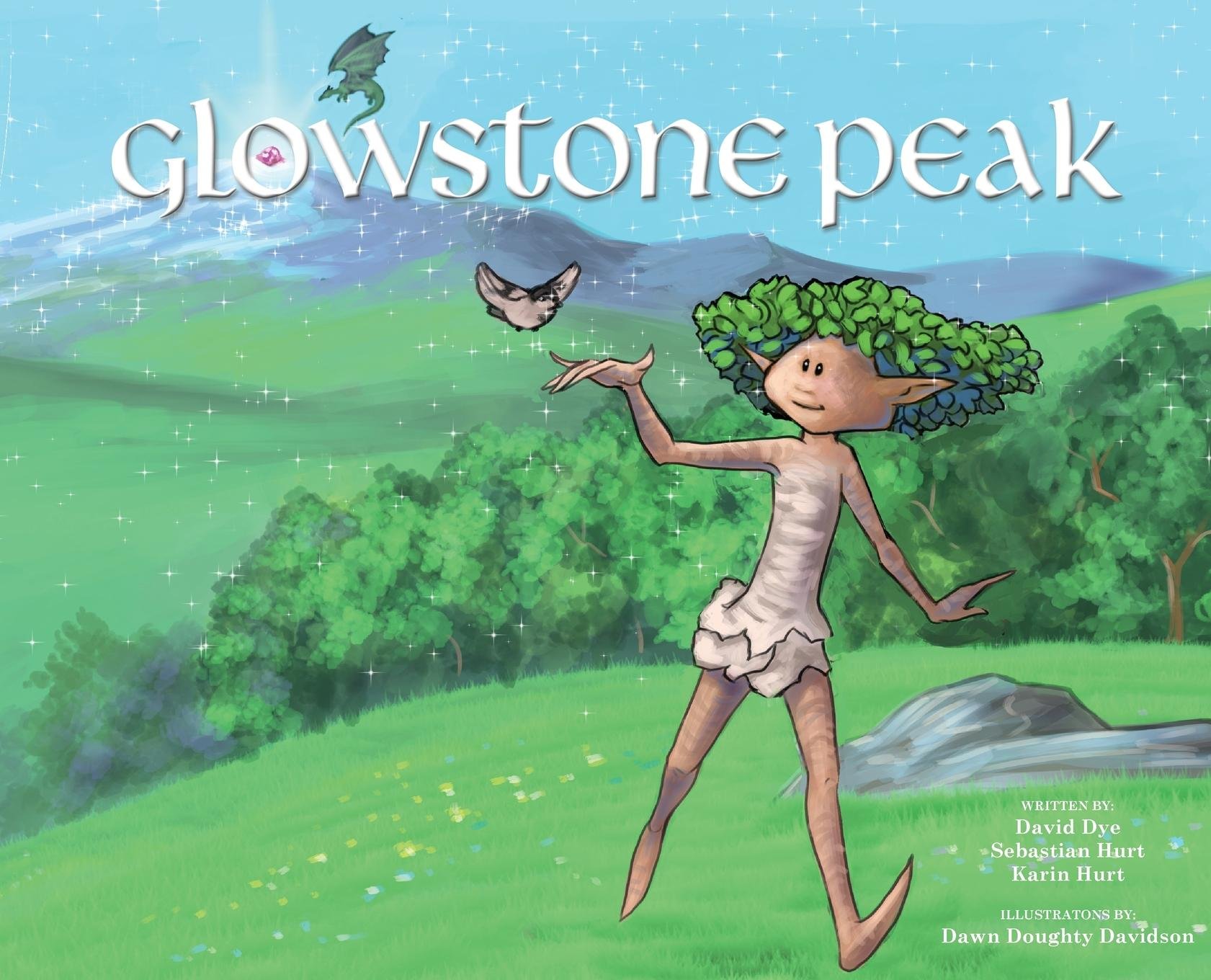 A defining tale of our time, Glowstone Peak is a moving story of courage, influence, and hope that challenges young and old readers alike to question what "everybody says." A defining tale of our time, Glowstone Peak is a moving story of courage, influence, and hope that challenges young and old readers alike to question what "everybody says."
When magic disappears from the Brightwood Forest, Selvia decides she must do something to bring it back. No one trusts the Gnomes and fearsome creatures that live in the mountains, but Selvia wonders if they’re really to blame. She sets out on an adventure to restore the life she has always known but discovers a new magic along the way. Richly illustrated, this moving and beautiful story will inspire readers of all ages to question what "everyone says" and find a new magic of their own.
Visit: https://www.amazon.com/GlowstonePeak
WHY YOU NEED THIS BOOK:
Non-conformists are pejoratively thought of as rebellious and difficult - and they often are. ...but perhaps it is because these change agents never learned the fine art of questioning and leadership in childhood. This book encourages readers to question the status quo respectfully and peacefully. With lessons that resonate with both children and adults, Glowstone Peak is an amazing tool to teach necessary life skills on leadership and collaboration.
The book itself is a tangible representation of the leadership lessons within; it is a product of a family collaborating and working together to accomplish a common goal. Karin Hurt, David Dye (husband and wife team of internationally recognized leadership experts) provided the foundational lessons for the book while their son Sebastian (a 12-year old lover of science -fiction and magic) created the characters, the fantasy plot, and the concept drawings.
The book is a valuable resource that provides lessons on multiple platforms. It includes a section of questions and talking points in the back, and it also comes with access to enrichment activities online. Books on leadership and collaboration are often dry (if presented to adults) or have a syrupy-sweet, after-school-special tone (if presented to kids.) This book pushes the boundaries and is entertaining and educational for readers of all ages.
"Important message in this book for any age. In a world where more kindness and compassion is needed, this book hits at the right time. The drawings are wonderful and the questions at the end will be engaging for classrooms, dinner tables and the last thing some children think about as they close their eyes at night."
-ACC, Amazon Reviewer
ABOUT THE HURT-DYE FAMILY:
|
 |
Karin Hurt, David Dye, and their son Sebastian are the authors of Glowstone Peak. The family wrote this book to help both kids and adults learn about collaboration and leadership. The husband and wife team are internationally recognized leadership and employee engagement experts, keynote leadership speakers, trainers, and the award-winning authors of Winning Well: A Manager s Guide to Getting Results Without Losing Your Soul. Together, they run Let's Grow Leaders - an international leadership development and consulting company located outside Washington D.C. Like his parents, Sebastian is also a leader and entrepreneur. He loves to make ordinary days magical with an illusion and entertainment business he created called Laughter and Magic. |
|
|
|
Everyday Enzymes by Dr. Liz Cruz - Product Review
I was recently sent Everyday enzymes to try out! Why do I take and recommend Digestives enzymes? There is this thing called enzyme gap may. This may not only cause digestive problems, but it can also weaken the immune system and lead to a slew of other health issues like fatigue, acne, eczema, headaches, mood swings, joint pain, etc.
These digestive enzymes are all-natural and a healthy way to ensure the whole family is getting the most out of those fruits and veggies!
Ive been using the Everyday enzymes for about a week and since I have been on prep for quite a long time some vegetables tend to cause me bloat by the end of the day. By taking the everyday enzymes regularly this hasn't happened.
A little bit more about Everyday Enzymes:
 Everyday Enzymes are an all-natural supplement designed to help your body digest and absorb the maximum amount of nutrients. It supports the digestion of carbohydrates, proteins, and fats. This supplement can help not only with digestive issues (acid reflux, nausea, gas, etc.) but it can also boost the immune system, metabolism, and improve overall health. Everyday Enzymes may be given to young children, pets and it may even be taken during pregnancy / lactation. (In fact, expectant mothers find it helps with nausea!)
Digestive Enzymes Will Help You:
- Eliminate abdominal pain, bloating, gas, and acid reflux.
- Get the most nutrition out of the food you are already eating.
- Get off of pharmaceutical or over-the-counter drugs.
Many people suffer from minor (or major) stomach issues (like gas, bloating, acid reflux) and while taking Tums or Pepto Bismol may provide relief...it is merely helping the symptoms, not the problem. Everyday Enzymes get to the root of the problem and have been proven to be extremely effective in getting people off pharmaceutical or over-the-counter drugs for digestive issues.
A healthy stomach often benefits many other areas of health. Even if you don't have stomach problems, these supplements can help boost your immune system, fight fatigue, and even help with anxiety.
"Patients are shocked to learn that their stomach may be the cause of their other health problems," says the creator, Dr. Liz Cruz. As a gastroenterologist and a parent of four kids, Cruz is determined to keep her family feeling good and staying healthy in the most natural way possible.
"It's amazing to see people get off pharmaceutical drugs in an all-natural way. This information and these tools need to be shared with everyone now more than ever! It's never too late to change how you feel."
– Liz Cruz M.D.
THE SCIENCE BEHIND DIGESTIVE ENZYMES:
In order for your body to benefit from what you eat, you need digestive enzymes to break down the food. Proteins need to be broken down into amino acids; fats need to be broken down into fatty acids and cholesterol; and carbohydrates need to be broken down into simple sugars. At birth we are given a certain potential for manufacturing enzymes in our body, creating an enzyme “reserve.” However, if we do not continually replenish that reserve through proper nutrition, it runs out. Enzyme deficiency can cause digestive issues, a weakened immune system, fatigue, acne, eczema, headaches, mood swings, joint pain.
Having a lack of digestive enzymes puts tremendous stress on the body, because it is then forced to draw reserves from other locations throughout the body. The more we depend on our body to create digestive enzymes without the proper tools, the less time and energy the body’s systems and organs have for rebuilding and replacing worn out damaged cells and tissue. This puts a tremendous amount of stress on the endocrine system, as well as the immune system. After years and years of relying on our “reserve,” it is eventually depleted.
Dr. Cruz is on a mission to educate and help families adapt a healthy lifestyle that fits their needs.
ABOUT DR. LIZ CRUZ:
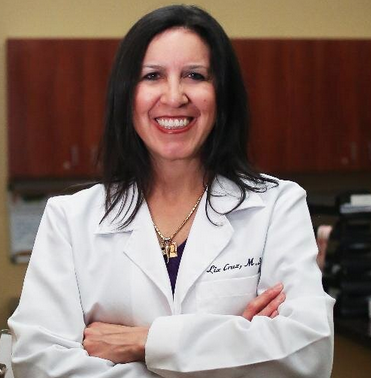 Dr. Liz Cruz is a gastroenterologist, an author, and (most importantly) a parent of 4 children. She is the creator of Everyday Enzymes, as well as a variety of other wellness products designed to promote all-natural, holistic wellness. Cruz's products have received critical acclaim and are widely praised for effectively reducing the need for prescription medicine. Cruz is a Diplomat of the American Board of Internal Medicine and the American Board of Gastroenterology. She is a member of the American Gastroenterological Association and the American Society for Gastrointestinal Endoscopy.
For More Information about the enzymes and to get yours visit:
http://www.drlizcruz.com
Learn Easy Steps To Maintain A Healthy Brain And Prevent Dementia And Alzheimer's
Chattanooga, TN, August 16, 2018 ― Dr. Timothy R. Jennings speaks expertly on a subject that concerns over 5.5 million people across the nation: how to prevent dementia and keep our mind sharp as we age. A psychiatrist and international speaker, Jennings introduces his new book, recently rated #1 by Amazon in books on dementia, The Aging Brain: Proven Steps to Prevent Dementia and Sharpen Your Mind.
Dr. Jennings prescribes simple, everyday actions we can take to stave off disease, promote vitality, and prevent dementia and late-onset Alzheimer's. "The choices we make now can help us to keep our minds sharp and maintain our independence as we age,” says Jennings.
An easy-to-use guide to maintaining brain and body health throughout life, The Aging Brain is based on solid, up-to-date scientific research, and the interventions discussed may help prevent progression toward dementia, even in those already showing signs of mild cognitive impairment. The recommendations also may help reduce disability and depression.
"This book isn't just for people hoping to slow the aging process,” says Jennings. "It's also for anyone who is a caregiver to someone at risk of or already beginning to suffer from dementia. It offers a hopeful, healthy way forward.”
Jennings, who maintains a private practice in Chattanooga, TN, has authored several books, including The God-Shaped Brain and The God-Shaped Heart. He is a Distinguished Fellow of the American Psychiatric Association and Fellow of the Southern Psychiatric Association, and is president and founder of Come and Reason Ministries.
For more information about Dr. Jennings, please visit the website: https://www.agingbrainbook.com.
To connect with Dr. Jennings, please visit: https://www.facebook.com/DrTimJennings/ and https://twitter.com/timjenningsmd.
The Aging Brain: Proven Steps to Prevent Dementia and Sharpen Your Mind
Baker Books
Released: June 2018
ISBN-10: 080107522X
ISBN-13: 978-0801075223
Powerful Story Shares One Woman's Struggle To Overcome Abandonment And Abuse
Raleigh, NC, August 16, 2018 ― Deja' was dealt a losing hand, and no one would have blamed her for simply accepting her fate. Her father died before she was born, and her mother chose drug addiction over her daughter. With loneliness consuming her, Deja' could have folded. Should have folded. But instead, she learned how to recycle her pain, and she began drawing from every source of positive influence that entered her life: a God-loving grandmother, a supportive godmother and a street-savvy godfather who taught her how to redirect her pain and survive in this world.
But the challenges just kept coming, and Deja' encountered countless betrayals and abuses along the way, which lead to an unhealthy marriage, and ultimately, a pattern of unhealthy relationships with men that lasted for several years. Aware that she is repeating a family cycle of poor choices, Deja' needs to rally what's left of her strength and determination to break that cycle. Will her fortitude be enough? Or will this final test break her spirit once and for all?
Overcoming the Hand You Were Dealt is the powerful new book from Kisha Taylor. Cultivated from her personal experience with abandonment, Overcoming weaves an authentic and captivating story of struggle, pain, hope and faith that culminates in a heartwarming climax of healing and restoration.
In addition to the book, Taylor's website, lifeunlimited1.com, enables her to continue her passion for women's emotional health, with courses that tap into the warrior in every woman, that cover abandonment issues and that help survivors understand why they act and feel the way they do. The website also houses inspirational items like T-shirts and mugs with messages of empowerment, and a blog with videos and messages of encouragement.
Author Kisha Taylor was born in Brooklyn, NY, and from a young age, she learned how to navigate the real world of hard knocks. She attended Binghamton University and Baruch College, where she studied accounting and psychology. She became counsel to many, sharing principles on surviving abuse, overcoming life's challenges, healthy ways of handling personal mistakes and how to not surrender to self-defeat.
She is most proud of the lives her journey has impacted, as well as the happiness, confidence and emotional health she now has, which enables her to be a testament of, "You can, if you just don't give up.”
To read more from Taylor, or to view her motivational videos, please visit www.lifeunlimited1.com.
Overcoming the Hand You Were Dealt
Pendium publishing
Release date: February 5, 2018
ISBN-10: 1944348409
ISBN-13: 978-1944348403
Available at www.lifeunlimited1.com, Amazon.com, and all other online outlets.
 I recently was sent ONC Natural Colours. They sent me one of their natural colours 6KR Chocolate Brown Red. Although I am currently black I definitely will keep this on hand when I go back to a lighter colour hair.
ONC beauty products. As the initial pioneer in offering products sans parabens (2003), and propylene glycol (2012), ONC’s ethos is product innovation, quality, 360° communications, and in-depth training to deliver high-end products and services, using responsible environmental policies
that actively seek to reduce carbon footprint, championing innovative products with certified organic ingredients since 1993.
The ONC Products that I recieved are ammonia free and resorcinol free. I love this because it is not as harmful as other hair dyes on the market. It is also made with Organic wheat free protein, organic aloe leaf juice, organic comfrey leaf extract and organic chamomile extract. Can you believe that!? Organic products in hair dye!
The company is made up of 20 years of industry expertise has led to the creation of NaturalColors. It's innovative formula contains the healthiest and most effective certified organic ingredients with pure benefits. Natural colours produces beautifully healthy and natural colouring results, which has to be seen to be believed.
By using their product, you are promoting your health and the sustainability of our environment.
To find out more about their products you can visit their website HERE. I love supporting great products that have organic ingredients and really care for your health.
Scientific Study Shows Omegas 3, 6 and Antioxidants Protect Against Hair Loss
SeabuckWonders Shares Latest Findings

Chicago, IL – August 16, 2018 - A recent study from the Journal of Cosmetic Dermatology shines light on the superstar omegas (3 and 6) when it comes to hair loss and hair density. These omegas, coupled with key antioxidants work to improve hair density and reduce the telogen percentage and the proportion of miniaturized anagen hair [1]. A 6-month study was recently conducted, yielding positive results.
Female pattern hair loss statistics are stunning. About one-third of women experience hair loss (alopecia) at some time in their lives; among postmenopausal women, as many as two-thirds suffer hair thinning or bald spots.[2] Of course, as with any health condition, it is always best to consult with your doctor first; however, it is exciting to see that some supplemental treatments are showing improvement.
Since female pattern hair loss is a frequent and distressing condition, the goal of this study was to evaluate the effects on hair loss of a 6‐month supplementation with specific omega 3&6 and antioxidants. As stated above, the results were positive. Objectively measured improvements were confirmed by the subjects’ perception of efficacy.[3]
Sources of Omega 3 & 6
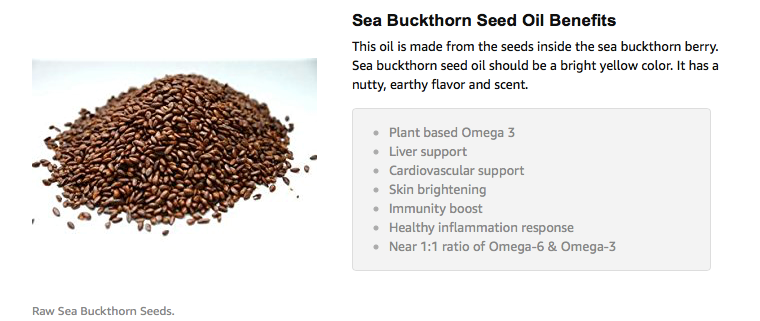
Unless you’ve been living under a rock, everyone knows that fish oil is a common source of Omega 3. However, plant-based options do exist and in many cases have even more health benefits. Flax seed, hemp seed walnuts, avocado and certain green leafy vegetables all contain Omega 3. Omega-6 is also derived from seeds and oils such as safflower and cottonseed oils, grapeseed oils and other nuts. One of the richest sources to provide Omega 3 & 6 come from sea buckthorn seed oil. This amazing resource is packed with omegas 3, 6, 9 and also contains numerous natural antioxidants.
|
|
Sea Buckthorn for Hair
SeabuckWonders has a whole array of products derived from the sea buckthorn berry. All of their supplements contain both Omega 3 and 6 AND natural antioxidants….everything tested in this study. Their newest product, Ultimate Hair Skin & Nails was specifically designed for beauty support hair, and even contains biotin for added benefits.
About SeabuckWonders
SeabuckWonders was the first company to introduce sea buckthorn to United States consumers. Providing only Himalayan, USDA Certified Organic Sea Buckthorn oil for over 20 years. Consumers can depend on the highest quality sea buckthorn oils when choosing SeabuckWonders.
The SeabuckWonders Difference
What separates their products from other brands? SeabuckWonders products contain the highest amount of sea buckthorn oil compared to competitors. SeabuckWonders products are available at select retailers or online at: http://www.seabuckwonders.com/products/
|
|
|
PROTECTING PETS FROM MOSQUITOES AND HEARTWORM
Mosquitoes are not only a nuisance, they can cause major health problems for people and their pets. While dogs and cats are not susceptible to Zika or West Nile from mosquitoes, they are at risk for Heartworm, which is spread from an infected animal to another animal via a mosquito bite. Dogs are especially vulnerable because of the great amount of time spent outdoors, but cats -- even indoor ones -- are at risk as well.
According to Patra De Silva, President of NHV Natural Pet Products, makers of veterinarian-approved and formulated plant-based natural supplements, “Heartworm is a serious disease that can cause lasting damage to the heart, lungs and other organs. It’s important to take the necessary steps to protect your pets.”
Patra De Silva offers these tips for keeping dogs and cats healthy:
Prevention is key. Talk to your veterinarian about heartworm prevention medication and get your pet tested yearly. Try to limit exposure to mosquitoes. Keep your pets inside at dawn and dusk, which are the most active times for mosquitoes. In addition, natural insect repellents can help keep mosquitoes off of your pets. NHV Target Spray contains a proprietary blend of herbal ingredients including lavender, neem, sweet scented marigold, Ceylon citronella oil, aloe vera and milk thistle, to repel insects and soothe skin, without the use of chemicals.
Mosquitoes breed in standing water. Be sure to empty water from any toys, car washing buckets, and other receptacles. Keep gutters clean and maintain pools with the proper chemicals. Change bird bath water at least once a week. Check around the base of potted plants for water that has collected. Keep trash cans covered, repair dripping outdoor faucets or air conditioner units.
Stagnant water also presents other dangers for pets, including Leptospirosis, another serious disease, so keeping your property free of standing water is doubly crucial. It’s also important to make sure your pets don’t drink from puddles, ponds or lakes when they are outside.
Heartworm is a life-threatening disease and must be treated with medication from a veterinarian.
In the early stages, there may be no symptoms. As the disease progresses, symptoms in dogs may include a persistent cough, fatigue or decreased appetite. Sometimes they have a swollen stomach. Emergency signs to look for include dark colored urine or labored breathing.
In cats, symptoms include a cough, trouble breathing, vomiting and weight loss.
If your pet exhibits any of these signs, take them to the veterinarian right away.
In tandem with medication, to help ease the symptoms, NHV Heartworms Kit provides natural support for pets. It includes Hearty Heart to help boost blood flow, Inulin PK to help repair damage from parasites, and Milk Thistle to improve liver function.
NHV NATURAL PET PRODUCTS provides veterinarian-formulated supplements derived from natural botanicals to support the health and well-being of pets including dogs, cats and small animals. In addition to the safe and effective manufacture of a full-line of Veterinarian-approved pet supplements that contain organically grown and ethically wild crafted herbs and botanicals, NHV also offers vet consultations to provide professional support and guidance for disease prevention and treatment for over 100 pet health conditions. For more information, visit www.nhvnaturalpetproducts.com.
Avicanna Acquires Majority Interest in Colombian Cannabis Cultivator
PARTNERS WITH COLOMBIAN MULTIBILLION DOLLAR AGRICULTURAL COMPANY, DAABON; RECEIVES LEAD ORDER IN GOING PUBLIC FINANCING FROM DAABON
TORONTO, Aug.16, 2018 /CNW/ - Avicanna Inc. ("Avicanna" or the "Company") is pleased to announce it has acquired a sixty percent (60%) controlling interest in Santa Marta Golden Hemp S.A.S. ("SMGH"), a company that has been issued a full suite of medical cannabis licenses in Colombia. The other substantial holder in SMGH is controlled by El Grupo Daabon ("Daabon"), a global industrial scale organic agricultural company based in Colombia. Daabon has also committed to lead Avicanna's IPO financing and subscribe for up to 20% of the offering.
This acquisition represents a significant milestone for the cannabis industry, being the first in which a major multinational agricultural corporation has taken a position in a joint venture of this nature. Daabon and Avicanna will be combining resources and expertise including Avicanna's leadership in research and biotechnological developments in the cannabinoid sector and Daabon's global leadership within the agricultural industry of industrial scale organic cultivation, processing and distribution. Daabon has agreed to dedicate all of its cannabis activities through SMGH, allowing Avicanna to capitalize on Daabon's well established global roots in the agricultural industry.
The transaction contemplates: i) Avicanna's acquisition of a sixty percent (60%) controlling interest of the total issued and outstanding shares of SMGH and ii) the issuance of 1,477,818 of Avicanna common shares, equivalent to 11.2% of its total issued and outstanding common shares as at April 30, 2018.
Key highlights of the transaction:
- Best in class partnership and international vertical integration.
- The partnership will combine a top Canadian biotechnological company focusing on advancements in cannabinoid research and product development with a multi-billion dollar global organic agricultural enterprise.
- SMGH is situated on, and owns, a sixteen-hectare parcel of land on the Caribbean coast near Santa Marta.
- Access to sustainable, and environmentally responsible agricultural business and expertise with over 15,000 hectares certified for organic cultivation which will allow SMGH to scale operations significantly.
- Potential for the development of industrial scale extraction plant in line with Daabon's current palm oil processing plant, which has the largest capacity in the Americas to extract 1,200 tonnes of raw materials a day.
- Enhanced infrastructure, and access to duty-free zones controlled by Daabon paving the way for the development of a global distribution network.
- Distribution and global footprints of both organizations, including Avicanna's offices in four (4) countries and Daabon's offices in six (6) countries with sales in over twenty (20) countries worldwide.
- Anticipated API and final product sales, inclusive of Avicanna's skin care and medical cannabis products, which utilizes the research and product development carried out in MaRS and through research partnerships with the University of Toronto and University Health Network.
Daabon to place lead order in Avicanna's IPO Financing
Daabon, through its closely held corporate entity, has agreed to lead Avicanna's IPO financing round by taking up to 20% of the brokered private placement. Proceeds from the IPO financing will be used for Avicanna's R&D projects in Canada, clinical projects around the world, funding of infrastructure in its agricultural projects in Colombia, and the growth of commercialization and distribution channels in Latin America and Europe.
Stay Connected
For more information about Avicanna Inc. and Santa Marta Golden Hemp S.A.S., visit www.avicanna.com, call 1-647-243-5283, or email info@avicanna.com.
About Santa Marta Golden Hemp S.A.S.
SMGH is a federally licensed and vertically integrated cannabis company based in Santa Marta, Colombia. Utilizing ideal environmental conditions as well as local organic cultivation expertise, SMGH aims to be one of the largest and most sustainable cannabis cultivation projects in the world. As an Avicanna subsidiary, SMGH leverages the intellectual property and advanced scientific know-how of Avicanna's team to execute its business model which includes cultivation, extraction, manufacturing, analytical testing and commercialization of its final products. With the support of global organic leaders, Grupo Daabon, SMGH is dedicated to environmental preservation, SMGH will cultivate 100% sun grown certified organic cannabis. Implementing Good Agricultural Practices (G.A.P) and Good manufacturing Practices (G.M.P)
About El Grupo Daabon
The Grupo Daabon is a pioneer and leader in the production of sustainable and organic ingredients in South America with headquarters located in Santa Marta, Colombia. The family-owned company was founded in 1914 and has grown to become the largest organic agriculture company in South America, employing well over 3000 with operations across 4 continents and sales in over 20 countries. Its operations include cultivation, the largest palm oil refinery in the Americas, production of glycerin and bio-fuels, construction, port management and duty-free zones. Daabon is also a global leader in production of organic palm oil, bananas, coffee, and avocado with over 40 organic and sustainability certificates world-wide including rain forest alliance, the first palm oil company to be certified RSPO and has been awarded as most sustainable producer of palm oil in the world for the last several years by SPOTT.
About Avicanna
Avicanna Inc. is a biotechnology company focused on innovative product development and advanced clinical research in the medical cannabis industry and is currently headquartered in JLABS @ Toronto (Canada). Capitalizing on the progressive development of its proprietary brands Pura Elements™ and Pura Earth™, Avicanna is focused on building an international distribution network through its vertically-integrated business model and strategic licensing models. Utilizing the experience of its senior scientists, executive board, and the support of its clinical and academic partners in the University of Toronto and the University Health Network, Avicanna strives to be at the forefront of advancements in the global medical cannabis industry. Avicanna is focused on providing cannabinoid-based therapies that are both clinically supported and medically-approved.
Forward Looking Statements
This news release contains certain "forward-looking information" within the meaning of applicable Canadian securities law. Forward-looking information is frequently characterized by words such as "plan", "continue", "expect", "project", "intend", "believe", "anticipate", "estimate", "may", "will", "potential", "proposed" and other similar words, or information that certain events or conditions "may" or "will" occur. This information is only a prediction. Various assumptions were used in drawing the conclusions or making the projections contained in the forward-looking information throughout this news release. Forward-looking information includes, but is not limited to: (i) the ability to consummate transactions which are currently in discussions, (ii) the continuation of current climate and weather conditions in Colombia which are optimal for cannabis cultivation, (iii) requirements to obtain additional financing, (iv) timeliness of government approvals for granting of permits and licenses, including licenses to cultivate cannabis, (v) completion of local growing facilities, where applicable, (vi) actual operating performance of the facilities, (vii) regulatory or political change in Colombia, Latin America, or Canada, (viii) competition and other risks affecting Avicanna and Sativa Nativa S.A.S., in particular, and the medical cannabis industry generally. Forward-looking information is based on the opinions and estimates of management at the date the information is made, and is subject to a variety of risks and uncertainties and other factors that could cause actual events or results to differ materially from those projected in the forward-looking information. Avicanna is under no obligation, and expressly disclaims any intention or obligation, to update or revise any forward-looking information, whether as a result of new information, future events or otherwise, except as expressly required by applicable law.
SOURCE Avicanna Inc.
|
|
 According to a 2009 study by the Rutgers University Food Policy Institute, fewer than 60% of Americans have ever checked their homes for a recalled food item. This suggests that, while many Americans view food recalls as important, they don’t believe they’re particularly relevant. With food product and ingredient recalls becoming increasingly present in our daily lives, Stop Foodborne Illnesspresents a basic guide to orient consumers on food recalls. From locating food recall notices to determining whether a recalled product is in your home, Stop Foodborne Illness is bringing back all the basics to help you combat harmful pathogens and keep your family safe.
Frequently Asked Questions Regarding Food Recalls
How can I stay informed about food recalls?
Stop Foodborne Illness is a good source for complete, concise and up to date food recall information, culled from federal agencies such as FSIS, FDA, and CFIA. Food recalls are often featured on local or national news broadcasts, and many grocery stores or online retailers will confirm that recalled food is removed from shelves.
Who issues recalls?
In many cases the product manufacturer or producer initiates a recall in cooperation with the federal agency of jurisdiction. Until very recently, all food recalls have been voluntary actions. However, due to FSMA the FDA can now mandate a food recall.
Who regulates food products?
The USDA Food Safety and Inspection Service (FSIS) inspects and regulates meat and poultry products, and pasteurized egg products produced in federally-inspected plants. The Food and Drug Administration (FDA) regulates all food products not regulated by the FSIS.
How are potentially unsafe food products discovered?
Most symptoms of foodborne illness do not occur until hours or even days after consuming contaminated food. So, it is difficult to determine if a specific food product is unsafe just by simply looking at it. However, there are several ways unsafe food products are identified:
- The manufacturer or distributor may identify the problem and voluntarily inform FSIS or FDA that a potentially unsafe food product has been placed into commerce.
- The FSIS, the FDA, or a state or local regulatory agency may discover potentially unsafe food products during sample testing or routine inspections.
- Other Federal agencies like the Centers for Disease Control & Prevention (CDC) or Department of Defense (DoD) may report a potential health problem to FSIS or FDA.
- Consumers may notify their local public health departments or report directly to FSIS, FDA or another government agency.
How Do I Report a Suspected Food Safety Problem?
Consumers can report adverse reactions related to food products by contacting:
What to Look for When There’s a Food Recall
You’ve become aware that there is a food recall, but now what? A recall alert or notice will indicate any or all the following items with which to ID a product, from this list of commonly recalled foods:
- Meat and Poultry Products
- Product name/type
- Product brand
- Establishment number (Notes the plant where it was produced. May appear within inspection seal or elsewhere on packaging)
- Product weight/size
- Production Lot ID and/or Date Code
- Fruits and Vegetables
- Is the recall for whole fresh produce or pre-packaged produce?
- For whole fresh produce, individual units will have a label, but no other ID. Check with the store where you bought the product. (Keep your receipts.)
- For Pre-packaged produce, check for brand name, best by date and production codes
- Frozen Products
- Product name/type
- Product brand/manufacturer
- Product weight/size
- Production lot code or UPC number
- Best if used by date
- Canned Products
- Product name/type
- Product brand/manufacturer
- Product size (ounces)
- UPC number
- Other Processed Food Products
- Product name/type
- Product brand/manufacturer
- Product weight/size
- Production lot code or UPC number
- Best if used by date
- In-store Prepared or Deli Products
- Product type (salad, sandwich, etc.)
- Product and/or store brand
- Look for label information as listed in recall notice
- Check with the store where you bought the product (including their website)
Recall Terms
How is the severity of a food recall measured? What do these classifications mean? Following is a list of recall terms, and definitions, to help you hone your Food Recall Knowledge!
- Class I Recall: Involves a dangerous or defective product that is reasonably likely to cause serious health problems or death
- Class II Recall: Involves a product that may cause temporary or medically reversible adverse health consequences
- Class III Recall: Use of or exposure to the product is not likely to cause adverse health consequences
- Public Health Alert: May be issued when FSIS (CDC, or State Health Department) has reason to believe that a food product may be associated with human illnesses, but cannot identify a specific product that should be recalled
- Market Withdrawal: Involves a product that is withdrawn from the market because it does not meet company quality specifications or it exhibits a minor infraction of regulatory requirements
- Establishment Number: The establishment number directly connects a meat or poultry food product to the plant at which it was produced
Food recalls are largely preventable. However, if one happens, and you know where to find food recall information, how to correctly identify the recalled item, or report a potential food safety problem, you can better protect your community from the dangers of foodborne illness. Creating a food safety plan is easy; just remember and practice the basics. Take the first step and sign up to receive Stop Foodborne Illness e-Alerts and eNews.About Stop Foodborne Illness
Stop Foodborne Illness is a national nonprofit public health organization dedicated to the prevention of illness and death from foodborne illness by promoting sound food safety policy and best practices, building public awareness, and assisting those impacted by foodborne illness. For more food safety tips please visit http://www.stopfoodborneillness.org/awareness/. If you think you have been sickened from food, contact your local health professional. You may subscribe to receive Stop Foodborne Illness e-Alerts and eNews here: http://www.stopfoodborneillness.org/take-action/sign-up-for-e-alerts/. For questions and personal assistance, please contact Stanley Rutledge, Community Coordinator, at srutledge@stopfoodborneillness.org or 773-269-6555 x7.
|
|
|
|