
The first full week of December is Crohn’s and Colitis Awareness Week. It’s also when the holiday season cranks into high gear. If you have Crohn’s or colitis, this season brings unique challenges for you. If you have a loved one who was recently diagnosed, you might wonder what you can do to help. Let’s take a closer look at both diseases and some ways to make the holidays easier for people who struggle with them.
What Are Crohn’s and Colitis?
Crohn’s disease and ulcerative colitis are two separate conditions, but they cause similar symptoms. Crohn’s disease involves chronic inflammation of the gastrointestinal tract, from the mouth all the way through the bowels. People with Crohn’s don’t feel like eating and often lose weight. They feel tired and may experience night sweats.
Ulcerative colitis only affects the colon lining. Along with the same fatigue and weight loss associated with Crohn’s disease, colitis symptoms include problems with bowel movements that often involve cramping and pain. It affects as many as 907,000 Americans and can occur at any age.
Both conditions are forms of inflammatory bowel disease and have symptoms that come and go. People who struggle with them report flare-ups. During flare-ups, the gastrointestinal tract becomes extremely inflamed. Some people experience pain, bleeding, and fistulas. Sometimes they have fever or other conditions that require medical attention. A flare-up during the holidays can ruin seasonal cheer.
Why Are Holidays Harder for People With Crohn’s and Colitis?
If you have Crohn’s disease, ulcerative colitis, or other bowel disease, the holidays can be a difficult time. You’re surrounded by tempting, high-fat food. Everyone around you seems to be indulging in large amounts of everything that causes you problems.
Travel can be difficult at any time of the year. Long hours on the road or in the air make it hard to regulate what goes in your digestive system. Flare-ups might mean you spend hours in pain and have to stick close to the bathroom.
Often your family and friends don’t understand what you’re facing. You look normal and healthy, so they misunderstand your avoidance of certain foods and situations. Often, they pressure you to indulge in things you shouldn’t. What helps them celebrate the holidays might make you end up in the hospital.
How Can Diet Help With Crohn’s or Colitis?
Some foods can trigger a Crohn’s or colitis flare-up. Each person is different, so keep a food diary to identify your triggers. For example, some people with inflammatory bowel diseases are also lactose intolerant. Record whether your symptoms increase when you consume dairy products. If you also have celiac disease, you might need to avoid gluten. Here are some other foods that might cause a problem.
Fried or greasy foods – The fat in fried foods and heavy sauces can’t be fully absorbed in your small intestines.
High fiber foods – For most people, fiber is good. When you have Crohn’s or colitis, avoid them when your symptoms get bad. Eat bread made with refined flour and pasta instead.
Raw nuts and seeds – Nuts can be hard to digest. Instead, choose smooth nut butters like peanut or almond butter. Crackers with nut butter can be a great snack when you are away from home.
Popcorn – Because it’s high in fiber, it can cause a flare-up. When you want something salty and crunchy, try pretzels instead.
Raw fruits and vegetables – These can be tough on your stomach. Try removing the skin from fruits and veggies to reduce the amount of fiber. Most people with Crohn’s and colitis tolerate dried fruits and vegetables well.
Alcohol – It’s everywhere during the holidays, but it can cause painful flare-ups.
When people see the extensive list of what to avoid, they often wonder what’s left. Here are foods to stay nourished without worrying about flare-ups.
- Almond milk
- Eggs
- Oatmeal
- Salmon and other fish
- Vegetable soup
- Papaya
- Hummus
- White meat
- Butter lettuce
- Avocado
How to Help People With Crohn’s and Colitis
If your friends or family members struggle with one of these inflammatory bowel diseases, you don’t want to make the holidays even harder. Here are some things you can do to help.
Offer alternatives at gatherings. Stock non-alcoholic beer or sparkling fruit juice as an alternative to alcoholic beverages. Make sure there are healthy food choices low in fat and fiber. It helps individuals to eat smaller, more frequent meals, so if you have a guest in your home help who suffers from these conditions you can find options.
If you notice them skipping meals, don’t push. They know what’s best for their bodies and may be choosing not to eat so they don’t suffer the painful consequences. If they’re tired, encourage them to rest so they’re refreshed for the next round of festivities.
Another way to help people with Crohn’s and colitis make it through the holidays, and everyday, is to provide healthy vending machine choices in your office, apartment building and any other space appropriate for vending machines. Most vending machines are full of high fat food that isn’t good for anyone, especially someone suffering from Crohn’s or Colitis.
Naturals2Go can help you bring choices to your area with vending machines you can fill with a wide variety of healthy foods. Contact us today to see how you can make money with Naturals2Go vending machines.

Long Work Weeks? 7 Stress-Reducing Activities to Come Home To
After a busy and stressful work week, you’ve earned every second of your weekend free time. While it may be tempting to spend your time watching shows online, there are ways you can use your downtime to reduce stress rather than merely recover from it. The following seven activities will help you emerge refreshed, rejuvenated, and ready to tackle whatever the next workweek brings your way.
Get Moving
Whether you spend your days in front of a computer screen or on your feet, ungluing yourself from the couch is probably the last thing on your mind. At the end of a long week, exercise can do wonders for your mind and body. Even if it’s just a walk or dancing in the kitchen with your family, a little purposeful movement during the weekend will reinvigorate and strengthen you for the week ahead.
Make Meals
While you’re in the kitchen dancing, be sure that you’re cooking some healthier meals and snacks. This will provide you with some delicious food to enjoy over the weekend and possibly during the week. Since nutrition plays a key role in wellness, you’ll also be building a better body for coping with the coming week. Moreover, many healthy staples such as garlic, oranges, and oatmeal have been shown to combat stressful feelings.
Grow Something
Since your Monday through Friday routine probably doesn’t include much time outdoors or in contact with green spaces, gardening can be a welcome addition to your weekend itinerary. During warmer months, vegetable gardening can provide you with ingredients for nutritious cuisine and lovely flowers to brighten your home. If its winter or you’d rather not maintain an outdoor garden, consider caring for some houseplants.
Cultivate Creativity
Plants aren’t the only item you can grow during your free time. Creative pursuits such as playing a musical instrument or engaging in a craft can help shift your focus from weekday stress to weekend serenity. These practices will also provide you with a sense of accomplishment and possibly homemade gifts for loved ones.
Soak Your Stress Away
After all your workweek and weekend activities, you might be feeling a bit achy and worn down by the cares of life. Sometimes, a quick dip in a pool or a warm soak in a tub can help you unwind enough to really enjoy your downtime. If you’re considering purchasing a hot tub, be sure to check out hot tub reviews, online forums, and the Better Business Bureau website before making such a large investment.
Bring the Spa Home
As you soak in your bath or hot tub, you can really pour on the pampering with a few basic spa treatments. Mixing sugar and coconut or almond oil will create a gentle, whole body exfoliation scrub to slough away any rough skin. Many lotions and creams also absorb more readily when you’re still warm from the bath.
Read to Refocus and Reinvent
While spending your weekend in Paris probably isn’t possible, reading an engaging travel book or website are. Children enlist their imaginations to transform the mundane into the magical every day. Reading can give you the inspiration and the mental muscle to reinvent yourself.
Even though work stress may feel overwhelming, it is possible to emerge from your weekend in fighting form. No matter which stress reducing activity you choose, the important thing is that you mindfully pursue it. Once you’re stress levels have plummeted, you’ll be able to enjoy life mo
SMARTSHAKE DISCOUNT CODE FOR ALL TRAIN IT RIGHT READERS
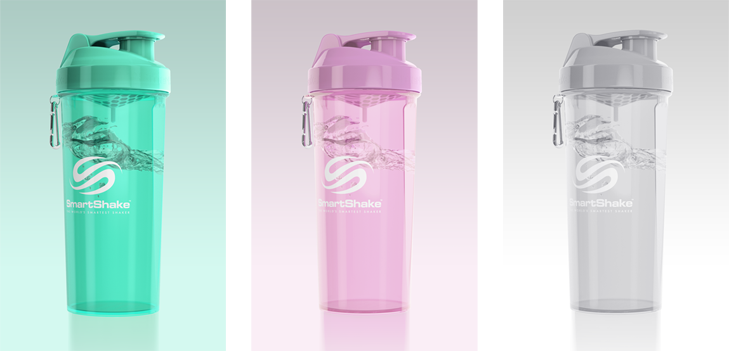
Ive teamed up with Smart Shake and now have a discount code for all my readers and clients!
What is a SmartShake?
Your SmartShake is a drinking bottle, shaker and food container in one. The large compartment at the top is ideal for liquids, while the middle compartment works well as a store for protein powder. The smaller compartment at the bottom is perfect for storing vitamins, supplements or healthy snacks like nuts, berries and seeds. There are many ways to fill your SmartShake – and because the divided compartments keep everything separate you only need to carry a single container all day!
To use your SmartShake as a shaker, just add your ingredients and shake according to the drink manufacturer’s instructions. Make sure the lid is screwed on tightly and the cap is snapped all the way down before shaking.
www.smartshake.com
DISCOUNT CODE AT CHECK OUT: trainitright20
Evicii Athletica offers a twist on workout clothing with stylish pieces you can wear anywhere!
These chic styles will motivate you to work out!
No need to change after a workout. With Evicii Athletica, you’ll experience high quality, stylish athletic wear that will take you from the gym to lunch with the ladies or from yoga to happy hour drinks at the bar. Check out these popular and versatile Evicii Athletic items from its premier collection:

· Three-quarter Basic Legging ($78) – A legging that’s perfect for exercise and comfortable enough to run errands. The mid-rise legging features moisture wicking material so you can go about your day sweat-free. Available in solid black and a solid white that’s non-see through so you can do squats with confidence.
· To the Point Crop Top ($52) – Show off those abs with the brand’s To the Point quilted crop top and even pair with any of Evicii’s fitness  leggings or their Conquistador Short ($70). A fabric combo of polyester and Spandex allows for high performance and the top’s wider cut armholes lend itself to ultimate comfort.
· Inspired Black Paisley Legging ($150) – Stay chic with a textured paisley pant that’s not over-the-top bold. Paisley design appears on the front of the leg so it creates a subtle but unique look. It even has side pockets big enough to hide your phone or iPod touch.
About Evicii Athletica
Evicii Athletica’s mantra – evolve, conquer and inspire – was born from the creative desire to bring something new to the world of health and fitness. The Los Angeles-based brand seeks to create apparel that compliments a woman’s journey in fitness and life. Evicii Athletica selects the best high-performance fabrics with different textures and materials to provide truly fashion forward active wear.
To shop the different collections and styles, visit https://evicii.com
New Report Exposes Deceptive Marketing in $9 Billion-Dollar
Snack Bar Industry
Decoding Granola/Protein/Energy Bar Labels:
Avoiding Hexane-Extracted Ingredients
Scorecard Separates Gimmicky Junk Food
from True Organic/Nutrient Dense Brands
Cornucopia, WI — A new report exposes misleading marketing practices by food industry giants that market candy-like snack and energy bars as wholesome and nutritious. Issued by The Cornucopia Institute, a non-profit food and farm policy research group, the report further exposes leading natural/organic brands for including cheap, conventional ingredients instead of creating nutritive products that qualify for the USDA organic label.
The report, and an accompanying scorecard, Raising the Bar, Choosing Healthy Snack Bars versus Gimmicky Junk Food, details how snack bar quality varies widely among brands, even among the many brands that market themselves as “made with” organic ingredients (a label with lower federal standards than certified organic). The report exposes USDA National Organic Program regulations that provide industry-friendly loopholes for the use of conventional, hexane-extracted ingredients in the “made with” organic category.
“The highly profitable snack bar industry is rife with gimmicky substitutes, such as protein isolates, instead of whole food ingredients,” says the report’s lead author, Linley Dixon, PhD, chief scientist at Cornucopia.
“With the exception of certified organic bars, many products add protein isolates processed with the neurotoxin solvent hexane, a byproduct of the gasoline refinement industry,” added Dixon. “Hexane-extracted ingredients, like conventional soy protein isolate, are common in products that are labeled ‘made with’ organic ingredients. An intentional loophole in the USDA organic standards allows for the use of ingredients that are extracted using volatile solvents in ‘made with’ organic products (a process explicitly prohibited in products qualifying to display the USDA organic logo).”
The Raising the Bar report also explains how, in many other ways, consumers get a safer and higher quality product with USDA certified organic brands over conventional, mass-market brands that contain long ingredient lists that include questionable gums and synthetic preservatives, colors, or flavors.
“There is so much competition for market share in the snack bar industry that many brands marketing themselves as ‘natural’ or ‘organic’ still cut corners for ingredient sourcing to achieve a lower price point,” stated Goldie Caughlan, former National Organic Standards Board member and nutrition educator at a Seattle-based food cooperative. “That’s why it’s important to make sure the product has the USDA Organic seal and not just the ‘made with’ organic ingredients label.”
Low levels of hexane have been detected in common snack bar ingredients, including protein isolates, which are extracted with the neurotoxic chemical. Protein isolates are highly modified ingredients used to inflate the protein content of snack bars, but they leave out the beneficial oils, fiber, and vitamins found in more expensive protein options such as nuts and seeds.
The highest rated bars on The Cornucopia Institute’s scorecard are USDA certified organic and use only organic fruits, nuts, and seeds without any added sugars, gums, flours, protein isolates, or preservatives. Published research has consistently illustrated that organically produced products have a lower level of agrichemical residues. There is also documentation that illustrates the nutritional superiority of organic food due to careful soil stewardship.
The scorecard "outs” some brands offering both high-rated and low-rated products, such as bestsellers Clif Bar and Lara Bar (the latter produced by General Mills). This makes it difficult for consumers to choose products based on namebrand alone because quality varies widely between products within the same prominent brands. Cornucopia’s scorecard decodes these options for consumers.
“The good news is that discriminating shoppers now have a new mobile-friendly web-based tool, released with the report, to help them weed through product labels and separate the best bars from greenwashed marketing hype,” stated Mark A. Kastel, Cornucopia’s Codirector and Senior Farm Policy Analyst. “With so many snack bar options on the shelves, we want to make it easier to purchase truly nutritious, high quality products from ethical brands.”
MORE:
The presence of the organic seal indicates that a minimum of 95% of the ingredients by weight are certified organic (all other ingredients are reviewed for safety and must not be available in organic form, such as baking powder).
In contrast, the “made with” organic ingredients label means the product has a minimum of 70% organic certified ingredients by weight, opening the door to ingredients added to either reduce the manufacturing cost of the product or to enhance protein or fiber content for marketing purposes.
Oftentimes, non-organic, hexane-extracted soy lecithin, soy protein concentrate, or soy protein isolate are used in the remaining 30% of non-organic ingredients using the “made with” label. These ingredients could contain GMO soybeans (i.e., Monsanto’s Roundup-Ready soybean varieties) that have been sprayed multiple times with the herbicide glyphosate. Conventional grains are frequently sprayed before harvest with glyphosate, serving as a desiccant to accelerate drydown. This is especially concerning since glyphosate recently has come under intense scrutiny as a possible carcinogen.
“When a company uses the ‘made with’ organic ingredients claim, it’s likely that they have chosen to use one or more relatively inexpensive organic ingredients, such as organic oats, tapioca/rice syrup, or flour,” said Cornucopia’s co-director Mark Kastel. “This enables them to legally use the word ‘organic’ on the front packaging, even though up to 30% of the contents are conventional.”
“Clif Bar, for example, claimed that their conventional protein isolates tested negative for hexane residues, but, when asked, they did not provide test results or release specifics on the sensitivity of the testing,” stated Dr. Dixon. “A negative test doesn’t mean there are no hexane residues if the type of test conducted had a high detection level. Detection limits for hexane should be 1 ppm, for example, not 10 ppm.”

How Avoiding Your Doctor’s Advice Could Lead to Bigger Issues
Avoiding medical treatment is a leading cause of health problems in the United States. Many patients may actually go do the doctor when a health problem arrives, but they neglect to follow instructions for further treatment or avoid taking medications that are prescribed. In addition, most of these patients also refuse or avoid follow up examinations, making their healthcare all the more problematic.
There are many reasons why avoiding your doctor’s advice could lead to much bigger problems, but these are some primary ones to consider. Think about each of these, so that you and your physician can work together toward the best healthcare possible for your needs.
Proper Health Care Requires Treatment and Follow up Coordination
For any medical treatment to be effective, it must be done according to a scientific method and a process with checks and balances. A physician is unable to accurately assess the results of any medical treatment, if the patient refuses to follow their instructions and regiment for taking medications. Proper health must follow the standards of practice or it is all guesswork, and won’t be likely to benefit the patient healthcare overall.
Not Following Medical Advice and Instructions Causes Other Health Problems
The primary risk of avoiding instructions and advice from a physician is having other health problems manifest. Most illness, if left untreated will cause other conditions throughout the body. This is because the healthcare of the entire body is necessary, as all internal systems interact and become impacted when another part of the body is sick. This includes all physical therapies, diagnostic procedures, surgical needs, medications, and follow up examinations. Without the advice of a qualified physician, the patient may be putting themselves at risk for health complications that would not manifest otherwise.
Bad Interactions with Non-Prescribed Medications Are Dangerous
Taking the wrong combination of medications can have serious health risks to the patient, or complicate their current treatments negatively. Using non-prescribed drugs, alternative medicines, illegal drugs, or even alcohol can greatly impact patient health, while backsliding any benefits their treatments might have been providing. The complications caused by mixing incompatible medications and drugs is perhaps the most dangerous way of avoiding a doctor’s advice. This is primarily because when a patient does this, it is also unlikely such a person will inform their primary care physician, unless something worse manifests health wise.
Not Following Medical Treatment Can Impact Patient Health Benefits
As if the potential for positive healthcare impact being lost weren’t bad enough, the patient refusing to follow medical advice could lose access to medical care by legal default. Many healthcare providers, insurance companies, nursing care groups (like ACN SCAM), and administrative care organizations view avoiding proper treatment as a hindrance to their effectiveness and a risk to patient safety. Thus some situations create a hostile environment for all involved, which can lead to a patient being dropped from a medical plan or insurance provider’s coverage. Losing medical benefits can impact a patient permanently, and is often and cause irrecoverable health problems.
Lack of Necessary Treatment Can Threaten Patient Life Expectancy
In the most extreme cases, not getting necessary treatments can be fatal. Anyone who refuses or avoids critical healthcare procedures is putting their own life at great risk, but also creates a medical environment that makes physicians and nurses unable to do their jobs properly. In all cases of terminal or critical care, life expectancy goes down significantly, when a patient lacks necessary and available healthcare.
The results of avoiding a physician’s advice inevitably complicate the health of any patient, thus causes bigger issues to manifest. Following a doctor’s advice is part of the patient contract. In order for a physician to be most effective, they must have an honest relationship with those persons under their care. Otherwise, any benefits from treatment will be negated and the patient health will not improve
New Data Shows Junk Food, Energy Drinks May Pose Unique Risks for Teens
Influences on Teen Brain Development the Focus of Special Teratology Society Journal Issue
RESTON, VIRGINIA—The popularity of energy drinks and junk food might have unique risks for teenagers who consume too much of them during the later stages of brain development. These are just two of the factors potentially affecting teen brain development examined in a new special issue of Birth Defects Research: The Teenage Brain, published by the Teratology Society with John Wiley & Sons.
The scientific journal issue released today (see the Overview, doi: 10.1002/bdr2.1181) includes “Taurine, Caffeine, and Energy Drinks: Reviewing the Risks to the Adolescent Brain (DOI: 10.1002/bdr2.1177),” a team at Northern Kentucky University, headed by lead author Christine Curran, PhD, and her co-author Cecile Marczinski, PhD. According to Dr. Curran, not only is the rise in energy drink consumption (often mixed with alcohol) among teens alarming, but so are animal studies showing its effects on brain development. “Our review indicates that we don’t know enough about the effects of high consumption of energy drinks and the ingredients found in them at this critical time in mammalian brain development,” she said. “Our recent findings in adolescent and young adult mice exposed to high taurine levels indicate there can be adverse effects on learning and memory and increased alcohol consumption in females.”
Another review (DOI: 10.1002/bdr2.1173) included in the special issue examines junk food, which is defined as “highly palatable and rewarding, but nutritionally poor.” According to lead author, Amy Reichelt, PhD, at RMIT University in Melbourne, Australia, junk food is not only found to be bad for waist lines, but also bad for the teen brain. “Because key neurotransmitter systems in the brain responsible for inhibition and reward signaling are still developing during the teen years, existing primarily on junk food could negatively affect decision making, increase reward-seeking behavior and influence poor eating habits throughout adulthood,” said Dr. Reichelt.
“One piece of good news is that exercise might be the answer to steer teens away from certain exposures,” explained Michiko Watanabe, PhD, co-editor of the special Birth Defects Research issue. According to two other reviews included in the issue, “Exercise, Cognition, and the Adolescent Brain (DOI: 10.1002/bdr2.1178)” and “The Neurobiology of Substance Use on the Adolescent Brain and Putative Therapeutic Effects of Exercise (DOI: 10.1002/bdr2.1182),” exercise intervention may prevent long-term effects of adverse exposures in teens, but the majority of teens aren’t exercising enough. “The long list of exercise benefits could motivate teens to get off the sofa,” Dr. Watanabe added.
Other topics covered in the issue include the promising possibility that brain imaging analyses might get us to the point of predicting psychopathology as shown in “Convergent Neurobiological Predictors of Emergent Psychopathology during Adolescence (DOI: 10.1002/bdr2.1176).” Other reviews include “Alcohol Consumption during Adolescence: A link Between Mitochondrial Damage and Ethanol Brain Intoxication (DOI: 10.1002/bdr2.1172),” “Melatonin, Adolescence and the Brain: An Insight into the Period-Specific Influences of a Multifunctional Signaling Molecule (DOI: 10.1002/bdr2.1171),” and “Blood-Brain Barrier Development: Systems Modeling and Predictive Toxicology (DOI: 10.1002/bdr2.1180).”
About the Teratology Society
The Teratology Society, an international professional group of scientists hailed as the premier source for cutting-edge research and authoritative information related to birth defects and developmentally mediated disorders, publishes Birth Defects Research with John Wiley & Sons. The Teratology Society is made up of more than 700 members worldwide specializing in a variety of disciplines related to birth defects research, including developmental biology and toxicology, reproduction and endocrinology, epidemiology, cell and molecular biology, nutritional biochemistry, and genetics as well as the clinical disciplines of prenatal medicine, pediatrics, obstetrics, neonatology, medical genetics, and teratogen risk counseling. Scientists interested in membership or attending the Teratology Society’s Annual Meeting in Clearwater, FL June 23 – 27, 2018 are encouraged to visit www.teratology.org.
# # #
Excess Acidity Finally Meets Its Match!
Mineral-Rich Multiforce Powdered Supplement Treats Lactic Acid Build-Up Associated With Muscle Fatigue & Strenuous Exercise; Helps Prevent, Minimize Acid-Related Gout, Osteoarthritis & Uric Acid
Proprietary Blend of 100% Natural, Gluten-Free Ingredients Offers Safe & Proven Complete Body Solution for Athletes & Active Consumers Seeking Healthier Balance Between Acid & Alkaline
SARASOTA, FL., November 27, 2017 – Representing one of the greatest ironies in personal wellness today, millions of athletes and fitness devotees who watch every bite they eat are being challenged by the very same culprit affecting those who regularly consume processed foods, salty snacks and sugary desserts. Their shared enemy? Excess acidity.
Consider this: if you’re a serious athlete, “weekend warrior,” or an active consumer who values the life-affirming benefits of strenuous regular exercise, it’s likely you’ve experienced the muscle discomfort and fatigue often associated with lactic acid build-up. Conversely, if you follow the typical “Western diet” that’s low in fruits and vegetables and find it difficult to resist foods you know aren’t good for you, it’s likely you’ve experienced such excess acid-induced health issues as gout, uric acid, heartburn, joint pain, chronic fatigue, osteoarthritis and many more.
Fortunately, however, whether you’re a fitness junkie, a junk food junkie or some combination of the two, help is here at last!
Introducing Multiforce (www.multiforcehealth.com), a globally-popular multi-mineral powdered supplement newly available in America that’s already helped millions around the world not only to treat but in many cases to prevent the development of excess acidity resulting from extreme workouts or poor diet. Featuring a breakthrough blend of 100% natural, gluten-free, vegetarian and clinically-proven essential natural minerals such as Potassium, Magnesium, Phosphorus and Calcium, Multiforce helps your body re-calibrate its pH balance between acid and alkaline so you can feel your best in the fastest and most comprehensive manner possible.
The Growing Need To Cut Excess Acidity Down To Size
With more Americans than ever before embracing extreme sports and demanding workouts, and with the majority of us still favoring processed foods over nutritious fruits and vegetables, we’ve achieved perfect storm-level conditions for making excess acidity one of today’s most problematic health concerns. And when it comes to diet, it’s not just the obvious foods we need to be wary of: even seemingly healthier food staples as dairy products, animal protein and even low-sugar cereals are responsible for generating acid-forming chemicals in our body that over time can lead to muscle fatigue, slow down muscle recovery and cause many of the troubling health issues mentioned above.
Multiforce To The Rescue!
Specifically formulated to treat the causes of various health issues associated with excess acidity and not just their symptoms, Multiforce makes use of the citrate form of minerals which are able to neutralize three acid molecules and are much more easily absorbed by the body. This is what makes Multiforce so effective. In addition, unlike traditional treatments for excess acidity on the market, Multiforce works systemically from head to toe as opposed to just zoning in on one select part of the body. What’s more, Multiforce doesn’t rely on digestion to be absorbed – thus ensuring consumers won’t face the stomach discomfort or nausea often associated with mineral supplements.
A natural alkaline powder that’s safe, proven and incredibly easy to use (just mix a teaspoon of powder with water), Multiforce is ideal for virtually anyone anxious to tackle the acid-based causes of muscle fatigue, gout, uric acid, joint pain, chronic fatigue and osteoarthritis (please find a clinical study showcasing Multiforce’s effectiveness in dealing with this condition at www.multiforcehealth.com/new-hope-for-osteoarthritis-sufferers).
Multiforce is offered in three flavors: Natural Lemon Flavor; Natural Mango Flavor; and Naturally Unflavored. All three are sold on thewww.multiforcehealth.com site for $29.99 (a free two-week supply is also available at www.multiforcehealth.com/free-sample.html), other online sites and in a growing range of retail stores in Florida (with other states to follow soon).
The Science Behind Multiforce
Body acids are neutralized through various buffering systems in the body, but for these systems to properly maintain the perfect pH balance, sufficient alkaline mineral compounds are required – the very same minerals (including Calcium, Magnesium and Potassium) typically found in fruits and vegetables.
In order to maintain this ideal balance, nutritionists suggest we eat seven to ten servings of fruits and vegetables as well as drink two liters of water daily. Since that represents a tall order for almost all of us, the solution is simple: let Multiforce’s alkalizing blend of multi-minerals supplement your body’s nutrients, replenish these life-balancing minerals and, over time, reduce the symptoms caused by over-acidity completely.
Check out these alarming facts to see just how prevalent exceed acidity really is:
• Coffee – far more acidic than tap water
• Sodas – contain corrosive acid
• Animal Protein – can form uric acid
• Sugary Desserts & Salty Snacks – linked with increased obesity
A Commitment to Balanced Health
Commenting on Multiforce’s longstanding mandate to help offset the conditions associated with excess acidity, Garth Woolley - CEO of Multiforce parent company SANP International LLC - said, “Anyone coping with muscle issues or with the numerous concerns stemming from excess acidity can rest assured we’ve gone to great lengths over many years to create the most potent and effective all-natural solution offered directly to consumers today. We’re heartened by the highly enthusiastic response Multiforce has already received from consumers and retailers in the U.S. and look forward to helping countless more people eliminate the corrosive effects of acid in their lives over the years ahead.”
For more information about Multiforce, visit www.multiforcehealth.com; to read a clinical study about the brand’s efficacy, visitwww.multiforcehealth.com/new-hope-for-osteoarthritis-sufferers.
Did 24 Coke-Funded Studies on Childhood Obesity Fail to Disclose Coke’s Influence?
How accurate were conflict of interest disclosures in at least 40 childhood obesity studies funded by The Coca-Cola Company? Not so accurate, according to a paper published in the Journal of Public Health Policy that analyzed studies from the International Study of Childhood Obesity, Lifestyle and the Environment (ISCOLE), funded with a $6.4 million grant from Coca-Cola.
The ISCOLE study found that physical inactivity is a key predictor for childhood obesity. Coca-Cola appears to have financed and promoted research tying childhood obesity to causes other than soda consumption.
For 24 of the ISCOLE studies, the COI disclosures report this, or a close variant: “ISCOLE is funded by The Coca-Cola Company. The study sponsor has no role in study design, data collection, analysis, conclusions or publications. The only sponsor requirement was that the study be global in nature.”
However, a Freedom of Information Act request by U.S. Right to Know, a food industry watchdog group, uncovered evidence suggesting that Coca-Cola influenced the studies’ design, raising questions about corporate influence and truthfulness in the Coke-funded papers.
“It appears that many of the ISCOLE scientists did not declare the full extent of Coca-Cola’s involvement in their childhood obesity studies,” said Gary Ruskin, co-director of U.S. Right to Know. “This raises questions not only about these Coke-funded studies, but also more generally about the accuracy of conflict of interest disclosures in other scientific studies funded by corporations.”
“What these emails reveal is how complex conflicts of interest are and how poorly they are currently managed,” said David Stuckler, Professor at the Research Centre Dondena, at Bocconi University. “There is a danger that vested interests such as Coca-Cola pollute the scientific literature with research serving a hidden agenda.”
“In recent years, large corporations have been seeking to minimize concerns about conflicts of interest in the research they fund,” said Martin McKee, Professor of European Public Health at the London School of Hygiene & Tropical Medicine. A recent example is the Brussels Declaration, which said “commercial conflicts of interests are fairly easy to deal with if they are properly declared”. “As our paper shows, the situation is actually much more complicated and there is a need for considerable caution,” McKee said.
Regarding the ISCOLE emails obtained by FOIA, the Journal of Public Health Policy paper reports:
The emails suggest that the researchers did consult and include Coca-Cola representatives in making strategic decisions about study design. In the early stages of planning the study, for example, the parties debated which and how many countries are to be included. [Coca-Cola Chief Science and Health Officer Rhona] Applebaum emailed [ISCOLE Co-Principal Investigator Peter] Katzmarzyk on 26 March 2012 saying: “Ok—so with Russia and Finland we are at 13? Or no Finland and at 12. Seriously–our CEO hates the #13”…. She continued, “Serious about this 13 business. We have no FL [floor?] 13 at Coke”. Applebaum asked Katzmarzyk: “What other country should we look at?”, to which he responded, “We should talk about Russia as well—do you have contacts there already?”
The Journal of Public Health Policy paper was authored by David Stuckler, Professor at the Research Centre Dondena, Bocconi University, Milan, Italy; Martin McKee, Professor of European Public Health at the London School of Hygiene and Tropical Medicine, London, UK; and Gary Ruskin, co-director of U.S. Right to Know, in Oakland, California.
U.S. Right to Know is a nonprofit organization that investigates the risks associated with the corporate food system, and the food industry’s practices and influence on public policy. For more information, see usrtk.org.
Canadian Beverage Association Balance Calories Initiative Success
Conference Board of Canada update on Balance Calories Initiative shows an unprecedented 10.2% reduction in calories
TORONTO, Dec. 11, 2017 /CNW/ - The Canadian Beverage Association (CBA), which represents Canada's non-alcoholic beverage industry, is proud to provide Canadians with an update on the successful progress of the Balance Calories Initiative (BCI).
The Canadian Beverage Association Balance Calories Initiative: 2017 Tracking Report, prepared by The Conference Board of Canada, shows that in the first two years of BCI alone, calories have been reduced by an unprecedented 10.2 per cent. That means that since 2004 there has been an almost 30% reduction in calories consumed from non-alcoholic beverages by Canadians according to GlobalData market data.
The Conference Board Report also noted in their report that data collected from the Government of Canada's own Canadian Community Health Survey 2016, corroborates this reduction of almost 30% in calories consumed per capita/per day since 2004.
Despite calories from beverages declining by 30% since 2004, obesity continues to be a rising concern in Canada.
This significant decrease has been driven by innovative measures; reformulation, smaller portion sizes and more low/no-calories options for Canadian consumers. In 2017 alone CBA member companies launched more than two dozen new low/no-calorie products into the Canadian market place.
"It is clear that Balance Calories is working," said Jim Goetz, President, Canadian Beverage Association. "Our members have successfully removed millions of calories from sugar out of Canadians' diets, we are supporting better health outcomes for Canadians but promoting calorie balance and reducing the amount of sugar Canadians consume."
Background:
Balance Calories Initiative (BCI) – a voluntary initiative by members of the Canadian Beverage Association was launched in 2015 with the goal of reducing calories consumed from non-alcoholic beverages per capita/per day by 20% by 2025.
The Canadian beverage industry has a successful track record of leading voluntary initiatives. They include restricting marketing to children, eliminating full-calorie soft drinks from schools, and implementing front-of-pack calorie labeling, an initiative known as Clear on Calories.
The Conference Board of Canada, an evidence-based, action-oriented research organization with a non-partisan, balanced perspective, is partnered with Canadian Beverage Association and its members to benchmark and verify progress of this program.
Visit www.balancecalories.ca for more information.
About the Canadian Beverage Association
Celebrating its 75th anniversary, the Canadian Beverage Association is the national industry association representing the broad spectrum of companies that manufacture and distribute the majority of non-alcoholic refreshment beverages consumed in Canada.
The association represents more than 60 brands of juices, juice drinks, bottled waters, sports drinks, ready-to-serve iced teas and coffees, carbonated soft drinks, energy drinks, and other non-alcoholic beverages.
The Canadian Beverage Association employs 60,000 Canadians from coast to coast, with over 18,000 jobs in manufacturing. Our jobs are made in Canada, and our products are made in Canada. We proudly represent the makers of more than 60 brands of non-alcoholic beverages in more than 200 facilities nation-wide.
SOURCE Canadian Beverage Association