PHOTO RELEASE: ATHLETA OPENS SECOND COMPANY-OPERATED CANADIAN STORE IN TORONTO
BRAND ANNOUNCES TORONTO SIX AS FIRST TEAM SPONSORSHIP IN CANADA
Toronto, Nov. 19, 2021 (GLOBE NEWSWIRE) -- WHAT:Athleta, part of San Francisco-based Gap Inc.(NYSE: GPS), held a ribbon cutting ceremony to unveil its new 4,800-square-foot retail store at Yorkdale Shopping Centre in Toronto. The new Yorkdale store is Athleta’s second company-operated Canadian location opened over the past two months, advancing the brand towards its goal to reach two billion dollars in net sales by 2023.
In alignment with the brand’s mission to empower women and girls, Athleta will also announce its new partnership with the Toronto Six, Canada’s only professional women’s sports team, at the grand opening event.
WHO: The grand opening was hosted by:
MB Laughton, Athleta President & CEO
Kyle Andrew, Athleta Chief Brand Officer
Digit Murphy, Toronto Six President
Saroya Tinker & Taylor Woods, Toronto Six players
Jane McKenna, MPP, Associate Minister of Children and Women’s Issues
WHEN: Occurred Friday, Nov. 19, 2021, 10:00 a.m. ET
WHERE: Athleta, Yorkdale Shopping Centre, 3401 Dufferin St., Toronto
ABOUT ATHLETA: A certified B Corporation, Athleta is a performance lifestyle brand with a mission of empowering a community of active women and girls. Athleta's versatile premium performance lifestyle apparel is designed by women for women with inclusivity at its core. Founded in 1998, Athleta integrates performance and technical features across its collection to support women across their entire lifestyle – from yoga and training to travel and sleep. In 2016, the company launched Athleta Girl mirroring its signature performance in styles for the next generation. Based in San Francisco, CA and a Gap Inc. brand (NYSE: GPS), Athleta apparel is available at its over 200 retail stores across the United States, through its catalog, and at Athleta.com.
Sun Life donates $1 million to Kids Help Phone to support Indigenous youth mental health
Funding will help bring life-saving mental health programming to Indigenous youth
TORONTO, Nov. 18, 2021 /CNW/ - To combat the growing mental health crisis and challenges young people face, Sun Life is donating $1 million to Kids Help Phone. This milestone investment will bring life-saving mental health support to Indigenous youth across Canada. Together, Sun Life and Kids Help Phone will expand Brighter Days, an Indigenous Wellness Program, across the country. Over the next three years, Sun Life's support of the Brighter Days Program will help reach 4,500 youth through the delivery of 300 mental health sessions. The sessions aim to empower youth with skills, tools and resources to support their mental health and well-being.
"At Sun Life, we believe mental health is health. Our goal is to ensure every person has access to the resources and support they need to live their healthiest life," said Jacques Goulet, President, Sun Life Canada. "Funding mental health programs designed with Indigenous youth, for Indigenous youth, is an important step to ensure everyone who lives in Canada has access to the support they need. We are committed to building a more resilient country."
Access to mental health support can be the difference between life and death. For Indigenous youth, the need is critical, and services are limited and underfunded. Brighter Days: An Indigenous Wellness Program by Kids Help Phone, teaches youth how to manage mental health and wellness. It aims to destigmatize conversations around mental health and encourage youth to ask for help.
"As we reflect on the past, present and future experiences, challenges and opportunities of Indigenous youth in this country, Sun Life's immense support will drive transformational change for how we are able to create impact with purpose," said Katherine Hay, President and CEO, Kids Help Phone. "We are incredibly grateful for Sun Life's donation, which continues to support our commitment to reaching more Indigenous youth by investing in the accessibility of our Brighter Days Program across Canada."
Brighter Days Program supported by Sun Life Kids Help Phone launched Brighter Days: An Indigenous Wellness Program in early 2021. It equips youth with skills, tools and resources to support their mental health and well-being. It begins with a session to increase awareness of Kids Help Phone services. Then through a series of modules participants learn about wellness and self-care, healthy domestic relationships, and managing stress and anxiety. With Sun Life's support, the program will:
Expand nationally to deliver 300 sessions to 4,500 youth, ages 6-29. Sessions will be offered in schools, group homes, youth and community centres.
Recruit and train 60 community-based youth and adult volunteers into the Weaving Threads: An Indigenous Engagement Program across Canada. These trusted leaders will promote the Brighter Days Program and support the mental, emotional, and spiritual well-being of the community.
Increase awareness and access to Kids Help Phone's life-saving mental health supports, including phone counselling, texting support, and local mental health resources.
Investing in mental health programming for Indigenous youth supports Sun Life's Purpose of helping people in Canada live healthier lives and its Diversity, Equity and Inclusion commitments. This partnership is aligned to Sun Life's increased focus on physical and mental health with the creation of Sun Life Health. To learn more about how Sun Life is making a difference in the community, read their 2020 Sustainability Report.
Sun Life in the community Sun Life is committed to building sustainable, healthier communities for life. Community wellness is an important part of its sustainability commitment. By actively supporting the communities in which Sun Life lives and works, the organization can help build a positive environment for Clients, employees, advisors and shareholders. Its philanthropic support focuses on health, with an emphasis on diabetes awareness, prevention, and care initiatives. Mental health is also a key priority, with support for programs and organizations with an emphasis on building resilience and coping skills.
Sun Life also partners with sports properties in key markets to further its commitment to healthy and active living. Its employees and advisors take great pride in volunteering close to 12,000 hours each year and contribute to making life brighter for individuals and families across Canada.
Kids Help Phone Kids Help Phone is Canada's only 24/7 e-mental health service offering free, confidential support in English, French and Arabic to young people. As the country's virtual care expert, we give millions of youth a safe, trusted space to talk over phone or through text or in self-directed supports in any moment of crisis or need. Through our digital transformation, we envision a future where every person in Canada is able to get the support they need, when they need it most, however they need it. Kids Help Phone gratefully relies on the generosity of donors, volunteers, stakeholder partners, corporate partners and governments to fuel and fund our programs. Learn more at KidsHelpPhone.ca.
How to Know if You Have ED and When You Should Tell Your Doctor
If you’re experiencing erectile dysfunction, it can be hard to know whether you should tell your doctor or not. On one hand, it’s important to seek help if you suspect an underlying medical issue, but on the other hand, there’s no guarantee that your doctor will be able to help or that they’ll find anything wrong with you at all. When should you tell your doctor about erectile dysfunction? Let’s take a look at some of the common causes of ED and when they should be addressed by your doctor.
Has It Lasted Longer Than Four Months?
It's tough to say for sure how long erectile dysfunction lasts without visiting a doctor, but most sources agree that it can last anywhere from one month to forever. ED doesn't have to be a permanent problem, though. If you have gone longer than four months without any improvement, there is still hope for you. Talk with your doctor about what steps you can take to start having a fulfilling sex life again. They will have some ideas about what could be causing your ED and ways you can work on improving it.
Is Your Penis Plumping Up Less Than Usual?
According to a study in The Journal of Sexual Medicine, nearly half of men with erectile dysfunction report experiencing premature ejaculation. This makes sense: premature ejaculation often stems from anxiety or emotional issues, and many people see their penises as a reflection of their sexual confidence. If you notice that your penis isn’t plumping up quite like it used to, visit your doctor to get a proper diagnosis—and be sure to ask about other possible causes for your symptoms.
Are You Experiencing Slower Or Fewer Orgasms?
Another important question to ask yourself is if you are experiencing slower or fewer orgasms than usual. If so, you might need to get checked out by a doctor. If things really aren’t feeling right, you might be suffering from some kind of medical condition that is causing your orgasm difficulty. Examples of conditions that could cause you to lose your orgasmic mojo include hypothyroidism and diabetes. Get an evaluation with your doctor to find out if there’s an underlying reason for your sexual difficulties.
Have you had Four Or Less Sexual Encounters Over the Past Three Months?
If you’re hoping to be sexually active and can’t remember the last time you could perform during sex, chances are good that you might have a problem. It can be hard to admit that you need help, but it’s important to take these things seriously, especially since erectile dysfunction is often tied to heart disease. If your doctor does recommend that you seek help for your ED, they should also discuss ways for you to reduce your risk of heart problems. There are many types of effective treatments for erectile dysfunction available today, so if you find yourself in need of them don’t feel ashamed or embarrassed about asking your doctor about what’s best for your health.
Erectile dysfunction can be an embarrassing topic to discuss with your doctor, but if you’re experiencing issues in the bedroom, it’s important to talk to your physician about how to treat ED. Keep these signs in mind if you think it might be time to talk to your doctor about ED.
Network of Untapped Entrepreneurs commits $5 million for next generation of Canadian Black entrepreneurs
Ex-Raptor Jerome Williams supports Canadian organization BETA-i in removing barriers to success
TORONTO, Nov. 16, 2021 (GLOBE NEWSWIRE) -- Helping aspiring BIPOC entrepreneurs overcome barriers to success, the Black Entrepreneurship Through Acquisition Incubator (BETA-i) has partnered with former Toronto Raptor and founder of Alumni Pro Global Sports, Jerome “JYD” Williams, and the Network of Untapped Entrepreneurs (NUE).
“Today we are pleased to announce NUE has committed $5 million in funding for BETA-i’s Canadian entrepreneurship-in-residence program. This funding announcement kicks off a five-year joint venture with BETA-i and NUE,” said Jerome Williams, who is a BETA-i Ambassador.
NUE’s mission is to invest in and grow the network of untapped BIPOC entrepreneurs to support the growth of BIPOC-owned businesses and push the economic growth engine for BIPOC communities. In addition to expanding BETA-i’s Canadian program, with today’s funding announcement, NUE will bring the BETA-i program to BIPOC entrepreneurs in the United States. In addition to private investors, NUE is also supported by Alumni Pro Global Sports (APGS). APGS advisors and investors include NBA Hall of Famers Julius “Dr. J” Erving, George Gervin, Spencer Haywood, Allen Iverson, Dikembe Mutombo, and Mitch Richmond, and NFL Hall of Famer Ray Lewis.
“While inroads have been made in the last year to foster a more inclusive environment for business and entrepreneurship, there is more work to be done in addressing the systemic barriers that disproportionately affect Black business owners. BETA-i is creating a foundation for future generations of BIPOC entrepreneurs to thrive and I am happy to do my part to support Canadian business owners in fulfilling their dreams,” Williams added.
BETA-i is the first Canadian, non-profit organization to use the Entrepreneurship Through Acquisition (ETA) model and adapt it to meet the needs of BIPOC entrepreneurs. Headquartered in Toronto, the organization’s entrepreneurship-in-residence program equips aspiring business owners with the tools to locate, acquire, manage and grow a privately held company. It is working with its inaugural cohort of five participants to provide one-on-one mentorship and coaching as they actively pursue business acquisitions, along with connecting them to industry professionals with the necessary business expertise. Among its partner roster is McMillan LLP, a leading business law firm serving public, private and not-for-profit clients globally and the Business Development Bank of Canada the financial institution devoted to supporting Canadian entrepreneurs.
“We know more work needs to be done to drive equity and diversity in the business world, and that’s why we’re inspired to support the BETA-i initiative. McMillan’s commitment is more than financial. We will help BETA-i’s Black and IPOC entrepreneurs navigate the legal and regulatory challenges they face and offer training and mentorship. Our contribution is one small way our firm can work to remove the barriers that disproportionately affect BIPOC entrepreneurs,” said Paul Davis, a partner with McMillan LLP.
“BDC is committed to addressing the long-standing inequalities holding Black businesses owners back and we are excited to work with BETA-i on this program because it addresses a unique gap in the Black business community: business acquisition,” said Chelsea Prescod, Regional Manager, Client Diversity, BDC. “We look forward to providing mentorship and resources to help the first cohort on their journey and inspiring others to consider different paths to entrepreneurship.”
“Creating inclusive opportunities is integral to the growth of the Canadian entrepreneurship space and the national economy as a whole,” says Joe Halstead, Board Chair at BETA-i. “BIPOC entrepreneurs continue to be impacted by systemic barriers that impede their opportunities for success and are difficult to navigate alone. BETA-i aims to level the playing field by mitigating entrepreneurship risks and providing business owners with the tools, knowledge and access to services to support their opportunities for success.”
To learn more about the organization and its program, visit betaicanada.org. If you’re interested in getting involved as a mentor, volunteer, supporter or applicant, contact info@betaicanada.org.
About BETA-i Founded in 2020, BETA-i is the first Black-focused incubator in the world and the first search incubator in Canada. It leverages the Entrepreneurship Through Acquisition (ETA) model while addressing the barriers that have traditionally hindered Black and IPOC entrepreneurial success. BETA-i offers exclusive training, coaching, resources, support in financing, and world-class expertise in search funding as a proud member of the global search fund community. To apply to BETA-i or to financially support the evolution of Black entrepreneurship, visit betaicanada.org.
About NUE Network of Untapped Entrepreneurs (NUE) is an impact investment initiative focused on closing economic wealth gaps by supporting BIPOC entrepreneurs with a Shared Platform of resources necessary to accelerate the growth of their enterprises. For more information, please visit nue.fund.
Train Fitness Launches World’s First App That Can Detect Exercises and Track Reps
VANCOUVER, British Columbia, Nov. 16, 2021 (GLOBE NEWSWIRE) -- Train Fitness is transforming the way we track our workouts. Today the Vancouver-based company announced the first-ever hands-free workout-tracking app, which uses artificial intelligence (AI) to detect exercises and track reps as users go through their workout.
For the millions of gym-goers who currently use spreadsheets, their phone, or pen and paper to track workouts, Train Fitness is a complete game-changer. The company recently finished second at New Venture BC’s annual tech startup competition, earning a $60,000 prize.
Technology has made it much easier for people to track their aerobic exercises like running and biking, but there has been a huge gap in the market for anaerobic exercise tracking like weightlifting. For Train, the launch of their new Apple Watch app is the first step towards a world where your daily workout can be tracked just as effortlessly as your daily run.
Co-founders Antoine Neidecker and Andrew Just have been working tirelessly to get the AI technology to automatically detect 82 of the most common exercises and counting, from free weight exercises like pushups and pullups to more traditional lifts like bench press and squats. Their current road map has them set to have over 400 trackable exercises by the end of next year.
“Every gym-goer we know is tired of bringing their phone with them to their workout, so we knew a hands-free workout tracker would be a hit,” said Just. “Once you begin your workout on your watch with Train, there’s really nothing to do but focus on your session. In an age when everything is getting more complicated, Train is giving time and energy back to our users when they need it most.”
User feedback for the product suggests that one workout is often enough to convince users that this is the best way to track their workout and monitor their progress at the gym. Along with exercise detection and rep tracking, Train’s mobile app also allows users to monitor their stats and analytics and share workouts with friends and followers in the Train community.
About Train Fitness: Train Fitness is a platform where fitness enthusiasts motivate one another to push past their limits. The company uses AI to analyze motion data from your watch to derive expertise-level analysis of your workout. Train Fitness combines powerful AI to tell you how to improve your gains with our social platform to keep you motivated to hit the gym daily.
10 QUESTIONS ABOUT COSMETIC SURGERY YOU HAVE ALWAYS WANTED TO KNOW- ANSWERED BY A BOARD- CERTIFIED PLASTIC SURGEON
There is a plethora of information on the internet about plastic surgery. Much of it is intended to promote a particular surgeon or highlight a procedure as being the next “miracle.” When people have questions and want honest answers, unless they have a plastic surgeon the family, it is often hard to find “real” answers to some very common questions. We turned to Chicago Board-Certified Plastic Surgeon Dr. Michael Horn for some honest answers that are likely “Googled” every day.
Q and A With Dr. Horn:
How long do breast implants last until they have to be removed and done again? Although the implants themselves last forever, their structural integrity does not. Over time, the average wear and tear could cause a rupture or leak. In general, saline or silicone implants should be replaced or removed every 10 to 15 years if you notice any changes. A rupture in a saline implant tends to be more noticeable, as the deflation is visible. While that may sound scary, it’s actually quite harmless, as the saline is just absorbed by the body. However, it is not as easy to notice if a silicone implant has ruptured. For this reason, most doctors will recommend an MRI every 2 years for their patients with silicone implants to check for leaks. Implants may need to be removed or replaced for other reasons too, but in general, should last from 10 to 25 years.
If I have fat removed through liposuction, will it reappear elsewhere? Technically, yes, it is possible for the fat to return, but only if you let it come back. If the patient maintains their weight, the fat will not return or appear somewhere else on your body. A little bit of weight gain is fine, such as 5 to 10 pounds, as long as patients stay close to their “post-lipo weight”. Because fat cells accumulate in an evenly distributed manner, weight gain tends to be more noticeable in areas that are untreated than treated. So, even patients who gained a considerable amount of weight post-lipo look better than they did if they had not undergone surgery.
After repeated Botox injections, will facial muscles ever lose the ability to frown? Even though one of the side effects of Botox is difficulty smiling or frowning, the effects of Botox wear off in 3 to 4 months. Repeated use of Botox causes the muscles treated to atrophy and thin out. When they "wake" back up they tend to be weaker and less likely to make wrinkles. This is why many consider Botox a great anti-aging treatment. Botox can be administered in a way in which it does not freeze the muscle completely. This is something you would discuss with your injector.
Discuss with the injector what your goals are. Some people such as actors need to be able to express themselves. In this case, Botox can be administered so as not to freeze the muscle completely. Others want certain muscles not to move at all. An experienced injector has the knowledge to make adjustments. We also have the ability to combine Botox with other treatments to assist your goals.
I thought silicone breast implants can rupture, so why are they still used? Both saline and silicone implants can leak. But, it is much harder to tell when a silicone implant has ruptured over a saline implant. Someone with silicone implants may go months or even years without noticing. This is due to the very thick and viscous silicone filling, moving only at very slow rates. It will generally stay within the capsule of breast tissue surrounding your implant, which makes for a simple replacement. Additionally, silicone is the gold standard against which other implantable materials get compared. It is a safe material when used in the human body.
Will liposuction eliminate cellulite? Although patients used to think liposuction could eliminate cellulite, today doctors are not recommending it for that use. In some cases, liposuction can actually make the cellulite worse by creating more dimples in the skin. While it is true that excess fat can make cellulite worse, it’s not the real cause. Liposuction on the thighs and butt only marginally improves the appearance of cellulite. On the contrary, thin skin in these areas can exacerbate the problem, especially in older women where the skin tends to be less elastic.
Doctors have found that ultrasound and laser-assisted liposuction can effectively reduce cellulite because it tightens the skin as it removes fat. But again, these alone will not rid you of cellulite.
Will I have to wear my hair over my ears to cover face-lift scars? On average, face-lift scars around the ears take about six months to fade and become almost invisible. You probably are going to want to wear your hair down for the first month for recovery purposes. It’s best to choose a hairstyle within this time that will not apply added pressure to the area of the incision while still helping to cover up the scar at the same time. Ask your doctor how soon it is safe for you to wear makeup over the scar as a cover up option until they fully fade.
Can my breast implants pop? Unfortunately, yes breast implants can “pop”, but it is rare and easily treatable. Both saline and silicone implants have an outer shell that can potentially develop a tear, called a rupture. The rupture could be caused by a variety of things such as normal aging of the implant, trauma caused by a car accident, a needle insertion during a biopsy, or other factors. If you experience any changes in breast shape and size, and increased pain, firmness, and swelling over a period of weeks, these may be signs that your implant has ruptured. Most corrective surgeries include removing both implants and replacing them in the same surgery. Your surgeon might also recommend that you switch to a different type of implant. In any case, discuss with your doctor in detail the best option to avoid the risk of rupture in the future.
What happens if I’m not happy with my surgical results? The first step is to be patient. Some patients look good in as fast as three weeks, others three months, and, for some, the full results aren’t apparent until six months after surgery. You should wait for all the post-surgical swelling and bruising to go away completely before fretting over the end result.
With that being said, speak up if you are feeling anxious. At your follow-up appointment, it is perfectly fine to voice to your surgeon that you are feeling disappointed. A good doctor will address your concerns, walk you through the recovery process, and if necessary, talk about the next steps.
How soon after my lipo can I have sex? After having a procedure like liposuction or a tummy tuck, you will definitely feel some moderate soreness and swelling. It’s normal. When it comes to resuming sexual activity, your personal level of comfort plays a large factor as there is no specific body structure you can damage after liposuction. This means your soreness or the healing process of your incisions may be the only thing stopping you from being intimate. As soon as you feel both physically and emotionally ready, you are safe to resume having sex. For most patients, it takes about a week. But if we removed excess fat on large areas of your thighs, belly, and/or buttocks, you might have to wait a week to ten days. Before then, your body will be tender and that could make the experience painful.
What is the youngest age you would consider performing a facelift?
When evaluating a patient for facelift surgery, age is only a relative consideration. I've performed facelifts on patients under 40 years of age who lost a lot of weight causing their face to deflate and sag. That being said, most facelift or neck lift procedures are performed on patients between 45-70 years old. If the volume loss can be managed by treatments other than facelift surgery, patients will opt for them. However, once those minimally invasive or noninvasive treatments no longer cut it, a patient can choose to have a facelift. For some patients that may be in their early 40's.
What is “better” – Liposuction or non-invasive techniques such as Coolsculpting?
Liposuction is an excellent option for reducing larger deposits of excess fat. It can significantly improve your body in several areas at once. Some downsides include a higher cost and greater risk for health complications than noninvasive techniques.
Nonsurgical fat reduction may be a better fit if you are already at your ideal weight, have good skin elasticity, and want to target smaller, stubborn trouble spots. However, the results will not be as dramatic as liposuction and multiple treatments may be necessary over a longer period of time than one liposuction surgery takes.
With more than 10,000 breast augmentation surgeries performed during his career of more than 23 years, Dr. Horn is known in the Chicago land area as the authority on breast augmentation. His artistic eye, mastery and surgical skill in performing various face and body procedures, his dedication to patients’ safety, combined with his focus on unparalleled care and attention, make him one of the most sought-after surgeons in the Midwest.
Dr. Horn earned his medical degree at Loyola University in Chicago. He completed a general surgery residency with the Medical College of Wisconsin, as well as a sub-specialty training in plastic surgery with a second residency at Loyola University. Dr. Michael Horn is board certified by the American Board of Plastic Surgery and is a member of the American Society of Plastic Surgeons and the Chicago Society of Plastic Surgeons.
Dr. Horn is a frequent lecturer on the subject of plastic surgery and his work has been featured in several professional publications. He frequently attends national meetings to continue developing innovative plastic surgery techniques. His ongoing commitment to patient safety and satisfaction is evident in the personal attention and care he provides to each of his plastic surgery clients. From the initial consultation to the final follow-up exam, Dr. Horn provides compassionate treatment tailored to the specific needs and goals of each individual.
I'm opening spots for 1 new client!
▪Coaching helps you change in the way you wish and helps you go in the direction you want to go. ▪Coaching supports you at every level in becoming who you want to be. ▪Coaching builds awareness, empowers choice and leads to change.
Pay It ForwardIf you feel someone in your life would benefit from having a coach in their corner, please share this post with them.
Not interested in coaching but still want to support me and my sport....click HERE!
How Rehab Can Change Someone's Life
When a substance or alcohol abuse reaches the point of seeking help at a rehab, it shows that you or your loved one is unable to disengage without professional assistance. Going to rehab changes your life for the better in the following ways.
Creates the Right Environment to Fight Addiction
Disengaging from substance or alcohol is not simple when you are at the same places where supply and peer pressure is rife. A drug rehab, mainly in-house, helps to escape from the trigger factors until you overcome the habit. A rehab turns to overcome addiction to the main activity. The longer time you spend interacting with people focused on treatment helps to break the addictive cycle. Research shows that the most addicted need at least 3 months in three treatments to stop or significantly reduce drug use. The recovery addiction process is a long-term thing that frequently requires multiple treatment episodes.
Helps to Explore Underlying Issues
Addiction builds up due to many reasons. You only break it up by gaining an insight into the triggers that draw you towards a substance. Some of the things that can submerge you into addiction are an attempt to:
• Cope with stress
• Numb emotions to escape physical or emotional pain
• Avoid responsibility
• Fit into a group
• Gain approval from others
Rehab motivates you to peel the layers of your behavior until you understand the cause of your habits. Counselors at rehab are trained to dig into underlying causes of addiction, make sense of them, and build new coping skills that will not rely on substance use. A rehab facility can be in or outpatient. However, a good one does more than initiate withdrawal. It uses medications and applications that help the brain in adapting to the absence of drugs or substances. Rehab also works on binding stress cues to prevent relapse.
Inspires New Habits and Practices
A critical part of self-care in recovery is to set and accomplish goals. Many substance users do not know how to self-care, maintain discipline and set achievable goals. The rehab team helps you set recovery goals with a proper mindset to prevent choices that compel abandonment mid-way. It is simpler to overcome addiction when you first conquer a repetitive cycle of failing to change habits as planned because it weakens resolve to the point of giving up.
Establishes Healthy Relationship Boundaries
Family members usually assume the role of helping addicts to cope. The roles can lessen the stress of addiction, but it is temporary since it often does not directly deal with the underlying issue that causes the habit. Rehab helps create balanced family boundaries so that you and your family develop defined roles in fighting substance abuse. Rehab trains you to take more responsibility for your life and behavior while the family supports you, and not the other way round.
In conclusion, rehab will change your life because it does not just focus on stopping substance abuse or alcohol. It also addresses the negative thoughts and feelings that fuel dependence to make you act positively in supporting sobriety while resisting triggers.
How Kegel Exercises Can Improve Your Health and Well-Being
Generally, exercise helps people to build strength as well as lose fat and body weight. Also, it helps improve body immunity, thus helping the body fight off diseases and infections. While there are many forms of exercise, each of them target specific areas of the body and different muscles. One form of exercise that’s not often talked about is Kegel exercises. Kegel exercises help strengthen the muscles around the pelvic region. When pelvic muscles are strengthened, you gain the ability to prevent urine leakage, among other pelvic-related problems. Apart from that, Kegel exercises are also known to contribute to your health and well-being in the following ways.
Improves Recovery After Childbirth
If you are pregnant and are about to give birth, your body will release hormones that will loosen pelvic ligaments and muscles to facilitate safe child delivery. Once the baby is born, these ligaments constrict again to regain their normal position. Unfortunately, some women do experience organ prolapses in the process. By conducting Kegel exercises, you can recover from these problems. At the same time, your body can return to pre-baby shape and fitness, which is a dream for many moms.
Improves Your Sexual Health
Sexual dysfunctions are becoming more common in the present generation. It could be because of modern lifestyles, the food we eat, diseases, medications, or lack of exercise. If you are suffering from sexual dysfunction and other related problems such as short erections or premature ejaculation, Kegel exercises will definitely change your life forever. According to research, these exercises help strengthen bulbocavernosus muscles in men. When strengthened, these muscles make blood flow more efficiently, leading to stronger and longer-lasting arousal.
Helps Recover From Prostate Problems
Prostate diseases can be caused by a number of factors, including aging, family history, or lifestyle. When prostate diseases are present, they can weaken the prostate muscles and tissues. Some of the tissues that are weakened by prostate diseases include the gland, urethra, and bladder. Therefore, if you have prostate cancer, prostatitis, enlarged prostate, or urinary incontinence, then presuming Kegel exercises will strengthen these tissues, enabling you to gain better control of your bladder and urine flow.
Final Thoughts
Kegel exercises are great for those willing to address pelvic issues. Apart from the strength it brings to the pelvic area, this form of exercise also contributes to overall health, fitness, and wellness.
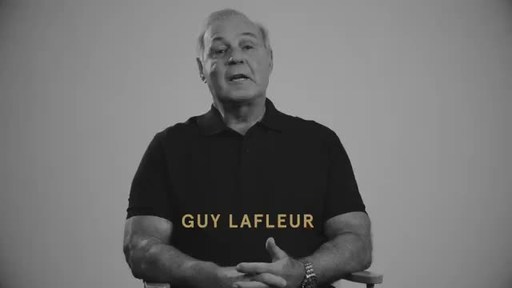
Merck Canada and Guy Lafleur Team Up Against Lung Cancer
Campaign for Lung Cancer Awareness Month aims to empower Canadians to be the MVP in the fight against lung cancer
KIRKLAND, QC, Nov. 8, 2021 /CNW/ - In the face-off against lung cancer, early detection is key. That's why Merck Canada and former hockey player Guy Lafleur are teaming up to launch Be the MVP, a new public awareness campaign marking Lung Cancer Awareness Month in November, with support from a network of Canadian lung health advocacy organizations including: Lung Cancer Canada, the Lung Health Foundation, L'Association pulmonaire du Québec, Coalition Priorité Cancer au Québec and the Canadian Lung Association. The campaign aims to empower Canadians to take charge of their health by learning the symptoms and risk factors of lung cancer, which can help to gain an advantage on the disease through earlier diagnosis.
Late-stage diagnosis a challenge for Canadians facing lung cancer
When former NHL player and hockey legend, Guy Lafleur, was diagnosed with lung cancer in 2019, fans and former teammates rallied in support, giving him strength in the fight against the disease. By lending his voice to the Be the MVPcampaign, Guy intends to extend the same support to those who may be at risk for lung cancer.
"As they say, the best defence is a good offence, and it's the same with your health. When I was diagnosed, it was completely unexpected. I didn't think I was at risk, but now, I am incredibly grateful to my team of healthcare professionals and loved ones who have supported me through every step of this journey," said Guy Lafleur. "I wanted to be a part of this campaign because I hope Canadians will hear my story and find the strength and courage to talk to their doctor if they're at risk. That's what I'm passionate about – getting more people aware of the symptoms and risk factors so they can talk to their doctor as soon as possible. This way they can get right to the game plan of their disease."
More Canadians are diagnosed with lung cancer than any other type of cancer,1 with over 20,000 estimated deaths in 20201 – more than the deaths caused by colorectal, pancreatic and breast cancer combined.2 In fact, half of lung cancer cases in Canada are diagnosed in stage 4.2 This can make lung cancer more difficult to treat, resulting in poor prognosis and one of the lowest survival rates of all types of cancer. 2
Early detection a possibility through patient empowerment
From smoking habits, to personal and family medical history, to exposure to chemicals, there are a number of contributing factors that may increase one's risk of lung cancer.3 Early on, people with lung cancer may not have any symptoms, or they may not realize that their symptoms are caused by lung cancer. Knowing the symptoms, and when to speak up, could make the difference for Canadians and their loved ones. Some common symptoms4 associated with lung cancer include a cough that doesn't go away, shortness of breath and constant chest pains that get worse when you breathe deeply.
"The unfortunate reality for too many Canadians and their loved ones, is that lung cancer isn't getting diagnosed early enough. We take our mission to save and improve lives very seriously, so we're thrilled to partner with Mr. Lafleur, whose story resonates with so many, to help raise awareness," said Marwan Akar, President and Managing Director, Merck Canada.
For more than 130 years, Merck, known as MSD outside of the United States and Canada, has been inventing for life, bringing forward medicines and vaccines for many of the world's most challenging diseases in pursuit of our mission to save and improve lives. We demonstrate our commitment to patients and population health by increasing access to health care through far-reaching policies, programs and partnerships. Today, Merck continues to be at the forefront of research to prevent and treat diseases that threaten people and animals – including cancer, infectious diseases such as HIV and Ebola, and emerging animal diseases – as we aspire to be the premier research-intensive biopharmaceutical company in the world.
In Canada, Merck markets a broad range of vaccines, pharmaceutical and animal health products and is one of the top R&D investors in Canada, with investments totaling $93.58 million in 2020 and more than $1.3 billion since 2000. Based in Kirkland, Québec, Merck employs approximately 592 people across the country. For more information about our operations in Canada, visit www.merck.ca and connect with us on YouTube and Twitter @MerckCanada.