RYAH Medtech Inc. Completes Initial Shipment for Major UK-based Clinical Trial
TORONTO, June 01, 2021 (GLOBE NEWSWIRE) -- via InvestorWire – RYAH Group, Inc. (CSE:RYAH) (“RYAH” or the “Company”) is pleased to announce that it has completed the first shipment of the RYAH Smart Dry Herb Inhalers which includes a delivery of approximately 10,000 RYAH Cartridges and QR Codes to an international clinic (the “Clinic”) undertaking one of the world’s largest and most comprehensive clinical trials in plant-based medicine. The initial shipment is designated to be used by the Clinic in a pilot run in preparation for the previously announced study, based out of the United Kingdom, on the safety and efficacy of cannabis and hemp for the treatment of patients suffering from chronic pain.
The 5-year study is expected to cover tens of thousands of patients suffering from chronic pain, which makes it one of the largest and most ambitious research projects to be conducted in the plant-based treatment arena. Given the size and scale of the study, RYAH has developed a custom software solution, using OAuth API-integration to protect the privacy of the participants in the study, with the goal of enabling a fully integrated, patient feedback and data collection capability. The combination of an IoT controlled device and direct API data integration with the Clinic’s Electronic Health Record (EHR) system is expected to enable scale and mitigate a number of variables associated with data collection and interpretation which are often performed manually for both dose measurement and patient feedback.
“We are pleased to bring RYAH’s IoT device and integrated data solutions to the United Kingdom, providing a new level of session accuracy, patient feedback consistency, and data integrity to the clinical framework in plant-based medicine research. We continue to evolve our product and software solutions to help clinicians and researchers unlock breakthroughs in clinical research and analytics,” said Gregory Wagner, CEO of RYAH Group, Inc.
The medicinal cannabis market within the United Kingdom keeps growing and by 2024 it is predicted to be worth nearly US$1.3 billion, servicing nearly 340,000 active patients. According to a report by the United Nation's International Narcotics Control Board, before legalization, the U.K. has emerged as the largest producer and exporter of legalized cannabis for medical and research applications.
About RYAH Group, Inc.
RYAH Group, Inc. (‘RYAH’) is a connected device and big data and technology company focused on valuable predictive analysis in the global medical plant and nutraceutical intake industry. Its robust artificial intelligence platform aggregates and correlates HIPAA-compliant patient data, which is intended to help doctors and patients personalize plant-based treatments to better predict treatment outcomes. The data collection is relevant for clinics, doctors, dispensaries and pharmaceutical companies and Licensed Processors (LPs) to monitor and manage formulation effects on patient and demographics. With a strong IP portfolio, RYAH gathers deep and insightful data on the complete patient session and formulation lifecycle.
Forward-Looking Statements
Certain statements contained in this press release constitute “forward-looking information” as such term is defined in applicable Canadian securities legislation. The words “may,” “would,” “could,” “should,” “potential,” “will,” “seek,” “intend,” “plan,” “anticipate,” “believe,” “estimate,” “expect” and similar expressions (or the negative of these terms) are intended to identify forward-looking information. All statements other than statements of historical fact may be forward-looking information. Forward-looking statements in this press release include statements relating to (i) the Clinic's a pilot run and/or the previously announced study on the safety and efficacy of cannabis and hemp for the treatment of patients suffering from chronic pain, (ii) the projected size of the medicinal cannabis market within the United Kingdom, and (iii) RYAH's custom software solution, and in particular, its capacity to protect the privacy of the participants and to enable a fully-integrated, patient feedback and data collection capability. Readers are further cautioned that the assumptions used in the preparation of such forward-looking statements, including, but not limited to, the assumption that (i) the Company's financial condition and development plans do not change as a result of unforeseen events, (ii) there will continue to be a demand and market opportunity for the Company and its subsidiaries' product offerings, and (iii) current and future economic conditions will neither affect the business and operations of the Company nor its ability to capitalize on anticipated business opportunities, although considered reasonable by management of the Company at the time of preparation, may prove to be imprecise and result in actual results differing materially from those anticipated, and as such, readers are cautioned not to place undue reliance on forward-looking statements.
Forward-looking information reflect the Company’s current views and intentions with respect to future events, and current information available to the Company, and are subject to certain risks, uncertainties and assumptions. Many factors could cause the actual results, performance or achievements that may be expressed or implied by such forward-looking information to vary from those described herein should one or more of these risks or uncertainties materialize. These risks include, without limitation, risks associated with or inherent in (i) the general business and economic conditions in the regions in which the Company operates, (ii) the ability of the Company and its subsidiaries to execute on key priorities (including completion of acquisitions and strategic plans, and the retention of key executives), (iii) the ability of the Company to integrate newly acquired businesses, (iv) the expected benefits of RYAH’s user-generated, HIPAA-compliant data, and the anticipated results and experience of users may receive from using RYAH products, (v) the Company's ability to implement business strategies and pursue business opportunities, (vi) disruptions in or attacks (including cyber-attacks) on the Company’s information technology, internet, network access or other voice or data communications systems or services, (vii) the evolution of various types of fraud or other criminal behavior to which the Company is exposed, (viii) the failure of third parties to comply with their obligations to the Company or its affiliates, (ix) changes to, or the application of, laws and regulations legal and regulatory risks inherent in the cannabis industry, and (x) cannabis-related products manufactured for human consumption (including potential product recalls). Should any such factor affect the Company in an unexpected manner, or should assumptions underlying the forward-looking information prove incorrect, the actual results or events may differ materially from the results or events predicted. The forward-looking information included in this press release is made as of the date of this press release, and is expressly qualified in its entirety by this cautionary statement. The Company undertakes no obligation to publicly update or revise any forward-looking information, other than as required by applicable law.
This press release includes market and industry data that has been obtained from third party sources, including industry publications. The Company believes that the industry data is accurate and that its estimates and assumptions are reasonable, but there is no assurance as to the accuracy or completeness of this data. Third party sources generally state that the information contained therein has been obtained from sources believed to be reliable, but there is no assurance as to the accuracy or completeness of included information. Although the data is believed to be reliable, the Company has not independently verified any of the data from third party sources referred to in this press release or ascertained the underlying economic assumptions relied upon by such sources.
New commitment to supporting sex and gender-based brain research in Canada
Brain Canada and Women’s Brain Health Initiative join forces to fund critical sex and gender brain research
MONTREAL, June 01, 2021 (GLOBE NEWSWIRE) -- Women’s Brain Health Initiative (WBHI) and Brain Canada have joined forces to launch the first ever Brain Canada-WBHI Expansion Grants: Considering Sex and Gender Program, a new initiative to support the implementation, or continuation, of sex and gender considerations for research funded by the two organizations. The projects focus on aging, neurodegeneration or stroke. Six grants of up to $105,000 will be awarded for a total investment of $630,000 in the amplification of sex and gender-based research.
“As a funding agency, we have a responsibility to support these considerations in the work we enable —we must all acknowledge that sex and gender differences exist,” says Brain Canada CEO and President Dr. Viviane Poupon. “Through this partnership with WBHI, we can together be a guiding light for researchers, and along the way inspire our partners and other agencies, to enable and encourage this aspect of research through funding.”
The distinction between sex and gender has become increasingly important in science and research due to the differences in risk for developing a disease as well as in treatment response.
"Women suffer from depression, stroke and dementia twice as much as men and an astounding 70 per cent of new Alzheimer's patients are women. Despite this, the vast majority of research into these conditions has focussed on male brains," says WBHI founder and president Lynn Posluns. "By incentivizing gender-based research, we are giving women a fighting chance to protect their brain health. This partnership is not just about funding — it's a call to action for gender equity in scientific research."
The Brain Canada-WBHI Expansion Grants are designed to encourage researchers to incorporate sex and gender-based analysis (SGBA)-driven research hypotheses into their existing work by contributing to overcoming barriers in research and creating a foundation for sex and gender considerations to become standard practice within the scientific community.
Evidence clearly shows that increasing equity, diversity, and inclusion (EDI) in research environments enhances excellence, innovation, and creativity. Brain Canada and WBHI are committed to excellence through equity and encourage applicants of diverse backgrounds to apply to our funding opportunities.
Funding for the Brain Canada-WBHI Expansion Grant: Considering Sex and Gender Program has been made possible by WBHI's annual Stand Ahead Challenge fundraising campaign, and through the Canada Brain Research Fund, an innovative partnership between the Government of Canada (through Health Canada) and Brain Canada.
About Brain Canada:
Brain Canada is a national non-profit organization that enables and supports excellent, innovative, paradigm-changing brain research in Canada. It plays a unique and invaluable role as the national convener of the brain research community. Brain Canada understands that better insight into how the brain works contributes to the prevention, diagnosis, treatment and cure of disorders of the brain, thereby improving the health outcomes and quality of life of all Canadians. To learn more, please visit braincanada.ca.
About Women’s Brain Health Initiative:
Women’s Brain Health Initiative (WBHI) is a Canadian and U.S. charitable foundation established in 2012 and is solely dedicated to protecting the brain health of women. WBHI helps protect women’s brain health by focusing its resources on research to combat brain-aging disorders that disproportionately affect women, and by creating compelling preventative health programs, grounded in science, so there is a greater understanding of the best ways to prolong our cognitive vitality. For more information, please visit womensbrainhealth.org
The weather is warming up and you’ve already watched everything on Netflix. Now’s the time to lace up your sneakers and head outdoors to get moving.
National Health and Fitness Day is coming up June 5, a time to celebrate the benefits of activity and share the ways we can move, feel good and really enjoy the great outdoors. Whether it’s a hike, a run, some yoga or calisthenics in the park, Canadians can find ideas to get moving for better mental and physical health.
To help you get started, or give you new ideas, six fitness professionals shared their favourite outdoor workout locations in cities across canada. All are available for interview to share their outdoor fitness tips and we would be happy to provide you with video to show what they do at these locations. Please let me know if you're keen to follow up for an outdoor fitness story.
Thanks for your consideration.
Holly Dunn 782-640-1646
St. John’s
Maria Htee, personal trainer, GoodLife Fitness
Signal Hill - I would usually walk up the back of Signal Hill and sprint up the stairs for a few rounds. On a way up, you can feel and smell the fresh air from the ocean. You can also find some chairs on the way up to rest and take in the ocean view. If you are lucky, you may even catch a glimpse a nesting Eagle.
Mile One Stairs - A perfect place to get your cardio in. That is what saved me during the lockdown - I went there every morning to get my day started. You can bring bands and a skipping rope with you and super set a few exercises together to get a great workout.
Halifax
Michelle Ryder, group fitness instructor, GoodLife Fitness
Africville Park - I do a ‘choose your own adventure’ workout with whatever I find at the park. Sometimes it's a step or HIIT-style workout off of old concrete foundations. Other times it’s plyometrics in the field, running on the trails, or using the benches for box jumps.
Fort Needham Park - Nothing refreshes my love for the city like running the stairs at Fort Needham park. It’s situated on a hilltop, giving you some awesome views of the city and the harbour. There are also great trails to run, and even an off-leash dog park if you want to get some exercise with a furry friend.
Ottawa
Abby Johnson-Bertran, personal trainer and fitness instructor, GoodLife Fitness
Mer Bleue Bog - With more than 20 km of trails, Mer Bleue is great for year-round hiking, and even snowshoeing and cross-country skiing. It’s a bigger space so my family has been visiting the trails more often during lockdown just to get out of the house and get some fresh air.
Chapman Mills Conservation Area - My favourite thing to do is to walk the scenic trails and stop at the lookouts and grassy spots. I usually find a quiet spot to do yoga at the end of my walk. It’s energizing to do practice your poses overlooking the Rideau River with the birds chirping and sun shining.
Toronto
Kathleen Fursey, personal trainer and group fitness instructor, GoodLife Fitness
Sunnyside Beach - Situated on the lakefront area of Toronto, it includes a beach and park along Lake Ontario’s Humber Bay. I enjoy walks along the boardwalk because it’s invigorating to hear and see the water close by, and even taking my shoes off to feel the sand between my toes to ground myself.
Riverdale Park - A spacious park that is on a slope… Great for hill running drills! It’s even more special when my workout is close to the end of the day and I can catch a gorgeous sunset as well, with a clear view of the downtown skyline.
Winnipeg
Kathryn McKenzie, kinesiologist, personal trainer & group fitness instructor, Surefire Fitness
Bishop Grandin Greenway - One of the best features of the city is the extensive trail system that extends to most areas. The wider paved paths are all excellent choices for a walk, run, pedal, or inline skate. Bishop Grandin is one of the longer ones, but Northeast Pioneers Greenway or Chief Peguis trail are great options too.
Terry Fox Fitness Trail - If your preference favours areas that are a bit more rugged, look no further than the trails that run along the riverbanks of the Red and Assiniboine. The Terry Fox Fitness Trail is a great one, and is outfitted with fitness equipment along the path for completing a full body training circuit.
Calgary
Inno Delarmente, group fitness instructor, GoodLife Fitness
Battalion Park Stairs - My ’go to’ cardio stair challenge is the Battalion Park Stairs. It’s one of Calgary’s more historic parks, featuring those giant stone regiment numbers you can see from all over the city. There are three sets of stairs that I run to get my heart rate up and stay in shape between classes, plus there’s an excellent view at the top.
Edworthy Park - Calgary is lucky to have so many parks with well-maintained outdoor fitness equipment. My favourite of these is probably Edworthy Park, right on the river. Outdoor ellipticals, chest press machines, pull-up bars – even a leg press. Plus it’s super ‘outdoorsy’ feeling with lots of trails and log-carved stairs for running.
Health Canada Approves ABECMA™ (idecabtagene vicleucel), the First and Only Anti-BCMA CAR T cell Therapy for Relapsed and Refractory Multiple Myeloma
ABECMATM is the first personalized cell therapy available to Canadian patients for the treatment of adults with multiple myeloma who have received at least three prior therapies and who are refractory to their last treatment 1
MONTREAL, May 31, 2021 /CNW/ - Bristol Myers Squibb Canada (BMS) today announced Health Canada has granted conditional approval (NOC/c) for ABECMATM (idecabtagene vicleucel; ide-cel) as the first and only B-cell maturation antigen (BCMA)-directed chimeric antigen receptor (CAR) T cell immunotherapy for adults with multiple myeloma (MM). ABECMATM is indicated for MM patients who have received at least three prior therapies, including an immunomodulatory agent, a proteasome inhibitor, and an anti-CD38 antibody and who are refractory to their last treatment.2 This conditional approval is based on the results of the pivotal Phase II KarMMa study which demonstrated ABECMATM's ability to deliver rapid, deep and durable responses with a single infusion.3
"Today's approval is an important milestone in the treatment of multiple myeloma in Canada," says Dr. Christine Chen, Medical Director of Clinical Immune Effector Cell Therapy at Princess Margaret Cancer Centre. "Unlike traditional treatments, ABECMATM is a one-time infusion. That means the therapy continues to put pressure on the disease while sparing patients the need for multiple treatment cycles. It offers them a treatment-free interval where they can experience a more normal life."
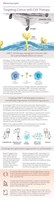
ABECMATM, a CAR T therapy, uses patients' T cells to create a personalized version of their own immune system, potentially improving the chances of anti-tumour response long after treatment administration.4,5,6,7 As an anti-BCMA CAR T cell therapy, ABECMATM recognizes and binds to BCMA, a protein that is nearly universally expressed on cancer cells in MM, leading to the death of BCMA-expressing cells.8
"Nine Canadians are diagnosed with multiple myeloma every single day, but despite the growing prevalence, current treatment options are not enough and there continues to be a critical unmet need for patients who have received many therapies," says Martine Elias, Executive Director, Myeloma Canada. "Introducing CAR T therapy means there is now an important new option for Canadians living with advanced multiple myeloma."
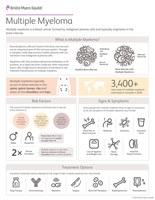
MM is a hematologic cancer which develops when a buildup of malignant plasma cells forms in the bone marrow and limits the ability for other blood cells to develop and work normally.9 In 2020 alone, an estimated 3,400 Canadians were diagnosed with MM,10 and an estimated 7,460 currently live with MM.11 An incurable disease that mutates over time, the natural progression of multiple myeloma is for patients to experience relapsed/refractory MM (RRMM). This results in an increased burden of disease and decreased depth and duration of response to each successive line of therapy.12,13,14,15,16,17
"ABECMATM is the first of a portfolio of CAR T therapies BMS currently has in development, addressing the needs of patients who have limited treatment options," says Al Reba, General Manager, Bristol Myers Squibb Canada. "Working with our network of treatment facilities across Canada, this approval is a critical step in our journey to bring innovative cell therapies to Canadians living with advanced blood cancers such as multiple myeloma."
Health Canada's approval of ABECMATM is based on the results of the Phase II KarMMa trial of 122 patients with RRMM who received at least three prior therapies including an immunomodulatory agent, a proteasome inhibitor and an anti-CD38 antibody and who were refractory to their last treatment.18 The conditional approval is based upon the overall response rate, complete response rate, and durability of response.19 Patients included in the trial were heavily pretreated with 84% being refractory to all three classes of treatment.20 The median duration of follow-up throughout the KarMMa trial was 13.3 months.21 ABECMA demonstrated an overall response rate of 74% and a complete response (CR) rate of 32%.22 The onset of response was rapid with a median time to response of one month.23
Median duration of response was 11 months in those who achieved a partial response (PR) or better and 19 months for those who achieved a CR.24 An improvement in progression-free survival or overall survival has not yet been established.25
The safety profile of ABECMATM was generally manageable 26 with, most adverse events occurring in the first 8 weeks of therapy, except for those of hypogammaglobulinemia and infections.27 The most common nonlaboratory AEs included cytokine release syndrome (CRS), infections – pathogen unspecified, diarrhea, fatigue, nausea, viral infections, encephalopathy, pyrexia, cough, decreased appetite, headache, edema and hypogammaglobulinemia.28 Serious AEs occurred in 67% of patients.29 The most common serious AEs included CRS, general physical health deterioration, pneumonia, and febrile neutropenia.30 The most common Grade 3 or 4 nonlaboratory AEs were febrile neutropenia and infections – pathogen unspecified.31 In patients with persistent neutropenia the median time to recovery was 1.9 months.32 In patients with persistent thrombocytopenia, the median time to recovery was 2.1 months.33
About Bristol Myers Squibb Cell Therapy Research Through novel manufacturing approaches and a well-established supply chain platform across a broad network of state-of-the-art facilities, BMS is advancing cell therapy research. Having established immunotherapy manufacturing facilities with cutting-edge technologies and highly trained manufacturing teams, BMS works to make cell therapy possible for Canadian patients in need.
BMS' investment into the use of next-generation technology to optimize the manufacturing process and capacity will serve to decrease complexities and turnaround time, improve product control and reduce manufacturing costs. These efforts ultimately reduce the cost of these novel therapies to ensure patients can receive their treatment as quickly and as safely as possible.
About Ide-cel Ide-cel is a B-cell maturation antigen (BCMA)-directed genetically modified autologous chimeric antigen receptor (CAR) T cell immunotherapy.34 The ide-cel CAR is comprised of a murine extracellular single-chain variable fragment (scFv) specific for recognizing BCMA followed by a human CD8α hinge and transmembrane domain fused to the T cell cytoplasmic signaling domains of CD137 (4-1BB) and CD3ζ chain, in tandem.35 Ide-cel recognizes and binds to BCMA on the surface of multiple myeloma cells leading to CAR-positive T cell proliferation, cytokine secretion, and subsequent cytolytic killing of BCMA-expressing cells.36
About Bristol Myers Squibb Canada Bristol Myers Squibb Canada Co. is an indirect wholly-owned subsidiary of Bristol Myers Squibb Company, a global biopharmaceutical company whose mission is to discover, develop and deliver innovative medicines that help patients prevail over serious diseases. For more information about Bristol Myers Squibb global operations, visit www.bms.com. Bristol Myers Squibb Canada Co. delivers innovative medicines for serious diseases to Canadian patients in the areas of cardiovascular health, oncology, and immunoscience. Bristol Myers Squibb Canada Co. employs close to 400 people across the country. For more information, please visit www.bms.com/ca.
1 ABECMATM Product Monograph. Bristol Myers Squibb. May 27, 2021.
2 ABECMATM Product Monograph. Bristol Myers Squibb. May 27, 2021.
3 ABECMATM Product Monograph. Bristol Myers Squibb. May 27, 2021.
4 ABECMATM Product Monograph. Bristol Myers Squibb. May 27, 2021.
5 Wang DY, Johnson DB, Davis EJ. Toxicities associated with PD-1/PD-L1 blockade. Cancer J. 2018;24(1):36-40.
6 Davila ML, Riviere I, Wang X, et al. Efficacy and toxicity management of 19-28z CAR T cell therapy in B cell acute lymphoblastic leukemia. Sci Transl Med. 2014;6(224):224ra25.
7 Teachey DT, Bishop MR, Maloney DG, Grupp SA. Toxicity management after chimeric antigen receptor T cell therapy: one size does not fit 'ALL.' Nat Rev Clin Oncol. 2018;15(4):218.
8 ABECMATM Product Monograph. Bristol Myers Squibb. May 27, 2021.
12 Kumar S. Treatment of Newly Diagnosed Multiple Myeloma in Transplant-Eligible Patients. Current Hematologic Malignancy Reports. 2011;6(2):104-112. http://www.ncbi.nlm.nih.gov/pubmed/21394431.
13 Kumar S K, Lee J H, Lahuerta J J, et al. Risk of progression and survival in multiple myeloma relapsing after therapy with IMiDs and bortezomib: A multicenter international myeloma working group study. Leukemia. 2012;26(1):149-157. http://www.ncbi.nlm.nih.gov/pubmed/21799510.
14 Nijhof I, Donk N, Zweegman S, Lokhorst H. Current and New Therapeutic Strategies for Relapsed and Refractory Multiple Myeloma: An Update. Drugs. 2018;78(1):19-37. http://www.ncbi.nlm.nih.gov/pubmed/29188449.
15 Sonneveld P. Management of multiple myeloma in the relapsed/refractory patient. Hematology Am Soc Hematol Educ Program. 2017;2017(1):508-517. http://www.ncbi.nlm.nih.gov/pubmed/29222299.
16 Sonneveld P. Management of multiple myeloma in the relapsed/refractory patient. Hematology Am Soc Hematol Educ Program. 2017;2017(1):508-517. http://www.ncbi.nlm.nih.gov/pubmed/29222299.
17 Usmani SZ, Weiss BM, Plesner T, et al. Clinical efficacy of daratumumab monotherapy in patients with heavily pretreated relapsed or refractory multiple myeloma. Blood. 2016;128(1):37-44. http://www.ncbi.nlm.nih.gov/pubmed/27216216.
18 ABECMATM Product Monograph. Bristol Myers Squibb. May 27, 2021.
19 ABECMATM Product Monograph. Bristol Myers Squibb. May 27, 2021.
32 ABECMATM Product Monograph. Bristol Myers Squibb. May 27, 2021.
33 ABECMATM Product Monograph. Bristol Myers Squibb. May 27, 2021.
34 ABECMATM Product Monograph. Bristol Myers Squibb. May 27, 2021.
35 ABECMATM Product Monograph. Bristol Myers Squibb. May 27, 2021.
36 ABECMATM Product Monograph. Bristol Myers Squibb. May 27, 2021.
SOURCE Bristol Myers Squibb Canada Co.
Brain Cancer Canada Funds Groundbreaking Glioblastoma Treatment Research
TORONTO, May 31, 2021 (GLOBE NEWSWIRE) -- May 31 marks the end of Brain Cancer Awareness Month. On this day, Brain Cancer Canada turns awareness into action by emphatically supporting groundbreaking research into brain cancer treatment. The charity has made $100,000 available to Dr. Sheila Singh and her research group at McMaster University to target recurrent Glioblastomas (GBMs) with generous support from sponsors, including Scotia Wealth Management, Yamana Gold, and Hampton Securities.
Dr. Singh and her team focus on stem-like cells driving recurrent GBMs' functionality, using CRISPR technology to identify a series of essential genes in cancer cells as potential points-of-attack. Specially targeting antibodies or immunotherapies could then disable the function of those genes, potentially offering a new method to treating recurrent GBMs.
"Brain Cancer Canada is stepping up to fund research that is in an uncertain but promising stage," said Dr. Sheila Singh, Pediatric Neurosurgeon at McMaster Children's Hospital and Professor of Surgery and Scientist at McMaster University's Michael G. DeGroote School of Medicine. "Early-stage research is harder to get funded but is so essential to make a difference. The funding we are receiving today allows us to explore and solidify hopeful indications that there might be a viable therapy in our approach".
GBMs are the most aggressive and common primary brain cancers. The outcomes for patients are devastating. Most patients undergo surgical removal, radiation and chemotherapy, which can significantly affect their quality of life. On average, GBMs regrow seven to nine months after diagnosis. Most patients do not survive beyond fifteen months after diagnosis. The five-year survival rate is only between 5.5-6.8%.
Recurrent GBMs are significantly different from patients' original GBMs. They respond substantially less to treatment, causing them to be fatal. Successfully targeting the unique makeup of these recurrent GBMs could potentially mean a breakthrough.
"Our charity focuses on supporting the fight against brain cancers by funding research, treatment and technology," said Brain Cancer Canada Chair Angela Scalisi. "I am grateful to the generous donors that contributed to this research. We were able to put their donations to use on the day we closed Brain Cancer Awareness Month. That is an impressive result for an organization without any paid employment. It shows that we can quickly deliver as much of our funds where they belong, thanks to the bold efforts of our Volunteers, Ambassadors and Board Members."
"It has been over fifteen years since we have seen a breakthrough in treating brain cancers," said Marc Peeters, Director Partnerships and Stakeholders at Brain Cancer Canada. "Dr. Singh and her team at Sheila Singh Lab are taking an innovative, multidisciplinary approach to unlock new possibilities that are so needed. By supporting their work, we believe we can work step-by-step towards the next critical discovery that could help end this fight in favour of brain cancer patients. This is just a first step in our journey with Sheila Singh Labs and McMaster University, and we look forward to supporting more projects in the future".
Dr. Adam Kassam becomes president of the Ontario Medical Association
TORONTO, May 29, 2021 /CNW/ - Dr. Adam Kassam became the 140th president of the Ontario Medical Association today, the youngest president in the association's history, the first physiatrist and first Ismaili Muslim.
Dr. Kassam's induction as president for a one-year term took place during the first Annual General Meeting following sweeping governance changes approved last fall.
Dr. Kassam said the three priorities for his presidency were advocating for physicians, working with partners to rebuild the health-care system after the pandemic, and modernizing the OMA to make it an even more transparent, accountable and effective organization for the province's 43,000 physicians.
"Through the hundreds of conversations I've had with doctors across Ontario this past year, whether in the hospital or clinic, during our vaccination drives or over Zoom, I have been inspired by your advocacy, work and sacrifice," Dr. Kassam said in his first presidential address. "Through it all, you have shown all of Ontario what can be accomplished through collaboration, compassion and courage. These are the key principles – the three Cs – that will underpin my work during my term as president."
The OMA's two-day meeting is being held virtually due to the COVID-19 pandemic, as was last year's final meeting of the OMA Council. The 250 member-elected delegate Council is being replaced with a leaner General Assembly as part of governance changes aimed at making the OMA the most effective and modern organization possible. The weekend will conclude with an orientation session of the new General Assembly.
Dr. Kassam, who is 33, works as a physiatrist – a rehabilitation specialist -- and clinical associate at Runnymede Healthcare Center and Athlete's Care in Toronto and is a faculty lecturer at the University of Toronto's Division of Physical Medicine and Rehabilitation. His clinical practice focuses on musculoskeletal and neurological rehabilitation of patients who have had muscle, bone or nerve injuries.
Dr. Kassam was born and raised in Toronto, the son of a Kenyan mother and Tanzanian father. He is the first in his immediate family to graduate from university and become a doctor. He received his undergraduate degree from Cornell University, where he majored in neurobiology, and holds an MD from Dartmouth Medical School and a master's degree in public health from Columbia University. He completed his residency in physical medicine and rehabilitation at Western University.
Dr. Kassam succeeds Dr. Samantha Hill as OMA president. Dr. Hill's accomplishments as president included raising the profile and voice of physicians with the public, government and stakeholders to new heights. During her tenure she did about 350 media interviews, the majority of which focused on providing accurate information about COVID. She also made equity, diversity and inclusion a pillar of her presidency, which included a groundbreaking report showing a substantial pay gap exists between male and female physicians. Dr. Hill will continue to serve the OMA as past-president.
"They say, 'Let no crisis be wasted.' COVID was and is an international crisis of epic proportions, which presented opportunities to showcase members to the public, raise physician street cred, and promote awareness of all the ways you help Ontarians," Dr. Hill said in her farewell address. "COVID presented opportunities to reinforce the need for physician leadership in addressing health-care initiatives such as Ontario Health Teams, vaccinations, mental health and acute and chronic care backlogs. Sadly, COVID also presented an opportunity to raise the spectre of gender and race inequity within the profession and health care as a whole. All these opportunities came at tragic costs paid in human lives and human suffering. They could not be wasted, and I like to think we didn't."
"I want to thank Dr. Samantha Hill for her outstanding term as president," said OMA CEO Allan O'Dette. "Dr. Hill was a tireless advocate for Ontario's physicians and played a key leadership role in the governance transformation work that will make the OMA a more effective, efficient and agile association."
In late April, OMA members chose Dr. Rose Zacharias to be their president-elect. She is the first president-elect chosen directly by OMA members. Previously, the OMA Council has made the final choice.
Dr. Zacharias is a family physician who for the last 20 years has practiced both as an emergency room physician, medical and psychiatry hospitalist and surgical assistant. Primarily, she has been based at Orillia Soldiers' Memorial Hospital, with a recent transition to Waypoint Centre for Mental Health Care where she also leads wellness initiatives for physicians. She has been a member of the OMA Board of Directors and the OMA Governance and Nominating Committee. Dr. Zacharias will work closely with Dr. Kassam throughout his presidency.
About the OMA
The Ontario Medical Association represents Ontario's 43,000-plus physicians, medical students and retired physicians, advocating for and supporting doctors while strengthening the leadership role of doctors in caring for patients. Our vision is to be the trusted voice in transforming Ontario's health-care system.
SOURCE Ontario Medical Association
First non-physicians in 140 years to serve on smaller, skills-based OMA Board of Directors
TORONTO, May 30, 2021 /CNW/ - The Ontario Medical Association has announced a smaller, skills-based Board of Directors that includes non-physicians for the first time since the organization was founded in 1880.
The new board is made up of 11 directors, reduced from 26, who were elected by the OMA membership based on their skills and expertise. The new board structure and direct elections format is part of sweeping governance changes aimed at modernizing the OMA and making it more nimble and focused.
"The governance changes that enabled this new board will further strengthen the OMA as a world-class organization to better serve our members and the people of Ontario," said OMA CEO Allan O'Dette. "I am proud to serve the new board, our new General Assembly and all 43,000 OMA members. Together we will continue to build on the success that the outgoing board has brought to the OMA."
The eight physician directors have held leadership roles at the OMA and in the broader community, while the three non-physician directors hold prominent roles in the private sector and bring a unique perspective to governing the OMA. The new board will elect a chair at its first meeting in June.
Dr. Zainab Abdurrahman is a pediatric clinical immunologist and allergist at McMaster Children's Hospital and an assistant clinical professor at McMaster University. Dr. Abdurrahman is past chair of the OMA's Section of Allergy and Clinical Immunology. She is a new board director and will serve a two-year term.
Dr. Sanjay Acharya is an addictions physician and anesthesiologist based in Ottawa. He is a board director for OMA Insurance and before joining the OMA board served as chair of the OMA Governing Council. He will serve a one-year term.
Denise Carpenter is a board director for Cashco Financial Inc. and Ronald McDonald House Charities. She is chair of Oshawa Power and Utilities and EnerFORGE Renewable Energy boards, and chair of the Audit and Finance Committee of Acquisitions Committee of Synergy North. Carpenter is a new board director and will serve a two-year term.
David Collie is a CPA and president and CEO of the Electrical Safety Authority. He is a founding member of the Energy Transformation Network of Ontario and a member of governance and nominating for the National Association of Pharmacy Regulators of Canada. Collie is a new board director and will serve a two-year term.
Dr. Paul Conte is a primary care physician who has been the chair of the OMA's Governance and Nominating Committee and a member of the OMA's Governance Transformation Implementation Steering Committee. Dr. Conte has been a board director for four years and will serve a one-year term.
Dr. Cathy Faulds is a palliative care physician, a member of the Provincial Primary Care Advisory Committee with the Ministry of Health and an investigations and resolutions assessor with the College of Physicians and Surgeons of Ontario. She is also an adjunct scientist and professor in Western University's Faculty of Medicine. Dr. Faulds is a new board director and will serve a two-year term.
Dr. Audrey Karlinsky is a family physician and assistant professor who was vice-chair of the OMA Finance and Audit Committee and a member of the Strategy and Transformation Committee of the OMA Board of Directors. Dr. Karlinsky has been a board director for four years and will serve a one-year term.
Dr. Adam Kassam is the 2021-2022 OMA President. Dr. Kassam is a physiatrist and clinical associate at Runnymede Healthcare Center and Athlete's Care in Toronto and a faculty lecturer at the University of Toronto's Division of Physical Medicine and Rehabilitation.
Carmen Rossiter is a member of the Audit and Conference Advisory Committees for CPA Canada and the Senior Advisory Panel to the Auditor General of Ontario. She serves as director at the Centre for Governance, Risk Management and Control Excellence with the Schulich Executive Education Centre in Toronto and was on the Board of North York General Hospital for 10 years. Rossiter is a new board director and will serve a one-year term.
Dr. Cynthia Walsh is a radiologist and head of the Ultrasound in the Department of Medical Imaging at The Ottawa Hospital. She is a member of the Ontario Health Provincial Diagnostic Imaging Expert Panel Quality Working Group. Dr. Walsh continues as an OMA board director and will serve a two-year term.
Dr. Hirotaka Yamashiro is a pediatrician and an assistant professor and clinical adjunct lecturer at the University of Toronto, an adjunct professor at Queen's University and a pediatrics peer reviewer for the College of Physicians and Surgeons of Ontario. He is past chair of the OMA's Pediatrics Section and is a new board director. He will serve a two-year term.
OMA President-Elect Dr. Rose Zacharias and Past-President Dr. Samantha Hill support the work of the board, in a non-voting capacity, as officers of the association.
About the OMA
The Ontario Medical Association represents Ontario's 43,000-plus physicians, medical students and retired physicians, advocating for and supporting doctors while strengthening the leadership role of doctors in caring for patients. Our vision is to be the trusted voice in transforming Ontario's health-care system.
SOURCE Ontario Medical Association
Ontario Medical Association Awards Program celebrates its centenary
TORONTO, May 28, 2021 /CNW/ - The Ontario Medical Association Awards Program celebrated its 100th anniversary Friday night by recognizing outstanding physicians, residents, medical students and community leaders for their remarkable achievements and contributions to the medical profession and health care in Ontario.
The awards were presented by OMA Past President Dr. Sohail Gandhi during a gala that was held virtually because of the COVID-19 pandemic.
"We're here tonight to recognize the achievements of our colleagues and while we will name 67 exceptionally deserving individuals, this year you all deserve recognition," said OMA President Samantha Hill, whose one-year term ends Saturday. "I see you and I honour your resilience."
A new Emerging Leader Award was presented for the first time to an early career physician who has demonstrated leadership abilities toward shaping the future of medicine. Award recipients are physicians who act as a positive role model for peers and colleagues with a demonstrated commitment toward meaningful contributions, social responsibility, political advocacy, partnership-relationship building, innovation and health policy.
The first recipient of this award is Dr. Silvy Mathew, a family physician in Toronto who serves on the government-OMA Physician Services Committee and the Mid-West Toronto Ontario Health Team Executive Project Advisory Committee. She was a member of the OMA Board of Directors from May 2018 to May 2020.
"Dr. Mathew is described by her peers as an inspirational leader, evidenced through her clinical and organizational work," said Dr. Gandhi. "Her deep care for her patients makes her an empathetic and effective clinician. She has demonstrated a commitment to social responsibility and is a strong advocate for gender equality in medicine and in society."
This year's other winners:
OMA Life Membership Awards OMA Life Membership is awarded to those members who have made an outstanding contribution to the work of the OMA, the medical profession and medical science, or common good at the provincial level, and have reached the age of 65.
Dr. Susan Abbey
Dr. Katherine Darbyshire
Dr. Raymond Edwards
Dr. Ian Forrest
Dr. Leon Genesove
Dr. Robert Hamilton
Dr. Raymond Harb
Dr. Ingrid Harle
Dr. Anne Hennessy
Dr. John Hollingsworth
Dr. Christopher Jyu
Dr. Byron Lemmex
Dr. Glenn Martin
Dr. Fergus McNestry
Dr. Bharat Nathoo
Dr. Avis Noseworthy
Dr. David Opper
Dr. Michael Paré
Dr. Gregory Peachey
Dr. Roman Preobrazenski
Dr. Kiran Rabheru
Dr. Steven Reinhart
Dr. Michael Semoff
Dr. Lucian Sitwell
Dr. William Splinter
OMA Honorary Membership: Globe and Mail health columnistAndré Picard
Honorary Membership is awarded for having achieved eminence in science and/or the humanities through outstanding service to the OMA, to the medical profession, to medical science or to serve the common good at the provincial level. Members are usually non-physicians.
OMA Centennial Award Lisa Paul of St. John Ambulance, who worked closely with the OMA obtaining PPE during the pandemic
Established to commemorate the OMA centennial in 1980, the Centennial Award is awarded to a non-physician in recognition of outstanding achievements in serving the health and welfare of the people of Ontario through lengthy service and/or distinguished acts.
Distinguished Service Award Dr. Albert Ng
The Distinguished Service Award is awarded to a member of the OMA for exceptional long-standing service to the OMA and patients of Ontario.
Mentor for Students and Residents Award Dr. Kelly Howse
The Mentor for Students and Residents Award is awarded to a physician or non-physician in recognition of outstanding contributions that have significantly benefited the medical students or residents of Ontario.
Presidential Award Dr. Ruth Mathieson
The Presidential Award is awarded in recognition of exceptional and long-standing humanitarian service to the greater community (in Ontario or elsewhere) that brings honour to the medical profession. The award recipient by their actions expresses the highest qualities of service by a physician that we all admire.
Glenn Sawyer Service Award
This award was established in 1972 in honour of Dr. Glenn Sawyer, the longest-serving General Secretary of the OMA. It is awarded in recognition of significant service to the OMA, medical profession, or public at the community level.
Dr. Mariana Silva
Dr. Shabbir Amanullah
Dr. Dusan Sijan
Dr. Gary Smith
Dr. Jonathan Fitzsimon
Dr. Ron Taylor
Dr. Jegapathy Rajendra
Dr. Sharon Bal
Community Service Award
The Community Service Award is presented annually to non-physicians for significant contribution to the health and welfare of the people of a local community, as defined by involvement in community health and public welfare, including length of involvement, roles fulfilled in local organizations and personal achievements.
Wendy Muckle
Fred Larsen
Brian Smith
Section Service Award
The Section Service Award is awarded in recognition of significant service to the section, medical profession, or public within a section.
Dr. Adam Stewart – SGFP
Dr. Karima Khamisa – Hematology
Dr. Harold Pupko – PCMH
Dr. Janice Willett – OBGYN
Medical Student Achievement Award
The Medical Student Achievement Award is awarded for significant contributions at the political and/or community level that help advance the life and/or education of all medical students. The award may be presented annually to one student from each of the six provincial medical schools.
Celine Sayed (University of Ottawa)
Ushma Purohit (University of Toronto)
Brintha Sivajohan (Western University)
Ikunna Nwosu (Queen's University)
Christine Miller (NOSM)
Kay Wu (McMaster University)
OMA Resident Achievement Award
The Resident Achievement Award is awarded for outstanding contribution to the advancement of postgraduate training. As of 2007, the award may be presented annually to one resident from each of the six provincial medical schools.
Dr. Athena Young (Northern Ontario School of Medicine)
Dr. Christopher Clarkstone (McMaster University)
Dr. Jonathan Cluett (Queen's University)
Dr. Megan Lim (University of Ottawa)
Dr. William Kyle Silverstein (University of Toronto)
Dr. Timothy Miao (Western University)
CMA Honorary Award (Presented by Dr. Ann Collins, President of the Canadian Medical Association)
CMA Honorary Membership is awarded to those members who have made outstanding contributions to the Canadian Medical Association on its Board of Directors, Committees, General Council or to Canadian medicine.
Dr. Howard Adams
Dr. Karen Gulenchyn
Dr. John Thorne
Dr. Susan Wilkinson
Dr. Gary Victor
Dr. Christopher Jyu
Dr. Stephen Buchman
Dr. Francine Lemire
Dr. Martin Padmos
About the OMA
The Ontario Medical Association represents Ontario's 43,000-plus physicians, medical students and retired physicians, advocating for and supporting doctors while strengthening the leadership role of doctors in caring for patients. Our vision is to be the trusted voice in transforming Ontario's health-care system.
You have heard many times that physical fitness is beneficial to your health. Ensure that you can spare some time to engage in physical fitness as part of your daily routine. Many studies have been conducted, and they aim to prove that physical fitness plays a crucial role in ensuring we can lead a healthy life. When you exercise regularly, your physical and mental health will improve significantly. You can also be independent as you grow older. Below are ways in which exercise ensures you will age in a healthy manner.
Physical Activity Ensures You’re Flexible
If you fail to take advantage of your flexibility, you’ll lose it eventually. Your range of motion will also improve when you engage in physical fitness. The degeneration process comprises four steps, and they usually progress naturally as we grow older. Fortunately, exercising helps to ensure the aging process is slowed down. Keep in mind that if one of the joints in your body fails to move through the normal range, there will be a limit to the number of activities you can engage in. For instance, you may struggle to wash your hair or even place dishes in the cupboard. The body will also react negatively when your range of motion is affected. In this case, the body will exert additional pressure on the neck. If the neck or any other body part is overworked, you’ll experience further complications, and the degenerative changes will accelerate.
The Quality of Sleep Will Improve
When youexercise regularly, you will sleep better since the body temperatures fluctuate during the workout session. Exercising ensures you’ll have a deeper sleep, which means you’ll wake up feeling more energetic and refreshed. When you sleep well, your memory, concentration, and standard movement will also improve, and there will be a reduced risk of injuries.
The Risk of Dementia Will Reduce
When you exercise regularly, your body will get enough oxygen, and unnecessary waste in the body organs and muscles will also be eliminated. One of the body organs that will gain significantly is the brain. When the brain has adequate blood flow, the body will manage to get rid of the harmful waste, and you’ll be at a lower risk of suffering from dementia.
Your Bone Health Will Improve
When you focus on strengthening the muscles and maintaining a healthy weight, your bone health will improve. Your risk of suffering from osteopenia and osteoporosis will reduce.
Are you an aging adult? Feel free to engage in physical fitness! We have outlined the benefits of being physically active, and you’re bound to gain significantly.
TRAIN IT RIGHT NEWSLETTER
Sign Up and get a free 7 day Train it Right HIIT Program!

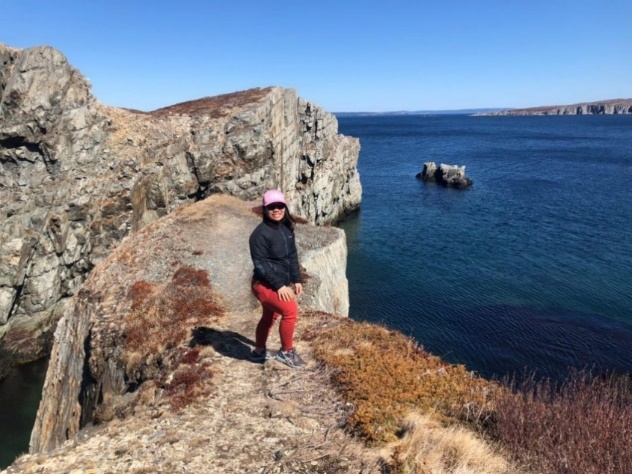 Signal Hill - I would usually walk up the back of Signal Hill and sprint up the stairs for a few rounds. On a way up, you can feel and smell the fresh air from the ocean. You can also find some chairs on the way up to rest and take in the ocean view. If you are lucky, you may even catch a glimpse a nesting Eagle.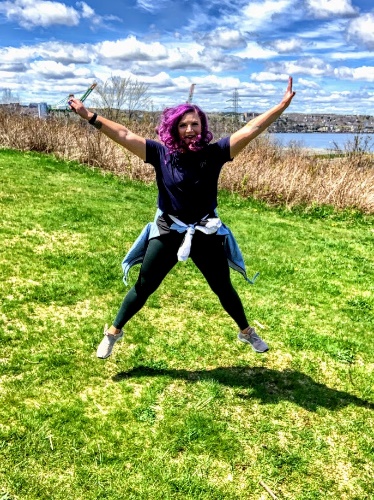
 Mer Bleue Bog - With more than 20 km of trails, Mer Bleue is great for year-round hiking, and even snowshoeing and cross-country skiing. It’s a bigger space so my family has been visiting the trails more often during lockdown just to get out of the house and get some fresh air.
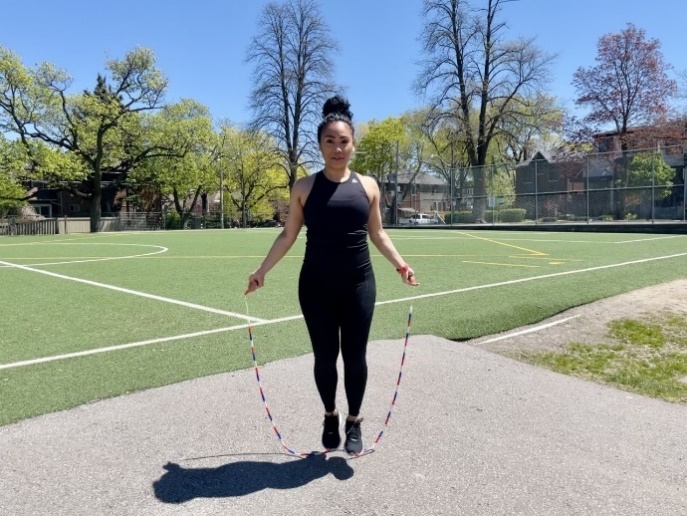 Sunnyside Beach - Situated on the lakefront area of Toronto, it includes a beach and park along Lake Ontario’s Humber Bay. I enjoy walks along the boardwalk because it’s invigorating to hear and see the water close by, and even taking my shoes off to feel the sand between my toes to ground myself.
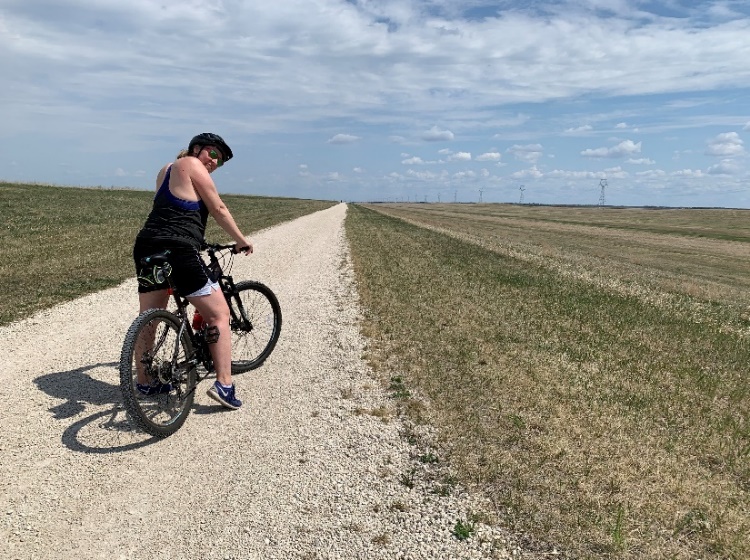 Bishop Grandin Greenway - One of the best features of the city is the extensive trail system that extends to most areas. The wider paved paths are all excellent choices for a walk, run, pedal, or inline skate. Bishop Grandin is one of the longer ones, but Northeast Pioneers Greenway or Chief Peguis trail are great options too.
 Battalion Park Stairs - My ’go to’ cardio stair challenge is the Battalion Park Stairs. It’s one of Calgary’s more historic parks, featuring those giant stone regiment numbers you can see from all over the city. There are three sets of stairs that I run to get my heart rate up and stay in shape between classes, plus there’s an excellent view at the top.