Father of Holistic Medicine Helps People Manage Depression, Anxiety, and Stress Naturally
Dr. Norman Shealy, the father of holistic medicine, promotes natural solutions to manage depression, anxiety, and stress.
May is National Mental Health Awareness month. Dr. Norman Shealy, the father of holistic medicine and founder and President of the Shealy Sorin Wellness Institute, provides natural remedies for depression, anxiety, and stress.
With over 70 years of combined experience in true holistic healthcare and scientific research, the Shealy Sorin Wellness Institute strives to provide the highest standard available educational materials, instruction, guidance, and wellness products to achieve successful outcomes where conventional medicine has failed.
“My goal has always been to help people heal. Much of my work has involved helping treat patients who suffer from chronic back pain. I have been working hard for decades to find another way to help patients manage their pain, depression, anxiety, and stress in a truly effective way that doesn’t require highly addictive medications. Our mission at the Shealy Sorin Wellness Institute is to help empower and touch the lives of millions, to promote true holistic health care, and to share our scientific research and the latest innovations to promote health and wellness. We are putting the HEAL back in HEALthcare,” Dr. Shealy said. “We value and practice a forthright, honest approach. Our goal is to provide our patients to proactively treat and prevent disease, achieve and maintain wellness, increase vitality, to create optimal wellness for everyone we work with.”
In contrast to transitional physicians who focus on modern medicine solutions and medications to lessen discomfort without changing behaviors, holistic physicians use a preventative, whole-body approach to healthcare by combines the best of conventional medicine with complementary and alternative medicine.
Dr. Norman Shealy and partner Dr. Sergey Sorin offer a Biogenics course to reduce anxiety and stress, alleviate chronic pain, and manage difficult emotions. The course teaches how to retrain the brain to help detach from things that cannot be changed. The course focuses on mind, body, and spirit.
C. Norman Shealy, M.D., Ph.D., D. Sc., FACS, DABNS, is president of Shealy -Sorin Wellness Institute and Holos Energy Medicine Education. He is often called the “Father of Holistic Medicine” and founded the American Holistic Medical Association in 1978.
Dr. Shealy created the concept of Holistic Medicine in 1971 with the introduction of the first-of-its-kind Shealy Pain & Rehabilitation Institute, which evolved into the Shealy-Sorin Wellness Institute—addressing patients who have been failed by conventional medicine. Dr. Shealy is a world-renowned neurosurgeon and is well-known for the invention of the spinal cord stimulation procedure and Transcutaneous Electrical Nerve Stimulation (TENS Unit), which are utilized all over the world, among numerous other medical breakthroughs.
PREVENTING BURNOUT IN THE POST-COVID WORKPLACE
PREVENTING BURNOUT IN THE POST-COVID WORKPLACE
Expert Shares How to Cope w the New “Normal” of Work-Life & Why Employee Self-Care is CrucialThe pandemic has dramatically focused our attention on health and wellness allowing us all to reflect on what’s truly important in life: family, physical health, and mental wellness. As America emerges from the pandemic, her workforce will struggle to find a new normal. Working remotely has shifted the paradigm and blurred the lines separating work and personal life. The stress of always-on availability is insidious.
According to Robert Allen, in order for businesses to be successful and competitive in the post-pandemic age, they need to double down on mental health initiatives and have proactive measures in place to help employees adjust and prevent burnout.
"The new “normal” of work-life needs to be focused on health and mental wellness. COVID-19 exacerbated an already existing mental health issue of workplace burnout. The psychological effects of prolonged home confinement have yet to fully emerge...”
...says Allen, a Mental Health Activist and business consultant who is fighting to improve mental health conditions for workers. He is an advocate of engaging workers through innovative mental health initiatives like “self-care training”. Although “self-care” seems like an obvious concept, it is much more intricate and multifaceted than one may think. The truth is, many people do not actually understand what it is or how to use it. According to Allen, promoting self-care in the workplace is crucial.
“Self-Care is a popular buzzword today that conjures up images of bubble baths and yoga...but in actuality, self-care looks different for everyone and is a lot more than skincare and scented candles. It is an incredibly effective strategy to prevent burn-out and increase productivity...”
...says Allen who has seen the significant positive impact of self-care on productivity and profits. A company cannot be successful with unhappy and unhealthy employees. Self-Care is insurance against burnout. It enables you to have healthy relationships and respond to stress appropriately. By modeling what it means to take care of yourself–while also encouraging a culture that supports self-care–you'll prevent burnout among your team. ABOUT ROBERT ALLEN:Robert Allen is a mental health activist, growth coach, and author with multiple advanced degrees in the areas of business, counseling, education, divinity, healthcare, and leadership. With over 20 years of experience in both the public and private sector, Robert has served in various industries, from education, military, law enforcement, business, mental health, and ministry. He is the founder and CEO of New Dimensions Consulting Services Solutions, a company that specializes in helping businesses, entrepreneurs, and everyday people maximize their talents by engaging them through innovative mental health initiatives as well as leadership development, employee engagement, project management, operational consulting and corporate strategy. His book “Self Care: Let's Start the Conversation” is a refreshing conversation on healthy self-care concepts and practices that not only exposes the myths but also provides sound, concise principles, and guidance for those seeking effective strategies for retreating, reflecting, replenishing, and restoring themselves at every level of their lives.
FOR MORE INFORMATION VISIT: https://www.rwallenbooks.com and www.ndcssolutions.comSUGGESTED TALKING POINTS (FOR INTERVIEWS & ARTICLES):The Importance of Self-Care in the Post Pandemic WorkplaceMental Health & the New “Normal” of Work LifeVarious Styles of Self Care & How to Identify which Style Works for YouEmotional Toll of COVID-19 on Different Parts of BusinessHow Business Leaders & Managers Can Cultivate an Atmosphere of Positive Mental Health in the Office3 Ways to Improve Mental Health While Working RemotelyStress Management Guide for EntrepreneursSelf-Care Strategies for All Levels of BusinessThe Impact of Employee Mental Health on Profits & Productivity
How to Relieve Post-Workout Pain When You’re Feeling the Burn
There is nothing better than a workout where you set new personal bests. Except for that hot shower afterward that washes away your sweat and eases the soreness. However, sometimes your muscles can become especially sore after intense workout sessions.
Understand the Physiology
So how do you prevent that discomfort from happening? The best way is to understand the physiology causing it. When actin and myosin filaments pull across each other, your muscles contract and extend with each rep you do in the gym. Your body is using adenosine triphosphate to fuel the filament conjunction, and one of the byproducts of this chemical reaction is lactic acid. Over repeated exercise, as you work towards muscle fatigue, lactic acid will build up in the muscle and result in painful cramps and aches.
Utilize CBD to Relax Your Body
Gentle stretching and warming up before an intense workout to loosen and extend the muscles and tendons will prevent injury, but it also prevents post-workout soreness. Many athletes combine yoga practice with strength training and cardiovascular activity to work their muscles strategically. Because the different types of exercise provide different levels of intensity and exertion, a balanced regimen may stave off much of the cramping and pain post-workout. Consider using a topical aspirin-free analgesic, like Hemp Mountain CBD. Products that contain CBD can help soothe sore muscles and joints. Recent research on the many benefits of CBD has more athletes than ever integrating it into their routines. Because CBD does not cause hangovers, you can enjoy its soothing effects without sacrificing your energy later.
Consider Getting a Massage
Another option is to indulge in a deep tissue massage post-workout. A skilled massage therapist is trained to knead out toxins in the fascia (the compartment surrounding the muscle groups) and ease strained musculature. Many gyms now offer these services as a benefit to members, but if you need to source a licensed massage therapist on your own, a good place to start is your state’s board of licensed professions. LMTs may also be certified to provide other holistic services, such as acupuncture, cupping, or hands-on energetic therapies which many athletes consider beneficial to their wellness regimen.
Make use of Supplements
If a good knead is slightly above your price range, don’t forget you can always head to the supplement aisle. By purchasing a good pre-workout, you are fueling your body before you begin exercising with high doses of readily accessible energy and nitrogen to stimulate protein genesis which in turn leads to building more muscle fibers. There are hundreds of brands and varieties available to choose from, with purveyors ranging from online stores to brick-and-mortar vitamin retailers. Another simple and effective solution is to drink lots of water. A good rule of thumb according to the American College of Cardiology is to drink water equal to half your body weight in ounces each day, provided that you do not have underlying kidney disease or congestive heart failure as a medical diagnosis. Of course, with any wellness advice, you should consult your physician to determine the best options for your personalized fitness plan. Be sure to do your research to find a solution that will suit your particular health needs
TELUS Esports Series powered by Northern Arena hosts its first Rocket League Tournament
TELUS is calling upon Canadian gamers of all skill levels to join the Canada-wide Rocket League esports series for a chance to win more than $50,000 in prizes
VANCOUVER, British Columbia, May 18, 2021 (GLOBE NEWSWIRE) -- Today, TELUS announced the launch of the TELUS Esports Series powered by Northern Arena, a six-week-long multi-tiered gaming league for Canadians age 15 and up with more than $50,000 worth of gaming and wellness prizes to be won. The TELUS Esports Series will feature the game Rocket League, a free-to-play, family friendly sports-based video game. The tournament will take place virtually from June 12 to July 23, and viewers can watch the tournament finals which will stream on GINX Esports TV Canada on July 31 and August 1.
“With its unmatched symmetrical upload and download speeds, our world-leading PureFibre network gives customers a seamless online gaming and streaming experience, and we are proud to take that experience further with our very own TELUS Esport Series,” said Amit Nag, Vice President of Entertainment at TELUS. “As Canadians of all ages spend time online, it’s important for us to help them form healthy gaming habits, which is why we are also providing literacy programs and tips from TELUS WISE throughout the event to inspire gamers to make healthier gaming choices.”
TELUS is working with Northern Arena, a premier esports and video game content producer to bring this highly produced gaming league tournament to Canadians. The tournament will cater to each player’s comfort and skill level and players can join one of the two divisions for casual or competitive players.
“Northern Arena is thrilled about this great partnership with TELUS. We want to set the standard for esports events in Canada by producing high quality esports tournaments and leagues with high production values,” says Carl-Edwin Michel, Founder and CEO of Northern Arena. “The partnership with TELUS enables us to present the best the gaming community has to offer and the opportunity to showcase the amazing talent of esport players we have in this country.”
Alongside Northern Arena, TELUS is partnering with Adamas Esports, Best Buy Canada, GINX Esports TV Canada, and Turtle Beach to bring the best esport gaming experience to players:
Adamas Esports is an emerging global leader in esports performance. The team specializes in performance coaching, sports psychology, and exercise science, providing professional services to top tier esports organizations across a multitude of competitive titles, including League of Legends, Call of Duty, and Overwatch.
Best Buy Canada is one of Canada’s largest and most successful omni-channel retailers. With over 160 Best Buy and Best Buy Mobile stores across Canada and an expanded assortment of lifestyle products offered through BestBuy.ca, Best Buy is a leader in total retail, catering to customers how, when, and where they want to shop. Best Buy Canada is committed to making a positive impact in the community with programs and partnerships that support youth to connect with technology to advance their education.
GINX Esports TV Canada is Canada’s only 24-hour esports channel featuring live events, news, and gaming lifestyle programming from around the world and is available via most Canadian cable providers as well as Amazon Prime Video Channels and the Apple TV app.
Turtle Beach is the world’s best-selling gaming headset brand, known for pioneering first-to-market features and innovations in high-quality, comfort-driven headsets for all gamers. Turtle Beach’s ROCCAT brand combines detail-loving German innovation with a genuine passion for creating award-winning keyboards, mice, headsets, mouse pads, and other PC gaming accessories.
Kicking off June 12, games will take place over the course of six weeks with opportunities to win prizes every week by participating in the online community. Prizes will be awarded to the top ten teams in the casual division and competitive division, and include gift cards, wellness, and training sessions from Adamas, and an ultimate gaming setup from Turtle Beach.
Registration is now open to all Canadians age 15 and over. For more information to register and a full list of prizes, visit http://esports.telus.com
About TELUS
TELUS (TSX: T, NYSE: TU) is a dynamic, world-leading communications technology company with $16 billion in annual revenue and 16 million customer connections spanning wireless, data, IP, voice, television, entertainment, video and security. We leverage our global-leading technology and compassion to enable remarkable human outcomes. Our long-standing commitment to putting customers first fuels every aspect of our business, making us a distinct leader in customer service excellence and loyalty. In 2020, TELUS was recognized as having the fastest wireless network in the world, reinforcing our commitment to provide Canadians with access to superior technology that connects us to the people, resources and information that make our lives better. TELUS Health is Canada’s leader in digital health technology, improving access to health and wellness services and revolutionizing the flow of health information across the continuum of care. TELUS Agriculture provides innovative digital solutions throughout the agriculture value chain, supporting better food outcomes from improved agri-business data insights and processes. TELUS International (TSX and NYSE: TIXT) is a leading digital customer experience innovator that delivers next-generation AI and content management solutions for global brands across the sectors of technology, gaming, ecommerce/FinTech, communications/media, health care and travel/hospitality. TELUS and TELUS International operate in 25+ countries around the world. Together, let’s make the future friendly.
Driven by our passionate social purpose to connect all citizens for good, our deeply meaningful and enduring philosophy to give where we live has inspired TELUS, our team members and our retirees to contribute more than $820 million and 1.6 million days of service since 2000. This unprecedented generosity and unparalleled volunteerism have made TELUS the most giving company in the world.
How to Create the Perfect Outdoor Living (and Work) Room
Spring is here, and it’s time for pandemic-weary homeowners to ready yards and landscapes for backyarding. Yes, backyarding is a word – and one that we all need right now. The pandemic thrust us into a new reality, and the backyard has a starring role. With a year of limitations on where we go, how we gather, and who we connect with, yards and other managed landscapes became a safe haven.
Backyarding became a way of life as lawns, gardens, patios and decks evolved into outdoor offices, classrooms, family gathering places, and the new ‘hot spots’ in our neighborhoods. So how is the backyard set up to meet all of these needs?
Create activity zones. Consider what needs to happen in the backyard and map activity areas. A shady table can double as a home office, study zone, art table, or dining spot. A hammock or outdoor sofa can suffice for napping, reading or studying. A patch of sturdy grass is perfect for sports, family games and play. A fire pit offers cozy chairs for star gazing and socializing, while a grill near a seating area promises delicious meals. A wall, fence, or pergola may hold an outdoor movie screen for nighttime viewing. An herb or vegetable garden helps kids learn about science and nutrition while reaping the satisfaction of growing food for the table.
Factor functionality with purpose. Is there a quiet spot for conference calls? Or a shady spot that minimizes glare for online video meetings? Note where electrical outlets are and if an outdoor-rated extension cord will be needed to accommodate all of the electronics that may be used outside. Check wifi coverage and cell service in the yard and determine if there is enough comfortable seating.
Spruce up existing landscaping. Assess the backyard and do some basic “clean up.” Fix bare patches in the grass. Use a leaf blower to clean out flower beds. Prune bushes and trees. Cut the grass to a healthy height. Add a fresh layer of mulch around your trees and in flower beds. Freshen up by weeding, planting flower beds, and filling pots with colorful flowers and verdant plants.
Use plants and shrubs to hide unsightly items and control noise. Trees, shrubs and bushes offer cover from neighbors, deliver shade, camouflage unsightly pool equipment and air handlers, and tamp down noise. Planters with flowers between seating and eating areas on a patio add visual interest and privacy. Shrubs and tall plants are a terrific privacy-creator (and noise canceller for those conference calls).
Put the right plant in the right place. Choosing the right plants for the climate zone and for your lifestyle will create a backyarding space that is attractive. It will also be easier to maintain, and support pollinators and wildlife. Consider watering and sunlight or shade needs for any plants added. A hardy grass variety is more likely to hold up to pets and kids. Save delicate flowering plants for patio containers, and be sure to check out the ASPCA list of toxic plants to keep pets safe.
Invite the outdoors in. Blending interior and outdoor living spaces helps the backyard feel like an extension of the home. Open blinds and curtains to the yard. Use complementary indoor and outdoor décor in similar colors, materials and styles to create a cohesive space. This enables everyone to transition seamlessly from indoor life to outdoor living. For more information and tips about living landscapes visit www.TurfMutt.com.
Medicago and GSK announce positive interim Phase 2 results for adjuvanted COVID-19 vaccine candidate
Similar antibody response in adults and in the elderly after two doses Neutralizing antibody responses were 10 times higher than people recovering from COVID-19 No related severe adverse events reported
QUEBEC CITY and LONDON, May 18, 2021 /CNW/ - Medicago, a biopharmaceutical company headquartered in Quebec City, and GlaxoSmithKline (GSK) are pleased to report positive interim Phase 2 clinical trial safety and immunogenicity data for Medicago's plant-derived COVID-19 vaccine candidate, which has been tested in combination with GSK's pandemic adjuvant. These results are part of the ongoing Phase 2/3 study and reiterate the promising profile observed during Phase 1 testing. Immunogenicity, as measured by the neutralizing antibody titer, was high - about 10 times higher than those in a panel of sera from patients recovering from COVID-19. No related severe adverse events were reported and reactogenicity was generally mild to moderate and short in duration.
"We are very excited to see such positive results from the Phase 2 data. After two doses, the adjuvanted vaccine candidate induced robust neutralizing antibody and cellular immune responses in all subjects, irrespectively of age," said Nathalie Landry, Executive Vice President, Scientific and Medical Affairs at Medicago. "These results give us confidence as we continue to move forward with our Phase 3 clinical trial. We hope to add another tool in the global fight against COVID-19, particularly as cross-protection emerges as an important consideration in vaccination efforts worldwide."
Thomas Breuer, Chief Medical Officer, GSK Vaccines said, "We are delighted to see that the results suggest a very strong immune response. Medicago's COVID-19 vaccine candidate, combined with GSK's pandemic adjuvant, was also well tolerated, reinforcing its potential benefits. We now look forward to the outcome of the ongoing Phase 3 trial of the refrigerator-stable vaccine candidate as the next step forward in our contribution to the global response to the pandemic."
The Phase 3 trial of the vaccine candidate launched on March 16, 2021. Trial sites are currently enrolling subjects in Canada, the United States, the United Kingdom, and Brazil, with additional sites expected to be added in the coming weeks. The vaccine candidate has received Fast Track designation by the FDA in the United States, and Health Canada has initiated a review of Medicago's COVID-19 rolling submission under the Interim Order.
About Phase 2: Results Summary
The interim data from Phase 2 trial in adults and in the elderly have been published on an online preprint server at MedRxiv.
This publication focuses on presenting safety and tolerability results, and immunogenicity, as measured by neutralizing antibody (NAb) and cell mediated immunity (IFN-γ and IL-4 ELISpot) responses, in Adults aged 18-64 (Adults) and Older Adults aged 65+ (Older Adults).
Medicago's vaccine candidate with GSK's pandemic adjuvant exhibited an acceptable safety profile and adverse events (AE) were primarily mild or moderate and of transient duration.
AEs in Older Adults were more limited than those observed in the Adult population.
Medicago's vaccine candidate with GSK's pandemic adjuvant induced a significant humoral immune response of similar strength in both age cohorts after two doses.
The vaccine candidate induced a greater humoral response in Adults than Older Adults after a single dose but after the second dose both age cohorts responded with NAb titers that were about 10 times higher than those in a panel of sera from patients recovering from COVID-19.
About the Phase 2/3 study
The Phase 2/3 study is a multi-portion design to confirm that the chosen formulation and dosing regimen of CoVLP (two doses of 3.75 µg CoVLP combined with GSK's pandemic adjuvant given 21 days apart) has an acceptable immunogenicity and safety profile in healthy adults 18-64 years of age, elderly subjects aged 65 and over and adults with comorbidities.
The Phase 2 portion of the trial was a randomized, observer-blind, placebo-controlled study to evaluate the safety and immunogenicity of the adjuvanted recombinant COVID-19 plant-derived vaccine candidate in subjects aged 18 and above. It was conducted in multiples sites in Canada and the United States on a population composed of healthy adults (18-64y), elderly adults (over 65y) and adults with comorbidities. Each age group enrolled up to 306 subjects randomized 5:1 to receive the adjuvanted CoVLP vaccine candidate: placebo and with 2:1 stratification in older adults (65-74 and ≥75). All subjects will be followed for a period of 12 months after the last vaccination for the assessment of safety and durability of the immune responses to the vaccine candidate which will be the final analysis.
The Phase 3 portion is an event-driven, randomized, observer-blinded, crossover placebo-controlled design that will evaluate the efficacy and safety of the CoVLP formulation, compared to placebo, in up to 30,000 subjects in North America, Latin America and Europe and within the same population.
About Medicago
Medicago is on a mission to improve global public health using the power of plants. Founded in 1999 with the belief that innovative approaches and rigorous research would bring new solutions in healthcare, Medicago is a pioneer in plant-derived therapeutics. We are proudly rooted in Quebec, with manufacturing capacity in both Canada and the US. Our passionate and curious team of over 500 scientific experts and employees are dedicated to using our technology to provide rapid responses to emerging global health challenges, and to advancing therapeutics against life-threatening diseases worldwide.
GSK is a science-led global healthcare company with a special purpose: to help people do more, feel better, live longer. For further information please visit www.gsk.com/about-us.
GSK is collaborating with companies and research groups across the world working on promising COVID-19 vaccine candidates through the use of our innovative vaccine adjuvant technology. The use of an adjuvant is of particular importance in a pandemic situation since it may reduce the amount of vaccine protein required per dose, allowing more vaccine doses to be produced and therefore contributing to protecting more people. GSK does not expect to profit from COVID-19 vaccines during the pandemic phase and will invest any short-term profit in coronavirus related research and long-term pandemic preparedness, either through GSK internal investments or with external partners.
SOURCE Medicago
Preliminary results suggest nearly 6% of Montreal children tested from October to April had antibodies to SARS-CoV-2
MONTREAL, May 18, 2021 (GLOBE NEWSWIRE) -- Preliminary results from a study underway in Montreal shed important light on the extent to which 2 to 17 years-old have had COVID-19 between last October 2020 and this April 2021. As an overall average, 5.8% of participating children were found to have antibodies to SARS-CoV-2, the virus that causes COVID-19. However, the seroprevalence (proportion of children with antibodies in their blood) increased sharply over time. In October and November of 2020, only 3.3% of children had antibodies. By April 2021, in the third wave, 8.9% of the students tested had antibodies. The results of this study are preliminary and have not yet been peer-reviewed.
The study which was announced October 20, 2020, named EnCORE, collected finger prick (dried blood spot) samples from 1,632 children and adolescents attending schools and daycares in four neighbourhoods of Montreal: the West Island, Plateau Mont-Royal, Montreal North, and Mercier-Hochelaga Maisonneuve (HOMA).
“Our preliminary results show infections in children and adolescents grew faster in the February-April 2021 period,” says project lead Dr. Kate Zinszer, Assistant Professor at l’École de santé publique, Université de Montréal, and researcher at the Centre de recherche en santé publique. “The results also suggest that seroprevalence is higher in neighbourhoods with lower socio-economic indexes and at a greater percentage for racialized residents. That said, our results could also simply reflect the later timing of recruitment this winter and spring in the Hochelaga-Maisonneuve (HOMA) and Montreal-North areas, corresponding to increased transmission via variants during our third wave.”
Seroprevalence estimates by neighbourhood suggest that 4.8% of children and teens on the West Island had antibodies to SARS-CoV-2, 5.4% in the Plateau, 6.2% in HOMA, and 7.3% in Montreal-North. The blood samples were taken from 354 children in daycare, 725 children in elementary schools, and 553 students in high schools. Looking at the geographical split, 33% were from Plateau-Mont-Royal, 31% from the West Island, 22% from HOMA, and 15% from Montreal-North.
“Interestingly, of the 95 children who tested positive for antibodies with our serology test, 82% had previously tested negative for SARS-CoV-2 or had never been tested for the virus. This means most of the participating children's infections would have gone undetected without this study,” adds Dr. Zinszer.
The survey portion of the study also gives insight into vaccine confidence and the mental health repercussions of the pandemic on Montreal children, teens and their parents.
“Most of the parents surveyed, 86%, said that they were likely to have their child vaccinated against COVID-19, but the percent is lower among visible minorities,” states Dr. Zinszer. “About a third (33%) of parents who were from visible minorities indicated they would be reticent to vaccinate their children.”
When it comes to behaviour and emotional health, surveys filled out by parents suggest 33% of children have had difficulties with emotions, concentration, behaviour, or relationships with other people. In addition, 55% of children have been less physically active, 54% have been spending more time on screens for non-educational purposes, 81% have been spending less in-person time with friends, and 54% are less socially connected. Interestingly, 14% of parents reported their child was more socially connected during the pandemic than she or he had been before COVID hit.
“These preliminary results correspond with growing evidence that COVID-19 is affecting poorer neighbourhoods and racialized communities more than others,” says CITF Leadership Group member Dr. Jim Kellner, a pediatric infectious disease consultant and leader of the CITF’s Pediatric Network. “This means that efforts to protect these communities through public health surveillance, safer workplaces, and tailored vaccine distribution need to be scaled up urgently. As well, vaccinating adolescents is the right thing to do, now that we have vaccines that are Health Canada approved for age 12 and up. Although seroprevalence may have reached 9.6% in some neighbourhoods recently, herd immunity is far off. We need to include younger children in vaccination strategies, offering them safe and effective protection from this very serious illness.”
Recruitment continues
The EnCORE research study is starting its second phase and is calling on all parents and legal guardians with children attending selected schools and daycares to have their children take part. Participation requires a consent form, an online questionnaire, and a home finger prick test. Researchers will inform parents if their child does have antibodies to SARS-CoV-2, although that still does not guarantee immunity against the virus that causes COVID-19. Vaccination is recommended in any case for people who have antibodies to SARS-CoV-2. To participate in the study or see if your child’s school or daycare is participating, please visit the EnCORE website: encorestudy.ca.
About the COVID-19 Immunity Task Force
The Government of Canada established the COVID-19 Immunity Task Force in late April 2020. The Task Force is overseen by a Leadership Group of volunteers that includes leading Canadian scientists and experts from universities and healthcare homes across Canada who are focused on understanding the nature of immunity arising from the novel coronavirus that causes COVID-19. To that end, the CITF is supporting numerous studies to determine the extent of SARS-CoV-2 infection in Canada (in the general population as well as in specific communities and priority populations), understand the nature of immunity following infection, develop improved antibody testing methods, and help monitor the effectiveness and safety of vaccines as they are rolled out across Canada. The Task Force and its Secretariat accordingly work closely with a range of partners, including governments, public health agencies, institutions, health organizations, research teams, other task forces, and engages communities and stakeholders. Most recently, the Task Force has been asked to support vaccine surveillance, effectiveness and safety as part of its overall objective to generate data and ideas that inform interventions aimed at slowing—and ultimately stopping—the spread of SARS-CoV-2 in Canada. For more information visit: www.covid19immunitytaskforce.ca
Canadians Are Not OK, 83% of Canadians Report One Or More Symptoms of Depression With Many Turning To Substances To Cope With Negative Emotions During COVID-19 Pandemic, According to Field Trip Health's First Annual "State of Mind" Survey
New, annual survey commissioned by Field Trip Health reveals that 1 in 4 Canadians self rate their current mental health as fair or poor, with women bearing the brunt of the fallout
More than Eight in 10 Canadians report showing symptoms of depression
TORONTO, May 18, 2021 /CNW/ - Today, Field Trip Health Ltd. (CSE: FTRP) (CSE: FTRP.WT) (OTCQX: FTRPF) ("Field Trip"), a leader in the development and delivery of psychedelic therapies, released the findings of a survey that revealed how Canadians are feeling, how they are coping, and what they are doing to feel better amidst the COVID-19 pandemic. After nearly 15 months of rolling global lock-downs due to the COVID-19 pandemic, it is to no one's surprise that the survey results show a nation in the depths of a mental health crisis.
Key Findings On Current Mental Health: Depressed and Unaware
So depressing in fact, in the last two weeks (prior to the survey), more than half of Canadians felt down, depressed, or hopeless (56%) and felt little interest or pleasure in doing things (59%), while nearly three-quarters felt tired or had little energy (72%).
The survey also found that:
The impact of the pandemic fallout is not being borne equally:
Women are more likely than men to indicate less than ideal mental states (with 30% describing their current mental health as either fair or poor, compared to 20% of men).
Younger Canadians are also more likely to be experiencing the most negative feelings:
34% of 18-24 year olds
26% of 25-34 year olds
32% of 35-49 year olds
25% of 50-64 year olds
12% of 65+ year olds
These negative feelings are so severe that in the two weeks prior to this survey alone, nearly one in four Canadians (23%) have felt that they would be better off dead or thought of injuring themselves.
Canadians Coping Mechanisms
Unsurprisingly, the survey also revealed that Canadians have turned to a number of different coping mechanisms to deal with the negative thoughts or emotions, with drugs and vices being a key source of respite for many.
In particular, of those using the following to cope:
Alcohol and Cannabis. Half have increased their cannabis usage (50%) and alcohol consumption (44%).
Screen Time. Almost three quarters have increased their social media usage (72%) and two thirds have increased their television consumption (67%).
Pornography. More than one in three (40%) have increased their pornography consumption.
Gambling. More than half (53%) have increased their gambling.
Overeating. Almost three-quarters (70%) have increased their excess consumption of food.
Prescription Medication. One in four (25%) respondents reported an increase in the use of prescription medicine since the start of the pandemic. Younger Canadians were also more likely to report an increase in use of prescription medications:
41% of 18-34 year olds
25% 35-49 year olds
25% of 50-64 year olds
17% of 65+ year olds
What Canadians Are Willing to Do To Feel Better
Despite much of the doom and gloom reflected in the survey, there was one silver lining: nearly four in ten Canadians said they are likely to seek professional help in the future to help support their mental health with 39% of Canadians likely to seek a therapist to support their mental health.
And even though 76% of Canadians reported never having tried psychedelics, one in three Canadians (34%) would support the use of psychedelic-assisted therapies after a description of the process, and 20% would be open to trying psychedelic therapies with professional support, with an additional 25% curious to learn more about it.
Those that expressed hesitancy in trying psychedelic-assisted therapies, did so because they do not know enough about it with one in three (34%) stating that they didn't know enough about it or were afraid of the possible side effects (34%).
"Canada is recognized as one of the most forward-thinking, equitable countries in the world", said Ronan Levy, Co-founder and Executive Chairman of Field Trip. "However, the strain COVID-19 is causing on our mental and emotional well-being is shining a light on areas where we can improve, specifically options for mental health care. My hope is that all Canadians, including politicians and regulators, will continue to educate themselves, and their peers on all of the options available to them, including the incredible promise of psychedelic-assisted therapies".
Recent studies published in the New England Journal of Medicine and Nature Medicine suggest that psychedelic-assisted therapies using psychedelic molecules such as psilocybin and MDMA are as good, and very likely orders of magnitude better, than conventional treatments for depression and post-traumatic stress disorder. Other studies are investigating the use of psychedelics and psychedelic assisted therapies for treatment of eating disorders such as anorexia, substance use disorders, migraines, cluster headaches and even Alzheimer's disease.
"This data revealed in this survey isn't shocking to me", said Dr. Mike Dow, a certified Psychedelic Assisted Therapy Expert. "Canada's mental health system has been under strain for years and the COVID-19 pandemic only exacerbated its issues. Psychedelic-assisted therapy using ketamine, which is a legal, Health Canada approved drug, is a way in which we can help those who are bearing the brunt, or simply just not able to cope, with fallout of the pandemic, with a powerful, safe and immediately available treatment option.
With 6 locations operating (Toronto, New York, LA, Chicago, Atlanta and Houston), and 6 more under construction (Amsterdam, San Diego, San Carlos, Seattle, Washington DC and Fredericton), Field Trip has become one of the largest providers of psychedelic therapies in the world with clinics.
Survey Methodology
All figures, unless otherwise stated, are from YouGov Plc. Total sample size was 2015 adults. Fieldwork was undertaken between 20th - 29th April 2021. The survey was carried out online. The figures have been weighted and are representative of all US adults (aged 18+).
About Field Trip Health Ltd.
Field Trip is a global leader in the development and delivery of psychedelic therapies. With our Field Trip Discovery division leading the development of the next generation of psychedelic molecules and conducting advanced research on plant-based psychedelics and our Field Trip Health division building centers for psychedelic therapies opening across North America and Europe along with the digital and technological tools that will enable massive scale, we help people from those in need, with a simple, evidence-based way to heal and heighten engagement with the world.
This release includes forward-looking information within the meaning of Canadian securities laws regarding Field Trip and its business, which may include, but are not limited to, statements relating to Field Trip's intended use of proceeds from the Offering. Often but not always, forward-looking information can be identified by the use of words such as "expect", "intends", "anticipated", "believes" or variations (including negative variations) of such words and phrases, or state that certain actions, events or results "may", "could", "would" or "will" be taken, occur or be achieved. Such statements are based on the current expectations and views of future events of the management of Field Trip, and are based on assumptions and subject to risks and uncertainties. Although the management of Field Trip believes that the assumptions underlying these statements are reasonable, they may prove to be incorrect. The forward-looking events and circumstances discussed in this release may not occur and could differ materially as a result of known and unknown risk factors and uncertainties affecting the companies, including risks regarding the COVID-19 epidemic, the medical clinic industry, market conditions, economic factors, management's ability to manage and to operate the business and the equity markets generally. Although Field Trip has attempted to identify important factors that could cause actual actions, events or results to differ materially from those described in forward-looking statements, there may be other factors that cause actions, events or results to differ from those anticipated, estimated or intended. Accordingly, readers should not place undue reliance on any forward-looking statements or information. No forward-looking statement can be guaranteed. Except as required by applicable securities laws, forward-looking statements speak only as of the date on which they are made and Field Trip does not undertake any obligation to publicly update or revise any forward-looking statement, whether as a result of new information, future events, or otherwise.
Neither the Canadian Securities Exchange, nor its Regulation Services Provider, nor the OTC Markets have approved the contents of this release or accept responsibility for the adequacy or accuracy of this release.
SOURCE Field Trip Health Ltd.
Shocking Increase in Opioid-Related Overdoses Sparks Public Health Crisis & a Call to Action
Baltimore, MD, May 18, 2021 — Tens of thousands of American lives end prematurely every year due to opioid overdoses, leaving families shattered. Dr. Paul Christo, anAssociate Professor in the Division of Pain Medicine at the Johns Hopkins University School of Medicine, wants to remind those battling addiction to make use of telemedicine and tele-mental health services that emerged as valuable resources during the pandemic, and he adds, clinicians need to advocate to their patients that online treatment options are available.
Dr. Christo, who is on the frontlines working to curb the impact of the opioid crisis, also wants patients to know that critical medications for maintaining sobriety can now be prescribed by telehealth or telephone.
"The number of fatalities from opioid-related overdoses could be nearly 30 percent higher than reported due to missing information or incomplete death records,” he says. “The worst fear is that because of social isolation, people are not being found or treated immediately."
The opioid epidemic today progressed in three phases, according to the Centers for Disease Control and Prevention. The first involves deaths caused by prescription opioids, the second, an increase in heroin use, and the third, a surge in the use of synthetic opioids or fentanyl. Experts say the U.S. is right in the middle of the third phase of the epidemic, due to the increasing availability of fentanyl and increasing rates of overdose deaths involving synthetic opioids.
According to a recent study there were 632,331 drug overdoses between 1999 and 2016. Most of these deaths (78.2 percent) were drug overdoses with known drug classification. Moreover, 21.8 percent were unclassified drug overdoses. A further investigation revealed that for unclassified drug overdoses, 71.8 percent involved opioids, translating to 99,160 additional opioid-related deaths.
There were over 70,000 drug overdose deaths in 2017, according to an estimate from the CDC. Based on findings from the new study, over half of those deaths — about 47,000 — are suspected of having involved opioids.
Another study on opioid overdoses found that the number of drug overdose deaths decreased by 4 percent from 2017 to 2018. In 2018, more than 67,000 people died from drug overdoses, making it a leading cause of injury-related death in the United States. Almost 70 percent involved a prescription or illicit opioid of those deaths.
“COVID 19 impacted the drug supply chain by closing borders on some regions, and it led to the higher death rate,” Dr. Christo explained. He added that drugs become more challenging to get, and the potency of overdose goes up. It also impacts the price, everything goes up, and in that sense, it becomes more deadly each day, according to Dr. Christo.
About Dr. Paul Christo
Dr. Paul Christo serves as Director of the Multidisciplinary Pain Fellowship Program at Johns Hopkins Hospital. He is the author of Aches and Gains, A Comprehensive Guide to Overcoming Your Pain. Dr. Paul Christo also hosts an award-winning, nationally syndicated SIRIUS XM radio talk show on overcoming pain called, Aches and Gains®. For more information about Dr. Paul Christo. Please visit www.paulchristomd.com.
Supermax HealthCare Canada announces the appointment of a new Executive Vice President
LONGUEUIL, QC, May 18, 2021 /CNW Telbec/ - Mr. Sylvain Bergeron, owner of Supermax HealthCare Canada is pleased to announce the appointment of Mr. Nicolas Bergeron as Executive Vice-President. This change is effective immediately.
We are confident that this appointment will have a positive impact on Supermax HealthCare Canada. The expertise that Mr. Bergeron has acquired over the past seven (7) years within the company will allow us to achieve new objectives and continue to grow Supermax HealthCare Canada to an enviable level internationally.
This appointment comes as a result of the company's rapid growth over the past five (5) years. Mr. Nicolas Bergeron was one of the main actors of this growth through his interventions at several levels.
We would like to take this opportunity to announce that the manufacturing division of Supermax Medical, created in February 2021, currently has a capacity of 210 million 3-ply disposable medical masks.
Founded in 2004, Supermax Healthcare Canada is a division of the Supermax Group based in Berhad, Malaysia. Supermax Corp in the second biggest disposable glove manufacturer worldwide. Supermax's brand is a synonym of quality.
SOURCE Supermax Healthcare Canada Inc.
TRAIN IT RIGHT NEWSLETTER
Sign Up and get a free 7 day Train it Right HIIT Program!

 The pandemic has dramatically focused our attention on health and wellness allowing us all to reflect on what’s truly important in life: family, physical health, and mental wellness. As America emerges from the pandemic, her workforce will struggle to find a new normal. Working remotely has shifted the paradigm and blurred the lines separating work and personal life. The stress of always-on availability is insidious.
 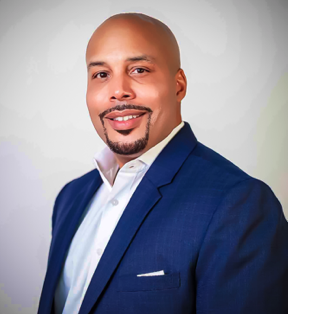 Robert Allen is a mental health activist, growth coach, and author with multiple advanced degrees in the areas of business, counseling, education, divinity, healthcare, and leadership. With over 20 years of experience in both the public and private sector, Robert has served in various industries, from education, military, law enforcement, business, mental health, and ministry. He is the founder and CEO of