Does what you eat make you more likely to develop prostate cancer? If you have prostate cancer, are there foods that help fight it off and keep it from coming back? November is Prostate Cancer Awareness Month, a good time to focus on preventing one of the most common types of cancer in men around the world. Experts estimate that in the next 10 years, prostate cancer will be even more common than lung cancer. Early prostate cancer usually has no symptoms, so regular screening is important. Here are some things you can do to assess and reduce your risk.
Are You at Risk?
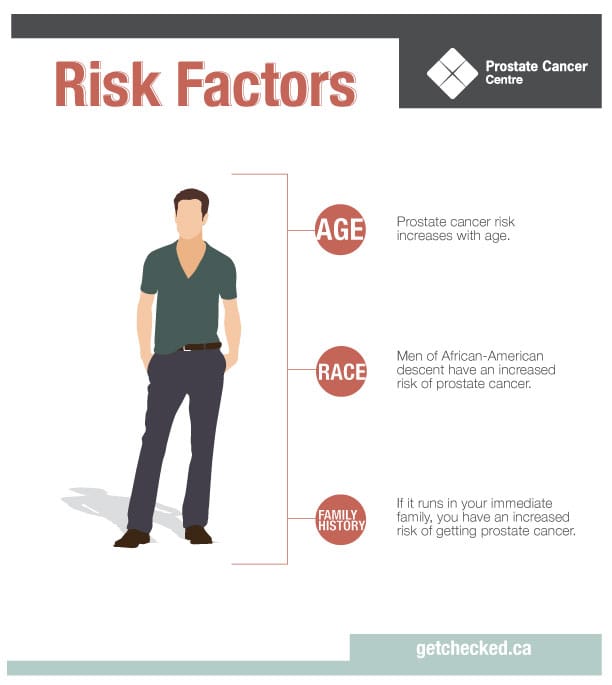
Men with a family history of prostate cancer are more likely to develop the disease. African American men are 1.6 times more likely than Caucasians to be diagnosed. Asian-American men and men who are Hispanic or Latino are less likely to develop prostate cancer.
The World Cancer Research Fund International conducted extensive studies on risk factors. They studied how diet, weight, and activity level affected risk. Here’s what they found.
- Strong evidence exists that men who are overweight or obese are more likely to develop prostate cancer.
- There is strong evidence that developmental factors contribute to increased risk. For example, the taller a man is, the higher his risk of developing prostate cancer.
- Beta-carotene was thought to reduce risk, but studies show that consuming large amounts of it has no effect on risk.
- Age is a factor. Men under 40 rarely develop prostate cancer, but the risk rises gradually after men reach 50.
- Geography matters. Men in North America, Europe, Australia, and the Caribbean islands are more likely to develop prostate cancer than men in Asia, Africa, and Central and South America are. Lifestyle differences such as a diet low in processed foods likely account for the difference.
- Diet plays a role. Men who eat a lot of red meat and high-fat dairy have a higher risk. These men also typically eat fewer fruits, vegetables, and whole grains.
Foods That Might Cause Prostate Cancer
Foods that are packaged and processed are often high in fat and calories. If you get it from a drive-through, it probably isn’t going to help you maintain a healthy body weight. Those foods aren’t just bad for your waistline; they might make you more likely to develop prostate cancer.
The Fred Hutchinson Cancer Research Center in Seattle studied men between the ages of 35 and 74. They found men who ate French fries, fried meats, or fried doughnuts once a week or more had a 30 to 37 percent higher risk of developing prostate cancer. Men with the lowest risk ate fried foods once a month or less. Saturated fats have been linked with heart disease, so avoiding them kills two birds with one stone.
Red meat contains heterocyclic amines (HCAs), carcinogens linked to several cancers. Stay away from processed beef, pork, lunch-meat, hot dogs, and sausage.
Prostate Protection Diet
Even if you only have one or two risk factors, healthy nutrition can help you prevent prostate cancer. Being overweight or obese is one of the biggest contributing factors to developing prostate cancer. Eating right and staying physically active helps keep your body mass index within a healthy range. Replace unhealthy foods with these options.
Nuts – Selenium is good for prostate health, and Brazil nuts contain 10 times your recommended daily allowance. Nuts also contain high levels of zinc, another mineral important to maintaining a healthy prostate. Nuts are high in protein, magnesium, and thiamin, all of which have health benefits.
Broccoli – Broccoli fights cancer. It is rich in sulforaphane, which helps the body detoxify itself and eliminates outside elements that may cause cancer. It also contains indole-3-carbinol, which suppresses cancer cell growth and lowers the production of protein specific antigen. One trial found men who eat broccoli more than once a week had a 45 percent less chance of developing advanced prostate cancer.
Cayenne – This bright red chili pepper contains capsaicin, which reduces pain and kills cancer cells. Capsaicin attacks cancer cells and causes them to self-destruct. It also fights atherosclerosis, prevents ulcers, and helps reduce your risk of diabetes.
Green tea – Men who drink at least three cups of green tea a day have a lowered risk of prostate cancer.
Pomegranates – Pomegranate extract slows prostate cancer cell reproduction and stops blood vessels from nourishing prostate tumors. Pomegranate juice is a great way to get it in.
Fish – Omega-3 fatty acids in fish both prevent prostate cancer and slow prostate tumor development. Eating fish can reduce your risk even if you’re genetically predisposed.
Fight Prostate Cancer and Make Money
It can be hard to eat healthy with today’s busy lifestyles. You can’t always find food that’s good for you. Vending machines offer convenient snacking, but they’re often full of the worst foods. Consider installing a Naturals2Go healthy vending machine at your office. Operators select inventory based on what their customers want and their own nutritional needs.
Offer nuts, bean chips, and all-natural fruit snacks in place of cookies and candy bars. Keep healthy options handy for yourself and those closest to you, and make money doing it. Contact us today to find out more about our machines.
National Aboriginal AIDS Awareness Week 2017
Indigenous right to equitable health without discrimination or stigma
OTTAWA, Nov. 2, 2017 /CNW/ - The Canadian Aboriginal AIDS Network (CAAN) announces Indigenous leadership will gather on November 30, 2017 in Ottawa, ON for a Parliamentary Breakfast to launch Aboriginal AIDS Awareness Week 2017. It will be followed December 1 – 6, 2017 by events across the country (Vancouver, Edmonton, Regina, Winnipeg, Iqaluit, Toronto, and more) to unite an Indigenous response to HIV and AIDS in a parallel theme to international World AIDS Day: Right to Health.
This series of events across Canada will connect Indigenous organizations, government partners, health care providers, and community leaders as they reflect on what has been achieved and what must still be achieved by testing to "know your status", eliminating stigma and discrimination, and ensuring equitable access.
To end the AIDS epidemic, global efforts are aligned around a 90-90-90 Strategy which sets three measures of progress. On World AIDS Day 2016, the Government of Canada reported Canada's advances on these measures: 80% of HIV-infected people in Canada know their status; 76% of those who know they have HIV are on treatment; and 89% on treatment have suppressed viral loads.
"Indigenous communities hold the knowledge needed to close HIV target gaps, as we continue to be over-represented 2.7 times higher than other Canadians," said Ken Clement, CEO of Canadian Aboriginal AIDS Network. "Aboriginal AIDS Awareness Week is an opportunity for Indigenous Peoples, researchers, and policy makers to share wise and promising practices, learn from each other and build relationships across the country."
Right to Health is attune to the United Nations Declaration on the Rights of Indigenous People. Barriers exist to Indigenous Peoples' Right to Health including stigma, discrimination, and systemic racism. Indigenous communities hold strengths of traditional knowledge, culture, language and connection to land which supports wellbeing and health equity.
The Canadian Aboriginal AIDS Network and its launch day co-hosts, Canadian Global Health All-Parliamentary Caucus HIV TB & Malaria, Interagency Coalition on AIDS and Development (ICAD), and Pauktuutit Inuit Women's Association of Canada invite you to participate in Aboriginal AIDS Awareness Week as it brings awareness to the different aspects of HIV prevention and key populations such as Indigenous women and youth living with HIV and AIDS.
For Canada-wide schedule or to RSVP, visit: www.aboriginalaidsawareness.com
About CAAN www.caan.ca
The Canadian Aboriginal AIDS Network is a non-profit organization that leads a national forum for Indigenous Peoples to wholistically address HIV and AIDS, HCV, STBBIs, TB, mental health, aging, and co-morbidity issues; remedy social determinants of health through advocacy; and provide resources on these issues in a culturally relevant manner for Indigenous Peoples wherever they reside.
About ICAD www.icad-cisd.com/
About Pauktuutit http://pauktuutit.ca/
PHAC Budget Cuts Impact Indigenous HIV/AIDS Equity Access
Imbalanced Federal funding heavily emphasizes prevention, but underfunds care for People Living with HIV; disconcerting given indisputable evidence that support programs improve treatment adherence, drives down viral loads and eliminates further HIV transmission.
"In the case of CAAN, 2018 brings a 46% funding cut. The Public Health Agency of Canada's continued decision to severely reduce funding for CAAN decimates the leading voice of First Nations, Inuit, and Métis peoples living with HIV or AIDS and will have far-reaching consequences on both Indigenous health and reconciliation," stated Ken Clement, CEO of Canadian Aboriginal AIDS Network. "Over Aboriginal AIDS Awareness Week we hope to find ways to hold the process accountable and restore wellness opportunities for Indigenous Peoples."
SOURCE Canadian Aboriginal AIDS Network (CAAN)
Respect Your Universe collaborates with world renowned artists
(VANCOUVER, BRITISH COLUMBIA), OCTOBER 30, 2017 – RYU Apparel Inc. (TSX VENTURE: RYU.V; Frankfurt Stock Exchange: RYA) creators of urban athletic apparel, are pleased to present world-renowned artists, Jason Dussault and Raphael Mazzucco, in a collaborative effort titled, “No Home”. This blend of photography, paint, and mosaic tile work, embellished with a descriptive narrative crafted by celebrated poet, Prevail of Swollen Members, ushers in a powerful pictorial of a dystopian future. The thematic tone of the show reveals humanities deepest fears, and yet at the same time, highlights our collective strength and determination to survive.
“No Home” will be held on November 23 at the Chali Rosso Art Gallery at 549 Howe Street in Vancouver.
As a creative extension of Jason’s unique applications and garment work, a one of a kind collection between himself and RYU will debut one week later, November 28, at the company’s marquee downtown destination, located on Thurlow Street in Vancouver. These dynamic pieces are geared and designed to excite, elevating the wearer through a distinctive process focused on challenging classic concepts.
“When I was conceptualizing the message for ‘No Home’, I came to realize that it would be best presented alongside strong writing in the form of a short story” says Jason Dussault. “I turned to my longtime friend and partner, Prevail, to scribe some words to help guide the direction of the show. As a person of compassion and an artist of honesty, I am constantly challenged with the current state of affairs that we, as the human race, are faced with. When I came to Prevail for his help on ‘No Home’, I explained my concept and he instantly saw my greater vision. We have been working together on projects since the early 2000's. We have collaborated on everything from design, with my original custom clothing company Dussault, to my first gallery showing at the Hoerle Guggenheim in New York, where I was honored to be debuted alongside the legendary Retna.”
“Last year I was blessed to also have my works displayed in London at the Maddox Gallery, one of Mayfair’s premiere destinations for collectors around the globe. I was truly inspired when my mosaic and multimedia pieces were well received, and I was able to sell the entire collection to influencers from around the art world. As an artist I am constantly trying to challenge my understanding of different disciplines. For the first time, I have created jewelry, tools and costumes which have added to the profound medium of photography to my work. By including resin, ceramic and paint to my original images, I feel that I have broken new ground, and thus, have forged a new respect to the applications of art.”
-30-
About Jason Dussault
Represented by Hoerle-Guggenheim Contemporary Art Gallery in NYC and Maddox Gallery in Mayfair, London. Recent FC Barcelona commission to create a mosaic artwork of their coat of arms, where it was presented at the Rainbow Room in NYC and hand signed by all the soccer players. This was then put up for a Charity auction.
Last Solo show in NYC was a sellout, hosted by the late Glenn O’Brian editor of interview Mag and Warhol factory member.
Invited to do an Artist in residency for one month during the summer, at Ruschmeyer’s Hotel in Montauk, Long Island, NY. Jason worked at creating a series of vintage mosaic surfboards. Each work was created outdoors where hotel guests could interact with the artist and learn about the process. Each work was proudly presented at the end of the week.
Other achievements include:
- Invited to host an artist workshop and talk at the Soho House NYC.
- Rogers production of Reality TV show Dussault Inc
- Created the Iconic Dussault Hoodies
- Gene Simmons partnership
- Indy Car collaboration
jasondussault.com
About Prevail
As co-founder of Canadian rap group Swollen Members, Prevail has received 5 Juno awards, numerous Much Music Awards, and has sold nearly a million records worldwide over a career spanning two decades. Most recently, his wordsmithing has afforded him rare opportunities in the form of being a Ted X Vancouver presenter, an ambassador for the charitable organization Music Heals and creative speaking engagements with Finger Food Studios, and many others.
About Raphael Mazzucco
As a Canadian born fashion, art, and music photographer, Raphael has achieved an artist’s dream. He is inarguably one of the most important and influential photographers of our time. Having been featured in campaigns for Calvin Klein, Sports Illustrated, Victoria’s Secret, and Guess, his work is profound. A cameo on the famous show Entourage, also saw Raphael playing himself, conducting a portrait shot of the lead character for a book produced by Sean Puffy Combs and the legendary Jimmy Iovine. His works can be seen the world over and the clientele who have privately commissioned him for pieces are the crème de la crème of the collectors’ art world.
The Redemption Project is Transforming Lives
From The Inside Out
|
|
PHILIDELPHIA, PA – Matthew L. Harris, Vice President of Sales, The Redemption Project (TRP) announced today the launch of ground-breaking study that addresses the volatile issue facing our country – the problem of mass incarceration. “The Redemption Project is committed to challenging the “school-to-prison pipeline,” a disturbing national trend where children are funnelled out of public schools and into the juvenile and criminal justice systems. Many of these children have learning disabilities or histories of poverty, abuse, or neglect, and would benefit from additional educational and counselling services” said Harris.
The Redemption Project (TRP) is a multi-dimensional organization that creates opportunities for individuals to transform their lives by fostering behavioral changes that promote personal responsibility, environmental stewardship, cultural competency and positive contributions to society.
“The goal is to provide a comprehensive solution to K-12 schools, juvenile detention centers, state correctional institutions and other societal stakeholders for improving behavior outcomes, reducing recidivism and unemployment while empowering program participants to make sustainable healthy changes in their personal lives” said Harris.
The Redemption Project Research Study (TRPRS) includes a dedicated group of physicians, psychologists, nutritionists, educators, and trainers that are examining and addressing the conditions that contribute to the inmate re-incarceration, challenge with education, skills development and transition support services for imprisoned men and women throughout the State of Pa.
Our research partners, the University of Pittsburgh Medical Center (UPMC) and the University of Pennsylvania Medical Center will conduct a controlled study to examine the relationship between nutrition, health and anti-social behavior utilizing the inmate population while offering program consultation, research design, best practices, standards and performance monitoring. This research project will run approximately 3-5 years in length, during which time, TRPRS will test the effects of a whole food plant based diet on behavioral and overall health changes among inmates enrolled in the Pennsylvania State Prison System (approx. 2000 inmates).
Our team proposes an integrated program (including a plant-based diet) that examines the physical and psychological status of select participants, introduce them to the Redemption Project principles and practices and measure their performance according to agreed- upon outcomes, such as behavior up until release, health status and post- release employment. These results will not only improve the lives of participants and the inmate population at each facility, but will also have profound implications on recidivism, the community and society.
Currently, 11 school districts (114 schools) and over 250 juvenile facilities have committed letters of support and interest to The Redemption Project! TRP firmly believe in this proactive approach and our unique curriculum- based program.
|
|
About The Redemption Project
|
|
The Redemption Project (TRP) is an evidenced-based program whose mission is to disrupt the school-to-prison pipeline. The TRP addresses the issues that confront our youth at the various stages, from school to the correctional institution. The three-tiered approach for corrective programming is unique to the industry and offers a proven platform that has produced outstanding performance metrics for the participants. The Redemption Project personal development platform includes several significant components including Character Building, Aggression Reduction and Cultural Competency. For More Information visit www.trpcapspse.com.Get Informed & Be Social with TRP @trpambassadors
|
|
The Economic Club of Canada: The Life Sciences Industry of Tomorrow: Healthy Canadians, Healthy Future
OTTAWA, Oct. 30, 2017 /CNW/ - What is the true contribution of the innovative pharmaceutical industry to the Canadian economy and R&D investment? What are the potential impacts of federal policy changes aimed at lowering drug prices? Is there a middle ground where Canada is able to lower prices while still retaining its position as a top tier destination for clinical trials and the launch of new innovative medicines? Innovative Medicines Canada President Pamela Fralick and panelists will discuss the results of a Fall 2017 analysis by Ernst & Young about industry's contributions to Canada and how industry and government can work together to enhance affordable, equitable and timely access to new therapies.
The event will be broadcast live over the internet at http://collaboratevideo.net/imc-mnc
Innovative Medicines Canada President Pamela Fralick will be available for media interviews after the event.
| WHO: |
Speakers
Pamela C. Fralick: President – Innovative Medicines Canada |
|
|
|
Moderator
Connie Côté, Chief Executive Officer, Health Charities Coalition of Canada |
|
|
|
Panelists
Dr. Bill Cameron, Senior Scientist, Division of Infectious Diseases and Respirology, Medical Director, Clinical Research, Ottawa Hospital Research Institute
Ed Dybka, President and CEO – AstraZeneca Canada Inc. |
|
|
| WHEN: |
Tuesday, October 31, 2017 (11:30am-1:30pm) |
|
|
|
11:15 am |
Registration begins |
|
12:15 pm |
Opening remarks begin |
|
12:25 pm |
Keynote speech begin |
|
12:40 pm |
Panel |
|
1:10 pm |
Q&A |
|
1:30 pm |
Event concludes |
|
|
|
| WHERE: |
Fairmont Chateau Laurier
1 Rideau Street, Ottawa
Drawing Room |
About Innovative Medicines Canada
Innovative Medicines Canada is the national voice of Canada's innovative pharmaceutical industry. We advocate for policies that enable the discovery, development and commercialization of innovative medicines and vaccines that improve the lives of all Canadians. We support our members' commitment to being valued partners in the Canadian healthcare system.
Manulife Study Finds Canadians Struggle to Discuss Financial Challenges Due to Shame and Embarrassment
- 93 Per Cent of Counsellors* Believe Financial Challenges Affect Work and Productivity
TSX/NYSE/PSE: MFC
SEHK: 945
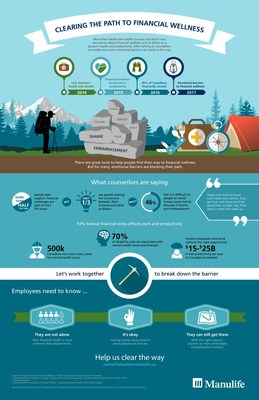
WATERLOO, ON, Oct. 25, 2017 /CNW/ - Manulife today announced the results of its latest study on health and wealth, this year finding that feelings of shame and embarrassment often impede Canadians from acknowledging their personal financial struggles. According to professional Counsellors surveyed in this study, conducted in partnership with Homewood Health Inc., these emotional barriers often have a negative impact on the health of Canadians.
The study shows that these feelings can lead to a perpetual cycle of mental and physical health problems, reducing both quality of life and productivity at work. The professional Counsellors responded that many Canadians are unable to talk about their own financial challenges because of their intimate nature, with one stating "It's very personal, sometimes more personal than sex. When I ask clients if they want to talk about money they are not very open."
"The stigma, shame and embarrassment of being financially unwell often prevents people from taking action to address and overcome these issues," said Sue Reibel, Executive Vice President & General Manager, Group Benefits & Retirement Solutions at Manulife. "We believe that the industry as a whole has a bigger role to play in helping remove these stigmas. Only once an individual is comfortable discussing their own money problems, can they begin to take steps to address them."
Key Findings of the Emotional Barriers to Financial Wellness – 2017 Study Include:
- Nearly half (46 per cent) of professional Counsellors feel it is difficult for individuals suffering from financial health issues to reveal these issues mainly due to shame and embarrassment;
- 74 per cent of professional Counsellors feel that personal finances have a high impact on emotional and mental health;
- Half the time financial challenges are an underlying element beneath the issues for which people seek support from Counsellors;
- Only one in three professional Counsellors see people making the connection between their finances and other life problems.
"Our industry can help remove these stigmas by encouraging those going through financial challenges to discuss these problems more openly, and to take advantage of free and accessible tools that help alleviate financial distress, which can lead to anxiety, depression and stress," added Reibel.
*Professional Counsellors are defined as those professionals that address a full range of mental health issues including but not limited to family and relationship issues, trauma, depression, anger management, life transitions and personal issues.
Methodology
The study was conducted between April 2016 and July 2017 in three phases, starting with qualitative interviews with nine professional Employee and Family Assistance Program (EFAP) Counsellors. This was followed by a quantitative survey of 223 EFAP Counsellors. The final phase was five key qualitative interviews with professional EFAP Counsellors.
About Manulife
Manulife Financial Corporation is a leading international financial services group that helps people achieve their dreams and aspirations by putting customers' needs first and providing the right advice and solutions. We operate as John Hancock in the United States and Manulife elsewhere. We provide financial advice, insurance, as well as wealth and asset management solutions for individuals, groups and institutions. At the end of 2016, we had approximately 35,000 employees, 70,000 agents, and thousands of distribution partners, serving more than 22 million customers. As of June 30, 2017, we had over $1 trillion (US$780 billion) in assets under management and administration, and in the previous 12 months we made $26.7 billion in payments to our customers. Our principal operations are in Asia, Canada and the United States where we have served customers for more than 100 years. With our global headquarters in Toronto, Canada, we trade as 'MFC' on the Toronto, New York, and the Philippine stock exchanges and under '945' in Hong Kong.
SOURCE Manulife Financial Corporation
A hard look at Ontario's health system
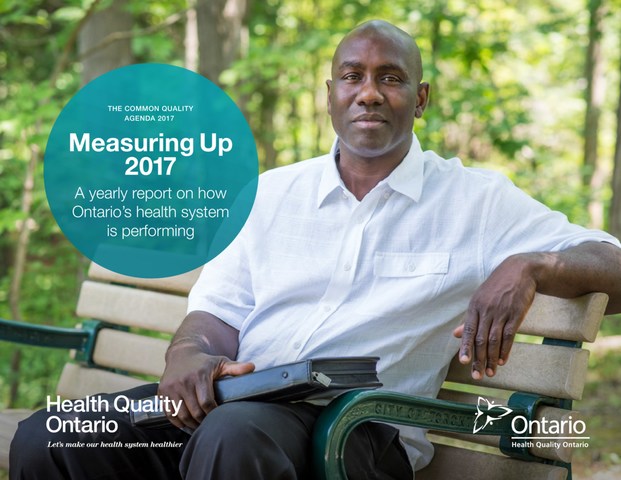
TORONTO, Oct. 23, 2017 /CNW/ - Measuring Up 2017 – Health Quality Ontario's 11th yearly report on the health of Ontarians and how the health system is performing – shows that people in the province are living longer and are losing fewer years of their lives to premature death.
The report contains other positive findings that show many parts of Ontario's health system are working well or better than before:
- More patients are receiving cancer surgery within maximum wait time targets.
- More people are getting high-priority MRI and CT diagnostic scans within maximum wait time targets.
- Care for residents in long-term care homes is improving.
- More people are being screened for colorectal cancer.
- People are receiving primary care consistently from the same doctor.
However, Measuring Up 2017 also shows Ontario's health system still faces significant challenges, such as people having to wait too long for certain forms of care, not getting the care they need as they transition between parts of the system, or not having equitable access to care. The report identifies several areas where improvements in access, transitions and equity are needed:
- More hospitals beds are occupied by patients waiting for care elsewhere.
- Patients are experiencing longer delays when they need to be moved from the emergency department to an inpatient hospital bed.
- People with a mental illness or addiction continue to face difficulties in accessing mental health care.
- People who live in certain regions or have lower incomes sometimes have poorer access to health care.
- Informal caregivers of home care patients are increasingly distressed.
- Fewer patients are having surgery within target wait times for hip and knee replacements.
Compared to other provinces and countries, Ontario's performance is mixed. Ontario has the lowest rate of premature mortality of any province in Canada, and performs best or second-best in key aspects of long-term care. However, compared to 10 socioeconomically similar countries, Ontario ranks last in access to primary care appointments on the same day or next day when patients are sick, and in the middle of the pack when it comes to patients' ability to pay medical expenses not covered through private or provincial insurance plans.
"This year's Measuring Up report shows that the work done in Ontario to improve health system performance in key areas such as wait times for cancer patients and resident care in long-term care homes has clearly brought positive results," says Joshua Tepper, president and CEO of Health Quality Ontario. "The report also shows many challenges remain that need to be the focus of ongoing efforts to provide the best health care for all Ontarians."
Measuring Up 2017 also includes stories detailing the personal experiences of patients, caregivers and health care providers to illustrate the real-life impact of the health system on real people.
Quick facts
Findings in areas that are doing well or improving
- The rate of potential years of life lost (in deaths before age 75) improved by 17.6% in Ontario between 2003 and 2013, to 4,221 years per 100,000 people, from 5,120. Ontario has the lowest rate of potential years of life lost among Canadian provinces.
- The proportion of cancer surgeries completed within provincial maximum wait time targets increased overall between 2008/09 and 2016/17. Depending on the priority level of the surgery, the number of cancer patients who had surgery performed within target ranged from 78% to 93%.
- Between 2012/13 and 2016/17, the proportion of patients who had their diagnostic scan completed within the provincial maximum wait time target increased to 82% from 79% for Priority 2 MRI scans, and to 96% from 92% for Priority 2 CT scans.
- The proportion of long-term care home residents without psychosis who were given antipsychotic medication fell to 22.9% from 35.0% between 2010/11 and 2015/16, while the proportion physically restrained on a daily basis declined to 6.0% from 16.1%, and the proportion who experienced moderate pain daily or any severe pain fell to 6.1% from 11.9%.
- The proportion of Ontarians overdue for colorectal cancer screening decreased to 38.7% in 2015 from 43.6% in 2011.
- Among Ontarians who had at least three primary care visits to a physician within the previous two years, 57.3% had high continuity of care from the same doctor, 27.4% had medium continuity, and 15.2% had low continuity, in 2015/16.
Findings in areas that need improvement
- An average of 3,961 Ontario hospital beds per day were occupied by patients waiting to receive care elsewhere in 2015/16. Those 3,961 beds were the equivalent of 10 large hospitals.
- For patients who were admitted to hospital, the average length of stay in emergency increased 10.9% to 15.2 hours in 2016/17 from 13.7 hours in 2015/16.
- Between 2006 and 2015, about a third of people who went to the emergency department for a mental health condition had not received mental health care from a primary care doctor or psychiatrist over the previous two years.
- The rate of potential years of life lost was nearly 2.5 times higher in the area of the province with the highest rate – the North West Local Health Integration Network (LHIN) region – at 7,647 years per 100,000 people, than in the region with the lowest rate – the Central LHIN region – at 3,026 years per 100,000 population, during the 2010-2012 period.
- Among urban residents, those who lived in the lowest-income neighbourhoods had the highest rate of being overdue for colorectal cancer screening in 2015, at 46.5%, while those who lived in the highest-income neighbourhoods had the lowest rate of being overdue, at 32.7%.
- In the first half of 2016/17, among long-stay home care patients with at least one informal caregiver, 24.3% had caregivers who experienced continued distress, anger or depression in relation to their caregiving role, compared to 21.2% in the first half of 2012/13. That was a 14.6% increase over a four-year period.
- In 2016/17, the proportion of patients who had Priority 4 knee replacement surgery within the wait target fell to 80% from 85%, so that 1 in 5 had to wait longer than the maximum wait target of six months. Priority 4 is the category of knee replacement with the greatest number of surgeries.
To read the full report visit: www.hqontario.ca/MeasuringUp2017
About Measuring Up
Measuring Up 2017 is Health Quality Ontario's 11th yearly report to Ontarians on health system performance. Its findings are based on data from a set of about 50 health system indicators, called the Common Quality Agenda, developed in association with health care experts and health system partners such as doctors, nurses, hospitals, local health integration networks and home care providers, as well as patients and their families and caregivers. This year's report highlights findings from 28 indicators.
About Health Quality Ontario
Health Quality Ontario is the provincial advisor on the quality of health care. With the goal of excellent care for all Ontarians, Health Quality Ontario reports to the public on how the system is performing, develops standards for what quality care looks like, evaluates the effectiveness of new health care technologies and services, and promotes quality improvement aimed at sustainable positive change. Visit www.hqontario.ca for more information.
SOURCE Health Quality Ontario
Excess Acidity Finally Meets Its Match!
Mineral-Rich Multiforce Powdered Supplement Treats Lactic Acid Build-Up Associated With Muscle Fatigue & Strenuous Exercise; Helps Prevent, Minimize Acid-Related Gout, Osteoarthritis & Uric Acid
Proprietary Blend of 100% Natural, Gluten-Free Ingredients Offers Safe & Proven Complete Body Solution for Athletes & Active Consumers Seeking Healthier Balance Between Acid & Alkaline
SARASOTA, FL., October 19, 2017 – Representing one of the greatest ironies in personal wellness today, millions of athletes and fitness devotees who watch every bite they eat are being challenged by the very same culprit affecting those who regularly consume processed foods, salty snacks and sugary desserts. Their shared enemy? Excess acidity.
Consider this: if you’re a serious athlete, “weekend warrior,” or an active consumer who values the life-affirming benefits of strenuous regular exercise, it’s likely you’ve experienced the muscle discomfort and fatigue often associated with lactic acid build-up. Conversely, if you follow the typical “Western diet” that’s low in fruits and vegetables and find it difficult to resist foods you know aren’t good for you, it’s likely you’ve experienced such excess acid-induced health issues as gout, uric acid, heartburn, joint pain, chronic fatigue, osteoarthritis and many more.
Fortunately, however, whether you’re a fitness junkie, a junk food junkie or some combination of the two, help is here at last!
Introducing Multiforce (www.multiforcehealth.com), a globally-popular multi-mineral powdered supplement newly available in America that’s already helped millions around the world not only to treat but in many cases to prevent the development of excess acidity resulting from extreme workouts or poor diet. Featuring a breakthrough blend of 100% natural, gluten-free, vegetarian and clinically-proven essential natural minerals such as Potassium, Magnesium, Phosphorus and Calcium, Multiforce helps your body re-calibrate its pH balance between acid and alkaline so you can feel your best in the fastest and most comprehensive manner possible.
The Growing Need To Cut Excess Acidity Down To Size With more Americans than ever before embracing extreme sports and demanding workouts, and with the majority of us still favoring processed foods over nutritious fruits and vegetables, we’ve achieved perfect storm-level conditions for making excess acidity one of today’s most problematic health concerns. And when it comes to diet, it’s not just the obvious foods we need to be wary of: even seemingly healthier food staples as dairy products, animal protein and even low-sugar cereals are responsible for generating acid-forming chemicals in our body that over time can lead to muscle fatigue, slow down muscle recovery and cause many of the troubling health issues mentioned above.
Multiforce To The Rescue!
Specifically formulated to treat the causes of various health issues associated with excess acidity and not just their symptoms, Multiforce makes use of the citrate form of minerals which are able to neutralize three acid molecules and are much more easily absorbed by the body. This is what makes Multiforce so effective. In addition, unlike traditional treatments for excess acidity on the market, Multiforce works systemically from head to toe as opposed to just zoning in on one select part of the body. What’s more, Multiforce doesn’t rely on digestion to be absorbed – thus ensuring consumers won’t face the stomach discomfort or nausea often associated with mineral supplements.
A natural alkaline powder that’s safe, proven and incredibly easy to use (just mix a teaspoon of powder with water), Multiforce is ideal for virtually anyone anxious to tackle the acid-based causes of muscle fatigue, gout, uric acid, joint pain, chronic fatigue and osteoarthritis (please find a clinical study showcasing Multiforce’s effectiveness in dealing with this condition at www.multiforcehealth.com/new-hope-for-osteoarthritis-sufferers).
Multiforce is offered in three flavors: Natural Lemon Flavor; Natural Mango Flavor; and Naturally Unflavored. All three are sold on thewww.multiforcehealth.com site for $29.99 (a free two-week supply is also available at www.multiforcehealth.com/free-sample.html), other online sites and in a growing range of retail stores in Florida (with other states to follow soon).
The Science Behind Multiforce Body acids are neutralized through various buffering systems in the body, but for these systems to properly maintain the perfect pH balance, sufficient alkaline mineral compounds are required – the very same minerals (including Calcium, Magnesium and Potassium) typically found in fruits and vegetables.
In order to maintain this ideal balance, nutritionists suggest we eat seven to ten servings of fruits and vegetables as well as drink two liters of water daily. Since that represents a tall order for almost all of us, the solution is simple: let Multiforce’s alkalizing blend of multi-minerals supplement your body’s nutrients, replenish these life-balancing minerals and, over time, reduce the symptoms caused by over-acidity completely.
Check out these alarming facts to see just how prevalent exceed acidity really is:
• Coffee – far more acidic than tap water
• Sodas – contain corrosive acid
• Animal Protein – can form uric acid
• Sugary Desserts & Salty Snacks – linked with increased obesity
A Commitment to Balanced Health Commenting on Multiforce’s longstanding mandate to help offset the conditions associated with excess acidity, Garth Woolley - CEO of Multiforce parent company SANP International LLC - said, “Anyone coping with muscle issues or with the numerous concerns stemming from excess acidity can rest assured we’ve gone to great lengths over many years to create the most potent and effective all-natural solution offered directly to consumers today. We’re heartened by the highly enthusiastic response Multiforce has already received from consumers and retailers in the U.S. and look forward to helping countless more people eliminate the corrosive effects of acid in their lives over the years ahead.”
For more information about Multiforce, visit www.multiforcehealth.com; to read a clinical study about the brand’s efficacy, visitwww.multiforcehealth.com/new-hope-for-osteoarthritis-sufferers.
Top Ten Event returns with an inspiring lineup of thought-provoking speakers
Guest speakers include Jane Fonda, Mary Walsh, Steven Page, Mubin Shaikh and more
Toronto, ON – On Thursday, November 9, 10 renowned change-makers will take the stage at the Top Ten Event, leaving the audience both second-guessing the way they think and contemplating new ideas. Taking place at the Bluma Appel Theatre (27 Front St. E) in Toronto, each speaker will have 10 minutes to share their seasoned wisdom from their area of expertise or passion, as they inspire the audience to “boycott what you thought.”
The evening aims to empower and educate guests while raising money and awareness for Future Possibilities for Kids. The Toronto-based organization seeks to inspire and empower children between the ages of nine and 12 from underserved Canadian communities, to become forward-thinking leaders. Last year’s event raised $25,000 for the organization and its programming.
The Top Ten Event is the brainchild of entrepreneur and inspirational speaker Stuart Knight, who started the event in 2011 with the goal of creating a dynamic social engagement with real meaning.
“The Top Ten Event is designed to add more value than a typical night out, leaving guests thinking and talking,” said Stuart Knight, founder of the Top Ten Event. “Our speakers offer a rare level of expertise, insight and life experiences, bringing passion and insight that will help the audience boycott their former thoughts and embrace innovative ways of thinking.”
The power-packed lineup of speakers includes an eclectic mix of deep, thought-provoking guests of various backgrounds including entertainment, humanitarianism and disruptive journalism. Each one will address a timely and important topic – many of which are currently dominating both conversations and headlines.
Academy Award-winning actress and best-selling author Jane Fonda will share her thoughts on the hot topic of climate change; JUNO Award-winning musician, founding member of The Barenaked Ladies and host of TV’s The Illegal Eater Steven Page will tackle the lessons he’s learned over the past twenty years as a musician, television host and father; Gemini Award-winner, legendary Canadian comic and actor Mary Walsh will address the ever-relevant issue of mental health; radicalized Jihadist turned CSIS Infiltrator Mubin Shaikh will ask the audience to boycott what they think about terrorism and Islam; and Dr. Bassem Youssef speaks about his decision to leave his job as a heart surgeon and become a late-night comedian.
Other speakers include:
- Tracy Schmitt (decorated athlete, humanitarian, four-way amputee)
- Charles Officer (Emmy Award-winning filmmaker)
- Annie Lalla (love coach for celebrity entrepreneurs)
- Jesse Brown (digital media expert, disruptive journalist, futurist)
- Jesse Wente (broadcaster, advocate, pop culture philosopher)
Through the words of these influential speakers, the hope is that the audience members free themselves from old paradigms and open their minds to ideas that are more evolved, progressive and aligned with a higher level of thinking. Attracting Toronto’s movers and shakers, the Top Ten Event also offers guests no shortage of personal and professional networking opportunities – always an added bonus.
Tickets retail for $49 (regular), $69 (preferred) and $149 (VIP, includes access to the after party with select speakers). All tickets are available now at the online box office.

Jane Fonda
Image Courtesy of Jane Fonda management
About Stuart Knight:
Stuart Knight is an entrepreneur, actor, entertainer, writer and producer. He graduated from the School of Business and Economics at Wilfrid Laurier University. Since establishing his company, Knight has written, produced and starred in shows that have been seen by more than one million people across North America. Each year, he travels the country giving inspirational speeches and workshops, and has helped companies such as Coca-Cola, Citi and Kraft. Knight has shared the stage with such notable names as Pamela Wallin, Robin Sharma and Jenny McCarthy. For more information, visit www.stuartknight.com.
Twitter: @Stuart_Knight
Facebook: @Stuart_Knight
Instagram: @stuartsknight
About Future Possibilities for Kids:
Future Possibilities for Kids (PFK) is a Toronto-based organization that aims to inspire and empower children between the ages of nine and 12 from underserved Canadian communities to practice possibility thinking and to become forward-thinking leaders. Since 2001, more than 3000 children and adults have participated in FPK’s one-of-a-kind community leadership and life skills development programs in Toronto and the GTA, Ontario. For more information, visit www.fpcanada.org
Twitter: @fpfkCanada
Facebook: @futurepossibilitiesforkids
Instagram: @fbk.canada
A daily serving of 5 prunes helps slow bone loss and lowers the risk of osteoporosis
TORONTO, Oct. 18, 2017 /CNW/ - Approximately 1.4 million Canadians are living with osteoporosis1, a condition characterized by low bone mass and deterioration of bone tissue. Now, scientific research has found that simply eating a serving of five prunes a day may help slow and prevent bone loss.
Research published in the journal Osteoporosis International,2 studied postmenopausal women with low bone density, who ate 5 to 6 prunes (50g) per day, for a six-month period. The research suggests that this level of consumption was as effective in preventing bone loss as a previous study3 where postmenopausal women consumed 10 to 12 prunes (100g) per day for one year.
"This research is extremely compelling, since women can lose 1 to 1.5 per cent of their bone density annually following menopause," says Dr. Shirin Hooshmand, PhD and lead researcher, of the study, at the School of Exercise and Nutritional Sciences at San Diego State University.
In April 2017, a comprehensive review of 24 studies on prunes and bone health was published in Nutrients.4 The author found that prunes enhance bone formation and exert beneficial effects on bone mineral density.
California prunes are rich in nutrients that are vital for bone health including vitamin K and potassium. Naturally sweet and delicious, a serving of about five prunes is only 100 calories and is a source of dietary fibre.
"Healthy bones are vital to overall wellbeing," says Cara Rosenbloom, RD. "It's excellent news that prunes, a flavourful dried fruit and convenient snack may be helpful for bone health."
The evidence continues to grow and support the fact that incorporating prunes as a regular part of a nutritious diet seems to offer long-term bone health benefits, particularly in postmenopausal women. A larger clinical trial is currently underway, to further explore prunes' effect on bone density and estimated bone strength in postmenopausal women. Research continues to discover the potential mechanism and compounds in prunes that support healthy bones.
In addition to supporting healthy bones, prunes also help support heart and digestive health. Prunes have a low glycemic index, which along with fibre, helps manage blood sugar levels.
For more information on the health benefits of California prunes or for delicious prune recipes and tips, visit: www.californiadriedplums.org or follow on Instagram @CADriedPlumBoard and Twitter @CADriedPlums.
- Canadians putting themselves at risk for osteoporosis. Osteoporosis Canada. http://www.osteoporosis.ca/news/press-releases/canadians-putting-themselves-at-risk-for-osteoporosis-survey/
- Hooshmand S, et al. The effect of two doses of dried plum on bone density and bone biomarkers in osteopenic postmenopausal women: a randomized, controlled trial. Osteoporosis Int. 2016 Jul;27(7):2271-2279. https://www.ncbi.nlm.nih.gov/pubmed/26902092
- Hooshmand S, et al. Comparative Effects of Dried Plum and Dried Apple on Bone in Postmenopausal Women. British Journal of Nutrition 2011;106:923:-930
- Wallace TC. Dried Plums, Prunes and Bone Health: A Comprehensive Review. Nutrients. 2017 Apr 19;9(4). https://www.ncbi.nlm.nih.gov/pmc/articles/PMC5409740/
About The California Dried Plum Board (CDPB): The CDPB represents about 800 growers and 29 prune packers, under the authority of the California Secretary of Food and Agriculture. California produces approximately 90 percent of the United States and 40 percent of the world's supply of prunes, a convenient, healthy snack for today's busy lifestyle. CDPB provided partial funding and dried plum products for the various studies.
SOURCE California Dried Plum Board