
Comfort Food, Reinvented: Flower Chef’s Gluten-Free Pasta Brings Health and Flavor to Fall Meals
(SEATTLE, WA) NOVEMBER 2025 — As cooler weather returns and comfort food takes center stage, Flower Chef Foods is redefining what it means to indulge well. Created by Celebrity Chef Jules Houser and crafted in Italy, Flower Chef’s high-protein, gluten-free pasta combines the comfort of traditional Italian cuisine with modern nutrition and a mission rooted in compassion. With the brand’s guiding message, “Eat Well, Love Well, Live Well,” Flower Chef Foods is helping families rediscover the joy of pasta that nourishes both body and soul.
With the global gluten-free pasta market projected to reach $18.3 billion by 2035, demand is soaring for products that deliver on taste, texture, and clean-label integrity. Flower Chef Foods is answering that call with a pasta that’s not only gluten-free, but also rich in plant-based protein (with 19g per serving), three simple organic ingredients, and authentic Italian craftsmanship. Each bite celebrates a commitment to quality, health, and sustainability, a perfect fit for fall meals, from cozy weeknight dinners to family gatherings.
“At Flower Chef Foods, we believe comfort food should never come with compromise,” said Jules Houser, Founder and CEO of Flower Chef Foods. “Our pastas are designed for people who value good food and good values, for those who want to Eat Well, Love Well, Live Well. This isn’t just gluten-free pasta; it’s an invitation to eat with joy, intention, and connection.”
Made in Italy using premium ingredients and time-honored techniques, Flower Chef’s pasta is a celebration of culinary excellence and ethical innovation. Every purchase supports Project Flower Power, the company’s global food relief initiative that provides nourishing meals to children in need, made from the same wholesome pasta customers enjoy at home.
As consumers seek meaningful brands that blend flavor, function, and purpose, Flower Chef Foods is emerging as a trusted leader in the better-for-you foods movement. This fall, the brand will spotlight new recipes and seasonal serving ideas that showcase its versatile pasta as the perfect foundation for hearty, wholesome, and delicious meals.
About Flower Chef Foods (www.flowercheffoods.com)
Flower Chef Foods is a purpose-driven food company founded by Celebrity Chef Jules Houser, offering premium, high-protein gluten-free pasta crafted in Italy. With a mission to make plant-based eating accessible, delicious, and impactful, the company supports global food security through its Project Flower Power initiative, donating nourishing meals to children in need worldwide. Flower Chef Foods combines culinary artistry, sustainability, and social good to inspire healthier lifestyles across the globe.
Chef Jules’ Pasta Aglio E Olio (with Flower Chef’s Artisanal Gluten-Free Pasta, serves 2-3)
• Cook pasta according to package directions. Reserve ½ cup pasta water.
• Gentle sauté 5 thinly sliced garlic cloves in ¼ cup extra virgin olive oil until golden.
• Add in 1/8 tsp LorAnn chili oil.
• Toss pasta into the pan with a splash of pasta water. Swirl to coat and gloss.
• Add kosher salt and black pepper, to taste.
• Stir in freshly chopped parsley, taste and serve immediately.
Tag: press release
10 Critical Signs of Menopause Every Woman Should Recognize, According to Dr. Janette Gray
SAN DIEGO, Nov. 5, 2025 — Dr. Janette Gray, internal medicine physician, hormone expert, author of The Truth about Sex Hormones, and medical director and founder of Perfect Balance Health, is sharing 10 key signs every woman should know about menopause.
“Although menopause is natural, for many, it can lead to a hormone imbalance and deficiency, which is an often overlooked yet widespread and silent epidemic,” warned Dr. Gray. “Millions of people are either undertreated or not treated at all for hormone imbalance, suffering needlessly from fatigue, weight gain, poor sleep, loss of sexual function and an overall poor sense of vitality. What makes this lack of treatment even more dangerous is that untreated hormone deficiency can cause heart attacks and even dementia.”
Dr. Gray’s 10 Key Signs Every Woman Should Know About Menopause
1. Irregular Periods for 90 Days: If your menstrual cycle becomes unpredictable for three consecutive months, with periods arriving early, late or skipping entirely, this is often the first sign of perimenopause beginning.
2. Night Sweats and Hot Flashes: While hot flashes get attention, night sweats that soak through pajamas and sheets are actually reported by 85% of menopausal women and can start years before periods stop.
3. “Menopause Brain”: Difficulty finding words, forgetting names or experiencing brain fog isn't your imagination. Declining estrogen directly affects cognitive function and memory processing.
4. Sleep Disruption Pattern Recognition: Waking up between 2 a.m. and 4 a.m. regularly, even without night sweats, indicates hormonal shifts affecting your natural sleep-wake cycle.
5. Joint Pain: Unexplained aches in hands, knees or shoulders that worsen in the morning could be estrogen-related inflammation, not just aging.
6. Mood Changes That Aren't “Just Stress”: Sudden irritability, anxiety or feeling emotionally overwhelmed without obvious triggers often begin two to three years before periods end.
7. The Bladder Wake-Up Call: Increased urgency, frequency or minor leakage when laughing or sneezing signals pelvic floor changes from hormonal decline.
8. Skin and Hair Texture Changes: Thinning hair, dry skin despite moisturizing or adult acne appearing after years of clear skin reflect shifting hormone levels.
9. Weight Shifting to Middle: Gaining weight specifically around the waist, even with unchanged diet and exercise, indicates metabolic changes from decreased estrogen. While most people associate testosterone with men, women need it too, and hormone replacement therapy with estrogen and testosterone goes a long way toward eliminating midsection weight gain.
10. Start Watching at 45: While the average menopause age is 51, symptoms can begin as early as mid-40s, and women with a family history may experience changes even earlier.
“As soon as you notice perimenopause symptoms, it's a good time to discuss these health changes with your doctor and get your hormone levels tested,” advised Dr. Gray. “Women who choose hormone replacement therapy or bioidentical hormone replacement therapy get the most health benefits, including relief from hot flashes, better sleep, improved mood and libido, better cardiovascular health, protection from Alzheimer’s, and stronger bones when they start early.”
About Janette Gray Dr. Janette Gray is an internal medicine physician and recognized pioneer in integrative medicine and bioidentical hormone replacement therapy with over three decades of clinical experience. As founder and medical director of Perfect Balance Health in San Diego, she has dedicated her in-clinic and telehealth practice to helping adults of all genders achieve optimal wellness through personalized Hormone Replacement Therapy (HRT) and comprehensive weight management programs. Dr. Gray's evidence-based approach combines traditional medical expertise with cutting-edge hormone therapies to address fatigue, metabolic dysfunction, decreased libido and age-related wellness concerns. A passionate advocate for healthy aging, Dr. Gray exemplifies her treatment philosophy through her own active lifestyle as a competitive pickleball player, participating in tournaments across the United States. For more information, visit https://perfectbalance.health.
Holistic Luxury Meets Heritage: India's Swastik Wellbeing unveils its Ancient Future Wellness Vision at WTM London 2025 London 2025
LONDON and PUNE, India, Nov. 5, 2025 /PRNewswire/ -- Swastik Wellbeing, India's newest luxury wellbeing sanctuary, made an inspiring debut at World Travel Market (WTM) London 2025, presenting India's classical science of living through a refined and immersive luxury lens. Positioned at the intersection of heritage and innovation, Swastik is setting a new global benchmark in wellness hospitality and conscious retreat living.
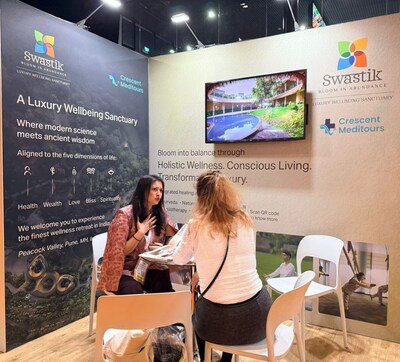
At WTM, Swastik offered complimentary Nadi Pariksha sessions, the ancient Ayurvedic pulse assessment guided by trained wellness experts. Delegates experienced a personalised introduction to Swastik's approach, centred on longevity, emotional balance, metabolic vitality, gut health, sleep quality, nervous system restoration and clarity of mind. Swastik's philosophy goes beyond treatment and focuses on reinstating natural balance at the source.
The Swastik leadership team believes that India has always been the cradle of healing and conscious living. "The global traveller today seeks wellbeing across five dimensions of Health, Wealth, Love, Bliss and Spirituality. Swastik represents India's evolution as a conscious luxury destination, where wellbeing is lived, felt and culturally rooted," said Ms. Anushree Nyati, Director, Swastik Wellbeing.
The sanctuary blends genomic insights with Ayurveda, Naturopathy, Yogic practices, meditative therapies, sattvic culinary science, Zodiac garden meditations, nature immersion experiences and mindful movement rituals. Every journey is crafted with precision and care, bringing together ancient wisdom, contemporary diagnostics and heartfelt Indian hospitality.
With wellness tourism continuing to rise globally and travellers seeking emotional restoration, preventative health and culturally anchored experiences, Swastik's presence at WTM further strengthens India's position as a meaningful voice in the future of global wellbeing travel.
Swastik Wellbeing welcomes the world to discover a sanctuary that nurtures the complete human experience. A place where clarity, vitality, peace and inner awakening come together in harmony.
WTM London 2025 | Booth N12-520 | India Pavilion
About Swastik Wellbeing
Swastik Wellbeing is India's first intention-based sanctuary built on the five dimensions of Health, Wealth, Love, Bliss and Spirituality. Rooted in ancient living sciences and enriched with modern diagnostics, Swastik integrates genomic insights with Ayurveda, Naturopathy, sattvic nutrition, breath and meditation practices, hydro therapies and personalised care to create transformational journeys of healing and awareness.

| Thrive Causemetics Launches New Pout Hero™ Liquid Balm Lip Treatment in Vanilla Sugar Cookie! NEW YORK, NY - November 5, 2025 - Thrive Causemetics is excited to announce the launch of their new Hero™ Liquid Balm Lip Treatment in Vanilla Sugar Cookie ($26) as part of their 2025 Holiday Collection. The rich lip treatment delivers long-lasting moisture and nourishment. Powered by Lip Filler Technology™ and effective botanical extracts, this nourishing and soothing advanced liquid lip treatment coats lips in long-lasting, cushiony moisture to reveal exceptionally softer, healthier-looking lips. Now available on ThriveCausemetics.com. 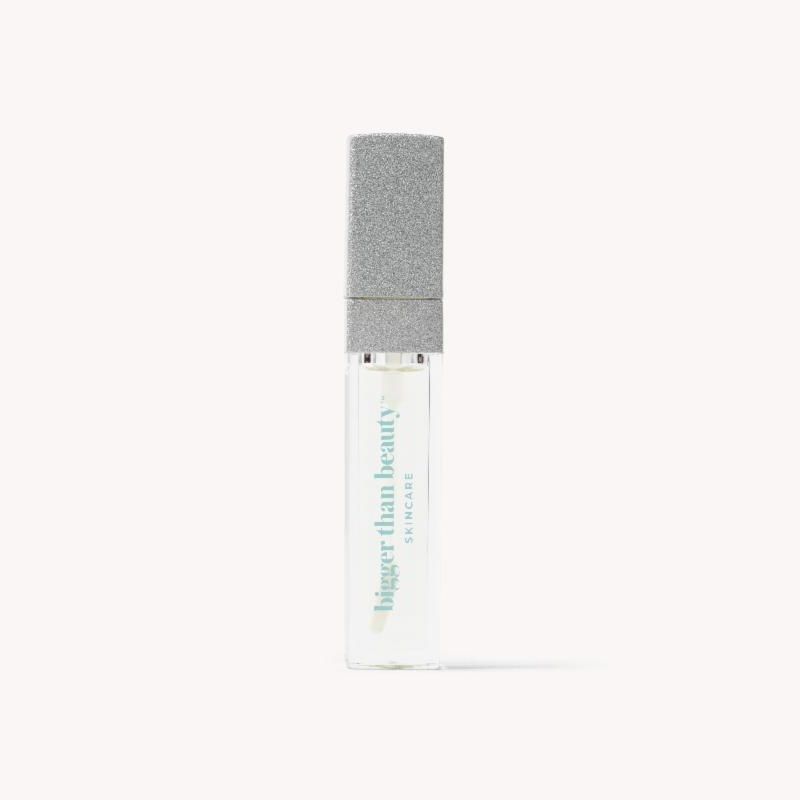 High-Res ImageryAffiliates: Partnerize 1100l3653Key Messages / Benefits:Cushiony Moisture: Provides long-lasting and comfortable moisture for softer, fuller-looking lips. Antioxidant Barrier: A blend of powerful antioxidants that protect delicate lips from environmental stressors for a soothed feeling after every application. Plumps and Smooths: Powered by Lip Filler Technology™ and vegan polyglycerides to plump and smooth the look of fine lines for softer, more supple lips. High-Res ImageryAffiliates: Partnerize 1100l3653Key Messages / Benefits:Cushiony Moisture: Provides long-lasting and comfortable moisture for softer, fuller-looking lips. Antioxidant Barrier: A blend of powerful antioxidants that protect delicate lips from environmental stressors for a soothed feeling after every application. Plumps and Smooths: Powered by Lip Filler Technology™ and vegan polyglycerides to plump and smooth the look of fine lines for softer, more supple lips.About Thrive CausemeticsThrive Causemetics and Bigger Than Beauty Skincare is a high-performance makeup and skincare company with a “bigger than beauty” mission. All of the products are vegan, cruelty-free, and formulated without parabens and sulfates. For every product purchased, Thrive Causemetics donates to help communities thrive. Since 2015, Thrive Causemetics has donated over $150 million in funds and products to over 600 Giving Partners. |
Unlock the Path to Inner Harmony and Healing: Holistic Energy Practitioner Explains His Transformational Methods
ALBUQUERQUE, N.M., October 29, 2025 —Timothy Spriggs believes there is more to well-being than physical treatments alone. The certified energy healing practitioner and founder of Revive Wellness Center in Albuquerque uses a powerful, integrated approach to help clients achieve balance, healing and alignment in their lives.
“My approach is based on the idea that external experiences may cause energies to become trapped and lead to internal imbalances,” Spriggs explained. “These imbalances can manifest in diverse ways, leading to physical discomfort or emotional distress. Energy healing works to locate and release these energetic blockages, allowing the body to restore its natural balance and enhance its ability to heal itself.”
He offers a variety of in-person and virtual sessions that incorporate the Emotion Code, Body Code and Belief Code, as well as Reiki sessions.
Spriggs described the Emotion Code as a technique that helps people identify and release trapped emotional energies from negative past events. These harmful trapped emotions can cause a variety of physical and emotional issues.
“Because trapped emotions are made of energy, just like the rest of the body, they exert an influence on the body’s tissues and can cause physical discomfort,” Spriggs said. “Releasing trapped emotions makes conditions right for the body to heal itself physically, and emotional difficulties often disappear or become much easier to handle.”
The Body Code, he said, is a sophisticated and complete method of body balancing that encompasses emotional, energetic, nutritional, structural, pathogenic and toxicity factors.
“This technique is not meant to replace any medical treatment, but by correcting underlying imbalances, we help the body’s innate self-healing ability to take over,” he said. “As a result, discomfort and malfunction in the body often disappear, the organs function as they should, nutrients are absorbed properly, energy levels are raised and emotional issues become manageable or nonexistent.”
The Belief Code builds on the Emotion Code and Body Code, Spriggs explained, and allows him to tap into the subconscious mind to identify and release unwanted beliefs, reverse or replace negative systems of thought, and create space for new empowering beliefs.
“The Belief Code offers us a way to uproot negative subconscious beliefs, release ourselves from incongruous belief patterns and allows us to see things as they really are,” he added. “Free your mind, body and spirit from beliefs that have been holding you back!”
###
About Timothy Spriggs
Initially trained in Reiki, Spriggs expanded his skills to incorporate the Emotion Code, Body Code and Belief Code, creating a powerful, integrated approach to wellness. Each modality holds unique insights into how bodies and minds store energy, emotions and beliefs, all of which shape experiences and health.
Coming from a family with strong medical roots, Spriggs witnessed the conventional path of healing firsthand but always believed that there was more to well-being than physical treatments alone. This belief drove him to explore complementary modalities that promote healing from within. Today, he strives to offer a holistic, compassionate practice that resonates with those seeking alternative, meaningful methods to resolve deep-seated issues and restore harmony in their lives.
Why Do So Many Golfers Have Back Pain? What One Spinal Surgeon is Doing to Correct It.
www.comprehensivewellnesshealth.com
According to the National Golf Foundation (NGF), in 2024 approximately 47.2 million Americans played golf. For many avid golfers, that nagging lower-back ache feels like the price of doing business. In reality, most aren’t simply “unlucky with posture,” their bodies are being pushed beyond what they’re built for. Limited mobility, compensatory movement patterns, and subtle alignment issues often lead to chronic lumbar strain that flares late on the back nine, derailing rounds and cutting short the joy of play.
Why Golf and Back Pain Go Hand in Hand
The golf swing looks straightforward in theory, turn, drive, repeat, but it’s mechanically complex. The body must coordinate the hips, trunk, and shoulders in perfect sequence. When one area, such as the hips or thoracic spine, is restricted, the lower back ends up taking the load. Over time, those compensations lead to overloaded joints, tight soft tissues, and pain that limits both swing and stamina. “As a spinal and orthopaedic surgeon, I see golfers of all levels who blame their swing when the real problem is how their body moves,” explains Dr. Gbolahan Okubadejo, founder of Comprehensive Wellness in the New York area. “When you correct those imbalances , rather than just the technique, you can restore motion, reduce pain, and actually improve performance.”Common swing faults like Reverse Spine Angle and Early Extension only add to the strain, reinforcing why the body must be conditioned to support the mechanics of the game.
A Different Approach: Treating the Body, Not Just the Symptoms
Recognizing that the swing is only half of the story, Dr. Okubadejo and his team have introduced a Golf Wellness model, a clinical-plus-performance framework that blends medical insight, movement science, and golf mechanics. It’s a personalized approach designed to keep golfers moving freely, swinging efficiently, and enjoying the game without pain.
Here’s how it works in practice:
1. TPI-Based Physical Assessment
Every new golfer undergoes a Titleist Performance Institute (TPI) Level 1 screening. The screen assesses how well a person’s pelvis, thoracic spine, hips, feet, and balance function under simple movement tests. To tie body to ball, the clinician also captures simple swing video clips to see how movement breakdowns map to swing faults.
2. Movement + Hands-On Work
From that screen, the clinician prescribes a targeted regimen, massage and stretching to calm “hot spots,” motion restoration where joints are pinched, and soft-tissue mobilization to free up restriction.
3. Therapeutic Training, Pattern Correction, and Core Control
Physical therapy builds the missing links: glute sequencing, core anti-rotation stability, scapular rhythm, and movement timing. This structure helps create durability, allowing the body to withstand the volume without collapsing under it.
4. Biologic Options for Tough Tissue
For stubborn tendon or soft-tissue injuries that don’t respond to movement alone, the plan may include PRP (platelet-rich plasma) or exosome injections, integrated into a phased return-to-play protocol.
5. Warm-Up, Recovery, and Sustainment Built Into the Game Plan
One of the biggest differentiators: the program tailors warm-up flows (tee-box routine, longer range warm-up) and daily recovery tools so players can “show up ready” — even on travel rounds. Over weeks, clients track gains in hip and thoracic rotation, balance, dispersion, carry, and how their body feels late in the round.
What Golfers Are Saying — And Expecting
Patients often report early improvements in mobility and reduced stiffness within two weeks. By week 3–6, rotation gains and more consistent ball-striking emerge; by week 6–12, some see return of speed, this time without triggering pain. The real goal: fewer “flare-ups” at holes 15–18, steadier swing mechanics (less collapse under fatigue), and a body that can practice more often rather than needing rest.
Who Stands to Benefit
This approach isn’t limited to one type of golfer. It helps:
∙ Players with recurring back, hip, knee, shoulder, elbow, or wrist issues
∙ Competitive golfers chasing more speed without sacrificing health
∙ Weekend warriors who feel beat up after practice sessions
∙ Older golfers (55+) looking to maintain balance, rotation, and distance
∙ Juniors who need volume guardrails plus movement foundations
∙ Desk-bound adults whose bodies “forget how to move” before they swing
Why This Matters On and Off the Course
The advantage of this approach is that it treats more than just pain. Because the body is being reorganized, golfers often see gains in swing consistency, better dispersion, and more sustainable play over time. Off the course, activities such as carrying groceries, commuting, sleeping, and general mobility tend to improve too, because less strain is put on the body when walking in the door.
Takeaway
Golf shouldn’t automatically come with discomfort, but for many, the body’s limitations get overwhelmed by demanding mechanical sequences. What Dr. Okubadejo’s Golf Wellness model offers is a bridge between movement science, clinical care, and equipment/technique, not by discarding your swing coach but by making your body capable of sustaining one. The result: more rounds, fewer flare-ups, less pain, and greater freedom in how far and often you play.
Children’s Book Shines Light on Anxiety in High-Achieving Kids
PHILADELPHIA, Penn., Oct. 7, 2025 — With youth anxiety rates climbing nationwide, an age-appropriate chapter book is helping kids ages 9-14 recognize the toll that stress takes on their bodies and friendships—and offers strategies to help them cope.
My Anxiety is Messing Things Up, by school counselor and award-winning author Jennifer Licate, follows Oscar, a hardworking student whose drive to succeed earns him praise in the classroom and on the field—but also leaves him wracked with anxiety. Unable to sleep and increasingly irritable, Oscar lashes out at his friends. When a teacher invites him to a school support group, Oscar must decide if he’s willing to seek help and try new strategies for relief.
Licate expertly combines a fast-paced, relatable story with guided questions and activities at the end of each chapter. These tools help young readers explore their own feelings, while giving parents, teachers and counselors a structured way to start meaningful conversations about anxiety.
“I wrote the book to help children understand anxiety,” said Licate. “Not all symptoms look the same, and not all strategies will work for everyone. My hope is that kids learn there are multiple tools they can try to feel more confident and less overwhelmed.”
The release comes at a time when educators are reporting increased stress levels among students. According to recent studies, more than one in three children experience anxiety symptoms, and sleep disruption is one of the most common side effects. Licate, who has worked as a school counselor for more than a decade, believes early intervention and open discussion can help prevent anxiety from becoming debilitating later in life.
“Children do not need to wait until anxiety is debilitating before using strategies to help their symptoms,” Licate added. “Using strategies to deal with anxiety can help children and anyone reduce their symptoms so they can live their best lives, work toward achieving their goals and feel confident.”
My Anxiety is Messing Things Up
Publisher: Boys Town Press
ISBN-13: 978-1944882891
Available from https://www.amazon.com/Anxiety-Messing-Things-Navigating-Friendship/dp/1944882898
###
TIP SHEET
The press release above may be published in part or entirety by any print, broadcast or internet/digital media outlet, or used by any means of social media sharing.
Reviews, photos, links to previous interviews and Q&As are available upon request.
About the Author
Jennifer Licate’s award-winning books help teach children the strategies they need to navigate common challenges, from friendship struggles to anxiety to study skills. Some of her other notable titles include I Lost My BFF; Faking Happiness, Feeling Sadness; and He’s Not Just Teasing! Accompanying teacher and counselor activity guides are available for many of her books. Licate received her master’s degree in Elementary and Secondary School Counseling and has worked as a
Sober October Made Simple: Life Coach Shares 30-Day Roadmap to Alcohol-Free Living
EL PASO, Texas, Oct, 6, 2025 — Sober October is the perfect moment for people to pause and reevaluate their relationship with alcohol. Chris Najera, certified life coach and author of The Hard Truth! Stopping Alcohol, delivers a timely, practical guide to help readers take a 30-day break from drinking, blending personal experience with actionable strategies for lasting change.
Najera knows the challenge firsthand: He battled alcohol use disorder for over 30 years. In The Hard Truth!, he shares candid, lived experience alongside research-based advice, offering readers clarity, courage and a roadmap toward freedom from alcohol. Designed for anyone who drinks regularly — from casual to daily drinkers — the book empowers readers to break free from dependency and reclaim control over their lives.
“If you’re looking to stop, you’ve come to the right place,” Najera said. “This book gives you the tools to take that first month seriously, see real progress and start discovering the person you were meant to be before alcohol disrupted your life.”
So what happens on Day One of Najera’s 30-day plan? Simply deciding to stop.
“You have to want to stop,” Najera said. “You have to want it more than anything. You have to have a paradigm shift in your mind.”
While Najera’s narrative is hopeful and encouraging, he doesn’t shy away from pointing out the darker aspects of alcohol usage and the damage it does to the human body. He also shares phone numbers and websites for a range of organizations where individuals can find the help they need — and discover what works best for their personal journeys. Ultimately, Najera challenges readers to confront alcohol’s hold and make more informed choices.
“What makes this book unique is its honesty and practicality,” Najera said. “Whether you’re questioning your drinking habits, taking part in Sober October or seeking lasting sobriety, The Hard Truth! offers clarity, guidance and encouragement. This isn’t just a book — it’s a tool to empower individuals and educate communities about the risks of alcohol and the possibility of change.”
The Hard Truth! Stopping Alcohol
Publisher: Spines
Release Date: June 13, 2025
ISBN-13: 979-8896917939
Available from: https://www.amazon.com/Hard-Truth-Stopping-Alcohol/dp/B0FD5DSTGM
About the Author
Christopher J. Najera is a certified life coach, public speaker and author who spent 35 years battling alcohol use disorder. Najera speaks from a place of raw honesty and lived truth. A weekend drinker who turned to daily drinking, alcohol consumed him, and he sought outpatient treatment. After seeing others suffering, he realized he didn’t want to end up on dialysis or a liver transplant list like his peers. It was in those moments that real change was the best outcome for his future.
Driven by a mission to expose the truths alcohol companies never reveal, Najera brings together powerful facts, personal stories and practical tools to help audiences understand their relationship with alcohol and reclaim their lives. His work aligns with global health efforts, including the World Health Organization's campaign to reduce harmful alcohol use by 2030 at the local level.
Born and raised in El Paso, Texas, Najera balances his work as a life coach and author with mentoring others on the path to sobriety. He lives sober, advocates for healthier choices and proves that transformation is possible at any stage of life.
For more information, please visit www.Thehardtruthaf.com, or connect with the author on Facebook (The Hard Truth, Stopping Alcohol).

New Pilot Study on Menopause Depression Shows Up to 46% Improvement in Daily Functioning and 30% Depression Reduction With At-Home Brain Stimulation

A woman using Flow brain stimulation device (Source: Flow Neuroscience)
For World Menopause Awareness Month, Flow Neuroscience and The House of Hormones ran a pilot study on use of an at-home brain stimulation device, showing major improvements in mood, sleep, and daily functioning for women in menopause and perimenopause.
October 6, 2025. For World Menopause Awareness Month, Flow Neuroscience, a healthcare company developing brain stimulation-based treatments, and The House of Hormones(THOH), a community for hormonal health education and support, announce results from a collaborative 10-week pilot study they conducted on brain stimulation treatment of depression in perimenopausal and menopausal women.
The study showed a 30% reduction in depressive mood and anxiety as well as up to 46% improvements in sleep and daily functioning in women using Flow’s at-home brain stimulation headset for depression.
Menopause and perimenopause are highly associated with depression: women in this life stage are up to 40% more likely to experience the condition than those without menopausal symptoms. Yet this patient group remains greatly underrepresented in depression studies.
“For far too long, women’s health has been under-researched, underfunded, and under-prioritised. That’s why studies like this matter so much! To see women in our own community have these results is groundbreaking,” said Leah Christian, psychologist and CEO of THOH.
She added: “This isn’t just about symptoms, it’s about giving women their lives back. We’re proud to finally put real resources behind women’s health, because women deserve support long before they hit rock bottom.”
Outcomes of the pilot were tracked at baseline, on Week 4, and on Week 10. Early benefits were already visible by Week 4, with a reduction in anxiety, sleep problems, and brain fog of over 20%. By Week 10, depressive mood, anxiety, and irritability declined by 30%; sleep improved by 35%; and brain fog decreased by 31%.
The effect extended beyond symptom relief. The ability to function daily (work) improved by 46% and close relationships by 33%.
“It really helped me by lowering my feelings of uselessness and pointlessness,” said Caroline Kay (63), one of the study participants. “I have more patience and feel less snappy and angry – I didn’t realise how much my naturally easy-going disposition had changed until things started to improve.”
Dr. Hannah Nearney, clinical psychiatrist and UK Medical Director at Flow Neuroscience, explained why depression in perimenopause and menopause is particularly complex:
“It is never just about low mood, it impacts sleep, cognition, relationships, and the ability to function day to day. Such complexity makes finding the right treatment extremely difficult, because most approaches only target one piece of the puzzle,” she explained. “For example, antidepressants, one of the most common treatments, may improve mood, but can cause side effects like anxiety, fatigue, weight gain, and sexual problems which are often already issues that perimenopausal women are struggling with.”
Dr. Nearney added that the pilot stands out from other research because it shows promise for brain stimulation as a holistic treatment for depression in perimenopause and menopause.
“The ability of brain stimulation to relieve so many symptoms, from low mood and poor sleep to productivity issues, shows the potential of this method to address the real-world challenges women face during middle age,” said Dr. Nearney.
Regarding the safety of the study, no severe events occurred, and no participants discontinued treatment. Only mild side effects such as tingling were recorded.
In addition to being well-tolerated (91% of participants said they would continue using Flow), 82% said they would recommend it to other women with similar symptoms.
“Women navigating the menopause transition deserve a one-stop treatment for depression that doesn’t have severe side effects and is capable of comprehensively improving the quality of their life,” said Erin Lee, CEO of Flow Neuroscience. “At Flow, we’re committed to rigorous science and to designing care that fits women’s lives, not the other way around.”
The study highlights the need for larger trials and signals that at-home brain stimulation could become a meaningful, non-drug option for women with menopause-related depression.
Flow previously conducted a landmark study published in Nature Medicine on the effectiveness of their device. It has been already used by more than 50,000 users in the EU, UK, Switzerland, and Hong Kong, and recently got approved in Australia.
– END –
About Flow Neuroscience
Flow Neuroscience is a healthcare company that focuses on tDCS therapies and devices. In 2016, it was co-founded in Sweden by Daniel Mansson, a clinical psychologist, and Erik Rehn, an engineer. Erin Lee joined as CEO in 2022, having previously worked at Google, Uber and Babylon, and the company is now based in the UK. Flow is the only at-home medical tDCS device with clinically proven effectiveness in treating depression. It is not only used by the National Health Service (NHS) in the UK, but also available and has passed regulations in Europe, Australia, Norway, Switzerland, and Hong Kong, with a currently on-going approval process in the US.
NHS Orthopaedic Waits Push British Workers Out of Jobs

Photo by Dom J, Pexels.com
In the UK, over 800,000 people are waiting for orthopaedic treatment. For many workers, the delay means long spells away from work or even early retirement. Musculoskeletal pain costs employers around £3.36 billion each year.
October 2, 2025. 7.36 million people are on the NHS waiting list now; trauma and orthopaedics are the main causes of the largest backlogs, exceeding 800,000 patients in 2024. Patients needing a hip or knee replacement often wait longer than half a year. Many lose their ability to keep working during that time. Each month of waiting adds more pain, deformity, and risk of lasting mobility loss, surgeons warn.
People in constant pain often cut their hours, and some leave work altogether.UK workers lost 148.9 million workdays due to sickness or injury in 2024. Musculoskeletal problems made up 15.5% of those days, which is around 23.1 million lost ones.
That much time off work results in increased costs for both employees and employers. Based on a median weekly pay of £728 in April 2024, or about £146 a day. At that rate, musculoskeletal absences cost the UK economy around £3.36 billion a year.
Risks of delayed surgery
The biggest percentage of people waiting are orthopaedic patients. In some UK regions, more than 3,000 people had to wait for an operation for over a year. On average, the waiting time is 28.7 weeks. For many, that means worsening pain, restricted mobility, and weaker supporting muscles. Surgeons warn that the longer the delay, the higher the chance of permanent problems. Those range from joint deformity and stiffness to loss of bone mass.
“Extended delays limit mobility and force patients to rely on pain medication for longer. When anti-inflammatory drugs stop working, many turn to opioids,” said Sarunas Tarasevicius, MD, orthopaedic surgeon at Nordorthopaedics Clinic. “Opioids are stronger, but they carry the risk of addiction. That dependency affects both physical and mental well-being, and it only grows the longer people are left without surgery.”
Medication use has more risks. “Prolonged use of anti-inflammatory drugs raises the chance of stomach bleeding, while untreated arthrosis can cause permanent bone loss. In those cases, surgeons must use more metal implants to rebuild bone structure, which increases both the scale and cost of surgery,” added Tarasevicius.
The physical toll is severe too. Patients trying to protect a painful joint often shift weight to the other leg.
“Over time, this can cause pelvic tilt, back pain, and spinal changes. Muscles around the damaged joint weaken, making post-surgery recovery slower and more difficult. If the operation is delayed too long, muscle atrophy sets in and the surgery itself becomes more complex,” Tarasevicius explained.
Pain does not only affect the body. Patients often reduce hours at work or leave jobs entirely when they can no longer manage the demands of daily tasks. “This is especially true for people in physical roles. Pain makes work almost impossible, but it also affects everyday life – from housework to simple movement,” elaborated Tarasevicius.
Some patients try to cope by reducing activity, since joints hurt less when not under load. Yet this strategy comes with its own cost, as inactivity speeds up muscle wasting and further reduces mobility.
“A shadow of my former self”
Anne Hyde, a resident of Norwich, needed a right hip replacement after an accident in 2016 that had gone undiagnosed. By 2021, her mobility had collapsed – she relied on a walking stick, needed workplace adjustments, and often worked from home. Driving was painful, walking her dog was no longer possible, and her dependence on Tramadol grew. “At 57 I felt like a shadow of my former self,” the 61-year-old woman said.
Told that an “urgent” operation would still mean waiting about a year, Anne began looking at private options. The cost in the UK was close to £15,000 with little aftercare. Research and contact with past patients led her to Nordorthopaedics Clinic in Lithuania, where she had already travelled before. “I spent less than half the UK price and was supported from the airport through to flying home 13 days later,” Anne explained. Her GP later removed the staples and praised the quality of the surgical work. “I would not hesitate to recommend the decision I made to anyone in the same position.”
A faster route for patients
Nordorthopaedics Clinic reports that patients can usually undergo surgery within two to four weeks, compared to months of waiting in UK hospitals, including private providers. Hip and knee replacements remain the most common procedures, followed by rehabilitation and physiotherapy carried out on site.
Demand for orthopaedic care in Lithuania has risen steadily in recent years, as patients in countries with longer waiting times seek alternatives. Surgeons note that intervening in time not only reduces pain but also helps people retain their work and soften the economic burden.
“Timely surgery restores function and protects employment. It is always better to treat the joint before the cascade of problems begins,” concluded Tarasevicius.
ABOUT NORDORTHOPAEDICS
Nordorthopaedics is a private clinic in Kaunas, Lithuania, part of Nordclinic, offering high-quality services and focusing on foreign patients. It is equipped with modern diagnostic and surgical facilities. Medical professionals at the clinic speak fluent English and show personal attention to every patient. www.nordorthopaedics.com/en.
