10th World Sleep Day - How Can New Technologies Improve Your Sleep?
Today we celebrate the 10th annual World Sleep Day. It is organized by the World Sleep Society, founded by the World Association of Sleep Medicine (WASM) and the World Sleep Federation (WSF), an international association whose mission is to advance sleep health worldwide.
Frost & Sullivan has been researching how digital health applications can improve our sleep experience. Nowadays, consumers are able to utilize everyday devices as a way to gain a valuable perspective about a critical aspect of their health – the quality of their sleep. There are numerous applications, wearables and devices that can create an ecosystem that produces and analyzes vital information that can be used by professionals to help an individual. As consumers create a technology-based ecosystem around their sleep experience, all the patient-generated datagathered will contribute to larger studies that will support sleep science. This will lead to breakthroughs that will help our society to resolve sleep disorders and improve health and wellness globally.
 |
Transformational Health Principal Analyst Victor Camlek explains: “This year's World Sleep Day theme is "Sleep Soundly, Nurture Life." The good news as we move forward is that we can now measure the quality of our sleep using connected digital technology in the natural setting of our home. Whereas in the past patients needed to check-in to specialized facilities to assess their sleep for serious health related issues, today we can determine information about many aspects of our sleep adopting easy to use sensorsand remote monitors.”
Artificial Intelligence (AI) is one of the key technologies in the market that can improve our ability to measure sleep by interfacing with other platforms and by leveraging a voice interactive AI system. For example, the Amazon Echo device can become a new partner in our healthcare as it can help to intersect with other aspects of digital health, all within the connected home environment.
“These advances permit us to address the need for serious intervention much sooner and much easier than in the past. Frost & Sullivan actively tracks progress in the sleep technology market, as well as innovative companies who are contributing to the disruption of this digital health segment," concludes Camlek.
About Frost & Sullivan
Frost & Sullivan, the global Growth Partnership Company, has spent more than 50 years guiding our clients toward transformational growth strategies. We focus on innovation opportunities driven by disruptive technologies, mega trends, emerging markets and new business models. Through our Growth Partnership model, we collaborate with clients to leverage visionary innovation that takes advantage of our convergence expertise, an experiential learning platform, 360-degree industry coverage and complete global perspective. Is your organization prepared for the next profound wave of industry disruption, increasing competitive intensity, breakthrough best practices, changing customer dynamics and emerging economies?
Canadian Beverage Association statement regarding University of Waterloo report on beverage tax in Canada
-- Report findings do not reflect Canadian marketplace --
TORONTO, March 16, 2017 /CNW/ - In response to the report released today, The Health and Economic Impacts of a Sugary Drinks Tax in Canada, the Canadian Beverage Association issued the following statement:
Fiscal interventions like consumption taxes have not proven to be successful in terms of obesity reduction. What works are real, meaningful, coordinated efforts by government, industry, and healthcare and consumer stakeholders to implement evidence-based solutions.
Sound public health policy must be based on the most substantive, rigorous sources of research available. The report findings, however, are based on data that do not reflect the Canadian beverage marketplace. The data set from Euromonitor used in the analysis for this report included non-diet carbonated beverages, along with whole-category volumes (both low calorie and full calorie) for other beverage categories. All of these beverage categories would include some percentage of reduced-calorie varieties, and therefore the reported findings do not reflect the Canadian beverage marketplace, where more than 45% of beverages purchased are no- or low-calorie.
By contrast, The Conference Board of Canada: Balance Calories Baseline Report, organized all beverages into full calorie and reduced calorie categories to reflect the beverages available on store shelves in Canada. The Conference Board report concludes that daily per capita calories consumed through liquid refreshment beverage (LRB), which includes all non-dairy, non-alcoholic beverage categories such as 100% juices, energy drinks, sports drinks, iced teas, etc…, have declined by 20% per capita between 2004-2014. Canadians consume 141 calories from LRB, well under 10% of daily calorie recommendations. In the report released today, if calorie-reduced varieties are excluded, per capita net volume of all non-diet beverages (including flavoured dairy, drinkable yogurts and 100% juices) is 350 ml/day, or about 150 calories/day.
Through the industry-led Balance Calories initiative, Canada's leading beverage companies have set a goal to reduce beverage calories by a further 20% by 2025, an objective that cannot be achieved through projected trends alone.
Regarding the model projections used in the University of Waterloo report, the authors assume a relationship between taxation and lower body mass index. While the beverage industry supports efforts to address serious obesity and obesity-related diseases, it is illogical to isolate one single ingredient or product as a unique contributor. Experts, including Health Canada, agree that the factors associated with these issues are complex, and include overall health behaviours, and broader social, environmental and biological determinants.
As an industry, we understand we have a role to play in the health of Canadians. We can all work together on solutions for overconsumption, while respecting that for Canadians, LRB calories and sugar from beverages are declining. Canadians continue to consume fewer calories, and calories from sugar, from refreshment beverages than they did in 2004.
The Canadian Beverage Association and its members encourage continued dialogue and a collaborative effort between industry, health organizations, and public officials to develop holistic workable solutions to create lasting change for Canadians.
The Canadian Beverage Association is the national trade association representing the broad spectrum of companies that manufacture and distribute the majority of non-alcoholic refreshment beverages consumed in Canada. For more information, visit: balancecalories.ca and canadianbeverage.ca
Please click here for additional background, context, and citations
SOURCE Canadian Beverage Association
Better sleep feels like winning the lottery

- Improving your sleep makes you feel as good as a lottery winner – leading to high levels of health and wellbeing over time - say University of Warwick psychologists
- Quality of sleep more important than quantity for optimal health and happiness
- Study analysed link between sleep and mental & physical wellbeing in households across the UK
- Working on better sleep could be an effective, cheap and simple public health strategy
Improving your sleep quality is as beneficial to health and happiness as winning the lottery, according to research by the University of Warwick.
Dr Nicole Tang in the Department of Psychology has discovered that working on getting a better night’s sleep can lead to optimal physical and mental wellbeing over time – and that quality of sleep is more important than how many hours you get.
Analysing the sleep patterns of more than 30,500 people in UK households across four years, Dr Tang finds that improving your sleep quality leads to levels of mental and physical health comparable to those of somebody who’s won a jackpot of around £200,000.
The study shows that positive changes in sleep over time – improved quality and quantity, and using less sleep medication - are linked with improved scores on the General Health Questionnaire (GHQ), which is used by mental health professionals to monitor psychological wellbeing in patients.
People surveyed who reported positive improved sleep scored a 2-point change in the GHQ – a result comparable to those recorded from patients completing an eight-week programme of mindfulness-based cognitive therapy designed to improve psychological wellbeing.
Furthermore, the same people showed improved scores on the 12-Item Short Form Survey, which tests levels of physical and emotional health, as well as people’s ability to perform everyday activities.
Conversely, it was found that a lack of sleep, bad quality sleep, and using more sleep medication can lead to worsened medical and emotional states.
Dr Tang’s research proves that improving the quality and quantity of sleep amongst the population – as well as discouraging the use of sleep medication - is an effective, simple and cheap method of raising the health and wellbeing of society as a whole.
Consequently, she argues that working on getting good quality sleep, and the reduction of sleep medication, should be promoted as a public health value – something that everyone can do easily to stay physically and mentally healthy.
Dr Tang comments:
“We are far from demonstrating a causal relationship, but the current findings suggest that a positive change in sleep is linked to better physical and mental wellbeing further down the line.
“It is refreshing to see the healing potential of sleep outside of clinical trial settings, as this goes to show that the benefits of better sleep are accessible to everyone and not reserved for those with extremely bad sleep requiring intensive treatments.
“An important next step is to look at the differences between those who demonstrate a positive and negative change in sleep over time, and identify what lifestyle factors and day-to-day activities are conducive to promoting sleep. Further research in this area can inform the design of public health initiatives.”
The paper, ‘Changes in Sleep Duration, Quality, and Medication Use are Prospectively Associated with Health and Wellbeing: Analysis of the UK Households Study’ is published in SLEEP.
It is co-authored by Dr Mark Fiecas, Esther Afolalu and Professor Dieter Wolke.
Image: Creative Commons, "Sleeping Woman", by Petr Kratochvil
Robotics Epicenter Shifts from Japan to the United States in the Global Healthcare Industry
United States emerging as the development and application hub for both industrial and service robots, finds Frost & Sullivan’s Transformational Health team
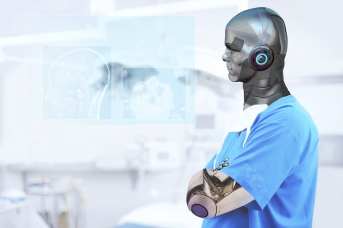
The pressing need to streamline workflows, improve the quality of healthcare, and provide round-the-clock monitoring for the growing population of elderly and disabled patients is driving the global care assistant robots market. Expected to grow at an impressive compound annual growth rate of 36 percent between 2017 and 2021, the market encourages technology developers and healthcare providers to collaborate, boosting the adoption of care robots for resolving operational workflow bottlenecks. Declining costs of hardware and robot-enabling software will ensure sustainable market growth going forward, guaranteeing high return on investment (ROI) for early-stage investors.
 |
“Robotics, for both industrial and service use, is seeing a regional shift in technology innovation and advanced application; dominance has shifted from the early epicenter in Japan to the United States,” said Transformational Health Industry Analyst Harpreet Singh Buttar. “Many start-ups are emerging from Silicon Valley, where the future of robotics is being shaped.”
Global Care Assistance and Automation Robots Market, Forecast to 2021, a part of Frost & Sullivan’s Advanced Medical Technologies Growth Partnership Service program, examines the changing footprint of different types of care assistance robots, such as pharma automation, exoskeleton, daily care, transportation, telepresence, and rehabilitative. The market is expected to generate $4,473.1 million by 2021, with new growth opportunities driven by:
- Growing penetration of cognitive computing, mobile app control, and image or speed recognition
- Widening scope for consolidation within healthcare segments
- Shift to fee-for-value model
Click here for complimentary access to more information on this analysis and to register for a Growth Strategy Dialogue, a free interactive briefing with Frost & Sullivan’s thought leaders.
Successful collaboration, seamless integration of robots within hospital environments, and first-mover advantage are the core strategies enabling top contenders such as Cyberdyne, iRobot, Aethon and Swisslog to stay ahead. Two factors restraining widespread adoption of care assistance robots are high costs of ownership and lack of awareness about the reliability of these systems in critical treatment processes such as surgery. Real-life demonstration of the efficiency of these robots is helping address the first issue. Manufacturers and healthcare organizations must work together to develop robotic solutions that will provide users the best benefits at the lowest risks.
“Rise in demand for hospital telepresence robots is principally due to increasing use of telemedicine, whereby off-site physicians communicate in real time with on-site patients through robots,” observed Buttar. “As competition is expected to increase in the coming years, finding the right type of partner for the right type of robotic technology in any segment will be crucial to gain early leadership and traction in this market.”
About Frost & Sullivan
Frost & Sullivan, the Growth Partnership Company, works in collaboration with clients to leverage visionary innovation that addresses the global challenges and related growth opportunities that will make or break today's market participants. For more than 50 years, we have been developing growth strategies for the global 1000, emerging businesses, the public sector and the investment community. Contact us: Start the discussion
Global Care Assistance and Automation Robots Market, Forecast to 2021
K0F6-54
Positive Patient Experience Yields Health Care Benefits

e-Patient Services enhance patient experience leading to better health outcomes, productivity
When Canadians have access to their health information, they are better equipped to be an integral part of their health care team. Access to health information and other consumer e-services is leading to some important health care benefits for Canadians and clinicians according to a body of international and Canada Health Infoway (Infoway) research.
"Consumer digital health solutions, also known as consumer e-services, are designed to improve Canadians' access to their health information, encourage better communication with health care providers and empower them to be more involved in their care," explained Michael Green, President and CEO at Infoway. "Consumer health solutions are one of Infoway's priorities because we know that improving the patient experience improves patient health and will unlock value for the health care system."
Consumer digital health solutions, whether online or through mobile devices, include: e-booking, which enables Canadians to book and manage their appointments online; e-visits which provide the ability to consult healthcare providers via secure email/messaging or videoconference; e-prescription renewal or refill which gives the ability to request a medication renewal or a refill online; and e-views which provide access to a patient's health record including clinical information such as laboratory test results.
According to the United Kingdom's National Health Service (NHS) report, Feeling Better? Improving patient experience in hospital, organizations with strong emphasis on providing high-quality patient experience have found that it is linked to better health outcomes and improved productivity and efficiency, which has been demonstrated in a number of Infoway projects.
Benefits for Canadians
- Patients or caregivers who had access to their heath information through a patient portal felt:
- that knowledge of their health increased (78-94 per cent)1,2
- more confident managing their health (78-95 per cent)1,3
- the tools helped them feel more involved in their health care (77 per cent)2
- that access to their health information allowed them to have more informed discussions with their doctor (93 per cent)1
- make better use of their time with clinicians (83 per cent)1
- Improve the relationships between patients and their health care providers 1,2,9
- Save travel time by seeing a doctor virtually (e-visits) (98 per cent)8
- Avoid work absences through e-visits (87 per cent)8
- Patients were more likely to renew/refill prescription on time by requesting renewal/refill through a secure online system (78 per cent)9
Benefits for Clinicians & the Health System
- Clinicians reported an improvement in their therapeutic relationships with patients (60 -75 per cent)4, 9
- Clinic/Clinician productivity value
- Decrease in clinic call volume (73-90 per cent)1,6
- Reduce requests for health information or health history information (61 per cent)5
- Decrease in no-show appointments (43 per cent)7
Canada Health Infoway continues to focus on investing in consumer digital health solutions that empower patients to better manage their health and improve access, communication, and collaboration between patients and their health care team.
Visit Infoway's website to learn more about Consumer Health e-Patient Services or Infoway's digital health investment projects nationwide.
About Canada Health Infoway
Infoway helps to improve the health of Canadians by working with partners to accelerate the development, adoption and effective use of digital health across Canada. Through our investments, we help deliver better quality and access to care and more efficient delivery of health services for patients and clinicians. Infoway is an independent, not-for-profit organization funded by the federal government.
1 Impacts of Direct Patient Access to Laboratory Results – Final Report
2 Nova Scotia Personal Health Record Demonstration Project - Benefits Evaluation Report
3 Epic EHR Program: MyChart Consumer Health Solutions Benefits Evaluation Report (Pilot)
4 Holland Bloorview: Connect2care Benefits Evaluation – Results and Final Report
5 Ontario Shores' HealthCheck Patient Portal Benefits Evaluation Report
6 Group Health Centre: myCARE Benefits Evaluation and Final Report
7 Adoption, Use and Effects of an e-appointment System: Results of a Quebec Showcase Project
8 Virtual Visits in British Columbia: 2015 Patient Survey and Physician Interview Study
9 Health Quality Innovation Collaboration (HQIC): miDASH, Consumer Health Solution Benefits Evaluation
SOURCE Canada Health Infoway
The Complete Smart Fitness Watch Arrives
with HUAWEI WATCH 2
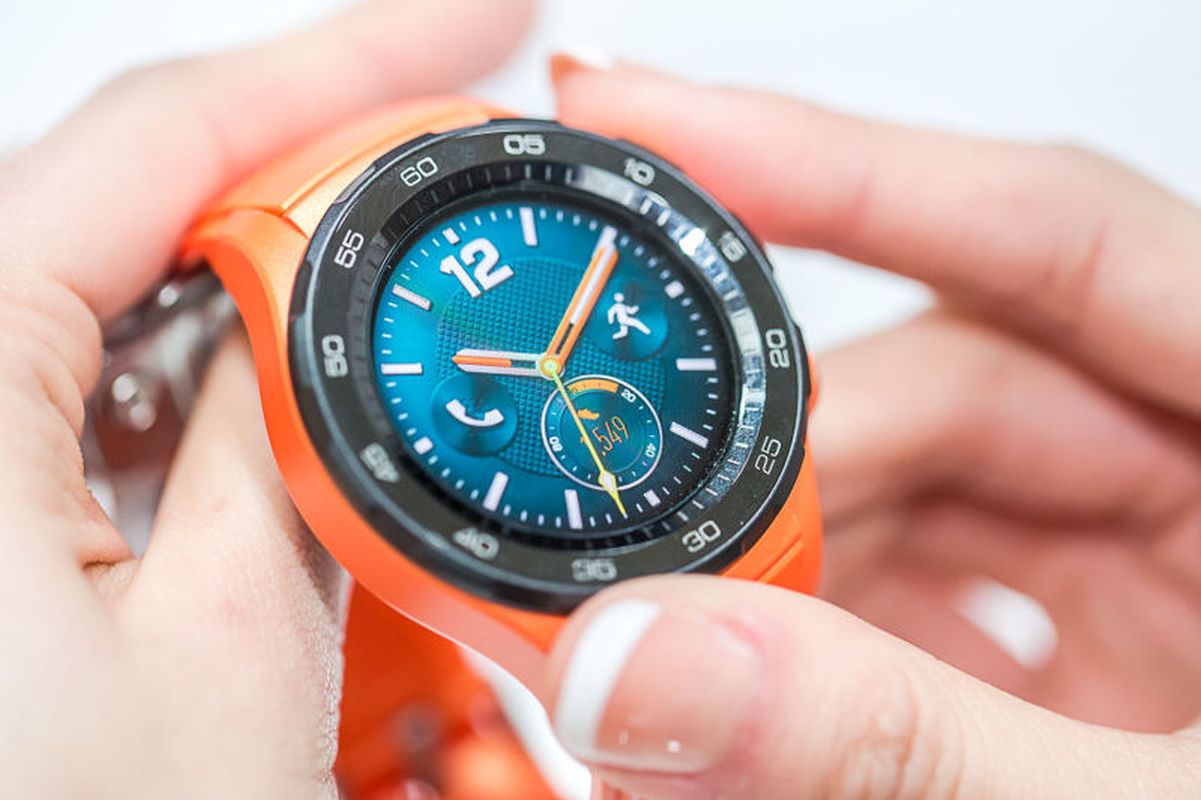
Huawei Consumer Business Group (CBG) today defined a new category of wearable technology with the HUAWEI WATCH 2. Using the latest research result and developments from technology innovator Huawei, the watch combines the connectivity of a smartphone, the smarter living applications of a premium smartwatch and the detailed performance coaching and tracking of a leading sports tracking device, all in the form of a stylish classical wristwatch.
HUAWEI WATCH 2 inherits the classic design of the original HUAWEI WATCH while introducing new innovations in every category to better empower users’ spirit of exploration and help them enjoy an active lifestyle.
The watch will go on sale in Spain, France, Portugal, Italy, Germany and China this March, priced from 329 € depending on the design and features being chosen. It will become available in additional countries including the US, the UK, Russia and Australia from April. For full details on release schedule see notes to editors below.
In a world where technology has become more and more integrated into our lives, the HUAWEI WATCH 2 is a product for those who yearn for the freedom to explore while staying connected, without having to be glued to a smartphone. Powered by
the Qualcomm® Snapdragon™ Wear 2100 processor HUAWEI WATCH 2 (4G supported version) has independent connectivity, allowing users to send messages or make calls independently of a mobile phone. It also features compatibility for the latest smart living applications. Featuring support for cellular networks and running on the new Android WearTM 2.0 ensures connectivity for both AndroidTM and iOS users and means the HUAWEI WATCH 2 embodies the spirit of openness and exploration for all.
Independent connectivity to suit your exploration
With HUAWEI WATCH 2 (4G supported version), users can leave their mobile phone at home and go running, cycling or just exploring while staying connected. Thanks to independent mobile connectivity and a built in GPS chip, users can respond to calls and text messages, use independent apps like Uber, Foursquare and Telegram. The innovative design means that this extra connectivity comes with no sacrifice on quality. VoLTE support and dual-mic noise elimination help ensure a stable and clear telephone experience while the integration of the antennae on the upper watch case for dual 4G, GPS, Wi-Fi, Bluetooth and NFC in the device significantly strengthens connectivity, allowing HUAWEI WATCH 2 to stay compact while ensuring good signal reception.
Besides the SIM version working with mobile network carriers worldwide, the HUAWEI WATCH 2 also provides an eSIM version (available to limited countries).
What’s more, some carriers feature a one-number-multi-SIM service. There’s no need for a new number, as the watch and your mobile phone can share the same number. Going far beyond being just a partner to a smartphone, the HUAWEI WATCH 2 (4G supported version) provides the flexible connectivity required in a modern active life and gets everything controlled by one hand.

The complete health and exercise partner
HUAWEI WATCH 2 is also a high specification fitness device that uses multiple sensors with advanced algorithms to provide fitness solutions and make working out more efficient and effective. Built-in smart sensors collect comprehensive data on user activity, including distance, speed, steps, heart rate, heart rate range, calories, gait, route and more.
With one click on the crown HUAWEI WATCH 2 opens the workout App to start training in an instant. Quick start running modes “fat-burning run” and “cardio run” allow runners to start quickly and the watch will guide your speed to stay in the correct heart rate zone. Running with HUAWEI WATCH 2 enables you to get real time guidance including notifications on distance, target completion status and racing heart warning and based on calculated workout plans, HUAWEI WATCH 2 can also dynamically notify you to either accelerate or decelerate to guide you through every stage of your run. With the support of HUAWEI WATCH 2’s GPS and heart rate detection system, HUAWEI WATCH 2 measures your VO2max after each run. After a valid run the watch automatically generates a report that advises on recovery time and training effects.
Other supporting elements include the built in GPS that tracks your exercise route. HUAWEI WATCH 2 also allows you to add music to your workout through the Google PlayTM Music app. Users can download songs, stream music and access their playlists.
Beyond just exercise, HUAWEI WATCH 2 promotes healthy living all day. The Daily Tracking App accurately tracks users’ daily steps, record time taken for medium to high intensity exercises, and detect the number of times you stand up after long sedentary periods. All this information is reported via progress bars to encourage a healthier and more active life. Continuous heart rate monitoring tracks your heart rate in the background and reports your heart rate of the last six hours in a curved line. HUAWEI WATCH 2 also measures your Resting Heart Rate, which is recorded in the activity monitor app.
Chronograph watch design
The HUAWEI WATCH 2 has a classical wristwatch design that integrates its smart features and sport functions while maintaining a stylish look. Made from sophisticated materials, a dual crown design delivers a premium feel. While honouring the classics, the watch is adaptable to the wearer’s personality, with both classical and sporty design options. The high-definition display is customisable with multiple face designs, allowing users quick access to their favourite and most frequently used apps. In addition to a chronographdesign, HUAWEI WATCH 2 features a ceramic bezel that provides a fine quality while offering a comfortable wearing experience.
The watch is also designed for comfort and fit during exercise, meaning it is curved to sit perfectly against the wrist. It is smaller and more compact than the previous generation HUAWEI Watch with its parts on one side accounting for 88% of the total area of the watch.
Porsche Design HUAWEI Smartwatch
Technology innovator Huawei and premium lifestyle brand Porsche Design extend their partnership with the announcement of the new Porsche Design HUAWEI Smartwatch. Complementing the Porsche Design HUAWEI Mate 9, which was launched in November 2016, the product further enriches the user experience. Again, the collaboration brings together the latest innovations in technology with the most functional design, creating an equilibrium of aesthetics and function. It combines the latest activity tracking and fitness management functions with the connectivity and smart technology of a leading smart wearable device. For those who demand style and substance, the Porsche Design HUAWEI Smartwatch delivers professional standard fitness tracking, the latest smart functions and sophisticated design - all from the wrist.
The innovative smart watch is the first ever to be created by Porsche Design and part of a continuous roll out of smart devices, which will be released in the upcoming months.
Richard Yu, CEO of Huawei Consumer Business Group said of the launch: “In today’s fragmented information age, the real function of technology is to provide convenience and connectivity without intruding on your daily life. We wanted to make a product that suits those individuals who wish to explore the limits of their own expression, while still being bound by a need to stay connected. With this product there is no need to stay glued to your smartphone. The independent connectivity and smart applications that can be used from your wrist mean you can go for a run or a cycle and leave your phone behind with the freedom of knowing you won’t miss an important message.
Health and wellbeing are vital for the modern consumer, but traditional monitoring devices are overly complicated and often get used for a while and then cast aside. We wanted to bring in all the most up to date monitoring technology into a stylish and smart package, making this the tool that doesn’t just keep you healthy, it is also stylish and helps make your everyday life easier.”
-ENDS-
Availability and Accessories
HUAWEI Watch 2 will be available in more than 20 countries and regions. These include:
Launching in March – Spain, France, Portugal, Italy, Germany, China.
Launching in April – US, UK, Holland, Belgium, Switzerland, Ireland, The Nordics, Thailand, Australia, New Zealand, Russia, India, South Africa, Poland, Austria, Saudi Arabia, Japan, UAE
Launching in May – Malaysia
Physician leadership needed to transform health care
CSPL white paper calls for changes to increase physician involvement
Effective reform of the Canadian health care system cannot occur without the involvement and leadership of physicians.
That's the main conclusion of "Accepting our responsibility: a blueprint for physician leadership in transforming Canada's health care system", a white paper prepared by the Canadian Society of Physician Leaders (CSPL).
The document outlines actions that must be undertaken by individual physicians, the medical profession as a whole, health care organizations, and governments to bolster the role of physicians as leaders to help change the system.
"The current framework for creating and supporting physician leaders in Canada today is disorganized, episodic, and limited in scope," said CSPL past-president and study co-author, Dr. Johny Van Aerde.
"While there are examples of physicians being meaningfully involved in helping shape health care transformation and innovation in Canada, these examples are limited," said Dr. Van Aerde, who is also clinical professor of pediatrics at the universities of British Columbia and Alberta.
Findings in the paper are based in part on the first-ever survey of physician leaders in Canada conducted by the CSPL, in partnership with the Canadian Medical Association (CMA) and the Centre for Health Innovation at the University of Manitoba.
Among the findings from the survey of 689 physician leaders:
- Many physicians take on a leadership role with no compensation or only a minimal stipend
- Only 54% of physicians in formal leadership roles are compensated for pursuing leadership training or education
- Only 39% said they were involved in innovative projects in their organization
"Organizational policies often exclude physicians from meaningful leadership roles, but the culture of medicine must change to acknowledge the responsibility of physicians to the system as a whole," said Dr. Van Aerde.
The white paper contains a number of recommendations to enhance physician leadership and improve physician participation in health care reforms, including the following:
What physicians should do
- Explore and challenge their personal mental models and the world views that restrict them from engaging in the health care system and realizing their potential as leaders.
- Be willing personally to participate in and champion efforts by colleagues to understand the reform agenda within their provincial health care system and the implications for their own area of responsibility.
- Take steps to negotiate appropriate working conditions for physicians in a reformed health care system.
What health care service organizations should do
- Make changes in organizational structure and design, jointly advocated by the organization and physician representatives, to alter policies and practices toward involving physicians in informal and formal leadership roles.
- Use informal and formal communications approaches to ensure that physicians are aware of organizational issues and priorities and are able to respond and provide feedback on such issues.
What provinces and medical associations should do
- Initiate negotiations to formalize and support regional and organizational efforts to realize effective physician leadership and engagement.
- Work with universities and health research agencies, both provincially and nationally, to identify best practices; either conduct or gather research on the impact of various models of physician leadership and engagement; and share that knowledge widely with potential partners.
- Provide financial support for physician leadership development and remuneration for physicians in leadership roles.
What Canada should do
- The Government of Canada and Health Canada are encouraged to endorse the recommendations of the Advisory Panel on Healthcare Innovation and, in the spirit of human resource development, instill in the national innovation hub strong support for physician leadership development and engagement.
- The Canadian Medical Association should develop a policy statement that recognizes the importance of physician leadership in health care reform and, through its subsidiary, Joule, reform and expand its existing efforts to increase physician leadership.
- The Royal College of Physicians and Surgeons of Canada, the College of Family Physicians of Canada, provincial colleges, and medical schools across the country should expand their efforts to embed leadership development in formal medical education and professional development.
"This paper is the first step toward improved physician engagement and leadership in the Canadian health care system," said Dr. Becky Temple, president-elect of the CSPL. "We are asking all stakeholders to initiate a dialogue and take action to support physician engagement and leadership in the context of their own organization or setting."
"The thoughtful and encompassing white paper from the Canadian Society of Physician Leaders is a valuable document, showing the way to the overdue health care reform urgently required in Canada. The paper acknowledges the essential leadership of physicians in health system design and management at all levels, while also focusing on the required collaborative approach to system improvement. Only by working in partnership with all stakeholders in the health care system may we expect to develop sustainable and high quality care," said Canadian Medical Association president Dr. Granger Avery.
"The document acknowledges the important step taken by the Royal College of Physicians and Surgeons of Canada in changing its basic framework for medical education (CanMEDS 2015) to acknowledge the role of physician as 'leader'," said Dr. Andrew Padmos, president and CEO of the Royal College. "We agree with the CSPL that every physician is a leader and leaders can and should be found at all levels."
"Family physicians can be leaders, both in their local communities and at the national level," said Dr. Francine Lemire, executive director and CEO of the College of Family Physicians of Canada. "This white paper provides the rationale for all family physicians to consider taking leadership roles."
About the Canadian Society of Physician Leaders (CSPL)
The Canadian Society of Physicians Leaders is the "go to" organization for physician leaders. Since 1998, it has been providing support and development opportunities for Canadian physicians to help them succeed in their leadership and management roles in health care. The CSPL, with Joule (a CMA company), hosts the only annual meeting in Canada dedicated specifically to physician leadership.
SOURCE Canadian Society of Physician Leaders
Club Med warms up Toronto with two-day pop-up
Taste of premier resort experience sure to bring out the Amazing You that guests experience around the world
February 14 and 15 at Yonge-Dundas Square
Toronto, ON – Club Med is turning up the heat, offering Torontonians the chance to beat the winter blues as it take over Yonge-Dundas Square on February 14 and 15.
With winter in full swing, Club Med wants to give Canadians the chance to escape to somewhere warm. Known for its 65+ all-inclusive resorts worldwide, Club Med will transport bystanders down south through its winter bubble activation. Guests will step into a heated glass-walled truck fully decked out as one of Club Med's beach resorts, complete with sand, palm trees, and tropical fruits while being treated to the renowned hospitality of Club Med’s famous team of G.O.s (Gracious Organizers).
To help visitors truly escape to a sunny destination, Virtual Reality goggles will transport users directly to the exotic settings of the Club Med resorts in the Caribbean and Mexico – helping them feel what it is like to be their best self (to discover their Amazing You). One of the most innovative companies in the travel market, Club Med’s use of VR and 360-videos usually reserved for the booking process will, for the first time, give Torontonians the opportunity to be swept away, taking part in exciting, signature family-fun focused activities like the flying trapeze or sailing.
Although guests will feel like they are immersed in a tropical paradise, to make sure everyone stays extra toasty, Club Med G.O.s will be handing out hot cocoa and branded hand warmers to passersby.
In addition to experiences and giveaways, Club Med wants to make dreams a reality for a lucky guest. Visitors will have the opportunity to post pictures from their visit to the pop-up on social media using #ClubMedAmazingTO for the chance to win a trip for two to one of Club Med’s sunny destinations. Online entries will also be possible by registering at ClubMedAmazingYou.com
The Club Med pop-up resort will be at Yonge-Dundas Square on Feb. 14 from 11:30 a.m. to 7 p.m. and Feb. 15 from 7:30 a.m. to 7 p.m. The contest runs until Feb. 28 at 11:59 p.m. For more information or to register for a chance to win a trip for two to a Club Med resort, visit ClubMedAmazingYou.com.
Website: ClubMedAmazingYou.com
Facebook: ClubMedCanada
Twitter: @clubmedca
Instagram:@clubmed
Hashtag: #ClubMedAmazingTO
About Club Med
Club Med was founded in 1950 and is recognized as the all-inclusive pioneer and market leader offering more than 65 premium resorts in stunning locations around the world including the Caribbean, Asia, Africa, the United States, South America, Europe, the Indian Ocean and the Middle East. Each Club Med resort features authentic local style and comfortably chic accommodations, superior sports programs and activities for all ages, enriching children's programs and gourmet dining and premium drinks.
With the introduction of Virtual Reality and development of 360-videos for its booking process, Club Med gains a position among the most innovating brands by offering the public a completely immersive experience.
Operating in 26 countries, Club Med continues to maintain its authentic spirit with an international staff of 23,000 employees from 110 different nationalities.
Is 3D Mammography more effective in detecting breast cancer?
The Ottawa Hospital Breast Health Centre and Ottawa Integrative Cancer Centre collaborate on clinical trial for breast cancer screening with digital breast tomosynthesis
Researchers from The Ottawa Hospital Breast Health Centre and the Ottawa Integrative Cancer Centre (OICC) have opened the Ottawa site of the Lead-In to the Tomosynthesis Mammographic Imaging Screening Trial (TMIST). The Breast Health Centre is one of three clinical trial sites to launch the Lead-In in Canada. It is expected that shortly this trial will be integrated into a larger U.S./Canada TMIST, managed by the ECOG-ACRIN Cooperative Clinical Trials Group.
TMIST is the first large randomized, multi-centre study to assess whether a novel "3D" digital tomosynthesis technology combined with 2D digital mammography may be more effective at reducing the incidence of advanced breast cancers than conventional 2D mammography alone. Previous smaller studies suggest that this new kind of mammography can increase breast cancer detection and reduce the rate of false positives and recalls for women who do not have cancer. If successful, implementation of this technology would provide greater assurance of an effective test, reduce patient stress and anxiety, and ultimately reduce costs to the health-care system. The current Lead-In study aims to enroll 6,300 women in Canada, including 2,000 from Ottawa. Women attending mammographic screening at the Breast Health Centre may be approached to participate.
Digital breast tomosynthesis uses multiple low-dose images of the breast that are layered into a pseudo 3D view instead of the traditional 2D views. As information is not superimposed, tomosynthesis creates a richer and clearer image that may help avoid missing cancers that may be hidden in surrounding breast tissue.
"Tomosynthesis is the most advanced and exciting technology for mammography," said Dr. Jean Seely, Head of Breast Imaging at the Breast Health Centre, associate professor at the University of Ottawa and lead investigator of TMIST Lead-In in Ottawa. "When the full study begins, it will be the largest and most important study to evaluate both 3D and 2D mammography technology together. Outcomes of the study will allow us to decide how we move forward from 2D to 3D screening. Our goal is to improve on ways to detect important cancers as early as possible in order to save lives."
"We are pleased to collaborate and help fund this critical trial," said Dugald Seely, naturopathic doctor, Executive Director of the OICC, and co-investigator of TMIST in Ottawa. "Imaging and mammography are stressful events. The OICC is committed to supporting women so that they receive the best diagnostic technology, limiting unnecessary anxiety and ultimately reducing the burden of disease. The screening program is potentially revolutionary and we hope will be more accurate in correctly finding breast cancers that may not otherwise be diagnosed."
Breast cancer is the leading cause of death amongst women between 40 and 50 years of age. At The Ottawa Hospital there are one thousand new cases of breast cancer diagnosed per year.
Screening mammography has been shown to reduce the mortality of breast cancer. Specifically, women with breast cancer who underwent prior screening had a death rate of approximately six percent after five years compared to 15 percent for people who did not undergo screening. Despite this fact, there is extensive controversy surrounding screening. The harms of high numbers of false positives from 2D mammography have called screening into question. For every 100 women who are recalled for additional testing, more than 90 will have a normal finding or benign disease. This high number of initial false positives creates stress for women and may lead to decreased screening use, with a potential greater loss of lives from undetected cancer. It is hoped that tomosynthesis technology will reduce false positives, improve sensitivity and overall accuracy of digital mammograms.
The full TMIST study of 165,000 women will be led by Dr. Etta Pisano, Dean Emerita, College of Medicine, Medical University of South Carolina and current Vice-Chair of Research in the Department of Radiology at Beth Israel Deakoness Medical Center, Harvard University. The Canadian Lead-in study is being led by Dr. Martin Yaffe, Senior Scientist, Imaging Research, Sunnybrook Research Institute, Professor of Depts. Medical Biophysics and Medical Imaging, at University of Toronto.
This study has been approved by the Ottawa Health Science Network Research Ethics Board. Further details are available on the Canadian Cancer Trials website.
About The Ottawa Hospital and its Breast Health Centre
The Ottawa Hospital is one of Canada's largest learning and research hospitals with over 1,100 beds, approximately 12,000 staff and an annual budget of over $1.2 billion. Our focus on research and learning helps us develop new and innovative ways to treat patients and improve care. As a multi-campus hospital, affiliated with the University of Ottawa, we deliver specialized care to the Eastern Ontario region, but our techniques and research discoveries are adopted around the world. We engage the community at all levels to support our vision for better patient care.
Since its opening in 1997, The Ottawa Hospital Breast Health Centre has been dedicated to providing the highest quality care for breast patients across the Champlain Local Health Integration Network (LHIN). The Centre continues as a comprehensive breast centre that offers expertise in breast imaging, biopsy, diagnosis, risk assessment, surgical planning and psychosocial support for patients, and their families, in a caring environment. The Breast Health Centre offers high quality assessments in diagnostic imaging, diagnosing more than 85% of the breast cancers at The Ottawa Hospital, performing over 2,500 breast biopsies every year.
About the Ottawa Integrative Cancer Centre (OICC)
The OICC is changing how people are living with cancer. The OICC approach to integrative cancer care enables people to live the best they can while undergoing hospital-based treatment, by reducing side effects, improving quality of life, and helping prevent recurrence. The OICC is the first integrative cancer care and research centre in Central and Eastern Canada, and has been awarded the two largest-ever integrative cancer care research grants in North America. A not-for-profit, the OICC provides a range of supportive programs for patients including the Babes4Breasts Head Start Program for women newly diagnosed with breast cancer. www.oicc.ca
About the University of Ottawa — A crossroads of cultures and ideas
The University of Ottawa is home to over 50,000 students, faculty and staff, who live, work and study in both French and English. Our campus is a crossroads of cultures and ideas, where bold minds come together to inspire game-changing ideas. We are one of Canada's top 10 research universities—our professors and researchers explore new approaches to today's challenges. One of a handful of Canadian universities ranked among the top 200 in the world, we attract exceptional thinkers and welcome diverse perspectives from across the globe. www.uottawa.ca
SOURCE Ottawa Integrative Cancer Centre (OICC)
For patients experiencing chest pain who call 911, the Ontario ST Elevation Myocardial Infarction (STEMI) Bypass Protocol enables paramedic services to bypass the local emergency department and transport patients having a STEMI heart attack directly to a hospital that can open the blocked coronary artery and provide a primary intervention. STEMI is a form of a heart attack that can cause death if not treated within minutes.
In Ontario, the frequency of STEMIs is approximately 68 of every 100,000 adult residents, a total of about 7,000 STEMIs per year. Timely reperfusion (the opening of a blocked coronary artery) requires early diagnosis via an electrocardiogram (ECG) and transportation to an advanced cardiac hospital via paramedics.
"Calling 911 means quicker treatment because paramedics are trained to recognize heart attack symptoms," said Doctor Madhu Natarajan, Chair Ontario STEMI Network, Director, Cardiac Cath lab Hamilton; Professor of Medicine, Cardiology at Mc Master University, Interventional Cardiology, Hamilton Health Sciences. "[They] can begin treatment and call ahead to the emergency department and take you to the right place at the right time."
Any heart attack treatment begins with paramedics who have the medical expertise to complete an assessment and perform an ECG to determine if patients are having a STEMI heart attack. With the new protocol, paramedics can bypass the local hospital and transport directly to an advanced cardiac hospital where an interventional cardiologist can restore blood flow to the blocked coronary artery.
"When individuals experience symptoms of a heart attack (i.e. chest/arm pain, nausea, sweating, and shortness of breath) it is very important that they call 911," said Peter F. Dundas, Chief, Peel Regional Paramedic Services, Ontario Association of Paramedic Chiefs. "The Emergency Department STEMI Protocol ensures standardized, best practice care for all STEMI patients in Ontario."
All emergency departments (ED) in Ontario now utilize a standard STEMI ED protocol when caring for patients experiencing a STEMI heart attack. Educational tools and resources have been distributed to every Emergency Department in Ontario to support implementation of the protocol.
The protocols also include standard care algorithms for patients that reside in remote regions.
The STEMI Protocols were developed in consultation with the CCN, the Ontario Association of Paramedic Chiefs, the Ontario Base Hospital Group Executive Committee, the Ontario Base Hospital Group Medical Advisory Committee, Toronto Paramedic Services and Ornge.
The Cardiac Care Network (CCN), under the direction of the Provincial Programs Branch (PPB), took the lead on the development of the Ontario STEMI Bypass Protocol through their Ontario STEMI Network, which included cardiologists, hospital administrators, base hospital medical directors and paramedics from across the province.
In Canada, there is a death every seven minutes due to heart disease or stroke. In 2008, myocardial infarctions (MI) made up 23 per cent of deaths related to cardiovascular disease. Most deaths caused by myocardial infarctions occur out-of-hospital.
For more information on the Ontario ST Elevation Myocardial Infarction (STEMI) Bypass Protocol, visit http://ow.ly/OL91308McQL.
ABOUT THE CARDIAC CARE NETWORK
The Cardiac Care Network of Ontario is a system support to the Ministry of Health and Long-Term Care, Local Health Integration Networks, hospitals, and care providers dedicated to improving quality, efficiency, access and equity in the delivery of the continuum of cardiovascular services in Ontario.
SOURCE Cardiac Care Network of Ontario (CCN)