ROBERT F. KENNEDY, JR. LAUNCHES THE WORLD MERCURY PROJECT Vows to change government policies that injure children.
Washington, DC—Robert F. Kennedy, Jr. announced today the launch of the World Mercury Project (WMP), a public health advocacy organization dedicated to ending exposure to neurotoxic mercury in fish, medical products, dental amalgams and vaccines. The group will focus on making sound science the driver of public policy.
“We will expose the government and corporate corruption that has led to increasing exposures to neurotoxic mercury in foods and medicines,” said Lyn Redwood, RN, MSN, the group’s executive director.
WMP joins these organizations calling for the repeal or radical reform of NCVIA. “This act provided vaccine manufacturers blanket immunity for any harm caused by injuries from vaccines, no matter how wanton, reckless or negligent the manufacturing, how anemic the testing or how grievous the injury,” Kennedy said. “That act and the mountains of pharma cash going to politicians, regulators and the press have helped obliterate all the checks and balances that normally stand between a rapacious industry and vulnerable children in a free and Democratic society. The complete vacuum of accountability caused by the NCVIA has emboldened the worst kind of behavior by vaccine makers including the continued use of mercury in vaccines.”
“We want robust and transparent science, independent and honest regulators, safe vaccines and healthy children,” Kennedy added. “Although Congress intended this law to make children healthier and safer, it has paradoxically made them less healthy and less safe, allowing them to receive mercury-contaminated vaccines that other countries have long outlawed.”
ExamOne joins Manulife Vitality to provide free annual wellness checkup
"Vitality Check" provides another opportunity to earn Vitality Points
Manulife today announced that ExamOne has joined the Manulife Vitality program as a provider of Vitality Check, a physical fitness checkup for Manulife Vitality members. The goal of this free service is to give members an update on their general health and health risks. Manulife Vitality members who choose to participate in this optional service will also earn Vitality Points toward their Vitality Status, which can lead to rewards including discounts on their life insurance premiums.
Manulife Vitality members choosing to have a Vitality Check can do so through their preferred health provider (accredited medical practitioner/doctor) or by ExamOne, in a location of the member's choice.
"Vitality Check provides an additional level of insight into one's overall health," said Blake Hill, Head of the Manulife Vitality program. "Not all provincial health care systems cover the requirements and cost of a health review equivalent to Vitality Check so we have joined with ExamOne to provide it free of charge to Manulife Vitality members."
Vitality Check includes a collection and reporting of members' blood pressure, glucose, cholesterol and body mass index, and provides members with personal health information they can use to better understand their overall health and to make informed choices about their health care. Manulife Vitality rewards members with Vitality Points for simply choosing to complete a Vitality Check and learning about their health. Members can be further recognized with additional Vitality Points if their biometric measures are within healthy ranges.
Members connect with ExamOne through the Manulife Vitality secure member website, and will be connected with a local paramedical professional. The ExamOne representative will arrange for the checkup in a location of the member's choice, including their home or workplace. Results are only provided to the member and to The Vitality Group Inc., the administrator of the program in order to award the Vitality Points.
Manulife Vitality is a whole new approach to life insurance. It is a personalized wellness program that offers rewards when you make choices to live a healthier life. You can accumulate Vitality Points for routine activities you may already be doing to stay healthy. With Manulife Vitality, your life insurance has the potential to save you money and reward you for living a healthier life. Members of the Manulife Vitality program earn Vitality Points when they complete healthy living activities, such as health education courses, exercising, getting an annual health checkup, or even a flu shot. The number of Vitality Points a member accumulates over the course of a year determines their Vitality Status level. The greater the status that the member attains in the Manulife Vitality program the more they can enjoy the program rewards and benefits.
About Manulife Manulife Financial Corporation is a leading international financial services group providing forward-thinking solutions to help people with their big financial decisions. We operate as John Hancock in the United States, and Manulife elsewhere. We provide financial advice, insurance and wealth and asset management solutions for individuals, groups and institutions. At the end of 2015, we had approximately 34,000 employees, 63,000 agents, and thousands of distribution partners, serving 20 million customers. At the end of September 2016, we had $966 billion (US$736 billion) in assets under management and administration, and in the previous 12 months we made more than $24.4 billion in benefits, interest and other payments to our customers. Our principal operations are in Asia, Canada and the United States where we have served customers for more than 100 years. With our global headquarters in Toronto, Canada, we trade as 'MFC' on the Toronto, New York, and the Philippine stock exchanges and under '945' in Hong Kong. Follow Manulife on Twitter @ManulifeNews or visit manulife.com or johnhancock.com.
About Vitality The Vitality Group is a member of Discovery Ltd., a global financial services organization offering an incentive-based health and well-being program to employers, as part of their benefits program, and to insurers. With a foundation based on actuarial science and behavioral economic theory, Vitality encourages changes in lifestyle that reduce healthcare costs, both in the short run and long term, by rewarding members for addressing their specific health issues. Vitality well-being programs serve companies in a wide range of sizes and industries, improving individuals' health and wellbeing as well as employers' bottom lines.
Vitality brings a global perspective through successful partnerships with large employers and best-in-class insurers around the world, in countries including the United States, United Kingdom, South Africa, China, Singapore, Australia, Hong Kong, and the Philippines. Additional information can be found at thevitalitygroup.com.
Medtronic the first to offer complete portfolio of full-body MR conditional neurostimulation systems for chronic pain in Canada
Medtronic SpecifyTM SureScanTM MRI Surgical Leads Rounds Out Exclusive Portfolio Designed for Access to Full-Body MRI*
BRAMPTON, ON, Nov. 8, 2016 /CNW/ - Medtronic Canada, a subsidiary of Medtronic plc (NYSE:MDT), announced the Health Canada licence and the first Canadian implants of the new Specify™ SureScan™ MRI surgical leads, which are indicated for use as part of Medtronic's implanted neurostimulation systems (also known as spinal cord stimulation, or SCS) for chronic pain. In 2013, Medtronic introduced the first implantable neurostimulation systems for use in the treatment of chronic, intractable back and/or limb pain that are licenced for full-body Magnetic Resonance Imaging (MRI) scans under specified conditions. The licencing of Specify SureScan MRI surgical leads establishes Medtronic as the only company in Canada with a full portfolio of SCS systems licenced by Health Canada for full-body MRI.* This means physicians in Canada can now offer a Medtronic full-body MR Conditional SCS system best suited for their patients regardless of the type of neurostimulator (rechargeable or non-rechargeable) or lead type (percutaneous or surgical).
"The majority of patients implanted with SCS devices will need MRI studies in the future, and until now they have either undergone other more invasive examinations or had the SCS device explanted. Physicians and patients can now approach this therapy with the confidence that their ability to access future diagnostic procedures won't be lost. This innovation has raised the bar in the delivery of neuromodulation for treatment-refractory neuropathic pain" said Dr. Mohammed F. Shamji MD, PhD, FRCSC, neurosurgeon at the Krembil Neuroscience Centre at Toronto Western Hospital.
"An important development in the field of neuromodulation is the availability of MRI conditional devices. These devices allow for patients to undergo routine MRIs and continue to benefit from neuromodulation therapy - a previously unmet need for many of our patients. Our team is pleased that we can now offer this technology as a potential treatment option." said Dr. Suneil Kalia, MD, PhD, FRCSC, neurosurgeon at the Krembil Neuroscience Centre at Toronto Western Hospital.
Back pain is estimated to affect 8 out of 10 people at some point during their lives.1 For some people, noninvasive options, such as medication and physical therapy, provide adequate relief; others may require surgery, nerve blocks, or medical devices, such as spinal cord stimulators or drug pumps. Spinal cord stimulators are medical devices implanted under the skin that send mild electrical pulses to an area near the spine. These pulses disrupt the pain signals traveling between the spinal cord and the brain, offering patients effective pain relief and improved function.2
"The use of MRI as a diagnostic tool has grown significantly. Studies show that 82 percent of patients implanted with a SCS are expected to need an MRI within five years of receiving their implant.3 Medtronic appreciates the opportunity to offer physicians the only full portfolio of SCS systems in Canada that allow patients access to full-body MRIs, facilitating optimal patient care and timely interventions," said Sandrine Moirez, senior business director of the Restorative Therapies Group at Medtronic Canada. "Medtronic remains committed to the advancement of spinal cord stimulation therapy overall and continues to drive technological advancements to ensure greater access to MRIs across many of our implanted Medtronic systems, such as pacemakers, ICDs and deep brain stimulation systems."
While the benefits of neurostimulation therapy are well documented, some individuals with an SCS system have traditionally been limited when receiving MRI scans, as the scans produce electromagnetic fields that can damage the device or cause injury to the patient. These patients have the option of undergoing computerized tomography (CT) scans, which work well for imaging bones and other hard materials, but are less effective in examining soft tissue. In some cases, people needing an MRI have had the system explanted prior to imaging.
Additional benefits of the Medtronic Spinal Cord Stimulation Therapy include:
Technology that is proven to significantly relieve pain for the long term4 and help patients get back to the everyday activities they enjoy.2
The opportunity for patients to "test drive" spinal cord stimulation with an external stimulator for a 3 to 10 day trial period during which they can assess how well the therapy relieves their pain during daily activities before committing to long-term therapy.
RestoreSensor™ SureScan MRI systems feature Medtronic's AdaptiveStim™ technology, which adjusts stimulation automatically. Patients no longer have to use their programmer to make manual adjustments every time they change position.
Personalization that empowers patients to manage their own pain therapy by adjusting their stimulation within pre-set limits.
About Medtronic Medtronic Canada (www.medtronic.ca), headquartered in Brampton, Ontario is a subsidiary of Medtronic plc, which is among the world's largest medical technology, services and solutions companies — alleviating pain, restoring health and extending life for millions of people around the world. Medtronic is proud to employ over 1,600 people in Canada, serving physicians, hospitals and patients across the country. The company is focused on collaborating with stakeholders around the world to take healthcare Further, Together.
Any forward-looking statements are subject to risks and uncertainties such as those described in Medtronic's periodic reports on file with the Securities and Exchange Commission. Actual results may differ materially from anticipated results.
References 1 Web site: https://www.nlm.nih.gov/medlineplus/backpain.html Accessed: February 10, 2016 2 Kumar K, Taylor RS, Jacques L, et al. Spinal cord stimulation versus conventional medical management for neuropathic pain: a multicentre randomized controlled trial in patients with failed back surgery syndrome. Pain. 2007;132:179-188. 3 Desai MJ, Hargens LM, Breitenfeldt MD, Doth AH, Ryan MP, Gunnarsson C, Safriel Y. The rate of magnetic resonance imaging in patients with spinal cord stimulation. Spine. 2015 May 1;40(9):E531-. 4 Kumar K, Taylor RS, Jacques L, et al. The effects of spinal cord stimulation in neuropathic pain are sustained: a 24-month follow-up of the prospective randomized controlled multicenter trial of the effectiveness of spinal cord stimulation. Neurosurgery. 2008;63(4):762-770. * Under specific conditions. Refer to Instructions for Use.
SOURCE Medtronic of Canada, Ltd.
Life Financial and Toronto Rehab Foundation to make an exciting announcement improving wellness around the globe through innovative diabetes prevention and management program
TORONTO, Nov. 9, 2016 /CNW/ - Sun Life Financial and the Toronto Rehab Foundation will be making an exciting donation and announcement about improving wellness around the globe through better diabetes prevention and management. This innovative program will extend diabetes care beyond hospital walls and empower individuals living with the disease to take control of their health, regardless of barriers such as geography, financial constraints and language. Hockey Hall of Famer Darryl Sittler and former NHL player Brandon (BJ) Crombeen will be on-hand to help launch this exciting new initiative.
Darryl Sittler, former NHL Player and Hockey Hall of Famer
Brandon (BJ) Crombeen, former NHL Player
Lisa Ritchie, Senior Vice-President & Chief Marketing Officer, Sun Life Financial
Dr. Peter Pisters, President & CEO, University Health Network
Dr. Paul Oh, Medical Director, Cardiac Prevention & Rehabilitation Program, TRI-UHN
Space is limited - members of the media are requested to RSVP to Alessandra Nigro at alessandra.nigro@sunlife.com.
About Sun Life Financial Sun Life Financial is a leading international financial services organization providing a diverse range of protection and wealth products and services to individuals and corporate customers. Sun Life Financial has operations in a number of markets worldwide, including Canada, the United States, the United Kingdom, Ireland, Hong Kong, the Philippines, Japan, Indonesia, India, China, Australia, Singapore, Vietnam, Malaysia and Bermuda. As of June 30, 2016, the Sun Life Financial group of companies had total assets under management of $865 billion. For more information please visit www.sunlife.com.
Sun Life Financial Inc. trades on the Toronto (TSX), New York (NYSE) and Philippine (PSE) stock exchanges under the ticker symbol SLF.
About Toronto Rehabilitation Institute As the world-leading rehabilitation research centre, Toronto Rehabilitation Institute is revolutionizing rehabilitation by helping people overcome the challenges of disabling injury, illness or age related health conditions to live active, healthier, more independent lives. It integrates innovative patient care, ground breaking research and diverse education to build healthier communities and advance the role of rehabilitation in the health system. Toronto Rehab, along with Toronto General and Toronto Western Hospitals, the Princess Margaret Cancer Centre and The Michener Institute for Education at UHN is a member of the University Health Network and is affiliated with the University of Toronto. www.uhn.ca.
When most people think of Botox the first thing that usually comes to mind is wrinkle reduction. Indeed, Botox is the world’s most popular treatment for eradicating wrinkles and fine lines. The toxin is specifically FDA approved for treating frown lines between the eyebrows (glabellar lines) and lines around the eyes (crow’s feet). In addition to being the gold standard for wrinkle reduction, Botox can also be used to treat a variety of issues, both cosmetic and non-cosmetic. Dr. John Zannis is a New Bern, North Carolina board certified plastic surgeon. He provides a list of conditions that Botox has been used to treat.
Acne
Botox can curb oil production, reducing breakouts. "To totally treat acne, you'd need to use doses of Botox so large they'd prevent you from constricting your facial muscles," says Dr. Zannis. "But tiny amounts of Botox injected very superficially help reduce oil production, and you can still have facial expressions." Though he'd recommend it for almost any patient struggling with acne, Zannis would likely advise trying another dermatologist-prescribed treatment, like spironolactone or birth control pills, first. And though it can technically be used to quell oil production anywhere on the face, he cautions against using it all over because of potential effects on muscular activity (a.k.a. frozen face). The most effective and common area for using Botox to curb oil production, he says, is the forehead.
Gummy smile (not FDA approved)
A "gummy" smile, one that's characterized by a smile that shows too much of the gums, usually results from "excessive lip elevation" when the upper lip rises too far above the upper teeth when smiling. Injecting Botox into the upper lip weakens the upper lip's retractor muscles so that it won't raise as high and your smile will seem better-balanced. It can be done in about five minutes. Usually lasts for four to six months. Costs range from $200-$300. Dr. Zannis says, "This technique is not for the novice Botox injector. Too much, and your lip won’t raise enough, too little and you will need more, or if injected asymmetrically, you might have a funny asymmetrical smile."
Urinary incontinence.
Overactive bladder problems affect up to 20% of women over 40. For severe cases where medications do not provide complete relief, Botox injections into the bladder wall may provide relief lasting about 6 months.
Psoriasis
Psoriasis is uncomfortable, itchy, and not exactly easy on the eyes. Luckily, this flaky skin condition could be a thing of the past thanks to Botox. Though psoriasis is technically incurable, Botox minimizes the activity of inflammatory cells that bring on outbreaks.
Excessive Sweating
For those who suffer from excessive sweating, however, summer isn’t always the sunniest time of the year. Thankfully, Botox could be a saving grace for those attempting to manage this condition, which is officially known as axillary hyperhidrosis. Studies show that just a handful of injections can reduce underarm sweat for up to TWO years. Um, where do we sign up?
Breast Lift
Are your breasts in need of a pick-me-up? Instead of going under the knife and getting permanent augmentation, some experts have suggested a quick and easy Botox lift. Dr. Zannis says that, “Those looking for a modest improvement are said to be able to temporarily plump their assets thanks to injections into the pectoralis minor chest muscle.”
Depression
The benefits of Botox® may be more than skin deep; two recent studies suggest that it may help alleviate the symptoms of depression. In a study published in the May 2014 issue of the Journal of Psychiatric Research, more than half of participants who had moderate-to-severe depression showed a substantial improvement in depressive symptoms following one injection of Botox® between the brows. This improvement lasts longer than the cosmetic effects, suggesting that the effect may be more than just feeling better about your appearance. Botox® is not approved to treat depression.
Teeth Grinding
Injections of Botox® were used to control involuntary muscle tension and spasms long before it became the go-to wrinkle buster. Dr. Zannis says that, “these neurotoxin injections may weaken the chewing muscles enough to reduce bruxism (teeth grinding) without affecting your ability to chew, talk and smile. Results last about four months. Botox® is not yet approved to treat bruxism.”
Migraine Headache
Botox® is approved by the FDA to treat chronic migraine headaches in adults who have 15 or more headache-days a month, each lasting four hours or more. Studies that led to this indication show that BOTOX®® prevents up to nine headache-days a month (vs seven for dummy injections). Other research hints that the neurotoxin may also help with low cerebrospinal fluid headaches and cluster or "suicide" headaches.
Brow Boost
Much like lines form over time, your brow may also drop or droop. Botox cosmetic treatments can also be used to improve the appearance of the brow. Dr. Zannis explains that, “the treatment essentially freezes the sagging muscles in place and gives the brow more stability. Lifting the brows in this way leaves you with a less tired and younger, fresher appearance.”
Jaw Reduction (off label use)
Botox can be used to perform jaw reduction (commonly called jaw line softening). Injecting Botox into the masseter muscle (the primary muscle used in chewing actions) reduces its overall size; transforming an overly square and masculine appearing jawline into a more feminine oval or heart shape.
Dr. John Zannis is a New Bern, North Carolina board-certified plastic surgeon and best selling author. A graduate of Stanford University and The University of Cincinnati Medical College, he received his formal training in General Surgery and Plastic and Reconstructive Surgery at Wake Forest University in Winston-Salem, North Carolina under the guidance of world-renowned plastic surgeon Dr. Louis Argenta. During this time, he performed over 5,000 surgical procedures and covered all aspects of plastic surgery including cosmetic surgery of the face and body, complex reconstructive procedures of face and body, cleft lip and palate surgery, hand surgery, facial and jaw fracture repair, and reconstruction following massive weight loss. He blends his interests and studies of classical art and symmetry to his surgery practices. Connect with him via twitter@JohnZannisMDor his website www.zannisplasticsurgery.com
HAVE TROUBLE COPING WHEN THE CLOCKS “FALL BACK?”
YOU MAY HAVE SEASONAL AFFECTIVE DISORDER AKA.. SAD
The clocks “fall back” November 6, 2016 which means that there will be less day light. Many people chalk up feeling blue in winter as simply a fact of cold weather and lack of sunshine. But 4 to 6 percent of people may have a winter depression which is clinically referred to as Seasonal Affective Disorder. Another 10 to 20 percent may have mild SAD. SAD is four times more common in women than in men. Although some children and teenagers get SAD, it usually doesn't start in people younger than age 20. Your chance of getting SAD goes down as you get older.SAD is also more common the farther north you go. For example, it's seven times more common in Washington State than in Florida. Dr. Sanam Hafeez is a neuro-Psychologist in NYC (Manhattan and Forest Hills, Queens), and treats patients in her practice who display and express mood changes once October rolls around.
Dr. Hafeez explains that, “In most cases, seasonal affective disorder symptoms appear during late fall or early winter and go away during the sunnier days of spring and summer. However, some people with the opposite pattern have symptoms that begin in spring or summer. In either case, symptoms may start out mild and become more severe as the season progresses.”
The following are symptoms to look for to see if you are suffering from SAD
Depression
Hopelessness
Anxiety
Loss of energy
Heavy, "leaden" feeling in the arms or legs
Social withdrawal
Oversleeping
Loss of interest in activities you once enjoyed
Appetite changes, especially a craving for foods high in carbohydrates
Weight gain
Difficulty concentrating
How is SAD treated?
Many people with SAD will find that their symptoms respond to a very specific treatment called bright light therapy. For people who are not severely depressed and are unable—or unwilling—to use antidepressant medications, light therapy may be the best initial treatment option says Dr. Hafeez.
Light therapy consists of regular, daily exposure to a “light box,” which artificially simulates high-intensity sunlight. Practically, this means that a person will spend approximately 30 minutes sitting in front of this device shortly after they awaken in the morning. If patients do not improve, a second exposure of 20-30 minutes may be added in the early afternoon. Treatment usually continues from the time of year that a person’s symptoms begin, such as in fall, on a daily basis throughout the winter months. Because light boxes are created to provide a specific type of light, they are expensive and may not be covered by insurance. Unfortunately, having lots of lamps in one’s house and spending extra time outside is not as effective as this more expensive treatment.
Dr. Hafeez states that, “Side effects of light therapy are uncommon and usually reversible when the intensity of light therapy is decreased. The most commonly experienced side effects include irritability, eyestrain, headaches, nausea and fatigue.”
Scientific studies have shown light therapy to be very effective when compared to placebo and as effective as antidepressants in many cases of non-severe SAD. Light therapy may also work faster than antidepressants for some people with notable effects beginning with in a few days of starting treatment. Other people may find that it takes a few weeks for light therapy to work, which can also be the case for most people who take antidepressant medications. Although not explicitly recommended, some people may elect for treatment with both light therapy and antidepressant medications. The combination of these treatments may be synergistic and a more robust way to address the symptoms of SAD.
In her practice Dr. Hafeez has found that antidepressant medications have been useful in treating people with SAD. Of the antidepressants, fluoxetine (Prozac) and bupropion (Wellbutrin) have been studied in the treatment of SAD and shown to be effective. The U.S. Food and Drug Administration (FDA) has approved these medications for treatment of major depressive disorder. Dr. Hafeez cautions that, “Any person considering treatment with an antidepressant medication should discuss the benefits and risks of treatment with their doctors.”
Individuals with a predisposition to bipolar disorder should be more cautious in approaching treatment for SAD and depression in general. Light therapy, like antidepressant therapy has been associated with increased risk of experiencing a manic episode. The specifics of this are beyond the scope of this review and again, should be discussed with one’s doctors.
Finally, a healthy lifestyle, including regular exercise, a good diet and a strong social network, is also likely to help you cope with SAD.
Sanam Hafeez Psy.D
New York State Licensed Neuropsychologist and School Psychologist
Dr. Sanam Hafeez is a New York City based Neuropsychologist and School Psychologist. She is also the founder and director of Comprehensive Consultation Psychological Services, P.C. She is currently a teaching faculty member at Columbia University.
Dr. Hafeez graduated from Queens College, CUNY with a BA in psychology. She then went on to earn her Master of Science in Psychology at Hofstra University. Following that she stayed at Hofstra to receive her Doctor of Psychology (Psy.D.) She later completed her post-doctoral training in Neuropsychology and Developmental Pediatrics at Coney Island Hospital.
Dr. Hafeez’s provides neuropsychological educational and developmental evaluations in her practice. She also works with children and adults who suffer from post traumatic stress disorder (PTSD), learning disabilities, autism, attention and memory problems, trauma and brain injury, abuse, childhood development and psychopathology (bipolar, schizophrenia, depression, anxiety, etc…) In addition, Dr. Hafeez serves as a medical expert and expert witness by providing full evaluations and witness testimony to law firms and courts.
Dr. Hafeez immigrated to the United States from Pakistan when she was twelve years old. She is fluent in English, Urdu, Hindi and Punjabi (Pakistani and Indian languages.) She resides in Queens, New York with her husband and twin boys.
FinTech lender Health Smart Financial Services announces new senior credit facility with CWB Maxium Financial
Health Smart Financial Services ("Health Smart"), a technology-enabled specialty lender, announced today that it has closed a new senior revolving credit facility with CWB Maxium Financial ("CWB Maxium").
Health Smart's technology platform allows healthcare providers to offer their customers affordable monthly payments for services and products that require private out-of-pocket expense. Health Smart has a rapidly growing base of over 1500 merchant partners who benefit from the company's instant credit approval and paperless transaction capability.
"CWB Maxium is a great partner for our business," said Wayne Pommen, President & CEO of Health Smart. "This new revolving facility replaces our existing facilities and provides us with substantially increased funding capacity to grow our consumer loan portfolio. Combined with the growth equity investment we received from iA Financial Group last month, we are very well capitalized to continue our pace of growth in 2017 and beyond."
"We are pleased to be a funding partner for Health Smart as they capture the point-of-sale financing opportunity in Canada," said Neil Cruickshank, Vice President at CWB Maxium. "Health Smart has tremendous potential to attract quality financial assets. The transaction aligns with our strategy for creative and innovative financing, and supports our growing portfolio in the Canadian financing sector. We look forward to ongoing growth opportunities and collaboration."
About Health Smart: Health Smart Financial Services is a leading Canadian point-of-sale consumer lender focused primarily on the healthcare sector. Using Health Smart's platform, healthcare providers can have their customers approved for affordable monthly payments on-location or remotely using desktop, tablet, or smartphone interfaces. By partnering with Health Smart, merchants provide their customers with greater access to services while growing their sales. Health Smart's major segments include dentistry, fertility, audiology, mobility devices, veterinary services, and cosmetic procedures, in addition to selected segments outside the healthcare sector. Health Smart has approved over $170 million in consumer credit since inception.
About CWB Maxium: CWB Maxium Financial is a CWB Group company and offers creative structured financing that responds directly to the specific needs of each customer. Maxium Financial Services Inc. was founded in 1993, and on March 1, 2016, it became a CWB Group company. Today, the portfolio exceeds $1 billion. With over 35,000 customers, CWB Maxium is earning a reputation for innovative lending solutions coupled with an unparalleled ability to build long-term relationships. Learn more at www.cwbmaxium.com
World Stroke Day reminds us all that stroke is treatable
March of Dimes Canada celebrates global campaign on October 29
Anna Bauer-Ross was 36 when she had her stroke. She was on vacation in the Bahamas with her young kids, unaware of how her life was about to change.
"I had to relearn the basics because the stroke had caused a severe left side neuropathy and even damaged my vocal chords," Bauer-Ross says. "My days of being a busy mom, carpooling, and taking my children to their sporting events were over. I was learning how to conquer the most elementary tasks: walking, writing, even seeing."
The most surprising thing is that Anna is not alone - stroke can and does strike people of all ages. It's a devastating diagnosis, of course, but there's good news too: stroke is treatable!
That's the theme of this year's World Stroke Day (October 29th). Like March of Dimes Canada'sStroke Recovery Program, the World Stroke campaign focuses on rehabilitation and recovery, and the fact that stroke survivors can return to engaged, fulfilling lives.
"What happens after a stroke is extremely important," says Andria Spindel, President and CEO of March of Dimes Canada. "March of Dimes Canada focuses on helping the individual move past the stroke, find meaning and support, develop re-integration and independence skills, build new or renew social relationships, access recreation, health education and more. Stroke Recovery groups assist in rebuilding lives."
Today, Bauer-Ross is doing well, but she describes recovery as a long-term process.
"Recovery never ends. It's a journey. The key has been to understand the importance of medication maintenance, staying active with the help of my family, and doing all that I can to stay on course with my recovery."
March of Dimes Canada is a nationally registered charitable organization providing support services to people with disabilities, their families and caregivers across Canada. Our goal is to enhance the independence and community participation of people with physical disabilities every day through a wide range of programs and services across Canada. For more information, please visit www.marchofdimes.caor call 1-800-263-3463.
SOURCE March of Dimes Canada
New Study on Finally Treating Chemo Brain
Breast cancer patients and support groups first brought attention to a phenomenon they called “chemo brain” or “chemo fog” in the 1980s. The often vague yet incredibly distressing mental changes cancer patients experienced were real, yet many medical professionals continued to question the phenomenon’s seriousness and very existence. Studies on cancer-related cognitive decline unfortunately did not begin until the late 1990s, and, 30 years later, there is still no treatment.
However, a new study will publish on Monday, October 31st, which suggests that the lack of understanding and treatment for cancer-related cognitive decline may be about to change. For decades cancer patients have been affected by chemo brain – a mental cloudiness noticed before, during, and after cancer treatment. Defined as a decrease in mental “sharpness” – with many chemo brain patients having difficulties with memory recall, finishing tasks, and learning new skills – chemo brain indisputably impacts every aspect of the patient’s life. One doctor working to reverse such devastating effects is world-renowned scientist and founder of Posit Science, Dr. Michael Merzenich.
If you are interested in discussing the major developments and breakthroughs being made in the fight against cancer-related cognitive decline, the future of medicine, and how technology is creating new cognitive medical advancements, please let me know – I would be happy to arrange an interview with Dr. Merzenich or provide you with written commentary and additional information.
Additionally, please let me know if you would be interested in an early release on the forthcoming chemo brain study.
World's Smallest Pacemaker Licenced for Canadian Patients
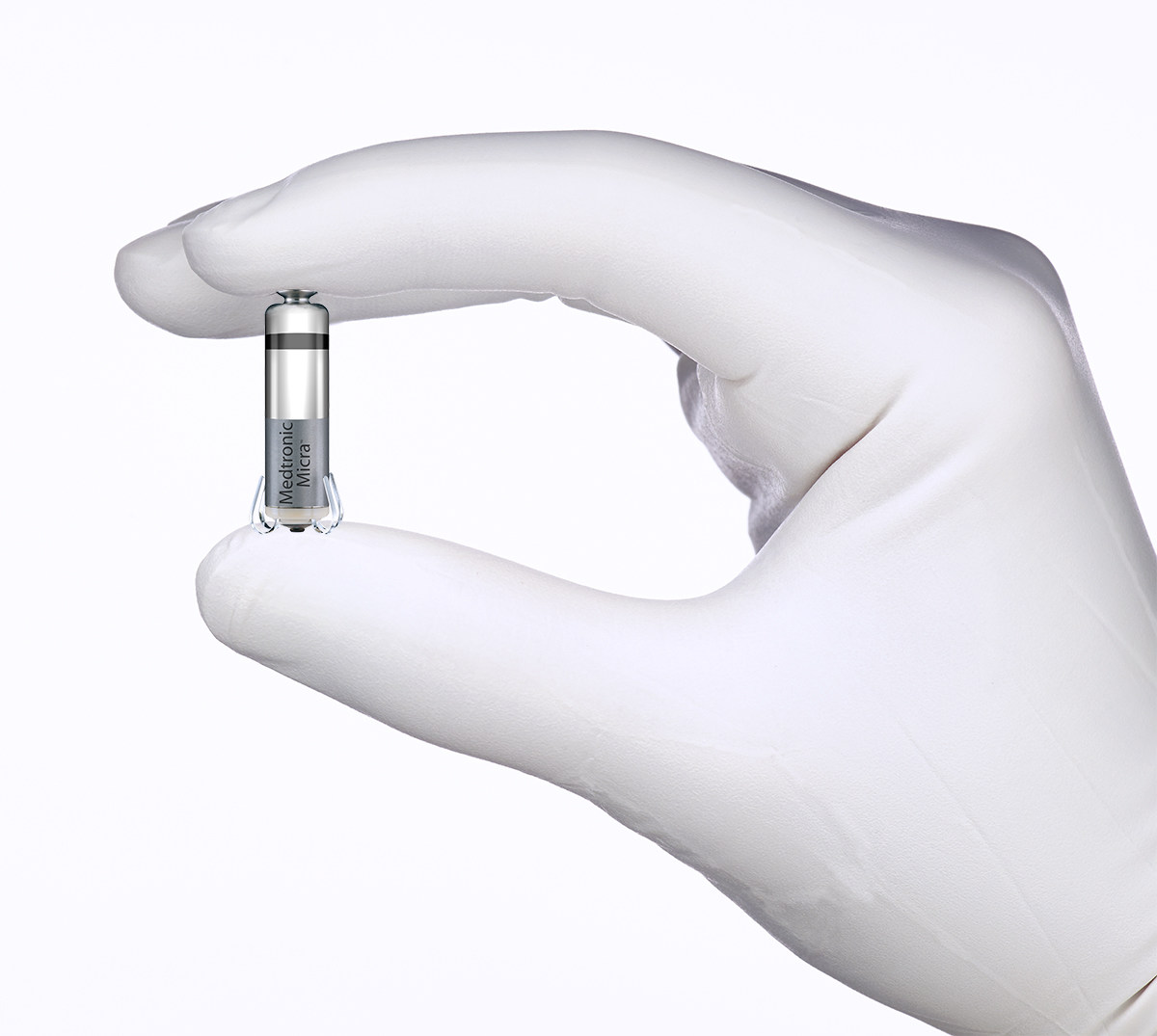
The Medtronic Micra Transcatheter Pacing System is the first leadless pacemaker licenced in Canada and the worlds smallest pacemaker. (CNW Group/Medtronic Canada)
The Medtronic Micra™ Transcatheter Pacing System (TPS) is the First Leadless Pacemaker Licenced in Canada
Medtronic Canada, a subsidiary of Medtronic plc (NYSE:MDT), today announced it has received a Health Canada licence for the world's smallest pacemaker, the Medtronic Micra™ Transcatheter Pacing System (TPS). The Micra TPS is the first Health Canada licenced product with miniaturized pacing technology. It is cosmetically invisible and small enough to be delivered through a catheter and implanted directly into the heart - providing a safe alternative to conventional pacemakers without the need for cardiac wires (leads).
Comparable in size to a large vitamin capsule, the Micra TPS is attached to the heart with small tines and delivers electrical impulses that pace the heart through an electrode at the end of the device. Unlike traditional pacemakers, the Micra TPS does not require leads or a surgical "pocket" under the skin, and there are no visible signs of the device. The Micra TPS responds to patients' activity levels by automatically adjusting therapy.
Micra TPS is the first and only leadless pacing system to be licenced for both 1.5 and 3 Tesla (T) full-body magnetic resonance imaging (MRI) scans, providing patients with continued access to these advanced imaging diagnostic procedures.
The Micra design incorporates a retrieval feature to enable repositioning if needed; however, the device is designed to be left in the body. For patients who need more than one device, the miniaturized Micra TPS was designed with a feature that enables it to be permanently turned off so it can remain in the body and a new device can be implanted without risk of electrical interaction.
In November 2015, data from the Medtronic Micra TPS Global Clinical Trial, which included two Canadian centres, were published in the New England Journal of Medicine and presented during a late-breaking Special Report at the American Heart Association Scientific Sessions. These data showed the Micra TPS was successfully implanted in 99.2 percent of patients, there were no (0) dislodgements, and the system met its safety and effectiveness endpoints with wide margins at six month follow-up.
Data presented in August 2016 at the European Society of Cardiology (ESC) Congress showed that the risk for major complications with the Micra TPS remained consistently low, with 96 percent of patients experiencing no major complications through 12 months follow-up (95 percent confidence interval, 94.2 percent-97.2 percent, P<0.0001). The Micra TPS reduced the risk of major complications by nearly half (48 percent; hazard ratio = 0.52, P=0.001) compared to conventional systems and the risk was lower across all patient sub-groups, whether measured by age, sex or comorbidity (all hazard ratios < 1.0).
The overall reduction in major complications with the Micra TPS was associated with a 47 percent decrease (p=0.017) in the risk of hospitalization and 82 percent (p<0.001) reduction in risk of system revisions (meaning extraction, repositioning or replacement) compared to conventional pacing systems.
"Dating back to the development of the first external battery operated pacemaker more than 60 years ago, Medtronic has a long history of collaborating with clinicians to better understand the needs of patients, and then innovating new products to meet those needs," said Michael Blackwell, director of the CardioVascular Group at Medtronic Canada. "We are thrilled to be the first to introduce a transcatheter pacemaker to patients in Canada, and we're looking forward to working with physicians and educating implanters to extend the positive results of our global clinical trial experience to even more patients."
The Micra TPS was awarded CE Mark in April 2015 and FDA approval in April 2016. It is intended for use in patients who need a single-chamber pacemaker. The device was designed to allow patients to be followed by their physicians and send data remotely via the Medtronic CareLink™ Network; remote monitoring of Micra devices is expected to be available in the near future.
In collaboration with leading clinicians, researchers and scientists worldwide, Medtronic offers one of the broadest ranges of innovative medical technology for the interventional and surgical treatment of cardiovascular disease and cardiac arrhythmias. The company strives to offer products and services that deliver clinical and economic value to healthcare consumers and providers around the world.
TRAIN IT RIGHT NEWSLETTER
Sign Up and get a free 7 day Train it Right HIIT Program!