Fitness Supplements: Which Is The Cheapest And Which Is The Best?
There are dozens of different fitness supplements on the market, and all of them have different pros and cons. Whether you want to bulk up, shrink down or stay largely the same, there’s a supplement to help you accomplish your goal.
Of course, shopping in this market with so many options can be daunting, but luckily, help is at hand! This post will act as your supplement shopping guide, giving you some general pricing and info about the five top supplements on the market. Happy shopping!
Casein protein, much like whey protein, is very common. As such, it can be found from pretty much every retailer at low prices. This means that it’s affordable, and the fact that it works wonders doesn’t hurt, either.
Casein is a form of protein that releases its benefits slowly, and as such, is best used before bed. This way, you’ll be supplied with a steady flow of protein while you’re sleeping and unable to eat. It’s also useful before long car journeys, or any other time where you’ll be unable to consume food.
Whey Protein
As mentioned previously, whey protein is extremely common. It’s the most-used kind of protein supplement, and as such, is very affordable. Because it’s the most common, it’s also given discounts and offers the most, and it’s easy to find more info on these.
Don’t let these low prices put you off, however. Whey protein isn’t a budget product. It’s used by bodybuilders and fitness enthusiasts across the globe, and with good reason. It provides a quick fix of protein that can help repair and recover your body from an intense workout or injury.
Creatine
Creatine is usually on the more expensive side of the supplement range, but it’s no less useful. Creatine is naturally produced by the body, and increases your ability to produce more energy rapidly. If you have more energy, you can lift more, and you’ll gain more muscle.
Creatine is best used in high intensity sports that don’t last very long such as weight training and sprinting. It’s mixed with a liquid - preferably fruit juice - in order to be absorbed by the body a lot quicker. If you’re looking to gain a slight edge over the competition or want to be able to move more weight, creatine is right for you.
Pre-workout
Pre-workout is similar to whey and casein protein in price, but different in functionality. As the name implies, it’s meant to be taken before a workout to give you that high kick of energy and enthusiasm. You’ll feel more alive, more electric and more ready to tackle any form of physical activity.
This in mind, it’s best to be taken in moderation. You don’t want to only be able to perform after a dose of pre-workout. You want to be able to perform all the time! Pre-workout should only be used to get an extra rep or two, or to run an extra metre or two. It shouldn’t be the foundation of your whole session.
Multivitamins
Everybody needs vitamins, but it can be hard to get them all. Multivitamins are probably the cheapest supplement on this list, and can be found in pretty much any store.
There isn’t much to say here, other than that if you have a deficiency, or are unable to eat a certain food, vitamins can help you out. You can bring up the area in which you are lacking, all by consuming a single tablet. Do you have any supplement experience? Let us know in the comments below!
Keeping Fit as You Grow Older: What You Need to Know
Even younger people who are exercising frequently are sometimes worrying about what will happen when they get older. Can you keep up with an exercise routine? Am I just going to cause damage to myself?
It’s true that you’re going to experience some loss in stamina over the years. But it should be no secret by now that people often exaggerate how bad growing older is! And that applies here, too. In fact, many of the things that people fear about getting older are already being fought if you’re exercising now. So stop worrying so much!
As for exercising when as you approach and move past fifty, there are certain things you’ll have to be wary of. www.webmd.com has a great article dispelling myths about exercise in older adults. Here are some of our tips!
Speak to your doctor
You should be getting physical check-ups from your doctor every year. You may even want to have at least a couple a year, especially if you’re working out at an older age. This may seem like an obvious bit of advice. But a lot of people out there who exercise frequently feel that they don’t need to go to the doctor. After all, they’ve got it all covered with all this exercise, right?
Medical office - middle-aged male doctor greeting patient, shaking hands.
Make sure your doctor is kept abreast of what you’re doing when you workout. This will help them assess you correctly. Some problems that can occur during workouts may not manifest in the short-term, so they need to look for early signs that a change is needed.
Men: fight falling testosterone levels!
Sorry, guys! Chances are you’re going to suffer from falling testosterone levels as you get older. Unfortunately, the fact that it’s happening may not be apparent to you. How noticeable it is varies from man to man. If you’re exercising, some of the symptoms will definitely be less noticeable. One of the giveaways is weight gain, which you’ll be fighting with that exercise.
But low levels of testosterone often manifest in ways that will directly affect your exercise. Your energy levels and muscles mass will start to decrease. And with those, your general physical strength. Don’t worry, you’re not collapsing from the inside! It’s normal. But you might need some form of testosterone boost to keep up with your regime. Read more about doing this safely at www.newtestosterone.com.
Put more focus on warm ups
As previously noted, your muscles are going to get weaker as you get older. This is something you’ve fighting long-term with all that exercise you’ve been doing throughout life. (As a reminder, this is why exercising from a young age is important. It will help with physical strength and mobility as you get older!)
One of the most frustrating aspects of getting older is an increased susceptibility to injuries. Even if these injuries are minor, they will disrupt your routine something fierce. And, of course, warm-ups have always been about preventing injury during exercise. You may want to spend more time of your warm-ups to ensure you’re getting the right blood flow to your muscles. Need a reminder of the best warm-up routines? Check out www.prevention.com.
Keep your brain sharp, too! Quick note: the process of getting older will be much easier if you exercise your brain, too! You’ll be surprised how much it can benefit your physical health. Keep on reading, writing, and doing the occasional Sudoku puzzle!
Why You Need To Keep Track Of Your Fitness Goals'
April is about the time of the year when we find out whether we have managed to make fitness a habit or not. We're now nearly four months into the year and four months since we resolved to do more exercise.
The challenge now is keeping up all the good work. We're just getting to the stage where training is starting to feel enjoyable. It's no longer a painful pursuit we feel that we have to do to stay healthy. It's something that gives us a sense of freedom and self-esteem.
It's about this time in our training, however, that we start to plateau. We get stuck in a rut, doing the same safe exercises over and over again. We don't challenge ourselves like we did before, and our fitness levels stop going up.
That's why it's so important to start tracking your progress. Using trackers fr om sites like fitnesstracker24.com make the process easier. One of the benefits of tracking is that it quantifies your progress for you. You get to see exactly what it is you're doing from week to week and what you need to do to improve.
Suppose, for example, you have a regular running route that goes for about four miles. A tracker will tell you exactly how far you have run and in what time. Of course, you could do that just using a watch and working out how far the route is on a map. But that means that you end up running the same route every day.
Fitness trackers are a great way of building variety into your routine. There's no need to take the same route every day to compare your performance. With GPS tracking, you can go pretty much wherever you want and still get a comparable score at the end of it. The flexibility of fitness trackers is their greatest strength. If you are somebody who regularly hits the gym, you can use fitness trackers to keep a track of the weights that you are lifting. The goal should be to increase the weight you can lift by about 5 percent every week or so if you're just getting started out. Trackers can record and store what you've lifted without you having to carry around a notepad and pencil around the gym.
But perhaps the biggest appeal of fitness trackers is the fact that they always give you a goal to strive for. Without all the helpful readouts and data, it's hard to know whether we are making progress. In some sports, like weightlifting, conditions change every week. The type of exercise may change, the number of sets might vary and so on. Just look at the sheer number of regimes you can try out at bodybuilding.com.
Trackers change all this and allow you to compare what you're doing today with your past performance. It's a remarkable tool. And it all comes down to the fact that trackers keep you accountable. They let you know when you're not making progress and prompt you to do something about it.
If you are busy juggling family life with a full-time job, you’ll know just how tough fitting fitness into your routine can be. No matter how busy you are, you shouldn’t use this as an excuse not to exercise. After all, running is perfect exercise for any time of the day. So why not start running once the kids are in bed at night? You may be put off slightly by running in the dark, but you can guarantee a peaceful run. There’s be no busy traffic or crowds to get in your way!
Want to know how to run safely at night? Here are our five top tips.
Run a Familiar Route
Stick to a route you are familiar with to cut down your chances of getting lost. Not only will getting lost increase your mileage, but it could also be tricky finding your way back in the dark. Running in an area you know well also means you’ll know where there are street lights. If you jog in a well-lit area, you will be able to see exactly what is happening in your surroundings, helping you to feel safe.
Run with a Buddy
Ladies, listen up! Pair up with your friend or partner and go out pounding the streets together. This is a great way to stay motivated throughout your run, and you will also feel safer in numbers. If you do not know anyone who enjoys running as much as you, see if there are any local running clubs in your area. As well as helping you with your running, you’ll be able to meet new people and make more social connections!
Stay Bright
It is important that you can clearly see traffic and pedestrians in your vicinity, but they also need to see you. So brighten up your clothes! Wear colourful running gear and, if possible, wear high-vis materials. Your local sports shop will sell fluorescent arm bands, which are a great investment. Running headlamps are also readily available. Not sure which one to go with? Check out what personal trainer Andrew Rockwell thinks.
Don’t Run With Music
I know we often go on about how great music is for your workouts. However, when running at night, it’s a good idea to leave your iPod at home. This will help increase your awareness. You’ll sooner notice if anyone suspect is following you or if there is something else occurring near you that you need to be aware of.
Bring a Cellphone and ID
Always take a cellphone and ID with you if you are running after dark. The cellphone will help you contact a friend or relative if you have an accident. If things take a turn for the worse, the emergency services may need to contact someone on your behalf. They will be able to get important information using your ID. Don’t forget to charge your cell fully before you head out!
Running in the night is a fantastic way to squeeze fitness into your packed schedule. It’s important to put your safety first!
When it comes to your regular workout, chances are you want it to have the fullest possible effect. Otherwise, what’s the point? Everybody wants to keep fit. The fact is, very few people actually take the right steps towards making their workout more worthwhile. Lots of people workout frequently, only to discover that it doesn't have quite the full effect they desired. If that sounds like you, don’t worry - all is not lost. There are a number of different techniques you can take advantage of to make your workout go much further. Next time you hit the gym, consider these top tips to make the most of your time spent there.
Like so much else in life, planning can make the world of difference. When you plan a workout, it means that you have a sense of what you are trying to achieve. Even just knowing this can make a huge difference to the effectiveness of your workout. That’s why you should plan it out before you start. Make sure that you know exactly what you are going to do, and for how long. That way, you won’t get lost during the routine. And what’s more - you will keep the whole session tight. This makes it more worth your while and also saves you some time.
Boost It
You have a few different options when it comes to getting more out of your workout session. One effective way to achieve that is by using supplements like these: https://1stphorm.com/shop/products/post-workout. Using these after your workout can make a world of difference. After you workout, your muscle fibers are not exactly in their best state. Often, they get badly torn up from the torture that you have just put them through. Their glycogen has been severely depleted, and as a result they are in disarray. These supplements can be of huge help in restoring them.
Keep It Short
One of the best things you can do for your workout is to keep it short. This might sound unlikely, but it’s true! Research has shown that most forms of exercise are more effective is they are around the thirty-forty minute mark. That’s right - keep it short and you are actually doing yourself a massive favour. Short, intensive exercise is much more effective than a longer period of less intense exercise.
Keep It Up
But far and away the number one thing to do is to keep going. When it comes to keeping your body in peak physical condition, persistence is absolutely the key. It does very little for you if you do not keep it up. One or two sessions a month is pointless - you may as well just not do them! Ideally, you need to be exercising at least three times a week. However, you could increase this to anything up to six or seven. Just remember, if you do increase it, to keep it focused and to keep each session relatively short. That way, you will maximise the benefits of each session. Your body will notice the difference in no time!
TORONTO, ON – Kanye West and adidas Originals start 2016 with the release of the highly sought-after black version of the YEEZY BOOST 350.
The lo-top YEEZY BOOST 350 features a Primeknit upper: a break-through material developed using adidas’ most advanced digital engineering techniques to fit like a second skin. Colour-coordinated outsoles leverage adidas BOOST™’s highly responsive properties to offer an unparalleled level of comfort, performance and style.
The YEEZY BOOST 350 combines the forward-thinking technologies of adidas with a classic aesthetic and represents a bold new design ideal.
The black YEEZY BOOST 350 will be released on Friday, Feb. 19, 2016 through adidas.ca and select global retailers worldwide and will have a suggested retail price of $265 CAD. Visit any one of our adidas Originals stores (Vancouver, Toronto, Montreal) on February 16th to enter the silent raffle. The raffle officially closes February 18 at 12 p.m. and the winners will be contacted that afternoon.
It’s undoubtedly a lot easier to get fit if you work a manual labour job. For example, you might be walking lots, or lifting items, or operating heavy machinery. Having a basic level of fitness makes getting very fit easier. This is because your body is already partly use to exercise.
However, it can be a very different story for people who spend more of their lives sat down or working in an office. We spend a huge proportion of our lives at work. Also, working full-time can be very tiring. This may mean that when you do leave work, you don’t have the energy to exercise. Instead, you just find yourself sitting down in front of the TV! This vicious cycle will get you nowhere.
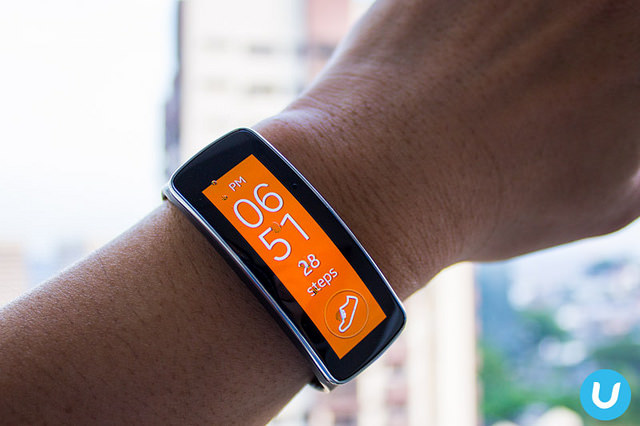
If you do work in an office, one item that you should be sure to invest in is a pedometer. Although this seems like a very basic fitness product, it is actually fantastic for motivation. Nice and small, you can attach it to your trouser band or belt. At the beginning of the day, set yourself an aim. For example; “I will take 2,000 steps today.” Keep checking up on the pedometer throughout the day to remind yourself of the challenge and keep moving! As time progresses, you can increase the number of steps. If you always have your phone on you, you can even get an app that does the same job. As if you needed another excuse to go and make a fresh cup of coffee in the staff kitchen!
If you want to work on your arms specifically, use a Gyro ball. This small plastic ball sits in the palm of your hand. You can use it while you’re writing with the other hand, or even on the phone to clients or colleagues. Simply shake your hand being the ball inside moving. Some have timers to help you keep track of how long you’ve used it for.
If you want to properly invest in fitness products that will do some of the work for you, consider a muscle stimulator. You attach the pads that come with the device to the specific muscles you wish to improve, like your abs or biceps. These nifty little devices have lots of different settings, and while they can be quite expensive, they can make a huge difference.
There are some other more basic tips you should be sure to follow every day. Firstly, think about getting to work in the mornings. Would it be possible to walk, run or even cycle? This way you’d get daily exercise before it was 9am! If you must drive, park further away from the entrance than you would usually. It might seem like a tiny change, but it can stack up. Similarly, if you use public transport, get off a stop earlier than usual and walk the rest of the way.
Once you arrive at work, you should of course always take the stairs instead of the lift. Also, during the day, take regular breaks to stretch. This will keep your body limber and stop you from seizing up.
Shoulder dislocation injuries can be very disruptive to your fitness regime - not to mention painful! And, although carrying on with your regular workout routines is going to be difficult, you can still stay fit. In this brief guide, I’m going to go through what you can expect from a shoulder dislocation injury. Let’s get started with some basic info.
The injury
First of all, the shoulder is one of the most mobile joints in your body - but this can come at a cost. When it comes to contact sports like football, basketball, or martial arts, it can be vulnerable to being popped out of its socket. I won’t beat around the bush - it can cause extreme pain. And, when it has happened once, it is more likely to occur again. So, it’s important that when you start working out again, you don’t overdo it.
Treatment
The first step in your treatment is to get your shoulder back in place. Again, this can be a painful experience, even when a skilled physician or nurse is performing the task. Take a look at this shoulder dislocation treatment by Dr Siow Hua Ming to see what you can expect. You will wear a sling, and you won’t be able to move your shoulder for a while. You can also expect a fair amount of swelling, pain, and discomfort. It’s important to keep your shoulder immobile during this period, which can last up to a couple of weeks. Once it subsides, you can start with some rehab exercises.
Exercises
There is a range of exercises that can help you recover quicker from a shoulder dislocation. In the initial stages, you should try isometric exercises - or static contractions. These are exercises that work the joint without moving it and are perfect for building a little strength. The next stage is to strengthen the muscles around the shoulder with internal rotation exercises. These involve moving the arm in front of the body, rather than the outside. Only then can you start external rotations - such as pushing out with dumbbells.
Basic fitness
Your fitness levels are going to drop when you have any dislocation, due to the fact you need to rest the injury. However, with good strapping in place, there are a few ways you keep fit - to a certain extent. Running will be out of the question for a while, but you might feel comfortable with brisk walking. You might be surprised how many calories you can burn off. One thing you have to watch out for is your heart rate. Once it starts pumping fast, it can cause throbbing in your shoulder, so if this starts happening, slow things down a little. As the shoulder pain begins to recede, you can begin to up the intensity of your exercise. Just be careful not to overdo it, and if you have any shoulder pain, stop.
Diet
Finally, don’t forget to adjust your diet to suit the lower levels of exercise. If you’re still consuming a lot of calories to support a serious training program, it’s just going to make you put on weight. And, that means it’s going to take you far longer to get back to your original condition. Good luck with the recovery!
The Best Tools For Building Muscle At Home
Thanks to hectic work schedules, we can’t always make it to the gym to workout. The good news is that hitting the gym isn’t the only way that you can build muscle. If you’ve got the right tools, you can do so just as effectively at home. Invest in these tools and you’ll no longer need to fork out for your gym pass.
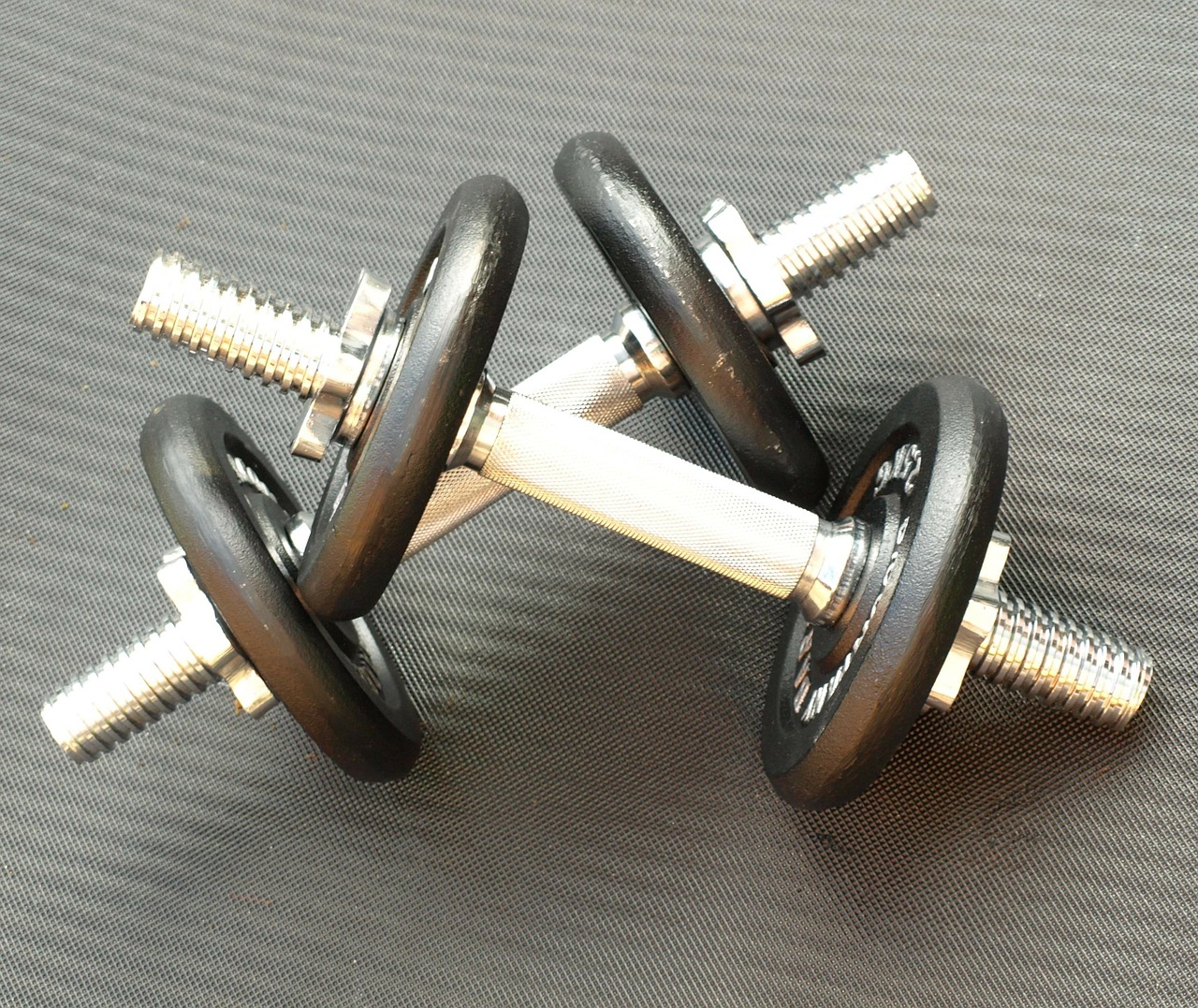
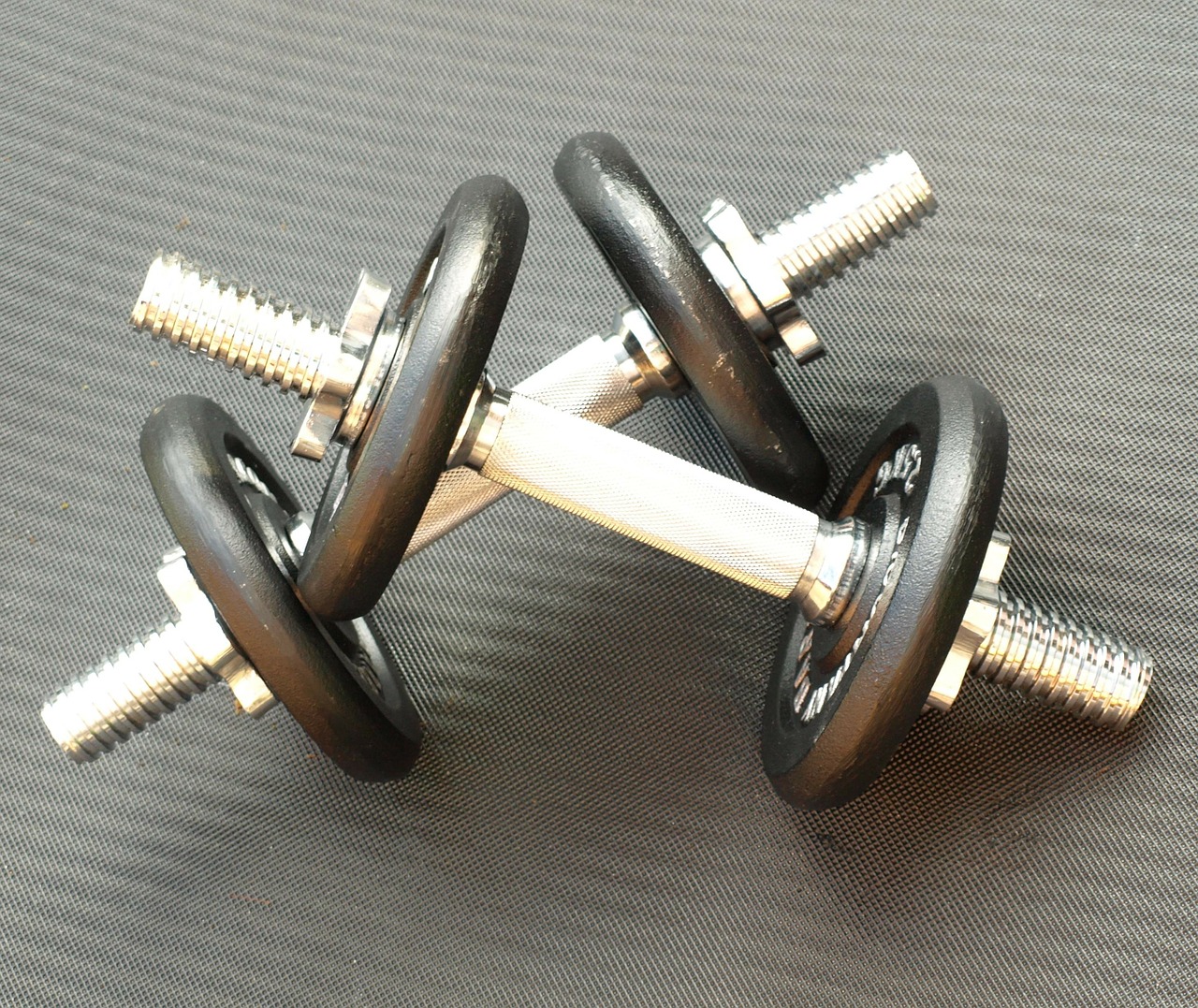
Dumbbells may be a little pricey, but the sheer amount of exercises you can do with them makes them more than worth the cost. The best dumbbells to opt for are hexagonal shaped ones that are coated in rubber - these are the easiest and most comfortable to work with. Plus, thanks to the rubber coating, you’ll be less likely to develop blisters. Buy at least three sets of dumbbells, each in a different weight class, so that you can perform a range of exercises with them.
You might have heard that you don’t need dumbbells and kettlebells as you can do most exercises with one of the other. However, there are some exercises that you specifically need kettlebells for. So they’re a worthwhile investment to make. The best kettlebells to get are the ones that have smooth handles and are unpainted, as these are the safest and easiest to work with. For working out what the best muscle-building exercises are to do, have a browse on http://www.bodybuilding.com.
Foam roller
Foam rollers are something that anyone who works out should have; they have so many benefits. From aiding muscle growth to helping to prevent injuries, there are just so many things they can be used for. While a foam roller can’t be used to build muscle alone, what it’s great for is helping with your workout recovery time. Because it can speed up your recovery time, foam rollers help you to build your muscles more quickly, and so, are a useful tool to have. For a range of foam rollers check out https://www.masterofmuscle.com and have a browse.
Pull up bar
Obviously, pull up bars are amazing for building your upper body strength, but that’s not all they’re good for. If you install a pull-up bar in your home, there are various exercises that you can do with them to help build muscle. The best place to put a pull-up bar is in a doorway or archway - somewhere where the walls are strong. There are plenty of examples online of how you can use pull-up bars to build muscle without doing pull-ups, so make sure to have a look.
Medicine ball
One of the best tools for core strengthening exercises, a medicine ball, is a must have if you want to build muscle at home. Whether you’re throwing it or carrying it, a medicine ball has so many uses when it comes to muscle building. For the best medicine ball exercises, visit http://greatist.com/. (It’s best to opt for a soft medicine ball so that it’s easier to use and throw).
So there you have it, all the best tools for building muscle at home.
The future of women’s running has arrived with the new adidas PureBOOST X
adidashas teamed up with female athletes from around the world to deliver PureBOOST X, a running shoe created for women, by women.
Based on years of testing and research with women everywhere, adidas has created a sleek, form-fitting running shoe built to meet the relentless energy of their active lifestyle. While most running shoes are adaptations of male shoes, PureBOOST X ($130) was designed with only the female athlete in mind resulting in a high performance meets high fashion running shoe for women.
The petite, adaptive silhouette of PureBOOST X wraps the foot in style and rests it on a full length bed of thousands of energy infused BOOST™ foam capsules. The BOOST midsole provides energy in every step that will make running the best part of keeping fit.
“The most common feedback we received during our years of working with female athletes was the desire for a running shoe with looks to keep up with the energy of its performance,” said Jennifer Thomas, Senior Director for Global Brands, Running. “PureBOOST X is a product of innovation and style working in perfect harmony to meet the demands of today’s versatile female athlete.”
The adidas PureBOOST X in action
PureBOOST X features a new floating arch that provides a completely fresh look and feel. The adaptive stretch mesh of the floating arch wraps underneath the midfoot to make the foot look smaller while delivering a supportive sensation you can feel through every run.
The stretch mesh upper, floating arch and lock down lacing system provides a personalized fit that hugs the foot from heel to toe. The stretch web outsole is designed to allow for flex at any point enabling the foot to maintain its natural motion.
From lacing up through cooling down or making a statement with style, PureBOOST X feels exhilarating and looks amazing the moment you put it on.
adidas PureBOOST X retails for $130 CAD and will be available on adidas.ca and in stores from February 3.
TRAIN IT RIGHT NEWSLETTER
Sign Up and get a free 7 day Train it Right HIIT Program!




 www.flickr.com