
| Bradford academic working to mitigate BAME Covid riskUniversity teams up with major pharmacy chains to combat risk of Covid-19 |
| 01 July 2020 Two major pharmacy chains, Lloyds Pharmacy and Well Pharmacy, are working with Professor Mahendra Patel of the University of Bradford to mitigate the Covid-19 risk to their black, Asian and minority ethnic (BAME) staff.Professor Patel, who is Honorary Visiting Professor in the Faculty of Life Sciences and also a member of the Royal Pharmaceutical Society’s English Pharmacy Board, has years of experience working with different BAME communities around health inequalities.Recent reports from Public Health England and others have highlighted how BAME communities face an increasing risk of catching Covid-19 and dying from the disease. Professor Patel is supporting Lloyds Pharmacy UK and Well Pharmacy in exploring ways to improve access to their healthcare services amongst BAME communities during the pandemic.Professor Patel has been active on this issue since the start of the crisis. As a UK-born pharmacist of Hindu faith, Professor Patel has been doing extensive outreach work to highlight important health messages to BAME communities in Yorkshire and beyond, in languages other than English, including Gujarati, Hindi/Urdu.Working through eight mosques within Dewsbury and Batley, he was able to reach out to more than 40,000 Muslim members via a video conference Q&A session through Zoom, partly relayed in Gujarati. He has delivered important health messages and information around Covid-19 through various television and radio stations, including a faith TV channel aimed at a largely Sikh audience with over 60,000 viewers, and regional ITV and news programmes.Professor Patel said: “We have known about the health inequalities faced by BAME communities for decades but they have been laid bare by the current crisis. However, the very scale of this crisis also means we have a once in a lifetime opportunity to actually overturn these inequalities with a vengeance.“BAME communities tend to underreport illness and are less likely to be involved in health research studies. We need to support these communities to come forward with confidence, through targeted messaging that works with, not against, religious, cultural and behavioural attitudes and linguistic divides.“We need to know more about the interplay between the virus and genetic, cultural, behavioural and societal differences in different BAME groups, to understand why they are disproportionately affected.” |
Author: trainitright
Stretching your legs may help prevent diseases such as heart diseases, stroke and diabetes
UNDER STRICT EMBARGO UNTIL 01.00 GMT 2 JULY 2020
Not for publication or broadcast before this time
New research published today in The Journal of Physiology shows that 12 weeks of easy-to-administer passive stretching helps improve blood flow by making it easier for your arteries to dilate and decreasing their stiffness.
Passive stretching differs from active stretching in that the former involves an external force (another person or gravity) stretching you, whereas active stretching is performed on your own. The changes they observed in blood vessels could have implications for diseases, including the number one global killer, heart disease.
Researchers at the University of Milan assigned 39 healthy participants of both sexes to two groups. The control group didn’t undergo any stretching. The experimental group performed leg stretches 5 times a week for 12 weeks.
Researchers evaluated the effect of passive stretching on the blood flow locally and in the upper arm. They found that the arteries in both the lower leg and upper arm had increased blood flow and dilation when stimulated, along with decreased stiffness.
Both of these changes may have implications for diseases such as heart disease, stroke and diabetes as they are characterized by changes in blood flow control, due to an impaired vascular system.
If this study is replicated in patients with vascular disease, it could indicate whether or not this training method could serve as a new drug-free treatment for improving vascular health and reducing disease risk, especially in people with lower mobility.
Moreover, stretching may also be used during hospitalisation or after surgical interventions, in order to preserve the vascular health when patients have low mobility. It can be also performed at home by carers or family members.
Emiliano Ce, an author on the paper said:
This new application of stretching is especially relevant in the current pandemic period of increased confinement to our homes, where the possibility of performing beneficial training to improve and prevent heart disease, stroke and other conditions is limited.
ENDS
Notes for Editors
- Full paper title: Link to paper: https://physoc.onlinelibrary.wiley.com/doi/abs/10.1113/JP279866 (link will only work after the embargo date. Before then, please email the press office for a copy of the paper)
- The Journal of Physiologypublishes advances in physiology which increase our understanding of how our bodies function in health and disease. http://jp.physoc.org
- The Physiological Society brings together over 4,000 scientists from over 60 countries. The Society promotes physiology with the public and parliament alike. It supports physiologists by organising world-class conferences and offering grants for research and also publishes the latest developments in the field in its three leading scientific journals, The Journal of Physiology, Experimental Physiology and Physiological Reports. www.physoc.org
Father-Daughter Bond Takes Center Stage In Powerful True Story Of Courage And Undying Love
Fort Wayne, IN, July 1, 2020 — Brittany Moser was a young, happy-go-lucky flight attendant, soaring high above reality, when an incurable disease suddenly brought her down to earth. Rather than buckle under the weight of her fear, she chose to be fearless and embarked upon the adventure of a lifetime with her best friend — her father. Free and Fearless: The Amazing Impact of One Precious Life is Brittany’s unforgettable story as told by her father Philip Moser.
“This book is not about the grief of losing a child, but about making the most out of what we are given and living our lives positively and not out of fear,” Moser writes. “Brittany inspired me, an ordinary farm boy, to explore life, to climb mountains and to write a book.”
In 2015, Brittany was diagnosed with Addison’s disease, a rare condition that can lead to adrenal failure. She passed away in 2017.
The book is an honest, poignant account of Brittany’s legacy and the ripple effect that her outlook on life had on those around her. Among Brittany’s valuable life lessons that Philip shares with readers are:
1. How precious life is and how we can affect the people around us;
2. How an open mind and a positive attitude can inspire us to do things we never thought possible;
3. How to move out of our comfort zones and into a challenging existence that can turn each day into an exciting gift to be explored;
4. How to not let fear control us, and to use our abilities to seek unique, positive and inspiring adventures;
5. To embrace change as a natural part of life;
6. And finally, that we won’t be remembered by our things or our savings accounts, but by how we made other people feel.
“I want to share the same inspiration that I received for 32 years,” Philip added. “In the end, love truly does conquer all, and Brittany wanted us to know that.”
Author Philip Moser grew up on a farm in Angola, Indiana. After high school, he began working in different aspects of the grocery business, a career that continues to this day. He and his wife, Marilyn Wells, raised two incredible daughters, Camille and Brittany.
For more information, please visit www.freeandfearlessbook.com or connect with the author on social media at https://www.facebook.com/philip.moser.73?ref=bookmarks. A portion from the sale of each book will be donated to the National Adrenal Disease Foundation.
Free and Fearless: The Amazing Impact of One Precious Life
ISBN-10: 1733086404
ISBN-13: 978-1733086400
Available from Amazon.com, BarnesandNoble.com, BooksaMillion.com and other online retailers
###
Physician-Created App Unveils Remote Check-In Feature to Prevent Spread of COVID-19 in Medical Practices
TAMPA, FLA. - DocClocker®, a pioneering app that allows patients – for the first time – to receive real-time wait time reporting of their medical providers, has been aggressively preventing the spread of COVID-19 (coronavirus) nationwide by enabling patients to avoid long waits in medical waiting rooms – limiting exposure risks. Today, the company announced their latest achievement in supporting both providers and patients during the pandemic: DocClocker Remote Check-In.
In the wake of COVID-19, healthcare providers are being forced to rethink the traditional waiting room experience. DocClocker, a medical wait time reporting app that was founded and is run entirely by practicing physicians, is taking that step with the launch of DocClocker Remote Check-In. For the first time, patients can now remotely check-in to their doctor appointments from their car, in addition to receiving real-time wait time reporting; preventing the spread of the highly contagious virus by limiting the exposure of sick patients in waiting rooms.
“Recognizing that the waiting room during the COVID-19 pandemic is a potentially risky place to be, the new DocClocker Remote Check-In enables the healthcare system to function while keeping current best practice recommendations to maintain social distancing,” said Dr. Eric Carter, Co-CEO and Co-Founder of DocClocker.
Healthcare organizations across the United States are successfully using DocClocker to improve patient outcomes, prevent the spread of illness, increase new patient appointment bookings, improve practice online reputation and searchability, and much more. DocClocker can be installed and implemented to any healthcare waiting room in America in mere minutes.
In addition to remote check-ins and receiving real-time wait times, patients can easily locate and select in-network medical providers; selecting by reviewing the provider’s specific information and a display of average wait times. Patients can manage appointments through the app, receive appointment reminders, write reviews and report long waits. DocClocker is free to all patients and is significantly more affordable than basic appointment management tools that have dominated the market in recent years.
Remote Check-In Instructions: https://info.docclocker.com/remotecheckininstructions
PATIENTS
Download the App:
Apple: https://apps.apple.com/us/app/docclocker/id1321644191
Android: https://play.google.com/store/apps/details?id=com.docclocker.patient
PROVIDERS
Request a free demo: admin@docclocker.com
About DocClocker:
Developed by Fast Pathway Inc, DocClocker brings transparency to the doctor’s waiting room using modern technology to streamline communication between doctors, patients, and their families. For more information about DocClocker, please visit the app’s website at: https://docclocker.com/
Contact:
Molly Jacobson
Tel: 1-850-980-2793
Email: molly@jacobsonstrategy.com
Website: http://www.docclocker.com
Location Information:
Fast Pathway Inc
2202 North Westshore Blvd., Suite 200
Tampa, Florida 33607
About Fast Pathway, Inc:
Fast Pathway Inc is the developer and operator of the DocClocker® platform and maintains the cloud-based technology for subscribers and users.
If you would rather not receive future communications from Jacobson Strategy, let us know by clicking here.
Jacobson Strategy, 6304 Vista Verde Drive East, Gulfport, FL 33707 United States
Stay Healthy: 6 Summer Travel Tips
By Durisan
Summer is here, which normally means it’s time to take a vacation! In the age of the Coronavirus Pandemic, many plans are being changed or curtailed. No matter where you’re going, if you’re not prepared, a potentially amazing holiday can turn out to be the worst. Here are our summer health tips to make sure everything goes smoothly and as safely as possible.
Wash your hands regularly
It might seem obvious, but this is your best and easiest way to stay healthy while you're traveling. Regular handwashing can help prevent COVID-19 transmission as well as more routine illnesses like diarrhea and respiratory infections. Washing up can also help you avoid bacteria such as E. coli and salmonella, which can cause major gastrointestinal issues (or even something worse). You’ll also remove germs left from a sneeze or other factors that can cause colds and other illnesses that can ruin your trip.
And consider the health and habits of the people around you. Take antibacterial wipes to deal with germy surfaces, such as a gas pump, door handles, or hotel room surfaces.
Eat and drink in moderation
There’s no shame in indulging when you’re on vacation, but try to keep a balance between occasional splurges and nutritious food. For example, if you're planning a big dinner, try eating light vegetables during the day.
Also, try to eat vegetables at least once daily while traveling. Dark, leafy greens are especially a good choice: They can improve your mood and energy.
To further protect your health, try to eat outdoors whenever possible and avoid smaller, older restaurants. Getting to-go orders is a smart alternative as well and provide the opportunity for a fun family picnic.
Stay hydrated
It can be challenging to drink enough water when you’re busy enjoying the summer and sightseeing. However, dehydration can cause headaches, fatigue and even serious health problems.
Here are some useful tips:
- Bring an empty bottle to the airport and fill it at the terminal.
- Keep a bottle of water with you everywhere you go — and make sure you bring extra water for any children traveling with you.
- Download an app to track your water intake and get notifications.
Get enough sleep
Vacation is a time for both play and rest. If you get less than six hours of sleep per night, even for just a week, you’re more likely to get a common cold than people who sleep more. If your body is thrown off from jet-lag, try taking a melatonin pill on the first night or two in your new environment. This will prepare your body to relax at your new bedtime.
Get some exercise
Even if you need a relaxing vacation where rest is the only thing you've planned, try to get at least 30 minutes of physical activity every day. Exercising on vacation can help you recover from any stiffness from sleeping in a new bed, and it improves your overall energy level. Consider exercising outdoors and avoiding enclosed gyms and studios.
Use your sunscreen
Days spent at the pool or the beach mean more exposure to the sun’s harmful rays. Use a sunscreen with a sun protection factor (SPF) of at least 30 and apply it every couple of hours or when you’re sweaty and/or wet. This will reduce your risk for skin cancer. Hats are great extra protection for you and your kids.
Charcoal a weapon to fight superoxide-induced disease, injury
Nanomaterials soak up radicals, could aid treatment of COVID-19
HOUSTON – (July 1, 2020) – Artificial enzymes made of treated charcoal could have the power to curtail damaging levels of superoxides, radical oxygen ions that are toxic at high concentrations.
The nanozymes developed by a Texas Medical Center team are highly effective antioxidants that break down damaging reactive oxygen species (ROS) produced in abundance in response to an injury or stroke.
The researchers suggested the materials, described in the American Chemical Society journal ACS Applied Nano Materials, could aid treatment of COVID-19 patients.
The biocompatible, highly soluble charcoal is a superoxide dismutase, and was synthesized and tested by scientists at Rice University, the University of Texas Health Science Center’s McGovern Medical School and the Texas A&M Health Science Center.
Superoxide dismutases, or SODs, dismantle ROS into ordinary molecular oxygen and hydrogen peroxide. In the project co-led by Rice chemist James Tour, previous materials were successfully tested for their ability to activate the process, including graphene quantum dots drawn from coal and polyethylene glycol-hydrophilic carbon clusters made from carbon nanotubes.
They have now found oxidized charcoal nanoparticles are not only effective antioxidants but can also be made from an activated carbon source that is inexpensive, good manufacturing practice (GMP)-certified and already being used in humans to treat acute poisoning.
“That these nanozymes are made from a GMP source opens the door for drug manufacturers,” said Tour, who led the project with A&M neurologist Thomas Kent and UTHealth biochemist Ah-Lim Tsai. “While coal was effective, an issue is that it can have a variety of toxic metallic elements and impurities that are not consistent across samples. And the clusters made from carbon nanotubes are very expensive.”
The disclike nanozymes are prepared from powdered, medical-grade charcoal oxidized by treatment with highly concentrated nitric acid. The nanozymes teem with oxygen-containing functional groups that bust up superoxides in solution.
Tour noted the nanozymes are able to pass through the membranes of cells’ mitochondria to quench a major source of free radicals without killing the cells themselves. “We published a paperon this recently,” he said. “This seems to be really important to why these work so well in traumatic brain injury and stroke.”
The researchers noted it may be worthwhile to study the application of their nanozymes to treat the cytokine storms -- an excessive immune system response to infection -- suspected of contributing to tissue and organ damage in COVID-19 patients.
“While speculative that these particles will be helpful in COVID-19, if administration is timed correctly, they could reduce the damaging radicals that accompany the cytokine storm and could be further chemically modified to reduce other injury-causing features of this disease,” Kent said.
Gang Wu, an assistant professor of hematology at McGovern, and Rice graduate student Emily McHugh are co-lead authors of the study. Co-authors are Vladimir Berka, a senior research scientist at McGovern; Rice graduate students Weiyin Chen, Zhe Wang and Jacob Beckham; Rice undergraduate Trenton Roy; and Paul Derry, an assistant professor at Texas A&M’s Institute of Biosciences and Technology.
Tour is the T.T. and W.F. Chao Chair in Chemistry as well as a professor of computer science and of materials science and nanoengineering at Rice. Kent is the Robert A. Welch Chair Professor in the Institute of Biosciences and Technology at Texas A&M-Houston Campus and an adjunct chemistry professor at Rice and at Houston Methodist Hospital. Tsai is a professor of hematology at UTHealth.
The National Institutes of Health and the Welch Foundation supported the research.
-30-
Read the abstract at https://pubs.acs.org/doi/10.1021/acsanm.0c01285.
This news release can be found at https://news.rice.edu/2020/07/01/charcoal-a-weapon-to-fight-superoxide-induced-disease-injury/
Follow Rice News and Media Relations via Twitter @RiceUNews.
Related materials:
Coal could yield treatment for traumatic injuries: http://news.rice.edu/2019/04/24/coal-could-yield-treatment-for-traumatic-injuries-2/
Nano-antioxidants prove their potential: http://news.rice.edu/2015/02/09/nano-antioxidants-prove-their-potential-2/
Tour Group at Rice: https://www.jmtour.com
Thomas Kent: https://ibt.tamu.edu/faculty/kent-bio.html
Ah-Lim Tsai: https://med.uth.edu/internalmedicine/faculty-staff/ah-lim-tsai/
Gang Wu: https://med.uth.edu/internalmedicine/faculty/gang-wu-phd/
Images for download:

Artificial enzymes made of treated charcoal, seen in this atomic force microscope image, could have the power to curtail damaging levels of superoxides, toxic radical oxygen ions that appear at high concentrations after an injury. (Credit: Tour Group/Rice University)
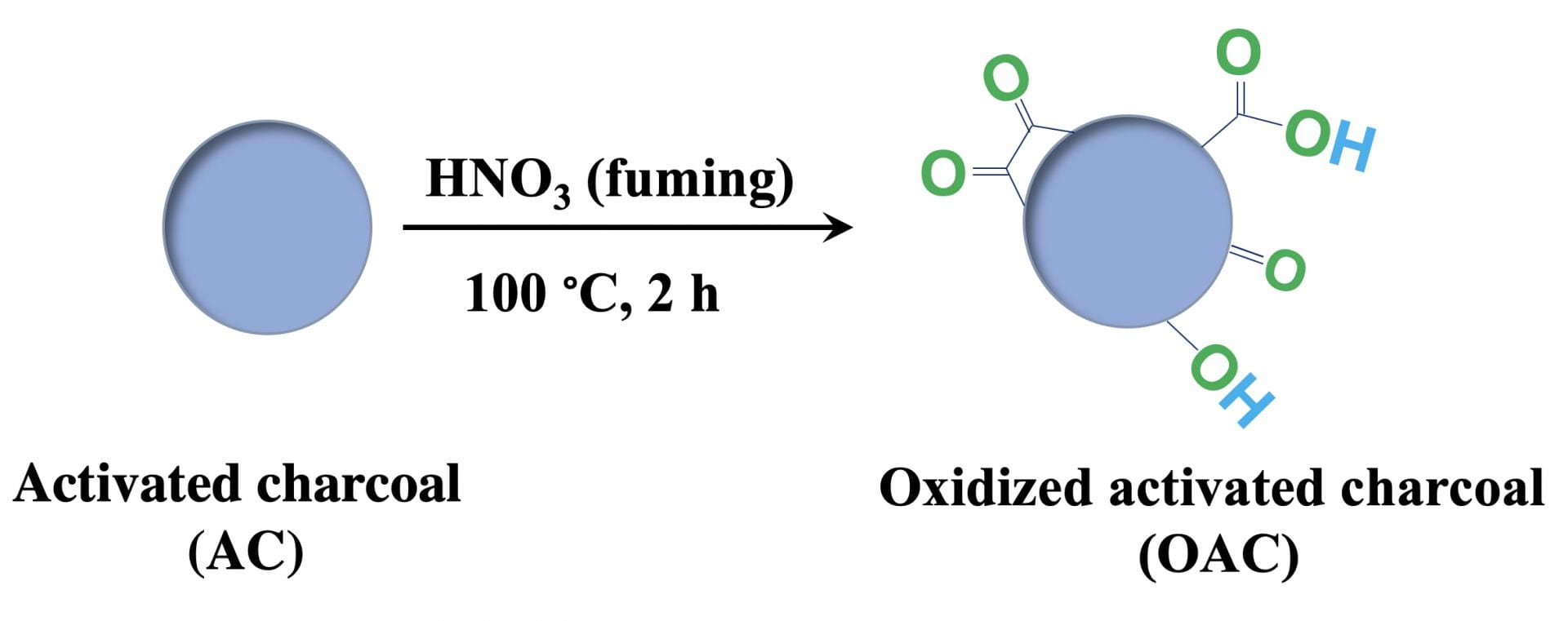
Artificial enzymes made of charcoal nanoparticles heavily oxidized with fuming nitric acid (HNO3) could have the power to quench superoxides, toxic radical oxygen ions that appear at high concentrations in organisms after an injury. (Credit: Tour Group/Rice University)
Located on a 300-acre forested campus in Houston, Rice University is consistently ranked among the nation’s top 20 universities by U.S. News & World Report. Rice has highly respected schools of Architecture, Business, Continuing Studies, Engineering, Humanities, Music, Natural Sciences and Social Sciences and is home to the Baker Institute for Public Policy. With 3,962 undergraduates and 3,027 graduate students, Rice’s undergraduate student-to-faculty ratio is just under 6-to-1. Its residential college system builds close-knit communities and lifelong friendships, just one reason why Rice is ranked No. 1 for lots of race/class interaction and No. 4 for quality of life by the Princeton Review. Rice is also rated as a best value among private universities by Kiplinger’s Personal Finance.
Abnormal proteins in the gut could contribute to the development of Alzheimer’s Disease
UNDER STRICT EMBARGO UNTIL 01.00 GMT DAY 3 JULY 2020
Not for publication or broadcast before this time
A new study published inThe Journal of Physiology has shown that misfolded protein build-up in the gut could contribute to the development of Alzheimer’s-like symptoms in mice. This could suggest a new treatment approach for Alzheimer’s disease that would target the gut before symptoms of cognitive deficits appear in patients.
As these proteins were found in the gut, which is a window to the world, this suggests environmental factors might be contributing to cognitive deficits seen in Alzheimer’s disease and other conditions.
The misfolded protein, known to be involved in Alzheimer’s disease, called beta amyloid, was injected into the guts of mice and travelled to the “gut-brain" (the nervous system in our gut), and also to the brain.
If some of the beta amyloid build up in the central nervous system (brain and spinal cord) is originating from the outside the brain (peripheral nervous system), reducing the amount that makes it to the brain, or trapping the protein in the periphery may delay the onset of Alzheimer’s disease. This treatment would begin before any signs of dementia appear in the patient.
The researchers at The Chinese University of Hong Kong injected fluorescently-tagged beta-amyloid into the gut of mice. The proteins moved to the nervous system in our gut. The misfolded proteins were seen a year later in parts of the brain involved in cognitive deficits of Alzheimer’s disease including the hippocampus, the part of our brain that affects our memory. These animals experienced cognitive impairments.
As this study was conducted in mice, it needs verification by looking for post-mortem changes in inflammation in the gut and brain of patients with Alzheimer’s disease.
Development of drug treatments for Alzheimer’s disease has been unsuccessful so we instead need new approaches for preventing AD development. This could be a potential route for preventing the disease by targeting these misfolded proteins in the gut.
Commenting on the study, senior author John A Rudd said:
“This concept is similar to the transport of misfolded proteins from the gut such as those responsible for mad cow disease. If this is the case, a similar process may start in humans many years ahead of the manifestations of the classical hallmarks of AD including memory loss, and so prevention strategies would need to start earlier as well.”
ENDS
Notes for Editors
- Full paper title: Link to paper https://physoc.onlinelibrary.wiley.com/doi/abs/10.1113/JP279919 link will only work after the embargo date. Before then, please email the press office for a copy of the paper)
- The Journal of Physiology publishes advances in physiology which increase our understanding of how our bodies function in health and disease. http://jp.physoc.org
- The Physiological Society brings together over 4,000 scientists from over 60 countries. The Society promotes physiology with the public and parliament alike. It supports physiologists by organising world-class conferences and offering grants for research and also publishes the latest developments in the field in its three leading scientific journals, The Journal of Physiology, Experimental Physiology and Physiological Reports. www.physoc.org
malgamation of Takeda Canada Inc. and Shire Pharma Canada ULC Solidifies Company's Leadership Position in Canadian Biopharmaceutical Industry
TORONTO, July 2, 2020 /CNW/ - Takeda Canada Inc. today announced the completion of the Canadian amalgamation with Shire Pharma Canada ULC, creating a portfolio of innovative treatments and establishing itself as a leader across several therapeutic areas.

Headquartered in Toronto with more than 350 employees across the country, the amalgamation marks the completion of the integration which began in January 2019. As a fully integrated company, Takeda Canada provides innovative medicines in the areas of Oncology, Rare Diseases, Gastroenterology, Neuroscience and Plasma-Derived Therapies, delivering highly-innovative medicines to Canadian patients.
"The transition to creating One Takeda in Canada couldn't have happened without the dedication and commitment of our employees who work tirelessly to ensure we leverage our collective strengths and expertise," said Gamze Yüceland, General Manager, Takeda Canada. "We're incredibly excited about the potential that bringing these two companies together creates, but even more importantly what it represents for Canadian patients."
Takeda Pharmaceutical Company Limited (TSE:4502/NYSE:TAK) ("Takeda") announced the completion of its acquisition of Shire plc ("Shire") in January 2019, becoming a global, values-based, R&D-driven biopharmaceutical leader headquartered in Japan. Takeda now has an attractive, expanded geographic footprint and leading position in Japan and the U.S., bringing its highly-innovative medicines to approximately 80 countries/regions with dedicated employees worldwide.
"The amalgamation in Canada is a significant milestone for Takeda in one of our key markets worldwide," said Giles Platford, President, Europe and Canada Business Unit. "I am confident that with this integration we will now be better positioned than ever to bring value to Canadian patients and healthcare providers."
About Takeda Canada Inc.
Takeda Canada Inc. is the Canadian marketing and sales organization of Takeda Pharmaceutical Company Limited, headquartered in Japan. Takeda Pharmaceutical Company Limited (TSE:4502/NYSE:TAK) is a global, values-based, R&D-driven biopharmaceutical leader committed to bringing Better Health and a Brighter Future to patients by translating science into highly-innovative medicines. Takeda focuses its R&D efforts on four therapeutic areas: Oncology, Gastroenterology (GI), Rare Diseases and Neuroscience. We also make targeted R&D investments in Plasma-Derived Therapies and Vaccines. We are focusing on developing highly innovative medicines that contribute to making a difference in people's lives by advancing the frontier of new treatment options and leveraging our enhanced collaborative R&D engine and capabilities to create a robust, modality-diverse pipeline. Our employees are committed to improving quality of life for patients and to working with our partners in health care in approximately 80 countries and regions.
Additional information about Takeda Canada is available at www.takeda.com/en-ca.
SOURCE Takeda Canada Inc.
St. Jude-WHO Virology Expert Comments on Flu Season in the Southern Hemisphere, Potential of New Pandemic, & Testing for both COVID & the Flu
MEMPHIS, TENN. – As states see a spike in COVID positive cases, Dr. Richard Webby, a member of the Infectious Diseases Department at St. Jude Children’s Research Hospital and the World Health Organization’s Vaccine Composition Team, today commented on the current flu season in the Southern Hemisphere, a possible new pandemic with the swine flu, and testing for both COVID and the flu this fall.
On the current flu season in the Southern Hemisphere:
“So far, Australia and New Zealand are seeing very low rates of flu. And that’s due to the fact that what they’ve been doing to reduce the spread of COVID-19, with social distancing, wearing masks and disinfecting surfaces, works equally, if not better to prevent flu,” saidDr. Richard Webby, a member of the Infectious Diseases Department at St. Jude Children’s Research Hospital and the World Health Organization’s Vaccine Composition Team.
On the new swine flu:
“We’ve known about the threat of swine viruses in this group, so it’s not a new threat. But it does remind us of the potential threat of flu,” said Dr. Richard Webby, a member of the Infectious Diseases Department at St. Jude Children’s Research Hospital and the World Health Organization’s Vaccine Composition Team. “There are also other viruses that have similar properties that might make the jump into humans, but we can’t predict when that might happen. It could be tomorrow, it could be five years, 10 years or never.”
On testing for COVID and the flu:
“It is going to be critical to develop methods for simultaneously detecting influenza and COVID-19 infections,” said Dr. Richard Webby, a member of the Infectious Diseases Department at St. Jude Children’s Research Hospital and the World Health Organization’s Vaccine Composition Team. “The problem, of course, is the symptoms of COVID vs. influenza are very similar. And if these viruses continue to circulate, it’ll be a problem for providers determining who has flu and who has COVID. But the more critical point will be in what happens if you’re infected with both.”
Mitsubishi Tanabe Pharma Canada Announces that Manitoba has Added the Company's Treatment for Amyotrophic Lateral Sclerosis (ALS) to its Provincial Drug Formulary
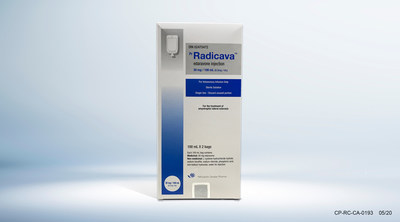
TORONTO, June 30, 2020 /CNW/ - Mitsubishi Tanabe Pharma Canada, Inc. (MTP-CA), a subsidiary of Mitsubishi Tanabe Pharma America, Inc. (MTPA), announced today that RADICAVA® (edaravone), an infusion treatment for amyotrophic lateral sclerosis (ALS), has been added to the Manitoba Drug Benefits and Interchangeability Formulary (special authorization), and the listing will take effect on July 16.

"The listing of RADICAVA is encouraging news for the Manitoba ALS community," said Atsushi Fujimoto, President, MTP-CA. "We thank the Government of Manitoba for providing eligible ALS patients access to the therapy and their ongoing commitment to those affected by ALS."
MTP-CA continues to have discussions with other provinces, territories and federal agencies regarding the listing of RADICAVA under additional publicly funded drug programs. In addition to the Manitoba Drug Benefits and Interchangeability Formulary (special authorization), RADICAVA also is listed on the:
- Régie de l'assurance maladie du Québec (RAMQ) formulary (special authorization);
- Ontario Drug Benefit Formulary (Exceptional Access Program);
- Alberta Drug Benefit List (special authorization); and
- New Brunswick Drug Plan (NBDP) formulary (special authorization).
RADICAVA is an intravenous infusion treatment for ALS, a rapidly progressive, neurodegenerative and fatal disease.1
About RADICAVA® (edaravone)
RADICAVA (edaravone) is indicated to slow the loss of function in patients with amyotrophic lateral sclerosis (ALS), as measured by the ALS Functional Rating Scale - Revised (ALSFRS-R).2 Edaravone was discovered and developed for ALS by Mitsubishi Tanabe Pharma Corporation (MTPC) through an iterative clinical development platform over a 13-year period. In 2015, edaravone was approved for use as a treatment for ALS in Japan and South Korea. RADICAVA was approved by the U.S. Food and Drug Administration in May of 2017. Marketing authorization was granted in Canada in October 2018 and Switzerland in January 2019.
About Mitsubishi Tanabe Pharma Canada, Inc.
Based in Toronto, Mitsubishi Tanabe Pharma Canada, Inc. (MTP-CA) is a wholly-owned subsidiary of Mitsubishi Tanabe Pharma America, Inc. (MTPA) with a goal to provide therapies for some of the most difficult-to-treat diseases, including ALS. For more information, please visit
About Mitsubishi Tanabe Pharma America, Inc.
Based in Jersey City, N.J., Mitsubishi Tanabe Pharma America, Inc. (MTPA) is a wholly-owned subsidiary of Mitsubishi Tanabe Pharma Corporation's (MTPC) 100 percent owned U.S. holding company, Mitsubishi Tanabe Pharma Holdings America, Inc. MTPA is dedicated to delivering innovative products that address the unmet medical needs of patients in North America. It was established by MTPC to commercialize approved pharmaceutical products in North America with plans to expand its product line through collaborations with partners. For more information, please visit www.mt-pharma-america.com.
| ___________________________ | |
| 1 | National Institute of Neurological Disorders and Stroke. Amyotrophic Lateral Sclerosis (ALS) Information Page. |
| https://www.ninds.nih.gov/disorders/all-disorders/amyotrophic-lateral-sclerosis-als-information-page. Accessed March 2018. | |
| 2 | RADICAVA® (edaravone) Canada Product Monograph. October 2019. https://www.mt-pharma-ca.com/our-product/ |

SOURCE Mitsubishi Tanabe Pharma Canada, Inc.
