Canada's National Dementia Strategy is Bold and Balanced
Persons with dementia were active participants
CALGARY, June 18, 2019 /CNW/ - Dementia Advocacy Canada applauds the inclusion of people living with dementia as equals in the creation of Canada's first national dementia strategy: A Dementia Strategy for Canada: Together We Aspire.
The strategy was informed by extensive consultations with individuals with lived experience and guided by the Ministerial Advisory Board on Dementia, whose members include two individuals living with dementia: Jim Mann, a retired executive entrepreneur and advocate from B.C., and Mary Beth Wighton, Chair and Co-Founder of the Ontario Dementia Advisory Group from Ontario. Wighton is also co-chair of Dementia Advocacy Canada.
"This is a bold and balanced dementia strategy with human rights as a core principle," says Wighton, noting the government's commitment to follow through on promises to allocate at least one per cent of dementia care costs (currently over $8 billion) to research funding.
The new dementia strategy emphasizes reducing stigma, access to timely diagnosis, rehabilitation, effective care coordination and the importance of a skilled workforce. It acknowledges care-partner challenges, including burnout and financial hardship as well as low wages, lack of training and limited resources for personal support workers.
More than half a million Canadians are currently living with dementia and there are approximately 70 new cases of dementia in Canada each day. Dementia Advocacy Canada is hopeful that this strategy will be fully implemented, be appropriately funded and address the organization's three priorities:
A single point of contact to mitigate the difficulty navigating a fragmented system
Standards of excellence in dementia education
Rehabilitation to live as well as possible with dementia
About Dementia Advocacy Canada We are a grassroots group of people living with dementia and care partners. We want to influence policy, inform program development and improve access to support and services across Canada.
SOURCE Dementia Advocacy Canada
First of its Kind, Private Mental Health and Addiction Treatment Centre in Western Canada Opens on Vancouver Island
First private stand-alone inpatient mental health services in Western Canada
VICTORIA, June 18, 2019 /CNW/ - Today marks the grand opening of Homewood Ravensview, the first and only private facility in Western Canada offering evidence-based, medically-led, inpatient, mental health, trauma and addiction services. With over 135 years of experience as Canada's leader in the delivery of national mental health and addiction services, Homewood Health's new facility located in North Saanich, just outside Victoria, BC, offers 75 beds and employs a world-class team of 50 professionals, including four on-site physicians and psychiatrists as well as 24-hour nursing. With its specialized programs for first responders, military, veterans, executives & professionals, adults, and young adults, Ravensview addresses an ever-growing need for services.
"Ravensview's best-in-class treatment is delivered by a team of world class health care professionals and is steeped in Homewood's 136 year history in delivering mental health and addiction services to Canadians," says Jagoda Pike, Homewood Health's President and CEO. "We've built programs that support people who are deeply impacted by mental illness and addiction in achieving their goals, whether it's returning to work, to function, or to productive and happy lives." Pike goes on to say, "in addition to working directly with individual patients, Homewood has worked for decades with Canadian employers and insurers to help them access good quality treatment resources to support a timely return to work for their employees and claimants."
Each year, over 400,000 Canadians are off work due to mental illness. These cases are often more complex and typically have durations that are longer than physical health-related claims, resulting in significant human and economic costs impacting all Canadians. These cases carry the additional impact of adding weight to an already over-burdened public health system. Canadian employees suffering from mental health, trauma, addiction and concurrent disorders remain off work for extended periods of time, waiting for access to assessment and treatment, with their conditions often worsening over time.
"Delivering innovative, evidence-based treatment, our programs are truly unique in Canada," says Robert De Clark, General Manager at Homewood Ravensview. "Our Guardians program for first responders, members of the military and Veterans is designed specifically for the challenges these real life heroes face. We have our Cornerstone program for adults and the My Path program for young adults wrestling with mental health or addiction problems. We're also proud to launch the Vanguard program, the first of its kind in Canada, that meets the specific treatment needs of executives and professionals."
In developing Ravensview programs, Homewood Health sought the input of researchers, clinicians, employers and insurers. "The diversity and quality of the treatment we provide will help a large number of clients get well and move forward with their lives," says De Clark. "By providing Canada's employers and insurers with additional, innovative options for care, we multiply the impact of treatment, benefiting not just the employee and their family, but the organization and ultimately the country as a whole."
Ravensview is also Western Canada's leading facility in the treatment of concurrent mental health and addiction disorders. "Those with substance use problems are up to three times more likely to have a mental illness," says Dr. Michael Berry, Ravensview's Clinical Director. "These concurrent conditions are complex and require experienced, medically-led treatment. No other facility in Western Canada is equipped with the staffing complement and clinical expertise to treat a primary diagnosis of mental health with a secondary diagnosis of addiction."
For all Ravensview programs, the full treatment plan includes psychiatric care, medical care, counselling and integrated therapies such as cognitive behavioural therapy, dialectical behaviour therapy and cognitive processing therapy as well as music, horticultural and art therapy. The average length of inpatient treatment is typically 6 to 9 weeks, and one year of recovery management care at Homewood outpatient clinics across the country is included for all clients.
Ravensview accepts referrals from employers, insurers, medical and healthcare professionals, but a referral is not necessary for treatment and clients are typically able to start treatment within 24 hours of their first call.
Homewood Ravensview's grand opening ceremony is taking place on June 18 at 1 p.m. The event will be attended by, and will feature remarks from: the Right Honourable David Johnston; the Honourable Bob Rae; Pauquachin Chief Rebecca David; Shelagh Rogers, Chancellor-University of Victoria; the Honourable Adam Olsen; and Jagoda Pike, President and CEO of Homewood Health. All media welcome. Ravensview is a 30 minute drive from downtown Victoria located at 1515 McTavish Rd North Saanich, BC V8L 5T3.
About Homewood Health Homewood Health is Canada's leader in the delivery of national mental health and addiction services. With more than 135 years of experience, Homewood achieves outstanding outcomes through its national network of more than 4,500 employees and clinical experts. Homewood's complete suite of services includes organizational wellness, employee and family assistance programs, assessments, outpatient and inpatient treatment, recovery management, return to work and family support services, all customized to meet the needs of individuals and organizations.
SOURCE Homewood Health Inc.
Who is caring for Canada's seniors? A new report from the Royal College provides insights on physician services for our aging population
OTTAWA, June 18, 2019 /CNW/ - The Royal College of Physicians and Surgeons of Canada released today a comprehensive report focusing on the care physicians provide to seniors.
The study, Health Care for an Aging Population: A Study of how Physicians Care for Seniors in Canada, is based on an analysis of 216 million medical services provided by almost 54,000 physicians and hones in on fundamental questions, such as how much care do physicians provide to seniors, how intensively do different specialists focus their practice on seniors and what types of medical care do seniors receive.
"If we do not know how seniors are accessing care and how we are delivering it, then we do not have an accurate idea of how effective we are caring for this population with distinct needs," says Dr. Andrew Padmos, chief executive officer at the Royal College.
The study findings reveal that
Although seniors comprised only 16% of the population, they received about one-third of all services provided by physicians in 2015-16.
Together, family physicians, internists and ophthalmologists provided 85% of all medical services received by seniors in 2015-16 (51%, 23% and 11% provided by each specialty group, respectively).
Some specialty groups concentrate their practices on medical care for seniors. In fact, seven specialty groups provided more than half of their medical services to seniors: geriatricians (92%), ophthalmologists (62%), cardiovascular/thoracic surgeons (57%), nephrologists (55%), oncologists (54%), cardiologists (53%) and urologists (52%).
Seniors use relatively more medical services per capita compared to the rest of the population, especially services related to diagnostic and therapeutic procedures (four times more), major surgery (five times more) and hospital care days (10 times more).
Patient gender is an important consideration in the provision of medical care to seniors. For those aged 65 and older, physicians were more likely to see women but they provided relatively more medical services to men.
The study calls for a more robust research agenda to provide provincial policymakers with data to inform health workforce planning to support this growing demographic.
"Seniors will continue to be a growing part of Canada's population and we have good data to show how physicians make unique contributions in caring for seniors," says Steve Slade, director, health policy and advocacy at the Royal College. "We've been talking about the grey tsunami for years; now it's time to use our data to show how medical care – and all care – translates into longer, healthier lives for seniors."
The Royal College of Physicians and Surgeons of Canada is the national professional association that oversees the medical education of specialists in Canada. We accredit the university programs that train resident physicians for their specialty practices, and we write and administer the examinations that residents must pass to become certified as specialists. In collaboration with health organizations and government agencies, the Royal College also plays a role in developing sound health policy in Canada.
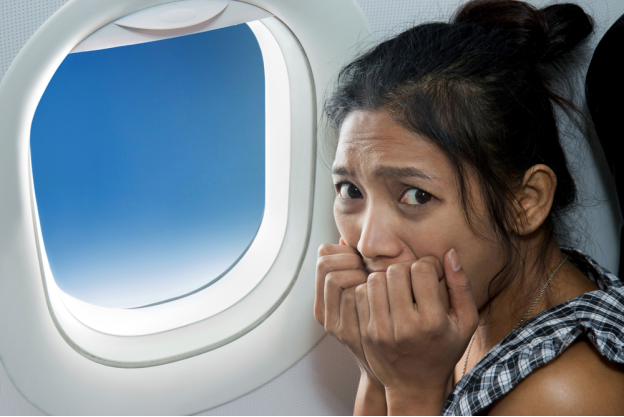
More Americans will travel the skies this summer than ever before, an aviation trade group said in a recent study. Airlines for America said it expects nearly 260 million travelers will fly U.S. airlines this summer. Even with those statistics, as many as 25 percent of all Americans suffer some nervousness about flying and remain grounded due to fear. The most extreme suffers have a condition called Aviaphobia, where the mere thought of air travel causes them to shudder. How can people break this cycle and see the skies as “friendly?” We turned to NYC Neuropsychologist Dr. Sanam Hafeez, who discusses what people can do to prepare themselves to fly as well as during flight to prevent anxiety/panic.
How to Ease Your Fears Before Your Book a Ticket
Develop some knowledge of flying- Read a book called, “Ask the Pilot: Everything You Need to Know about Air Travel.” By Patrick Smith. People are afraid when they don’t’ understand what is happening to the plane and why. What do certain noises mean? Why does the wings flap in flight? Can turbulence cause the plane to crash? What's wind shear - and can it really rip the wings off a plane? How does a plane get off the ground? Why does the plane sometimes bump, jig, and turn at a high angle during climb out? Flying is statistically the safest form of transportation. It is far more mysterious to most than driving a car. By educating yourself through a consumer-friendly book written by a pilot, this will help to ease your fear and take some of your power back.
Cognitive Behavioral Therapy- This is a form of therapy, also known as (CBT) If you change your thoughts, you can change your response and behavior. Addressing general anxiety can reduce the intensity during triggering moments, like being on a plane. The therapist may suggest exposure therapy, where your first assignment is to drive to the airport and walk into the terminal. The second assignment might be to take the shortest flight possible from your home with a trusted friend or loved one. The third time might involve a longer flight alone until the fear is de-escalated and flying begins to feel “normal.” This type of “practice” is known as exposure therapy.
Attend a Fear of Flying Clinic- There are online courses such ashttp://www.fearofflyinghelp.com/lessons-intro.htmlThere are also more tactile in-person groups such aswww.fofc.com Fear of Flying Clinic has provided intensive therapy to familiarize anxious travelers with the airborne experience. Founded in 1976 and based at San Francisco International Airport, Fear of Flying Clinic includes 24 hours of instruction spread over two weekends. It involves a licensed behavioral therapist to teach coping mechanisms, as well as lectures from airline pilots, flight attendants, mechanics, and air traffic controllers. Participants also familiarize themselves with the cockpit, control tower, and maintenance facility.
Hypnotherapy-
Like any phobia, a fear of flying is rooted in your subconscious. You may have had a traumatic experience, watched a plane crash or saw a movie that disturbed you. Whatever the cause, your mind is trying to protect you. It thinks that flying is dangerous. Thus, fear is created to warn you away from flying. To conquer your fear, you must address it. Hypnosis finds out what triggers that fear in your subconscious. Over time, a hypnotist helps to reprogram the mind so that you are no longer afraid. Your mind relearns positive truths about flying. As a result, you can escape from your long-held fear.
Monitor Your Media Intake
This may seem like a no-brainer, but it’s worth mentioning: Avoid airplane disaster movies, news coverage of plane crashes, or other scary media images. Remember that the vast majority of flights arrive safely, but only the problem flights make the news. Don’t let that skew your impressions of flying.
How to Avoid Anxiety and Panic When Are Airborne
Talk to the Senior Flight Attendant Before you Board- Ask to board early by telling the gate attendant that you suffer from fear of flying and wish to talk to the flight attendant in the pre-boarding phase. They are accustomed to dealing with nervous fliers. Explain your fears to him/her. Perhaps it is take off that concerns you the most, or maybe it turbulence or landing. Tell them your seat number and ask if they could come and check on you during the inflight times that are most concerning to you. If you are traveling alone and your seatmate seems friendly, perhaps you could ask them to engage you in conversation during take-off to keep your mind off things during this phase of the flight. Strangers can be surprisingly nice inflight.
Bring an Inflight “Tool Kit” Distraction is key to staying out of fear/panic. In your carry- on, pack crossword puzzles, coloring books, download books or movies that are “light.” Do not watch or read anything that includes topics of murder, terrorists, plane crashes, fires, death, or anything that can trigger fear. Anything you are reading or listening to, or watching should conjure pleasant thoughts.
Brain games are great because they keep your mind occupied, and that is the goal. The last thing you want is to be clutching your seat handles waiting for every little air pocket. While you are at it, skip the inflight coffee or Diet Coke. The last thing you need is caffeine to make you jittery.
Progressive Muscle Relaxation- In progressive muscle relaxation, you tense a group of muscles as you breathe in, and you relax them as you breathe out. You work on your muscle groups in a specific order. When your body is physically relaxed, you cannot feel anxious. Practicing progressive muscle relaxation for a few weeks will help you get better at this skill, and in time, you will be able to use this method to relieve stress. You can use an audio recording to help you focus on each muscle group, or you can learn the order of muscle groups and do the exercises from memory. Choose a place where you won't be interrupted and where you can lie down on your back and stretch out comfortably, such as a carpeted floor. Breathe in, and tense the first muscle group (hard but not to the point of pain or cramping) for 4 to 10 seconds.
Benzodiazepines- If your fear is really intense and you have discussed this with your psychiatrist, they might feel it appropriate to prescribe you a low dose of a benzodiazepine such as Klonopin or Ativan which work very quickly to calm intense anxiety or panic. These medications are habit forming, so it is best to use them only in extreme situations of panic when you are faced with a phobic situation. Remember not to mix them with alcohol. Sometimes just knowing they are there as a "rescue" can make the phobic person feel better.
About the Doctor:
Dr. Sanam Hafeez PsyD is an NYC based licensed clinical psychologist, teaching faculty member at the prestigious Columbia University Teacher’s College and the founder and Clinical Director of Comprehensive Consultation Psychological Services, P.C. a neuropsychological, developmental and educational center in Manhattan and Queens. Dr. Hafeez masterfully applies her years of experience connecting psychological implications to address some of today’s common issues such as body image, social media addiction, relationships, workplace stress, parenting and psychopathology (bipolar, schizophrenia, depression, anxiety, etc…). In addition, Dr. Hafeez works with individuals who suffer from post-traumatic stress disorder (PTSD), learning disabilities, attention and memory problems, and abuse. Dr. Hafeez often shares her credible expertise to various news outlets in New York City and frequently appears on CNN and Dr.Oz. Connect with her via Instagram @drsanamhafeezor
CBD ESSENTIALS SUPPORTS CHRISTINE CLINTON CANCER CARE DURING BREAST CANCER AWARENESS MONTH
“Therapy Designed by Nature”
Topically Applied Farm-to-Skin CBD Featuring the Brand’s Award-Winning ProductsLOS ANGELES, CALIF. (October 2019)—During Breast Cancer Awareness Month, Cannaisseur Brands will donate one 1 oz bottle of oncology massage oil ($29 value) for every Deluxe CBD Essentials First Aid Kit (MSRP $125) sold during the month of October to Christine Clinton Cancer Care to be used for treating clients living with cancer and spa professionals in training. A graduate of Harvard’s “Mind Body Medicine” program, Clinton was trained in medical massage for cancer patients at Memorial Sloan Kettering 17 years ago. Today, Christine’s organization continues to train therapists in the art and science of massage and skincare for clients with compromised health. CBD Essentials was founded by industry expert and advocate Aryn Sieber, who consults with physicians and patients nationwide on the responsible use and medicinal benefits of cannabis. Sieber became a sought-after professional leader in the industry after using cannabis during his own battle with Stage IV cancer.
“It has been a challenge to build awareness of the need for evidence-based, quality education in the field of medical massage,” said Christine Clinton, Founder of Christine Clinton Cancer Care. “There was a time when massage for cancer patients wasn’t encouraged. But we now understand the importance of touch in the healing journey of cancer patients. It has been an honor to be a part of that process, as we continue to train spa professionals globally in this modality.”
CBD Essentials topically applied products are lab-formulated, third-party tested, and batch numbered to ensure quality and consistency. All CBD Essentials products feature Sieber’s award-winning flower and meet the federal requirements of the 2018 Farm Bill, which mandates that all CBD-infused products are derived from dried Cannabis Sativa L. plant material that contains less than 0.3 percent THC to be legal in the United States. (It is important to note that therapeutic statements for CBD products are not yet evaluated by the Food and Drug Administration and are not intended to diagnose, treat, cure, or prevent any disease.)
“The benefits of touch cannot be understated in supporting the specific needs of cancer patients during their journey through treatment,” said Ayrn Sieber, Founder of Cannaisseur Brands. “I received CBD massages during my battle with Stage IV cancer. And it was one of the most beneficial aspects of my own healing process. Now that I am cancer-free, it’s a blessing for me to have the opportunity to share my journey and some of these benefits with others going through their own battles with this disease.”
The Cannaisseur Brands CBD Essentials Deluxe First Aid Kit that offers 1 oz bottle of oncology massage oil to Christine Clinton Cancer Care during the month October includes: 1.5 oz. Pain Relief Cream (available in Green Tea Cucumber and Natural); 1 oz. CBD Essentials Salt Soak (available in Green Tea Cucumber, Eucalyptus, Lavender and Natural); 1 oz. CBD Essentials Body + Massage Oil (available in Green Tea Cucumber, Peppermint, Eucalyptus, Lavender and Natural); 0.15 oz. CBD Essentials Lip Balm (available in Tropical Punch, Grape, Coconut, Vanilla and Peppermint); andCBD Essentials Transdermal Patch (unscented). The CBD Essentials Deluxe First Aid Kit is offered at a retail price of $125.
About the products featured in the CBD Essentials First Aid Kits:
CBD Essentials Pain Cream — This body cream, formulated to offer pain relief for sore muscles, aching joints, and chronic skin conditions, won the Les Nouvelles Esthétiques & Spa “Best New Product” award in 2018. A therapeutic blend of premium CBD, select terpenes, and organic hydrators such as coconut oil and shea butter facilitate muscle rejuvenation and replenish moisture for dry skin conditions. The product uses 50 mg. per oz. of premium CBD.
CBD Essentials Salt Soak Concentrate —This therapeutic blend of immune-boosting, mineral-rich sea salts, combined with premium CBD and select terpenes was formulated to soothe sore muscles, reduce stress, and induce relaxation. This product won the Les Nouvelles Esthétiques & Spa “Best New Product” award in 2019.
CBD Essentials Body + Massage Oil —This product features organic coconut oil infused with premium CBD to reduce discomfort associated with muscle and joint inflammation. This non-greasy topically applied product helps to rejuvenate tired muscles and aching joints, enhancing recovery and relieving pain. It was formulated to be used for therapeutic and oncology massages, and has been shown help reduce inflammation associated with arthritis, fibromyalgia, tendonitis and psoriasis in hundreds of real-world test cases. Designed for all skin types, the CBD Essentials Body + Massage Oil also can improve dry skin, deeply hydrating for maximum benefit and long-lasting protection.
CBD Essentials Massage Roll-On —This product features the same formulation of CBD Essentials Body + Massage Oil, in the convenience of a roll-on applicator. CBD Essentials Massage Roll-On is available in Green Tea Cucumber, Peppermint, Eucalyptus, Lavender and Natural in sizes 0.3 oz. at a retail price of $12 ; and 3 oz. at a retail price of $70.
CBD Essentials Transdermal Patch —This THC-free time-released product delivers 70 mg. of premium CBD via a 2.5 in. by 3.5 in. waterproof adhesive patch (so it can be worn in the shower and during a workout) and is effective for up to 36 hours.
CBD Essentials Lip Balm —The first lip balm launched by the brand, CBD Essentials Lip Balm is formulated to moisturize the lips from discomfort associated with dryness and deeply hydrate dry skin for maximum benefit and long-lasting protection.
CBD Essentials products are available at CannasseurBrands.com and select spas, wellness centers and specialty retail outlets nationwide.###About Cannaisseur Brands Cannaisseur Brands was launched by cannabis industry advocate Aryn Sieber,who consults with physicians nation-wide on the legal use of medical cannabis and CBD for their patients. Sieber became a sought-after professional leader in the CBD and medical cannabis industry after using medical cannabis and CBD during his own battle with Stage IV cancer. The topically applied products in the Cannaisseur Brand line are lab-formulated, third-party tested, and batch numbered to ensure quality and consistency. All products in the line feature the brand’s award-winning flower.
About Christine Clinton Cancer Care Founder Christine Clinton holds a certification from Harvard in “Mind Body Medicine” and was trained in medical massage at Memorial Sloan Kettering. She has been working with guests living with cancer in a spa setting for 17 years. Her classes are accredited by NCBTMB in the US, By Think Tree in the UK and partially funded by the Irish Government in Ireland. She works with pain management specialists, holistic chiropractors and functional medicine doctors in her private practice of 28 years.
New Cochrane Review assesses evidence on different ways to reduce consumption of sugary drinks
Consumption of sugary drinks is considered to be a key driver behind the global obesity epidemic, and is linked with tooth decay, diabetes and heart disease. Many public health bodies including the World Health Organization (WHO) have called upon governments, the food and drink industry, educational institutions, places of work and civil society to support healthier beverage choices.This new Cochrane Review summarizes evidence from research studies testing different ways of reducing consumption of sugary drinks at a population level. A team of researchers from Germany and the UK looked at the results from 58 studies that assessed a range of approaches and strategies aimed at changing the physical or social environment where people consume or buy sugary drinks. The studies were done in a variety of settings, including schools, cafes, restaurants, homes, and retail outlets. The studies assessed a wide range of different approaches to reduce consumption such as labelling and pricing of sugar sweetened drinks and healthy alternatives. They also looked at broader policy initiatives such as community-based campaigns to encourage healthier choices. The studies were conducted in 19 different countries from North and South America, Australasia and Europe and South East Asia. Within the broad categories of interventions studied, (labelling, nutrition standards, price increases and subsidies, home-based interventions, interventions aimed at the whole food supply, retail and food services, and intersectoral approaches such as food benefit programs and trade and investment policies), the certainty of the evidence for specific measures ranged from very low to moderate. The review authors identified a number of measures which the available scientific evidence indicates reduces the amount of sugary drinks people drink. These measures included:Labels that are easy to understand, such as ‘traffic-light’ labels, and labels that rate the healthiness of beverages with stars or numbers.Limits to the availability of sugary drinks in schools.Price increases on sugary drinks in restaurants, stores and leisure centres.Children’s menus in chain restaurants which include healthier beverages instead of sugary drinks as the default.Promotion and better placement of healthier beverages in supermarkets.Government food benefits (e.g. food stamps) which cannot be used to purchase sugary drinks.Community campaigns focused on supporting healthy beverage choices.Measures that improve the availability of low-calorie beverages at home, e.g. through home deliveries of bottled water and diet beverages.The Cochrane authors also found evidence that improved availability of drinking water and diet beverages at home can help people lose weight. There are also other measures which may influence how much sugary drinks people drink, but for these the available evidence is less certain. Past research has shown that health education and taxation of sugar-sweetened beverages can also help to reduce their consumption, but these approaches were not examined in the current review. Taxation of sugary drinks, unprocessed sugar and sugar-added foodswill be examined in two future Cochrane Reviews.Review author Hans Hauner, Professor of Nutritional Medicine at Technical University Munich, Germany, and a world-leading expert in the field, commented: “Rates of obesity and diabetes are rising globally, and this trend will not be reversed without broad and effective action. Governments and industry in particular must do their part to make the healthy choice the easy choice for consumers. This review highlights key measures that can help to accomplish this.” Review author Eva Rehfuess, Professor of Public Health and Health Services Research at LMU Munich, Germany, adds: “This review highlights essential building blocks for a comprehensive strategy to support healthy beverage choices for the whole population. However, we need to do more work to understand what works best in specific settings, such as schools and workplaces, for people of different socio-economic and cultural backgrounds, and in countries at different levels of economic development. This would help us to improve existing approaches further. Policy-makers and practitioners who implement such measures should therefore cooperate with researchers to allow for high-quality evaluations.”Review lead author Peter von Philipsborn, Research Associate at LMU Munich, Germany, said: “Sugary drinks are a global problem, and middle-income countries such as South Africa, Mexico and Brazil are particularly affected. The measures highlighted in this review should be considered by policy-makers worldwide.”This Cochrane Review from Cochrane Public Health was conducted by researchers affiliated with the Institute of Medical Information Processing, Biometry and Epidemiology at the Pettenkofer School of Public Health at the LMU Munich, the Technical University Munich, and University College London. --END-- Additional InformationFull Citation: Von Philipsborn P, Stratil JM, Burns J, Busert LK, Pfadenhauer LM, Polus S, Holzapfel C, Hauner H, Rehfuess E. Environmental interventions to reduce the consumption of sugar-sweetened beverages and their effects on health. Cochrane Database of Systematic Reviews 2019, Issue 6. Art. No.: CD012292. https://doi.org/10.1002/14651858.CD012292.pub2For further information and interview requests please contact:Katie AbbottsExternal Communications and Media Officer, Cochrane M +44(0) 7810 504380 E kabbotts@cochrane.org or pressoffice@cochrane.org Dawn PetersSr Manager, Global Communications & Media, Wiley (US)P +1 781-388-8408 E newsroom@wiley.comAbout Cochrane Cochrane is a global independent network of researchers, professionals, patients, carers and people interested in health. Cochrane produces reviews which study all of the best available evidence generated through research and make it easier to inform decisions about health. These are called systematic reviews. Cochrane is a not-for profit organization with collaborators from more than 130 countries working together to produce credible, accessible health information that is free from commercial sponsorship and other conflicts of interest. Our work is recognized as representing an international gold standard for high quality, trusted information.Find out more at cochrane.org Follow us on twitter @cochranecollabAbout Wiley Wiley drives the world forward with research and education. Our scientific, technical, medical, and scholarly journals and our digital learning, certification, and student-lifecycle services and solutions help students, researchers, universities, and corporations to achieve their goals in an ever-changing world. For more than 200 years, we have delivered consistent performance to all of our stakeholders. The Company's website can be accessed at www.wiley.com.
Canopy Growth provides update on international operations and activities
Company enters multi-year agreement with Colombia-based Procaps to conduct advanced manufacturing in Latin America
Spectrum Therapeutics receives new licences, certifications, and sales in international jurisdictions to advance Canopy Growth's global leadership position and build new revenue markets
Company Now Licensed for over 35 million Square Feet of Production across Europe, Africa and South America
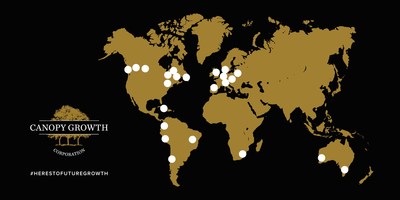
SMITHS FALLS, ON, June 17, 2019 /CNW/ - Canopy Growth Corporation ("Canopy Growth" or the "Company") (TSX:WEED)(NYSE:CGC) is pleased to highlight recent developments that are fueling its international progress in emerging medical cannabis and CBD markets. The Company's global three-prong strategy includes a focus on building best-in-class global GMP (Good Manufacturing Practices) infrastructure, advancing clinical research programs and best-in-class education and sales programs through its Spectrum Therapeutics medical division, and launching CBD products where regulatory environments allow. Recent highlights include:
Latin America:
Furthering access to these new markets, Canopy Growth has entered into a multi-year agreement with Procaps S.A.S ("Procaps"), a global company based in Colombia. Procaps develops, manufactures, and markets over-the-counter medications and nutritional supplements for a number of international pharmaceutical companies. Procaps exports to more than 50 international markets, including highly regulated jurisdictions such as the United States, where they are GMP certified by the US Food and Drug Administration ("US-FDA"). Through the agreement, Canopy Growth will leverage Procaps' industry-leading formulation and encapsulation capacity, which is especially critical in serving Latin American markets where there is a strong regulatory preference for oil-based products, including softgels. The agreement covers a number of different product formats.
In Colombia, Canopy Growth is licensed to produce over 13.6 million sq. ft. of THC or CBD dominant cannabis, making its Neiva license one of the largest in the world and positioning the Company to meet the emerging regional demand for medical cannabis and CBD products. While only a portion of the cultivation area is in use, the Company will scale operations as market demand dictates. The Company has also completed compassionate sales of Canadian-produced Spectrum Therapeutics products to both Chilean and Brazilian patients, validating the potential of serving patients through an import model while its Latin America operations scale and regional regulations advance to support greater market access.
Asia-Pacific:
In Australia, Spectrum Therapeutics received its first shipment of medical cannabis oil in April 2019 and shortly thereafter began sales to medical cannabis patients in May 2019. The medical market is expanding in Australia as regulations mature and patients have greater access to medical cannabis. Country-wide patient registrations have increased tenfold over the last year to more than 1,300 today. Spectrum Therapeutics intends to support Australian patients through imports until its domestic facilities are fully operational. Construction of its Victoria-based greenhouse and post-production facility is currently underway.
Europe:
In Denmark, Spectrum Therapeutics received the necessary licensing from the Danish Medicines Agency for its Odense facility, allowing the Company to grow, harvest, export and sell medical cannabis in dried flower form. To its knowledge, Spectrum Therapeutics is the first Canadian company to receive a federal production licence in Denmark. The facility, certified in both Good Agricultural and Collection Practices (GACP) as well as GMP designations, is the backbone of the Company's regional supply chain and will support the growing demand for Spectrum Therapeutics products across Europe. Additionally, following its acquisition of a licence to grow and produce cannabis in Spain, the Company is actively developing plans for its second site in Europe.
The Company also continues to integrate the recent strategic acquisitions of German-based Storz & Bickel, a global leader in medical device and vaporizer technology, German-based C3 Cannabinoid Compound Company, a leading European producer of Dronabinol, and UK-based ThisWorks. Integration of these global leaders into the Canopy product offering and global sales structure will increase revenues, accelerate intellectual property development, and further advance and expand clinical research.
Africa:
In Lesotho, Spectrum Therapeutics has been granted a medical production licence covering two facilities in the country, including 21 million sq. ft. of outdoor grow space and 322,000 sq. ft. of indoor, outdoor and greenhouse space combined, respectively, where CBD dominant and CBD-THC balanced varieties can be cultivated. With these licensed areas, Spectrum Therapeutics to its knowledge now owns one of the largest legal outdoor CBD cultivation sites on the continent of Africa, some of which is currently operational.
Spectrum Therapeutics has also acquired 12 hectares of land located in the Atlantis Economic Zone in the city of Cape Town in order to establish licensed production operations in South Africa. The Company has submitted the necessary applications for a cultivation and post-harvest processing facility licence, which will complement its current production capabilities in Lesotho.
For years, Canopy Growth has taken the long-view, leveraging its substantial cash position to lay the foundation for a global, revenue-generating network. These latest milestones, from world-wide land acquisitions and partnerships, facility developments, licence accreditations, crop cultivation - and sales - validate the Company's efforts and strategic investments, strengthening its position as the global leader, poised to capitalize on emerging markets.
Wondering about North America? Stay tuned for further updates in the coming days.
About Canopy Growth Corporation Canopy Growth (TSX:WEED, NYSE:CGC) is a world-leading diversified cannabis, hemp and cannabis device company, offering distinct brands and curated cannabis varieties in dried, oil and Softgel capsule forms, as well as medical devices through Canopy Growth's subsidiary, Storz & Bickel GMbH & Co. KG. From product and process innovation to market execution, Canopy Growth is driven by a passion for leadership and a commitment to building a world-class cannabis company one product, site and country at a time. Canopy Growth has operations in over a dozen countries across five continents.
Canopy Growth's medical division, Spectrum Therapeutics is proudly dedicated to educating healthcare practitioners, conducting robust clinical research, and furthering the public's understanding of cannabis, and has devoted millions of dollars toward cutting edge, commercializable research and IP development. Spectrum Therapeutics sells a range of full-spectrum products using its colour-coded classification Spectrum system as well as single cannabinoid Dronabinol under the brand Bionorica Ethics.
Canopy Growth operates retail stores across Canada under its award-winning Tweed and Tokyo Smoke banners. Tweed is a globally recognized cannabis brand which has built a large and loyal following by focusing on quality products and meaningful customer relationships.
From our historic public listing on the Toronto Stock Exchange and New York Stock Exchange to our continued international expansion, pride in advancing shareholder value through leadership is engrained in all we do at Canopy Growth. Canopy Growth has established partnerships with leading sector names including cannabis icons Snoop Dogg and Seth Rogen, breeding legends DNA Genetics and Green House Seeds, and Fortune 500 alcohol leader Constellation Brands, to name but a few. Canopy Growth operates eleven licensed cannabis production sites with over 4.7 million square feet of production capacity, including over one million square feet of GMP certified production space. For more information visit www.canopygrowth.com
Notice Regarding Forward Looking Statements This news release contains "forward-looking statements" within the meaning of the United States Private Securities Litigation Reform Act of 1995 and "forward-looking information" within the meaning of applicable Canadian securities legislation. Often, but not always, forward-looking statements and information can be identified by the use of words such as "plans", "expects" or "does not expect", "is expected", "estimates", "intends", "anticipates" or "does not anticipate", or "believes", or variations of such words and phrases or state that certain actions, events or results "may", "could", "would", "might" or "will" be taken, occur or be achieved. Forward-looking statements or information involve known and unknown risks, uncertainties and other factors which may cause the actual results, performance or achievements of Canopy Growth or its subsidiaries to be materially different from any future results, performance or achievements expressed or implied by the forward-looking statements or information contained in this news release. Examples of such statements include statements with respect to international operations and expansion. Risks, uncertainties and other factors involved with forward-looking information could cause actual events, results, performance, prospects and opportunities to differ materially from those expressed or implied by such forward-looking information, including the Company's ability to satisfy provincial sales contracts or provinces purchasing all cannabis allocated to them, and such risks contained in the Company's annual information form dated June 27, 2018 and filed with Canadian securities regulators available on the Company's issuer profile on SEDAR at www.sedar.com. Although the Company believes that the assumptions and factors used in preparing the forward-looking information or forward-looking statements in this news release are reasonable, undue reliance should not be placed on such information and no assurance can be given that such events will occur in the disclosed time frames or at all. The forward-looking information and forward-looking statements included in this news release are made as of the date of this news release and the Company does not undertake an obligation to publicly update such forward-looking information or forward-looking information to reflect new information, subsequent events or otherwise unless required by applicable securities laws.
SOURCE Canopy Growth Corporation
UBC launches Canada's first graduate blockchain training path
VANCOUVER, June 11, 2019 /CNW/ - The University of British Columbia (UBC) is launching Canada's first blockchain and distributed ledger technology training path for graduate students. The initiative aims to build capacity for existing master's and PhD students in this area and help scale Canada's blockchain industry while also tackling some of the world's most complex socio-technical issues.
Set to become the world's most multidisciplinary blockchain training path, the unique initiative will provide students with next-generation tools and applications to address issues in FinTech, engineering and computer science, and information governance through its disciplinary streams.
"As the country's first graduate blockchain learning path, the initiative is transformative to the blockchain sector in Canada and beyond," said Victoria Lemieux, UBC iSchool associate professor and Blockchain@UBC cluster lead. "The initiative will allow students to develop the skills around emerging technologies that are in high demand as well as drive economic growth as graduates fill the void in the industry."
The training path will focus on four primary sectors: health and wellness, clean energy, regulatory technology and Indigenous issues, and aims to train 139 students over six years. The initiative is supported by 15 industry partners from a wide range of sectors who will be offering students high-value internships in collaboration with Mitacs. Boehringer Ingelheim (Canada) Ltd. will be a flagship partner, providing funding to support research at the intersection of blockchain and healthcare.
"We are proud to be part of a collaboration that is considered to be the first in Canada offering multidisciplinary graduate education in blockchain technology, developing the next generation of innovators," said Uli Brödl, vice president, medical and regulatory affairs, Boehringer Ingelheim (Canada) Ltd. "This collaboration will allow us to grow the knowledge base and expertise of scientists to leverage the value of blockchain technology in healthcare."
Mitacs will provide $1.324 million over six years to match industry funding on an annual basis for up to 18 master's and eight PhD internships, including skills training and capacity for international experience. This represents a combined potential value of over $2.44 million for 156 internships and post-doctoral training projects.
"Mitacs is pleased to support UBC's graduate blockchain initiative, which will foster innovation and the training of highly skilled talent to strengthen Canada's leadership in this emerging area of multidisciplinary research and business transformation," said Mitacs CEO and Scientific Director, Alejandro Adem.
The initiative will be taught by UBC faculty from diverse disciplines, all of whom are well connected with the local community as well as blockchain research centers around the world. As part of the learning outcomes, students can expect to critically analyze blockchain solutions as well as explore innovative areas where blockchain can be applied to achieve business, social and technical benefits.
The training path will officially launch in January 2020.
In recent years, blockchain has emerged as a powerful method of providing security and trust in handling data, with countless technical, economic, social and political applications.
Blockchain is designed to enable frictionless peer-to-peer interaction without the need for a trusted middleman.
Yet, there is little overlap between academia and industry as well as a critical shortage of qualified professionals in the industry.
Victoria Lemieux, UBC School of Library, Archival and Information Studies, is the founder of Blockchain@UBC and co-leads the cluster with Chen Feng, from UBC-Okanagan School of Engineering. Their interdisciplinary collaboration recognizes the value of a multidisciplinary approach to blockchain and distributed ledger technology development and the need to span both natural science and engineering (NSE) and non-NSE disciplines to leverage this emerging technology in the best interests of all Canadians.
About UBC
The University of British Columbia is a global centre for research and teaching, consistently ranked among the top 20 public universities in the world. Since 1915, UBC's entrepreneurial spirit has embraced innovation and challenged the status quo. UBC encourages its students, staff and faculty to challenge convention, lead discovery and explore new ways of learning. At UBC, bold thinking is given a place to develop into ideas that can change the world.
About Blockchain@UBC
Blockchain@UBC is a multidisciplinary UBC research cluster focusing on blockchain technology as a central component in investigating the broader research question "How can emerging technologies be leveraged to benefit Canadians?"
We engage in both research and education to advance the design, development and adoption of blockchain technologies. Our research initiatives bring academics and industry partners together to explore pressing issues and advance the emergence of blockchain technologies. Our teaching initiatives span undergraduate, graduate, and executive levels to advance the knowledge and qualifications of students and professionals interested in blockchain technologies. Blockchain@UBC receives support through UBC's Grants for Catalyzing Research Clusters program.
About Boehringer Ingelheim (Canada) Ltd.
Improving the health of humans and animals is the goal of Boehringer Ingelheim, a research-driven pharmaceutical company. In doing so, the focus is on diseases for which no satisfactory treatment option exists to date. The company therefore concentrates on developing innovative therapies that can extend patients' lives. In animal health, Boehringer Ingelheim stands for advanced prevention.
Family-owned since it was established in 1885, Boehringer Ingelheim is one of the top 20 companies in the pharmaceutical industry. Some 50,000 employees create value through innovation daily for the three business areas of human pharmaceuticals, animal health and biopharmaceuticals. In 2018, Boehringer Ingelheim achieved net sales of around 17.5 billion euros. R&D expenditure of almost 3.2 billion euros, corresponded to 18.1 per cent of net sales.
As a family-owned company, Boehringer Ingelheim plans in generations and focuses on long-term success. The company therefore aims at organic growth from its own resources with simultaneous openness to partnerships and strategic alliances in research. In everything it does, Boehringer Ingelheim naturally adopts responsibility towards mankind and the environment.
The Canadian headquarters of Boehringer Ingelheim was established in 1972 in Montreal, Quebec and is now located in Burlington, Ontario. Boehringer Ingelheim employs approximately 600 people across Canada.
Mitacs is a not-for-profit organization that fosters growth and innovation in Canada by solving business challenges with research solutions from the best academic institutions at home and around the world. For over 20 years, Mitacs has worked with federal and provincial governments to build partnerships that support industrial and social innovation.
Media contacts:
The University of British Columbia, Vancouver Campus Jess Werb Email: jwerb01@mail.ubc.ca Tel: (604) 822-0116
How Damaging Can an Eating Disorder Be When Exercising?
Eating disorders such as anorexia nervosa and bulimia can be highly detrimental to the human body. They’re often accompanied by obsessive attitudes toward exercise as well. Combining intense calorie restriction with overexertion can often trigger seriously destructive consequences.
Lower Heart Rates
Eating disorders can make people a lot more susceptible to lower heart rates or “bradycardia.” This is in many cases a reaction to losing weight in an unnaturally speedy manner. People who have lower heart rates may develop body temperatures that are that way as well. If you have an eating disorder and exercise in an immoderate fashion, you may be subject to unpleasant heart rate changes.
Stress Fractures
Eating disorders and immoderate workout sessions can also make people a lot more vulnerable to the development of stress fractures. These fractures frequently show up on the bottom half of the legs or on the feet. That’s because they’re body parts that have to do a lot of carrying work. If you do a lot of aerobics, then you may get many stress fractures. If you notice that your body hurts any time you even attempt to exercise, a stress fracture could be the root cause.
Amenorrhea
A woman has amenorrhea if her menstrual periods have stopped out of nowhere. If you’re a female who is no longer menstruating for a mysterious reason, an eating disorder combined with inordinate workout sessions could be responsible. This condition can arise any time a woman sheds pounds in an abnormally speedy manner. It can bring on all kinds of hazardous bone-related issues as well. A couple examples of these are both osteoporosis and osteopenia.
Emotional Distress
Exercise fixations and eating disorders can bring on emotional distress. If an individual has an eating disorder and a rigid workout routine, she may feel intensely ashamed any time she has no option but to avoid exercising. People who have obsessive attitudes toward exercise often work out regardless of how ill they feel. Some people even enter panic mode if they’re unable to get to the gym for any reason. For example, in-patient eating disorder treatmentcan aid individuals who are trying to recover from the emotional scars that are associated with eating disorders.
Eating disorders can be devastating to the people who suffer from them. They can be devastating to the caring people who are in their lives as well. Workout sessions and eating disorders can trigger a host of diverse concerns.
HOW TO AVOID ILLNESS AND OTHER MEDICAL CONSEQUENCES WHILE TRAVELING THIS MEMORIAL DAY WEEKEND
Memorial Day marks the unofficial start of summer. According to AAA, more than 41.5 million Americans will travel this Memorial Day weekend by car, plane, or train. Nothing ruins a long-awaited vacation faster than getting sick or being in medical distress. We turned to Dr. Niket Sonpal, an NYC internist and gastroenterologist for some tips on how to avoid health consequences will traveling.
Avoid Deep Vein Thrombosis
Deep vein Thrombosis (DVT) occurs when a blood clot (thrombus) forms in one or more of the deep veins in your body, usually in your legs. Deep vein thrombosis can cause leg pain or swelling, but also can occur with no symptoms. For travelers, this can happen on long haul trips where you are not moving. Dr. Sonpal recommends if you are flying or on a train, to move around the cabin to get the blood flowing in your legs. If you are driving, take a break at a rest stop and walk around. Compression socks are also another option to prevent DVT.
Don’t Get Nauseous
People can experience motion sickness on virtually any mode of transportation. To combat this, Dr. Sonpal suggests Dramamine® Non-Drowsy Naturals, Dramamine®'s first non-drowsy formulation. It contains the clinically tested ginger dosage required for preventing and treating motion sickness. Other sources of ginger, including candies, gums, or ginger ale, may not contain a full clinical dose. For someone who is already experiencing nausea while traveling, it is a good idea to keep Emetrol on hand which is an over the counter nausea medication that does not cause drowsiness.
Avoid Bloating on a Plane
If you get gassy on a plane, you’re not alone! Dr. Sonpal explains that, “As the pressure around you decreases, the gas in your belly isn’t constrained as much and it expands. This can make you feel bloated or become distended.” It is essential to avoid foods that cause gas or have salt. Skip the tomato juice in flight and stick with non-carbonated water. Avoid alcohol, cruciferous vegetables, dairy and high sodium snacks such as salted peanuts or pretzels. Foods that are protein packed, magnesium-rich and high in Vitamin C are good options.
Sanitize Your Surfaces
Planes and trains are a breeding ground for illness. The former is awful due to re-circulated air. Most travelers would be appalled if they really knew how germy their tray tables are! Dr. Sonpal suggests sanitizing wipes for your tray table, seat belt clip and hand rests of your seats on planes and trains. When you exit a restroom on a plane or train and touch the door handles, be sure to use hand sanitizer even if you already washed your hands.
Get Your Shots Before Traveling Abroad!
Before you even book your trip, make sure you’re up to date on your shots. If you’re traveling to an area where you’re at risk for picking up an illness like malaria, you might be prescribed preventative medication. Dr. Sonpal suggests that, “People should use the CDC website for recommended vaccines for travel abroad or see a travel clinic. The health risks posed to Americans vary based on the country they are traveling to.”
Don’t Touch the Ice!
When traveling to a different country, most people are very cautious about only drinking bottled water. Many folks forget that ice is simply frozen water and put it into their soft drinks or alcoholic beverages. Contrary to what one might think, freezing water does not kill bacteria. The only way to be sure it is safe is if you boiled the water and then froze it.
Avoid Jet Lag
Even a relatively short time change from EST to PST (3 hours) can cause jet lag. With some international travel from the United States, the time difference can be as much as twelve hours. If you're traveling east, try going to bed one hour earlier each night for a few days before your departure. Dr. Sonpal suggests that, “If you're traveling east, try going to bed one hour earlier each night for a few days before your departure. Go to bed one hour later for several nights if you're flying west. If possible, eat meals closer to the time you'll be eating them at your destination. Set your watch to the new time before you leave. Once you reach your destination, try not to sleep until the local nighttime, no matter how tired you are.”
Essential Medicine/Supplies to Travel With
Dr. Sonpal stresses never to check your medication with your baggage, always keep it in your carry on. Have a fresh re-fill on prescription medication with extra doses in case you get stuck at your destination. In addition, here are some essential over the counter meds/supplies to travel with:
Benadryl- For allergic reactions such as insect or bee bites.
Pepto Bismol- For diarrhea
Laxative such as Dulcolax
Anti-biotic ointment such as Neosporin
Common cold/sinus remedies such as Mucinex or Claritin
Pain relievers such as Tylenol or Motrin
Anti- Nausea medication such as Emetrol
Motion Sickness medication such as Dramamine. If you are the driver, be sure to take the non-drowsy version.
Electrolyte tablets for dehydration
Hydrocortisone cream to relieve itching from rashes, bites, poison ivy etc.
Aloe to soothe sunburned skin
Band-Aids
Digital Thermometer
Nasal Spray to prevent clogged ears while flying
Tweezers
Eye Drops
Epi-Pen if you are prone to severe allergic reactions
How to Find a Reliable Physician if you are Traveling Abroad
The US embassy in your destination country (http://www.usembassy.gov/) can help you locate medical services and will notify your family and friends in the event of an emergency. When selecting a doctor, make sure that he or she can speak your language. The following resources provide lists of doctors and clinics that can care of travelers:
The International Association for Medical Assistance to Travelers (www.iamat.org; membership required, but it is free)
The International Society of Travel Medicine (www.istm.org)
Travel Health Online (www.tripprep.com; gets information from various sources so quality is not guaranteed)
About Dr. Sonpal
Dr. Niket Sonpal is an internist and gastroenterologist. He is a native of Long Island NY and a graduate of Medical University of Silesia – Hope Medical Institute in Poland. After completing his residency in Internal Medicine at Lenox Hill Hospital, he was selected to be the 2013‐2014 Chief Resident at Lenox Hill Hospital–Northshore LIJ Health System. He is an Adjunct Assistant Professor at Touro College of Osteopathic Medicine and Clinical instructor at Kingsbrook Jewish Medical Center, Brooklyn. Dr. Sonpal has completed his Fellowship in gastroenterology & hepatology at Lenox Hill Hospital and will continue his work in the field of medical student and resident test preparation. He now serves as the associate program director for the Internal Medicine Residency Program at Brookdale University medical center.
He is the co‐author for the best-selling Master the Boards: USMLE Step 2 CK, Master the Boards Step 3, And Master the Boards: Internal Medicine. He is also the Chief Operating Officer for Medquest Test Prep, Director of Medical Education for Picmonic Test Prep, and a recognized expert on medical test prep.
TRAIN IT RIGHT NEWSLETTER
Sign Up and get a free 7 day Train it Right HIIT Program!