
| Popular Japanese Goku “Sleeping Time Machine” Spa Opens First Location In The US Head massage specialist salon Goku no Kimochi may be the most sought-after massage establishment in Japan. Since they opened their first shop in Kyoto in 2008, their waiting list across all branches now exceeds 436,000 people. This popular spa officially opened in New York City (18 W 38th St. / 2nd floor) on May 20th. One of Goku most requested services is their “Zeccho Sleep.'' Aligning the hands and fingers to provide perfect pressure on the scalp, a Japanese head massage therapist releases tension in muscles around the head and eye areas, promoting good blood circulation. As a result, the mind and brain become totally relaxed, leading to improved health, focus, and lower stress levels. When it’s over, individuals will emerge with a euphoric feeling, released from stress. The quality of your sleep may also improve for the next few nights after the treatment. This massage is especially beneficial for people with brain tiredness caused by: stress, over-work, worry and/or constant computer use. Another service offered at Goku is “The Kamiwaza Technique.” This head massage technique was developed and refined over with the help of Japan’s top health care professionals, from diverse fields including: neuroscience, acupuncture, psychology, and massage therapy. This is a dry treatment, no water, lotion, or oils are used. “Zeccho Sleep has been satisfying people especially who suffer stress and insomnia in Japan. As New York is the city that never sleeps as well as the world capital of finance and business, we are thrilled to open our spa here.” For more information about Goku spa, please call (929) 336-3088 and visit: https://www.gokusleep.com/ For all interviews please call Ryan McCormick of Goldman McCormick Public Relations (www.goldmanmccormick.com) at 516-901-1103 / 919-377-1200 |
Author: trainitright
| Affinity Living Group launches daily exercise campaign utilizing National Institute on Aging resources Hickory, NC, June 5, 2019 – Affinity Living Group (ALG) has launched a physical activity and exercise program across its more than 120 communities this month, using the science-based information from Go4Life®, an outreach initiative developed by the National Institute on Aging, part of the National Institutes of Health. The Hickory, North Carolina-based senior housing company will be tracking participation in its Go4Life® campaign this summer, leading up to National Go4Life Month in September.“We are excited that ALG, a Go4Life® partner, is launching this national campaign in all of its communities,” said Stephanie Dailey, director of Go4Life® at the National Institute on Aging (NIA). “ALG recognizes that physical activity is key to the health and well-being of its residents, and we are delighted that Go4Life® resources will be the cornerstone of this innovative campaign.” This week, ALG’s more than 7,000 residents began the daily exercise and physical activity campaign, while team members at the company’s headquarters in Hickory, N.C. joined together with shake weights, resistance bands and strength-training teddy bears to show support.“The healthier that we are, the better life we live,” said Julie Walker, Director of Dementia Care for ALG who has worked to launch the campaign across the company. “As we age, we tend to lose our balance, our flexibility, and our endurance is not as great. By doing these choreographed movements, we can help our residents have better days, we can help reduce their falls, we can help them have more mobility and a better range of motion.”The Go4Life® campaign focuses on four key areas – endurance, strength, balance and flexibility. NIA offers a guide to types of exercises in each of these areas, and ALG teams have trained community leaders on a variety of movement-centered activities as well. ALG communities are also tracking resident participation in the daily exercise activities, using an application created specifically for the campaign. Throughout June, July and August, the designated Go4Life® leader at each community will be awarded a prize based on the highest number of residents participating for the month. In September, a “grand champion” will be named, and they will win a trip to Washington, D.C. The goal of the incentives, Walker said, is to encourage the teams to get residents excited about participating in the exercise programs. Team members from the company’s home office will also be joining in and tracking participation with group exercises three days each week.For more information on ALG, visit algcommunities.com or follow @ALGcommunities on social media.For more information on this press release, contact Tiffany Fields, Communications Specialist, at tfields@affinitylivinggroup.com or (828) 442-3621. *********************With more than 120 communities in 6 states, Affinity Living Group, based in Hickory, NC, is the largest senior housing provider in the southeastern United States. Affinity’s mission is to provide a full continuum of housing and care services for older adults, delivered by a team of passionate and respectful professionals, at locations throughout the United States. We strive daily to create the best life for all we serve. Mason Gray, right, with Affinity Living Group's partner organization Broad River Rehab, works with a resident at The Landings of Mills River while she exercises on a seated elliptical machine at the community. Daily exercise has become part of the routine for residents at Mills River and other ALG communities, as they launched their Go4Life® campaign this month. Residents across ALG's more than 120 communities joined in on a daily exercise and physical activity campaign this month, with exercise guidance from the National Institute on Aging's Go4Life® program.Mason Gray, right, with Affinity Living Group's partner organization Broad River Rehab, works with a resident at The Landings of Mills River on strength training in the dedicated exercise and physical therapy room at the community. Daily exercise has become part of the routine for residents at Mills River and other ALG communities, as they launched their Go4Life® campaign this month. |
The Cornucopia Institute Examines Plant-Based Beverages
Advertising Promotes Them as a Health Food—But Are They?
https://www.cornucopia.org/2019/06/plant-based-beverage-report-release/
Cornucopia, WI — Cornucopia’s new report, “Pouring” Over Plant-Based Beverages, takes an in-depth look at what these beverages really offer consumers, how they are marketed, and how they compare to cow’s milk. Amid health concerns and dire climate crisis predictions, more consumers are buying plant-based beverages than ever before. But are they the right choice for everyone?
Beverages made from seeds, fruits, nuts, legumes, and cereals often contain shockingly little plant material. Manufacturers heavily sweeten the drinks to improve their flavor and add thickeners and gums, such as the gastrointestinal inflammatory agent carrageenan, to make them seem creamy.
“Astonishingly, some of these beverages advertised as ‘healthy’ alternatives to dairy have a sugar content equal to or greater than some soft drinks,” said Anne Ross, the report’s lead author and Cornucopia’s Director of International Policy.
To help consumers find the most nutritious plant-based beverages containing the fewest additives, Cornucopia developed a comprehensive scorecard rating over 300 products from 49 brands.
The global market for plant-based beverages is estimated to climb to nearly $20 billion by 2023 with an anticipated annual growth rate of 12%. Several of the country’s largest food marketers have recently acquired plant-based and alternative protein companies. Is the company that pushes Coca-Cola also making your “healthy” plant-beverage?
“Massive conglomerates are eager to get into the plant-beverage market,” observed Ross. “It is a lucrative venture because these products sometimes consist of only a handful of nuts or seeds, water, and additives, while producing high profit margins.”
Marketing suggests that plant-based beverages are equivalent substitutes for dairy milk, but nutrient profiles show these beverages are fundamentally different types of food.
For individuals without dietary restrictions, cow’s milk provides a natural source of bioavailable calcium and micronutrients, often at demonstrably higher levels than in plant-based beverages. Organic milk produced by cows that graze on pasture has nutritional qualities that are naturally superior to conventionally produced cow’s milk and plant-based beverages.
There has been a lot of debate over which “milks,” dairy or plant-based, are better for the environment. The environmental impact of any beverage depends not only on the plant or animal product itself, but how it was grown or produced, sourced, and processed. All conventional beverages have roots in the destruction of native habitat and the use of toxic chemicals.
Cornucopia’s research is a valuable tool for anyone trying to figure out which plant-based beverage is right for them or whether highly nutritious, grass-based, organic cow’s milk is the better option.
The best choice, whether it be a glass of plant-based product or cow’s milk, is always USDA certified organic.
Rapid Dose Therapeutics Appoints Vice President, Research & Innovation
BURLINGTON, ON, June 6, 2019 /CNW/ - Rapid Dose Therapeutics Corp. ("RDT" or the "Company") (CSE: DOSE), a Canadian leader in drug delivery solutions, is pleased to announce that Dr. Rina Carlini has been appointed Vice President, Research & Innovation.
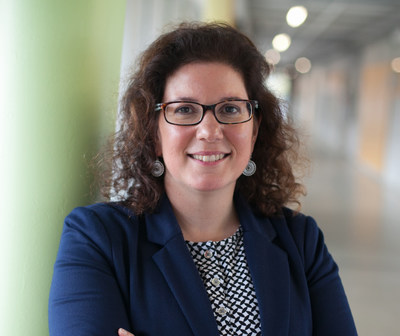
Dr. Carlini is an accomplished scientist and management executive with 25 years of experience in technology innovation, product development, commercialization within the sectors of health technology, life science, IoT, artificial intelligence, advanced manufacturing, and nanotechnology.
Dr. Carlini holds a Ph.D. in Chemistry from the University of Waterloo, and in 2017 she was awarded the Faculty of Science Alumni of Honour. She also holds several certificates from MIT, Harvard University, McMaster University in the areas of Artificial Intelligence for Business Strategy and Business Model Innovation.
Rina's professional experience spans diverse industries and leadership roles, including pharma drug discovery R&D (Merck, Syntex), as Director of Nanotechnology for Xerox Innovation Group (Canada), Director of Commercialization at GreenCentre Canada, and President & CEO of Haltech Regional Innovation Centre. In addition, Rina is the inventor of over 100 US patents; co-author of 20+ peer-reviewed research articles; serves on the board for Waterloo Institute for Nanotechnology, Concordia University's Gina Cody School of Engineering, and as an expert reviewer for several Canadian funding agencies (OCE, NSERC, CFI).
"We are excited to have Rina join the RDT team and we look forward to engaging her wealth of expertise as RDT enters the next advancement of our global growth within the drug delivery technology sector," stated Mark Upsdell, President and CEO.
"I am pleased to join RDT at this time of RDT's scaleup and growth. It is an exciting time to lead science and innovation in the life science industry," said Rina Carlini.
About Rapid Dose Therapeutics
Rapid Dose Therapeutics Corp. is a publicly-traded Canadian life sciences company that provides innovative, proprietary drug delivery technologies designed to improve outcomes and quality of lives. RDT offers Quick, Convenient, Precise and Discreet™ choices to consumers. RDT is focused and committed to clinical research and product development for the healthcare manufacturing industry, including nutraceutical, pharmaceutical and cannabis industries. Within the cannabis sector, RDT provides a turn-key Managed Strip Service Program which enables RDT's QuickStrip™ proprietary drug delivery technology to be licensed by select partners. RDT's service based annuity contracts drive recurring revenue which enables rapid expansion into emerging markets — generating value for consumers and shareholders. Rapid Dose Therapeutics is committed to continually create innovative solutions aimed at multiple consumer segments and future market needs — including humans, animals and plants.
For more information, visit: www.rapid-dose.com
CAUTIONARY NOTE REGARDING FORWARD-LOOKING STATEMENTS: Certain information in this news release may contain forward-looking information within the meaning of applicable securities laws. Any statements that are contained in this news release that are not statements of historical fact may be deemed to be forward- looking statements. Forward looking statements are often identified by terms such as "may", "should", "anticipate", "expect", "potential", "believe", "intend" or the negative of these terms and similar expressions. Statements containing forward-looking information, including, without limitation, in respect of the delivery of products using the QuickStrip™ product delivery method, express, as at the date of this news release, the plans, estimates, forecasts, projections, expectations or beliefs of RDT as to future events or results and are believed to be reasonable based on information currently available to them. Forward-looking statements necessarily involve known and unknown risks, including, without limitation, risks associated with general economic conditions; adverse industry events; marketing costs; loss of markets; future legislative and regulatory developments involving cannabis; inability to access sufficient capital from internal and external sources, and/or inability to access sufficient capital on favourable terms; the cannabis industry in Canada generally, income tax and regulatory matters; the ability to implement its business strategies; competition; currency and interest rate fluctuations and other risks. Readers are cautioned that the foregoing list is not exhaustive. There can be no assurance that statements of forward-looking information, although considered reasonable by management at the time of preparation, will prove to be accurate as there can be no assurance that the plans, intentions or expectations upon which they are based will occur. Actual results and future events could differ materially from those anticipated in such statements. Readers should not place undue reliance on forward-looking information. Forward-looking statements contained in this news release are expressly qualified by this cautionary statement.
SOURCE Rapid Dose Therapeutics Corp.
AbbVie Receives Positive Recommendation from the pan-Canadian Oncology Drug Review Expert Review Committee for the Combination VENCLEXTA® With Rituximab as a Treatment for Patients With Chronic Lymphocytic Leukemia
- pERC conditionally recommends reimbursement of VENCLEXTA® (venetoclax) in combination with rituximab for the treatment of adult patients with chronic lymphocytic leukemia (CLL) who have received at least one prior therapy.i
- Adult patients with CLL taking VENCLEXTA in combination with rituximab can stop their therapy after a defined treatment period of 24 months on treatment.
MONTREAL, June 6, 2019 /CNW/ - AbbVie (NYSE: ABBV), a global research and development-based biopharmaceutical company, today announced that the pan-Canadian Oncology Drug Review (pCODR) Expert Review Committee (pERC) conditionally recommends reimbursement of VENCLEXTA® (venetoclax) in combination with rituximab for the treatment of adult patients with chronic lymphocytic leukemia (CLL) who have received at least one prior therapy, irrespective of their 17p deletion status, only if the following condition is met: cost-effectiveness being improved to an acceptable level.i VENCLEXTA in combination with rituximab is an effective treatment option that has the benefit of a finite treatment approach, meaning patients can able to stop their therapy after two years of treatment.
"With venetoclax plus rituximab, patients receive a highly effective treatment that leads to durable remission while having a clear defined end-date. The concept of finite treatment duration is something my patients appreciate because they have the ability to be off therapy," says Dr. Carolyn Owen, MD, MDres(UK), FRCPC, a Hematologist and associate professor at the University of Calgary.
pERC concluded in its report that VENCLEXTA plus rituximab aligns with patient values in that it provides additional treatment choice, delays disease progression, has manageable side effects, a finite treatment duration, and a partially oral route of administration.i
"The pCODR recommendation for VENCLEXTA plus rituximab is positive news for Canadians living with CLL," says Elizabeth Lye, Director of Research & Programs, Lymphoma Canada. "Receiving a diagnosis of CLL or any cancer is always shocking and overwhelming, therefore knowing that there are highly effective treatments available provides reassurance to people facing this uncertain journey."
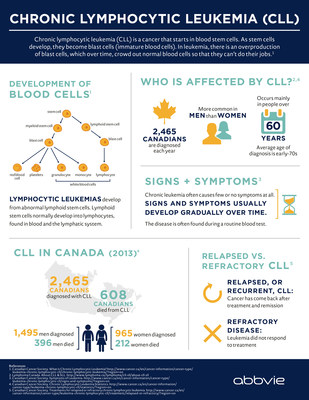
CLL, which is typically a slow-progressing cancer of the bone marrow and bloodii, is one of the most common types of leukemia in adults. In Canada, CLL accounts for approximately 2,465 newly diagnosed cases of leukemia each year and is responsible for more than 600 deaths a year.iii The goal of treatment is to delay progression of the disease and improve quality of life.
"This is another tremendous milestone in our efforts to bring VENCLEXTA plus rituximab to Canadians living with CLL. This is a much needed treatment option as it is the first chemotherapy-free combination in CLL that allows patients a 24-month treatment duration," says Stéphane Lassignardie, General Manager of Abbvie Canada.
VENCLEXTA continues to be investigated in CLL and other hematological diseases.
VENCLEXTA is being developed by AbbVie and Roche. It is jointly commercialized by AbbVie and Genentech, a member of the Roche Group, in the U.S. and by AbbVie outside of the U.S.
About the MURANO Study
A total of 389 patients with R/R CLL who had received at least one prior therapy were enrolled in the international, multicenter, open-label, randomized (1:1) MURANO study (NCT02005471). The study was designed to evaluate the efficacy and safety of VENCLEXTA in combination with rituximab (194 patients) compared with bendamustine in combination with rituximab (195 patients). The median age of patients in the trial was 65 years (range 22-85).iv
About AbbVie Care
Canadians prescribed VENCLEXTA will have the opportunity to be enrolled in AbbVie Care, AbbVie's signature care program. The program is designed to provide a wide range of customized services including reimbursement and financial support, pharmacy services, lab work reminders and coordination, personalized education and ongoing disease management support throughout the treatment and beyond. For more information, please visit www.abbviecare.ca.
About AbbVie
AbbVie is a global, research and development-driven biopharmaceutical company committed to developing innovative advanced therapies for some of the world's most complex and critical conditions. The company's mission is to use its expertise, dedicated people and unique approach to innovation to markedly improve treatments across four primary therapeutic areas: immunology, oncology, virology and neuroscience. In more than 75 countries, AbbVie employees are working every day to advance health solutions for people around the world. For more information about AbbVie, please visit us at www.abbvie.ca and www.abbvie.com. Follow @abbvieCanada and @abbvie on Twitter or view careers on our Facebook or LinkedIn page.
| i | pan-Canadian Oncology Drug Review (pCODR) Expert Review Committee (pERC) final recommendation. www.cadth.ca/sites/default/files/pcodr/Reviews2019/10162VenetoclaxRituximabCLL_FnRec_approvedbyChair_REDACT_Post_31May2019-final.pdf. Accessed June 2019. |
| ii | Lymphoma Canada. Chronic lymphocytic leukemia. Available at www.lymphoma.ca/lymphoma/lymphoma-101/types-lymphoma/cll. Accessed June 2019. |
| iii | Canadian Cancer Statistics. Chronic lymphocytic leukemia statistics. www.cancer.ca/en/cancer-information/cancer-type/leukemia-chronic-lymphocytic-cll/statistics/?region=on. Accessed June 2019. |
| iv | VENCLEXTA product monograph, AbbVie Corporation. Date of Preparation: September 27, 2016. Date of Revision: February 12, 2019. www.abbvie.ca/content/dam/abbviecorp/ca/en/docs/VENCLEXTA_PM_EN.pdf. Accessed June 2019. |
SOURCE AbbVie
Alberta research competition winners leading the fight on diabetes and obesity with the NOVAD fund
CALGARY, June 6, 2019 /CNW/ - The University Hospital Foundation (UHF), Government of Alberta, and Novo Nordisk Canada Inc. are proud to announce the winners of the 2019 Novo Nordisk Alberta Diabetes (NOVAD) Fund Competition. NOVAD is a $2.5 million fund focused on improving diabetes-obesity interventions, supporting independent living and improving acute care for hospital patients distributed over three years.

The World Health Organization (WHO) has highlighted non-communicable diseases, including diabetes and obesity, as the most pressing global health need. The impact of diabetes on health is significant: diabetes contributes to 70% of non-traumatic lower limb amputations, and is associated with other chronic conditions such as obesity; 1 in 5 hospital admissions in Alberta will be a person living with diabetes, while over 300,000 Albertans are known to have diabetes with numbers on the rise. The NOVAD fund collaboration aims to improve health outcomes for Albertans living with diabetes and obesity and address risk factors contributing to this concerning trend.
2019 Competition Winners of the NOVAD Fund
The research supported by the NOVAD fund aims to identify care gaps in diabetes and obesity. The three selected recipients of the fund are being announced today at Inventure$ 2019. Learn more about how these ground-breaking investigators are pushing the boundaries of diabetes and obesity knowledge at https://novadfund.ca.
The selected NOVAD fund recipients are:
- Dr. Diana Mager, Principal Investigator
- Development of innovative home-based strategies for frailty prevention in the community in adults with Diabetes and Chronic Kidney Disease.
- Development of innovative home-based strategies for frailty prevention in the community in adults with Diabetes and Chronic Kidney Disease.
- Dr. Denise Campbell-Scherer, Principal Investigator
- Addressing clinical and social determinants of health to advance obesity and diabetes prevention and management in vulnerable newcomer ethno-cultural communities
- Addressing clinical and social determinants of health to advance obesity and diabetes prevention and management in vulnerable newcomer ethno-cultural communities
- Dr. Padma Kaul, Principal Investigator
- Examining social and clinical determinants of childhood obesity at the population level
"These projects will help to identify gaps in care, an important first step to fuel future innovations that can change the trajectory of diabetes and obesity in Alberta," said Iain Graham, President of Novo Nordisk Canada Inc. "We're proud to support these investigators whose research has the potential to have a positive impact on the health of Albertans."
But just as Alberta's rates of diabetes and obesity are high, the province is uniquely positioned to change this trend through collaboration.
"Through public-private philanthropic partnerships like this, we are able to tackle pressing global health problems with a breadth of experience and perspective that would not be possible for any one of us on our own," says Christy Holtby, Vice President, Strategic Partnerships with the University Hospital Foundation. "We're so grateful for the support from community members through our Foundation to help fund this forward-thinking collaboration."
Alberta is uniquely positioned for these partnerships because of the strength of our life sciences sector, the proven willingness of many organizations to partner with a common vision, and the provincial government's commitment to increasing economic diversification, by building Alberta's knowledge economy.
Through Novo Nordisk's partnership with the Government of Alberta and the University Hospital Foundation, the power of collaboration between industry, the public and philanthropic sectors is harnessed, to advance and translate innovations into solutions that impact the health of all Albertans. The made-in-Alberta solutions built through this partnership will not only impact the health outcomes of Albertans; this partnership has the opportunity to impact Canada and the world.
About the NOVAD Partners
The University Hospital Foundation raises and manages funds to advance patient care, research and healthcare education at the University of Alberta Hospital, the Mazankowski Alberta Heart Institute and the Kaye Edmonton Clinic. You can find more information at www.GivetoUHF.ca
The Ministry of Alberta Economic Development, Trade and Tourism focuses on economic growth and diversification by supporting innovation and research; expanding access to capital for small and medium-sized enterprises; promoting trade, investment and market access initiatives; and leading Alberta's negotiations on trade agreements. Please visit our website at http://economic.alberta.ca
Novo Nordisk is a global healthcare company with 95 years of innovation and leadership in diabetes care. This heritage has given us experience and capabilities that also enable us to help people defeat obesity, haemophilia, growth disorders and other serious chronic diseases. Headquartered in Denmark, Novo Nordisk employs approximately 42,700 people in 79 countries and markets its products in more than 170 countries. For more information, visit novonordisk.ca.
SOURCE University Hospital Foundation
For further information:
Media contacts: Christy Holtby, University Hospital Foundation, 780.407.6474, christy.holtby@ahs.ca; Lisa Rostoks, Novo Nordisk Canada Inc., 905.206.2281, lzro@novonordisk.com
Shaftesbury Brings its Entertainment Expertise and Content to Augmented and Virtual Reality with Positive Distraction Therapy Trials in Pediatric Medical Applications
Partners include Holland Bloorview Kids Rehabilitation Hospital, Scarborough Health Network, and Ryerson University
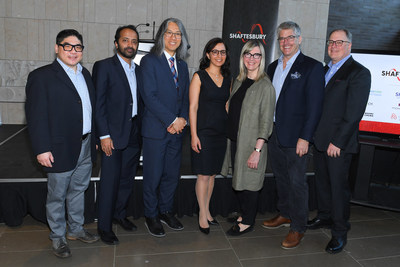
TORONTO, June 6, 2019 /CNW/ - Today at Holland Bloorview Kids Rehabilitation Hospital (Holland Bloorview), Shaftesbury -- the award-winning producer of international hit series watched in over 150 countries worldwide including Murdoch Mysteries, Carmilla, and Life with Derek -- presented an update and overview of promising clinical trials that the company's technology and VR division is currently working on in collaboration with leading Canadian pediatric healthcare professionals and researchers, focused on the use of immersive media to relieve stress experienced by children undergoing medical procedures and surgery, and as therapeutic support tools.
Holland Bloorview's research institute (the Bloorview Research Institute) and Scarborough Health Network (SHN) are each examining the benefits of augmented and virtual reality (AR and VR) and a unique game engine that uses Shaftesbury's original content in bringing stress relief to children ages 8 - 15 in clinical settings. SHN's trial is focused on Positive Distraction Therapy for perioperative stress relief with a large test group of 120 children. Holland Bloorview has conducted a research study (which is under review for publication) to examine the usability and safety of VR technologies for children with autism spectrum disorder (ASD).
"Over the last two years, Shaftesbury has been exploring opportunities in the healthcare sector to marry our rich expertise in storytelling with our commitment to exploring and advancing immersive media. Today we are pleased to announce that many of these efforts, in particular, AR/VR applications for children with autism spectrum disorder as well as applications that can help transform the hospital experience for young patients, have exceeded our targets and expectations at the clinical trial stage. We look forward to bringing these applications to market and continuing to explore opportunities with leading institutions like Holland Bloorview, Ryerson University, and Scarborough Health Network, to create innovative and engaging positive distraction therapy applications for children," says Christina Jennings, Chairman and CEO of Shaftesbury.
"Our partnership with Shaftesbury is enabling us to explore the potential of virtual reality technologies for supporting children with autism spectrum disorder," says Dr. Azadeh Kushki, Mary & James W. Davie Scientist at Holland Bloorview and Assistant Professor at the University of Toronto. "Our preliminary research findings are promising, and we look forward to continuing our research to build a strong evidence base for these technologies."
"At Scarborough Health Network (SHN), we understand that having surgery can be stressful for children. This can affect their entire hospital experience, possibly leading to longer recovery times and resistance to treatment. In partnership with Shaftesbury, our team is testing an original virtual reality headset game that we have developed to reduce anxiety in children ages six to 12 who are undergoing surgery for the first time. I'm delighted to be a part of this pioneering research that is helping transform our youngest patients' experiences before they go into the operating room. This partnership is a shining example how we improve our patients lives through exceptional care, while living our values of innovation and compassion at SHN," says Dr. Michael Chang, Division Head of Otolaryngology, Centenary Hospital, SHN and Primary Investigator of the study.
Applying immersive reality, machine learning, and affective computing – with facial and human emotion recognition, voice recognition, and various other interfaces that make the interaction with the computer seem more responsive and human – Shaftesbury has added a layer of games to its content. "This unique approach we are taking is what differentiates us. It makes the experiences we are developing more engaging for Positive Distraction Therapy in clinical settings," says Ted Biggs, Vice President of Convergent / Technology at Shaftesbury. "Most of all, we are led by frontline clinicians. We listen to what they dream of doing with entertainment and then work to make it happen."
The adaptive games and experiences developed by Shaftesbury in collaboration with its partners adjust to an individual's responses, resulting in a very unique experience for each child, depending on emotional state and state of mind. The objective of the Positive Distraction Therapy, enabled by the Shaftesbury system, is to rapidly reduce a child's anxiety and make it easier to proceed with a medical procedure.
"Unlike other VR/AR systems that have linear content, using advanced machine learning our content changes for individuals depending on their level of stress, resulting in faster and greater reduction of anxiety," says Biggs. "The goal is for clinicians to use Positive Distraction Therapy as an augmentation or, in some cases, as a replacement for sedatives. Stress reduction has been shown to improve the rate of recovery from a medical procedure."
Ryerson University, which engages in scholarly research and creative activity to address real-world challenges that drive economic growth and improve the quality of life for Canadians, is a key Shaftesbury partner in the advancement of this technology.
"Shaftesbury is at the cutting edge of affective computing. They have already created some of the very first immersive multimedia applications with affective computing, and have a clear vision of the future," says Dr. Naimul Khan, Assistant Professor at Ryerson University and Director of Ryerson Multimedia Research Laboratory. "The rise of AI and immersive media gives us an excellent opportunity to combine the fields for affective computing systems. The idea of using sensors to assess a user's engagement for dynamic immersive media applications is very innovative, and can be potentially disruptive in entertainment and healthcare. Working with Shaftesbury as a research partner has been a pleasure; they have great leadership, an excellent technology team, and an impressive list of partners to help propel the research forward into the market."
Since 2015, Shaftesbury has undertaken eight other research and development projects together with some of Canada's top researchers to test various aspects of the application of advanced gameplay for clinical effect in providing non-pharmacological stress relief in children using immersive media. Each of these projects have validated Shaftesbury's approach to creating experiences that not only bring relief to children, stressed families, medical facilities, and dental clinics, but also have the potential to reduce or eliminate the need for drugs typically administered to reduce anxiety, panic, or mood management in pediatric patients.
About Shaftesbury
Shaftesbury is an award-winning creator and producer of original content for television, film, and digital. Shaftesbury's current slate includes 13 seasons of Murdoch Mysteries for CBC and UKTV, three seasons of detective drama Frankie Drake Mysteries for CBC and UKTV, three seasons of critically acclaimed horror series Slasher for Netflix, and several new primetime series including Hudson & Rex for Citytv/Rogers Media, Departure for Global/Corus Entertainment and NBC Universal, Dead Still for RTE, Acorn TV, and Citytv/Rogers, and The Sounds for CBC. Shaftesbury's branded division produces original entertainment projects for brands including the global phenomenon Carmilla for U by Kotex/Kimberly-Clark and Turning the Tables for göt2b®/Henkel. Shaftesbury's technology division works with leading healthcare institutions and researchers to explore and develop clinical applications for immersive media experiences including augmented and virtual reality. www.shaftesbury.ca
About Holland Bloorview Kids Rehabilitation HospitalHolland Bloorview Kids Rehabilitation Hospital (Holland Bloorview) creates a world of possibility by supporting children and youth living with disability, medical complexity, illness and injury. Holland Bloorview is a top 40 Canadian research hospital that is fully affiliated with the University of Toronto and serves 7,500 families annually. Providing both inpatient and outpatient services, Holland Bloorview is renowned for its expertise in partnering with clients and families to provide exceptional care. Holland Bloorview is the only organization to ever achieve 100 per cent in two successive quality surveys by Accreditation Canada.
About Scarborough Health Network
Across our three hospitals and eight satellite sites, Scarborough Health Network (SHN) is shaping the future of care. Our many programs and services are designed around the needs of one of Canada's most vibrant and diverse communities. We are home to North America's largest nephrology program, as well as the designated cardiac care and spine centre for Scarborough and surrounding communities to the east. We are proud to be a community-affiliated teaching site for the University of Toronto and partner with a number of other universities and colleges, helping to train the next generation of health care professionals. Learn more at shn.ca.
About Ryerson University
Ryerson University is Canada's leader in innovative, career-oriented education. Urban, culturally diverse and inclusive, the university is home to more than 45,300 students, including 2,600 Master's and PhD students, 3,800 faculty and staff, and nearly 198,000 alumni worldwide. For more information, visit ryerson.ca.
SOURCE Shaftesbury
THE MANUAL FOR ELIMINATING STRESS FOR SUSTAINABLE CHANGE AND LEADING A MORE PEACEFUL AND PROSPEROUS LIFE IN BUSINESS AND HOME
Stress and anxiety are part of leadership and life, but what if someone told you these feelings are simply self-imposed states of mind and that humans belong to an ego-thought system that is a very common way of seeing, thinking and behaving in the world? That we can be hurt by nothing but our thoughts? Or that in order to be a truly transformational leader and enjoy a more peaceful and prosperous life in both business and family, one most surrender the ego to a higher power?
All too often, organizations implementing operational excellence do so without addressing the human and cultural implications of such a change strategy. They conduct studies, move equipment, reduce work in process, allocate employees and change measurement systems, all focusing on minimizing waste and improving the flow of value through the value stream, but they overlook the human impact of these changes, the mindset and belief system that must accompany it.
In Miracle-Minded Manager: A Modern Day Parable about How to Apply A Course in Miracles in Business [Beyond Words, October 22, 2019], “zentrepreneur” and mindful leadership expert John J. Murphy teaches readers how to get out of their own way by shifting their thinking to see life—and themselves—very differently. By integrating teachings of A Course in Miracles (ACIM), a unique, spiritual self-study program designed to awaken us to the truth of our oneness with God and love, along with other great spiritual lessons, Miracle Minded Manager helps people improve their lives. Readers are provided with the tools to eliminate stress, not just manage it, through a non-sectarian, non-denominational spiritual tone in which everyone can participate.
“The next time you have a big problem, look in the mirror,” says Murphy. “People all over the world are stressed, especially as innovation, change and uncertainty accelerate. More importantly, people are stressed and they are not aware it is a condition of their own making. The ego mindset is projecting a negative outcome or possibility onto the future and when we dwell on what could go wrong, we feel anxious and afraid. These negative assumptions, projected by the mind, are triggering fear and stress. It is like being nervous before giving a speech or taking an exam. We are nervous because we ‘think’ something might go wrong. Mindful leadership is essential to helping people see things differently - by teaching them to see in a different way, a miracle-minded way.”
Miracle-Minded Manager is the sequel to Murphy’s Agent of Change: Leading a Cultural Revolution, but it is not necessary to read Agent of Change before reading this book. An intriguing parable about bringing more inspiration, harmony, balance, and peace of mind to corporate culture, Miracle Minded Manager offers insightful lessons on how to overcome fear and eliminate stress in all areas of their lives. Through an entertaining and compelling fictional narrative, readers will learn how to apply the spiritual ideas of ACIM and the law of attraction to everyday challenges, discover practical meditation techniques, and experience a transformational shift in thinking to discover a whole new level of understanding, awareness and appreciation in life.
The story features enlightening conversations between two characters, Jack MacDonald, the president of a business unit of TYPCO (Typical Company), and Jordan McKay, an intriguing business consultant. With the help of Jordan, Jack learns how to overcome a great deal of resistance to completely reinvent the organizational culture he leads. In addition to this, he learns valuable insights that apply to his personal life. It is here that Jack first learns of the ACIM course and begins to apply it himself, along with the help of his wife.
Miracle Minded Manager can help business and government leaders, people living in stress and those seeking enlightenment, no matter what they are doing, overcome:
- Fear, anxiety, worry and stress – at work and at home.
- Challenging relationships – at work and at home.
- Business culture issues; Divisiveness
“We all get in our own way from time to time by doubting ourselves and thinking inside a box- a paradigm- that doesn't exist,” adds Murphy. “It could be a ‘rule’ that we follow, like we have to work 40 hours per week, eat three meals a day or wear certain clothing styles. We spend countless hours trying to find ways to improve performance and results inside these ‘boxes.’ Entire industries are being disrupted by innovations challenging old paradigms. The same is true in our personal lives. If we can find innovative ways to work four hours a day, or three days a week, why not? In healthcare, if we can find ways to prevent illness and disease, rather than treat it, what might that look like? This is what miracle-minded management is all about. It is about challenging old paradigms with a truly open and fearless mind.”
About the Author:
John J. Murphy is a global business consultant, speaker, spiritual mystic, "zentrepreneur,” and award-winning author. He is Founder (1988) and CEO of Venture Management Consultants, Inc., a firm specializing in creating lean, high performance work environments.
As a business consultant, Murphy has delivered services to some of the world’s leading organizations, including ADP, AlliedSignal (Honeywell), BMW, Chase, the CIA, GE, GM, GSK, Hilton, Lockheed Martin, Merck, the Michigan State Senate, Perrigo, Prudential, Raytheon, Spectrum Health, Target Stores, Teva, and the US Navy. As an educator and Lean Six Sigma Master Black Belt, Murphy has trained thousands of people from over 50 countries, including Fortune 500 executives, project leaders, military leaders, managers, and black belts. He has mentored dozens of project teams in Organizational Development, Operational Excellence, Business Process Innovation and Lean Six Sigma applications. As a speaker, Murphy has delivered keynotes and seminars worldwide. A critically-acclaimed authority on peak performance, transformational leadership and healthy mind-body-spirit, Murphy is a best-selling author who has published 19 books and appeared on over 400 radio and television stations and his work has been featured in over 50 newspapers nationwide.
Murphy is a graduate of the University of Notre Dame (BBA Finance) and the University of Michigan’s Human Resource Executive Program. He is also a former quarterback for Notre Dame.
Connect with John J. Murphy on Facebook @Author.John.J.Murphy, Twitter @sageleader, LinkedIn @johnjmurphymystic, YouTube @AuthorJohnJMurphy, Instagram @jjmurphy13 and visit www.johnjmurphy.org.
Miracle-Minded Manager: A Modern Day Parable about How to Apply A Course in Miracles in Business releases on October 22, 2019 in paperback and e-Book.
NEOMED-LABS / Pacific Biomarkers Strengthens its Immunology Franchise by Acquiring PAIRimmune
LAVAL, QC, June 6, 2019 /CNW Telbec/ - The recently merged NEOMED-LABS / Pacific Biomarkers (NLPBI), a leading immunology centric service provider specialized in assay development and clinical laboratory testing for vaccines and soluble large molecules, announced today the acquisition of PAIRimmune, Laval, Quebec, a non-GLP preclinical immunology service provider.

With a legacy of more than 20 years in the assay development, immunogenicity and efficacy predictive in vitro and in vivo models, PAIRimmune's CEO Danielle Poirier and her team have a solid reputation for outstanding science within the community. Since 2015, they work as a CRO with small Biotech, academic groups and the most prestigious vaccine and large molecule Pharma companies.
"As a science-driven organization, nothing makes us happier than seeing talented scientists joining forces with us. This acquisition strengthens our ligand binding and neutralization assays R&D capabilities, and this is a determinant growth engine for each of our biomarkers, bioanalytical and vaccine divisions. PAIRimmune also increases our flow cytometry capacity currently in high demand and places us in a situation to answer positively to requests with either an in vivo, ex-vivo or immunohistology component. A perfect match!" said Dr Benoit Bouche, NLPBI President and Chief Executive Officer.
This acquisition reinforces NLPBI's ability to serve the needs of the health industry from the preclinical stage where this is so critical to develop robust data needed to take informed go/no-go decisions.
"The exponential growth of NLPBI these last years is impressive and proves the need for the emergence of a world class immunology specialist CRO. We are thrilled to become part of this story. Not a bold decision, however, as many employees are former GSK colleagues and old friends, working in the same building in Laval. This gives us the feeling to already be part of the family. Our clients will get access from day one to state-of-the-art labs and synergistic expertise that will result in an improved quality of service.", said Danielle Poirier, President of PAIRimmune.
PAIRimmune will pursue its operations under the leadership of Danielle Poirier, Director of Preclinical Services and Matthieu Daugan, Associate Director of Preclinical Services.
PAIRimmune will be rebranded this fall at the same time than NEOMED-LABS and Pacific Biomarkers under the same new corporate identity currently in development.
ABOUT NEOMED-LABS / PACIFIC BIOMARKERS
NEOMED-LABS / Pacific Biomarkers is a leading assay development and specialty clinical laboratory CRO whose versatile team of scientists and technology platforms were instrumental in the development, qualification, validation, and large-scale sample testing of assays that supported the FDA filing of almost 100 new molecular entities, including blockbuster vaccines and soluble large molecules. We proudly provide superior services and unrivaled expertise in immunology based on a client-centric team approach and expedited development time.
For more information, please visit: www.neomedlabs.com / www.pacbio.com
ABOUT PAIRimmune
PAIRimmune is a Contract Research Organization specialized in immunology evaluation for vaccine and immunotherapy development. We offer to our client scientific methods combined with a biopharma expertise to move forward early biological products. Based on in vivo and in vitro expertise, we build for our clients an adapted solution for their project. All of this for the benefit of our industry, academic and small biotech sponsors.
For more information, please visit: www.pairimmune.com
SOURCE NEOMED-LABS
University of Toronto and Amgen Foundation Welcome Canadian Students to Prestigious Amgen Scholars Program
For the first time, Amgen Foundation grant offers Canadian undergraduate students the opportunity to gain hands-on research experience with world-leading U of T researchers
TORONTO, June 6, 2019 /CNW/ - Fifteen undergraduate students from across Canada arrived at the University of Toronto (U of T) this week, marking the launch of the Amgen Scholars Canada Program.

A fully-funded, 10-week research program, the Amgen Scholars Program offers undergraduate students the opportunity to engage in cutting-edge research, be mentored by some of U of T's world-renowned scientists, and deepen their understanding of medical biotechnology. This is the first time the Amgen Scholars program has been offered in Canada.
"We are pleased and proud to welcome students from across the country to the University of Toronto and the inaugural Amgen Scholars Canada program," says Professor Vivek Goel, University of Toronto's vice-president of research and innovation. "Bringing together exceptional students with world-class mentors offers a tremendous opportunity for collaboration, innovation and discovery. We are excited to help unleash the potential of these future innovators and scientists."
The goal of the program is to increase learning and networking opportunities for students committed to pursuing a career in science or engineering. Participating students will be immersed in leading biomedical research at U of T's Faculty of Medicine and Leslie Dan Faculty of Pharmacy. Activities aim to inspire and equip a new generation of health leaders and innovative researchers.
"We are delighted that the Amgen Foundation continues to encourage leadership in science by nurturing the passion of the next generation of leaders in biomedical sciences and drawing on the depth of talent in Canada," says Dr. Ponda Motsepe-Ditshego, executive medical director, Amgen Canada. "When we offer students research opportunities they may not have elsewhere, we open new doors and inspire new thinking and that is a tremendous accomplishment."
Recognizing that inclusion, diversity and equity are essential components that foster excellence in 21st century science and health outcomes, a key focus of the U of T Amgen Scholars Canada Program is to actively engage motivated students who might face barriers to careers in science and medicine, whether due to socioeconomic status, geographical location, or belonging to historically marginalized groups.
"Investing in young scientists through programs like Amgen Scholars is key to tackling some of our most challenging global issues," says Eduardo Cetlin, president, Amgen Foundation. "We are proud to work with the University of Toronto and other premier institutions around the world building upon our mission to advance excellence in science education and empower tomorrow's innovative problem solvers."
About the Amgen Scholars Program
Since its inception in 2006, the Amgen Scholars Program has made research opportunities at premier institutions possible for more than 4,000 undergraduate students from over 700 colleges and universities who have participated to date.
Of those alumni who have completed their undergraduate studies, nearly 900 are currently pursuing an advanced graduate degree in a scientific field, and another 280 have earned their Ph.D. or M.D.-Ph.D. More than 500 are employed in scientific fields across 33 countries, with 99 percent of surveyed alumni saying the program impacted their academic or professional direction.
Amgen Scholars is now hosted at 24 top institutions across the U.S., Europe, Asia, and for the first time in 2019, China, Singapore, Australia and Canada. The Amgen Foundation will commit more than $21 million to the Amgen Scholars Program through 2022, totaling a $74 million investment over 16 years.
About the University of Toronto
Established in 1827, the University of Toronto (U of T) is Canada's largest university, recognized as a global leader in research and teaching. The university consistently ranks among the top 25 universities in the world. Its distinguished faculty, institutional record of groundbreaking scholarship and wealth of innovative academic opportunities continually attract outstanding academics and students from around the world and across its three campuses. Known for the discovery of insulin, stem cells, the first electronic heart pacemaker and first lung transplant, U of T is the research and educational hub within one of North America's largest biomedical clusters.
About the Amgen Foundation
The Amgen Foundation seeks to advance excellence in science education to inspire the next generation of innovators and to invest in strengthening communities where Amgen staff members live and work. To date, the Foundation has donated over $300 million to local, regional and international nonprofit organizations that impact society in inspiring and innovative ways. For more information, visit www.AmgenInspires.com and follow us on Twitter at @AmgenFoundation.
About Amgen Canada
As a leader in innovation, Amgen Canada understands the value of science. With main operations located in Mississauga, Ont.'s vibrant biomedical cluster, and its research facility in Burnaby, B.C., Amgen Canada has been an important contributor to advancements in science and innovation in Canada since 1991. The company contributes to the development of new therapies and new uses for existing medicines in partnership with many of Canada's leading health-care, academic, research, government and patient organizations. To learn more about Amgen Canada, visit www.amgen.ca.
SOURCE Amgen Canada
For further information:
Media Contacts: Kate Richards, Communications, Leslie Dan Faculty of Pharmacy, University of Toronto, kate.richards@utoronto.ca, (416) 978 7117; Natasha Bond, Head of Corporate Affairs, Amgen Canada, 905-285-3007, natasha.bond@amgen.com
