Excess Acidity Finally Meets Its Match!
Mineral-Rich Multiforce Powdered Supplement Treats Lactic Acid Build-Up Associated With Muscle Fatigue & Strenuous Exercise; Helps Prevent, Minimize Acid-Related Gout, Osteoarthritis & Uric Acid
Proprietary Blend of 100% Natural, Gluten-Free Ingredients Offers Safe & Proven Complete Body Solution for Athletes & Active Consumers Seeking Healthier Balance Between Acid & Alkaline
SARASOTA, FL., November 17, 2017 – Representing one of the greatest ironies in personal wellness today, millions of athletes and fitness devotees who watch every bite they eat are being challenged by the very same culprit affecting those who regularly consume processed foods, salty snacks and sugary desserts. Their shared enemy? Excess acidity.
Consider this: if you’re a serious athlete, “weekend warrior,” or an active consumer who values the life-affirming benefits of strenuous regular exercise, it’s likely you’ve experienced the muscle discomfort and fatigue often associated with lactic acid build-up. Conversely, if you follow the typical “Western diet” that’s low in fruits and vegetables and find it difficult to resist foods you know aren’t good for you, it’s likely you’ve experienced such excess acid-induced health issues as gout, uric acid, heartburn, joint pain, chronic fatigue, osteoarthritis and many more.
Fortunately, however, whether you’re a fitness junkie, a junk food junkie or some combination of the two, help is here at last!
Introducing Multiforce (www.multiforcehealth.com), a globally-popular multi-mineral powdered supplement newly available in America that’s already helped millions around the world not only to treat but in many cases to prevent the development of excess acidity resulting from extreme workouts or poor diet. Featuring a breakthrough blend of 100% natural, gluten-free, vegetarian and clinically-proven essential natural minerals such as Potassium, Magnesium, Phosphorus and Calcium, Multiforce helps your body re-calibrate its pH balance between acid and alkaline so you can feel your best in the fastest and most comprehensive manner possible.
The Growing Need To Cut Excess Acidity Down To Size
With more Americans than ever before embracing extreme sports and demanding workouts, and with the majority of us still favoring processed foods over nutritious fruits and vegetables, we’ve achieved perfect storm-level conditions for making excess acidity one of today’s most problematic health concerns. And when it comes to diet, it’s not just the obvious foods we need to be wary of: even seemingly healthier food staples as dairy products, animal protein and even low-sugar cereals are responsible for generating acid-forming chemicals in our body that over time can lead to muscle fatigue, slow down muscle recovery and cause many of the troubling health issues mentioned above.
Multiforce To The Rescue!
Specifically formulated to treat the causes of various health issues associated with excess acidity and not just their symptoms, Multiforce makes use of the citrate form of minerals which are able to neutralize three acid molecules and are much more easily absorbed by the body. This is what makes Multiforce so effective. In addition, unlike traditional treatments for excess acidity on the market, Multiforce works systemically from head to toe as opposed to just zoning in on one select part of the body. What’s more, Multiforce doesn’t rely on digestion to be absorbed – thus ensuring consumers won’t face the stomach discomfort or nausea often associated with mineral supplements.
A natural alkaline powder that’s safe, proven and incredibly easy to use (just mix a teaspoon of powder with water), Multiforce is ideal for virtually anyone anxious to tackle the acid-based causes of muscle fatigue, gout, uric acid, joint pain, chronic fatigue and osteoarthritis (please find a clinical study showcasing Multiforce’s effectiveness in dealing with this condition at www.multiforcehealth.com/new-hope-for-osteoarthritis-sufferers).
Multiforce is offered in three flavors: Natural Lemon Flavor; Natural Mango Flavor; and Naturally Unflavored. All three are sold on thewww.multiforcehealth.com site for $29.99 (a free two-week supply is also available at www.multiforcehealth.com/free-sample.html), other online sites and in a growing range of retail stores in Florida (with other states to follow soon).
The Science Behind Multiforce
Body acids are neutralized through various buffering systems in the body, but for these systems to properly maintain the perfect pH balance, sufficient alkaline mineral compounds are required – the very same minerals (including Calcium, Magnesium and Potassium) typically found in fruits and vegetables.
In order to maintain this ideal balance, nutritionists suggest we eat seven to ten servings of fruits and vegetables as well as drink two liters of water daily. Since that represents a tall order for almost all of us, the solution is simple: let Multiforce’s alkalizing blend of multi-minerals supplement your body’s nutrients, replenish these life-balancing minerals and, over time, reduce the symptoms caused by over-acidity completely.
Check out these alarming facts to see just how prevalent exceed acidity really is:
• Coffee – far more acidic than tap water
• Sodas – contain corrosive acid
• Animal Protein – can form uric acid
• Sugary Desserts & Salty Snacks – linked with increased obesity
A Commitment to Balanced Health
Commenting on Multiforce’s longstanding mandate to help offset the conditions associated with excess acidity, Garth Woolley - CEO of Multiforce parent company SANP International LLC - said, “Anyone coping with muscle issues or with the numerous concerns stemming from excess acidity can rest assured we’ve gone to great lengths over many years to create the most potent and effective all-natural solution offered directly to consumers today. We’re heartened by the highly enthusiastic response Multiforce has already received from consumers and retailers in the U.S. and look forward to helping countless more people eliminate the corrosive effects of acid in their lives over the years ahead.”
For more information about Multiforce, visit www.multiforcehealth.com; to read a clinical study about the brand’s efficacy, visitwww.multiforcehealth.com/new-hope-for-osteoarthritis-sufferers.
New tool that helps patients manage better after leaving hospital spreads across province
TORONTO, Nov. 27, 2017 /CNW/ - An innovative and proven tool that helps patients manage their care after leaving hospital is being adopted by 27 hospitals across Ontario. The latest initiative under a provincial program that puts evidence-based care into practice faster, the adoption of this tool has the potential to benefit approximately 50,000 patients in the first year alone.
Patient Oriented Discharge Summary (PODS) is a standardized yet adaptable tool that provides patients with a set of clear and easy-to-understand instructions to follow after they are discharged from hospital. PODS aims to improve transitions from hospital, which research has shown may lead to fewer readmissions for patients, better medication adherence, improved health outcomes, and greater confidence among patients in their ability to care for themselves.
PODS was co-developed by patients, caregivers and health care providers at the University Health Network's OpenLab – a design and innovation group dedicated to finding creative health care solutions. PODS creates a discharge summary that uses plain language, large fonts, pictures and images to make the information the summary contains as easy to comprehend as possible. It's available in 15 languages and includes space for patients to take notes.
Proven in eight Toronto-area hospitals, use of PODS is now being expanded across the province with support from ARTIC (Adopting Research to Improve Care), a joint program of the Council of Academic Hospitals of Ontario and Health Quality Ontario. ARTIC is dedicated to accelerating the spread of evidence-based advances in health care throughout the province.
Being discharged from hospital can be a stressful experience for patients and their families. Patients may still be recovering from their illness or injury, and they and their families are often anxious about their condition and how they will manage at home. The stress can make it difficult for them to grasp instructions from hospital staff on taking medications, watching for certain symptoms or knowing when to go to medical appointments for follow-up care.
A report by the province's Avoidable Hospitalization Expert Panel found communication of discharge instructions by hospitals was often poor because patients did not understand medical terms, were not fluent in English, were not able to memorize instructions or were too stressed at the time of discharge to absorb information.
"The transition from hospital to home can pose significant risks to patients if they have not been provided with information and instructions about the management of their care in a way they can easily understand and use," says Dr. Joshua Tepper, president and CEO of Health Quality Ontario. "By helping hospitals, patients, and their family doctors communicate effectively with each other about post-discharge care, PODS can play an important role in improving patients' health outcomes."
Hospital discharge plans are usually written for doctors and other clinicians, and not with the patient in mind. In fact, patients might not receive any written discharge summary at all when they leave hospital. But PODS has been co-designed with patients for patients. It is also completed with the patient and their family, and the patient is asked to recall and restate the instructions in their own words, to ensure they understand. A traditional, more complex discharge summary is still sent to the patient's family doctor.
"PODS provides patients with knowledge that empowers them to play a more active role in their own care," says Tai Huynh, creative director at OpenLab and project lead for PODS. "Not only does this enhance the patient experience, it may also lead to improved adherence to the care plan and better outcomes for the patient."
At the eight hospitals that tested PODS, patients' understanding improved by 9.3 per cent to
19.4 per cent in the key areas covered by the PODS template - medication, danger signals, resumption of activities, who to call with questions, and follow-up appointments. Overall, the hospitals found significant improvements in patient and provider experience.
"The positive results that have been achieved with PODS show how beneficial it can be for both patients and health care providers when patients are given a role in the development of solutions to some of the challenges they face," says Michelle Noble, Executive Director of the Council of Academic Hospitals of Ontario.
Beginning in early 2018, participating hospitals will be encouraged to expand PODS use internally through more departments, and to encourage other hospitals in their regions to use the tool. More and more patients will benefit from PODS as it becomes the model of care for the future.
About ARTIC
Co-led by the Council of Academic Hospitals of Ontario and Health Quality Ontario, ARTIC is a proven model that brings evidence-based care faster and more consistently to more people in Ontario. Supported by the Ministry of Health and Long-Term Care, ARTIC provides project teams with funding and active support over approximately two years to ensure successful implementation and sustainability of health care interventions across more Ontario health care providers.
To learn more about ARTIC and its programs and how it's improving quality of care across Ontario, please visit the websites of the Council of Academic Hospitals of Ontario or Health Quality Ontario.
SOURCE Health Quality Ontario
A Fresh New Look for Green Relief
PUSLINCH, ON, Nov. 27, 2017 /CNW/ - Green Relief, a licensed producer under Health Canada's Access to Cannabis for Medical Purposes Regulations (ACMPR), has officially unveiled their company-wide rebrand, which also includes social media platforms as well as their website.
Green Relief was founded in 2013 by Warren Bravo, Lyn Bravo, and Steve LeBlanc on the principles of sustainability, social responsibility, and research, something that is reflected heavily in Green Relief's new brand image.
"Rebranding our company was a very personal decision," said Green Relief CEO Warren Bravo. "With legalization looming, it was imperative that our image better reflected our unwavering commitment to cannabis as medicine while simultaneously highlighting our passion for sustainability."
Green Relief wants to ensure that people are not only aware of the quality, consistency and safety of their medical cannabis but also the importance of giving back to the community and taking care of our planet.
The new concept visually combines the seven veins of the cannabis leaf, enclosed in a geometric interpretation of a water drop. The bright green is an ode to growth, vibrancy and health, while the darker blue-green grounds the identity system and is symbolic of the relationship between water and plant growth. The stylized water drop to represent Green Relief's unique aquaponic growing method. The fusion of the two visual symbols pays homage to Green Relief as the only grower of its kind.
Green Relief is the only medical cannabis provider in the world that's producing by way of aquaponics, where fish and plants grow in a natural ecosystem environment that uses 90% less water than conventional agriculture. It is considered to be the most innovative and sustainable form of agriculture. Green Relief raises tilapia in their aquaponics system and they are fed organic high quality feed resulting in an excellent source of lean, healthy animal protein for consumption. Under their current setup, Green Relief donates anywhere from 300-340 fish every four weeks to local shelters, once the fish reach market weight.
Green Relief works tirelessly to carry out one important mission: helping their patients improve their quality of life. They are also striving to further the science of medical cannabis through research and using cannabis to advance sustainable agriculture around the world.
To check out Green Relief's brand new website, visit www.greenrelief.ca. You can also visit them on Facebook, Twitter and Instagram @GreenReliefLP.
SOURCE Green Relief Inc.
Twenty-nine Ontario hospitals compare themselves to international peers on surgical quality
TORONTO, Nov. 23, 2017 /CNW/ - A new report by Health Quality Ontario focuses on 29 Ontario hospitals who are participating in an international quality improvement program for surgery. Hospitals in Ontario performed just as well or better than their international peers on key metrics before, during and after surgery. Nearly 700 other hospitals around the world participate in this program.
The report, Quality Surgery: Improving Surgical Care in Ontario also shows areas for improvement.
This international program collects and compares surgical data on 14 indicators. More than data, it also provides hospitals with best practices and programs to reduce the risks of post-treatment complications, and to make every stage of surgery as safe as possible.
"Ontario hospitals are stepping up to deliver on patient safety, showing a clear commitment to reduce complications after surgery and improve care," says Dr. Timothy Jackson, Provincial Surgical Lead at Health Quality Ontario. "They are using high quality data to benchmark performance and identify areas for quality improvement."
All 29 participating Ontario hospitals are performing at expected levels or better than expected on:
- C. difficile: a common hospital-acquired infection that affects the colon
- Extended ventilation: patients needing ventilation longer than 48 hours after surgery (which can increase the risk of pneumonia)
- Unplanned intubations: patients unexpectedly needing a breathing tube during or after surgery
Areas where the majority of the 29 hospitals highlighted in this report are performing as expected or better than expected are:
- Mortality: a measure of the overall rate of death during or in the 30 days following surgery (96% of the 29 hospitals were as expected or better than expected)
- Return to the operating room: patients needing another surgery to address a complication (96% of the 29 hospitals were as expected or better than expected)
- Pneumonia: breathing devices like ventilators can increase the risk of lung infections (96% of the 29 hospitals were as expected or better than expected)
- Blood clots (venous thromboembolism or VTE): patients generating blood clots because they aren't as active during recovery and their blood flows more slowly (96% of the 29 hospitals were as expected or better than expected)
- Heart complications: heart attacks or cardiac arrest because of stress on the heart due to surgery (92% of the 29 hospitals were as expected or better than expected)
- Hospital readmissions: patients readmitted to hospital due to complications like infections or blood clots (96% of the 29 hospitals were as expected or better than expected)
- Kidney failure: kidney injury during surgery which can affect the kidney's function or even lead to kidney failure (92% of the 29 hospitals were as expected or better than expected)
- Sepsis: a life-threatening illness caused by the body's response to infection (85% of the 29 hospitals were as expected or better than expected)
Areas where most of the 29 participating hospitals have the most room for improvement are:
- Surgical site infections: different levels of infection setting into the incision or body part involved in the surgery (50% of the 29 hospitals needed improvement)
- Morbidity: the overall rate at which patients experience common complications (38% of the 29 hospitals needed improvement)
- Urinary tract infections: infections in the bladder and urinary tract that have an increased risk due to catheters (35% of the 29 hospitals needed improvement)
"During their time in the operating room and in the days of recovery that follow, surgical patients are vulnerable and their safety is of prime importance," says Dr. Joshua Tepper, President and CEO of Health Quality Ontario. "Hospitals are to be commended for embracing a proven program of data gathering, program enhancements and culture change to improve the quality of care they provide to surgery patients."
The program is already helping to improve care at hospitals like Oakville Trafalgar Memorial Hospital where they have reduced surgical site infections by 50% using the program's data and best practices. For example, a new change implemented by the hospital is that patients must use antiseptic body wash the day before and day of their surgery.
"If you want to make things better, you have to measure them," says general surgeon Dr. Duncan Rozario at Oakville Trafalgar Memorial Hospital. "Sometimes you need a protocol and program to make real change."
For a closer look at how quality improvement efforts have been implemented at Ontario hospitals, see the full Quality Surgery: Improving Surgical Care in Ontario report for patient stories and surgeon insights at www.hqontario.ca/surgicalquality.
Additional Facts:
- Surgeons performed over 600,000 adult surgeries in Ontario in 2016-2017.
- 46.4% of Ontario's adult surgeries now take place in a hospital that is part of this surgical quality improvement program.
- 29 Ontario adult hospital facilities were included in the Health Quality Ontario comparison after voluntarily participating. 31 Ontario hospitals are now participating in the program
- This is the largest quality improvement network of its kind in Ontario.
- Worldwide, nearly 700 hospitals are taking part in the program.
- Hospitals in the following provinces are also taking part: British Columbia, Alberta, Saskatchewan, Quebec and Newfoundland.
About Health Quality Ontario
Health Quality Ontario is the provincial advisor on the quality of health care. With the goal of excellent care for all Ontarians, Health Quality Ontario reports to the public on how the system is performing, develops standards for what quality care looks like, evaluates the effectiveness of new health care technologies and services, and promotes quality improvement aimed at sustainable positive change. Visit www.hqontario.ca for more information.
SOURCE Health Quality Ontario
ALS Canada awards $3 million for 12 new research projects to help make amyotrophic lateral sclerosis (ALS) a treatable, not terminal disease
2017 funding competition completes $20 million research partnership with
the Brain Canada Foundation following the Ice Bucket Challenge
TORONTO, Nov. 22, 2017 /CNW/ - Today, the ALS Society of Canada announced 12 exciting new research projects being funded in 2017 through the ALS Canada Research Program, which is supported by ALS Societies across Canada. The research being funded includes a multi-year study of a promising drug combination, three trainee grants that will help to nurture the next generation of Canadian ALS researchers currently pursuing their PhDs, two projects that explore how ALS treatments could be delivered through the bloodstream, and an initiative that seeks to understand why the muscles of the eyes are often more resistant to ALS as other muscle groups shut down. The announcement was made in partnership with the Brain Canada Foundation, which through the Canada Brain Research Fund (with financial support from Health Canada) is co-funding the largest grant of $1.8 million through matching funds committed following the Ice Bucket Challenge.
Approximately 3,000 Canadians are living with ALS, a disease that paralyzes the body, taking away the ability to move, talk, swallow and eventually breathe. Each year about 1,000 Canadians are diagnosed with the disease and a similar number die. Most people die within two to five years of their ALS diagnosis because the disease has no cure and few treatment options.
"ALS is an incredibly complex disease, but the research community is making tremendous headway and has come very far with very little in comparison to annual funding levels of diseases that have treatment options," says Dr. David Taylor, Vice President of Research, ALS Canada. "For the ALS Canada Research Program this has only been possible because of the generosity of donors, partnerships with provincial ALS Societies across Canada, and organizations like Brain Canada, which by matching donations made through the Ice Bucket Challenge has essentially doubled Canada's ALS research investment over the past several years."
Combined with research grants jointly awarded by ALS Canada and Brain Canada in 2015 and 2016, the grants awarded in 2017 are putting to work the $20 million earmarked for Canadian ALS research following the Ice Bucket Challenge that in 2014 raised unprecedented awareness for the disease and funds for ALS charities including ALS Societies across Canada. With Brain Canada's commitment of matched funds now complete, the ALS Canada Research Program will soon return to its historic funding levels with $1.5 million to $2 million in research grants awarded each year.
"Canadians responded generously to the Ice Bucket Challenge, and by matching the $10 million earmarked for research through our partnership with Health Canada, Brain Canada doubled the impact of this generosity," said Inez Jabalpurwala, President and CEO, Brain Canada Foundation. "Since 2015, in partnership with the ALS Canada Research Program, we have funded 20 grants for novel, outside-the-box research; nine grants for collaborative, translational research projects that will move discovery from the lab to the clinic; and five grants that enable the next generation of researcher professors to start or continue research in promising areas of investigation. While the focus of all these research investments remains ALS, Brain Canada has brought its one system approach, whereby researchers from other areas were encouraged to apply their knowledge, and every discovery carries the potential to impact other neurodegenerative disorders which share common underlying mechanisms with ALS."
Of the research grants announced today, the $1.8-million project co-funded by ALS Canada and Brain Canada will seek to find out whether a promising drug combination can address misfolded proteins, one of the defining biological characteristics of ALS. It was awarded to a research team led by Dr. Heather Durham from McGill University, with collaborators Dr. Josephine Nalbantoglu (McGill University); Dr. Richard Robitaille (Université de Montréal), and Dr. Chantelle Sephton (Université Laval).
The other 11 projects were funded through the ALS Canada Research Program through two different grant competitions as a direct result of donations and partnerships with ALS Societies across Canada including 40% of net proceeds from the WALK for ALS fundraising events that take places across the country.
The research being funded in 2017 seeks to answer the following questions that will help to move us from greater understanding of ALS to the development of therapies for human use:
- Can adjusting the levels of a "guardian" protein protect a protein that becomes toxic in most cases of ALS? $125,000 awarded to Dr. Marco Prado with collaborators Dr. Martin Duennwald and Dr. Flavio Beraldo, all from Western University
- Can image-guided focused ultrasound technology be used safely in people living with ALS as a means of delivering future treatment? $124,948 awarded to Dr. Lorne Zinman with collaborators Dr. Nir Lipsman, Dr. Kullervo Hynynen, Dr. Sandra Black, Dr. Todd Mainprize, and Dr. Agessandro Abrahao, all from the University of Toronto
- Can microscopic bubbles in our bodies be used to deliver ALS treatments through the bloodstream? $125,000 awarded to Dr. Derrick Gibbings with collaborators Dr. Baptiste Lacoste and Dr. Maxim Berezovski, all from the University of Ottawa
- Could targeting the activity of motor neurons in the spinal cord be a new way to diagnose and treat ALS? $125,000 awarded to Dr. Yves De Koninck, Université Laval
- Could the change in communication processes between motor neurons and the immune cells of the nervous system after an ALS diagnosis help to identify new treatment targets? $124,930 awarded to Dr. Stefano Stifani, McGill University
- Could touchscreen technology help to improve testing for the cognitive impairment that occurs in some cases of ALS? $110,770 awarded to Dr. Flavio Beraldo with collaborators Dr. Marco Prado and Dr. Vania Prado, all from Western University
- Could whole genome sequencing reveal new areas of genetic mutations that make some people more likely to develop ALS? $75,000 awarded to Jay Ross, a PhD student in Dr. Guy Rouleau's lab at McGill University
- How might misfolded proteins that occur in ALS cause cells to die? $50,000 awarded to Sonja Di Gregorio, a PhD student in Dr. Martin Duennwald's lab at Western University
- What can we learn from mice that are able to walk almost normally despite significant loss of motor neuron function? $125,000 awarded to Dr. Turgay Akay, Dalhousie University
- Why are eye muscles more resistant to ALS, and what can we learn about this that could help to preserve the function and use of other muscles? $121, 048 awarded to Dr. Richard Robitaille with collaborator Danielle Arbour, both from Université de Montréal
- Will probiotics that improve ALS symptoms in worms also work in mice? $75,000 awarded to Audrey Labarre, a PhD student in Alex Parker's lab at the Université de Montréal
The funding of these 12 research projects follows a rigorous scientific assessment by global ALS experts who evaluated a larger pool of applications to identify the projects that are grounded in scientific excellence and have the potential to most quickly advance the field of ALS research in order to develop effective treatments. The scientific evaluation was observed by people who have personal experience with ALS.
About Canada's ALS Societies and the ALS Canada Research Program
ALS Societies across Canada fundraise on a regional basis to provide services and support to people and families living with ALS in their province and contribute to the funding of the ALS Canada Research Program. The ALS Canada Research Program funds peer-reviewed research grants and fosters collaboration amongst Canadian researchers, helping to nurture new ideas and build capacity. ALS Societies advocate federally, provincially and locally on behalf of people and families living with ALS for better government support and access within the healthcare system.
About Brain Canada and the Canada Brain Research Fund
Brain Canada is a national registered charity headquartered in Montreal that enables and supports excellent, innovative, paradigm-changing brain research in Canada. For nearly two decades, Brain Canada has made the case for the brain as a single, complex system with commonalities across the range of neurological disorders, mental illnesses and addictions, brain and spinal cord injuries. Looking at the brain as one system has underscored the need for increased collaboration across disciplines and institutions, and a smarter way to invest in brain research that is focused on outcomes that will benefit patients and families. Brain Canada's vision is to understand the brain, in health and illness, to improve lives and achieve societal impact.
The Canada Brain Research Fund is a public-private partnership between the Government of Canada and Brain Canada, designed to encourage Canadians to increase their support of brain research, and maximize the impact and efficiency of those investments. Brain Canada and its partners have committed to raising $120 million, which is being matched by Health Canada on a 1:1 basis for a total of $240 million. For more information, visit www.braincanada.ca.
SOURCE ALS Canada
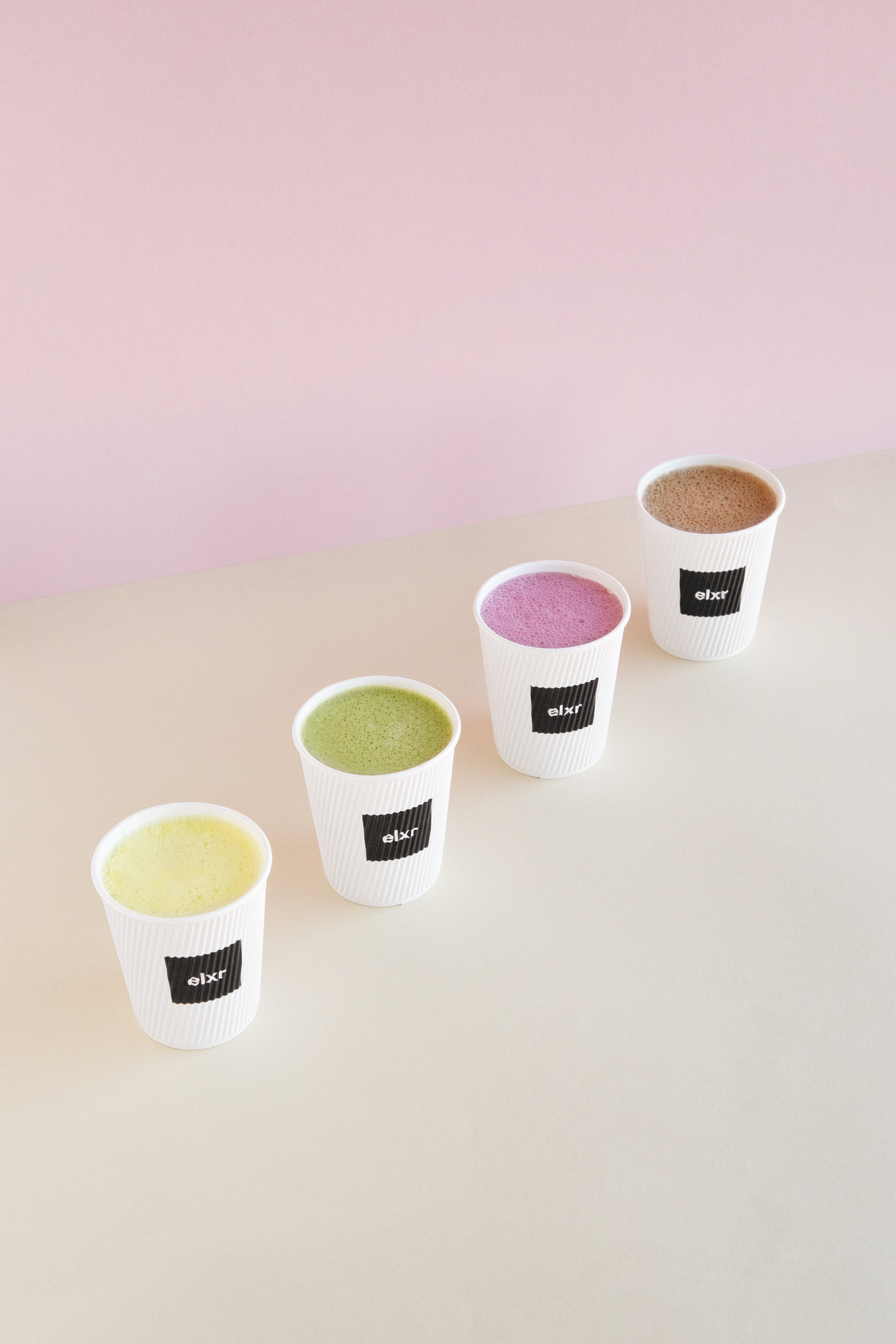
After months & months of taste-tests, elxr Juice Lab is excited to share with you their long-awaited
hot drinks menu, now available at the Yorkville location!
All four flavours are loaded with superfoods, are plant-based, dairy-free and refined sugar-free, and will also be launching at elxr's second permanent Toronto location opening inside Campo Food Hall beginning November 27th.
RAW HOT CHOCOLATE house toasted coconut milk, cashew milk, raw cacao, reishi, maca, dates, vanilla, himalayan salt
- Your new favourite hot chocolate. Toasty and chocolate-y, not too sweet – but hits the spot
- Good to Know: Super energizing and stress relieving
THE FIX
cold-pressed pineapple, camu berry, ginger, echinacea, lime, lemon, allspice, cloves, liquid cayenne
- Sweet and a bit spicy, with pleasing aromatics
- Good to Know: Feeling sick? Sip slowly for sore throats to help decrease pain, and add turmeric for extra anti-inflammatory potential and an immune boost
MATCHA BOOST LATTE
house cashew milk, ceremonial grade matcha, medjool dates, cinnamon, cordyceps, vanilla, himalayan salt
- Sweet, creamy and spiced with cinnamon
- Good to Know: For when you need that boost of endurance or boost of focus
CUP OF YOUTH ($6.95)
house cashew milk, cold-pressed beet, maple syrup, goji, raw cocao, schisandra, vanilla, himalayan salt, TruMarine collagen
- Balanced sweetness with hints of berries, you can’t beet it
- Good to Know: Stress-busting, skin, nail and hair enhancing, the Cup of Youth is designed to help you feel and look your best. Plant-based? No problem! Order this latte without the collagen and still enjoy tons of health benefits
View the menu here:
elxr - Menu Items 2017 (2)
WWE Hall of Famer Diamond Dallas Page Unveils "DDPY Rebuild" For Those 55 Plus & Limited Mobility
Diamond Dallas Page, WWE Hall of Famer and 3 time WCW World Heavyweight Champion, is probably the last person you'd expect to develop a fitness program you can do in a bed or a chair, but that's exactly what he's done.
DDP is in the process of releasing a new variation of the DDPY program catered toward those age 55+ and those with physical limitations. Dubbed "DDPY Rebuild," the new program starts with individuals lying down in a bed and strategically stretching, flexing, and engaging muscle to get moving again. The series progresses with individuals building their way up to doing workouts sitting in a chair, and eventually end with standing up and using the chair for stability.
DDP, currently 61 years young, wanted to help others who were older or with extreme limited mobility not just live, but learn to thrive. He was inspired by disabled veteran, Arthur Boorman, who's incredible DDPY transformation has received worldwide attention. When Boorman started DDPY, he was unable to walk without the assistance of canes, but was able to modify the traditional DDPY workouts to use a chair for assistance.
Arthur / Disabled Veteran
"After seeing the incredible success that older adults were having with the original DDPY program, I saw a need for workouts that were accessible to people who struggled with balance, stability, and movement," says Page. "This program is the perfect gift for parents, grandparents, and even great grandparents who want to rebuild themselves!"
DDPY Rebuild will be released exclusively on the DDP YOGA store and the DDP YOGA Now app in early December. Learn more about DDPY Rebuild at
ddpyoga.com/rebuild
About DDP YOGA:
DDP YOGA (referred to as DDPY) is a revolutionary approach to fitness that combines the best of yoga positions, sports rehab therapy, old school calisthenics and dynamic resistance to give you a complete workout that requires no running, no jumping, and no lifting. Because of its minimal-joint impact, DDPY is a fitness system that literally anyone at any age, weight, or ability level can do!
What really sets DDPY apart from other fitness programs is that it's accessible to people who have not worked out a day in their life or who are unable to do traditional exercise. The highly-modifiable workouts allow people to work at their own pace to lengthen and strengthen ligaments, muscles, and tendons. By combining the workouts with the DDPY Nutrition Plan, thousands have been able to lose weight, build strength, and decrease pain.
DDPY has been featured on shows like Shark Tank, The Doctors, and Good Morning America. It was also highlighted in the critically acclaimed documentary, The Resurrection of Jake 'The Snake', which shows Jake Robert's journey from addict to Hall of Famer thanks to DDP's encouragement and support.
About Diamond Dallas Page:
A star collegiate basketball player, Diamond Dallas Page (
https://www.diamonddallaspage.com), entered the nightclub business in the 1970s, becoming one of South Florida's top club owners & promoters. He began training to become an in-ring performer at the age of 35, the oldest rookie in Pro Wrestling history. "DDP" captivated audiences around the world with matches alongside greats like Hulk Hogan, Goldberg, Ric Flair, Randy "Macho Man" Savage & the N.W.O. before being inducted to the WWE Hall Of Fame in 2017. He stars in the upcoming Adi Shankar series, Gods & Secrets and is currently a guest star on Mario Van Peebles new show on SYFY, Superstition.
Canadian economy takes $7.1 billion hit annually due to pain, according to Global Pain Index
GSK study finds Canadians missing out on work and family time due to pain1
MISSISSAUGA, ON, Nov. 21, 2017 /CNW/ - Body and head pain take a serious toll on the personal and professional lives of Canadians, according to a recent study by GSK. The Global Pain Index (GPI) examines the impact that pain has on people's lives, and found that Canadian workers lost an average of 1.8 working days due to body pain over the one-year survey period.2 Two-thirds (66%) of workers suffering from body pain say they regularly work through their pain, which causes a detrimental effect on their performance,3 as well as a hit on the Canadian economy.
EFFECTS OF PAIN ARE FAR-REACHING
Most Canadians are affected by pain, with two-thirds (65%) of Canadians experiencing body pain on a weekly basis.4 Beyond the economic implications, the GPI identified that pain is holding Canadians back in their personal lives, affecting time spent with friends and family. What's worse, over half of the respondents (58%) agreed that they would be better parents without pain.5
"The GPI results describe what I see in my office. The effects of body and head pain experienced by patients go beyond physical symptoms," says Dr. Yvette Lu. "Patients are burdened by their pain and it's impacting relationships with loved ones, as well as their emotional health and well-being."
According to the GPI, pain has a significant emotional and social impact on Canadians, with a majority of body pain sufferers feeling worried or anxious (77%).6 Surprisingly, pain also affects sufferers' self-perceptions, with more than half reporting that their pain makes them feel older than they are (57%) and four in ten feeling unattractive when they are in pain (42%).7
GAP IN KNOWLEDGE OF PAIN MANAGEMENT
The study identified that while many Canadians are looking to non-prescription treatments to help manage their pain, it turns out that they don't know very much about the treatments they're using most often. The GPI found that only about one-third (31%) of Canadians are very or extremely knowledgeable about the potential risks associated with their medication,8 and only one in four (24%) report they know how it compares to other medications.9
Half of Canadians turn to oral pain treatments as a first method for treating their pain, and about 17% of patients look to treat pain with a cream or gel.10
"Patients are looking for solutions when it comes to managing pain," said Lu. "Most often, they grab a bottle of pills at the pharmacy, but there are also effective medicated topical options that work as anti-inflammatory pain relievers, reducing joint and muscle pain and helping to speed up the body's natural healing process, allowing sufferers to get back to doing the activities they love."
Visit www.GSK.com for further information on the Better for Everyone commitment and existing GSK initiatives to help reduce the impact of physical pain.
About Voltaren
Voltaren®, part of GSK Consumer Health, is an anti-inflammatory pain reliever. Voltaren® contains medicated topical gels that provide patients with the relief of pain associated with acute, localized minor muscle or joint injury. Voltaren® is available in more than 130 countries worldwide. Diclofenac, the active ingredient, is one of the world's most widely-used pain-relieving and anti-inflammatory medicines. It has been used effectively since the discovery of the agent in Switzerland 40 years ago. To learn more about pain and how to relieve pain effectively, go to www.global-pain-index.com.
About GlaxoSmithKline Consumer Healthcare
GlaxoSmithKline Consumer Healthcare is one of the world's largest over the-counter consumer healthcare products companies. Its more than 30 well-known brands include Voltaren Emulgel®, Aquafresh®, Sensodyne®, and TUMS® – which are trademarks owned by and/or licensed to GlaxoSmithKline Group of Companies. These brands are successful in over 100 countries around the world because they all show our passion for quality, guaranteed by science. They are inspired by the real wants and needs of the millions of people who walk into pharmacies, supermarkets, market stalls and go on-line all over the world every day, and choose us first.
GlaxoSmithKline's goal is to build a global, growing business called Fast Moving Consumer Healthcare (FMCH), dedicated to everyday healthcare with all of the scientific expertise and quality guarantees that demands, working at the speed and with the genuine consumer understanding the modern world expects.
About GlaxoSmithKline Inc. (GSK)
One of the world's leading research-based pharmaceutical and healthcare companies – is committed to improving the quality of human life by enabling people to do more, feel better and live longer. For further information, please visit www.ca.gsk.com.
About the Global Pain Index
The Global Pain Index research was completed by Edelman Intelligence, a global insights and consultancy firm. Interviews were conducted online between 14 September and 2 November 2016 with controlled samples to ensure a nationally representative sample of the online population in each country surveyed (age, gender and region).
In total, Edelman Intelligence spoke to 19,000+ respondents in 32 markets (Australia, Belgium, Brazil, Canada, China, Colombia, Denmark, Finland, France, Germany, Greece, India, Indonesia, Italy, Japan, Kenya, Malaysia, Mexico, Nigeria, Norway, Philippines, Poland, Portugal, Romania, Russia, Saudi Arabia, Singapore, South Africa, Spain, Sweden, UK and USA). A minimum of 500 interviews were completed in all countries except in the US, UK, Germany, Sweden and Australia (1,000 interviews).
| References
|
| 1 Global Pain Index. Canadian data. 2017. |
| 2 Global Pain Index. Canadian data. 2017. |
| 3 Global Pain Index. Canadian data. 2017. |
| 4 Global Pain Index. Canadian data. 2017. |
| 5 Global Pain Index. Canadian data. 2017. |
| 6 Global Pain Index. Canadian data. 2017. |
| 7 Global Pain Index. Canadian data. 2017. |
| 8 Global Pain Index. Canadian data. 2017. |
| 9 Global Pain Index. Canadian data. 2017. |
| 10 Global Pain Index. Canadian data. 2017. |
SOURCE GlaxoSmithKline Inc.
European doctors learn to access the heart from any approach with Baylis devices and expanded training program
Video Link: https://youtu.be/jS-sLqhQ5Fk
TORONTO, Nov. 21, 2017 /CNW/ - Baylis Medical Company Inc. has launched a hands-on workshop in Europe that will train cardiologists on innovative tools that enable access to the heart from any approach. This includes a growing number of procedures that require physicians to use major veins that feed into the heart from above – something the Baylis Medical SupraCross® RF System enables with ease.
Such alternate pathways offer a minimally invasive way to deliver life-saving treatments. Prior to the development of these tools, open heart surgery was the only option available for many high-risk patients.
Following its initial launch in Toronto, Canada, the SupraCross® Workshop has now expanded to Europe, a growing market for this one-of-a-kind technology. The program offers specialized training on the use of the Baylis Medical SupraCross RF System to interventional cardiologists – specialized physicians who provide catheter-based treatment of various heart diseases.
"The SupraCross workshop was excellent," says Dr. Zachary Whinnett, a consultant cardiologist and electrophysiologist at Hammersmith Hospital, London UK, who participated in a recent Baylis training workshop in Amsterdam. "The superb hands-on experience with these advanced tools made superior access to the left atrium easy."
Baylis Medical's SupraCross RF System includes a steerable sheath and flexible radiofrequency wire that were designed to achieve controlled and precise transseptal access to the left side of the heart from any approach, including from above the heart. For example, these dedicated tools make it easier for physicians to place a pacemaker lead into the left heart in cases where traditional cardiac resynchronization therapy fails.
"These tools are also used for accessing the heart from the subclavian vein or internal jugular vein above the heart in cases where the lower femoral vein is blocked or does not otherwise have a continuous pathway to the heart," says Chris Bermingham, Team Leader, Clinical Education at Baylis. "This is a technically challenging procedure for even the most skilled physician, unless you have the right tools."
"Baylis is committed to developing innovative solutions that help all patients, particularly those for whom no other medical options are available," says Kris Shah, President of Baylis Medical. "That's why we developed the SupraCross system, and why we are expanding our specialized training program to Europe. We know the importance of offering best-in-class clinical support to physicians who must stay abreast of a constantly evolving medical field."
About Baylis Medical Company
Baylis Medical develops and markets high-technology medical devices used in the fields of interventional cardiology, interventional radiology, and spinal procedures. Our vision is to develop and market innovative medical therapies while improving the lives of people around the world. The company has offices in Montreal and Toronto (Canada), Boston (U.S.), London (U.K.) and Munich (Germany). For more information, visit www.baylismedical.com. ;
PRM-00273 EN J-1,2,3 V-1 © Copyright Baylis Medical Company Inc., 2017. Baylis Medical Company Inc. reserves the right to change specifications or to incorporate design changes without notice and without incurring any obligation relating to equipment previously manufactured or delivered. SupraCross and the Baylis Medical logo are trademarks and/or registered trademarks of Baylis Medical Company Inc.in the USA and/or other countries. Patents Pending and/or issued. CAUTION: Federal Law (USA) restricts the use of these devices to or by the order of a physician. Before use, consult product labels and Instructions for Use for Indications for Use, Contraindications, Warnings, Precautions, Adverse Events and Directions for Use.
SOURCE Baylis Médical
Crawford Street, Natural Skin Care, Opens NEW lab in Toronto

-- Protect your skin naturally this winter with these four NEW and all-natural products --
Crawford Street Natural Skin Care® reinvents itself, in the new Toronto lab, with a transformed line of skin care offering: plant-based, hi-end products in unique, efficient and environmentally friendly packaging. Crawford Street is well known and appreciated for its all-natural, high quality, and hypo-allergenic skin products. https://www.crawfordskincare.com/
Canadian winters can wreak havoc on the skin: windy, cold, dry outside temperatures combined with hot, dry or damp indoors conditions. Winter naturally invites relaxation, renewal and rejuvenation. Crawford Street welcomes winter with a NEW survival kit containing four new products including mineral baths, deodorant, body oil and cuticle oil - all in environmentally responsible glass packaging.
“I am excited about the new and all-natural formulas. Our customers want quality products, environmentally friendly options, catchy names and unique packaging. Crawford Street products work well and look beautiful on the shelf”, said Gaelyne Leslie, Founder of Crawford Street Skin Care.
Mineral Baths ($25): Soak away your winter blues with a relaxing mineral bath.
Crawford Street introduces three new mineral baths: Detox, Relax and Steam. Each contains high quality Dead Sea salts, and a carefully selected combination of therapeutic essential oils, to cleanse the body, unwind or soothe tired muscles.
Natural Deodorant ($10): A all-natural deodorant that works! Be prepared for everything winter throws: shovelling the drive, hitting the slopes or cozying up by the fire. When the heat is on, be prepared!
Crawford Street’s natural, HARD WORKING, deodorant cream contains a power packed combo of essential oils - all anti-fungal, anti-bacterial and deodorizing. It combines wetness absorbing cornstarch that will keep you smelling fresh all day! There is no aluminum, propylene glycol, phalates, or parabens but instead it contains beneficial botanical plant oils that deodorizes and kills bacteria. New scents include: Herbes de Provence inspired by the fields of Southern France; lavender essential oil, rosemary, marjoram, parsley and thyme creating a delightfully herbaceous scent, Woods, an earthy blend, includes cedarwood, juniper and clove, it’s a bit woodsy and a bit spicy but appeals to women as much as men. Think “Old Spice”!
Body Oil ($45): After a nice soak, indulge in a little self-care. The simple application of oil has an amazing effect on the body and the mind. Body oils offer an intensely hydrating treatment for the skin, as they help lock in moisture and are quickly absorbed into the deepest layers of the skin keeping it moisturized longer than any lotion.
Toning and Smoothing Cypress Body Oil is the perfect way to combat dry skin caused by the harsh winter elements. Carefully selected essential oils, in a base of grapeseed oil, will gently detoxify congested layers of skin tissue, improving skin tone and texture, while at the same time deeply moisturizing the skin.
Cuticle Serum ($25): Hands and nails take a beating in the winter due to lack of humidity, dry and cold air, along with repeated polish changes during the holiday season. Serums don’t need to be limited to just the face. This luxurious Cuticle Serum, infused with Rose Otto and Borage Oil, delivers a deeply protein-rich treatment that will keep your cuticles healthy and soft, and it also smells divine!
ABOUT THE BRAND & FOUNDER
Crawford Street Skin Care was founded in 2010 after owner Gaelyne Leslie had a severe allergic reaction to a commercial brand of face moisturizer. Her background as an investigative journalist led her to research the long list of ingredients in her moisturizer and the whole experience left her horrified, she having extremely sensitive skin. As a result, she started to experiment with natural ingredients, eventually coming up with a moisturizer that was not only 100 percent natural, but it really worked! Friends noticed her glowing, smooth skin and soon she was whipping up cream for them too.
As a journalist, Gaelyne was committed to quality, integrity and education. She brings this same commitment to her skin care line. “I believe that what you put on your body is as important as what you put in it. And what is left out, is as important as what is mixed in.”
Every ingredient included in the product is carefully researched and chosen for its unique properties. Gaelyne is always looking for the best plant-based ingredients she can find for her customers. She always chooses fair-trade, sustainable and organic ingredients when available.
Today Crawford Street Skin Care products are produced in small batches in our laboratory on Crawford Street in Toronto. We take special care to ensure that each product arrives to you as fresh as possible.
Crawford Street Skin Care products are 100% natural. They are free of petrochemical derivatives, such as mineral oil and petroleum, PEGs, Parabens, DEA, Sodium Laurel Sulphate, artificial dyes and fragrances, chemical preservatives.