Expert reaction to high proportion of blood clotting in COVID-19 patients
By Pratima Chowdary, member of The Physiological Society’s COVID-19 Advisory Panel
Earlier this week, the BBC reported that one third of COVID-19 patients developed dangerous blood clots. While current treatments are mainly focusing on anti-viral and potentially anti-inflammatory, these only address the direct effects of the virus. If the virus is a flood, these treatments controlling the flood but not considering damage caused. In addition to the drugs that treat the immune system overdrive or neutralising the virus, there is an urgent need to focus on medications that address this clot formation including the use of blood thinners, and clot busting agents, especially the right dose and the right patient.
For a more in-depth exploration of the story please see below:
Helpful definitions:
Thrombosis: blood clotting
De novo thrombus formation: a clot that forms at the source rather than moving from another location in the body
Embolism: a clot that results from a blockage migrating through the blood vessels
Hypercoagulability: increased tendency of blood to clot
Anticoagulant: blood thinner
D-dimers: protein that is present when blood clot is degraded
CT Pulmonary angiogram: diagnostic test that gives a picture of arteries in the lungs
Is the figure of ‘one third’ of COVID-19 patients developing blood clots a realistic one? Why is it such a high proportion?
Case series have now been reported from multiple countries quoting a figure as high as 40 % in patients in intensive care. Patients on the ward also have higher prevalence even if not of the same magnitude as the patients on intensive care.
This excess thrombosis has been confirmed in autopsy reports where more extensive thrombosis has been noted in the lungs and thrombosis was noted in blood vessels of other organs.
Are the blood clots different from the ones we routinely see in clinical practice?
A view is developing that the pulmonary artery thrombi in these patients probably represent de novo thrombus formation, unlike the typical clots which represent an embolic phenomenon. In other words, the clots of formed by new deposits in blood vessels rather than clots formed in other parts of the body that migrated. This might explain the slow onset of breathlessness. In some patients, a more typical rapid onset breathlessness secondary to rapid occlusion of the pulmonary vascular tree has been seen.
I suspect a combination of both is common across the patient group, with the smaller peripheral thrombi representing de novo thrombus formation. The thrombi in the larger arteries probably are embolic in origin.
What about treatment strategies for the thrombosis?
An assumption has been made that managing the excess cytokines, and immune activation can address thrombosis. This is a misconception as our experience with other thrombotic conditions, including arterial and venous thrombosis shows that addressing the cause does not clear the clot. The clot is cleared through turnover process called fibrinolysis that is intrinsic to the coagulation process. This can also be facilitated by external medications called clot busters (tissue plasminogen activator or streptokinase)
In the context of thrombosis secondary to modest inflammation or secondary hypercoagulability that is inherited or acquired , anticoagulation is the mainstay of treatment. Primarily they can address the consequences in the coagulation system, i.e. prevent progression and recurrence of thrombosis.
There is also considerable debate if all patients should receive therapeutic anticoagulation. On the other hand, there are concerns about the potential risk of bleeding. A randomised trial is underway, although the trial does not require screening despite the high reported prevalence.
A great emphasis has been put on anti-viral and anti-inflammatory strategies, but sadly studies addressing coagulation have struggled to be badged as ‘important’. While anti-viral and potentially anti-inflammatory strategies may the control the ‘flood,’ i.e. viral infection and related cytokine storm, the ‘flood damage’ i.e. fibrin in the alveoli and bloodstream needs to be addressed by alternate mechanisms.
What do scientists think is the mechanism causing the increase in blood clotting in COVID-19 patients?
A consistent finding is elevated d-dimers, typically between 4 to 10-fold increase are seen. Also, increases as high as 100 to 150 fold have been seen in the very sick patients. Elevated d-dimers have been associated with higher mortality and morbidity. The relationship with the severity of lung disease is not clear.
Several explanations have been put forward, and the mechanisms responsible for the excess thrombosis or coagulation abnormalities in COVID-19 are not entirely elucidated.
Three possible mechanisms can be considered.
Coagulation abnormalities may be secondary to the cytokine storm. This appears to be the most prevalent belief, but it is interesting to note that patients do not have a concurrent decrease in fibrinogen or platelets. Typically, the coagulopathy of a cytokine storm tends to be consumptive with low fibrinogen, low platelets, and elevated d-dimers.
The second possibility is that the endothelium is damaged because of adjacency to the alveolar epithelium, and there is a spill-over of the severe inflammation, a bystander effect. This mechanism can explain the excess of pulmonary arterial thrombosis seen in this group of patients. Typically in this situation, there is an increase in fibrinolysis inhibitors in the alveoli with a spill into the circulation.
The third possibility is that there is direct infection of the endothelial cells. There has been a case report demonstrating this possibility. .
What about investigations for pulmonary artery thrombosis?
CT Pulmonary angiogram can demonstrate thrombi in pulmonary vasculature until the sub segmental level. It has been challenging in these patients as they are breathless with resulting motion artefacts, and the presence of lung pathology makes the smaller thrombi more challenging to visualise
If one accepts that the pulmonary thrombi are developing de novo, screening for them will become important as patients are unlikely to present with the more traditional clinical symptoms.
In our institution, a review of data shows that elevated d-dimers can predict the presence of pulmonary artery thrombosis.
At a minimum patient with high d-dimers, about 4 to 6 times the upper limit of normal should have a CTPA and anticoagulation will address the contribution from PAT.
What other treatments are possible for blood clotting?
Typically, we tend to manage blood clots with anticoagulants, but the clots can be lysed with thrombolytic agents. Thrombolysis for pulmonary embolism can be done as systemic therapy by administering the drug through a peripheral vein or catheter-directed..
There have been a few case series of intravenous tissue plasminogen activator with transient improvement in oxygenation. Most of the studies have been conducted in patients hospitalised in intensive care for long periods, and the lack of effect in clinical outcomes may potentially be related to fibrosis. There is also a study of nebulised tissue plasminogen activator to see if this helps improve oxygenation through lysis of fibrin membranes in the alveoli and small vessel thrombosis.
---
1. Pratima Chowdary is consultant haematologist at the Royal Free London, UK and co-centre director for the haemophilia centre at Health Services Laboratories. The Physiological Society’s COVID-19 Advisory Panel was set up to respond to questions, comments and data from front line clinicians dealing with patients. To submit questions and read responses, visit: https://www.physoc.org/covid19/questions/
2. The Physiological Society brings together over 4,000 scientists from over 60 countries. The Society promotes physiology with the public and parliament alike. It supports physiologists by organising world-class conferences and offering grants for research and also publishes the latest developments in the field in its three leading scientific journals, The Journal of Physiology, Experimental Physiology and Physiological Reports. www.physoc.org
AusculSciences Introduces Auscul-X to Help Keep Healthcare Providers Safe During Pandemic
Company's remote, disposable stethoscope will allow physicians and nurses to listen to heart and lung sounds at a safe distance.
OTTAWA, May 19, 2020 /CNW/ - AusculSciences™, a pioneer in developing advanced bioacoustic technologies to detect cardiovascular and pulmonary conditions, today announced that it is developing the Auscul-X™ Touchless Stethoscope System which will allow physicians and nurses to listen to heart and lung sounds at a safe distance from patients with diagnosed or suspected infectious diseases such as COVID-19.
Over 10% of those infected with COVID-19 are healthcare professionals. In response, AusculSciences has re-purposed technology from the CAD-det™ System (approved by Health Canada for investigational use) to help protect physicians and nurses during this pandemic. Using a conventional stethoscope to listen to the heart and lungs of patients with known or suspected COVID-19 forces nurses and physicians to be within arm's reach of these patients multiple times each day. This proximity puts them at higher risk of contracting disease and requires them to don a separate set of personal protective equipment (PPE) for each patient, a time-consuming process.
Auscul-X will provide nurses and physicians the ability to listen to and visualize the sounds of a patient's heart, lungs, and other internal organs from a safe distance, thereby reducing their exposure to infectious diseases such as COVID-19. It also reduces patient to patient transmission from possible bacterial contamination known to occur with traditional stethoscopes in patients with suspected infectious diseases.
Auscul-X includes six sensors worn on the patient's torso. Physicians and nurses can listen to heart and lung sounds either through earbuds connected to the in-room control module, or wirelessly from outside the room on their smartphone, tablet, or workstation computer. Auscul-X is expected to optimize the workflow of healthcare providers by reducing the number of times they change in and out of PPE.
"This is an important advancement with the COVID-19 crisis and represents a major advance in improving the safety and cost efficiency of direct patient assessment," said Cardiologist Dr. George Vetrovec, Chairman Emeritus, Pauley Heart Center, Virginia Commonwealth University. "Auscul-X is a needed and important addition to infective patient management but is far from a single event item - there are extensive opportunities for this technology to balance cost with reduced protective gear use, leading to potentially better outcomes."
AusculSciences plans for Auscul-X to be on-market during the third quarter of this year. Auscul-X will be evaluated on critical care patients in an investigator-led study at the University of Ottawa Heart Institute planned to begin early June.
About AusculSciences
AusculSciences is a medical device, services, and software solutions company dedicated to the development of bioacoustic technologies to detect cardiovascular and pulmonary conditions. AusculSciences' innovative approach provides physicians and nurses with actionable data to support clinical decision making, reduce the cost of diagnoses while improving patient care and provider safety.
SOURCE AusculSciences, Inc.
Moments of Mindfulness for Relieving Stress
“There are many different ways you can do a focused practice of mindfulness through activities like yoga and meditation,” Dr. Brad says. “These types of exercises can take mindfulness to another level, but just focusing on everyday normal activities can boost your energies as well. Pay attention to every aspect of your day, such as:
Eating: Prepare the food yourself. Think about each ingredient, how it will taste, and how it will nourish you. Pay attention to the colors, smells, and textures. When you eat, do only that. Do not read. Do not watch television. Do not use a device. Consider each bite and relish the flavors. Put your fork down between bites and take a few moments to reflect on the bounty before you. Being more mindful when you eat should allow you to get much more enjoyment out of the experience.
Walking: It might seem like a mindless activity, but it doesn’t have to be. In addition to appreciating your surroundings, pay close attention to your movement. Feel the flexing of muscles and stretching of tendons and ligaments. Focus on HOW you are walking. Are you limping? Favoring one side over the other? Make a firm, solid connection with the surface below you, which can help ground you both physically and spiritually.
Listening: Readily available distractions in life have caused many to lose the ability to focus. When that happens, it’s hard to be there in the moment for loved ones who need to talk. You may also be missing out on great stories and creating new memories. Focus on what is being said without replying or interrupting. Pause before saying or doing anything.
“Sometimes there are events in our lives that make us reject mindfulness,” Dr. Brad says. “Trauma can become the building blocks of a Heart-Wall — which we believe is a sort of force field of energy your body may build as a means of protecting yourself from negative energies. It is important to identify and release Trapped Emotions so you can become lighter and more mindful. The Emotion Code® and The Body Code™ are two phenomenal tools that may help you remove Trapped Emotions or other imbalances that could help you be more mindful and help lighten your life.”
About Dr. Bradley Nelson: Veteran holistic physician Dr. Bradley Nelson (D.C., ret) is one of the world’s foremost experts on natural methods of achieving wellness. He has trained thousands of certified practitioners worldwide to help people overcome physical and emotional discomfort by releasing their emotional baggage. His best-selling book "The Emotion Code" provides step-by-step instructions for working with the body's energy healing power. A newly revised and expanded edition of "The Emotion Code" is now available from St. Martin's Press. For more information and a free Emotion Code Starter Kit, visit www.emotioncodegift.com.
Sugar Meets its Match in Good Dee’s All-New Signature Blend Sweetener Made with Monkfruit and Allulose- the Perfect 1:1 Complement to Cookies, Cakes, Coffee, and More
With just two simple ingredients, Good Dee’s new Signature Blend Low-Carb Sweetener may just put the real thing in your rearview - for good!
NEW YORK – (May 19th, 2020): Health-conscious baking just got a whole lot sweeter, thanks to Good Dee’s latest May 15th release: a Signature Blend sweetener featuring two simple ingredients and 0 grams net carbs. Founded and led by native Texan-turned-New Yorker Deana Karim, Good Dee’s delivers a wide selection of full-flavored, low-carb baking mixes and pantry staples made with the highest-quality, innovative ingredients and no added sugar. Offering a variety of delicious sweet and savory options compatible with most diets - including gluten, soy, wheat, nut, and dairy-free - the clean-eating company’s latest Signature Blend sweetener is the perfect sugar-free compliment to cookies, cakes, coffee, tea, and more.
An easy 1:1 sugar replacement, Good Dee’s Signature Blend Low-Carb Sweetener is sugar alcohol-free and vegan, featuring a delectable and extremely low-calorie combination of allulose and monkfruit. Found naturally in dried fruit, low-glycemic allulose offers a similar appearance and texture to sugar without the high calories and no glycemic impact. Monkfruit offers anti-inflammatory benefits with all the sweetness of sugar, free of calories, net carbs, and the unwanted side effects that can arise from artificial sweeteners (such as allergic reactions and bloating). “Allulose is a fantastic and healthier sugar alternative,” explains Karim, “but only 70% as sweet as sugar - so adding the monkfruit really helps!”
Try the all-new Signature Blend Low-Carb Sweetener in any recipe that calls for sugar or in Good Dee’s fiber and antioxidant-rich Chia Strawberry Jam recipe:
1 Cup Frozen Strawberries
4 Tbs Chia Seeds
3 Tsp Good Dee’s Signature Blend Low-Carb Sweetener
In a bowl, mash fruit with a fork (or blend for ease). Add chia seeds and sweetener to fruit liquid and let sit for 10-15 minutes. Mix thoroughly and enjoy in thumbprint cookies or almond butter and jam sandwich.
Featuring nothing but real, honest ingredients, discover the full collection of delectable, allergen-free Good Dee’s all-in-one baking mixes (just $11.99 each) and pantry staples at select natural food stores, supermarket chains, and independent grocery stores nationwide. Explore new Blueberry Pancake and Chocolate Brownie Low-Carb Baking Mixes, along with mouthwatering extras - like sugar and dairy-free Sprinkles and Food Sparkle, and sugar-free Maple Syrup (sweetened with allulose) - at GoodDees.com. Get inspired by innovative clean eating recipes and baking ideas to satisfy every craving on Instagram @GoodDeesMix.
About Good Dee’s:
Created and founded by native Texan-turned-New Yorker Deana Karim, Good Dee’s proves that health-conscious living and decadent indulgence really do mix. Give in to cravings guilt-free with Good Dee’s complete collection of baking mixes designed for low-carb, restricted, and special diets. The tasty solution to a lifetime of deprivation and struggle with weight gain, Good Dee’s offers innovative, full-flavor mixes free of gluten, soy, dairy, wheat, and added sugar. Also available in nut-free brownie, blondies, chocolate snack cake, and muffin mix. Learn more and shop all flavors and varieties - priced at just $11.99 each - online at GoodDees.com. Find inspirational recipes and baking ideas on Instagram @GoodDeesMix.
SteadyMD Collaborates with CareDash to Match Doctors with People Nationwide for Online Care
Now people in all 50 states can access telemedicine with a personal SteadyMD doctor online via video chat, text or phone.
ST. LOUIS, MO and CAMBRIDGE, MA—May 19, 2020—Delivering telemedicine technology and services by matching doctors and patients across the nation, SteadyMD today announced a new partnership with CareDash. The collaboration will further simplify the way people can engage with doctors online to build a long-term health care relationship, via video chat, text or phone. Now with CareDash and SteadyMD, people can find, compare and review personal online doctors at their fingertips.
"Many people in cities and rural or remote locations are asking about telehealth–what it is and how to find the right online doctor," said Lindsey Johnson, SteadyMD director of partnerships. “SteadyMD and CareDash provide options for online doctors from anywhere across the nation—not just those in local zip codes—who best align with the patient’s medical concerns, lifestyle and healthcare values. People are turning to telemedicine from SteadyMD to build a long-term relationship with a doctor who knows them, understands them and supports them to become the best version of themselves over time.”
Telemedicine Visits on Track to Top One Billion Visits by the End of 2020
According to Arielle Trzcinski, a senior analyst at Forrester Research, the adoption and use of telemedicine has greatly increased since March with telemedicine visits on track to top one billion by the end of 2020. That represents a massive expansion from telemedicine usage before the coronavirus pandemic.
“There were three barriers that impacted the lack of adoption, or the slowness of adoption [of telemedicine], before the pandemic hit. We saw cost ... availability ... and then we also saw relationships playing a factor,” said Arielle Trzcinski, as quoted in CNBC’s article, “Telehealth visits are booming as doctors and patients embrace distancing amid the coronavirus crisis.”
Adoption has soared for SteadyMD amid the pandemic. The company is on a mission to make high-quality, high attention concierge-like healthcare available and affordable to millions of Americans with board-certified doctors. Consumers can now rely on CareDash’s information, ratings and reviews to research providers in order to select physicians, including telehealth care providers from SteadyMD. CareDash allows direct access to patient experience information, including a breakdown of the 10 key areas patients care most about, such as the thoroughness of the provider's exam, their ability to answer questions, the clarity of instructions, and the provider's attitude and bedside manner, to name a few.
"Patients are looking for trust and transparency when it comes to their healthcare, especially as they evaluate the rapidly expanding set of telemedicine options available to them," said Niklas Kubasek, senior vice president of partnerships at CareDash. "SteadyMD offers a unique approach to providing a virtual primary care experience where patients can build an ongoing and lasting relationship with their physician. We're excited to make this another reason why millions of patients are using CareDash each month to find the right healthcare provider."
SteadyMD Media Contact: Heidi Wieland, heidi@steadymd.com, (805) 722-7413
About SteadyMD
On a mission to provide personal online doctors to people everywhere, SteadyMD is a technology company and telehealth provider. Board-certified doctors practice Primary Care, Functional Medicine and Pediatrics in all 50 U.S. States.
SteadyMD partners with leaders in healthcare across industry and with government agencies to connect people to high-quality telehealth from the convenience and safety of their homes or from any location via video chat, text or phone.
For more information about partnerships, contact Lindsey Johnson: lindsey@steadymd.com.
Founded by Guy Friedman, CEO, and Yarone Goren, COO, SteadyMD is headquartered in St. Louis, MO with a satellite campus in Los Angeles. For more information or to become a SteadyMD member, please visit https://www.steadymd.com.
About CareDash
Headquartered in Cambridge, Massachusetts, CareDash is a healthcare search engine used by more than 2 million patients every month in the U.S. CareDash is committed to making it easy to find accessible information that helps patients make the right decision about their provider of care, including doctors, dentists, therapists, and hospitals.
CareDash works with hospitals, specialty groups, telemedicine platforms, and healthcare agencies to drive new patient engagement. For information about partnerships, contact Niklas Kubasek.
For more information on CareDash, visit https://www.caredash.com or follow on Twitter @CareDash.
CARDIAC SURGEON’S LIFE STORY SETS THE STAGE FORAN INSPIRATIONAL GUIDE TO UNLEASHING PEOPLE’S FULL POTENTIAL
In HEART TO BEAT, Dr. Brian Lima Challenges Readers To Strive For Greatness And Never Settle For Second Best College, medical school, and then ten years of grueling surgical training, that’s what it took for Brian Lima to become a leading heart transplant surgeon – literally able to breathe new life into critical ill patients. Not only has Lima never shied away from a challenge, he has spent his life actively seeking them in pursuit of seemingly near-impossible goals. In his insightful new book, HEART TO BEAT: A Cardiac Surgeon’s Inspiring Story of Success and Overcoming Adversity—The Heart Way (Clovercroft Publishing/February 18, 2020), Dr. Lima shares his story, giving everyone – not just aspiring physicians – the tools and encouragement needed to be their best selves.“We all have free will, and we all have a choice,” he writes. “You can choose to live aimlessly, halfheartedly going with the flow and suppressing that inner voice, the one beckoning you to unleash your full potential and to grab the world by storm. Or you can achieve success by committing to hard work and unceasing effort.”In HEART TO BEAT, Dr. Lima candidly shares, often with a wry sense of humor, how this approach enabled him to reach the pinnacle of success in all of his undertakings – whether it was building the strength and skill to become a varsity football player, becoming valedictorian of his high school class, earning a scholarship to Cornell University, or winning coveted residency opportunities as he trained to become a heart surgeon.“You don’t have to be the smartest or most talented person in the room to get ahead, just the one who wants it the most,” he writes. Indeed, Dr. Lima credits his own achievements purely to his intense effort. In his eminently readable, down-to-earth book, he breaks down the keys to advancing beyond your comfort zone and perceived limitations to unleash your full potential. Dr. Lima’s powerful lessons include:Heart Over Matter – “You, and you alone, are responsible for how much or how little you achieve in this life,” he writes. Only when you realize that you are master of your own destiny, and refuse to allow insecurities, past experiences, and fears to limit your potential, will you realize your dreams.Heart Of War – Complacency is your biggest adversary. You must never cease working and bettering yourself – if you do, you will surely slide off the top of your game. “The minute you rest on your laurels and kick your feet up, you’ve settled for defeat,” says Dr. Lima.Kickstart My Heart – Dr. Lima explains that the “propulsive power of ambition” has been one of the most impactful forces of his life. “Your eagerness to move ahead contributes more to your success than natural talent or being born with a silver spoon.” Ambition is what enables people to overcome the primary hurdle to success: self-doubt.Till Death With My Heart – If something is truly your calling – meaningful, bigger than you, and well-intended – it is likely not going to be easy to achieve, says Dr. Lima. For him, the rule must be “it’s all in or no win.” Being “well-rounded” is incompatible with true excellence, he contends.Not For the Faint of Heart – Fear of failure can disrupt the pursuit of any goal, and overcoming this fear is a monumental task that requires you to meet it head-on again and again, until you’re desensitized to its paralyzing influence. Dr. Lima urges readers to see every moment as just that – a moment – whether they’re going for a buzzer beater in basketball or performing heart surgery. This is what gives people the courage to take their shot at every opportunity.The Heart Sell on Entrepreneurship – “One way or another, you have to get the word out about how great your ‘brand’ is – in other words, how great you are,” says Dr. Lima, contending that the sales mantra “always be closing” is critical to success. He points to such key fundamentals as avoiding pigeonholes and being open to opportunities; never second-guessing yourself; continuing to invest in yourself; and using your time wisely.In addition to the author’s compelling personal story, HEART TO BEAT also includes a fascinating look at the current technologies and medical care available to treat heart disease, along with the basics about living a heart-healthy life – straight from the mouth of one of the country’s leading heart transplant surgeons.“There are those who choose to chase victory and to live life on their own terms, and there are those who don’t,” declares Dr. Lima. HEART TO BEAT will help you choose the path to victory, giving you the motivation you need to achieve your dreams, whatever they may be.# # #ABOUT THE AUTHORDr. Brian Lima is a cardiac surgeon, associate professor of surgery, and recognized authority in advanced heart failure. He has published nearly 80 articles in peer-reviewed medical journals and presented at numerous national and international medical conferences. As the surgical director of heart transplantation at North Shore University Hospital, Dr. Lima helped launch the first and only heart transplant program on Long Island. Dr. Lima completed his undergraduate studies at Cornell University and was awarded a Dean’s Full Tuition scholarship to attend Duke University School of Medicine. During medical school, Dr. Lima spent a year at Harvard Medical School’s Transplantation Biology Research Center as a Stanley Sarnoff cardiovascular research fellow. He then completed his general surgery residency training at Duke University Medical Center, and subsequent heart surgery training at The Cleveland Clinic, where he was awarded the prestigious Dr. Charles H. Bryan Annual Clinical Excellence Award in Cardiovascular Surgery.
Temporary Isolation Can Be TheOpportunity To Permanently Transform Your Weight And Health
Los Angeles, CA, May 18, 2020 ̶ Not sure how to eat and stay healthy this quarantine season without resorting to your familiar diet of spaghetti, bread, pizza, and sugar? Candice Rosen, R.N., MSW, and author of the upcoming book Forget Dieting: It’s All About Data-Driven Fueling! encourages "trophology," or "food combining," which is one of the foundations of Rosen's Data-Driven Fueling Plan. As you combine foods, Rosen adds that "monitoring blood glucose is the key to weight gain vs. weight loss; good health vs. poor health."
1. Make Wednesdays and Fridays Vegan Days. According to Rosen, avoid dairy! Try vegan yogurts, cheeses, and milks. Dairy is inflammatory and will deplete your bones of calcium (it’s true!). There are unsweetened milks of almond, hemp, cashew, etc., and all are available in grocery stores. A low blood glucose breakfast idea would be a sprouted grain English muffin, spread with a tofu or nut-based cream cheese, some sliced tomatoes, and topped off with sea salt or Trader Joe’s Everything But The Bagel Sesame Seasoning Blend.
2. Eat fruits that are high in fiber. Apples, bananas, oranges, berries ̶ the list goes on! You will still want to avoid sugary fruit juices, as well as very sweet fruits like pineapples and mangos while trying to lose weight. Fruit is always eaten alone with two exceptions: they can be added to a vegan smoothie and they can be eaten with a nut or seed butter. These healthy fats reduce the chance of a blood glucose spike.
3. Nothing white. To lower blood glucose, do not eat or combine animal proteins with any white potatoes, bread, rice, or pasta… EVER. Sorry!
4. Eat More Sweet Potatoes. Think wholesome, nutritious, responsibly grown, pancreatic-friendly foods (food that doesn’t raise your blood glucose) like sweet potatoes and yams, which are an incredibly nutritious carbohydrate that are low in sugar levels and provide fiber. They’re best consumed baked or steamed, but can also be cooked in a variety of other ways. A great lunch or dinner option (and it is inexpensive) is a baked sweet potato, split down the middle with a large spoonful of black beans, a tablespoon of tomatillo salsa, and a side salad. To lower blood sugar, eat them with veggies and plant-based protein together… NOT MEAT!
5. Try Fish. Give your body a break from animal protein. Red meats increase inflammation and provide poor sources of fat. However, if you crave protein, try fish! For those who aren’t allergic, fish is a fantastic source of protein that’s low in carbohydrates and contains high amounts of omega-3 fatty acids, one of the few consumable healthy fats! If consuming fish raw, remember only sashimi-style – no white rice! To lower blood sugar, combine fish with veggies, not starches or fruit.
About the author:
Candice P. Rosen, RN, MSW, CHC, is a registered nurse based in Los Angeles, CA. As the founding member of Gilda’s Club Chicago and its first executive director and program director, she created and coordinated a diverse array of wellness-related programs. She was appointed by Mayor Richard Daley to serve as Chair of Healthcare Initiatives for Chicago’s Sister Cities International Program (CSCIP). CSCIP provided an opportunity to advocate for preventive medicine, improve maternal and infant healthcare, stress disability access, promote nourishing diets, and bring awareness to the obesity and diabetes epidemics that now affect populations on a global level. She is married and the mother of four adult children and grandmother to a precious granddaughter. For more information on Candice, please visit https://candicerosenrn.com.
“STRONGER THAN YOU THINK” PROGRAM FOR TEENS TO LIVE STREAM MAY 27-29
The Stronger Than You Thinkthree-day livestream will combine candid conversations with celebrities, musical performances, and advice from mental health professionals to broaden the conversation and erase the stigma of mental health issues for teens and young adults. The program brings a great conclusion to Mental Health Awareness Month.
The livestream takes place Wednesday, May 27 through Friday, May 29, from 2:00 pm to 7:00 pm PDT each day. It will be distributed across multiple digital platforms including YouTube, Facebook, Twitch, and TikTok. Further details to follow.
The ever-growing list of celebrities involved includes hosts Laurie Hernandez, Kelly Osbourne, Jordin Sparks and Jeannie Mai, with guests Adam Lambert, Alesso and Liam Payne, Becky G, Carli Lloyd, Carly Pearce, Charli D’Amelio, CNCO, Dove Cameron, Elohim, Emily Kinney, Emma Chamberlain, G. Herbo, Grace VanderWaal, Haley Kiyoko, Howie Mandel, Hunter Hayes, Jack Gilinsky, Jameela Jamil, K Camp, Karina Smirnoff, Kate Nash, Kesha, Lauren Jauregui, Lauv, Lil Yachty, Lindsay Ell, Lydia Knight, Madison Bailey, Madison Beer, Margaret Cho, Maurice Benard, Noah Cyrus, Quinn XCII, Ross Szabo, Sharon Osbourne, Tammin Sursok, Taraji P. Henson, Tyler Glenn, Yara Shahidi and Zhavia as well as Brandon Coleman, Chris Hubbard, Dominique Easley, Oday Aboushi and Zach Moore of the NFL.
The show will provide encouragement and resources for a wide range of mental health struggles experienced by teens including anxiety, depression and stress – compounded by the COVID-19 pandemic. There has been a 40% increase in requests for support and assistance weekly since the quarantine began
There will be an opportunity for students and/or their parents to pose questions to the talent and the experts. They can send their questions in advance to info@styt.org.
The Stronger Than You Think initiative was developed by the creators of the Teen Choice Awards, along with the National Alliance on Mental Illness (NAMI), the nation’s leading grassroots organization providing mental health support, advocacy, and education for youth and everyone.
Stronger Than You Think is produced in association with mental health nonprofit One Mind, which focuses on research and the science of mental and brain health.
“With the increase in mental health issues facing young people today, there is a tremendous need for a program such as Stronger Than You Think. NAMI is excited to provide the much-needed information teens and parents desire, and through Stronger Than You Think, we know we can make a difference,” said NAMI Director of Partnerships Katrina Gay.
“One Mind is proud to be able to help bring Stronger Than You Think to audiences worldwide and shed light on the important issues of brain health. We need community now more than ever and we are so grateful for the voices sharing their stories and being able to drive the conversation forward,” said One Mind President Brandon Staglin, who will share his personal experience of being diagnosed with schizophrenia as a teenager during the livestream.
This is the farthest-reaching national media program to address the mental health challenges facing our teens. Stronger Than You Think will now reach teens where they live – online. The producers are working with school systems across the U.S. to create awareness of this livestream to their students since the necessity is widely recognized.
One in six young people experience a mental health condition each year -- nearly 60 million Americans. Once the coronavirus crisis is over and it is safe to interact, Stronger Than You Think will continue to utilize celebrities and experts to talk with students about mental health.
Monies raised during the livestream will benefit the ongoing work of NAMI. All donations from Stronger Than You Think will be made using technology provided by Tiltify, the most popular charity fundraising platform for content creators and livestreams. Tiltify enables streamers to get involved and donate on whichever platform they use most frequently to connect with their audiences.
NAMI HelpLine:For support, information and referral, contact the NAMI HelpLine at 800-950-6264 or visit NAMI.org. If you are in a crisis, contact the Crisis Text Line by texting ‘N-A-M-I” to 7417414.
About ONE MIND:
One Mind is a leading international mental health non-profit that accelerates collaborative research and advocacy to enable all individuals with brain health conditions to build healthy, productive lives. By working from science to patients to society, One Mind advances a three-pronged strategy of accelerating discoveries, improving services and transforming societal culture.
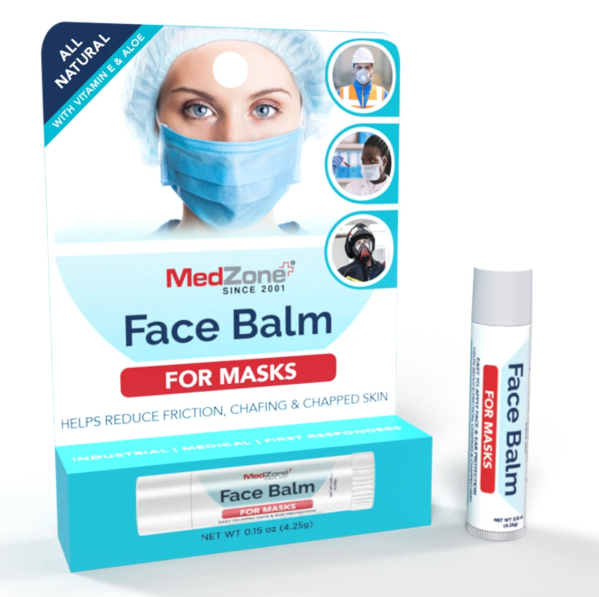
MedZone Releases, Face Balm, The First All-Natural Face Balm to Help Reduce Chafing & Rubbing Associated With Wearing Masks
The Sports Medicine, Skin Care & Hand Sanitizer Company Delivers A Unique Skin Care Product For First Responders, Medical Personnel and Active People Wearing Masks
(LENEXA, Kan.) May 18, 2020 - MedZone, an industry leader in sports medicine, skin care, anti-chafe products and hand sanitizers, announces the release of Face Balm, an all-natural facial skin friction reducing product designed to help prevent the rubbing, friction and irritation created by wearing medical masks, industrial masks and CPAP masks. On the heels of the successful launch of a line of high-quality hand sanitizers available at MedZone.net, the brand moved quickly to bring this much needed product to the market forfirst responders and medical professionals. "Last month we had customers asking us if our other chafe prevention products for athletes could work on their face due to skin irritations and rubbing from medical masks. Once we heard that our team went to work to create a premium solution to our customers problems to use on the face." Said Joe Freeman, CEO of MedZone. Repeatedly wearing masks of any type can cause skin irritation, bruising and scars. Face Balm by MedZone was created to be a gentle balm on the face to help reduce the effects of rubbing and chapped skin from wearing the mask. MedZone used its years of expertise to create an easy-to-apply formula of natural ingredients such as coconut oil, sweet almond oil, shea butter, aloe extract, avocado, jojoba and olive oil, making it great for all skin types. "Once we had the formulation finalized, we knew we needed to package it in an easy to carry and easy to use container so we chose a sleek pocket size stick container that is convenientto carry and perfect for on-the-go use. The small size lets the user apply it in small areas without the mess of a larger container. "Our team saw the need in the marketplace for an effective, natural product that can help those who are wearing masks for long periods of time. We knew we needed to take our skin care expertise and produce a product for anyone who wears a mask. The team worked tirelessly to rapidly create and produce a new unique product line that is needed with the increasing demand of PPE." MedZone will be donating product to various hospitals around the country to help medical and first responders during this chaotic time. Plans are being made to contribute a portion of sales to charitable organizations making an impact to first responders and medical workers around the country. Previously the company had social responsibility programs like this for its hand sanitizer products. Face Balm is now available for $11.97 for a 3 pack at MedZone.net and at major retailers soon. About MedZoneThe mission of MedZone® is to make EveryBODY Feel Better. MedZone products work to prevent, treat and manage aches, pains, discomforts, wounds, hand hygiene and skin-chafing issues for individuals in sports, industrial settings and recreational activities. Our products were initially designed in 2001 based on requests from medical professionals, athletes and U.S. Military. Over the years the products have been adapted to work for athletes, active people, law enforcement, military and for certain healthcare needs. With the increase in market need for sanitizers and hand hygiene products, Medzone has created a new line of products including hand sanitizing gel, hand sanitizing spray and foaming hand sanitizers in addition to Face Balm. The company is currently donating $0.10 per unit of hand sanitizer unit sold to the World Health Organization. The company is growing its Hygiene and Health Product category due to the increased need in the marketplace. Additional new products in this category are planned through the Summer 2020.
University of Bradford begins making ‘thousands of face shields’ as part of Covid-19 responseUniversity teams up with local companies to help fulfil vital NHS order for PPE
16 May 2020 Engineers from the University of Bradford have started the mass production of face shields for the NHS in response to the coronavirus pandemic.The project is being carried out at the University of Bradford’s Faculty of Engineering & Informatics in partnership with two local companies, Leeds-based additive manufacturer ActiveCell Technologies and Teconnex from Keighley.Academics are using high tech 3D printing and polymer injection moulding machines, capable of turning out thousands of pieces of protective face shield components a day.Mould sets ordered from Germany and designed and machined in Bradford mean the university has the capacity to produce in excess of 5,000 units per day if needed.Head of the Department of Mechanical and Energy Systems Engineering, Professor Tim Gough said the work was in response to an order for the equipment from the NHS, adding it had taken a number of weeks to get to the point of manufacture.“These are not the facemasks which you now see many people wearing in public but face shields, which have a clear plastic visor. A lot of transmission [of coronavirus] is coming from patient coughing and that can infect the carer through respiratory transmission. We are manufacturing headbands and headpieces to go around the head, which you can then attach a visor to.“It has taken us some time to get to this stage because everything has to comply with strict cleanliness standards, so we have had to deep clean everything, even the injection screws and screw barrels, to create a ‘clean room environment’.”He added the initial NHS order was for 10,000 units, with a further 5,000 ordered by Bradford Council.Prof Gough, who has worked at the university for 23 years and has ongoing projects with a number of companies, including vacuum manufacturer Dyson, is one of a team of six who are carrying out the work on campus. They are using 3D printers to create prototypes and then polymer injection moulding machines to create products. The headbands have even been made so that acetate sheets used in overhead projectors can be attached as visors as a last resort.They are also working on two other designs, one called an ‘ear saver’ to stop chafing caused by prolonged mask wearing in a medical setting and an alternative face shield design for use in care homes.He added: “In practical terms, this is what we do. Yes, there’s a level of complexity to it but we are used to making products and we have done this kind of thing for years.”Tim is part of a six-strong team, which also includes Professor of Precision Manufacturing Ben Whiteside, research engineer Michael Hebda, technical services manager David Barker and engineers John Hornby and Glen Thompson.Prof Whiteside, who leads the Polymer Micro and Nano Technology Research Centre said: “The challenge has been to review the problem, finalise designs and manufacture tooling at time scales that are far quicker than industry norms, while also offering significant benefits over existing solutions for our NHS staff.”ActiveCell Technologies managing director Chris Wray said he was happy to be able to help in a time of need, adding: “We managed to scale our print farm up quickly to keep up with demand, working with the university is a pleasure and to help create a design that is not only fit for purpose but helps protect the frontline workers in the NHS, private sector and care homes makes us extremely proud.”Teconnex production engineer Paul Shepherd, from Teconnex, which is helping with manufacture of the headbands and laser-cutting of visors, said: “It’s important to help out at this time. We have also said we will help provide local care homes if we can.” Additional informationThe University of Bradford has already donated its stocks of PPE and ethanol to local hospitals. Earlier this month, more than 400 nurses, including 2nd and 3rd year students, began working in the NHS. In April, front-end web developers from the university created an ‘extranet’ to help hospitals cope with the influx of new staff.
TRAIN IT RIGHT NEWSLETTER
Sign Up and get a free 7 day Train it Right HIIT Program!