Raymond James Partners with Umind.ca To Help Deliver Canada's Premiere Online Resource for Child & Youth Mental Health Care Professionals
TORONTO, Dec. 6, 2017 /CNW/ - In a new and exciting partnership, investment dealer Raymond James Ltd., is now Presenting Sponsor of Umind.ca (Umind) – an international online community dedicated to helping child and youth mental health professionals, educators and student learners expand their expertise, collaborate and grow in their profession. Umind accomplishes this through its vast library of resources, practical tools and online training opportunities for professionals in the mental health space. Developed by Kids' Health Links Foundation (KHLF), in collaboration with Umind's clinical partner Lutherwood, and supported by its academic partner Mohawk College, this unique platform breaks down resource silos to build a virtual community globally connected in their commitment to improve the lives of children and youth and their families living with mental health issues. Umind's registered members include frontline and administrative child and youth mental health staff, health care professionals, educators, post-secondary students and other professionals working with children and families, representing over 300 organizations within Canada and internationally.

Raymond James' partnership will help expand the Umind Webinar Series, which was created in 2014 in response to an expressed need by mental health professionals for more accessible and practice-specific professional development opportunities. In 2018, Umind webinars will include such critical topics as, 'How to Support Children and Youth Questioning Their Gender Identity', 'Legalization of Marijuana and the Impact on the Mental Health System', and 'Grief and Trauma in Mental Health'. Raymond James' sponsorship dollars will also help Umind continue to grow its online collection of over 950 practical tools, promising interventions and valuable resources developed by children's mental health treatment centres across Canada.
"We are very excited about our partnership with Umind," says Peter Kahnert, Senior Vice President, Corporate Communications and Marketing, "We look forward to working with the Umind team to grow this important resource to support children and youth living with mental illness and those professionals reaching out to help make a difference in the lives of many."
According to the World Health Organization, 20 percent of the world's children and youth have mental health disorders or issues. This partnership comes at a time when the need for child and youth mental health information and resources has never been greater.
Kids' Health Links Foundation Chairman and Co-founder, Basile Papaevangelou says, "It's because of the heart and vision of companies like Raymond James that programs like Umind have a chance to fulfill their potential and make their greatest impact. Bridging business and social enterprise, this partnership is an example of what's possible when companies step-up to the plate and partner withsocial services to help support the well-being of the communities in which they serve."
About Umind
Umind is a dynamic online community where mental health professionals access information, connect and share practical tools, knowledge, and training to help improve the lives of children and youth and their families living with mental health issues. It is an initiative launched and supported by Kids' Health Links Foundation (KHLF) and its clinical partner, Lutherwood. For more information, visit www.umind.ca.
About Lutherwood
For nearly 50 years, children, youth and their families have trusted Lutherwood's mental health services to support them as they cope with serious behavioural, emotional and psychological challenges. The agency provides residential treatment and assessment, community and school-based support, counsels families, and operates a shelter for youth at risk of being homeless. For more information, please visit www.lutherwood.ca.
About Kids' Health Links Foundation
Kids' Health Links Foundation was founded by Basile Papaevangelou and his daughter Christina to foster initiatives focused on alleviating the stress, isolation and loneliness for kids and teens undergoing medical care so that they might be better able to overcome traumatic medical experiences. For more information about Kids' Health Links Foundation please visit www.kidshealthlinks.org.
About Raymond James
Raymond James Financial, Inc. (NYSE: RJF) is a leading diversified financial services company providing wealth management for individual investors and families, capital markets, asset management, banking and other services to individuals, corporations and municipalities. The company has approximately 7,300 financial advisors in 3,000 locations throughout Canada, the United States and overseas. Total client assets under administration are US$693 billion. Public since 1983, the firm is listed on the New York Stock Exchange under the symbol RJF. Additional information is available at www.raymondjames.ca.
SOURCE Raymond James Ltd.
Fast Facts on Sexual Assault from

In the wake of accusations against Matt Lauer, Charlie Rose, Harvey Weinstein and other powerful notable public figures from entertainment and politics, sexual assault is a hot topic in the news and on social media. Many argue that not enough is being done to protect women inspiring a “me too” campaign which has spread on social media inspiring women to share an incidence of inappropriate sexual advances. Dr. Sanam Hafeez, a NYC based licensed clinical psychologist, teaching faculty member at the prestigious Columbia University Teacher’s College and the founder and Clinical Director of Comprehensive Consultation Psychological Services, is incredibly passionate about the topic given she sees the negative long-term consequences of sexualassault. In this open honest, Q&A Dr. Hafeez shares insights to offer clarity and help drive the conversation forward.
Who typically commits sexual abuse or assault.
Sexual abuse or assault is most commonly reported as being committed by a relative, a parent or a sibling. It can also be a close family friend. Such assaultusually takes place at home, and for years, goes unreported or unaddressed. Sexual assault can also take place in the workplace or with a work colleague outside of the office location. This is what we are seeing in the news as more and more people become comfortable coming forward.
It is important to note that sexual assault also occur in dating, committed relationships, even marriage. If one person feels uncomfortable and clearly declares their unease or fights a certain type of intimacy, it is assault if it is forced on them. Often, women ignore such assaults as just part of their relationship.
What is the mindset of the assailant?
Opportunity, a sense of entitlement and oppression over the victim. They want to assert power over the victim. Partly it’s a pathology that leads people (often men) to coerce another person into a sexual act. It can be a form of control that someone feels they are lacking which drives them to dominate someone they perceive as weaker. It is definitely more psychological than physical, as the tactics are often based in domination, a sense of strength along with the satisfaction of ‘owning’ the victim.
What are the thoughts of the victim when it happens and after?
Typically, victims experience feelings of fear and guilt that they somehow helped precipitate it in some way. They also have a horrible sense of being bonded forever with the assailant in hiding the crime. They also experience rumination as they replay the event over and over leading to anxiety or depression, self-doubt and a sense of extreme vulnerability. They question their safety and ability to protect themselves.
Why do many people refrain from coming forward with an accusation?
Many fear persecution, losing family and loved ones, being 'tainted', not being believed and the “drama” of it all. They figure best to remain quiet as not to stir anything up. When it comes to the workplace, many fear losing their jobs or having their name linked to something scandalous. This is why they often remain silent. What we see currently in the news media is a momentum of more and more people coming forward because they see they will be protected once they do. We also see workplaces sticking to their core values as an organization regardless of how notable the accused is. The statement made by NBC after Matt Lauer’s firing went in this direction.
What are the key things women must do when assaulted and why are they so important?
First, report the assault immediately to if not family or close friend, the police. Stepping forward to police prevents it from happening again to you and to others. It's incredibly important to keep the evidence, clothes, texts, etc. seek medical and psychological treatment. Document everything. This is more difficult for children who may cope through playing or with drawing. Parents should pay close attention to what their kids express during play. Oftentimes children who are sexually abused feel anxious or frightened that "something bad will happen" if they tell a grown up. Kids become paralyzed with fear and then deny or bury the memory of the trauma.
What should parents tell their children about inappropriate sexual advances from adults?
It is very important that parents make kids feel 100% safe should they ever have anything to share with parents. Having open discussions about their bodies so they understand what is and isn't appropriate is also key. Parents should tell their children that any contact that makes them feel uncomfortable is unacceptable and they should always tell their parent or a trusted adult. Kids must be empowered to be assertive and vocal to the adult making the advances. Finally, children should not feel pressured or forced to hug, kiss or be overly affectionate with anyone.
What are long term ramifications if children do not speak up?
They learn that the behavior is either acceptable or become timid and afraid to address it. It shadows their lives in other ways as well. They may bury the incident only to later develop anxiety, addictions to alcohol, drugs or food. They may develop an eating disorder, engage in cutting, or other self-damaging behaviors.
What are long term ramifications if adults don't speak up?
Trauma affects people of all ages. When adults keep the incident to themselves and try to forget it, it still lingers in their mind. Anything can trigger the memory or the feelings associated with it such as anxiety, fear and a general uneasiness. This may arise in intimate relationships where a person may be closed off sexually or emotionally without knowing why.
What is the treatment for moving past sexual assault?
One form of therapy that has been extensively researched and proven to be effective for treating trauma such as sexual assault is EMDR, Eye Movement Desensitization and Reprocessing. This combined with cognitive behavioral therapy and talk therapy helps heal.
Does admitting it happened and seeing the accused brought to justice help the person get over their experience if so why? If not what else must they do to heal?
Yes, many avoid the experience because if they admit it to the world then they have to admit it to themselves and relive it. In reality, having the accused brought to justice brings closure, hopefully a possibility that it won't happen to others but there's healing in the exposure. Exposure therapy is one of the best treatments for all trauma.
What else would you like people to know about this subject?
That sexual assault exists a lot more than people think and would like to believe. Yes, there are some guidelines to what constitutes it, but there are some rules of thumb when it comes to children in particular. For example, a child cannot consent to any form of sexual activity, period. When a perpetrator engages with a child this way, they are committing a crime that can have lasting effects on the victim for years.
Child sexual abuse does not need to include physical contact between a perpetrator and a child. Some forms of child sexual abuse include: exhibitionism, or exposing oneself to a minor, masturbation in the presence of a minor or forcing the minor to masturbate, obscene phone calls, text messages, or digital interaction, producing, owning, or sharing pornographic images or movies of children, sex trafficking and other sexual conduct that is harmful to a child's mental, emotional, or physical welfare.
Education is a must, to help spread awareness and teach both adults and children what is and is not appropriate.
What are some ways parents can educate their children?
It all depends on the age, cognitive and developmental level of the child but at any age, a parent should try and instill some basics into their child about abuse. For instance; telling very small children or toddler about who can bathe them or touch their private parts, teach them to have a healthy body image but understand privacy. As they get older, allow children to explore developmentally but have them be aware of their rights, such as even not kissing grandma if they don't feel like it. Giving children that control allows them to understand the ownership over their bodies and realize its value. Explain as they get older what types of actions constitutes assault but always, at all ages, explain, that they need to tell a trusted adult when someone hurts or violates them.
About the Doctor:
Dr. Sanam Hafeez PsyD, a NYC based licensed clinical psychologist, teaching faculty member at the prestigious Columbia University Teacher’s College and the founder and Clinical Director of Comprehensive Consultation Psychological Services, P.C. a neuropsychological, developmental and educational center in Manhattan and Queens.
She can certainly provide answers to specific questions regarding the connection between grief and anxiety. Feel free to send them to me.
Dr. Hafeez masterfully applies her years of experience connecting psychological implications to address some of today’s common issues such as body image, social media addiction, relationships, workplace stress, parenting and psychopathology (bipolar, schizophrenia, depression, anxiety, etc…). In addition, Dr. Hafeez works with individuals who suffer from post-traumatic stress disorder (PTSD), learning disabilities, attention and memory problems, and abuse. Dr. Hafeez often shares her credible expertise to various news outlets in New York City and frequently appears on CNN and Dr.Oz.
INTRODUCING THE BON-VIVANT GIRL
New Lifestyle Brand Helps Women Embrace a Happier, Healthier Life
|

[New York, NY – Dec 1, 2017] – Psychotherapist, certified health coach and author Nathalie Botrosannounces the launch of her new lifestyle brand: The Bon-Vivant Girl. Dedicated to helping women leave the negative messages about themselves behind and teaching them to embrace a rich, full life, the BVg life is bold, funny, practical, healthy, fearless, full of love and – most importantly – crazy happy.
A happy and healthy life will be yours not by following the rules and social pressures promoted by the media, but because you know how to take pleasure and find joy in everything you do!
– Nathalie Botros, The Bon-Vivant Girl
As part of the launch of The Bon-Vivant Girl brand, a lifestyle-focused website debuted in November to provide women with a digital destination to experience the living well mantra and follow the continuing journey of the original Bon-Vivant Girl. The site has lifestyle tips, experiential articles about Nathalie's own continuing views on her everyday life, and travel and dining advice that is specific to her experiences eating out in NYC and dining, dancing and shopping her way around the world.

Future sections of the site will include information about The Bon-Vivant Girl workshops where women will have an opportunity to "get personal" with the original BVg as well as an online shop, which will feature a few highly-curated products to inspire and delight aspiring BVgs.
 Nathalie is the author of the 2017 title, If You Are What You Eat, Should I Eat a Skinny Girl? which encapsulates her philosophies and provides a road map for readers who are ready to disrupt their way of thinking and begin to live happier, healthier lives. Nathalie is the author of the 2017 title, If You Are What You Eat, Should I Eat a Skinny Girl? which encapsulates her philosophies and provides a road map for readers who are ready to disrupt their way of thinking and begin to live happier, healthier lives.
Translated from French, “bon-vivant” means “well living” and Nathalie has made it her mission to help others live well – just as she has done for herself. In the book Nathalie shares her experiences and struggles in a humorous and honest way that has inspired other women to take up the habits of The Bon-Vivant Girl.
Being a Bon-Vivant Girl is about taking action and living a rich, full life. If You Are What You Eat, Should I Eat a Skinny Girl? will show you how to love and accept yourself, and that "size doesn’t always matter" to a BVg.
– Nathalie Botros, The Bon-Vivant Girl
|

Today I can call myself a Bon-Vivant Girl, because I live my life fully. I travel, I go out, I party within reason, and most importantly I am happy. This is my new era and I want to share it with everyone.
— Nathalie Botros, The Bon-Vivant Girl
|
|
|
- Why do you call yourself The Bon-Vivant Girl?
- How did your background in psychotherapy help you develop the attitudes and ideas that form the basis for creating the Bon-Vivant philosophy?
- What did you learn about yourself during the process of becoming a certified health coach?
- What was the impetus for launching The Bon-Vivant Girl brand?
- In your journey you talk about sparkling periods and black periods. Tell me how you came to understand those different times in your life and how what changes did you make in your life to bring the two extremes into balance?
- You are fond of saying “Size doesn’t always matter.” What does that mean to a Bon-Vivant Girl?
- As part of your new brand, you launched a lifestyle website. Tell us about that. What’s the “Hungry for Happy” mission?
- You mentioned a future section where you will offer curated items for people to buy. What types of products will you offer and why?
- What do you see as the next steps for The Bon-Vivant Girl as a brand?
- How does your first book, “If You Are What You Eat, Should I Eat a Skinny Girl?” fit into the message and mission of The Bon-Vivant Girl?
- What is your favorite tip in the book?
- What are some of the tips you’d like to share with women today to help them find the road to the Bon-Vivant life?
- Perhaps the most surprising thing is that your website has sections dedicated to cooking, home remedies and tips. How do these fit into the overall BVg brand?
|
About The Bon-Vivant Girl
|
Nathalie Botros / The Bon-Vivant Girl is a certified health coach and psychotherapist who teaches women how to how to live their life to the fullest potential. She is a world traveler with a big appetite for food and experiences. Nathalie was born in Lebanon, raised in Turkey, studied in Switzerland, played and worked in Italy before eventually landing in New York City. Nathalie gained a considerable amount of weight when she moved to NYC and, after trying several unsuccessful diets, she decided to fuse her health coach training with her psychotherapist mind to blow up the pattern of binge and purge. She created a new approach for happiness – a pathway and a pattern that starts from what she calls being “Hungry for Happy.” This new attitude put her on the road to a happy and healthy life… a bon-vivant life.
|
|
|
|
|
The Government of Canada invests more than $1.4M in research to improve the health of Indigenous seniors
Sudbury researcher is tackling age-related diseases in First Nations communities in northern Ontario and Saskatchewan
SUDBURY, ON, Dec. 4, 2017 /CNW/ - Indigenous populations in Canada are rapidly aging and facing a rise in multiple chronic diseases and disabilities. Recent data indicate that more than half of Indigenous people aged 65 and older report limitations in their ability to live an independent lifestyle. The Government has made it a priority to address the health needs of Indigenous people of all ages.
Today, Paul Lefebvre, Member of Parliament for Sudbury, on behalf of Canada's Minister of Health, the Honourable Ginette Petitpas Taylor, announced an investment of more than $1.4 million to support a research project focused on improving the health of Indigenous seniors. Specifically, the project will study the issue of dementia and how this condition affects Indigenous communities, including families and caregivers.
Dr. Janet McElhaney and her team at the the Health Sciences North Research Institute (HSNRI) in Sudbury will partner with First Nations communities in northern Ontario and Saskatchewan to:
- identify the needs of Indigenous seniors living with multiple conditions;
- develop and adapt interventions to address the health issues and barriers to care for seniors; and
- evaluate the effectiveness of community-specific interventions.
The new investment from the Canadian Institutes of Health Research (CIHR) will help support innovative research that will ensure healthier aging among Indigenous communities.
Quotes
"I would like to congratulate Dr. McElhaney and her team from Health Sciences North for collaborating with community partners on this important project. The Government of Canada is committed to investing in innovation and research to provide Indigenous peoples with lasting solutions to the health challenges they face."
Paul Lefebvre
Member of Parliament for Sudbury
"I commend Dr. McElhaney and her team at Health Sciences North for their ongoing dedication and commitment to reducing the health inequities faced by Indigenous populations across Canada. I am proud of the Government of Canada's commitment to improve health outcomes for Indigenous seniors by supporting projects like those being undertaken by Dr. McElhaney and her team. I am confident that we will all benefit from the improvements in dementia care that are produced by the world-class research being conducted in Greater Sudbury and the Nickel Belt region."
Marc Serré
Member of Parliament for Nickel Belt
"CIHR applauds Dr. McElhaney's research efforts and genuine compassion that have led her to work in partnership with Indigenous communities to ensure Indigenous peoples have access to the same quality of care and support that other Canadians enjoy. CIHR is delighted to support research that will have a real, tangible impact on improving the health of aging Indigenous peoples. We wish the team success and look forward to seeing their progress."
Dr. Carrie Bourassa
Scientific Director
CIHR Institute of Aboriginal Peoples' Health
"The funding from CIHR will provide an opportunity for collaborative community-based research that will identify the needs of Indigenous older persons with and develop interventions to address the health issues and barriers to care for older adults. It will allow us to work with communities and find innovative solutions while working to develop the next generation of researchers."
Dr. Janet McElhaney
HSNRI Vice President of Research and Scientific Director
Quick Facts
- Project Grants are designed to support researchers at any career stage build and conduct health research and knowledge translation projects covering a range of areas, from discovery science and clinical research to strengthening the health care system and examining the social determinants of health.
Related Products
At the Canadian Institutes of Health Research (CIHR) we know that research has the power to change lives. As Canada's health research investment agency, we collaborate with partners and researchers to support the discoveries and innovations that improve our health and strengthen our health care system.
Backgrounder
Project Grant – Healthy Aging in Indigenous Populations
| Researcher
|
Institution |
Project Title |
Project |
Funding Amount |
| McElhaney, Janet |
Laurentian University of Sudbury |
Integrated knowledge translation to address multi-morbidity and promote healthy aging in Indigenous people |
This project includes partnerships with First Nations communities in Northern Ontario and Saskatchewan to better understand how to address the health needs of aging Indigenous populations. The team will use a holistic approach that takes into account the body, emotions, the spirit, family and community. |
$1,476,450 |
Total funding: $1,476,450
SOURCE Canadian Institutes of Health Research
New Book Praised by John Mackey, CEO of Whole Foods Market, Explores Intrinsic Connection Between Personal Well-Being and Leadership Abilities, Offers Approach Inspired by Techniques From Traditional Practice of Yoga
Wellesley, MA - When we think about the qualities of an ideal leader, words like “decisive,” “charismatic,” “visionary”, and “resilient” may come to mind.
Yet we don’t always consider how to maintain qualities like these. And by focusing on words and labels alone, the deeper responsibility of being a leader—in fact the very essence of the word ‘leader’ itself— becomes distorted, argues yoga teacher and financial services professional Tarra Mitchell in her new book, The Yoga of Leadership: A Practical Guide to Health, Happiness, and Inspiring Total Team Engagement (December 12, 2017). Often, the word ‘leadership’ is correlated simply with holding a position of power.
In a more apt definition, leaders performing at an optimal level are awake, aware, and inspiring, Mitchell writes. They are resilient, have control of their mind and senses and can see life at a deeper level—thus inspiring their teams to strive for and reach their highest possible level of work. They also do their personal best to serve as positive examples—including by taking care of their physical health, cultivating mental strength and resilience, and operating with principle and purpose.
To help leaders achieve and maintain qualities essential to leadership success while fostering team engagement, Mitchell has designed a novel approach to leadership growth and development. Leveraging time-honored techniques from the traditional practice of yoga, The Yoga of Leadership explains how, by taking care of their holistic well-being, leaders are better able to:
- control emotions and manage stress,
- focus and concentrate,
- strengthen relationships, connection, and engagement,
- think more clearly and decisively, and
- make life-enhancing choices that improve overall well-being.
The book offers practical tools for connecting with each of the five interlocking dimensions, or layers, of holistic well-being according to yoga philosophy: physical, energy, mind, knowledge, and bliss.
“Connecting with each of the five layers enables leaders to show up at work happy, healthy, and vibrant, leading a team that loves working for them—and works with enthusiasm as a result. Leaders with great habits of health and well-being have the ability to penetrate the entire organization with an influence that is highly scalable. As you take care of yourself, you take care of your team,” Mitchell says.
Specific topics The Yoga of Leadership explores include:
- A balanced approach to taking care of physical health, leading to vitality, stamina, and resilience.
- The five mental obstacles to growth according to yoga philosophy and how to overcome them.
- Ways to develop equanimity in work and in life.
- How to cultivate discernment and an open mind by moving from reaction to response.
- Learning to lead through principle and fostering a principled workplace environment.
- Discovering how to operate with more self-awareness and emotional control.
“Personal well-being is not only principle centric, but also a leading indicator of success at work and in life. When the rubber meets the road and we have to perform as leaders, it all needs to be in check,” Mitchell says.
Praise for The Yoga of Leadership
“The Yoga of Leadership is an informative and thought-provoking complement to books on leadership. Oriented toward individual transformation, Tarra Mitchell shares a morally deep and timely message empowering leaders to raise consciousness through what she calls holistic wellbeing. With the integrity of an insider, she intelligently weaves together the elements necessary to become inspiring leaders in today's fast-paced work environment and offers a convincing case leveraging ancient wisdom, science, and stories. This book has profound implications for how we manage our days, weeks, teams, and organizations.”
—John Mackey, Co-Founder and CEO, Whole Foods Market, Co-Author, Conscious Capitalism: Liberating the Heroic Spirit of Business
“In our 30 years of working with clients on personal finance, we at Edelman Financial know that personal finance is more personal than finance. There is a necessary human element in all business endeavors. Tarra and I share the same language. The Yoga of Leadership teaches us how to tap into our inner self so we can be the best leader and person we can be. Brava, Tarra!
—Jean Edelman, Co-Founder, Edelman Financial Services, and Author, The Other Side of Money
“The Yoga of Leadership is a deep and meaningful resource with real world applicability. Tarra Mitchell brings the ancient wisdom of yoga into leadership in a way that will easily resonate. Tarra committed to me many years back that she would bring yoga to the business world in some way and here it is!”
—Rolf Gates, Teacher and Author, Meditations from the Mat: Daily Reflections on the Path of Yoga, Meditations on Intention and Being: Daily Reflections on the Path of Yoga, Mindfulness and Compassion.
About the author
Tarra Mitchell, author of The Yoga of Leadership, is integrating her distinctive background in business and yoga to contribute to the great conversation around leadership and consciousness. The Yoga of Leadership demonstrates how personal wellbeing is not only principle centric but also a leading indicator of success at work and in life. With an MBA in International Finance and German, her keen ability to connect with people led to an investment career directing billion-dollar fundraising events and developing relationships around the world. Tarra has practiced yoga for over twenty years and has studied extensively with master yoga teachers and private mentors.
Title: The Yoga of Leadership: A Practical Guide to Health, Happiness, and Inspiring Total Team Engagement
Author: Tarra Mitchell
Paperback: 318 pages
Publisher: TarraYoga LLC
Release Date: December 12th, 2017
Language: English
ISBN-10: 0999508210
ISBN-13: 978-0999508213
Price: $16.99
People with disabilities more likely to be arrested
By Susan Kelley |
November 30, 2017
Cornell Chronicle
People with disabilities face all sorts of discrimination every day. New Cornell research suggests they may also face it while interacting with the police.
People with disabilities in the study – including emotional, physical, cognitive or sensory disabilities – were nearly 44 percent more likely to be arrested by age 28, while those without had a lower probability of arrest, at 30 percent.
This “disability penalty” was strongest for African-American men.
Black men with disabilities in the study were at a particularly high risk of arrest: 55 percent had been arrested by age 28. In contrast, nearly 40 percent of whites with disabilities in the study had been arrested by that age.
The research was published Nov. 8 in the American Journal of Public Health.
“I expected to find that people with disabilities would be more likely to be arrested, but I was frankly shocked by how large the disparity was,” said author Erin McCauley, a doctoral candidate in the field of policy analysis and management.
“These findings really point to a problem,” she said. “For people with disabilities, particularly men of color, the experience of arrest is extraordinarily common. They are constantly exposed to this risk.”
And because the types of disability were evenly distributed across all races, the difference in the probabilities of arrest between whites and blacks is likely due to racial discrimination, she said.
McCauley analyzed data from 8,984 people who participated in the 1997 National Longitudinal Survey of Youth, a nationally representative survey administered by the U.S. Bureau of Labor Statistics. The data included each participant’s disability status, age at first arrest, gender, and race and ethnicity.
The work fills a gap in the research in this area. It is well established in the field that about 40 percent of people who are incarcerated have a serious mental health issue, and the largest treater of mental health is the U.S. criminal justice system, McCauley said.
But not much is known about the intersection of people with disabilities and incarceration, she said: “I couldn’t find anything that looked at people with disabilities as a population, to answer how fundamental the experience of criminal justice contact is to this group. How often does this come up in their lives?”
The findings have public health implications, she said.
For example, police training should put stronger emphasis on de-escalation, minimizing the use of force, and the role of implicit bias in police interactions, she said. In the paper, she wrote: “Police officers should understand how disabilities may affect compliance and other behaviors, and likewise how implicit bias and structural racism may affect reactions and actions of officers and the systems they work within in ways that create inequities.”
And ensuring high-quality care could decrease how frequently and closely people with disabilities come into contact with the criminal justice system, she said.
“For many with disabilities, quality health care is imperative for positive functioning within the community through increasing access to medication and support services,” she wrote.
BEAUTY 911 HOW TO NIP A SKIN DISASTER IN THE BUD
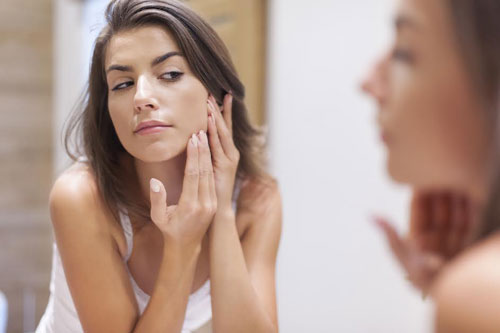
What can be worse than the onset of an unsightly skincare emergency the day of a big event such as a wedding, reunion, business interview, or first date? Have you ever cancelled a first date because a cold sore erupted? How about an acne breakout the morning of your sister’s wedding or worse… your own? With tips and insights is board certified dermatologist, Dr. Margarita Lolis to help us handle these common emergencies within 24 hours.
Problem: Hives, Redness and Allergies
Solution: When you realize a certain food, beverage, cream or cosmetic triggered an allergic reaction discontinue use or consumption. As for treatment Dr. Lolis suggests using hydrocortisone cream which can be purchased at the drug store and should always be on hand. Also take an allergy medication such as Claritin or Zyrtec. Try a cotton compress of apple cider vinegar which is an anti-septic and anti-fungal that pulls any toxins out of the skin. A compress with whole milk is also very soothing.
Problem: Puffy Eyes
Solution: Cool tea bags, cold cucumber slices work wonders to constrict blood vessels and reduce swelling when applied for 10 minutes. You don’t need to see a dermatologist for any kind of treatment for this beauty issue however be sure to invest in a good eye cream and keep it in the fridge. Applying eye cream morning and at bedtime will help.
Problem: Cold Sore
Solution: “Most dermatologists will offer cortisone injections to tame a cold sore given its ability to rapidly address inflammation. This doesn’t take very long to do so many dermatologists will tell you to come in the same day. If you can’t get an appointment get your doctor to issue you a prescription for Famvir, Acylovir or Valtrex,” Dr. Lolis suggests. “Applying a lemon tea compress, applying witch hazel oil or peppermint are some natural ways to treat a cold sore,” she adds.
Problem: Cystic Acne Breakout
Solution: Resist the urge to squeeze and soak in rubbing alcohol. “This is such a common response and people end up making the pimple worse not to mention scarring their skin. Cystic acne is deep and if treated correctly beneath the surface it could remain a bump and not a red, scabbing mess,” warns Dr. Lolis. The secret to destroying a deep cystic pimple is to get a steroid or cortisone shot. “What the dermatologist will do is inject a diluted glucocorticoid right into the pimple. You’re basically getting a concentrated dose of steroid molecules that are naturally produced by our bodies responsible for regulating metabolism, inflammation and immunity. Within one or two days of injection into a cyst, the steroid will shrink the inflammation producing relief of pain and almost immediate cosmetic improvement,” explains Dr. Lolis. If you cannot get to the dermatologist apply a paste of baking soda with water then remove it within 20 minutes. Natural clay can also work very well as could a sea salt compress. Sea salt, especially directly for the ocean only takes 20 minutes to dry up skin.
Problem: Chapped Lips
Solution: “Use lip balms not waxes and go natural with ingredients such as almond oil, vitamin E or A and make and at home paste of sugar and honey to use as an exfoliator. You want to exfoliate lips in the shower when temperature is warmer,” Dr. Lolis advises. Dry lips are always a beauty bummer especially when they crack and bleed. If chronic chapped lips are an issue, you may experience flare ups when lips are especially sensitive. “Your lips lack a tough outer skin layer which is why they are a darker color from the rest of your skin. Plus, there are enzymes in our saliva made to break down fats and proteins which is why when we lick our lips it makes matters worse.
About Dr. Lolis:
Dr. Margarita Lolis, M.D. is a board-certified cosmetic, medical dermatologist and a fellowship-trained Mohs surgeon with over 20 years of experience. In her practice, she addresses common skin concerns such as acne prevention and treatment in both teens and adults, sun-damage, skin discoloration, wrinkles, changes to skin texture and loss of volume. On the medical side, she is a trusted expert in melanoma and over-all skin health. Dr. Lolis prides herself in honoring facial symmetry to deliver a natural look to her clients. She always recommends a healthy skin care regimen plus lifestyle habits that are aligned with her holistic approach to beauty. Dr. Lolis is a member of the American Academy of Dermatology, American College of Mohs Surgery, and the American Society of Anti-aging. Her practice, Skin, Laser, and Surgery Specialists is in New York City and Bergen Country, New Jersey.
Office of the Chief Health Innovation Strategist enables better care for patients - right at home in eastern Ontario
OTTAWA, Nov. 30, 2017 /CNW/ - A select group of complex-care patients in eastern Ontario will be cared for using new technology right in their own homes. Today, William Charnetski, the Chief Health Innovation Strategist for Ontario (OCHIS), is kicking off the deployment of aTouchAway by Aetonix Systems, in the Arnprior Region & West Ottawa (AROW) and Upper Canada (UC) Health Links.
This project is one of 15 that received funding in the first round of Ontario's $20-million Health Technologies Fund (HTF). Administered on behalf of OCHIS by Ontario Centres of Excellence, the HTF is part of the OCHIS mandate to strengthen Ontario's health innovation ecosystem.
"The Health Technologies Fund is already having an impact in the health system because of the collaborations it has created between health service providers, health technology innovators and patients," says William Charnetski, Ontario's Chief Health Innovation Strategist. "We are finding new ways to solve our greatest challenges by harnessing the power of innovation to provide better care while creating jobs in Ontario."
The AROW and UC Health Links are partnering with both private and public organizations to deploy the innovative telehealth technology developed by Aetonix. aTouchAway is a communication platform designed for seniors and others with complex healthcare needs. It connects all of their healthcare providers and caregivers, including family members, on one secure, easy-to-use digital platform. Members of a patient's circle of care can see, speak with, assess and support the patient directly through a tablet or smartphone application. aTouchAway provides one-touch secure video conferencing and treatment / care plan information-sharing.
In Ontario, five per cent of patients account for two-thirds of all healthcare costs.1 These are most often patients with multiple, complex conditions. There are 90 Health Links across Ontario that are providing a new service delivery model focused on coordinated care planning. Care coordinators work with each patient to develop individualized care plans. When the hospital, family doctors, community organizations, informal caregivers and others work as a team, patients receive better, more coordinated care.
"Health Links have allowed me to create, and enjoy, a new life," notes one AROW Health Link client. "Everyone has been fantastic and I now have someone who looks after me where it's most comfortable – my home. My care coordinator is my ambassador."
The AROW and Upper Canada Health Links connect patients with more than 50 agencies, including hospitals, primary care teams and community service agencies. "Enhanced connectivity will significantly improve the flexibility and capacity of our Care Coordinators. They can work with the care team to address each patient's unique healthcare goals," says Cholly Boland, CEO, Winchester District Memorial Hospital, which is the lead partner for the Upper Canada Health Link.
"Minister Hoskins is committed to integrated, accessible care closer to home and this is a great example of what is possible. Health Links focus on the most complex and vulnerable patients and this type of coordinated care will support them right in their own homes," adds Eric Hanna, President & CEO of Arnprior Regional Health, which is a lead partner for the AROW Health Link.
The program is further enabled through financial and in-kind contributions by partners, including: Samsung Canada, Boehringer Ingelheim (Canada) Ltd., and the Canadian Foundation for Healthcare Improvement (CFHI). The Women's College Hospital Institute for Health System Solutions and Virtual Care (WIHV) is also leading the evaluation to see how effective the tool is at improving access to care for patients with complex needs. Total funding for the program is $1.2 million.
"Aetonix is so proud to be working with these health and technology partners to innovate in home healthcare and help Ontarians receive better care at home," explains Michel Paquet, CEO and Founder at Aetonix. "We are offering Ontario's Health Links a truly unique solution that will improve patient outcomes and experiences, while enabling efficiency." Based in Ottawa, Aetonix is an Ontario-born virtual home care technology company whose mission is to revolutionize how families, healthcare professionals and caregivers connect a patient's circle of care.
PARTNER VOICES
"We're pleased to be among the group of partners selected to implement the Aetonix aTouchAway solution, an innovative model that will empower health care providers to bring coordinated care into the homes of patients. As an organization committed to the development of solutions that will improve healthcare delivery for patients, we are excited to witness the positive impact this model will have on Ontarians living with chronic and complex conditions." - Richard Mole, President and CEO, Boehringer Ingelheim (Canada) Ltd.
www.boehringer-ingelheim.ca
"Samsung is proud to partner with Aetonix on this milestone achievement in healthcare technology. Together with the Aetonix aTouchAway application, our innovative mobile solutions are keeping healthcare practitioners and patients more connected and impacting patient care across Canada." - Paul Brannen, Executive Vice President, Mobile Solutions at Samsung Canada
www.samsung.com/ca/
"WIHV is committed to finding new ways of keeping seniors and all patients with complex care needs closer to home. We're excited to evaluate the aTouchAway solution to look at the potential it has to help patients and the healthcare system overcome some of the biggest barriers to care and create better outcomes for everyone." - Dr. Sacha Bhatia, WIHV Foundation Director, The WCH Institute for Health System Solutions and Virtual Care
www.wchwihv.ca
1 http://www.health.gov.on.ca/en/pro/programs/transformation/community.aspx
SOURCE Aetonix Systems
Diet success may depend on your DNA, research from the Texas A&M College of Medicine shows
(BRYAN, Texas) — Research in animal models with different genetics shows that one diet really doesn’t fit all, and what works for some may not be best for others, according to a Texas A&M study recently published in the journal Genetics.
“Dietary advice, whether it comes from the United States government or some other organization, tends to be based on the theory that there is going to be one diet that will help everyone,” said David Threadgill, PhD, with the Texas A&M College of Medicine and College of Veterinary Medicine & Biomedical Sciences, senior author of the study. “In the face of the obesity epidemic, it seems like guidelines haven’t been effective.”
Threadgill thinks he knows why. The researchers used four different groups of animal models to look at how five diets affect health over a six-month period. The genetic differences within each group were almost non-existent, while the genetics between any two of the groups would translate to roughly the same as those of two unrelated people. The researchers chose the test diets to mirror those eaten by humans—an American-style diet (higher in fat and refined carbs, especially corn) and three that have gotten publicity as being ‘healthier’: Mediterranean (with wheat and red wine extract), Japanese (with rice and green tea extract) and ketogenic, or Atkins-like (high in fat and protein with very few carbs). The fifth diet was the control group who ate standard commercial chow.
Although some so-called healthy diets did work well for most individuals, one of the four genetic types did very poorly when eating the Japanese-like diet, for example. “The fourth strain, which performed just fine on all of the other diets, did terrible on this diet, with increased fat in the liver and markings of liver damage,” said William Barrington, lead author on the study and a recently graduated PhD student from the Threadgill lab.
A similar thing happened with the Atkins-like diet: two genetic types did well, and two did very badly. “One became very obese, with fatty livers and high cholesterol,” Barrington said. Theother had a reduction in activity level and more body fat, but still remained lean. “This equates to what we call ‘skinny-fat’ in humans, in which someone looks to be a healthy weight but actually has a high percentage of body fat.”
“In humans, you see such a wide response to diets,” Barrington said. “We wanted to find out, in a controlled way, what was the effect of the genetics.” They measured physical signs, especially evidence of metabolic syndrome, which is a collection of signs of obesity-related problems, including high blood pressure and cholesterol, fatty liver and levels of blood sugar. They also studied any behavioral differences, from how much they moved around to how much they ate.
“I wanted to get the diets as close to popular human diets as possible,” Barrington said. “We matched fiber content and matched bioactive compounds thought to be important in disease.”
Perhaps as could be expected, both in earlier research and in anecdotal evidence in humans, the animal models tended not to do great on the American-style diet. A couple of the strains became very obese and had signs of metabolic syndrome. Other strains showed fewer negative effects, with one showing few changes except for having somewhat more fat in the liver. With the Mediterranean diet, there was a mix of effects. Some groups were healthy, while others experienced weight gain, although it was less severe than in the American diet. Interestingly, these effects held, even though the quantity of consumption was unlimited.
The results demonstrated that a diet that makes one individual lean and healthy might have the complete opposite effect on another. “My goal going into this study was to find the optimal diet,” Barrington said. “But really what we’re finding is that it depends very much on the genetics of the individual and there isn’t one diet that is best for everyone.”
The research team’s future work will focus on determining which genes are involved in the response to the diets. “One day, we’d love to develop a genetic test that could tell each person the best diet for their own genetic makeup,” Barrington said. “There might be a geographical difference based on what your ancestors ate, but we just don’t know enough to say for sure yet.”
About Texas A&M University Health Science Center
Texas A&M University Health Science Center is transforming health through innovative research, education and service in dentistry, medicine, nursing, pharmacy, public health and medical sciences. As an independent state agency and academic unit of Texas A&M University, the health science center serves the state through campuses in Bryan-College Station, Dallas, Temple, Houston, Round Rock, Kingsville, Corpus Christi and McAllen. Learn more at vitalrecord.tamhsc.edu or follow @TAMHSC on Twitter.
CRAFT Beer Market taps open first location in Toronto on Dec. 6
Canadian restaurant houses Ontario’s largest
selection of craft brews
Toronto, ON – Opening its doors on Dec. 6, CRAFT Beer Market officially taps open its first Toronto location in the city’s Financial District (1 Adelaide St. E.). The new two-storey restaurant houses over 400 seats inside, as well as a 250-person beer garden outdoors opening in summer 2018. The Toronto location features Ontario’s largest selection of craft beers, ranging from local Toronto breweries to well-established classics, in addition to sustainably sourced dishes.
“Toronto is such an amazing city with great food, beer and culture, and we’re so excited to be a part of this community and the growth of the craft beer scene,” said PJ L’Heureux, president and founder of CRAFT Beer Market. “We’re passionate about supporting the local communities we’re a part of, whether it’s through neighborhood breweries or local farms. Toronto has been so welcoming, from our existing long-term relationships, to the amazing new friends we have met. We cannot wait to open the doors to the great people of Toronto.”
Upon entrance, guests are greeted by a glass-enclosed keg room, which holds more than 250 kegs. Stainless steel draft beer lines connect the keg room to the restaurant’s centrepiece – an oval-shaped bar lined with 160 taps ready to pour great beer – traditional lagers to obscure ales, ciders and wine.
In addition to its wide selection of beers, CRAFT is committed to preparing fresh food using locally-sourced ingredients. The menu offers an elevated and sophisticated take on traditional comfort foods, such as Shrimp Tacos, a signature dish grilled with Ocean Wise shrimp and served with fresh cabbage, pico de gallo and CRAFT’s signature house made hot sauce.
House favourites include CRAFT’s Grilled West Coast Salmon, sustainably raised salmon served with quinoa, almonds and green beans sautéed with chili garlic vinaigrette. The Dark Beer Braised Beef Brisket, locally sourced Ontario beef from Sanagan’s braised for 10 hours and marinated in CRAFT’s house made sauce and served with smashed potatoes and seasonal vegetables.

CRAFT Beer Market’s Shrimp Tacos
Photo Credit: CRAFT Beer Market

CRAFT Beer Market’s Grilled West Coast Salmon
Photo Credit: CRAFT Beer Market
Served only on Saturdays and Sundays, CRAFT’s brunch menu offers casual yet delectable fare sure to wake up taste buds. Whether guests are craving an extravagant meal like Breakfast Tacos filled with scrambled eggs and beer can chicken or a more Classic Breakfast with two farm fresh eggs and sides, CRAFT has options suited for everyone.
“At CRAFT, we take great pride in our menu – it’s as important as our beer selection and it is carefully hand crafted daily in house and reflective of our great local suppliers here in Ontario,” said L’Heureux. “Whether you’re joining us for brunch, lunch, dinner or drinks, we want guests to feel relaxed and enjoy their food as they would in their own home.”
CRAFT Beer Market Toronto opens to the public on Dec. 6 and is open daily for lunch, dinner, late nights and weekend brunch. For hours of operation or more information, please visit craftbeermarket.ca/Toronto.
Website: CRAFTbeermarket.ca/toronto
Instagram: @CRAFTtoronto
Twitter: @CRAFTToronto
Facebook: /CRAFTToronto
Hashtag: #CRAFTBeerMarketTO
About CRAFT Beer Market
Calgary-based CRAFT Beer Market opened the doors to its first location in Calgary’s Beltline district in 2011. They followed up with locations in Vancouver and Edmonton in 2013 and Ottawa in May 2016. This year CRAFT opens up two more locations; a second Calgary location at Southcentre and downtown Toronto. Keep up to date on the opening of CRAFT Beer Market by visiting them online at www.craftbeermarket.ca where you can subscribe to the e-newsletter.